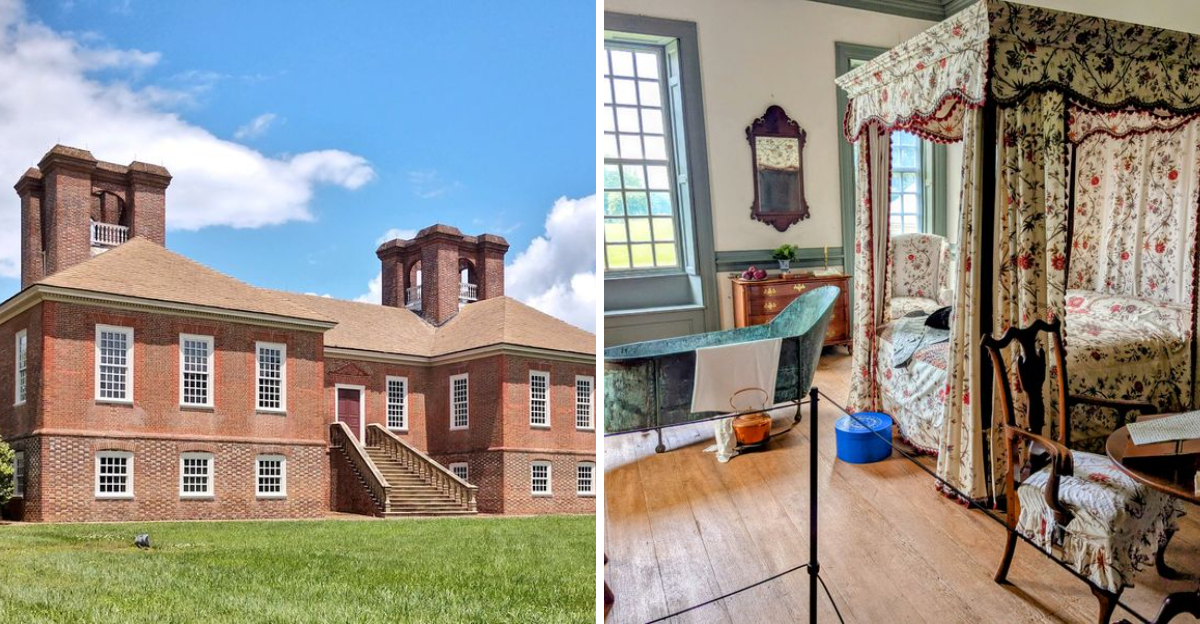
Think you know Virginia history? Think again.
Tucked along the Potomac River at 483 Great House Rd in Stratford, this sprawling estate holds secrets that shaped America’s founding story. Stratford Hall isn’t just another colonial mansion on the tourist trail.
It’s where the Lee dynasty began, where signers of the Declaration of Independence were born, and where you can still walk the same halls that witnessed centuries of political power plays and family drama. Open Tuesday through Monday from 10 AM to 5 PM, this place lets you step into authentic Georgian architecture, hunt for ancient fossils on the beach below, and explore over two thousand acres of preserved wilderness.
But here’s the real question: Is it the birthplace of heroes or just another pretty plantation? The answer might surprise you, and it definitely depends on who you ask.
The Great House That Started It All
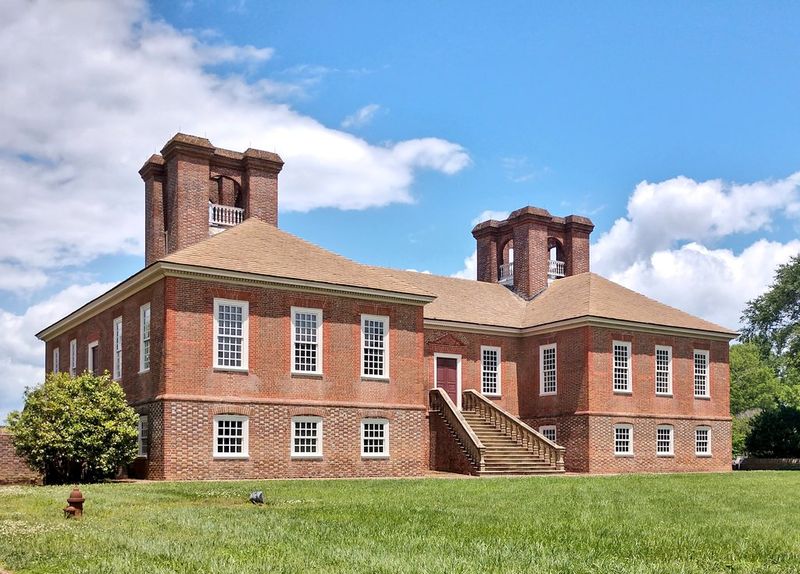
Built by Thomas Lee in the late seventeen thirties, this architectural masterpiece practically screams “important people lived here.” The distinctive H-shaped floor plan and those dramatic chimney clusters rising on either side make this one of the most recognizable colonial homes in America. Seriously, those chimneys alone are worth the visit.
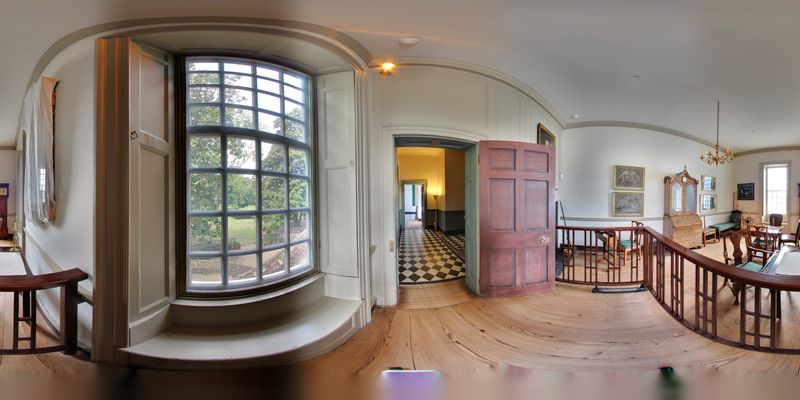
Walking through the self-guided audio tour, you’ll discover rooms arranged exactly as they were centuries ago. Each space tells stories of political meetings, family gatherings, and the daily rhythms of plantation life.
The Georgian architecture remains remarkably intact, showcasing craftsmanship that modern builders still admire.
Docents stationed throughout answer questions and add depth to the audio experience. You can move at your own pace, lingering in rooms that capture your imagination.
The house sits prominently on the grounds, visible after a short walk from the visitor center.
Pro tip: Bring your own earbuds for the audio tour. The technology works through your phone, making the experience feel surprisingly modern despite the ancient surroundings.
Every corner reveals another layer of American history waiting to be discovered.
Birthplace of American Royalty
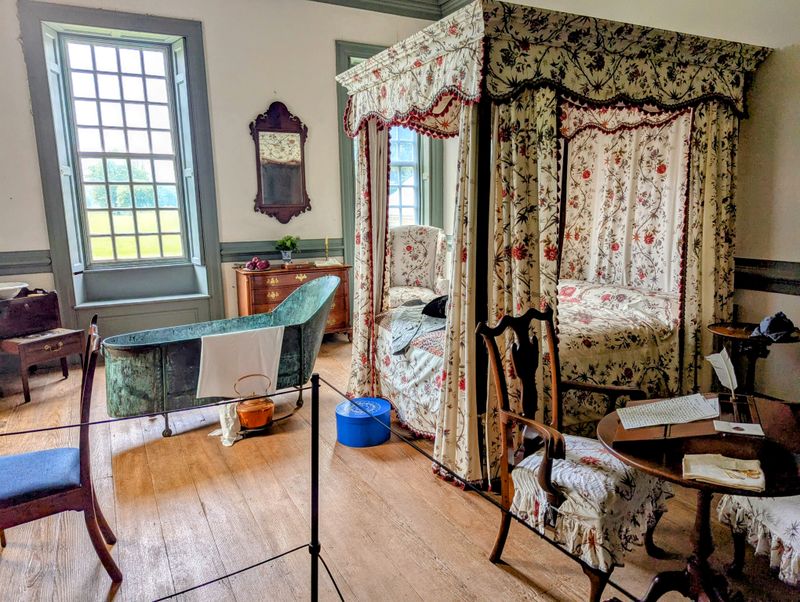
Robert E. Lee entered the world within these walls, making Stratford Hall a pilgrimage site for history enthusiasts.
But he’s just one star in a constellation of influential Americans born here. The Lee family produced signers of the Declaration of Independence, members of the Continental Congress, and governors who shaped the young nation.
The museum at the entrance showcases fascinating artifacts from these prominent figures. Display cases hold personal items, documents, and even a wedding ring lost at the beach and miraculously recovered years later.
Each object comes with detailed information in handy booklets that highlight surprising facts.
One particularly amusing exhibit features an old Casio watch from the eighties alongside centuries-old artifacts. That juxtaposition perfectly captures how this place bridges past and present.
The collection doesn’t just celebrate famous men; it reveals the complex web of family relationships that influenced American politics for generations.
Understanding the Lee dynasty means grappling with both their contributions and controversies. Stratford Hall doesn’t shy away from these complicated histories.
Instead, it presents them honestly, letting visitors draw their own conclusions about legacy and leadership.
Fossil Hunting Adventures on the Beach
Forget boring history lessons. Grab your bucket and head down to the Potomac shoreline for some serious fossil hunting action.
Shark teeth, ancient shells, and even crocodile teeth hide among the pebbles and sand. Guides like Ryan, Richard, and Monica lead excursions that turn casual visitors into paleontology nerds.
These experts possess incredible patience and knowledge. They’ll help you spot treasures your untrained eye would miss completely.
Finding your first genuine shark tooth creates an addictive thrill that keeps people coming back for more discoveries.
The beach itself is small and rustic, not your typical sandy vacation spot. High tide can make it even tinier, so timing matters.
But for fossil enthusiasts, this intimate shoreline beats any crowded tourist beach hands down.
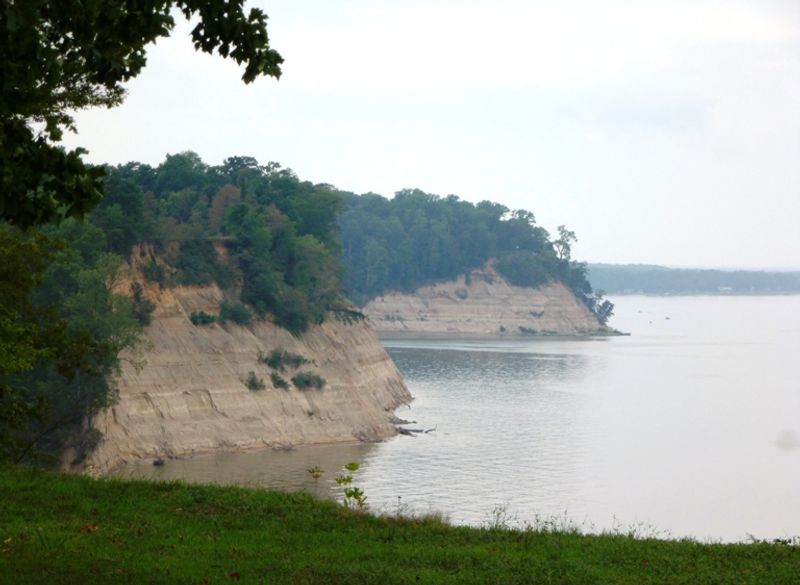
Westmoreland State Park sits right next door, extending your outdoor adventure options. The clifftop views alone justify the visit, offering dramatic vistas of the Potomac River.
Bring sturdy shoes because the path down can be steep.
Some visitors complain about the beach size, but they’re missing the point entirely. You’re not here for sunbathing.
You’re here to hold pieces of prehistory in your hands, connecting with creatures that swam these waters millions of years ago.
Immaculately Maintained Grounds and Gardens
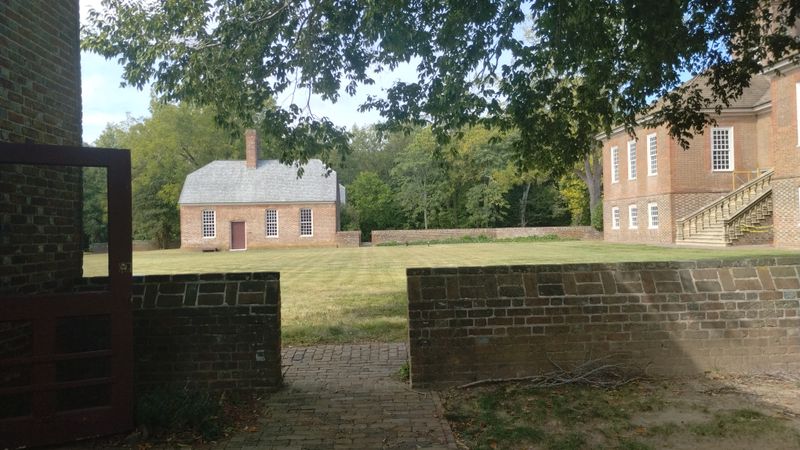
Two thousand acres of preserved land surround the Great House, offering endless exploration opportunities. Manicured gardens bloom near the main buildings, while wilder trails wind through forests and fields.
Even in winter, the landscape maintains its beauty, with fallen black walnuts and bare branches creating their own stark elegance.
Multiple walking paths crisscross the property, though trail maintenance varies significantly. The areas immediately around the visitor center, house, and formal gardens receive meticulous care.
Staff clearly prioritize these high-traffic zones, ensuring picture-perfect conditions year-round.
Venturing farther out presents more challenges. Some trails advertised on maps prove difficult or impossible to navigate.
Visitors planning serious hikes should ask staff about current conditions before setting out on longer routes.
Wildlife thrives throughout the property. Bluebirds, deer, groundhogs, and even bald eagles make regular appearances.
The mill pond teems with fish, attracting both animals and birdwatchers. Nature photographers find endless subjects here.
Signage could definitely improve. Several visitors mention getting turned around or missing key features because directional markers are scarce.
Apparently the director prefers minimal signs to preserve historical authenticity. That philosophy creates atmosphere but also confusion, especially for first-time guests trying to navigate independently.
The Mysterious Burial Vault
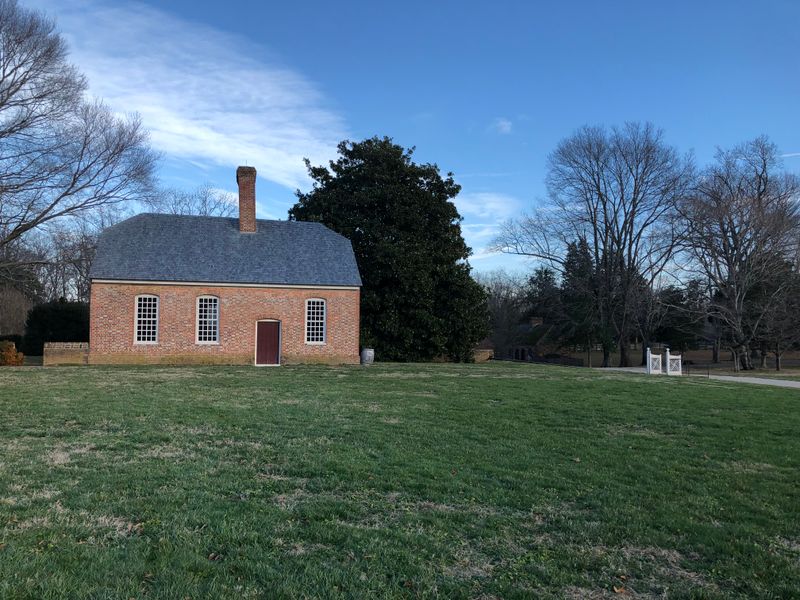
Peer into the burial chamber and you might initially think it’s just a hole in the ground. Look closer.
Stairs descend into the underground vault where Lee family members rest. This unexpected architectural feature adds gothic intrigue to your historical tour.
Colonial burial practices differed dramatically from modern customs. Wealthy families often constructed elaborate underground tombs rather than simple gravesites.
These vaults protected remains from the elements and created lasting monuments to family prominence.
The structure itself demonstrates impressive engineering for its era. Stone construction has withstood centuries of weather and settling earth.
Standing at the entrance, you can almost feel the weight of generations pressing up from below.
Some visitors find the burial vault unsettling, which honestly makes it more interesting. History isn’t always comfortable or pretty.
Confronting mortality through these tangible remnants forces us to consider how we’ll be remembered.
Photography here requires respectful restraint. This is still a final resting place for real people, not just a spooky tourist attraction.
The vault reminds us that behind every historical dynasty lie individual humans who loved, suffered, and ultimately died like everyone else.
Walking away, you carry a deeper appreciation for how the Lee family literally rooted themselves in Virginia soil, claiming this land as their eternal home.
Overnight Stays in Historic Cabins
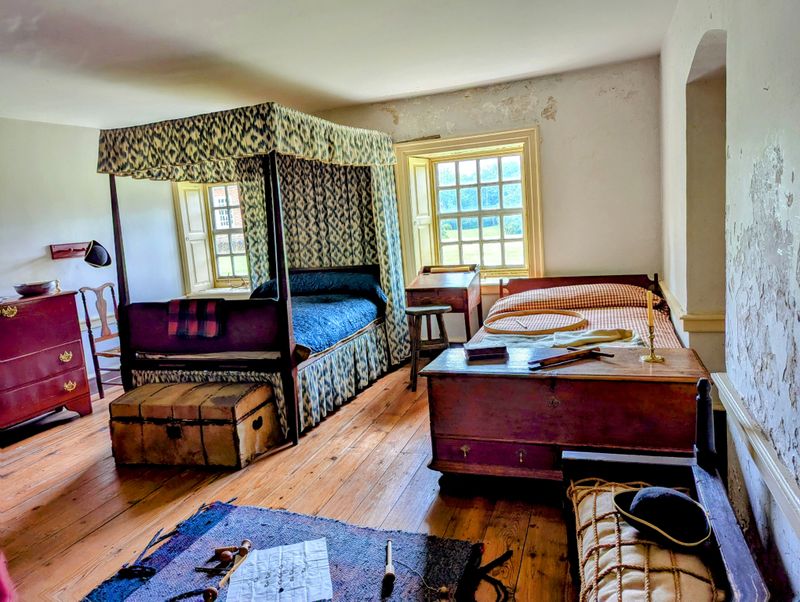
Why rush through history when you can sleep in it? Stratford Hall offers overnight accommodations in period-style cabins scattered across the property.
The Astor House and other lodgings provide full amenities including kitchenettes, combining historical atmosphere with modern comfort.
Couples particularly love the romantic ambiance. Imagine waking up to birdsong and mist rising over the Potomac, then stepping out to explore the grounds before day visitors arrive.
You get exclusive access to the property’s magic during golden hour.
The cabins maintain spotless cleanliness according to enthusiastic reviews. Staff attention to detail extends beyond the public spaces into these private accommodations.
Everything from linens to kitchen supplies meets high standards.
Special events like Valentine’s dinners elevate the experience further. Densons Farm to Table provides catering that guests describe as incredible.
Combining gourmet food with historical surroundings creates unforgettable romantic getaways.
Staying overnight transforms your visit from a quick stop into an immersive journey. Morning walks before crowds arrive, evening strolls as shadows lengthen across the lawns, and nighttime quiet broken only by nature’s sounds.
You’re not just visiting history; you’re temporarily living within it, experiencing the estate’s rhythms as the Lee family once did.
Working Mill and Living History Demonstrations
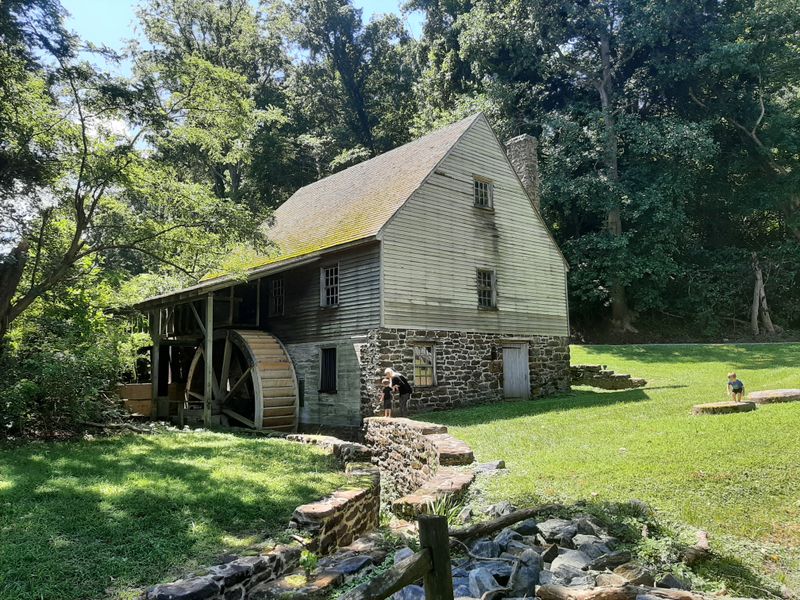
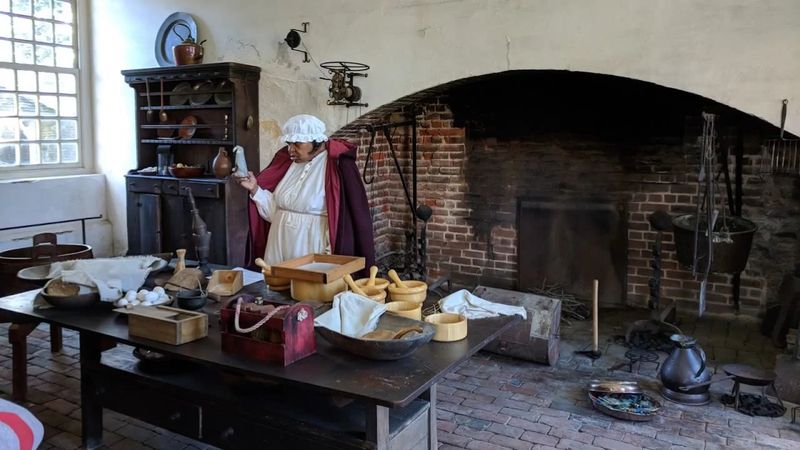
The working mill operates just like it did centuries ago, grinding grain and demonstrating colonial technology. Staff members provide live demonstrations that bring mechanical history to life.
Watching massive stones crush grain into flour connects you viscerally to how people actually survived in earlier eras.
These demonstrations happen regularly throughout operating hours. Check the schedule when you arrive to catch the most interesting presentations.
The interpreters don’t just show you what happened; they explain why these technologies mattered and how they shaped daily life.
Period-dressed guides populate various buildings across the estate. Their costumes aren’t just for show.
They represent specific time periods and social classes, helping visitors understand the complex hierarchy that governed plantation society.
Ask questions freely. The staff loves sharing knowledge and can provide context that audio tours miss.
They’re walking encyclopedias of colonial life, ready to discuss everything from food preparation to social customs.
Some visitors prefer self-guided exploration, but skipping these live interactions means missing crucial depth. The combination of audio tours and human expertise creates the richest understanding.
You get facts from technology and nuance from people who’ve dedicated themselves to preserving these stories.
Kids especially benefit from seeing history in action rather than just reading about it.
Extensive Museum and Gift Shop
Before even reaching the Great House, you’ll encounter a museum packed with treasures. Display cases showcase items belonging to the Lee family and other residents throughout the centuries.
Each artifact comes with detailed documentation that adds context and human interest.
The lost-and-found wedding ring story alone is worth the admission price. Imagine losing your ring on the beach, only to have it discovered years later and returned.
That kind of serendipity makes history feel alive and ongoing rather than dead and dusty.
Informative booklets accompany the exhibits, pointing out details you might otherwise overlook. These guides transform casual browsing into educational experiences.
You learn not just what you’re seeing, but why it matters.
The gift shop offers quality merchandise beyond typical tourist trinkets. Books, reproductions, and locally-made items give you meaningful souvenirs.
Purchases also support the preservation efforts keeping Stratford Hall accessible for future generations.
Staff members stationed in both museum and shop answer questions enthusiastically. Their passion for the site shines through every interaction.
You leave not just with purchases or knowledge, but with their infectious appreciation for this special place.
Accessibility matters here too. The museum and shop are easier to navigate than some outdoor areas, making them perfect starting points for visitors with mobility concerns.
Dramatic Clifftop Views of the Potomac
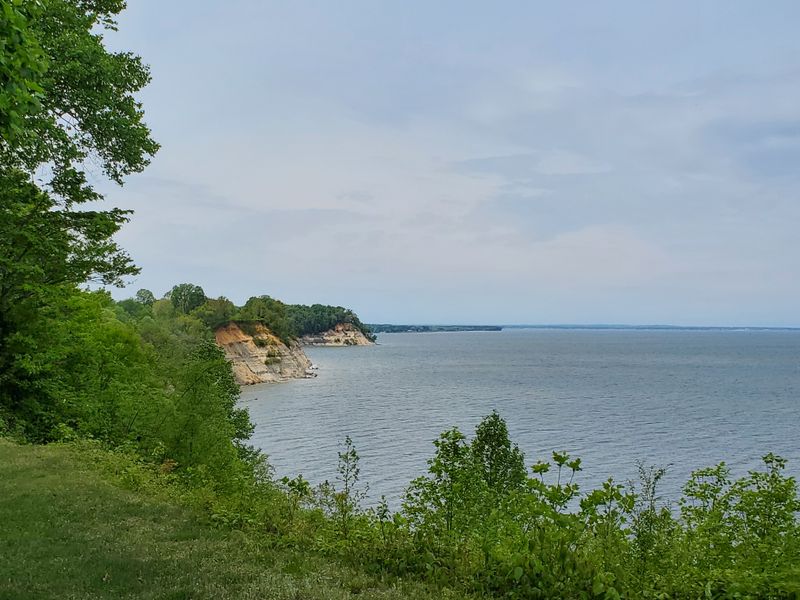
Don’t leave without hiking to the clifftop overlook. The Potomac River stretches wide and majestic below, creating views that rival any postcard.
This vantage point offers perspective on why the Lee family chose this particular spot for their dynasty.
The river served as highway and border, connecting the estate to the wider world. Standing at the cliff edge, you understand the strategic importance of this location.
Water meant transportation, trade, and power in the colonial era.
Photographers go crazy here, and rightfully so. Every season offers different lighting and colors.
Spring brings fresh green growth, summer delivers lush fullness, autumn explodes in color, and winter reveals stark beauty through bare branches.
The walk to the overlook provides moderate exercise without extreme difficulty. Most visitors handle it fine with reasonable fitness levels.
Sturdy shoes help navigate potentially uneven terrain.
Bald eagles sometimes soar overhead, adding wildlife drama to landscape beauty. Bring binoculars if you’re into birding.
The variety of species using the river corridor is impressive.
Take time to simply sit and absorb the view. In our rushed modern world, these moments of stillness and natural beauty feed the soul.
The Potomac has flowed here for millennia, witnessing countless human dramas while remaining essentially unchanged.
Authentic Self-Guided Audio Tour Experience
The self-guided audio tour system works brilliantly, letting you explore at your own pace. Download the tour through your phone, pop in your earbuds, and suddenly you’re getting expert narration without the constraints of group schedules.
This flexibility matters enormously, especially for families with different interest levels.
Some people blast through in an hour. Others linger for three.
The audio system accommodates both styles perfectly. You control when to move forward and when to replay sections that fascinate you.
Occasionally technical glitches occur. A few visitors report headsets that only work partially.
The staff generally responds quickly to these issues, though having backup equipment readily available at the house itself would improve the experience.
The content quality is excellent, providing historical depth without boring academic drone. Narrators strike a balance between informative and engaging.
You learn without feeling lectured.
For visitors who prefer human guides, docents supplement the audio experience beautifully. They add anecdotes and answer specific questions the recording can’t anticipate.
Combining both resources creates the richest understanding.
This system also proved invaluable during recent years when in-person tours faced restrictions. Stratford Hall adapted smoothly, ensuring visitors could still access quality interpretation.
That flexibility demonstrates institutional resilience and commitment to public education regardless of circumstances.
Dear Reader: This page may contain affiliate links which may earn a commission if you click through and make a purchase. Our independent journalism is not influenced by any advertiser or commercial initiative unless it is clearly marked as sponsored content. As travel products change, please be sure to reconfirm all details and stay up to date with current events to ensure a safe and successful trip.
