Think all museums are just dusty displays behind velvet ropes? Think again.
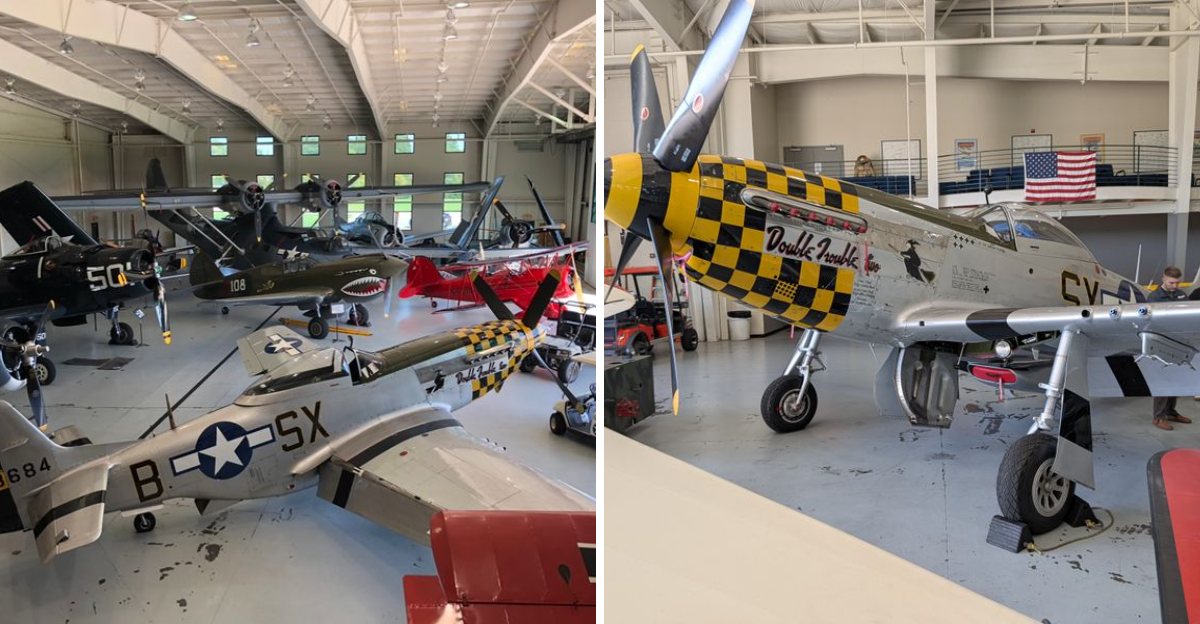
Tucked away in Virginia Beach sits a place where history doesn’t just sit still, it roars to life. The Military Aviation Museum at 1341 Princess Anne Road houses one of the world’s most jaw-dropping collections of vintage warbirds, and here’s the kicker: most of them still fly.
Forget staring at static exhibits from a distance. You’ll walk among meticulously restored aircraft from both World Wars, getting close enough to see every rivet and panel.
Passionate volunteers who eat, sleep, and breathe aviation history are stationed throughout the hangars, ready to share stories that’ll give you goosebumps. This isn’t your typical stuffy museum experience.
It’s a living, breathing tribute to the machines and the heroes who flew them. Virginia’s coastline might be famous for beaches and boardwalks, but this hidden treasure offers something far more thrilling.
Ready your camera and comfortable shoes, because you’re about to step into a time machine that smells like engine oil and adventure.
Walk Among Flying Legends in the World War II Hangars
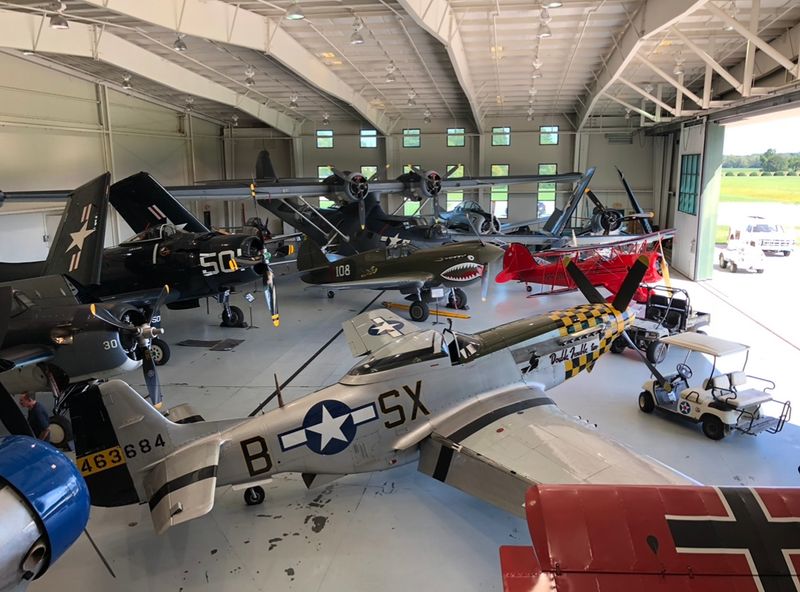
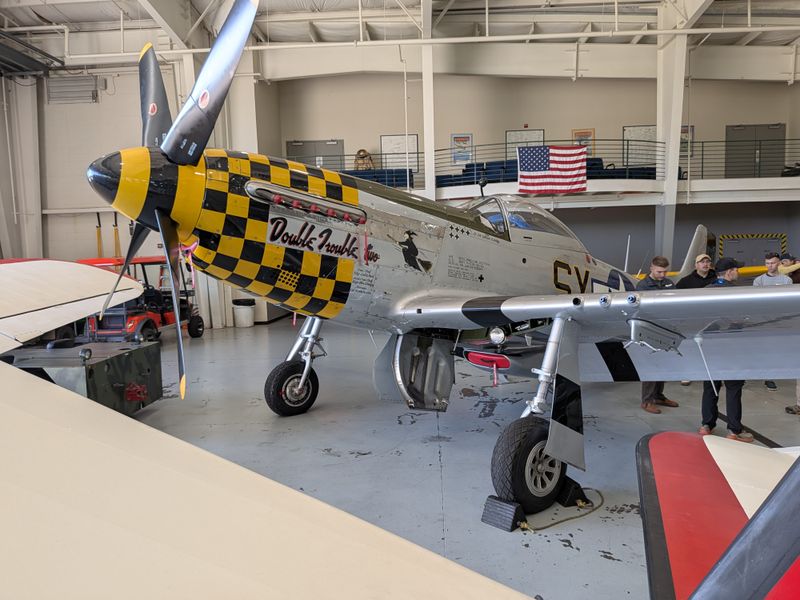
Picture yourself standing inches away from a perfectly restored P-51 Mustang, its polished aluminum skin gleaming under hangar lights. That’s exactly what awaits inside the main exhibition spaces.
These aren’t replicas or grounded relics gathering cobwebs. Every aircraft here represents countless hours of meticulous restoration work, brought back to airworthy condition by dedicated craftsmen.
You’ll find American fighters parked alongside German Messerschmitts and British Spitfires, creating an international showcase of aerial engineering.
The layout lets visitors weave between wingtips and tail sections, offering perspectives impossible at traditional museums. Photographers rejoice at the unobstructed angles available for capturing these magnificent machines.
Knowledgeable docents position themselves strategically throughout the space, eager to discuss everything from engine specifications to combat histories. Their enthusiasm proves contagious, transforming casual browsers into aviation buffs within minutes.
What makes this experience extraordinary? The sheer proximity.
No barriers separate you from propellers that once sliced through European skies or fuselages that carried brave souls into battle.
Families discover educational value mixed with pure excitement, while history enthusiasts find themselves transported back eight decades. Virginia Beach offers plenty of attractions, but few deliver this combination of authenticity and accessibility.
Plan to spend considerable time here, because rushing through would mean missing countless fascinating details hiding in plain sight.
Experience World War I Aviation History Up Close
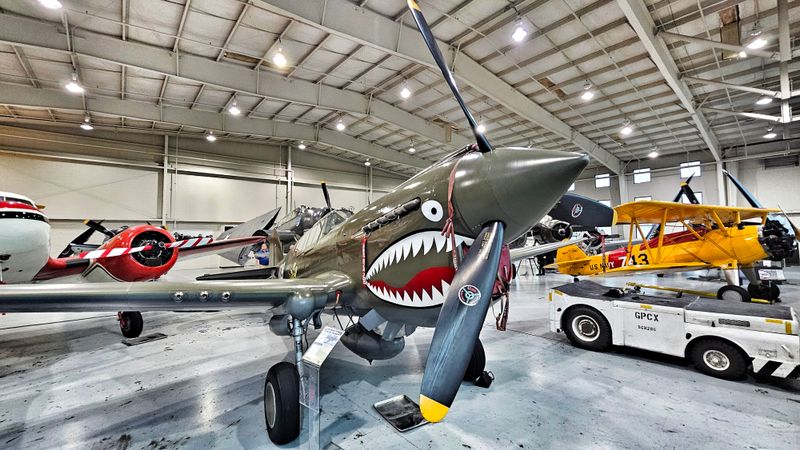
Step into the WWI hangar and prepare for serious time travel. Fabric-covered biplanes and triplanes fill this dedicated space, representing aviation’s earliest combat years.
These fragile-looking machines revolutionized warfare despite their seemingly delicate construction. Canvas stretched over wooden frames, held together with wire and determination, carried pilots into the world’s first aerial dogfights.
The collection includes rarities you won’t encounter elsewhere, especially on the East Coast. French Nieuports sit near German Fokkers, British Sopwith Camels alongside American designs, creating a comprehensive international display.
Volunteers stationed here possess encyclopedic knowledge about these pioneering aircraft. They’ll explain how pilots navigated without instruments, fought without parachutes, and survived in open cockpits at freezing altitudes.
Kids particularly love the barnstorming-era planes, which look like something from adventure movies. Parents appreciate the educational context provided through informative placards and enthusiastic guides.
What strikes visitors most? The realization of how quickly aviation technology evolved.
Compare the earliest 1914 designs with late-war models, and the progression becomes staggeringly apparent.
Photography opportunities abound, with dramatic lighting highlighting the craftsmanship involved in these restorations. Every strut, every wire, every hand-stitched fabric panel receives proper attention.
This hangar alone justifies the trip from anywhere in Virginia or beyond, offering perspectives on aviation history that textbooks simply cannot convey.
Explore the Relocated RAF Goxhill Watch Office
Here’s something wild: an actual Royal Air Force control tower, dismantled in England and rebuilt brick-by-brick in Virginia. The RAF Goxhill Watch Office stands as a testament to preservation dedication.
During World War II, this structure coordinated countless missions over occupied Europe. Imagine the tension within these walls as controllers tracked squadrons departing for dangerous raids, then counted returning aircraft with held breath.
Museum staff reconstructed the building with painstaking accuracy, ensuring every detail matches the original configuration. Climbing the stairs, visitors enter spaces where life-and-death decisions happened daily.
The view from upper levels provides perspective on how controllers monitored airfield activity. Period-appropriate equipment and furnishings complete the authentic atmosphere, transporting guests back to wartime Britain.
Guided tours include this stop, with docents sharing gripping stories about operations conducted from this very location. Their narratives bring historical events into sharp focus, connecting abstract history with tangible reality.
This unique attraction sets the museum apart from competitors. Where else can Americans experience an authentic piece of RAF infrastructure without crossing the Atlantic?
Photographers find endless compositions here, from architectural details to panoramic airfield views. The building’s exterior alone warrants multiple shots from different angles.
Virginia’s connection to military history runs deep, and this relocated structure strengthens those bonds while honoring international cooperation during humanity’s darkest hours.
Marvel at the Russian Aircraft Collection
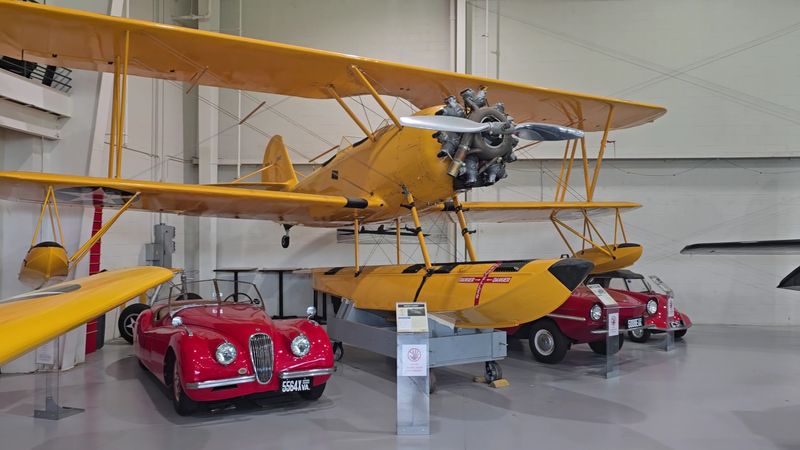
Finding authentic Soviet warbirds in America isn’t easy. Finding them beautifully restored and flight-ready?
Nearly impossible. Yet here they are, representing the Eastern Front’s aerial battles.
The Russian collection ranks among the best outside former Soviet territories. Yak fighters, Ilyushin attack planes, and other rare types fill dedicated display space, each telling stories often overlooked in Western aviation narratives.
These machines fought brutal campaigns across vast distances, enduring conditions that would ground lesser designs. Their rugged construction and battlefield adaptability become evident upon close inspection.
Red stars adorn fuselages painted in authentic camouflage schemes, while Cyrillic markings add exotic appeal. Visitors unfamiliar with Soviet aviation history leave with newfound appreciation for these underrepresented aircraft.
Docents familiar with Eastern Front operations provide context missing from most American museums. They discuss tactics, pilot experiences, and the massive scale of aerial combat between German and Soviet forces.
What makes this collection special? Rarity combined with condition.
Many surviving Soviet aircraft exist only as static displays in poor shape, but these examples shine with restoration excellence.
History buffs seeking comprehensive World War II understanding must include these aircraft in their studies. Ignoring the Eastern Front means missing half the story, and this museum refuses to make that mistake.
Virginia Beach’s location might seem random for housing Soviet aircraft, but the museum’s founder prioritized completeness over geographical logic, benefiting visitors immensely.
Join a Guided Tour for Expert Insights
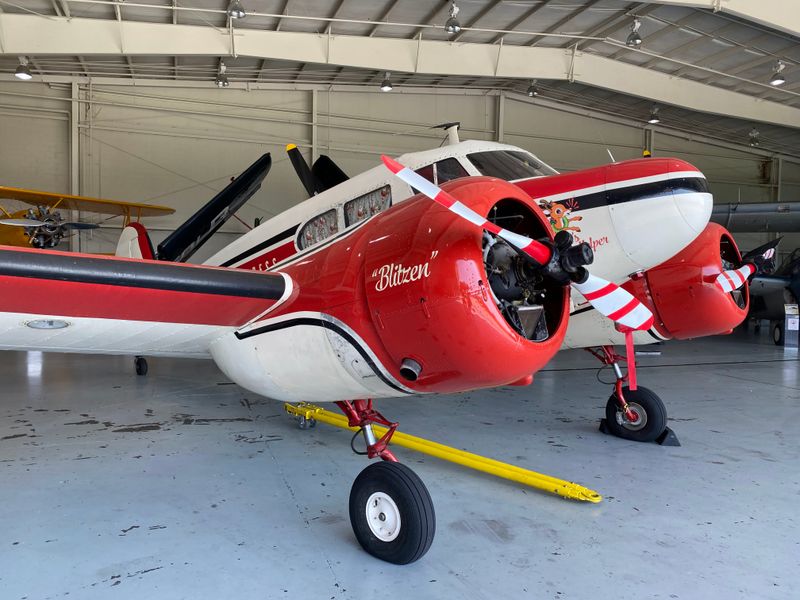
Self-guided exploration works fine, but guided tours unlock layers of knowledge impossible to gain otherwise. Volunteer guides here don’t just recite facts; they share passion accumulated over decades.
Tours depart regularly throughout operating hours, leading groups through hangars while highlighting specific aircraft and their histories. Guides answer questions with impressive depth, often segueing into fascinating tangents based on visitor interests.
Many volunteers possess military aviation backgrounds themselves, lending authenticity to their presentations. Others have spent years researching these machines, becoming experts through dedication rather than formal credentials.
The tour route includes areas not immediately obvious to independent visitors, maximizing your exposure to the collection. You’ll see aircraft you might otherwise overlook and hear stories that transform metal and fabric into meaningful historical artifacts.
Kids benefit tremendously from guided experiences, as volunteers excel at making complex topics accessible to younger audiences. Parents appreciate the educational value delivered in entertaining packages.
What’s the optimal strategy? Arrive early, take the first available tour, then explore independently afterward with newfound context.
This approach combines structured learning with personal discovery.
Reviews consistently praise specific guides by name, testament to the quality and enthusiasm they bring. Flash, Tim, Scott, and others have become beloved fixtures, enhancing countless visits.
Virginia’s museum landscape includes many worthy institutions, but few employ such knowledgeable and passionate interpreters as this aviation treasure.
Witness Aircraft in Flying Condition
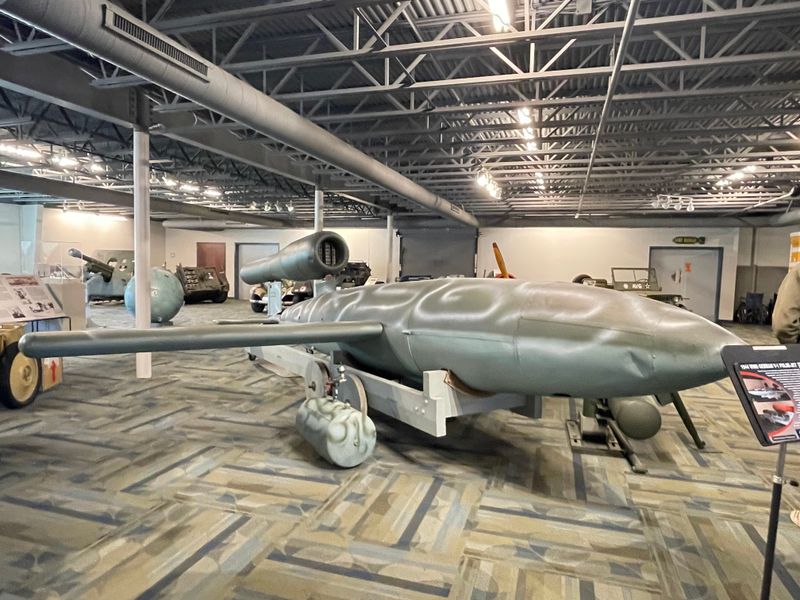
Most aviation museums display static exhibits. This one roars.
Seriously. The majority of aircraft here maintain full airworthiness, regularly taking to Virginia skies during special events.
Hearing a radial engine fire up inside a hangar creates visceral excitement that photos and videos cannot capture. The ground trembles, the air fills with distinctive exhaust smells, and suddenly history becomes immediate and alive.
The museum hosts airshows and flight demonstration days throughout the year, when these vintage machines perform as their designers intended. Watching a Spitfire climb into blue sky or a biplane execute aerobatic maneuvers delivers thrills beyond description.
Even during regular visiting hours, you might encounter maintenance crews preparing aircraft for upcoming flights. Observing their work provides insight into the constant care required to keep vintage machines operational.
This commitment to flying status distinguishes the collection from competitors. Maintaining airworthiness costs exponentially more than static display, but the museum prioritizes authenticity and living history.
Photographers dream of catching these aircraft aloft, propellers spinning, landing gear retracting. The museum’s events calendar lists opportunities for capturing such moments.
Families attending flight days create lasting memories as children watch grandpa’s war stories literally take wing. The educational impact of seeing history fly surpasses any classroom lesson.
Virginia Beach visitors seeking unique experiences should time trips to coincide with demonstration events, though the grounded collection alone justifies any visit.
Discover Rare and Unusual Aircraft Types
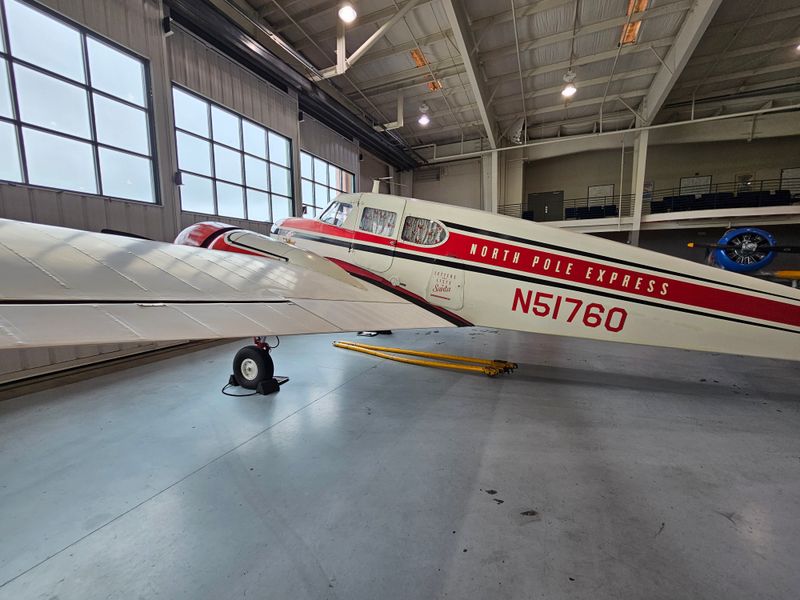
Beyond the famous fighters and bombers, this collection harbors fascinating oddities that aviation geeks absolutely devour. Prototypes, experimental designs, and limited-production types fill gaps in most enthusiasts’ knowledge.
The museum houses full-scale mockups of German concept aircraft that never progressed beyond drawing boards. These “what-if” designs spark imagination, showing directions aviation might have taken under different circumstances.
While some visitors overlook these unusual specimens, true aviation nerds recognize their value. They represent roads not taken, technological dead ends, and bold ideas that influenced later successful designs.
Docents familiar with these rarities eagerly discuss their histories, explaining why certain approaches succeeded while others failed. These conversations often prove more engaging than discussions about well-known types.
Photographers appreciate subjects that won’t appear in every other aviation museum portfolio. Capturing images of one-of-a-kind displays adds uniqueness to personal collections.
What’s frustrating? Some unusual aircraft receive less interpretive attention than mainstream examples.
Visitors must sometimes seek out knowledgeable volunteers or conduct independent research for full context.
Despite this minor shortcoming, the inclusion of rare types demonstrates the museum’s commitment to comprehensive representation. They’re not satisfied showing only greatest hits; they want complete stories.
Virginia’s aviation heritage includes experimental work at nearby facilities, making this museum’s unusual aircraft collection particularly appropriate for its location and mission.
Dear Reader: This page may contain affiliate links which may earn a commission if you click through and make a purchase. Our independent journalism is not influenced by any advertiser or commercial initiative unless it is clearly marked as sponsored content. As travel products change, please be sure to reconfirm all details and stay up to date with current events to ensure a safe and successful trip.
