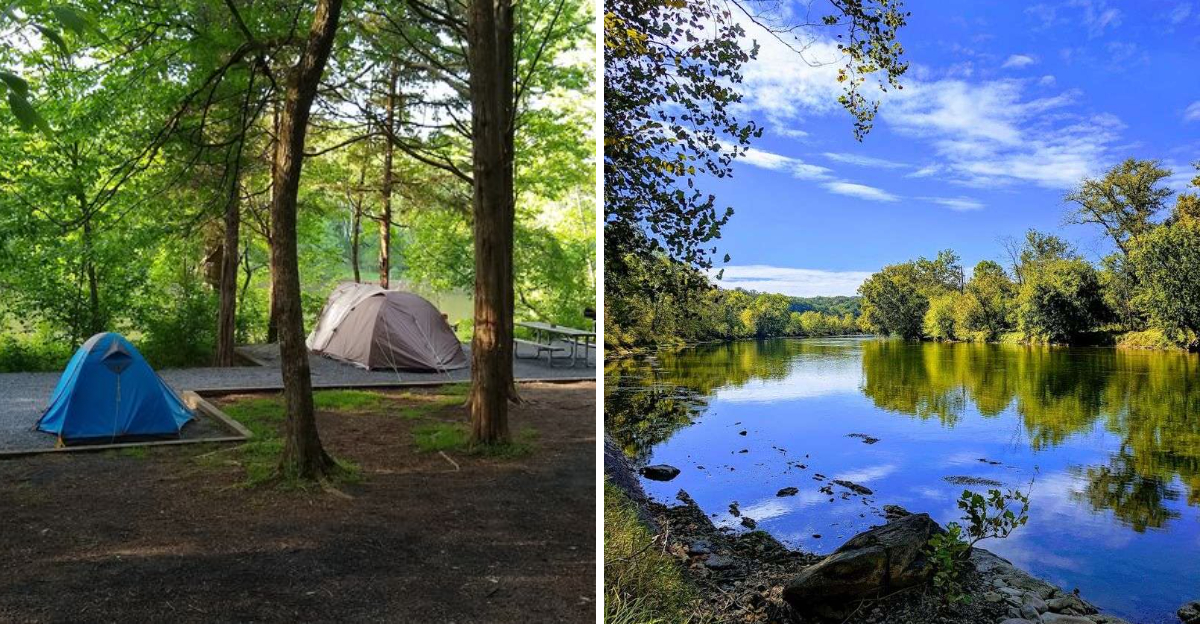
There is camping, and then there is waking up with the river practically at your feet. This Virginia campground understands the difference.
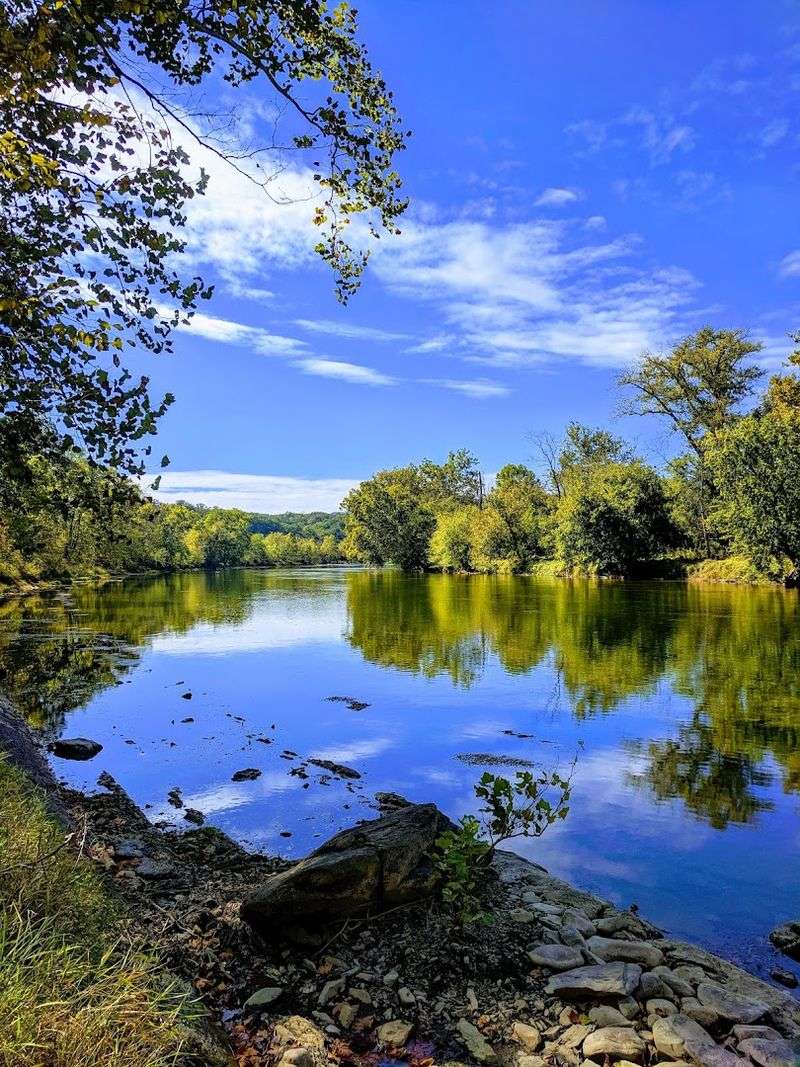
You unzip your tent, stumble out in the morning light, and there it is, the Shenandoah River flowing right past your site with mist rising off the surface as the sun climbs over the trees. No walking to a lookout point and no driving to a river access, just you and the water from the moment you open your eyes.
The sites are well-kept, the views are ridiculous, and the sound of the current will put you to sleep faster than any white noise machine ever could. Virginia knows how to do waterfront camping right, and this is proof.
River Right Campground: Sleeping Inches From the Water
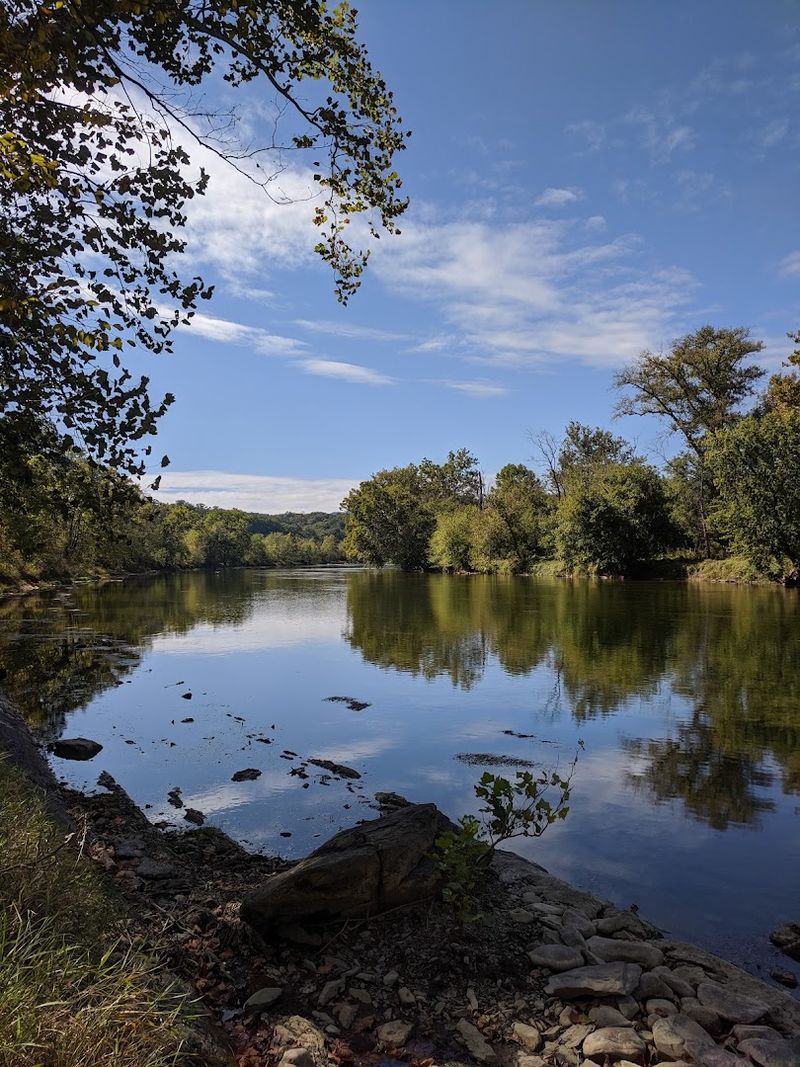
There is something almost unfair about how close you can get to the water here. The River Right Campground at Shenandoah River State Park features walk-in, tent-only sites, and some of them sit fewer than fifty yards from the parking area, placing you practically on the riverbank.
Wagons are provided at the trailhead to haul your gear in, which sounds quirky but is actually a genius solution. No fumbling with overstuffed backpacks, no dragging coolers through the mud.
You load up the wagon, wheel it to your spot, and suddenly you feel like a very organized adventurer.
Each site comes with a picnic table, grill, and fire ring, so the essentials are covered from the start. A full-service bathhouse sits nearby, offering hot showers that feel like a five-star luxury after a day on the river.
Waking up to the sound of the Shenandoah River moving past your tent is an experience that no alarm clock can replicate. Virginia does a lot of things well, but this particular campground setup is genuinely special and worth every bit of the planning it takes to book a site.
The Developed Campground for RV and Trailer Fans
Not everyone rolls up to a campground with just a tent and a prayer. Some of us arrive with a full travel trailer, an outdoor kitchen, and a cornhole set, and there is absolutely nothing wrong with that lifestyle.
Shenandoah River State Park has a developed campground with sites that include water and electric hookups, accommodating everything from pop-up campers to RVs stretching up to sixty feet long. The sites are generously sized, with plenty of room to spread out your setup without feeling like you are parked on top of your neighbors.
Picnic tables, fire rings, and lantern holders come standard at each site, and the paved campground roads make moving around easy. Centrally located restrooms feature hot showers, and the whole area is kept impressively clean throughout the season.
Campsite number thirteen, surrounded by blooming jasmine in late spring, is the stuff of camping daydreams. The scent of wild jasmine and Allegheny blackberry drifting through the campground is an unexpected bonus that no amenity list could fully prepare you for.
Virginia state parks set a high bar, and this campground clears it with room to spare.
Primitive Camping for the Truly Wild at Heart
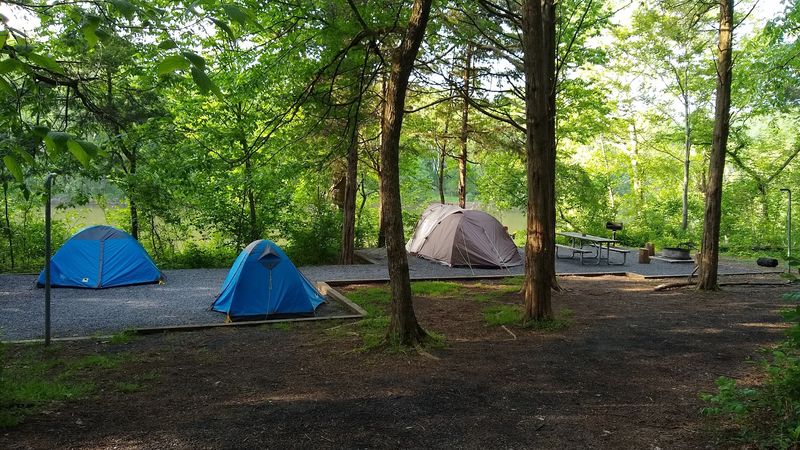
For those who find electric hookups a little too civilized, the primitive camping area at Shenandoah River State Park delivers the real deal. These sites sit in the eastern section of the park, tucked close to the river and reached via a right fork off the main park road.
No electricity, no water at the site itself, just you, the trees, and the sound of the Shenandoah doing its thing a short walk away. Campers park in the designated lot and use those trusty wagons to transport gear to their spots, which range from thirty to one hundred yards from the parking area.
A full-service bathhouse with individual showers and a large dish-washing sink is located nearby, so primitive does not mean completely roughing it. Drinking water is available at ground spigots near the pit toilets, so fill up before heading to your site.
Poison ivy is present in the area, so long pants and trail awareness are smart moves. The payoff for that small bit of caution is a campsite experience that feels genuinely removed from everyday noise.
Mornings out here are quiet in a way that city life simply cannot manufacture.
Culler’s Overlook and the View That Stops You Cold
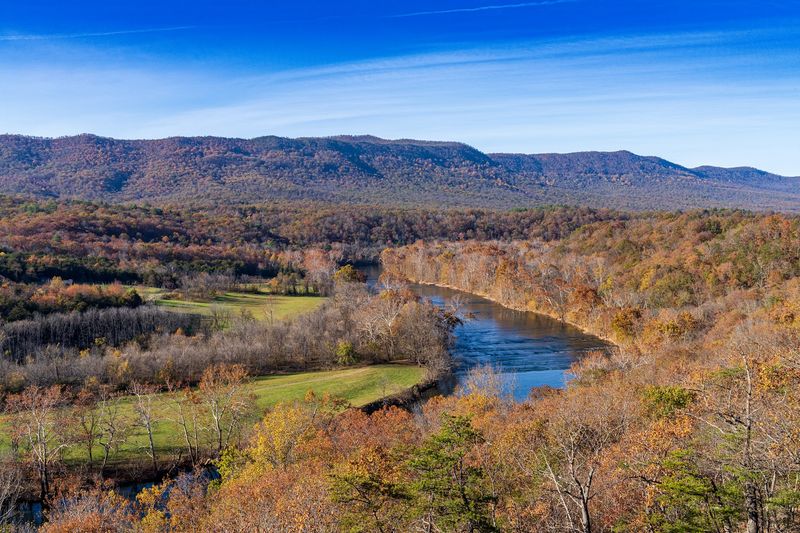
There are views, and then there are views that make you pull out your phone, take fifty photos, and still feel like none of them quite captured it. Culler’s Overlook belongs firmly in the second category.
Perched above a bend in the South Fork of the Shenandoah River, the overlook delivers sweeping mountain vistas with Massanutten Mountain stretching to the west and the ridgelines of Shenandoah National Park rising to the east. The river curves below like something out of a geography textbook, except infinitely more beautiful in person.
You can drive directly to the overlook or hike to it, making it accessible for just about every fitness level. Weekends bring more company, so an early morning visit rewards you with near-total solitude and softer light that photographers genuinely love.
The Redtail Ridge Trail offers a quieter alternative route with multiple overlook points along the way, each equipped with benches for sitting and soaking in the scenery. Hikers who push past the main overlook often say those secondary viewpoints feel even more rewarding precisely because fewer people make the effort.
This is the kind of payoff that turns a casual visitor into a repeat one.
Over Twenty-Five Miles of Trails to Explore
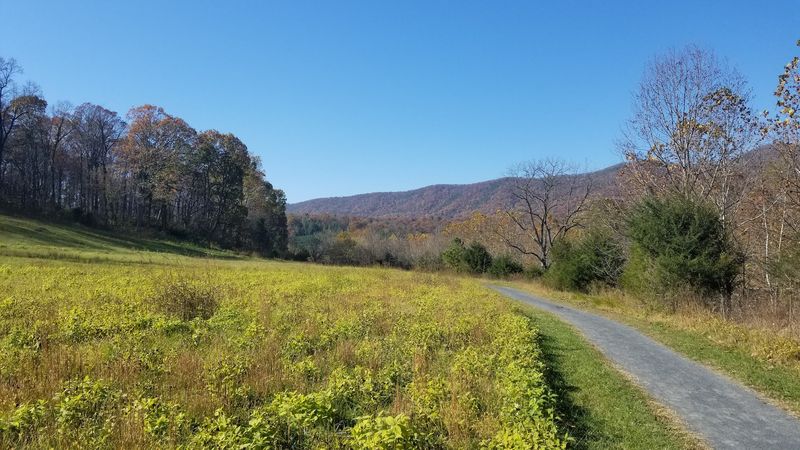
Twenty-five miles of trails sounds like a lot until you actually start exploring and realize you could easily spend three days here without retracing a single step. Shenandoah River State Park is a hiker’s playground, plain and simple.
Trails range from easy riverside strolls to moderate ridge climbs with elevation changes that get the heart pumping in the best possible way. The Big Oak Trail connects to the Redtail Ridge Trail for a loop that includes multiple overlooks, and the Hemlock Trail follows the river through shaded stretches of forest that feel wonderfully cool even in summer.
Trail markers are clear and well-maintained, which makes navigation stress-free even for first-timers. The park covers more than sixteen hundred acres, so the trail network spreads out across a genuinely varied landscape, from open meadows to dense woodland to rocky ridgelines with big sky views.
Dogs are welcome on the trails, and the park even issues Bark Ranger certificates for canine companions who complete certain activities, which is exactly the kind of charming detail that makes a state park feel thoughtfully run. Lace up your boots, grab a trail map from the visitor center, and prepare to be pleasantly worn out by the end of the day.
The Visitor Center That Actually Earns Its Keep
Most visitor centers are an afterthought. You grab a map, maybe glance at a laminated display about local wildlife, and head straight back out the door.
The visitor center at Shenandoah River State Park operates on a completely different level.
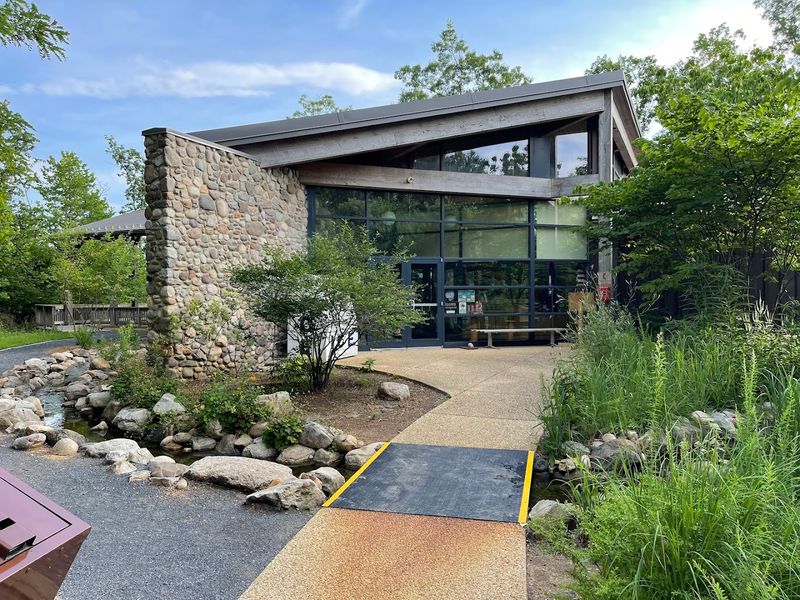
The building itself is impressively designed, with large windows that frame mountain views and a generous back deck where you can stand and take in the surrounding landscape before hitting the trails. Inside, exhibits focus on conservation, local ecology, and the natural history of the Shenandoah Valley in a way that actually holds your attention.
Live animals are on display, and there is a discovery center where younger visitors can get hands-on with the kind of interactive learning that makes nature feel exciting rather than academic. Rangers stationed inside are knowledgeable and genuinely happy to discuss trail conditions and seasonal highlights.
A small pond with a walking path sits at the front of the building, adding one more reason to linger before heading deeper into the park. Spending twenty minutes here before setting out on a hike gives the whole day better shape and context.
Skip it and you are honestly missing part of what makes this Virginia park experience so complete.
River Activities That Make Every Hour Count
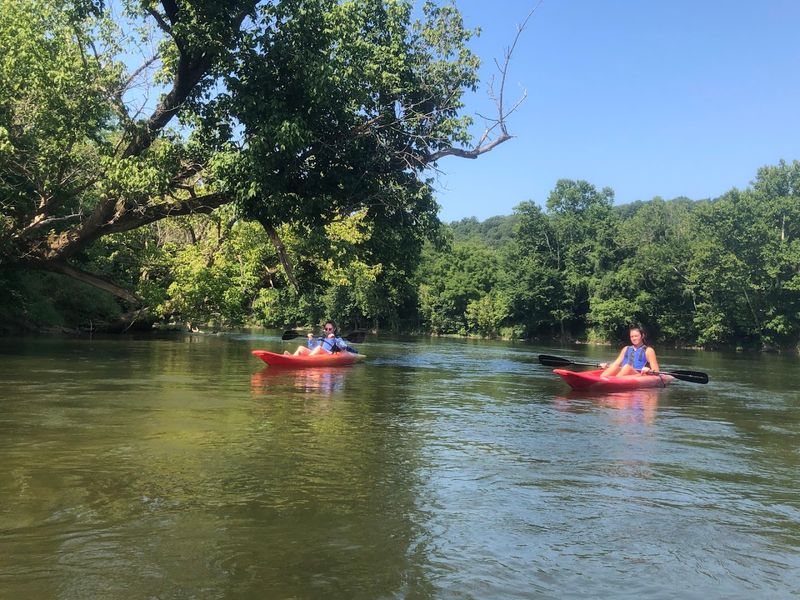
The Shenandoah River is not just a pretty backdrop. It is the main event, and the park gives you plenty of ways to get out on the water and make the most of it.
Fishing is popular along the riverbanks and from the boat launch areas, with the South Fork known for its smallmouth bass and other freshwater species. Kayakers and canoeists take to the water regularly, paddling stretches of the river that wind through some genuinely gorgeous scenery.
Down River Outfitters sits just a short bike ride away along the riverside trail, making gear rental a practical option for those who show up without their own equipment.
Swimming and floating are the warm-weather go-to activities, with formal steps built into the riverbank at several access points to make entry easy and safe. The water is clear and moving, with a refreshing coolness that makes summer afternoons feel very manageable.
Boating access is available through the park’s launch facilities, and the calm stretches of the South Fork are well-suited for beginners who want to experience the river without white-knuckle rapids. Virginia’s outdoor recreation scene is impressive statewide, but this particular river corridor stands out as one of the most accessible and rewarding.
Biking, Horseback Riding, and Getting Around in Style
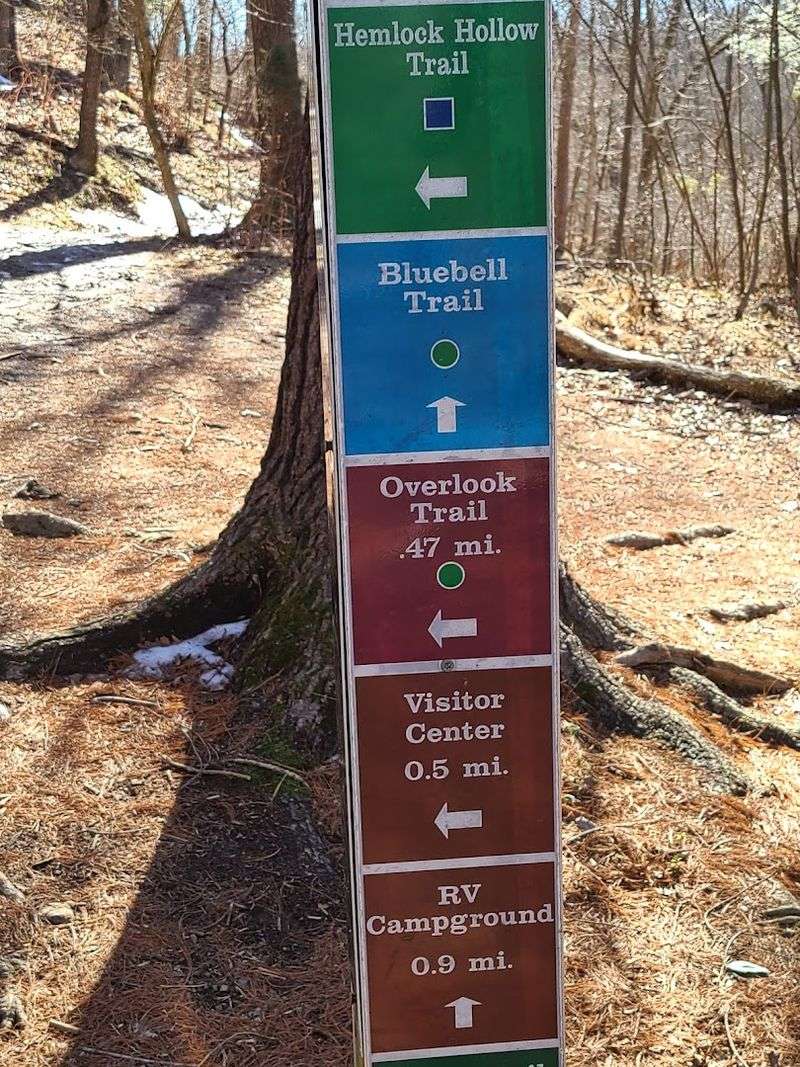
The paved campground roads at Shenandoah River State Park are smooth enough for bikes, scooters, and strollers, which means the whole family can move around the campground without anyone getting left behind or complaining about rough terrain.
Cyclists have access to dedicated riverside trails that are well-groomed and genuinely enjoyable to ride. The route toward Down River Outfitters follows the river closely, offering moving views of the water between the trees.
It is the kind of ride that makes you slow down on purpose just to look around.
Horseback riding is permitted on designated trails within the park, making this one of the more versatile outdoor recreation destinations in the region. Equestrians have their own access routes that keep things organized and safe for both riders and hikers sharing the landscape.
For families camping with young kids, the combination of paved roads and flat campground terrain is a genuine selling point. Bring the balance bikes, the strollers, and the rollerblades, because the infrastructure here actually supports all of it.
Few campgrounds manage to feel this thoughtfully designed for multiple types of visitors without any one group feeling like an afterthought in the planning process.
Wildlife, Wildflowers, and the Sensory Experience of the Park
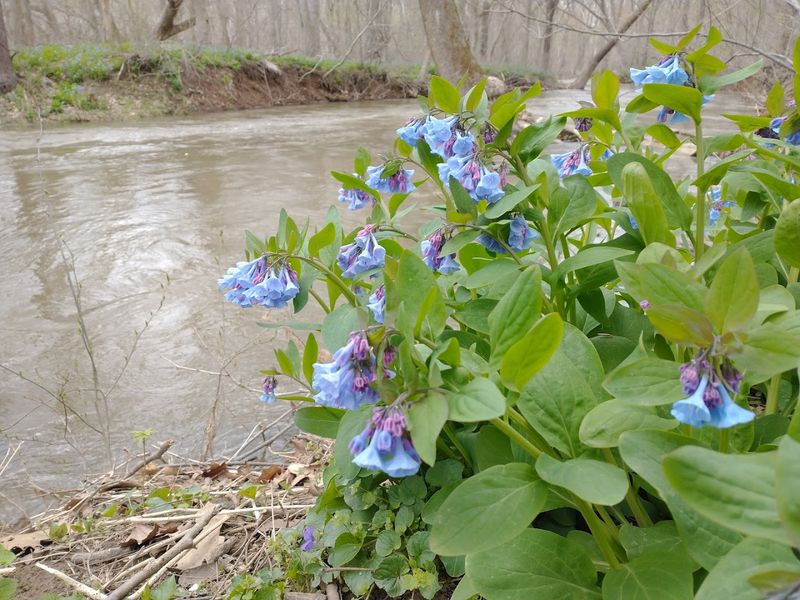
Spring at Shenandoah River State Park smells extraordinary. Wild jasmine and Allegheny blackberry bloom throughout the campground in late spring, and on a calm morning the scent drifting between the campsites is the kind of thing that makes you stop mid-coffee and just appreciate being outside.
Bird activity along the river corridor is constant and varied. Herons wade in the shallows, osprey circle overhead, and the tree canopy hums with smaller songbirds that provide a natural soundtrack from dawn to dusk.
Wildlife watching benches are placed at shaded spots along the trail network, giving you a comfortable place to sit and observe without disturbing anything.
The park’s more than sixteen hundred acres create a habitat corridor that supports a healthy range of native species. White-tailed deer are common sightings near the meadow edges, particularly in the early morning and late evening hours when the light is golden and everything looks slightly more cinematic than usual.
Winter visits have their own appeal. Bare trees open up views that summer foliage hides completely, and the overlooks become dramatically more expansive between November and March.
Virginia seasons all bring something different to this landscape, and honestly, every version of the park is worth experiencing at least once.
Planning Your Visit: What to Know Before You Go
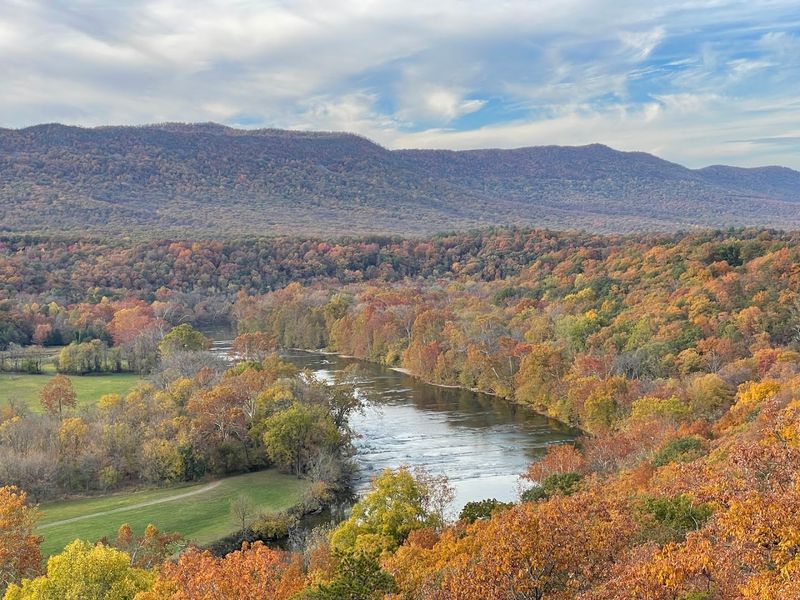
Shenandoah River State Park sits at 350 Daughter of Stars Drive in Bentonville, Virginia, roughly ninety minutes from the Washington D.C. metro area. That proximity makes it a genuinely realistic weekend escape without requiring a full week of vacation days.
Reservations for campsites fill up quickly, especially during summer weekends and fall foliage season, so booking well in advance is the smart move. The park phone number is 540-622-6840, and the Virginia Department of Conservation and Recreation manages reservations through their official website.
Parking at the River Right Campground requires using the designated lot and the provided wagons to access your site. Signage can be easy to miss in certain areas, so reading the park map carefully on arrival saves unnecessary confusion.
Drinking water is available at ground spigots near the pit toilets rather than at the campsite sinks, so knowing that detail ahead of time keeps things running smoothly.
Bug spray is a smart addition to any packing list, and awareness of poison ivy along the trails is worth keeping in mind. The visitor center is a strong first stop for trail maps and ranger advice.
Front Royal sits nearby for shopping and dining options when you need a brief return to civilization before heading back to the river.
