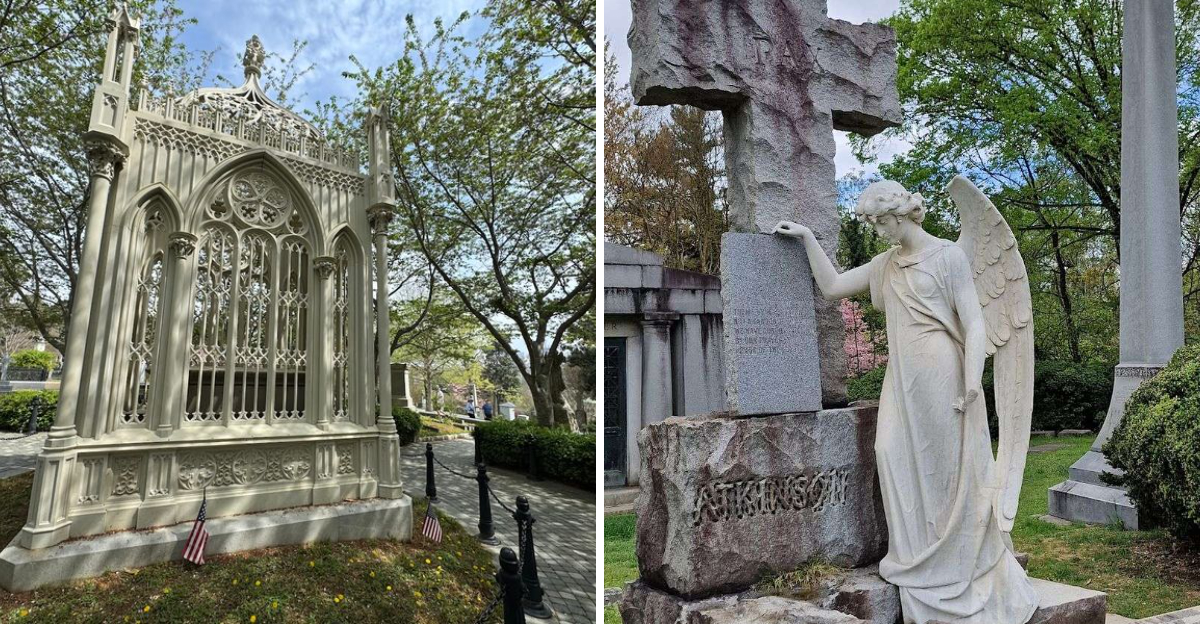
Strolling through a peaceful, tree?lined oasis just outside the city, you’ll feel the gentle hush of history wrap around you like a soft blanket. Imagine a place where winding paths lead you past towering oaks, sun?dappled lawns, and quiet monuments that tell the stories of leaders who once shaped our nation.
In Virginia, this hidden gem feels more like a beautifully tended park than a traditional cemetery, inviting families, history buffs, and casual walkers alike to pause, reflect, and soak in the atmosphere of past presidents whose legacies still echo today. It’s the perfect spot for a leisurely afternoon when you want a blend of natural beauty and a touch of American heritage.
Presidential Circle Brings Leaders Together
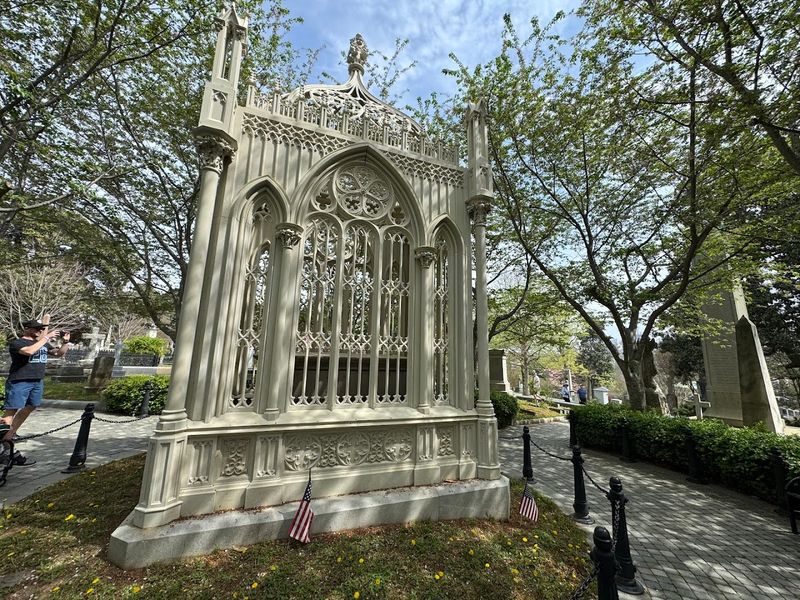
Two commanders-in-chief rest just steps apart in a spot that feels more like a memorial garden than a graveyard. President James Monroe’s Gothic mausoleum rises like a miniature castle, its iron gates and stone spires catching sunlight through the tree canopy.
President John Tyler lies nearby in a simpler plot that reflects his modest personality despite holding the nation’s highest office.
Walking between these graves connects you directly to early American leadership in ways textbooks never could. Monroe shaped foreign policy that still influences diplomacy today, while Tyler navigated the nation through turbulent times.
Their proximity creates an unplanned conversation across decades of history.
Butterflies land on Monroe’s monument during warmer months, adding unexpected life to this presidential meeting place. Visitors often pause here longer than planned, reading inscriptions and imagining the decisions these men faced.
The circle design invites contemplation from multiple angles, each offering different perspectives on the monuments.
Photographers love how light filters through surrounding oaks onto the weathered stone, creating dramatic shadows that change throughout the day. This spot proves that honoring the past doesn’t require stuffiness or formality, just respect and curiosity about those who came before.
James River Views Steal Every Scene
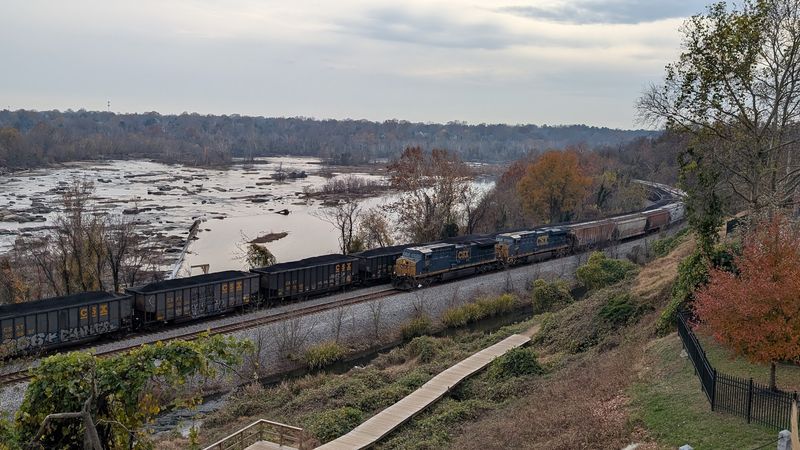
Stand at the western edge and prepare for your jaw to drop. The James River rushes below in white-capped rapids that have carved through Virginia bedrock for millennia.
Richmond’s skyline rises beyond the water, creating a contrast between natural power and human ambition that photographers chase in every season.
These overlooks transform a Hollywood Cemetery visit into a scenic adventure that rivals dedicated viewpoints across the city. Morning light paints the river gold, while sunset turns the rapids into liquid fire.
Locals know these vistas rank among Richmond’s finest free attractions, yet tourists often stumble upon them by happy accident.
Benches positioned along the bluff invite extended stays, perfect for quiet reflection or simply watching the river work its endless magic. Birds soar on thermals rising from the water, adding movement to already dynamic views.
The elevation provides cooling breezes even on sweltering summer afternoons when the rest of Richmond swelters.
This perspective shows Richmond as nature intended before concrete and steel arrived. The river’s persistent flow reminds visitors that some forces outlast empires, presidents, and all human endeavors.
Bring your camera but also take moments to simply absorb the scene without a screen between you and the vista.
Confederate Memorial Pyramid Dominates the Skyline
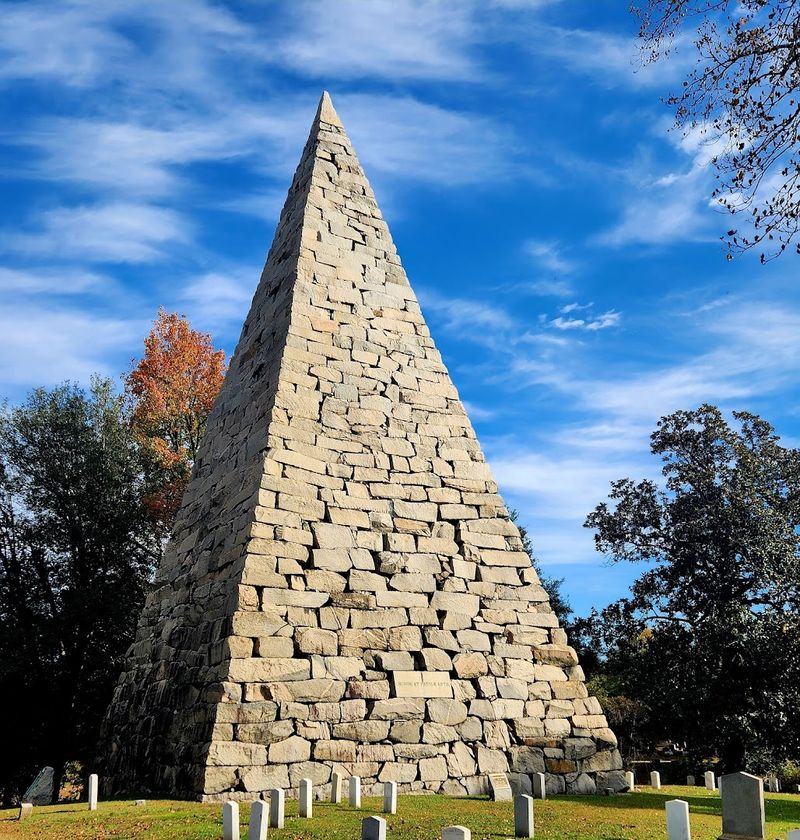
Ninety feet of rough-hewn granite blocks stack into a pyramid that catches every eye entering the grounds. Built to honor Confederate soldiers, this monument sparks conversations about history, memory, and how communities remember complicated pasts.
Its sheer size makes it impossible to ignore, rising above the tree line like an ancient structure transplanted from another continent.
Eighteen thousand soldiers rest nearby in marked and unmarked graves, their stories ranging from willing volunteers to conscripted farmers. The pyramid stands as their collective marker, a visual representation of lives lost during America’s bloodiest conflict.
Visitors approach with varying emotions depending on their perspectives and backgrounds.
Architectural enthusiasts admire the engineering required to stack such massive stones without modern equipment or materials. Each block was shaped by hand, fitted precisely to bear tremendous weight across generations.
The structure has weathered over a century of storms, standing firm while debates about its meaning continue evolving.
Walking around its base provides different angles on both the monument and surrounding landscape. Some find it haunting, others see historical significance, and many experience both simultaneously.
The pyramid proves that physical memorials carry meanings that shift with time, reflecting each generation’s values and questions about their inheritance.
Wildlife Roams Among Historic Stones
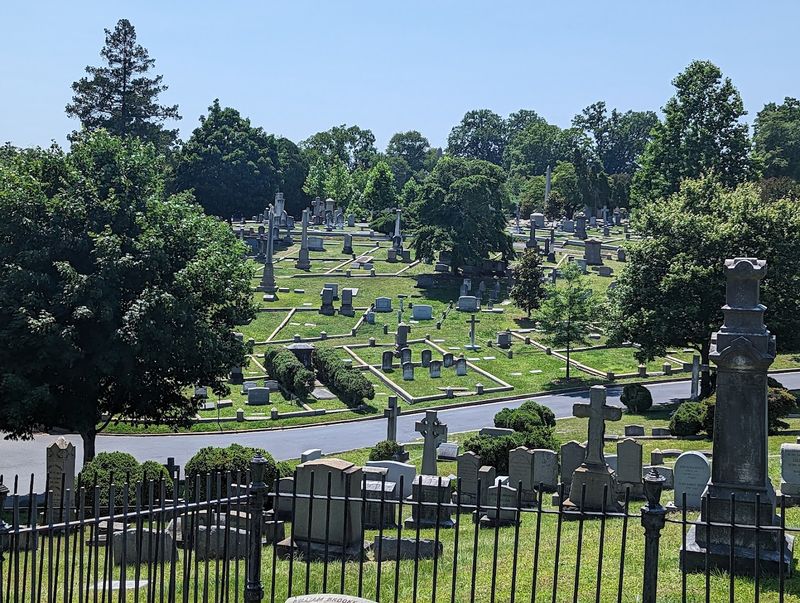
Deer materialize between monuments like living ghosts, their presence adding unexpected magic to already atmospheric grounds. These whitetails treat the cemetery as their personal sanctuary, grazing peacefully while visitors pass just yards away.
Spotting them feels like receiving a gift, a reminder that nature reclaims all spaces given enough respect and quiet.
Monarch butterflies drift between flowering bushes during migration seasons, landing on presidential tombs and simple markers alike. Birds nest in ancient oaks, their songs providing a soundtrack that softens the solemnity typically associated with burial grounds.
Squirrels chase each other across paths, oblivious to the history beneath their paws.
This wildlife presence transforms visits into something beyond historical tourism. Children who might grow restless among monuments perk up when deer appear, suddenly invested in moving quietly and observing respectfully.
Adults find themselves pausing photography sessions to watch a butterfly rest on Monroe’s mausoleum, creating moments no guidebook could predict.
The animals demonstrate how life and death coexist naturally without human anxiety about the relationship. They remind visitors that cemeteries can function as urban wildlife refuges, green spaces where creatures find shelter from development.
This ecological dimension adds depth to the experience, proving that even in places dedicated to endings, life persists beautifully.
Gothic Mausoleums Showcase Victorian Craftsmanship
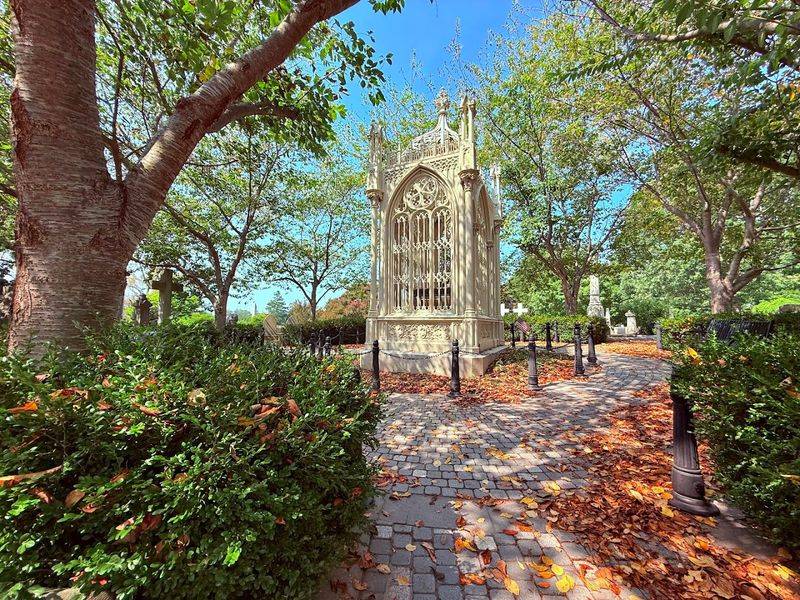
Richmond’s wealthiest families commissioned structures that blur the line between burial vault and architectural masterpiece. Iron gates twisted into elaborate patterns guard entries to marble-lined chambers.
Stone angels perch on rooftops, their wings spread in eternal vigilance over the departed below.
These mausoleums represent Victorian attitudes toward death and memory, when families invested fortunes in permanent tributes. Walking among them feels like touring an outdoor gallery of funerary art spanning decades of changing styles.
Some feature Egyptian motifs, others embrace Gothic revival, and a few attempt classical Greek simplicity with mixed results.
Detail work reveals incredible skill from stonemasons who treated each project as their legacy. Carved flowers retain delicate petals despite weathering, faces on relief sculptures still convey specific emotions, and inscriptions remain legible through careful letter cutting.
Modern craftspeople study these works, recognizing techniques largely lost to contemporary construction.
Photographers and artists sketch these structures endlessly, drawn by how light plays across aged stone and through decorative ironwork. The mausoleums create natural frames for portraits, their Gothic elements adding drama without overwhelming human subjects.
Engagement sessions shot here gain an edge that standard park photos lack, proving that beauty exists in unexpected places when approached with open minds.
Self-Guided Tours Follow Blue Line Routes
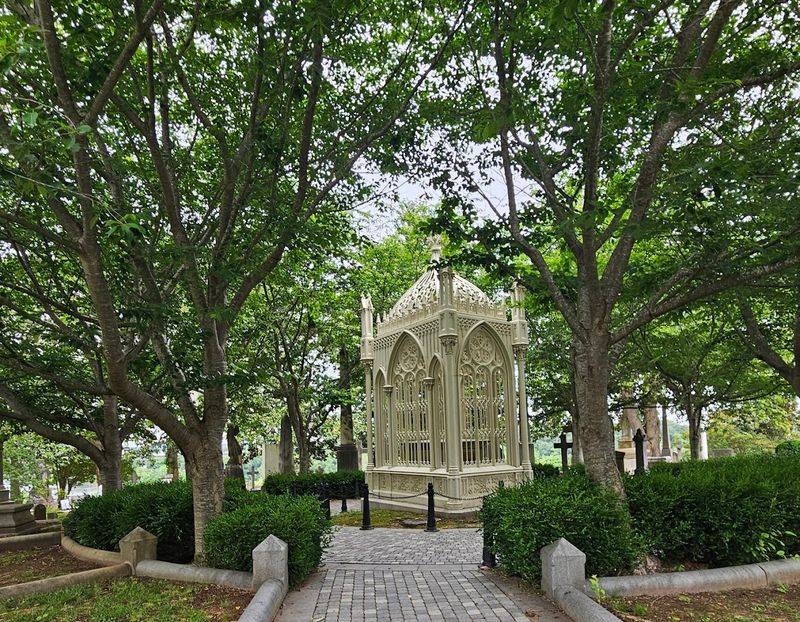
Paint a blue line on the ground and suddenly navigation becomes adventure. The cemetery’s self-guided route winds through key sites without requiring apps, guides, or constant map checking.
Just follow the blue stripe and trust it to reveal highlights while leaving room for spontaneous detours when something catches your eye.
This system works brilliantly for visitors who want structure without rigidity. The line leads past presidential graves, notable monuments, and scenic overlooks while allowing personal pacing.
Stop for photos, linger at interesting stones, or speed through sections that don’t grab you. Nobody rushes you along or drones through scripted speeches.
Drivers appreciate how the route accommodates vehicles, letting those with mobility issues experience the grounds fully. Pull off whenever something warrants closer inspection, then rejoin the path when ready.
Walkers enjoy the same flexibility, covering ground efficiently while maintaining freedom to wander.
Maps available for minimal cost at the visitor center provide context the blue line can’t offer alone. Combining both creates the ideal experience, balancing guidance with independence.
Families with kids find the line turns exploration into a game, following the stripe like a treasure hunt where history provides the prizes. This simple innovation proves that good design enhances rather than dictates experiences.
Rolling Hills Create Natural Amphitheater Drama
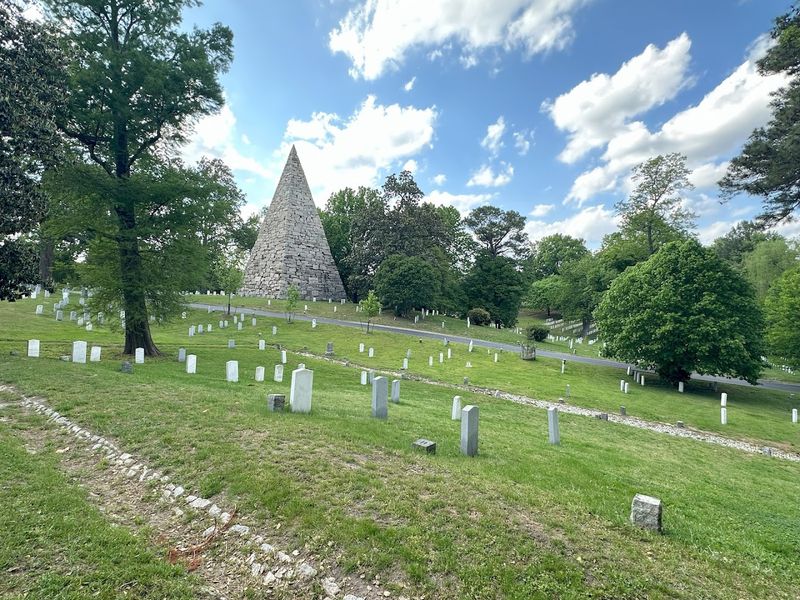
Forget flat, monotonous layouts. This landscape rises and falls like frozen waves, each crest revealing new perspectives on the grounds below.
The topography creates natural drama that flat cemeteries can never achieve, with monuments positioned to command views from multiple elevations.
Climbing these slopes rewards effort with increasingly spectacular vistas. What starts as a walk among graves becomes a workout that sneaks exercise into cultural exploration.
Visitors often underestimate the terrain, then find themselves pleasantly challenged by grades that test casual fitness levels without requiring athletic prowess.
The hills also create microclimates and varying light conditions throughout the day. Morning sun hits eastern slopes while western faces remain shaded, reversing as afternoon arrives.
Photographers return multiple times chasing different lighting on favorite monuments, knowing the hills guarantee fresh perspectives each visit.
These elevation changes influenced burial patterns across decades. Prominent families claimed hilltops for maximum visibility, while simpler plots filled valleys and slopes.
The resulting layout tells class stories through geography, revealing social hierarchies literally carved into landscape. Modern visitors traverse these historical boundaries freely, though the original divisions remain visible to observant eyes.
Comfortable shoes become essential gear rather than suggestions. The hills transform a simple cemetery stroll into terrain that demands attention to footing while rewarding that attention with constantly shifting views.
Cherry Blossoms Transform Spring Visits
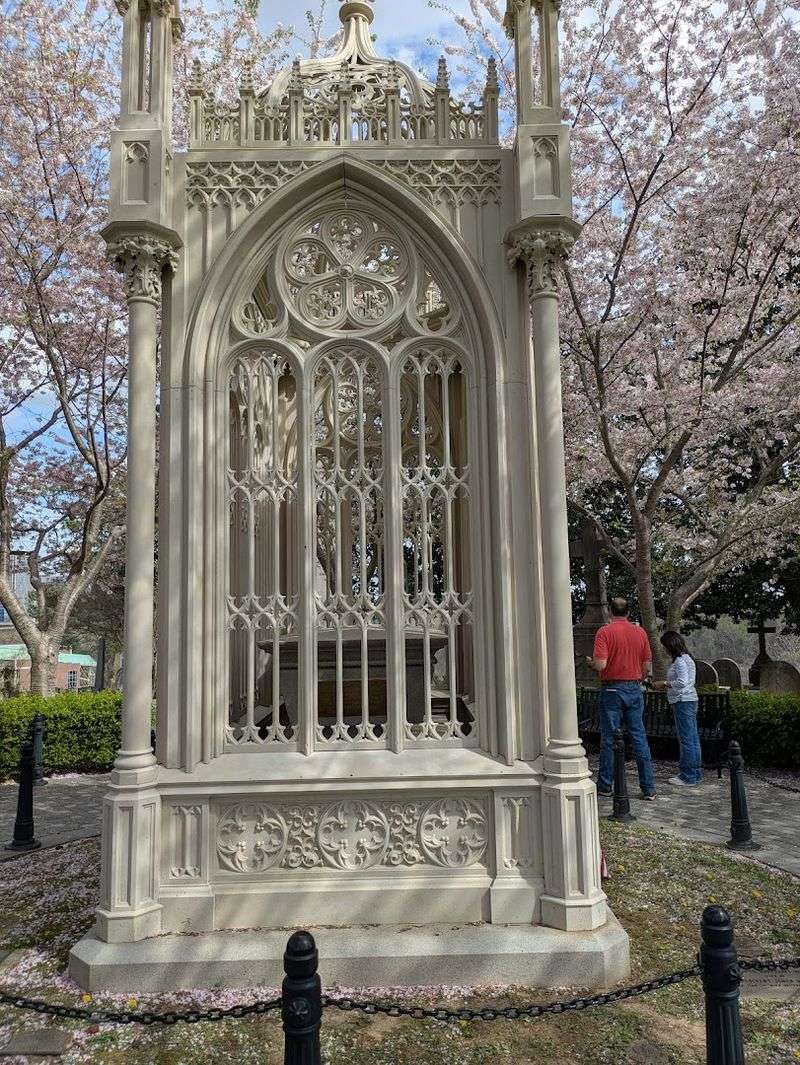
Pink clouds explode across the grounds each spring when cherry trees decide winter has overstayed its welcome. Petals drift like snow, settling on monuments and paths in temporary decorations that nature provides free of charge.
Timing visits during peak bloom requires luck and flexible schedules, but successful attempts create memories that outlast the flowers themselves.
Local photographers mark their calendars and monitor weather obsessively, knowing peak bloom lasts mere days before winds scatter the display. The combination of delicate blossoms and aged stone creates contrasts that cameras love, life and death sharing space without awkwardness.
Couples schedule engagement sessions around bloom predictions, gambling on nature’s cooperation.
Walking beneath flowering branches transforms the cemetery into something approaching enchanted, petals catching sunlight and creating dappled shade. The sweet fragrance softens the usual cemetery atmosphere, replacing solemnity with celebration.
Families picnic near Monroe’s mausoleum, children chasing petals while parents snap photos.
This seasonal spectacle draws crowds that otherwise might never visit burial grounds. First-timers arrive for blossoms, then discover presidential history and river views as unexpected bonuses.
The flowers serve as gateway attractions, proving that sometimes beauty needs to lead before education can follow. Spring visits reveal the grounds at their most alive, ironic timing that nobody seems to mind.
Historic Gravestones Double as Art Gallery
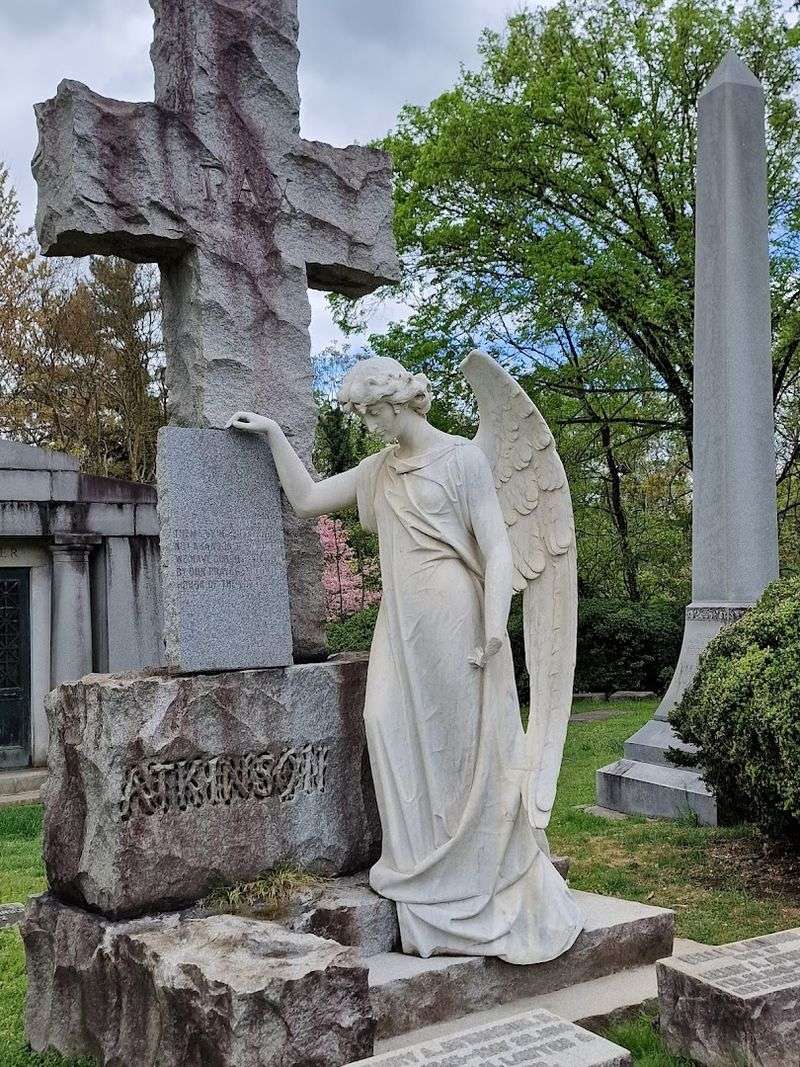
Wander slowly and read the stones like gallery labels in a museum without walls. Each marker represents someone’s attempt to capture a life in stone, from simple slabs with names and dates to elaborate sculptures that required months of skilled labor.
The variety spans centuries of changing tastes, technologies, and attitudes toward remembrance.
Victorian-era stones showcase the period’s love for symbolism. Broken columns represent lives cut short, draped urns suggest mourning, and pointing fingers direct attention heavenward.
Learning this visual language transforms random symbols into readable stories, adding depth to what initially appears as decorative flourish.
Weathering adds unintended beauty to many stones, softening sharp edges and creating textures modern artisans couldn’t replicate intentionally. Lichen paints abstract patterns across marble, iron staining creates rust waterfalls down white stone, and erosion turns crisp letters into mysterious shadows.
Time becomes a collaborating artist, reworking original visions into something new.
Photography enthusiasts find endless subjects among these markers, each stone offering different challenges and opportunities. Close-ups reveal texture and detail, while wider shots capture how individual graves relate to their surroundings.
The stones teach patience, rewarding careful observation with discoveries that casual glances miss completely. This outdoor gallery charges no admission and never closes, welcoming anyone willing to look closely.
Visitor Center Provides Essential Context
Start here before wandering and your entire visit improves dramatically. Staff members share knowledge that transforms random exploration into focused discovery.
Maps highlight key sites, while displays provide historical context that stones alone can’t convey. Spending fifteen minutes inside saves hours of confused wandering outside.
The center stocks guides and reference materials for visitors wanting deeper dives into specific aspects. Confederate history, presidential biographies, architectural styles, and local family genealogies all get coverage through various resources.
Serious researchers find staff helpful connecting them with archival materials and specialized knowledge.
Restrooms and water fountains offer practical amenities that become crucial during summer visits across hilly terrain. The center functions as base camp, a place to regroup, rest, and plan next moves.
Benches outside provide shaded seating for those needing breaks without abandoning the grounds entirely.
Operating hours mean timing matters for visitors wanting center access. Arriving when staff are present enhances experiences significantly compared to exploring alone with just the blue line for guidance.
The human element adds warmth to what could otherwise feel like solitary wandering. Questions get answered, recommendations flow freely, and local insights emerge that no guidebook provides.
This modest building punches above its weight, proving that good visitor services need not be elaborate to be effective. Find it at 412 S Cherry St, Richmond.
Dear Reader: This page may contain affiliate links which may earn a commission if you click through and make a purchase. Our independent journalism is not influenced by any advertiser or commercial initiative unless it is clearly marked as sponsored content. As travel products change, please be sure to reconfirm all details and stay up to date with current events to ensure a safe and successful trip.
