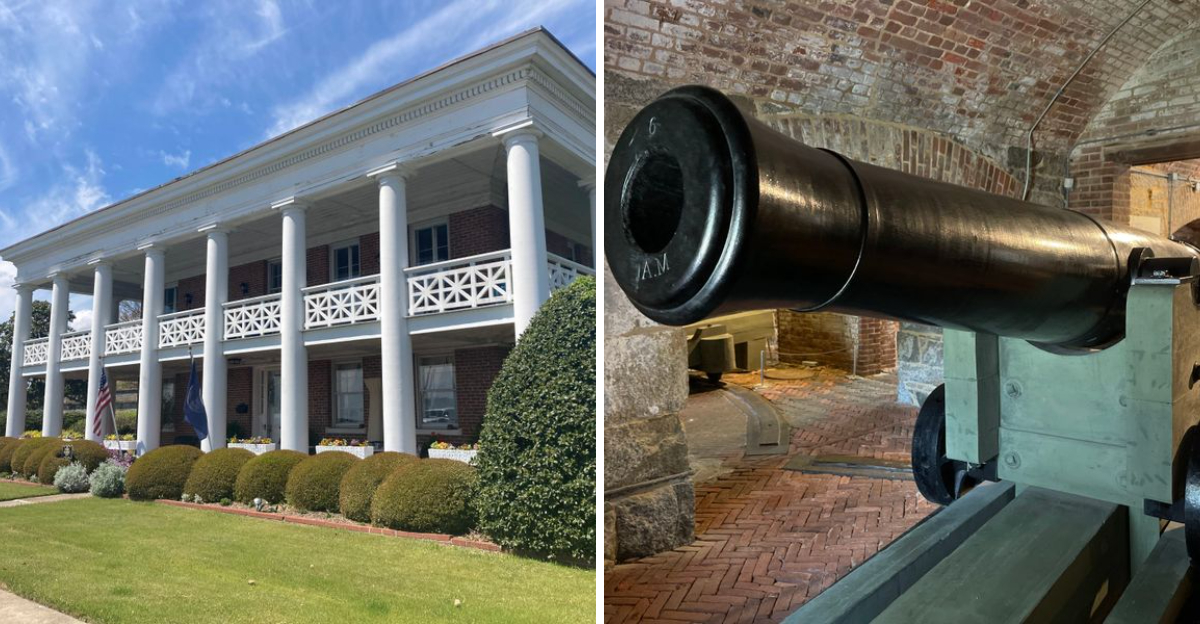
What if a single fort could tell the story of America’s most defining moments? Fort Monroe stands at the tip of the Virginia Peninsula, where the Chesapeake Bay meets the Atlantic, and it’s witnessed more history than most textbooks could ever capture.
This isn’t just another old fort with cannons and brick walls. Fort Monroe National Monument has been a silent witness to Native American life, colonial ambitions, the darkest chapters of slavery, the Civil War’s turning points, and military evolution spanning centuries.
The massive stone fortress guards stories of freedom seekers who found refuge within its walls and soldiers who trained for battles that shaped our nation. Located at Fort Monroe, VA 23651, this National Monument invites you to walk through corridors where history literally echoes off the walls, revealing how war, commerce, and the fight for human dignity collided on Virginia’s coastline.
The Moat That Still Surrounds America’s Largest Stone Fort
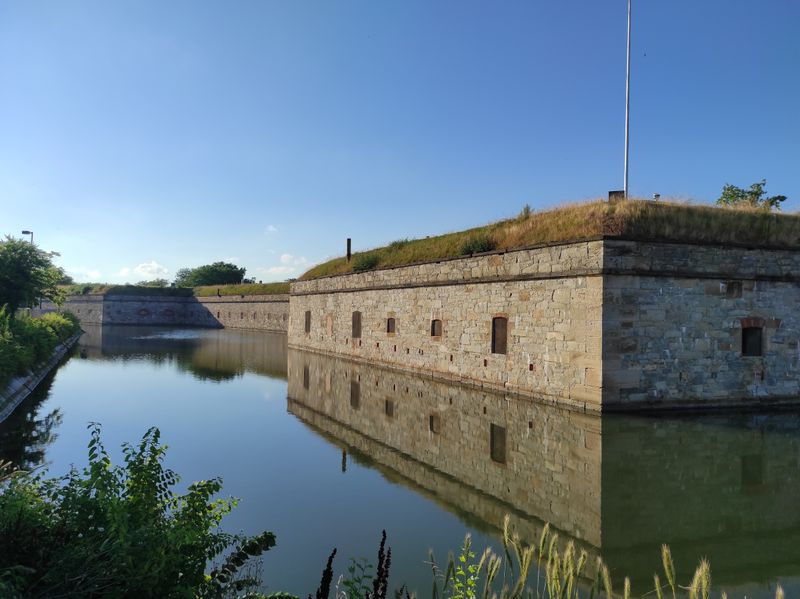
Picture a medieval castle dropped onto American soil, and you’re getting close to understanding Fort Monroe’s incredible design. The fort boasts the only moat still surrounding an American fortification, creating a watery barrier that’s both functional and absolutely stunning to see in person.
Construction began in the early 1800s, transforming this strategic point into an engineering marvel. The massive stone walls stretch for miles, creating what became the largest stone fort ever built in the United States.
Walking along the ramparts gives you views of both the moat’s calm waters and the bustling Hampton Roads harbor beyond.
The moat served as the fort’s primary defense mechanism, making any assault nearly impossible without crossing the water first. Today, it creates a peaceful boundary between the historic grounds and modern Virginia, offering incredible photo opportunities and a tangible connection to military architecture from another era.
Visitors can walk the entire perimeter, experiencing how defenders would have viewed approaching threats. The reflection of the fort’s walls in the moat water creates an almost mirror image that’s particularly magical during sunrise and sunset hours.
Freedom’s Fortress Where Enslaved People Found Sanctuary
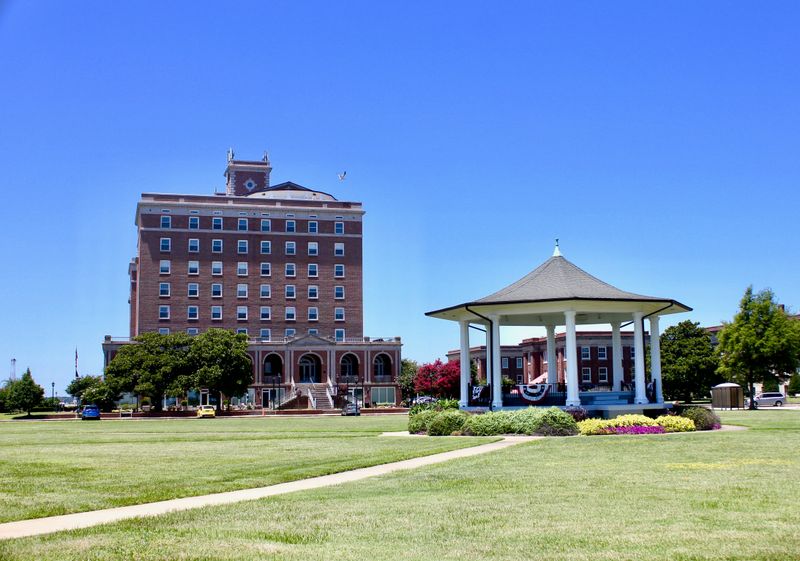
During the Civil War, three enslaved men changed American history when they reached Fort Monroe seeking freedom. General Benjamin Butler made a decision that would ripple through the entire conflict, declaring these men contraband of war rather than returning them to bondage.
This 1861 decision transformed Fort Monroe into what became known as Freedom’s Fortress. Thousands of enslaved people fled to the fort’s protective walls, creating a community of freedom seekers who found safety under the American flag.
The fort became a beacon of hope throughout Virginia and beyond.
The Contraband Decision challenged the legal status of slavery during wartime, creating a precedent that eventually led to the Emancipation Proclamation. Fort Monroe’s role in this transformation cannot be overstated.
It became the staging ground for a new understanding of human rights and military policy.
Today, exhibits and markers throughout the grounds tell these powerful stories of courage and determination. The Casemate Museum houses artifacts and displays that bring this pivotal moment to life, showing how ordinary people seeking freedom helped change the course of a nation.
Where President Lincoln Planned Military Strategy
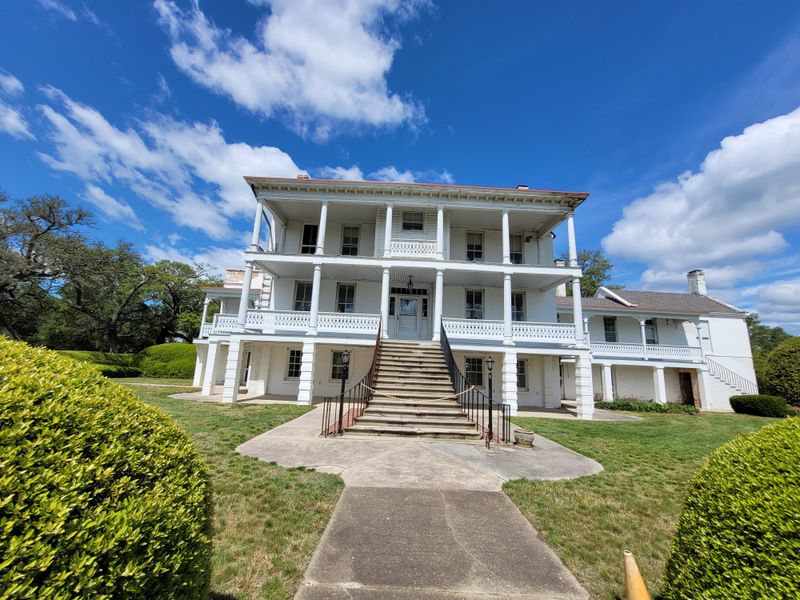
Abraham Lincoln didn’t just visit Fort Monroe once or twice. He actually used the fort as a strategic planning center during critical moments of the Civil War, staying in what’s now called Quarters One, a stunning building that still stands today.
The President arrived at the fort to personally oversee military operations in the Hampton Roads area. His presence demonstrated how vital this Virginia coastal position was to Union strategy.
Lincoln met with military commanders, reviewed troop movements, and made decisions that would affect the entire war effort.
Quarters One offers a glimpse into presidential life during wartime. The building’s architecture reflects the military elegance of the period, with commanding views of the water that would have allowed Lincoln to observe naval movements and defensive positions firsthand.
Walking through the areas where Lincoln stood gives visitors chills. You can almost imagine the weight of his decisions as he gazed out over the same waters, contemplating how to preserve the Union while ending slavery.
The fort preserves this connection to presidential history with careful attention to historical accuracy and storytelling.
The Casemate Where Jefferson Davis Was Imprisoned
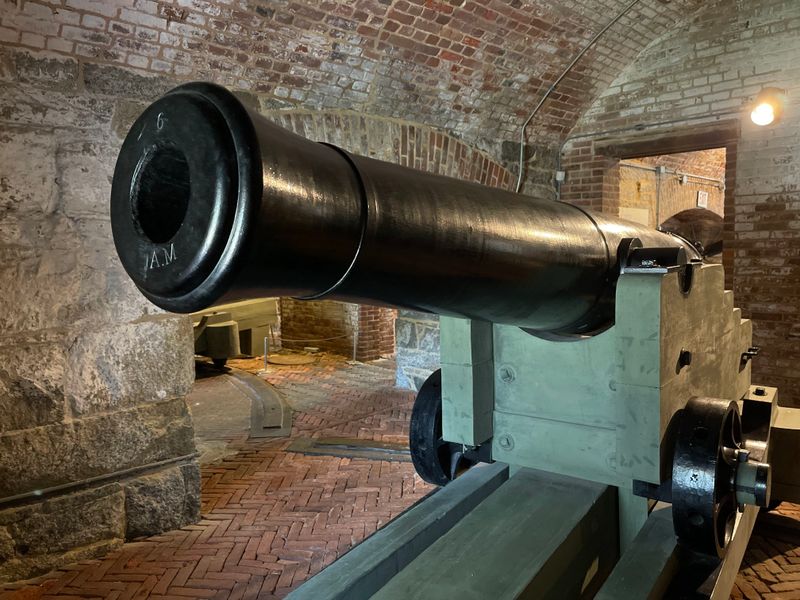
After the Civil War ended, the President of the Confederacy found himself imprisoned in the very fort that had served as Freedom’s Fortress. Jefferson Davis spent time confined in a casemate, one of the fort’s vaulted chambers, creating one of history’s most ironic twists.
The casemate where Davis was held has been preserved and is now open to visitors. The small, dark room with its thick stone walls shows the harsh conditions he endured.
Shackles were briefly placed on his ankles, though this treatment caused such public outcry that they were quickly removed.
Davis’s imprisonment at Fort Monroe represented the complete reversal of Confederate fortunes. The man who had led the fight to preserve slavery was now held captive in the fortress that had sheltered those fleeing bondage.
This symbolism wasn’t lost on anyone at the time.
Visiting the casemate provides a sobering reminder of how the war ended and how justice was pursued. The exhibits explain the conditions of his confinement, the legal debates surrounding his imprisonment, and why he was eventually released without trial, adding complexity to our understanding of post war reconciliation.
Old Point Comfort Lighthouse Guiding Ships Since Colonial Times
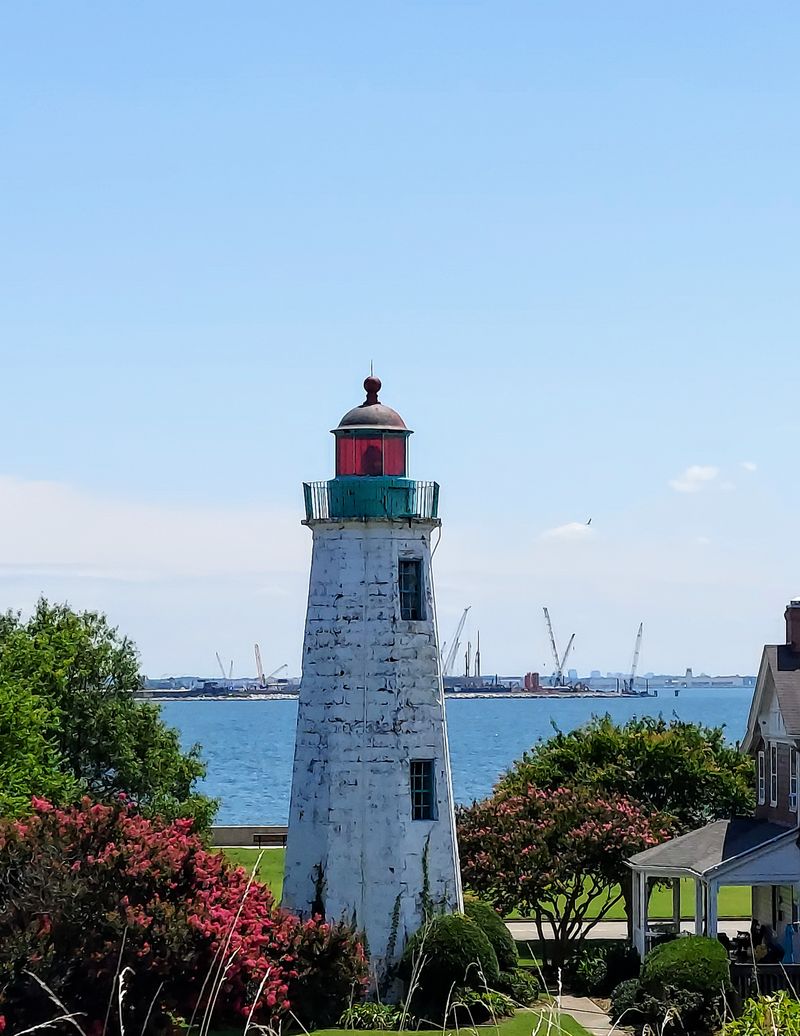
Standing tall since before the fort was even built, the Old Point Comfort Lighthouse has been guiding ships into Hampton Roads for generations. This isn’t just any lighthouse.
It’s one of the oldest continuously operated lighthouses in the entire United States, still flashing its beacon every night.
The lighthouse predates the fort itself, having been constructed when the area was just a strategic point on the Virginia coast. Ships entering the Chesapeake Bay relied on its light to navigate safely through sometimes treacherous waters.
The lighthouse keepers who maintained it lived lives of dedication and isolation.
Today, the lighthouse stands as a beautiful reminder of maritime history within the fort’s grounds. Its white tower contrasts beautifully against blue skies and the waters it still watches over.
Though automated now, it continues its original mission of guiding vessels safely to port.
Photographers love capturing the lighthouse at different times of day, each offering unique lighting and mood. The structure represents continuity, having witnessed everything from colonial shipping to modern naval operations, making it a perfect symbol of the region’s enduring importance to American maritime activity.
Native American Heritage That Predates All European Settlement
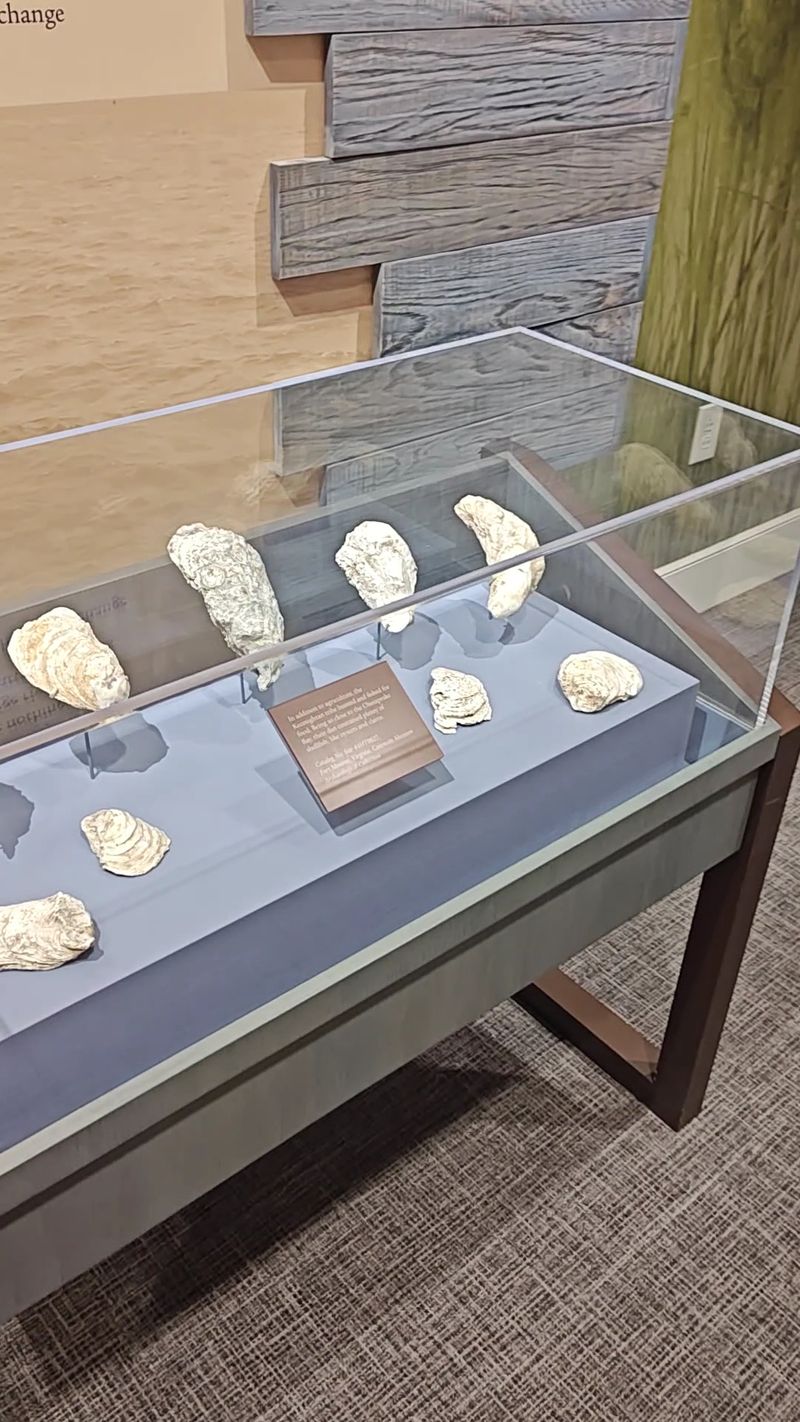
Long before any fort, lighthouse, or European settlement existed, Native American peoples called this land home. The Kecoughtan people lived on this peninsula, fishing the abundant waters and building communities that thrived for countless generations before colonization disrupted their world.
Fort Monroe’s interpretation now includes this often overlooked chapter of the site’s story. The land’s original inhabitants understood its strategic and life sustaining value long before military engineers drew up fortress plans.
They knew the waters, the seasons, and the land in ways that colonizers never could.
Archaeological evidence and historical records help piece together the indigenous story of this place. The Kecoughtan were part of the larger Powhatan Confederacy, and their displacement represents the beginning of profound changes that would reshape the entire region.
Understanding this history adds depth to everything that came after.
The National Monument now works to honor and educate visitors about this indigenous heritage. Exhibits explain how Native Americans used the land, their interactions with early colonists, and the devastating impact of European settlement.
This fuller historical picture helps visitors understand that the story of Fort Monroe begins thousands of years before any stone was laid.
Continental Army Training Ground During Multiple Wars
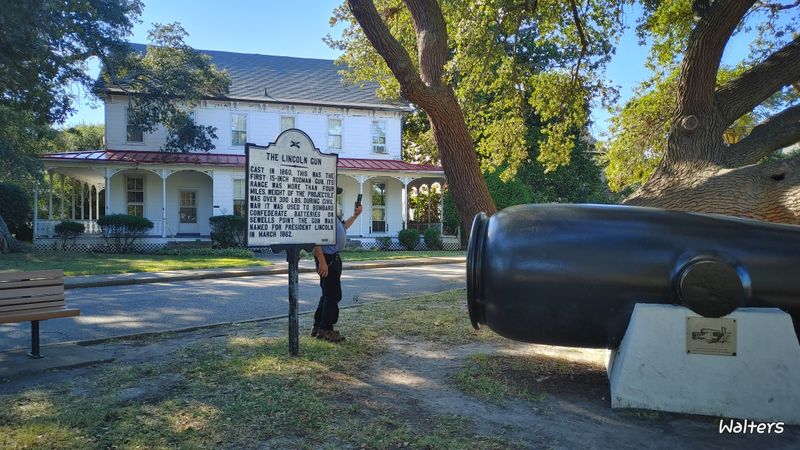
Fort Monroe didn’t just defend the coast. It trained generations of American soldiers who would fight in conflicts around the world.
The parade grounds witnessed countless drills, and the barracks housed soldiers learning everything from artillery operations to military strategy.
The fort served as an active military installation for over two centuries, making it one of the longest continuously operated military bases in American history. Soldiers stationed here during peacetime trained for wars they hoped would never come, while wartime brought urgent preparation for immediate deployment.
Walking the same grounds where soldiers once drilled creates a powerful connection to military history. The buildings that housed classrooms, mess halls, and sleeping quarters still stand, many repurposed but maintaining their historic character.
You can almost hear the cadence calls echoing across the grounds.
The fort’s role in military education extended beyond basic training. Officers studied here, learning the art of warfare and leadership.
The strategic thinking developed at Fort Monroe influenced American military doctrine for generations. This wasn’t just a defensive position but an intellectual center for military innovation and preparation throughout multiple eras of American history.
Hampton Roads Harbor Strategic Maritime Crossroads
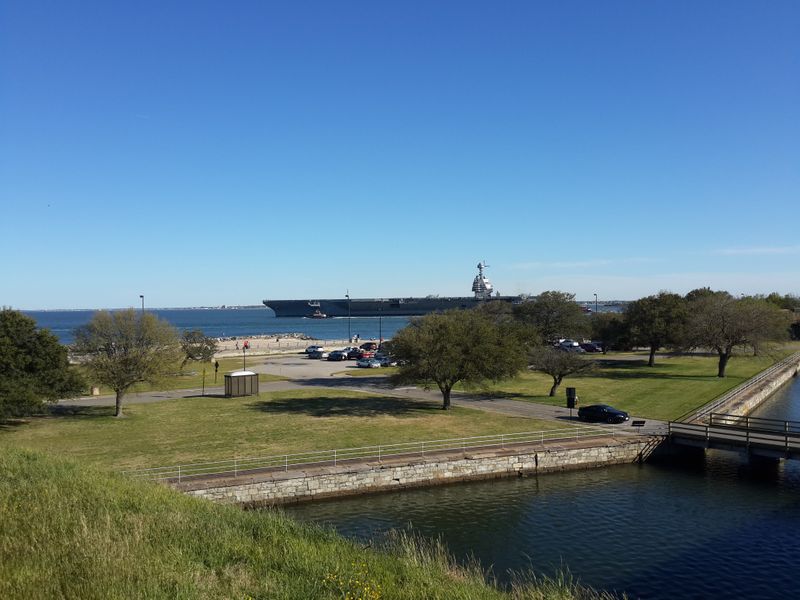
Stand on Fort Monroe’s ramparts and you’ll understand immediately why this location mattered so much throughout history. Hampton Roads represents one of the most strategically important harbors on the entire Atlantic coast, where multiple waterways converge before meeting the Chesapeake Bay and eventually the ocean.
The harbor’s natural deepwater channels could accommodate the largest ships, making it invaluable for both commercial trade and military operations. Colonial merchants, naval commanders, and modern shipping companies all recognized the same geographic advantages that made this spot irreplaceable for controlling access to Virginia’s interior.
Fort Monroe’s position at the harbor entrance meant it could monitor and control every vessel attempting to pass. During the Civil War, this control proved crucial to Union strategy.
No Confederate ship could easily access the bay without passing under the fort’s watchful guns.
Today, massive container ships, naval vessels, and pleasure craft all share these historic waters. Watching modern maritime traffic from the fort’s walls creates a living connection between past and present.
The strategic importance that drove the fort’s construction centuries ago still makes Hampton Roads one of America’s busiest and most vital ports.
Architecture Spanning Three Centuries Of Military Design
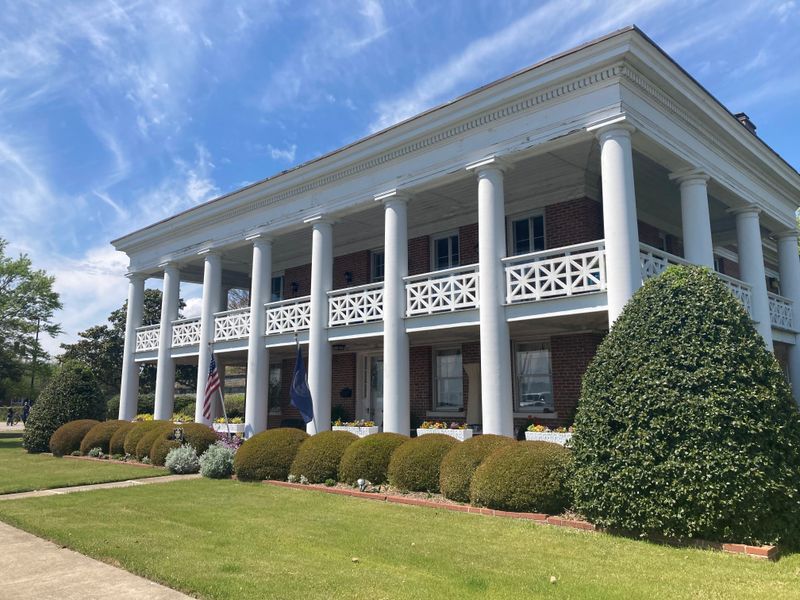
Fort Monroe isn’t just one structure but a collection of buildings representing different eras of American military architecture. Walking through the fort is like taking a timeline tour through how the military built, lived, and defended across three centuries of changing technology and strategy.
The earliest structures reflect the massive stone fortification style popular in the early 1800s, with thick walls designed to withstand cannon bombardment. Later additions show how architecture evolved with changing military needs, from Victorian era officer housing to more utilitarian structures built during world wars.
Quarters One stands as perhaps the most elegant example, showcasing the grand style afforded to commanding officers. Other buildings reveal how enlisted soldiers lived, where supplies were stored, and how the fort functioned as a self contained military city.
Each structure tells part of the larger story.
Preservation efforts have maintained the architectural integrity while adapting buildings for modern use. Some now house museums and visitor centers, others serve residential purposes, but all retain their historic character.
The variety of architectural styles within the fort’s walls creates visual interest while documenting how American military construction evolved alongside changing warfare technology and strategic thinking.
Coastal Ecosystem Where History Meets Natural Beauty
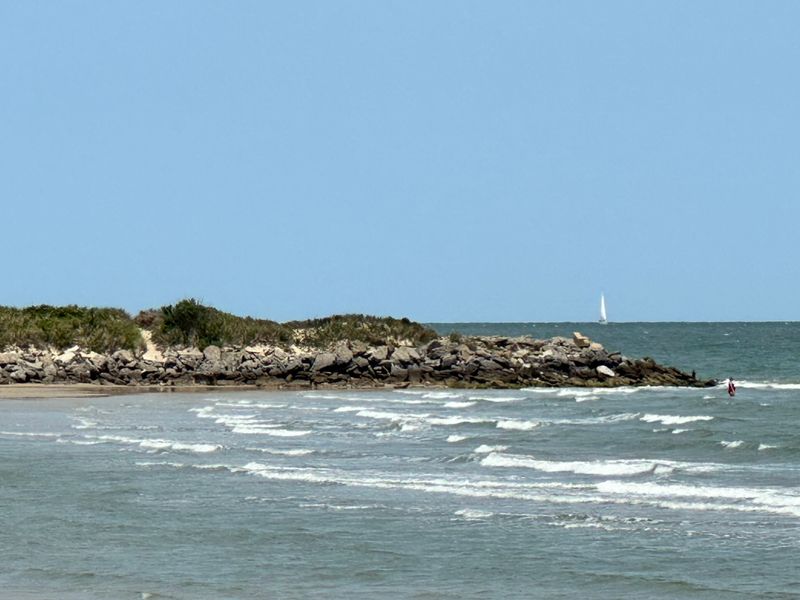
Beyond the historical significance, Fort Monroe sits within a stunning coastal ecosystem where land meets water in ways that support incredible biodiversity. The beaches, marshlands, and waters surrounding the fort teem with life, offering nature lovers a chance to experience Virginia’s coastal environment at its finest.
Migratory birds use the area as a stopover point, making it a favorite spot for birdwatchers throughout the year. The waters support fish populations that have sustained communities for millennia, from Native American peoples to modern anglers.
Walking the shoreline reveals tidal pools, shells, and the constant interaction between bay and land.
The National Park Service manages the fort with attention to both historical preservation and environmental stewardship. Native plantings restore habitats while maintaining the historic landscape’s character.
This balance allows visitors to appreciate both human history and natural processes operating in the same space.
Sunrise and sunset at Fort Monroe offer spectacular displays as light plays across water, stone walls, and sky. The natural beauty enhances rather than distracts from the historical experience, reminding visitors that this strategic location was chosen partly because of its geographic and environmental advantages that made settlement and defense possible.
Dear Reader: This page may contain affiliate links which may earn a commission if you click through and make a purchase. Our independent journalism is not influenced by any advertiser or commercial initiative unless it is clearly marked as sponsored content. As travel products change, please be sure to reconfirm all details and stay up to date with current events to ensure a safe and successful trip.
