Social media has turned one of Virginia’s most serene coastal sanctuaries into a circus. What was once a peaceful escape where locals spent quiet mornings watching wild ponies graze and afternoons biking empty trails has become an overcrowded spectacle.
Visitors now arrive by the carload, phones in hand, chasing that perfect shot of the famous horses while trampling delicate habitats and ignoring basic refuge rules. The very essence that made this barrier island special is being squeezed out by influencers treating protected wildlife like props and pristine beaches like personal photo studios.
Long-time residents who grew up respecting the land now avoid their favorite spots during peak hours, watching from a distance as newcomers crowd the trails, blast music near nesting birds, and leave trash along the shoreline. This refuge was designed to protect vulnerable ecosystems and offer a quiet retreat for those who appreciate nature’s subtlety.
Instead, it’s become another casualty of viral fame, where respect for wildlife takes a backseat to likes and follows.
Wild Ponies Turned Into Photo Props
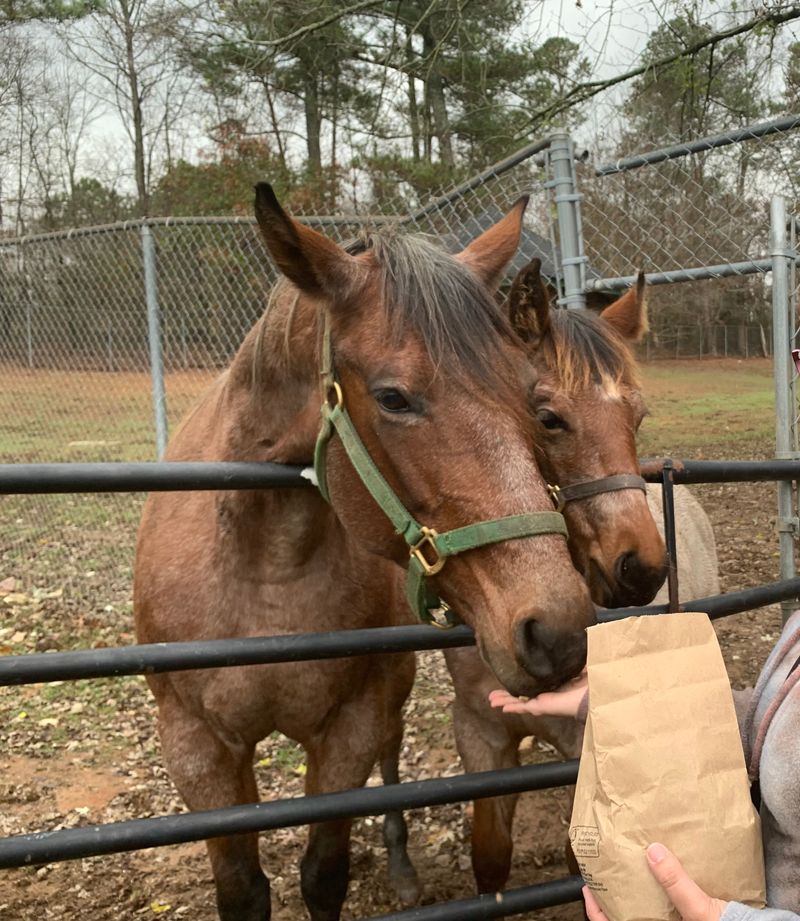
Chincoteague’s famous wild ponies have roamed these salt marshes for centuries, living as nature intended. These aren’t petting zoo animals or trained performers.
They’re truly wild creatures descended from shipwrecked horses, adapted to survive on marsh grasses and freshwater ponds.
Influencers changed everything. Visitors now chase herds across sensitive wetlands, trying to get within selfie range.
People whistle, clap, and wave food to get the ponies’ attention for better shots. Some even attempt to touch or feed them, despite clear warnings posted throughout the refuge.
Rangers spend hours each day educating visitors about proper viewing distances. The stress on these animals is visible to anyone who actually cares to look.
Mares with foals avoid certain areas entirely now, changing centuries-old grazing patterns to escape human pressure.
Locals remember when you could sit quietly on the Wildlife Loop and watch ponies behave naturally. Now it’s bumper-to-bumper traffic with people leaning out car windows, engines running, creating chaos.
The magic disappeared when respecting wildlife became less important than Instagram engagement.
These ponies deserve better than being treated like living filters for someone’s feed.
Mosquito Complaints From Unprepared Visitors
Every wildlife refuge has mosquitoes. It’s part of the coastal marsh ecosystem.
Locals know this, accept it, and come prepared with proper clothing and effective repellent. It’s just part of being outdoors in Virginia’s coastal wetlands.
Social media tourists arrive completely unprepared, then flood review sites with shocked complaints. They act personally victimized by nature doing what nature does.
One-star reviews mention mosquitoes more than actual wildlife, as if bugs existing in their natural habitat is some kind of management failure.
The refuge provides clear warnings about bringing DEET-based spray and covering exposed skin. Signs are posted.
The website explains it. Rangers mention it.
Yet visitors still show up in tank tops and shorts with no protection, then spend their entire visit swatting and complaining.
Longtime visitors understand that mosquitoes are heaviest during certain seasons and times of day. They plan accordingly, enjoying early morning or late afternoon visits when bugs are less active.
They wear long sleeves and treat clothing with permethrin before arriving.
But influencers need that golden hour content regardless of conditions. So they suffer, complain loudly, and make the refuge sound unbearable when really they just refused to prepare properly for a coastal wilderness experience.
Beach Overcrowding During Peak Season
The beach at this refuge used to be Virginia’s best-kept secret. Families spread out along miles of pristine sand, finding their own private stretches to enjoy the Atlantic without the boardwalk chaos of typical tourist beaches.
Space was never an issue.
Viral posts changed that overnight. Now peak season brings shoulder-to-shoulder crowds that would make Ocean City blush.
The parking lots fill before sunrise, forcing visitors to wait in long lines or turn around entirely. What was once peaceful has become stressful.
Lifeguarded areas become so packed that finding room to lay a towel requires strategic timing. The natural beauty that drew people here gets obscured by the sheer volume of bodies, coolers, umbrellas, and beach gear.
It feels more like a music festival than a wildlife refuge.
Locals who once spent entire summer days here now avoid the beach completely from June through August. They’ve surrendered their favorite spot to the influencer invasion, knowing the crowds won’t respect the quiet atmosphere that made this place special.
Off-season visits remain magical, but those summer months that families traditionally treasured have been lost. The refuge struggles to manage visitor numbers while maintaining its conservation mission.
Disrespect For Wildlife Viewing Guidelines
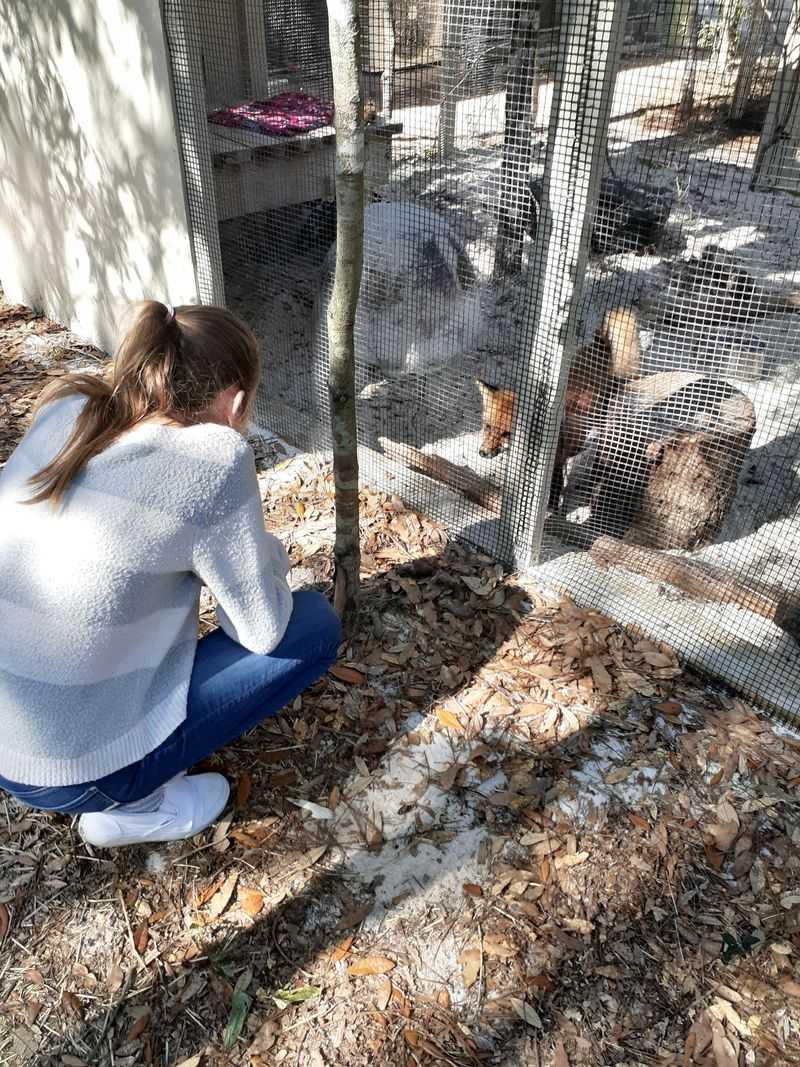
Federal refuges exist primarily to protect wildlife, not entertain humans. Viewing guidelines aren’t suggestions.
They’re rules designed to prevent disturbance to vulnerable species during critical life stages like nesting, feeding, and raising young.
Influencers regularly ignore these guidelines in pursuit of dramatic content. They approach nesting shorebirds too closely, causing adults to abandon eggs.
They walk through roped-off areas marked for protection. They use drones despite clear prohibitions, terrifying birds and disrupting natural behaviors.
Rangers issue citations, but enforcement can’t be everywhere at once. By the time staff arrive, the damage is done.
A disturbed plover nest means those chicks won’t hatch. A stressed eagle might abandon its territory.
These aren’t minor inconveniences but real conservation setbacks.
Long-time refuge visitors understand that wildlife comes first. They use binoculars and telephoto lenses to observe from appropriate distances.
They stay on marked trails. They keep voices low near sensitive areas.
This basic respect seems lost on the social media generation.
The irony is painful. People claim to love nature while actively harming it for content.
They get their shot, post it with nature-loving hashtags, and move on, never considering the consequences their presence created.
Trail Damage From Increased Foot Traffic
Trails at this refuge wind through delicate coastal ecosystems. Wooden boardwalks cross wetlands where stepping off the path damages vegetation that prevents erosion.
Packed earth trails through maritime forests require careful maintenance to prevent widening and habitat destruction.
Heavy influencer traffic has accelerated trail degradation significantly. Social media users create unofficial side trails to reach better photo locations, trampling native plants and disturbing wildlife corridors.
These improvised paths become muddy channels during rain, causing erosion that spreads with each storm.
The Woodland Trail, once a peaceful walk through shaded forest, now shows visible wear from constant use. Roots are exposed where soil has eroded.
Vegetation along trail edges is trampled flat where people step aside for passing traffic or stop for photos without considering their impact.
Maintenance crews work constantly to repair damage, but they’re fighting a losing battle against sheer visitor volume. Boardwalk sections need replacement more frequently.
Trail surfaces require more frequent grading. Budget constraints mean some repairs get delayed, leading to further deterioration.
Locals remember when these trails felt wild and remote, even though they were maintained paths. Now they feel like highways through nature, their charm diminished by overuse and the visible scars of too many feet.
Lighthouse Turned Into Selfie Station
The Assateague Lighthouse has stood since the mid-1800s, guiding ships safely along Virginia’s treacherous coast. It’s a working historical monument with genuine maritime significance, offering visitors a chance to climb its stairs and learn about coastal navigation history.
Now it’s primarily known as a backdrop for engagement photos and influencer content. People line up not to appreciate history but to capture that perfect shot with the iconic red and white stripes.
The lighthouse has become a prop rather than a landmark.
Groups monopolize the best angles for extended photo sessions, making other visitors wait or work around them. Professional photographers arrive with clients for elaborate shoots, treating public space like a private studio.
The focus has shifted entirely from education to aesthetics.
Inside, visitors climb the stairs more interested in the view from above for aerial shots than in understanding the lighthouse’s role in maritime safety. Interpretive displays get ignored.
The historical context that makes this structure meaningful gets lost in the rush to post content.
Local historians who volunteer at the lighthouse express frustration. They watch visitors race through without reading a single informational panel, solely focused on getting their shots and moving on to the next location.
History deserves more respect than that.
Parking Lot Chaos And Traffic Jams
Refuge parking used to be straightforward. You’d arrive, find a spot, and begin your visit.
Traffic flowed smoothly even during busy weekends because visitor numbers remained manageable and people spread out across multiple access points throughout the day.
Current parking situations border on absurd. Cars line up before gates open, creating traffic that backs onto main roads.
Lots fill within an hour of opening during peak season. Frustrated visitors circle endlessly or park illegally along roadsides, creating safety hazards and blocking emergency access.
The refuge has implemented timed entry during peak periods, but this only shifts the problem. Now people arrive even earlier to secure entry times, creating different congestion patterns.
The spontaneous, relaxed visit that locals treasured has been replaced by planning and stress.
Overflow parking areas carved from natural spaces represent a sad compromise. More pavement means less habitat, yet visitor demand keeps increasing.
The refuge faces impossible choices between access and conservation, its core mission threatened by its own popularity.
Longtime visitors remember when you could arrive midday and still find parking. When leaving didn’t require navigating a traffic jam.
Those days feel impossibly distant now, casualties of viral fame and the crowds it brings.
Litter Problems On Beaches And Trails
Wildlife refuges operate on limited budgets with small maintenance crews. They rely on visitors practicing Leave No Trace principles, carrying out everything they bring in.
This system worked fine when visitor numbers were reasonable and people respected the space.
Influencer crowds brought influencer habits. Plastic water bottles appear along trails.
Food wrappers blow across beaches. Cigarette butts accumulate near parking areas despite clearly marked disposal containers.
The disrespect is staggering and entirely preventable.
Beach cleanups that locals organized quarterly now happen monthly and still can’t keep pace. Volunteers fill bags with trash left by visitors who apparently believe someone else will handle their mess.
The entitlement is breathtaking.
Marine debris harms wildlife directly. Shorebirds ingest plastic fragments.
Sea turtles mistake bags for jellyfish. The refuge’s conservation mission gets undermined by visitors who claim to love nature while actively polluting it.
Rangers spend increasing amounts of time on trash patrol rather than wildlife management or visitor education. Budget dollars go toward waste removal instead of habitat restoration.
Every piece of litter represents a failure of basic human decency and respect for protected lands.
Locals arriving for morning walks now carry extra bags, automatically collecting trash as they go. They’ve accepted this additional responsibility because they actually care about preserving this place.
Noise Pollution Disturbing Wildlife
Wildlife refuges should be quiet spaces where natural sounds dominate. Bird calls, wind through marsh grass, waves lapping shores.
These sounds are part of the refuge experience, allowing visitors to connect with nature and wildlife to behave normally without human disturbance.
Influencer groups shattered that peace. Bluetooth speakers blast music on beaches.
Loud conversations echo across trails. People shout to each other across marshes.
Groups laugh and carry on as if they’re at a backyard barbecue rather than a protected wildlife area.
This noise pollution has measurable impacts. Studies show that chronic noise stress affects bird nesting success and feeding efficiency.
Species that rely on acoustic communication for mating and territory defense struggle in noisy environments. The refuge’s wildlife pays the price for human inconsideration.
Quiet hours exist in the refuge rules, but enforcement proves difficult. Rangers can’t be everywhere, and many visitors simply don’t care.
They prioritize their entertainment over wildlife welfare, the exact opposite of refuge etiquette.
Long-time visitors treasure the refuge’s natural soundscape. They come specifically to escape urban noise and reconnect with quieter rhythms.
That experience has been stolen by people who apparently can’t spend two hours without their personal soundtrack, who need constant stimulation even in places specifically designated for natural tranquility.
Loss Of Local Community Connection
Chincoteague locals have stewarded this refuge for generations. They volunteered for beach cleanups, led educational programs, and served as informal ambassadors, sharing knowledge with respectful visitors.
The refuge was woven into community identity, a source of pride and connection.
That relationship has been strained to breaking. Locals feel displaced from their own backyard as crowds overwhelm the space.
The refuge they helped protect now feels foreign, dominated by outsiders who don’t understand or respect its significance beyond photo opportunities.
Long-time volunteers report burnout from dealing with entitled visitors who ignore guidance and complain when asked to follow rules. The joy of sharing this special place has been replaced by frustration and exhaustion.
Some have stepped back entirely, unwilling to engage anymore.
Community events that once centered on the refuge have been scaled back or relocated due to overcrowding. School field trips struggle to find space.
Local families seeking quiet nature time get crowded out by tourists. The refuge has become inaccessible to the very people who fought to preserve it.
This loss represents more than inconvenience. It’s a severed connection between people and place, a broken bond that took decades to build.
When locals walk away from their refuge, everyone loses something irreplaceable. You’ll find this coastal treasure at 8231 Beach Road in Chincoteague, Virginia, though whether it remains the sanctuary it was meant to be depends entirely on how future visitors choose to behave.
Dear Reader: This page may contain affiliate links which may earn a commission if you click through and make a purchase. Our independent journalism is not influenced by any advertiser or commercial initiative unless it is clearly marked as sponsored content. As travel products change, please be sure to reconfirm all details and stay up to date with current events to ensure a safe and successful trip.
