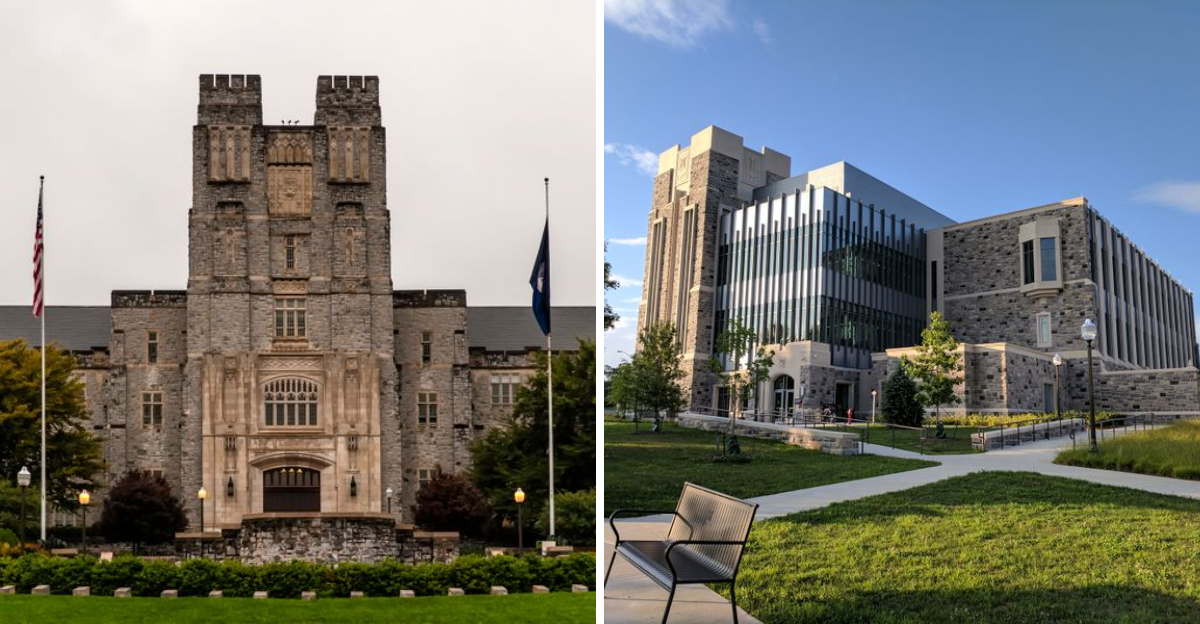
Some folks say college towns lose their soul once the university takes over. Others argue that academic energy breathes new life into old traditions.
Blacksburg sits right in the middle of that conversation, proving both sides have a point. Nestled in the Blue Ridge Mountains, this Virginia gem manages to honor its Appalachian heritage while hosting one of the nation’s top research universities.
You’ll find professors chatting with farmers at the market, craft breweries next to century-old churches, and football Saturdays that feel like family reunions. The town square still looks like something from a postcard, yet cutting-edge innovation happens just blocks away.
Virginia Tech’s presence shapes everything here, but the community hasn’t forgotten where it came from. Sweet tea flows as freely as intellectual debate, and nobody bats an eye at the contrast.
That’s Blacksburg for you, where mountain wisdom meets modern ambition, and somehow it all just works.
Downtown Blacksburg Historic District
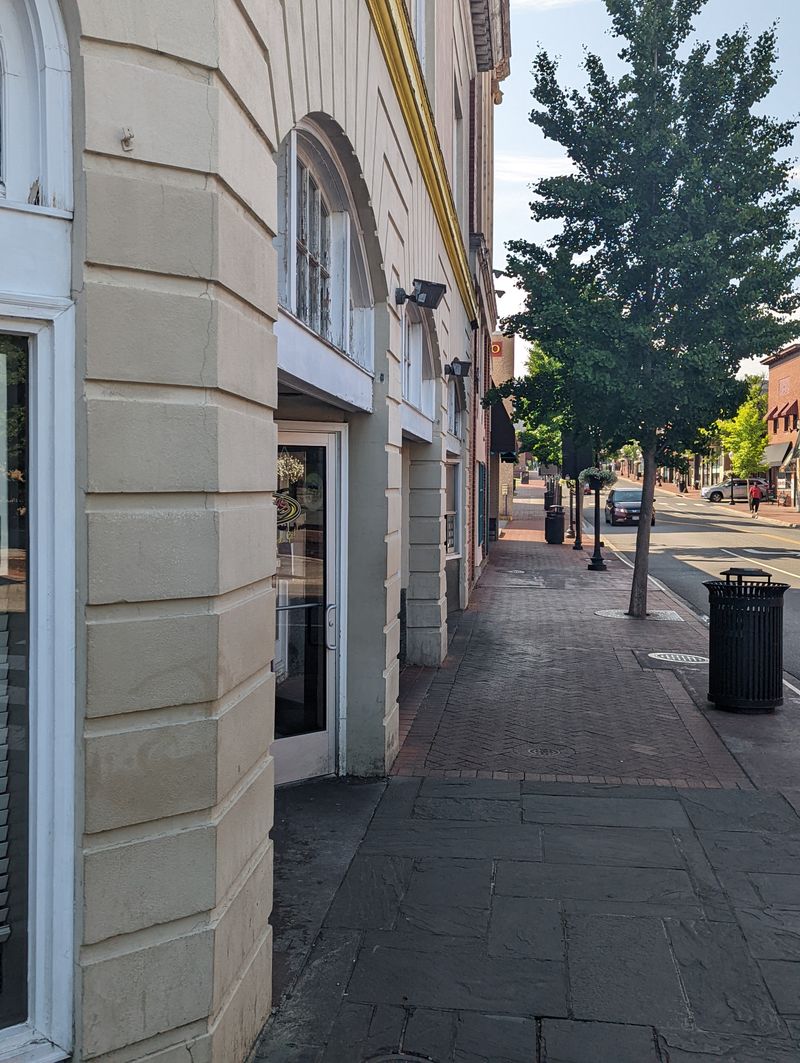
Walking through downtown feels like stepping into a living history book that somebody actually wants to read. The brick facades tell stories from when coal mining and farming ruled these parts, long before Virginia Tech became the heartbeat of town.
Main Street curves gently past storefronts that have watched generations grow up, go away, and come back home.
Local shops occupy buildings that date back over a century, their original architecture preserved with care that borders on obsession. You’ll spot vintage signs hanging above modern coffee shops, creating a timeline you can literally walk through.
The sidewalks stay busy year-round, packed with students rushing to class and retirees taking their sweet time.
Mountain views peek between buildings, reminding everyone that nature still calls the shots around here. Historic markers dot the sidewalks, sharing tales of Civil War skirmishes and early settlers who carved out life in these hills.
The district proves you don’t need to choose between progress and preservation.
Evening brings a different energy when string lights illuminate the streets and restaurant patios fill with conversation. This isn’t some theme park version of history.
It’s the real deal, still functioning, still evolving, still mattering to the people who call it home.
Virginia Tech Campus Architecture
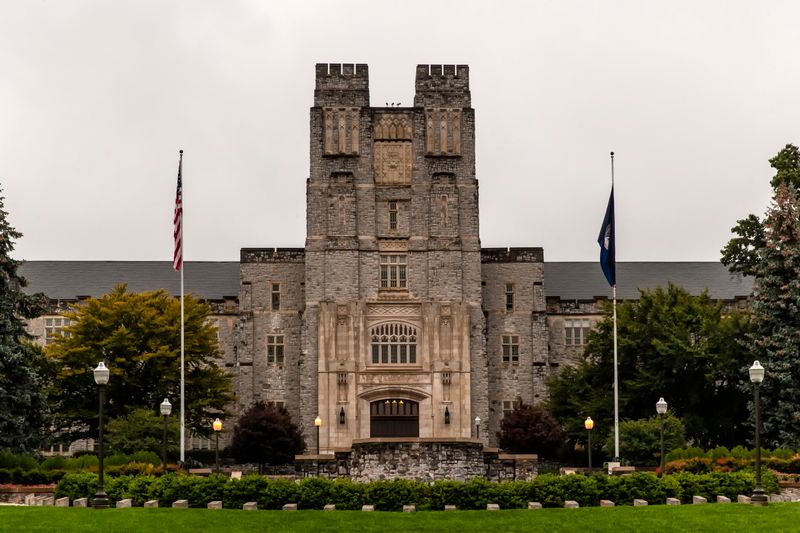
Hokie Stone defines this campus like red brick defines Harvard. Quarried from local limestone deposits, this distinctive building material gives Virginia Tech an identity you can spot from miles away.
Every major building wears it like a badge of honor, creating visual harmony across hundreds of acres.
The Drillfield stretches out like a massive green carpet, bordered by academic buildings that blend Southern tradition with modern function. Students crisscross this open space between classes, creating human traffic patterns that shift with each semester.
War Memorial Chapel stands watch over it all, a Gothic Revival beauty that commands respect without demanding attention.
Burruss Hall anchors the upper quad with its clock tower, a landmark that appears in approximately one million student photos. The architecture here doesn’t scream for attention like some flashy campuses do.
Instead, it whispers stories about land-grant universities and accessible education for working families.
Newer buildings push boundaries while respecting tradition, proving you can innovate without abandoning your roots. The campus layout encourages wandering, with pathways that wind through spaces designed for both study and contemplation.
Virginia creates few settings more photogenic than this, where academic ambition meets Appalachian beauty in perfect proportion.
Huckleberry Trail Recreation Path
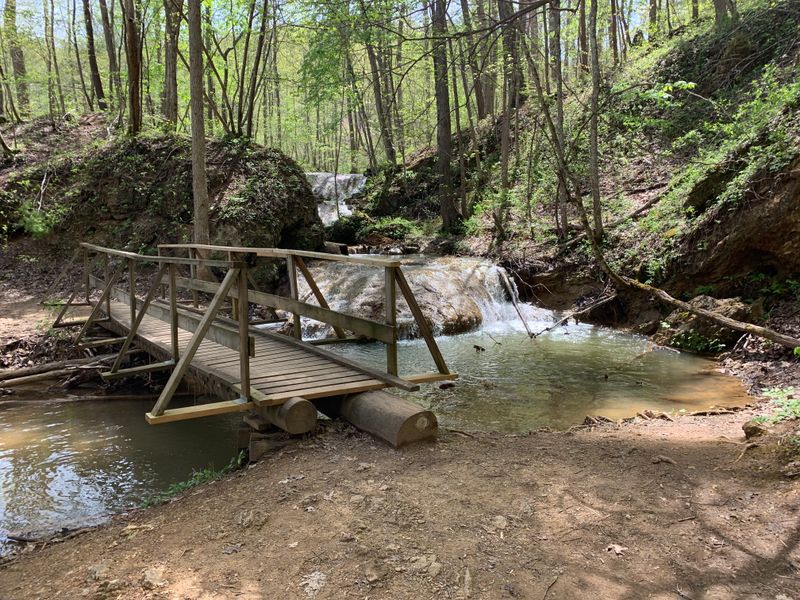
Fourteen miles of paved pathway connects Blacksburg to neighboring Christiansburg, creating a ribbon of recreation through New River Valley. Cyclists, joggers, and dog walkers share this space like old friends who’ve learned to coexist peacefully.
The trail follows old railroad beds and newly carved routes, blending infrastructure with natural beauty.
Spring transforms the corridor into a tunnel of blooming trees, while fall paints it in colors that make you understand why people write poems about Virginia. The path dips through wooded sections where birdsong drowns out traffic noise, then emerges into open farmland where mountains frame the horizon.
Local families treat this trail like their backyard, which technically it is.
Benches appear at strategic intervals for those who prefer contemplation over cardio. The route passes through different ecosystems, offering nature lessons without requiring a biology degree.
Small bridges cross creeks that actually run clear enough to see the bottom, a rarity in many developed areas.
Winter brings a different crowd, hardy souls who bundle up and reclaim the trail from fair-weather users. Community groups maintain the path with volunteer labor, proving that people still care about shared spaces.
This isn’t just exercise infrastructure, it’s social fabric made walkable, connecting towns and people in ways that matter beyond fitness tracking apps.
Blacksburg Farmers Market
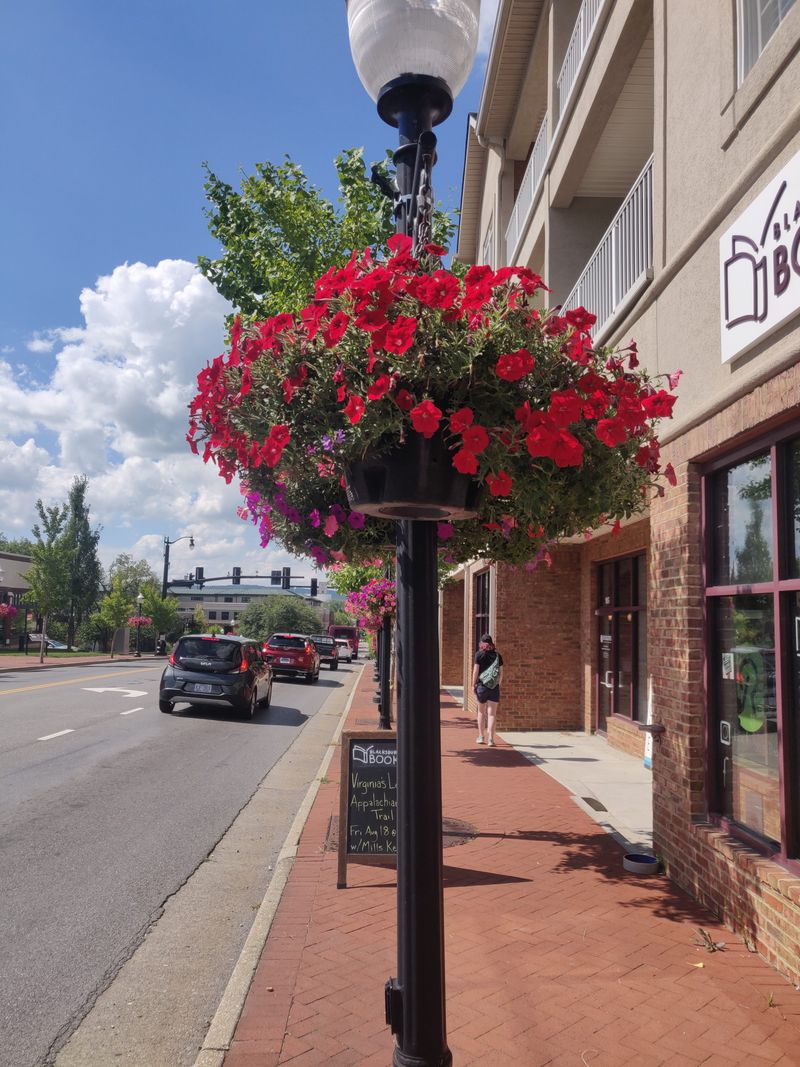
Saturday mornings at Market Square Park reveal the agricultural soul that still beats beneath all the academic polish. Farmers who’ve worked this land for generations set up alongside younger growers experimenting with heirloom varieties.
The market operates year-round because mountain people don’t hibernate just because temperatures drop.
You’ll find produce so fresh it was probably still in the ground yesterday morning. Local honey, handmade soap, and baked goods share table space with cut flowers and potted herbs.
Conversations here move slower than in the rest of town, following rhythms set by growing seasons rather than academic calendars.
College students mingle with longtime residents, everyone united by appreciation for food that actually tastes like something. Musicians often provide soundtrack, their tunes floating across the park while dogs sniff around for dropped samples.
The market doesn’t just sell products, it preserves connections between land and table that modern life usually severs.
Vendors know their regulars by name and remember who’s allergic to what. Fall brings apples in varieties you’ve never heard of, each with distinct personality and purpose.
This gathering space proves that Southern hospitality isn’t dead, just occasionally overshadowed by faster-paced modern life. Address: 100 Draper Road SW, Blacksburg, Virginia.
Cascades National Recreation Trail
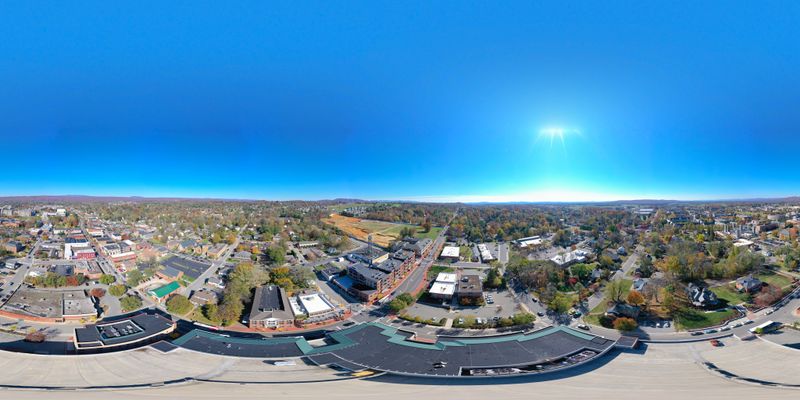
Four miles of moderately challenging trail lead to a sixty-six-foot waterfall that makes the climb worth every step. The path winds through Jefferson National Forest, offering shade and scenery that changes with elevation.
Little Stony Creek provides soundtrack, its rushing water growing louder as you approach the main event.
Hikers of all skill levels tackle this route, from serious outdoors enthusiasts to families with adventurous kids. The trail crosses wooden bridges and navigates rocky sections that require attention but not technical climbing skills.
Rhododendron thickets crowd the path in places, creating natural tunnels that stay cool even during summer heat.
The waterfall itself drops into a pool surrounded by moss-covered boulders and ferns that look prehistoric. People sit on rocks near the base, mesmerized by falling water in ways their phones can’t quite replicate.
Spring runoff turns the cascade into a thundering beast, while late summer reduces it to elegant curtains of water.
This trail sees heavy traffic on weekends because Blacksburg residents take their outdoor recreation seriously. Virginia’s mountains offer countless hiking options, but locals return to this one repeatedly.
The combination of accessibility and payoff makes it perfect for visitors who want mountain beauty without committing to all-day expeditions.
Lane Stadium Game Day Experience
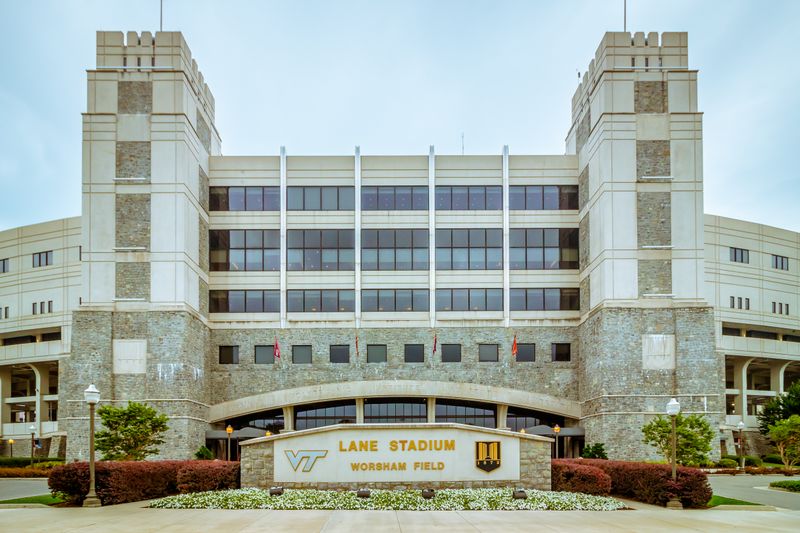
Autumn Saturdays transform Blacksburg into something approaching religious fervor, with sixty-five thousand faithful gathering to worship at the altar of college football. Lane Stadium sits at 2,057 feet above sea level, earning its nickname as one of the toughest venues in the nation.
The crowd noise alone has registered on seismographs, which tells you everything about the atmosphere.
Maroon and orange flood every surface as fans arrive hours before kickoff. Tailgating here isn’t just pregame activity, it’s an art form passed down through generations.
The Enter Sandman entrance tradition gives visitors actual goosebumps, with the entire stadium jumping in unison as the team takes the field.
Local restaurants and bars overflow with people celebrating or drowning sorrows, depending on game outcomes. The economic impact touches every business in town, from hotels to gas stations.
Even folks with zero interest in football feel the energy shift when game day arrives.
Victory brings parties that last well into the night, while defeats inspire surprisingly philosophical conversations about life’s bigger picture. This stadium represents more than sports, it’s community identity made concrete and steel.
Virginia Tech football binds this town together in ways that transcend wins and losses, creating shared experiences that last lifetimes.
Lyric Theatre
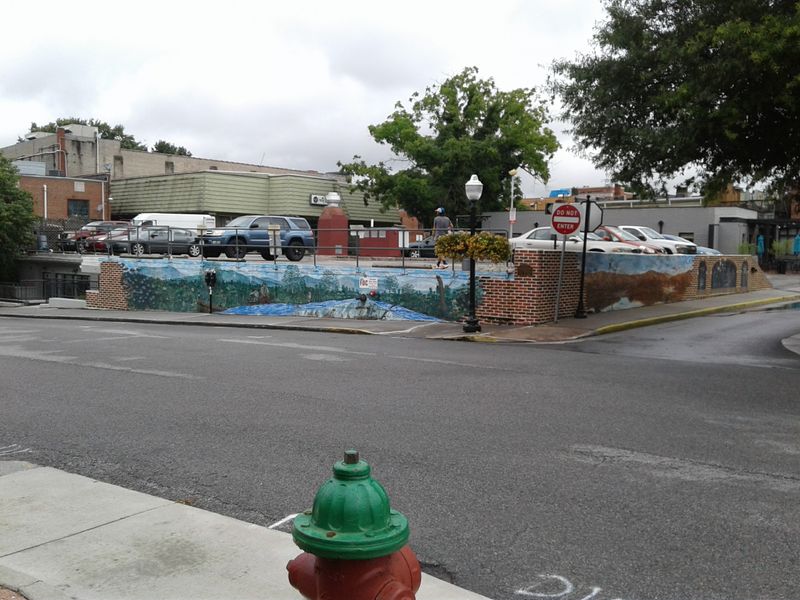
Since the silent film era, this downtown landmark has brought entertainment to mountain communities hungry for culture. The building survived economic downturns and changing tastes, adapting while maintaining its essential character.
Modern renovations preserved the vintage charm while adding amenities that contemporary audiences expect.
Independent films share screen time with blockbusters, serving audiences tired of generic multiplexes. The single-screen setup creates intimacy missing from modern megaplexes, making every showing feel like a special event.
Plush seating and updated sound systems prove that historic doesn’t mean uncomfortable.
Local film societies host special screenings and discussions, turning movie night into educational experience. The marquee still uses individual letters, a nostalgic detail that younger generations find charmingly retro.
Concession stands sell traditional treats alongside locally sourced snacks, because even popcorn gets the farm-to-table treatment here.
The theater serves as community gathering spot beyond just film screenings, hosting meetings and special events throughout the year. Virginia’s small towns often lose these cultural anchors to economic pressures, making Lyric’s survival particularly meaningful.
Walking into this space feels like time travel, connecting present-day visitors with decades of shared entertainment history. Address: 135 College Avenue, Blacksburg, Virginia.
Smithfield Plantation House
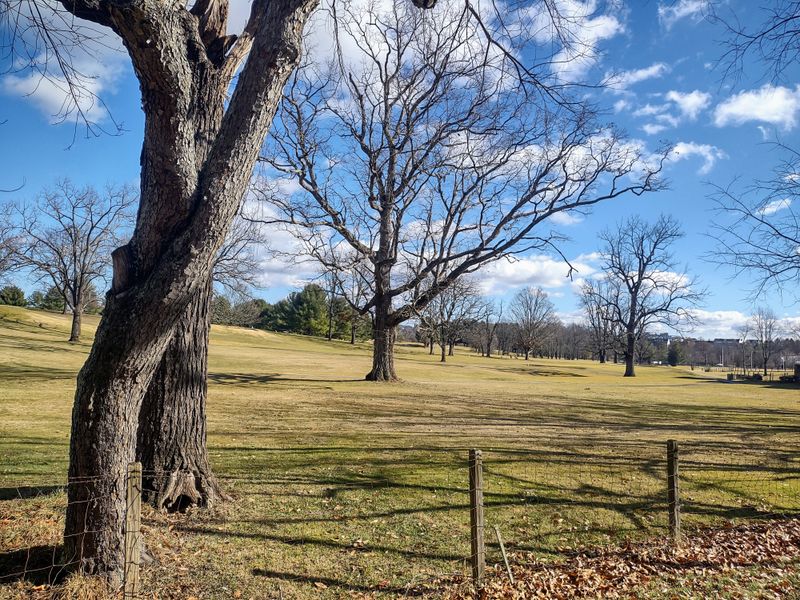
Built in the late eighteenth century, this plantation house tells uncomfortable truths alongside stories of architectural achievement. The Preston family home stands as testament to Virginia’s complicated past, when wealth and culture came at devastating human cost.
Tours don’t shy away from discussing enslaved people who made this lifestyle possible.
The wooden structure showcases period craftsmanship, from hand-hewn beams to original floorboards that creak with age. Furnishings reflect the tastes of educated gentry who valued European sophistication while living on the American frontier.
Each room presents a different aspect of plantation life, both upstairs and down.
Interpreters provide context that modern visitors need to understand this era properly. The house sits on Virginia Tech’s campus now, creating jarring contrast between past and present.
Gardens surrounding the structure follow historical layouts, growing plants that would have been familiar to original inhabitants.
Special programs explore topics like early Virginia politics, domestic life, and the realities of slavery in Appalachian regions. This site doesn’t romanticize the past or present it as simply evil.
Instead, it offers nuanced look at how people lived and what their choices cost others. Preservation efforts continue, protecting this structure as educational resource for future generations.
Address: 1000 Smithfield Plantation Road, Blacksburg, Virginia.
Moss Arts Center
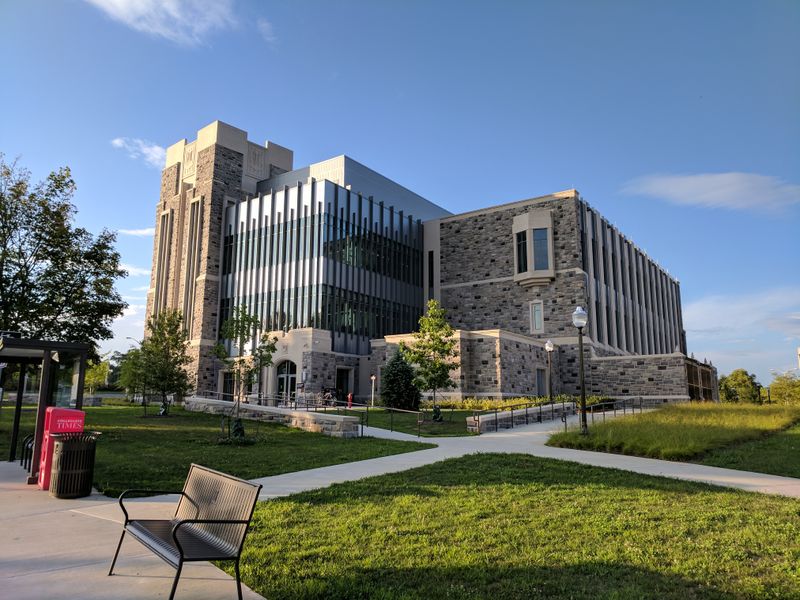
Contemporary design meets mountain setting in this striking facility that brings world-class performances to Southwest Virginia. The building itself makes architectural statement, with clean lines and innovative use of space that contrasts beautifully with surrounding traditional campus structures.
Glass walls invite natural light while offering views of the landscape beyond.
Performance spaces accommodate everything from intimate chamber music to full orchestral productions. Visiting artists regularly express surprise at finding such sophisticated facilities in a town this size.
The acoustics rival venues in major metropolitan areas, designed with input from leading experts in sound engineering.
Visual arts galleries showcase rotating exhibitions featuring regional and international artists. Educational programs connect students with professional performers, creating mentorship opportunities that shape future careers.
The center doesn’t just import culture, it helps create it through workshops and artist residencies.
Lobby spaces function as gathering spots before shows, where conversations range from art criticism to football scores. Virginia’s rural regions often lack access to high-caliber arts programming, making this facility particularly valuable.
Ticket prices stay reasonable, reflecting commitment to accessibility over exclusivity. The building proves that you don’t need to live in a big city to experience world-class cultural offerings.
Address: 190 Alumni Mall, Blacksburg, Virginia.
Heritage Park and Trail System
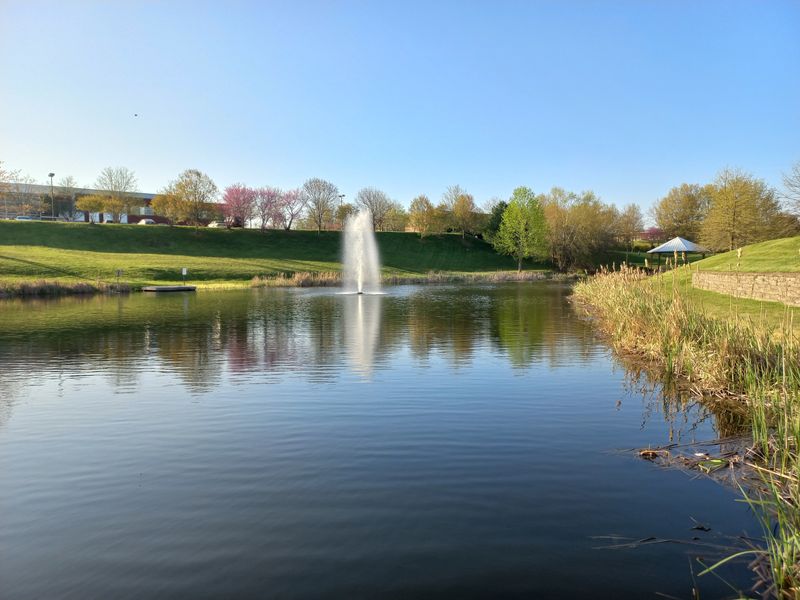
Nature and history intersect along trails that wind through sixty-seven acres of preserved land. The park protects native plant communities while providing educational opportunities about regional ecology.
Interpretive signs explain everything from soil composition to wildlife habits, turning casual walks into learning experiences.
Wetlands attract migrating birds, making this spot popular with birdwatchers who arrive with binoculars and field guides. The trail system connects to other greenways, creating networks that allow extended exploration.
Benches positioned at scenic overlooks invite contemplation and rest.
Native wildflowers bloom in succession throughout growing season, painting the landscape in constantly changing colors. Local schools use the park for outdoor classrooms, teaching kids about ecosystems in hands-on ways.
Volunteer groups maintain trails and monitor environmental health, ensuring the space stays accessible and protected.
Winter transforms the park into quiet sanctuary when most visitors stay home. The trails offer moderate difficulty, suitable for families with young children or older adults seeking gentle exercise.
Virginia’s natural beauty gets plenty of attention in tourist brochures, but locals know that everyday parks like this one matter just as much as famous destinations. Address: 401 S Main Street, Blacksburg, Virginia.
Warm Hearth Village Retirement Community
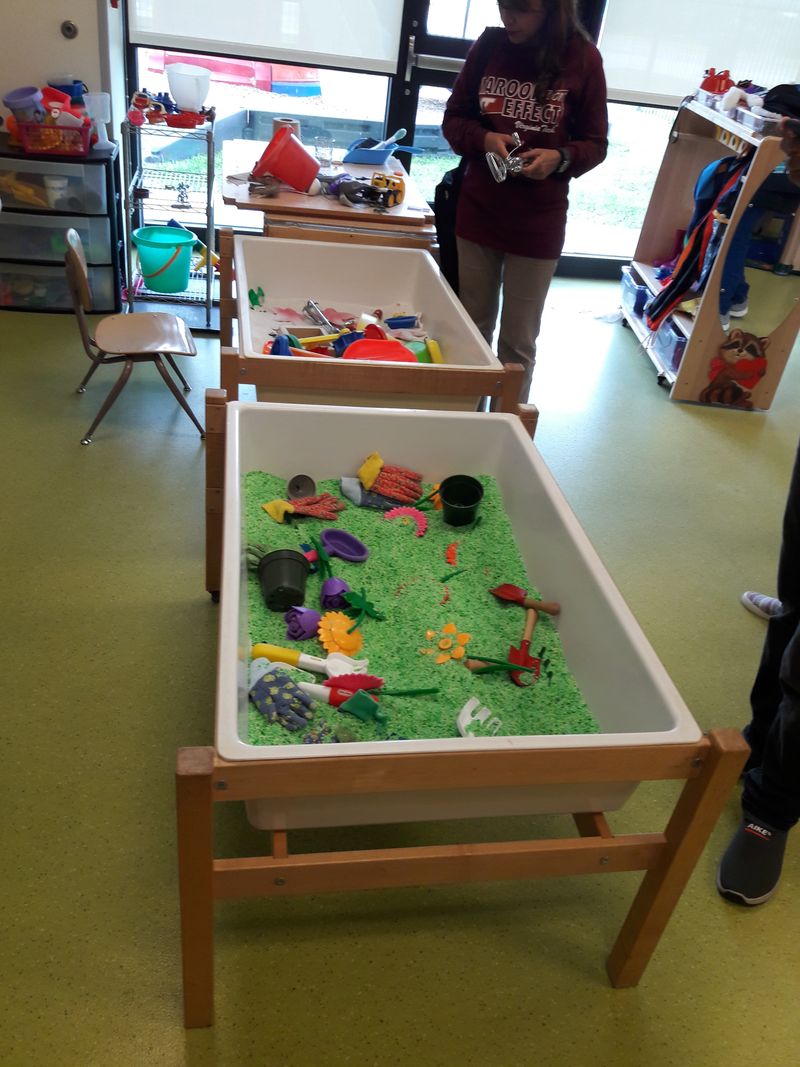
This continuing care retirement community proves that college towns offer advantages for residents of all ages. Founded decades ago, the village provides housing options from independent living to skilled nursing care.
The proximity to university resources creates unique opportunities for lifelong learning and cultural engagement.
Residents attend lectures, concerts, and sporting events alongside students, staying intellectually active in ways that isolated retirement communities can’t match. The intergenerational mixing benefits everyone, with older adults mentoring students while staying connected to contemporary culture.
Dining facilities serve meals that consider both nutrition and enjoyment, a balance that matters more as people age.
Healthcare services on-site mean that medical needs don’t require leaving the community. The village sponsors programs that connect residents with broader Blacksburg population, preventing the isolation that plagues many older adults.
Walking paths wind through landscaped grounds designed for both beauty and accessibility.
This model of retirement living attracts people from across Virginia and beyond, drawn by the combination of quality care and vibrant setting. The community contributes to local economy while enriching the social fabric of Blacksburg.
Residents maintain independence while knowing support systems exist when needed. This approach to aging allows people to stay engaged with life rather than withdrawing from it.
Dear Reader: This page may contain affiliate links which may earn a commission if you click through and make a purchase. Our independent journalism is not influenced by any advertiser or commercial initiative unless it is clearly marked as sponsored content. As travel products change, please be sure to reconfirm all details and stay up to date with current events to ensure a safe and successful trip.
