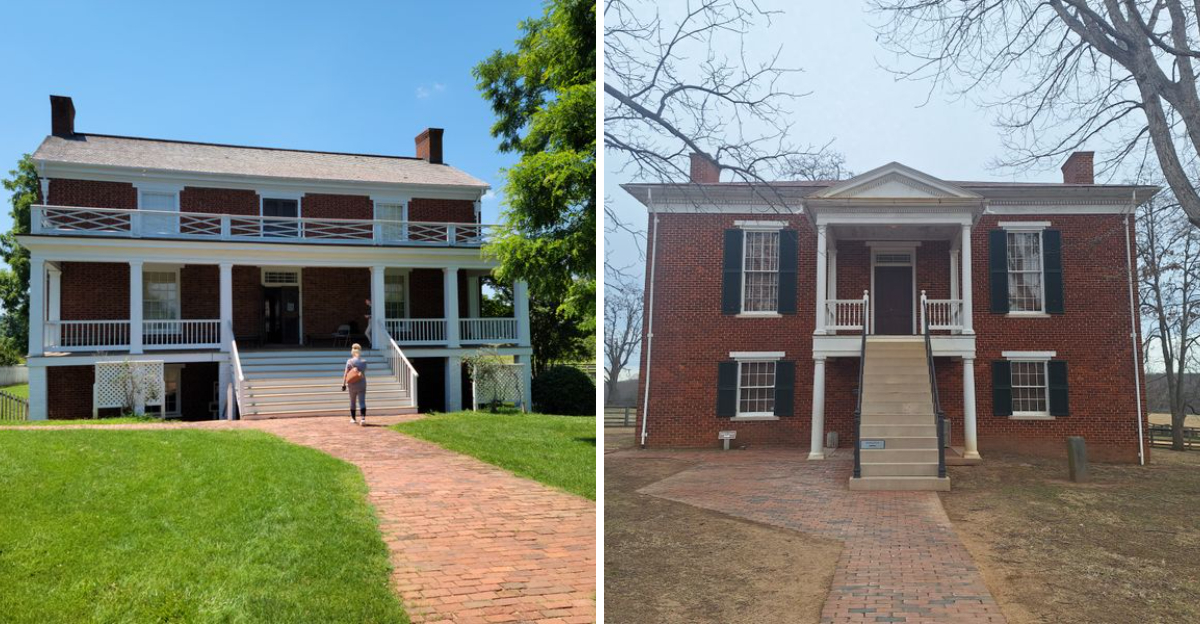
Think you know everything about how the Civil War ended? Most people assume it wrapped up with a simple handshake and everyone went home.
Reality paints a far more complex picture at Appomattox Court House National Historical Park in Virginia. This preserved village witnessed one of the most pivotal moments in American history when General Robert E.
Lee surrendered to Ulysses S. Grant, effectively ending four years of brutal conflict.
Walking these grounds feels like stepping through a time portal into spring of eighteen sixty-five. Restored buildings stand exactly where they did when soldiers laid down their weapons.
Rangers bring stories to life with such passion you’ll swear you can hear cannon fire echoing across the fields. Located at 111 National Park Dr in Appomattox, Virginia, this living museum offers way more than dusty textbooks ever could about reconciliation, sacrifice, and the fragile threads that stitched our nation back together.
The McLean House Where History Changed Forever
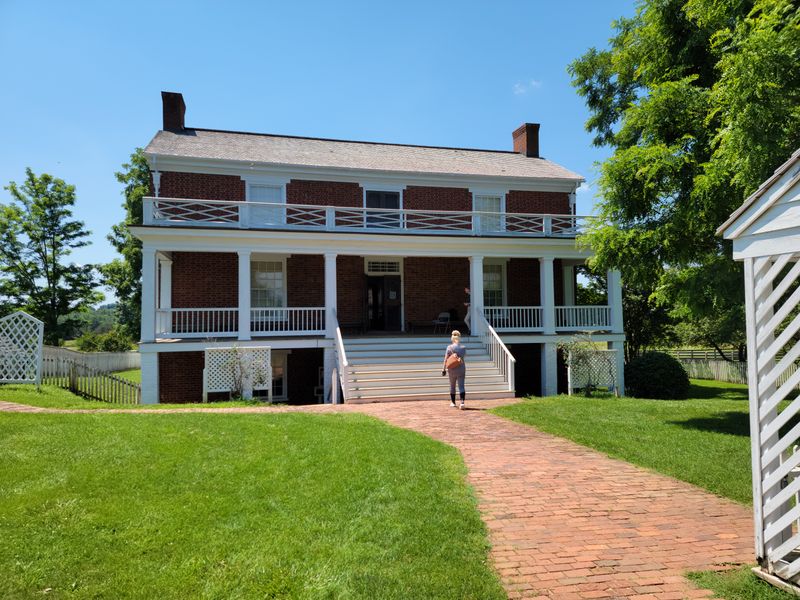
Wilmer McLean thought he’d escaped the war when he moved his family from Manassas to this quiet village. Fate had other plans.
His parlor became the stage where two legendary generals met to negotiate terms that would reshape America forever.
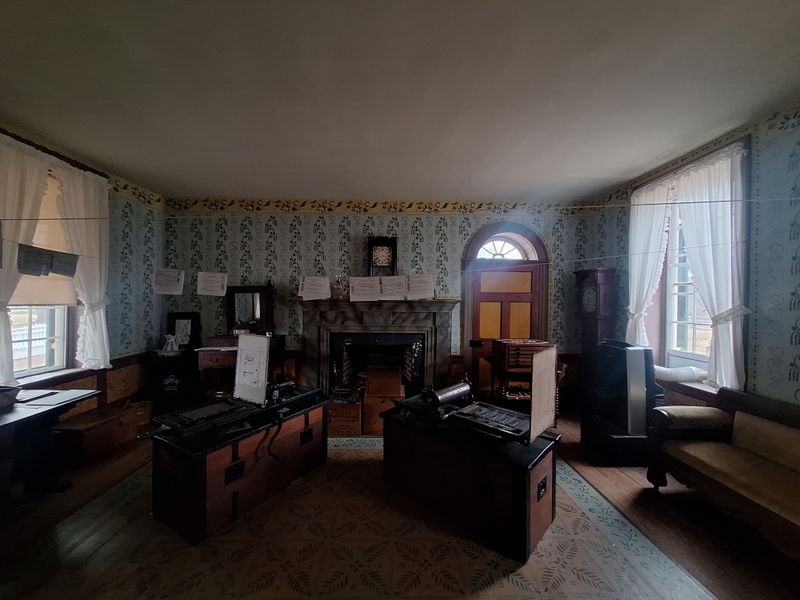
Standing inside this reconstructed home sends chills down your spine. The furniture arrangement mimics that fateful April afternoon when Lee arrived in his finest uniform while Grant showed up covered in mud from the battlefield.
You can practically feel the weight of that moment pressing down on the floorboards.
Rangers share fascinating details about the surrender ceremony that most history books skip. Grant’s generous terms allowed Confederate soldiers to keep their horses for spring planting.
Officers retained their sidearms. These small mercies helped begin healing a fractured nation.
The McLean House isn’t just walls and windows. It represents the exact spot where brother stopped fighting brother.
Visitors often describe an almost sacred atmosphere when touring the parlor. Some even report getting emotional standing where reconciliation began.
This building proves that sometimes the most ordinary places witness the most extraordinary events in human history.
The Restored Village That Time Forgot
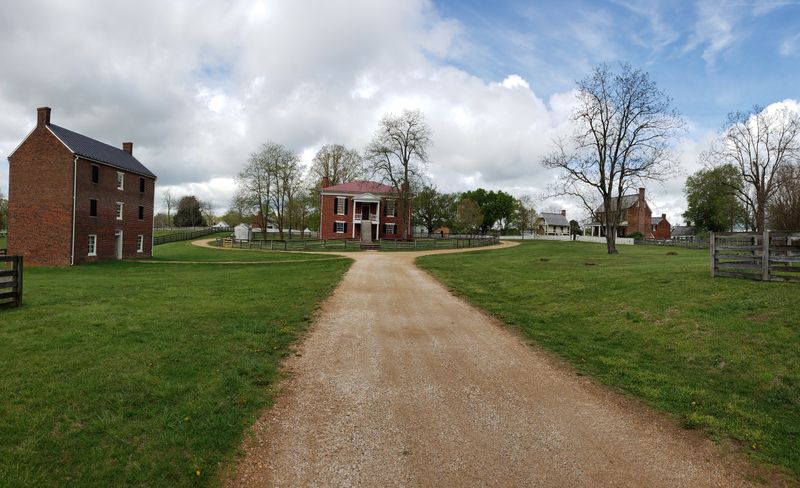
Forget everything you think you know about museum villages. Appomattox Court House feels genuinely alive despite being frozen in eighteen sixty-five.
Twenty-seven structures dot the landscape, each telling its own story about life during America’s darkest chapter.
Clover Hill Tavern once served weary travelers seeking rest and refreshment. Now it hosts living history presentations that’ll make your jaw drop.
The county jail reminds visitors that regular life continued even as armies marched past. A law office, general store, and various homes create a complete picture of rural Virginia existence.
What makes this village extraordinary is the attention to authentic detail. Wooden fences line dirt pathways exactly as they did over a century ago.
Wildflowers bloom in carefully maintained fields that burst with color during spring and summer months. Wildlife roams freely, adding unexpected magic to your exploration.
Unlike other historical parks, Appomattox doesn’t feel sterile or overly curated. Grass grows naturally between buildings.
Trees provide shade just as they did for exhausted soldiers. You’re not just observing history here.
You’re walking directly through it, breathing the same air, seeing similar views that witnessed the war’s final chapter unfold.
Rangers Who Make History Come Alive
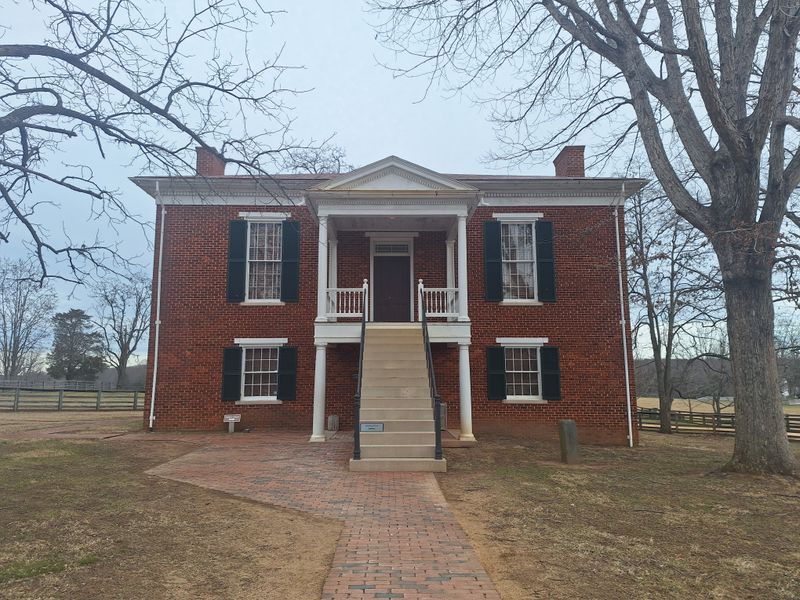
Prepare to have your mind blown by the most passionate educators you’ll ever meet. Rangers at Appomattox don’t just recite facts from note cards.
They embody the stories, breathing life into events that happened over fifteen decades ago with such enthusiasm you’ll forget you’re not actually witnessing the surrender yourself.
These knowledgeable guides answer questions with patience and depth that’ll impress even the pickiest history professor. They share lesser-known anecdotes about soldiers’ daily lives, the politics behind military decisions, and personal stories that humanize figures often reduced to marble statues in our collective memory.
Living history interpreters take things even further. One volunteer portrays an enslaved person with such raw authenticity that visitors leave transformed.
Another brings Clover Hill Tavern’s porch alive with first-person accounts that transport audiences straight into the past.
What separates Appomattox rangers from typical tour guides is their genuine love for this place. They don’t work here just for a paycheck.
You can hear passion resonating in every word they speak. Their dedication ensures each visitor leaves understanding not just what happened here, but why it still matters today.
Free admission means you’re getting world-class education without spending a dime.
The Courthouse That Gave The Village Its Name
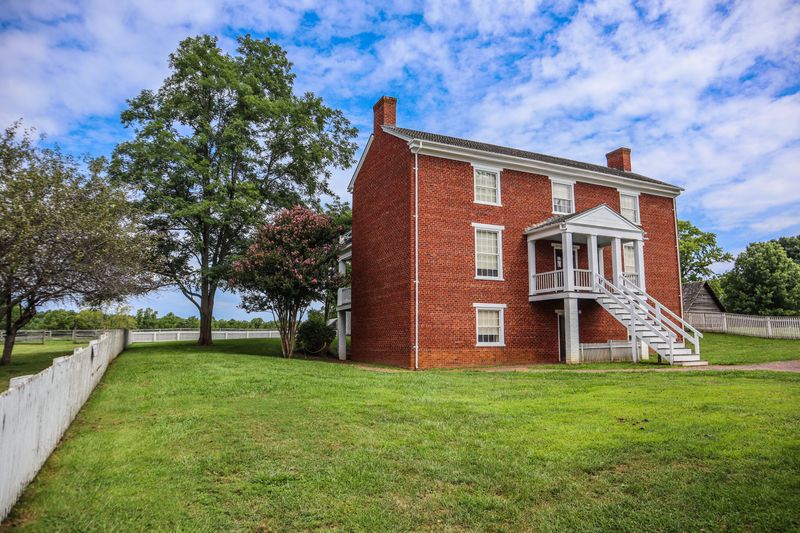
Here’s a fun twist that confuses many visitors. The famous surrender didn’t actually happen in the courthouse building.
Lee and Grant met at the McLean House instead. Yet this structure played a crucial role as the village’s civic heart and now serves as the park’s visitor center.
Built in a classic style common to rural Virginia courthouses, this brick building welcomed citizens seeking justice, filing land claims, or conducting official business. Its walls witnessed countless legal proceedings that kept community life functioning even as war raged across the countryside.
Today, the courthouse introduces visitors to Appomattox’s layered history through excellent exhibits and a short film worth every minute of your time. Starting here provides essential context before exploring the grounds.
Staff members offer maps, answer questions, and help plan your visit based on available time and interests.
The courthouse also represents something deeper than administrative function. It symbolizes the rule of law and civilian governance that eventually triumphed over military conflict.
After years of cannon fire and bloodshed, normal life resumed in places like this. Farmers returned to their fields.
Merchants reopened shops. Justice proceedings continued.
The courthouse stands as testament to resilience and the American belief that democracy survives even our darkest hours.
Walking Trails Through Hallowed Ground
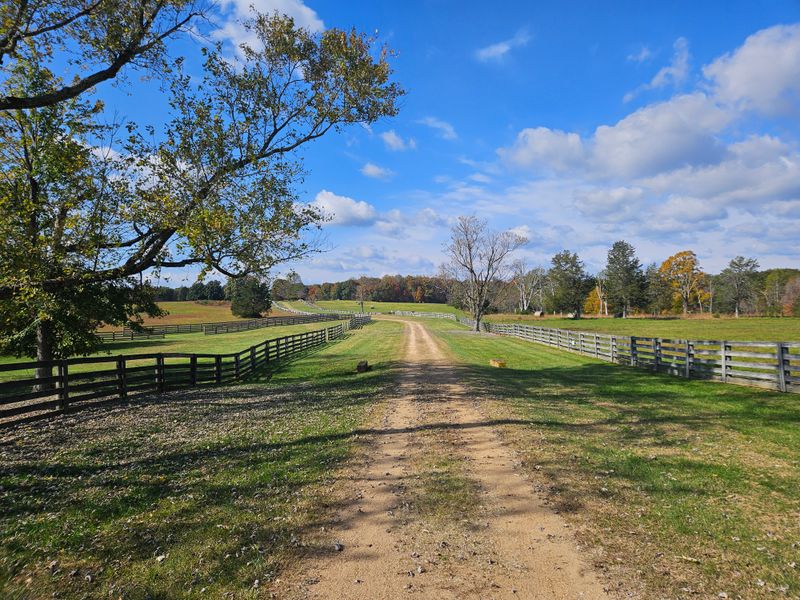
Lace up comfortable shoes because these paths lead you through landscapes that witnessed the war’s final desperate hours. Trails wind past battlefield positions, through meadows where soldiers camped, and along routes that armies marched during those tense April days.
The beauty here catches visitors off guard. You expect solemnity at a Civil War site, but Appomattox delivers stunning natural scenery that makes the tragedy feel even more poignant.
How could such violence erupt in such peaceful surroundings? Wildflower fields explode with color during warmer months, creating Instagram-worthy views that seem almost inappropriate given the location’s heavy history.
Wildlife adds unexpected delight to your walks. Deer graze in meadows where cavalry once thundered past.
Birds sing from trees that provided shelter to exhausted troops. Rabbits dart across paths, oblivious to the human drama that unfolded beneath their ancestors’ paws.
Early morning visits offer the most magical experience. Mist rises from fields as sunrise paints everything golden.
You’ll have trails mostly to yourself, creating intimate moments with history that crowded afternoons can’t match. The park maintains these paths beautifully, making them accessible for most fitness levels while preserving the authentic feel of rural Virginia terrain from another era.
The Powerful Story Of Enslaved People
Appomattox tells more than just the story of two generals shaking hands. A comprehensive exhibit explores the experiences of enslaved individuals whose labor built Southern wealth and whose freedom hung in the balance of every battle.
This honest presentation doesn’t shy away from uncomfortable truths about slavery’s central role in the conflict.
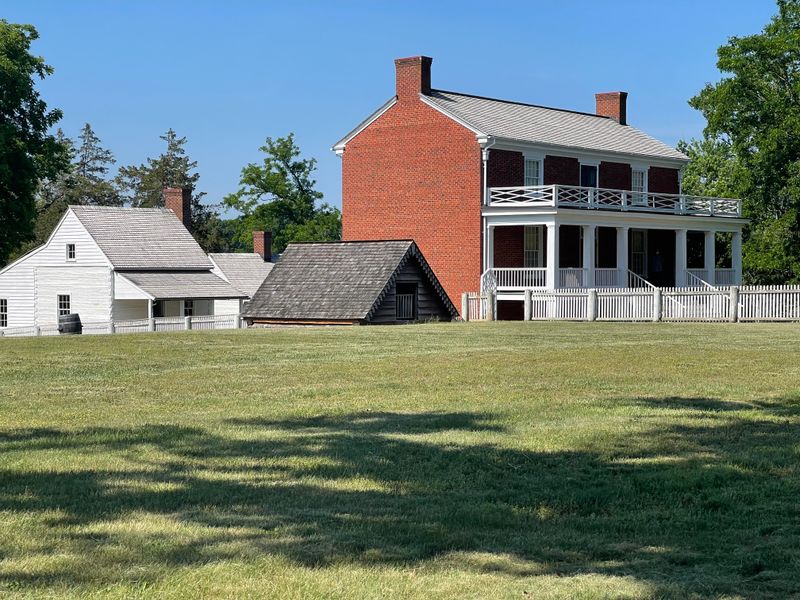
One particularly moving element involves the slave quarters at the McLean property. For too many years, these structures suffered the indignity of being converted into restrooms.
Park officials now plan proper restoration to honor the people who lived and worked there, acknowledging past disrespect while committing to do better.
Living history presentations featuring African American interpreters bring these stories to vivid life. Hearing first-person accounts of plantation life, escape attempts, and the uncertain hope that Union victory might bring freedom creates emotional connections that textbook descriptions never achieve.
The exhibit also highlights African American soldiers who fought for their own liberation. Their courage and sacrifice often gets overlooked in traditional Civil War narratives focused on white generals and famous battles.
Appomattox corrects this oversight, ensuring visitors understand the war’s full human dimension. This inclusive approach to history makes the park educational in the truest sense, challenging assumptions while honoring everyone affected by America’s greatest crisis.
The Generous Terms That Helped Heal A Nation
Grant could have humiliated Lee and his army. He chose mercy instead.
The surrender terms negotiated in the McLean House parlor set the tone for Reconstruction and proved that even in victory, dignity matters. Understanding these terms reveals why Appomattox represents more than just military defeat.
Confederate soldiers got to keep their horses, which Grant recognized they’d need for spring planting. Officers retained their sidearms, preserving their honor.
Nobody faced treason charges or imprisonment. Paroled men could return home without fear of prosecution, provided they obeyed local laws.
These generous conditions shocked many Northerners who wanted harsh punishment for rebellion. Grant understood something deeper.
Crushing the South completely would only breed resentment and delay genuine reunion. His compassionate approach helped former enemies become fellow citizens again, though that process took far longer and proved far messier than anyone anticipated.
Rangers explain how these terms reflected Grant’s character and Lincoln’s vision for reunion rather than revenge. The details matter because they show that even in war’s darkest moments, humanity can prevail.
Visitors often express surprise learning how magnanimous the surrender conditions were. This aspect of Appomattox’s story offers lessons about conflict resolution that remain relevant in our own divided times.
The Visitor Center That Sets The Stage
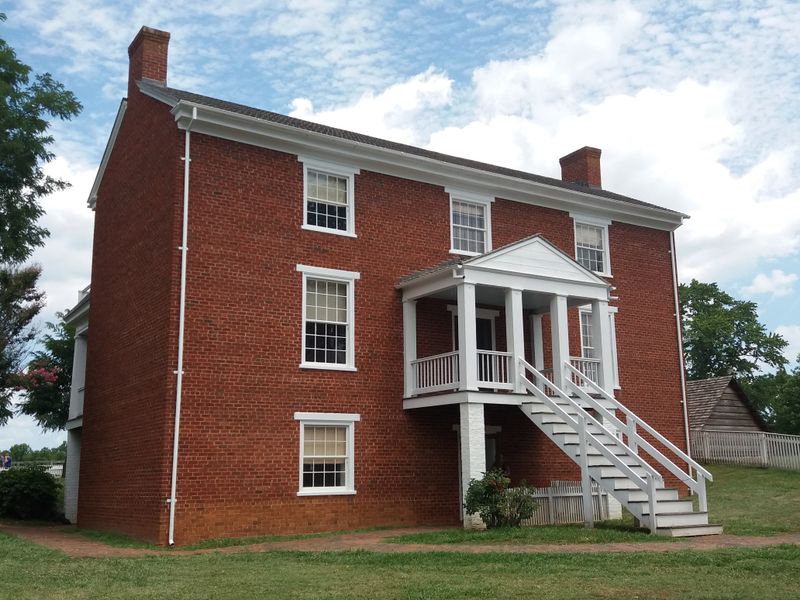
Smart visitors start their journey at the visitor center inside the courthouse building. A short film provides essential background about the war’s final campaign, explaining how armies arrived at this small Virginia village and what brought two legendary commanders face to face in Wilmer McLean’s parlor.
The film doesn’t just recount military maneuvers. It explores the human cost of four years of brutal conflict and the immense relief both sides felt when fighting finally stopped.
Watching this presentation helps you appreciate the emotional weight of what happened here, transforming your subsequent walk through the village from casual sightseeing into genuine historical pilgrimage.
Exhibits throughout the center display artifacts, photographs, and detailed explanations of key events. Interactive elements engage younger visitors while providing depth that history enthusiasts crave.
Park rangers staff the information desk, offering personalized recommendations based on your interests and available time.
The gift shop deserves mention too. It stocks quality books, educational materials, and tasteful souvenirs that help support park operations.
Picking up a guidebook or historical volume enhances your understanding while contributing to preservation efforts. Starting here gives you the context needed to fully appreciate everything else Appomattox offers.
Don’t skip this step even if you’re tempted to rush straight to the famous buildings outside.
The Peaceful Grounds Perfect For Reflection
Something about Appomattox invites contemplation. Maybe it’s the quiet dignity of restored buildings standing sentinel over hallowed ground.
Perhaps it’s the contrast between today’s peace and yesterday’s violence. Whatever the reason, visitors consistently describe feeling moved in ways they didn’t expect at a historical park.
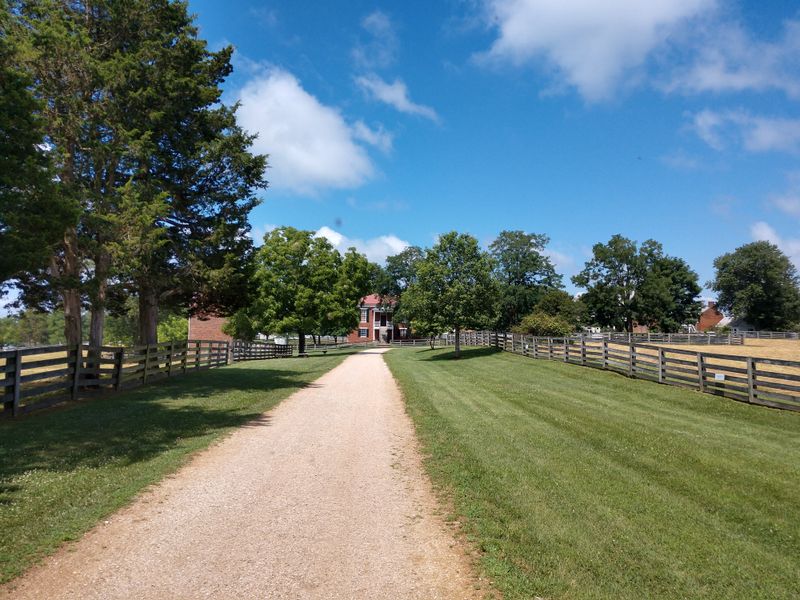
The grounds are impeccably maintained without feeling overly manicured. Grass grows naturally around buildings.
Trees provide shade and frame views that look remarkably similar to period photographs. Wooden fences follow original property lines, creating visual boundaries that help you imagine the village as it existed during that pivotal week in April.
Benches scattered throughout the park invite you to sit, absorb your surroundings, and ponder the magnitude of what transpired here. Some visitors report spending hours just sitting quietly, letting the weight of history settle over them like morning dew on the meadows.
The park’s peaceful atmosphere makes it ideal for families, couples, and solo travelers alike. Children can run safely on the grass while adults explore buildings.
The lack of crowds on most days creates an intimate experience impossible at more famous battlefields. Photographers find endless inspiration in the beautiful Virginia countryside.
This isn’t just a history lesson. It’s a sanctuary where Americans can reflect on our complicated past and imagine a more unified future.
The Free Admission That Makes History Accessible
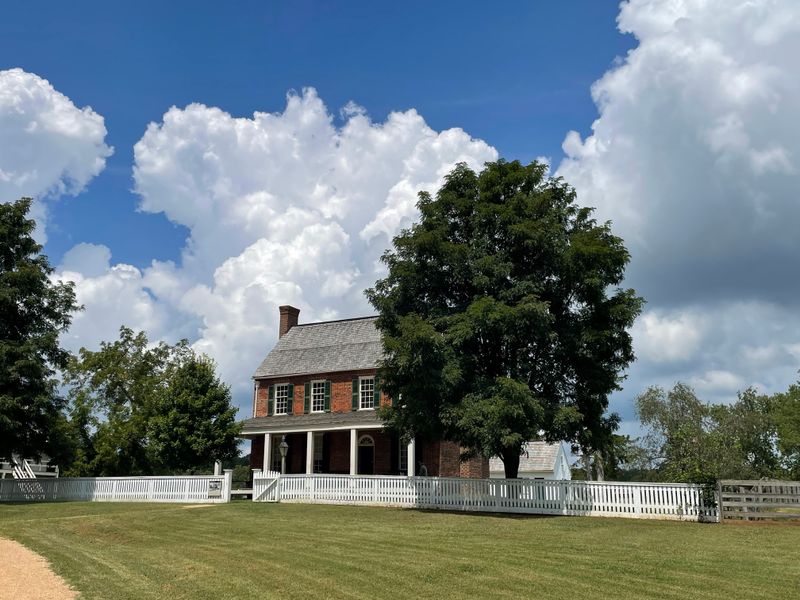
Here’s the best part about Appomattox Court House National Historical Park. Admission costs absolutely nothing.
Zero dollars. Free.
This policy ensures that every American can access this crucial piece of our shared heritage regardless of economic circumstances, making history truly democratic.
The park operates daily from nine in the morning until five in the evening, giving visitors flexibility to plan their trip around other activities. Located at 111 National Park Dr in Appomattox, Virginia, it’s easily accessible from major highways and makes an excellent stop during longer road trips through the region.
Free admission doesn’t mean cheap experience. Rangers provide world-class interpretation.
Buildings are beautifully restored and maintained. Grounds are pristine.
The quality rivals parks that charge substantial entrance fees. Your tax dollars at work actually work here, delivering incredible value to visitors from across the country and around the world.
Plan to spend at least two to three hours exploring thoroughly. Many visitors report wishing they’d allocated more time once they discover how much there is to see and learn.
The park rarely feels crowded even during peak season, so you can explore at your own pace without feeling rushed. Accessibility features accommodate visitors with mobility challenges, though some historic buildings present limitations due to their authentic period construction.
This generous access policy reflects American ideals at their finest.
Dear Reader: This page may contain affiliate links which may earn a commission if you click through and make a purchase. Our independent journalism is not influenced by any advertiser or commercial initiative unless it is clearly marked as sponsored content. As travel products change, please be sure to reconfirm all details and stay up to date with current events to ensure a safe and successful trip.
