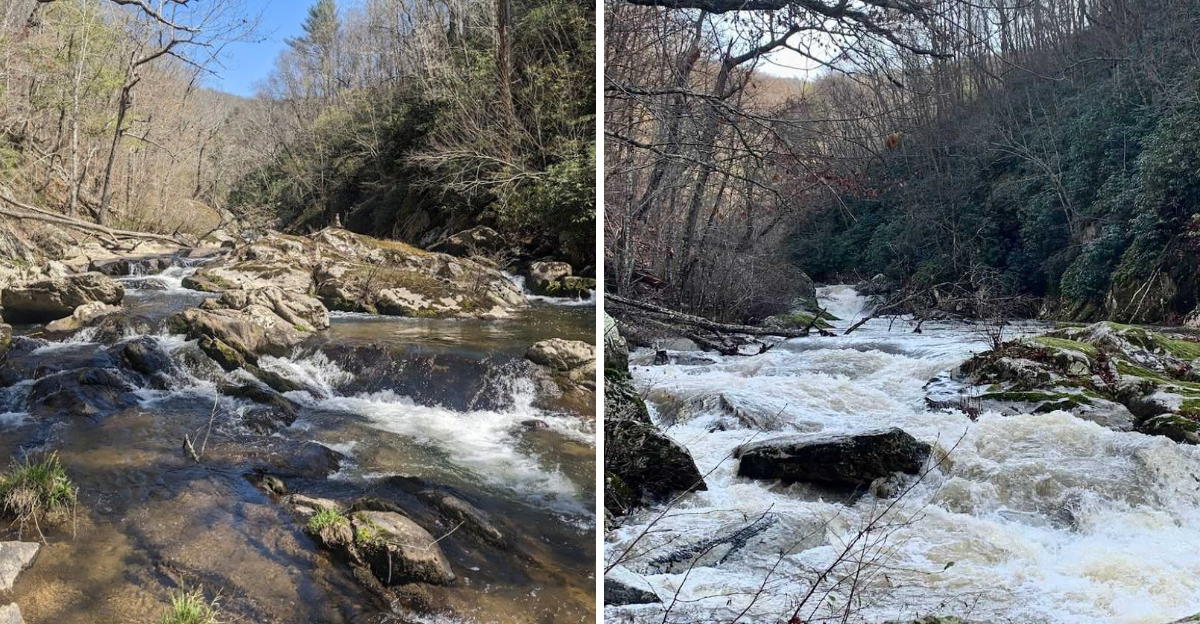
You would look at this creek and think it is just another pretty stream. You would be wrong.
Somehow, this unassuming little waterway holds ten percent of every fish species found in the entire state. That is not a typo.
Ten percent. Scientists get excited about it.
Anglers treat it like a secret handshake. And the rest of us just stare at the water wondering how so many fish fit into such a modest creek.
It is a reminder that the best things often come in small, wet packages.
The Fish Diversity That Makes Scientists Do a Double Take
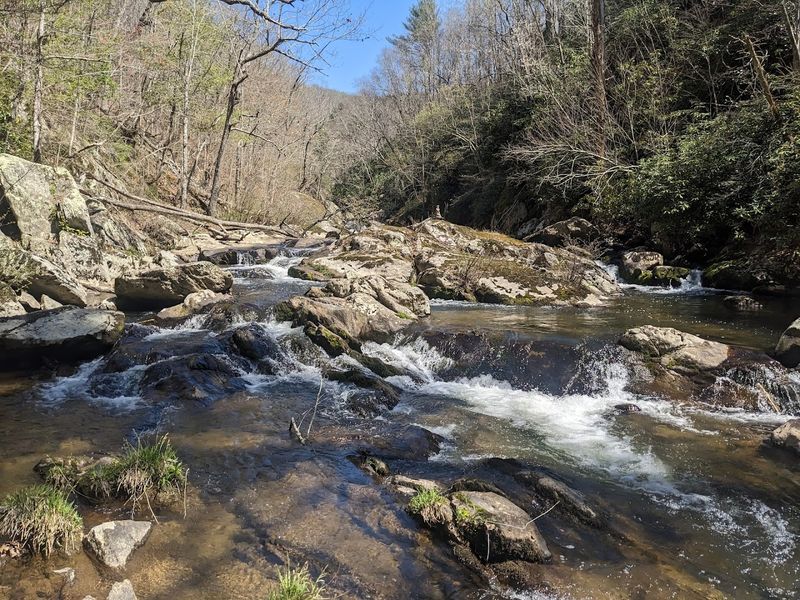
Cold, fast-moving water rushing over ancient Appalachian rock creates exactly the kind of habitat that fish absolutely love. Bottom Creek delivers that in spades, supporting a remarkable collection of native species that few waterways this size can match anywhere in the state.
Brook trout thrive here alongside blacknose dace and sculpin, forming a community of species that ecologists get genuinely excited about. Virginia’s freshwater systems are home to over 200 documented fish species, and a surprising concentration of that diversity funnels right through this single gorge.
What makes this even more impressive is the creek’s relatively compact size. Most people walking the trail above have no idea that the water below is teeming with life.
The cold temperature, high oxygen content, and clean substrate all combine to create near-perfect conditions. Bottom Creek Gorge Preserve, managed by The Nature Conservancy, protects these waters from development and pollution.
That protection is the reason the fish community has stayed so healthy and diverse for so long.
Bent Mountain Falls, the Waterfall That Earns Every Step
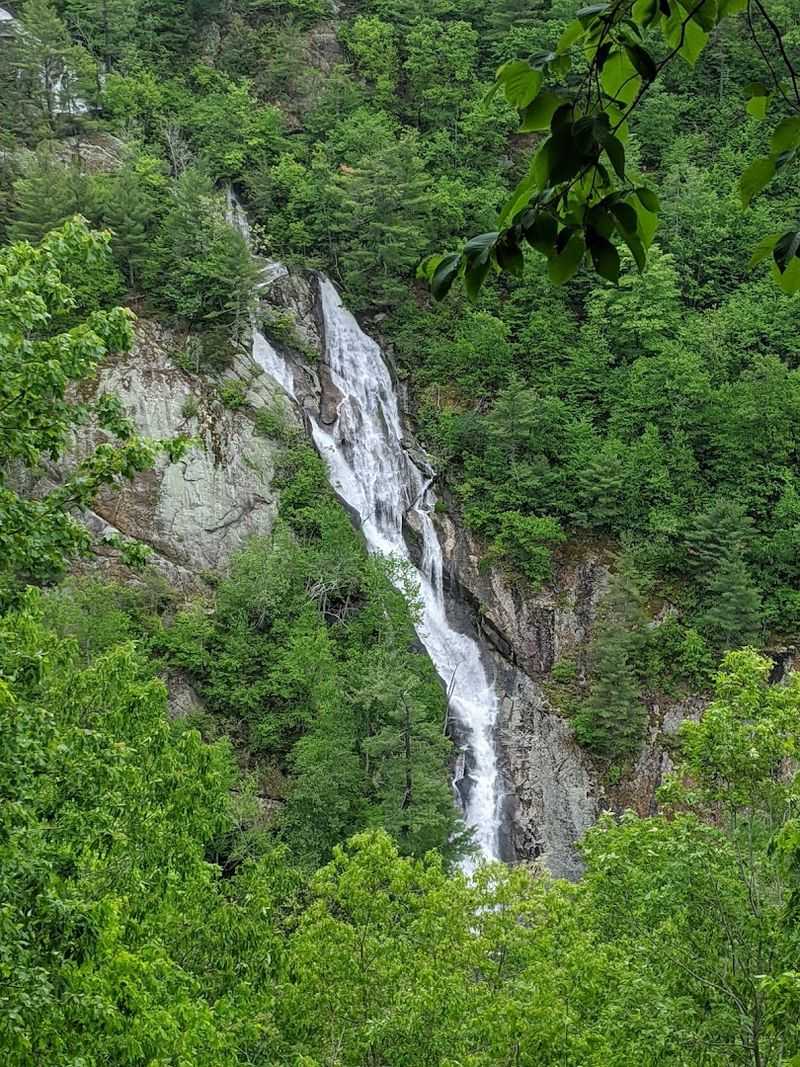
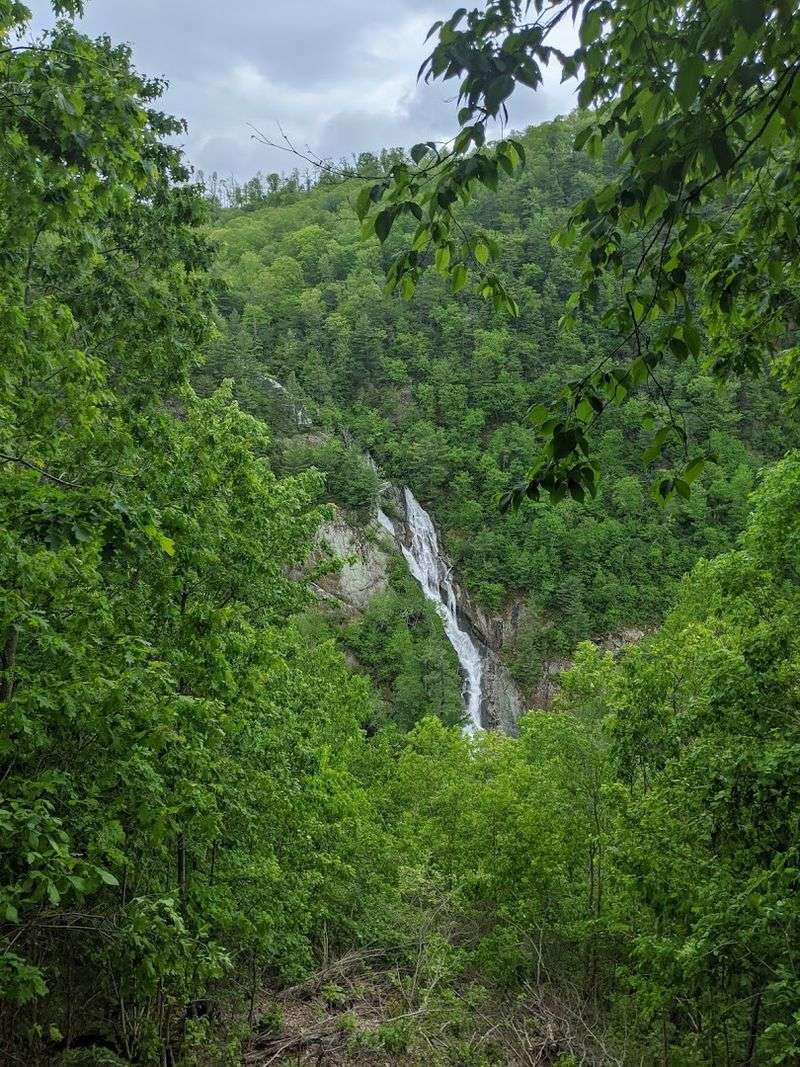
Standing at the overlook on the Red Trail and staring across the gorge at Bent Mountain Falls is one of those moments that stops conversation cold. The falls drop dramatically, nearly vertical, plunging into the deep hollow below with a power that photographs simply cannot capture.
Ranked among the tallest waterfalls in Virginia, Bent Mountain Falls is the crown jewel of the Bottom Creek Gorge Preserve trail system. The overlook itself sits at the edge of a steep drop with no railings, so the view feels raw, immediate, and completely unfiltered by infrastructure.
Timing matters here. After heavy rainfall, the falls roar with extra intensity, sending mist across the gorge and making the whole scene feel almost cinematic.
Late autumn is particularly spectacular, when bare trees open up sight lines that summer foliage completely blocks. Early morning visits on weekdays often mean the overlook is entirely yours.
The hike to reach this vantage point is well worth every uphill step, and the payoff at the end is the kind of view that makes you immediately start planning your return trip.
Three Trails, Three Completely Different Adventures
Choosing your trail at Bottom Creek Gorge Preserve is a genuinely fun puzzle. Three distinct routes, each blazed in a different color, take hikers through completely different terrain and deliver completely different experiences within the same preserve.
The Yellow Trail winds down to the creek level, where stone steps lead to a rocky stretch of water perfect for sitting on boulders and listening to the current. It connects directly to the Red Trail, which climbs toward the dramatic waterfall overlook.
The Blue Trail cuts through the quieter upper forest, where old-growth rhododendron lines the path and a century-old graveyard sits peacefully among the trees.
Combining all three into a full loop covers roughly four miles of varied terrain. Some sections are steep and demand attention, but nothing here requires technical gear or extreme fitness.
Well-placed trail markers make navigation straightforward even for first-time visitors. Parking is limited to a small gravel area, so arriving early on weekends is genuinely smart strategy.
The trail system at Bottom Creek Gorge Preserve rewards curiosity, and those who explore all three routes leave with a much richer picture of this remarkable Virginia landscape.
The Gorge Geology That Took Millions of Years to Build
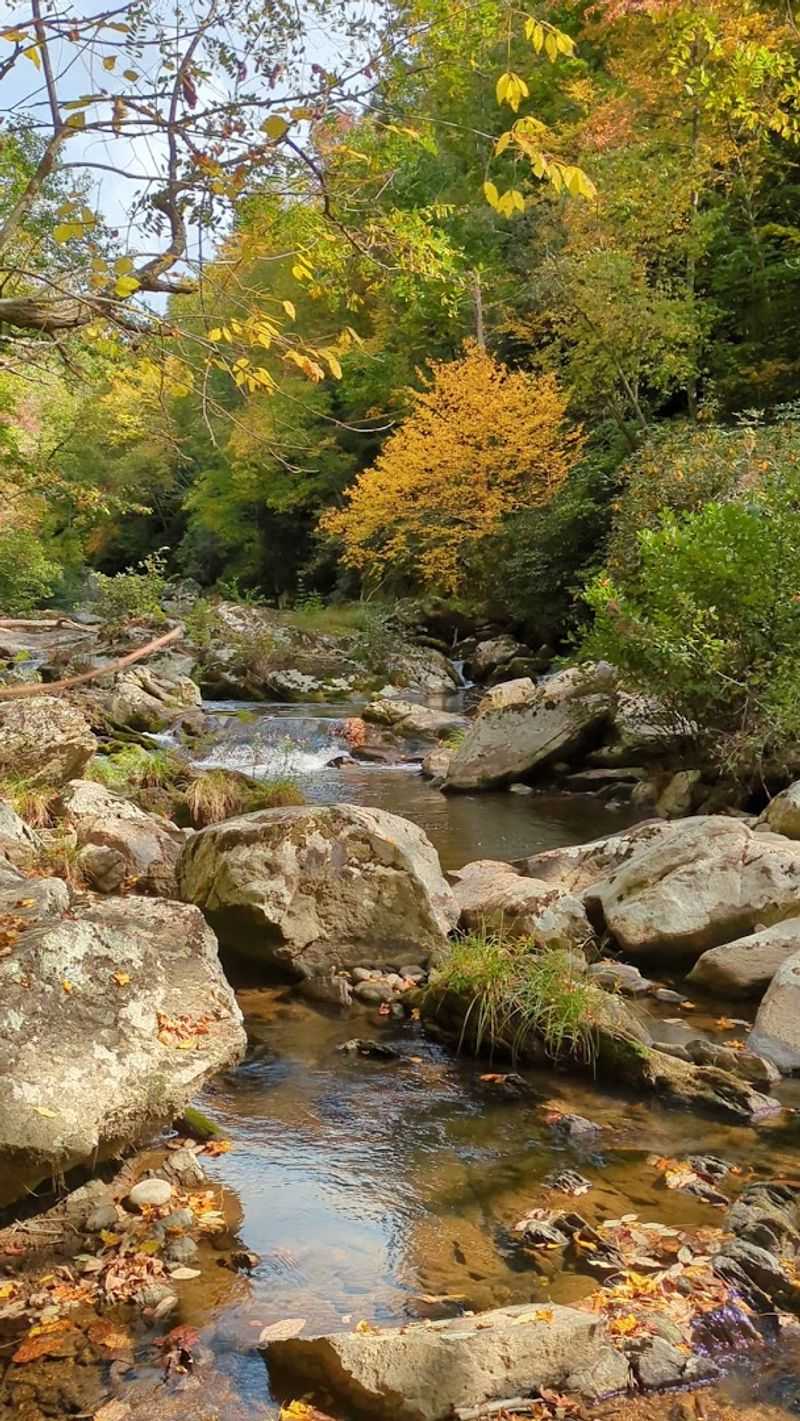
Bottom Creek did not carve this gorge overnight. The dramatic landscape surrounding the creek is the result of millions of years of water cutting steadily through ancient Appalachian bedrock, creating one of the more visually striking natural corridors in the entire region.
The gorge walls rise steeply on both sides, creating a microclimate that stays cooler and more humid than the surrounding uplands. That cooler air is part of why brook trout can survive here when they have disappeared from so many other Virginia streams affected by warming temperatures.
Exposed rock faces along the trail show layers of geological history that geologists find endlessly fascinating. Mosses, ferns, and liverworts cling to shaded cliff faces, thriving in the constant moisture.
The overall effect is something between a canyon and a cathedral, with the creek providing a constant bass note soundtrack at the bottom. Standing at the rim and looking down into the gorge gives a visceral sense of just how much time and force shaped this place.
Virginia’s mountains hide many geological wonders, but this gorge ranks among the most accessible and dramatic.
Rhododendron Season Turns the Whole Forest Pink
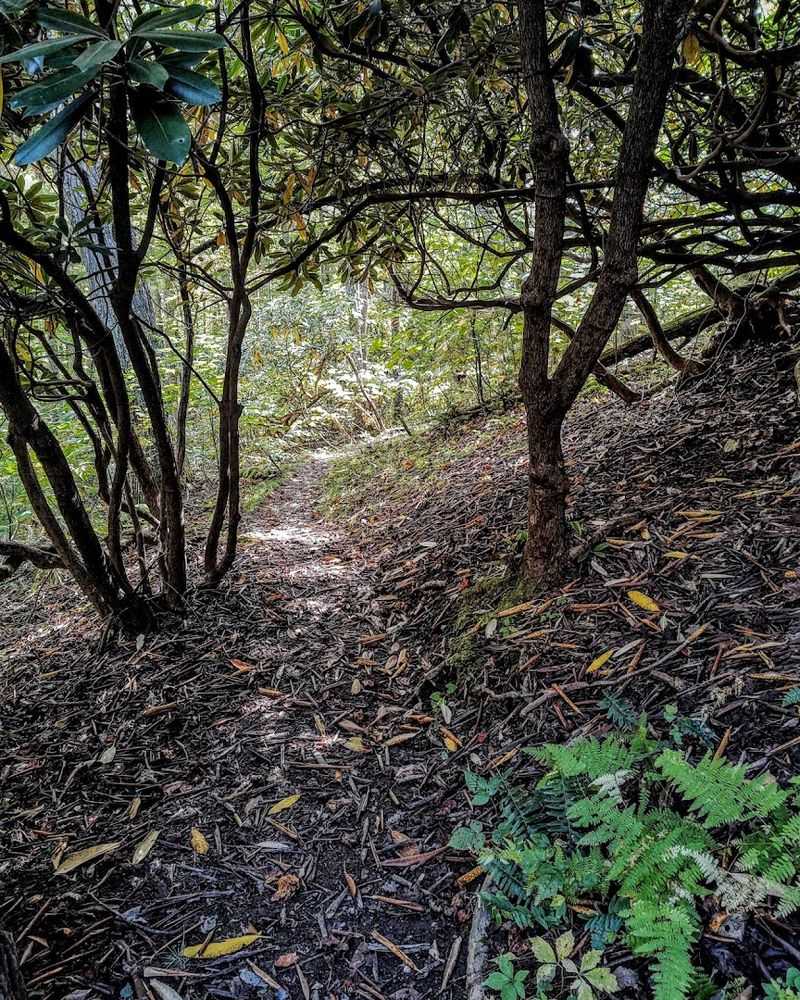
Every spring, something almost magical happens along the trails of Bottom Creek Gorge Preserve. The rhododendron that lines much of the path erupts into bloom, transforming what is already a beautiful forest walk into something that feels genuinely otherworldly.
Great laurel and Catawba rhododendron both grow here in abundance, and when they flower simultaneously the effect is stunning. Pink and white blossoms arch over the trail in thick canopies, creating tunnels of color that stop hikers in their tracks.
The blooms typically peak in late spring to early summer, making that window one of the absolute best times to visit the preserve.
Even outside of bloom season, the rhododendron contributes significantly to the atmosphere. Its dense evergreen leaves keep sections of trail shaded and cool year-round, and the twisted trunks create a fairytale quality that photographers particularly love.
Birdsong echoes through the thickets, and the air carries a freshness that is hard to find anywhere close to an urban area. Roanoke County residents who have hiked this trail dozens of times still find themselves pausing during rhododendron season just to take it all in one more time.
The Old Structures Hidden Deep in the Blue Trail Forest
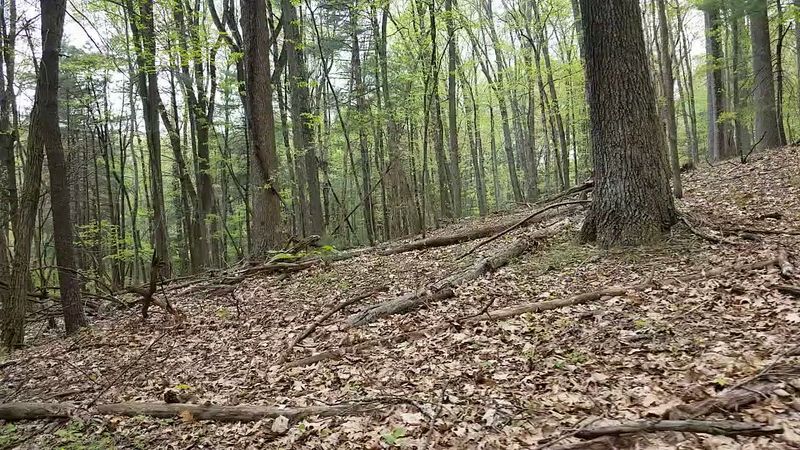
History has a way of ambushing you on the Blue Trail at Bottom Creek Gorge Preserve. Walking through what appears to be untouched forest, you suddenly notice remnants of log cabin structures scattered among the trees, their stone foundations half-buried under decades of leaf litter.
These old structures are the physical remains of a settlement that once existed within the gorge, and a small historic cemetery tucked into the forest nearby marks the lives of people who called this rugged landscape home. The site carries a quiet, reflective weight that contrasts sharply with the playful energy of the creek trails below.
Preservation of these remnants is part of why The Nature Conservancy’s stewardship of this land matters so much. Without active protection, these historical traces would disappear entirely into the forest floor.
Hikers who take the Blue Trail often describe the experience of stumbling upon the cemetery as one of the most memorable moments of the entire visit. Virginia has layers of human history written into its landscape, and Bottom Creek Gorge Preserve holds some of those layers in particularly evocative form.
Slow down on this trail, look carefully, and the forest reveals its stories.
Winter Hiking at Bottom Creek Is a Whole Different World
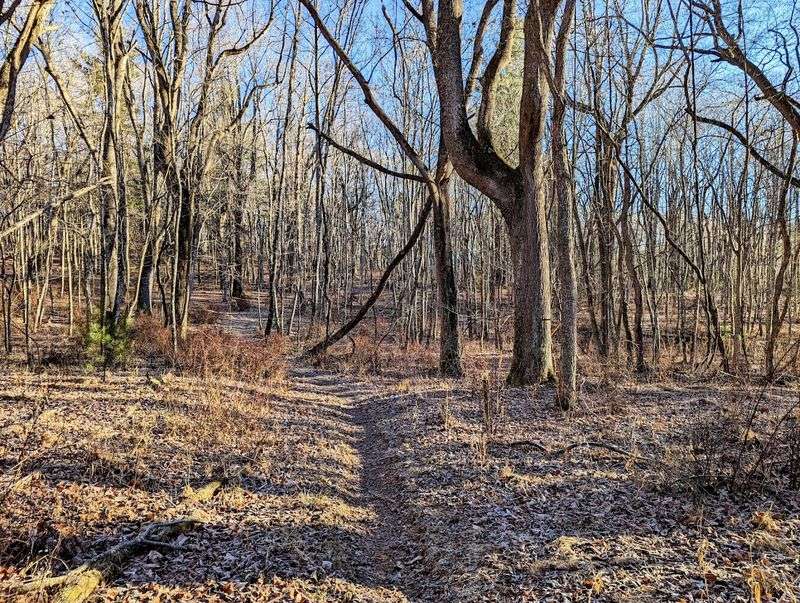
Most people assume that natural preserves are best visited in summer when everything is lush and green. Bottom Creek Gorge Preserve quietly disagrees with that assumption, and winter hiking here makes a compelling case for cold-weather trail exploration.
When the leaves drop from the hardwood canopy, sight lines open dramatically. The waterfall at Bent Mountain Falls becomes far more visible from the overlook during winter than at any other time of year, and the gorge itself takes on a stark, sculptural quality that summer completely conceals.
Frost on the rocky sections of trail adds a sparkling texture that transforms the whole atmosphere.
Wildlife encounters are also surprisingly common during quieter winter months. Deer move more openly through the forest, and the creek itself remains active with fish even in cold temperatures.
Trail traffic drops significantly after the autumn foliage season ends, meaning weekday winter visits often deliver genuine solitude. A Christmas Day hike here, as some locals have discovered, is an unexpectedly wonderful tradition.
Virginia winters in the Roanoke County mountains are mild enough for comfortable hiking most days, and the reward of having this extraordinary landscape almost entirely to yourself makes every chilly step worthwhile.
The Creek Bank Experience That Beats Every Overlook
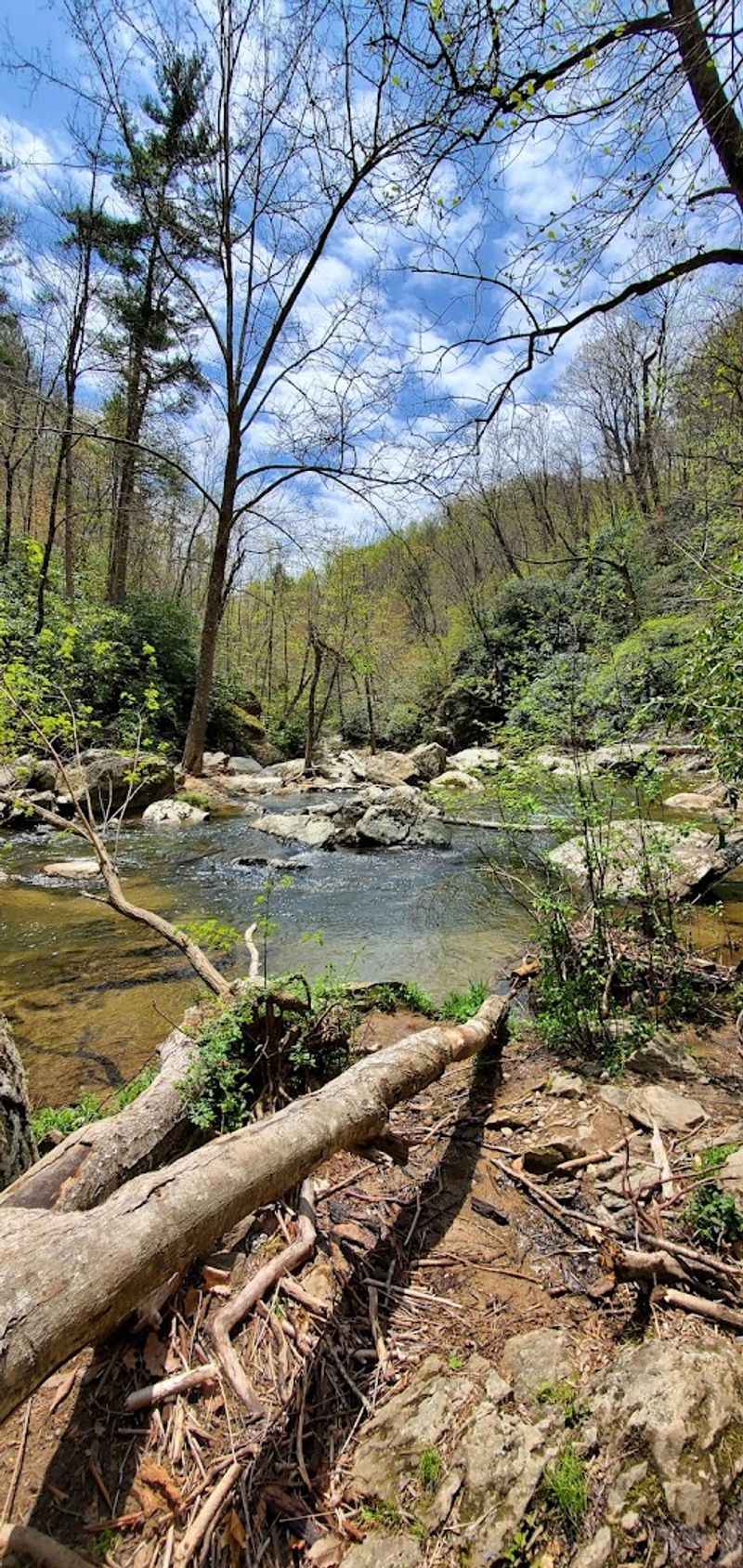
Some hikers make a beeline for the waterfall overlook and consider their visit complete. Those who linger along the creek bank at Bottom Creek discover that the water-level experience is just as rewarding, and arguably more intimate than any distant view.
Along the Yellow Trail, stone steps lead directly to the creek’s edge, where large flat boulders create natural seating beside fast-moving water. Sitting there with the sound of rushing current filling the air and the clear water revealing its rocky bottom just inches away is genuinely restorative in a way that is hard to articulate but easy to feel.
The clarity of Bottom Creek is striking. On bright days, sunlight penetrates the water and lights up the streambed, making it easy to spot the fish species that give this creek its ecological reputation.
Sculpin dart between rocks, and careful observers can spot brook trout holding position in the current. The stone steps themselves are a charming detail, worn smooth and moss-edged, suggesting that people have been coming to this exact spot for a very long time.
Bottom Creek rewards patience, and the creek bank is where that patience pays off most generously.
Why The Nature Conservancy Chose This Spot to Protect
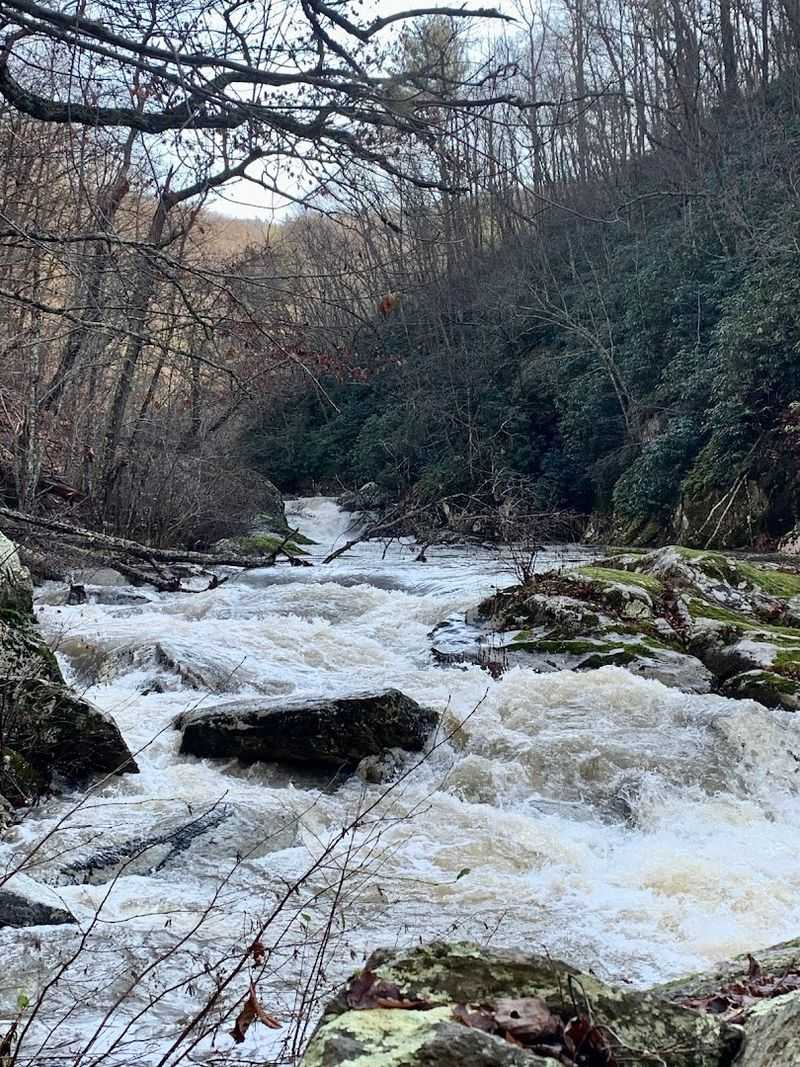
Not every beautiful creek earns the attention of a major conservation organization. Bottom Creek did, and understanding why reveals just how ecologically significant this small Virginia waterway truly is.
The Nature Conservancy identified Bottom Creek Gorge as a priority conservation area because of its exceptional biodiversity, the quality of its water, and the rarity of the plant and animal communities it supports. The gorge contains species of plants and animals that exist in very few other locations in the mid-Atlantic region.
Protecting the watershed from development was essential to keeping those communities intact.
The preserve operates under strict rules designed to minimize human impact. Dogs are not permitted on the trails, a policy that protects sensitive plant communities from the soil pH disruption that pet waste causes.
The trails themselves are carefully routed to keep foot traffic away from the most fragile areas. These are not arbitrary restrictions but deliberate, science-based management decisions.
The Nature Conservancy’s phone number for the preserve is listed as plus one 434-295-6106, and the organization actively manages the site to balance public access with ecological preservation. Virginia is fortunate to have conservation partners willing to make the long-term investment that places like Bottom Creek Gorge genuinely require.
Planning Your Visit to Bottom Creek Gorge Preserve
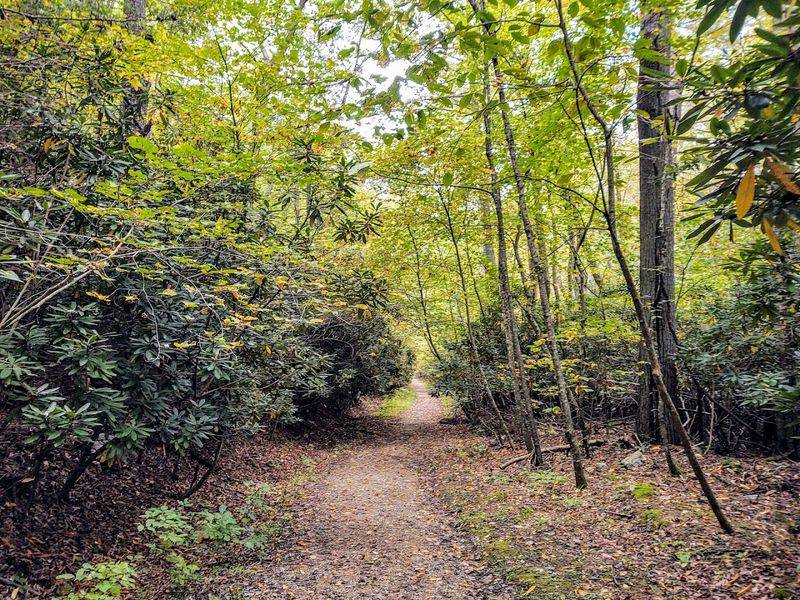
Getting to Bottom Creek Gorge Preserve requires a bit of planning, but the logistics are straightforward once you know what to expect. The preserve is located in Roanoke County, Virginia, with the trailhead address at 7 10th Avenue South, Shawsville, VA 24162.
Parking is limited to a small gravel lot with room for roughly ten vehicles, so arriving early on weekends is strongly recommended. Weekday visits, especially mid-morning on a Tuesday or Wednesday, often deliver the rare luxury of having the entire trail system to yourself.
The preserve is open daily from 9 AM to 8 PM, giving plenty of daylight for a satisfying hike at any time of year.
Cell service in the gorge is unreliable, so downloading a trail map before leaving home is genuinely useful rather than just optional. No pets are permitted, so plan accordingly and leave furry companions at home for this particular outing.
Sturdy footwear is recommended because some sections of trail involve uneven terrain and rocky creek-side paths. The combination of accessible trails, extraordinary biodiversity, dramatic waterfall views, and deep Virginia mountain atmosphere makes Bottom Creek Gorge Preserve one of the most rewarding natural destinations in the entire Roanoke region.
Go soon, and go often.
