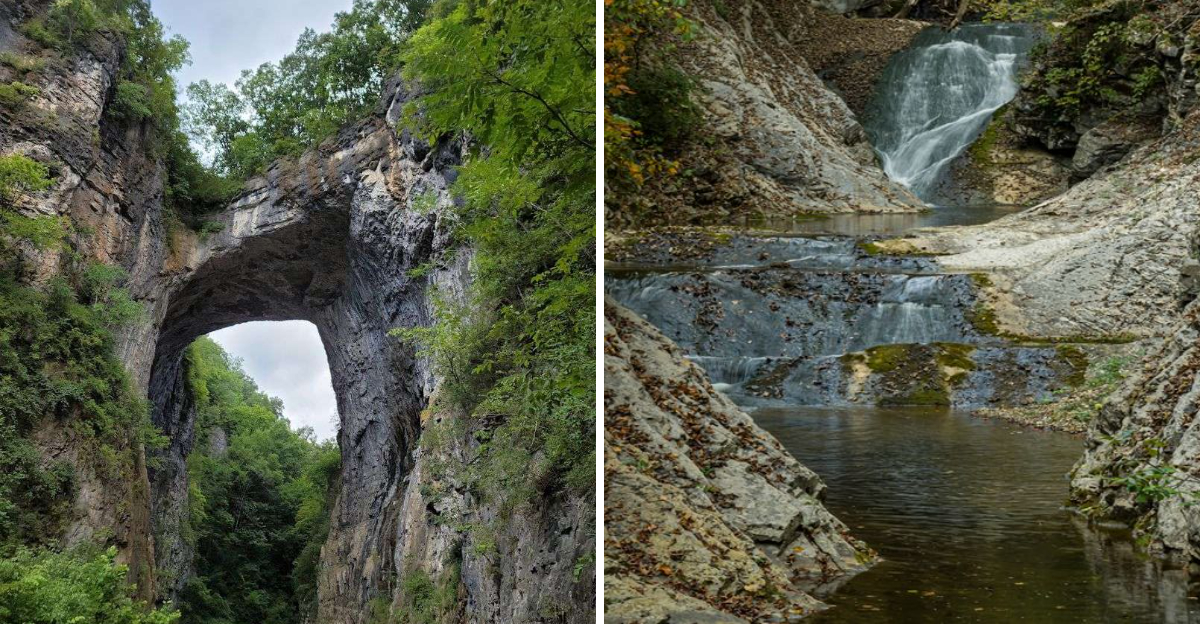
Some places just stop you in your tracks, and I mean that literally. Standing beneath a colossal limestone arch that nature sculpted over thousands of years is one of those jaw-dropping moments you simply cannot manufacture.
Virginia is full of surprises, but this one sits at the top of the list, earning its legendary reputation long before Instagram made scenic spots famous. This is the kind of place that makes you question whether you are looking at something real or a painting, and I am here to walk you through every breathtaking corner of it.
The Legendary Limestone Arch That Started It All
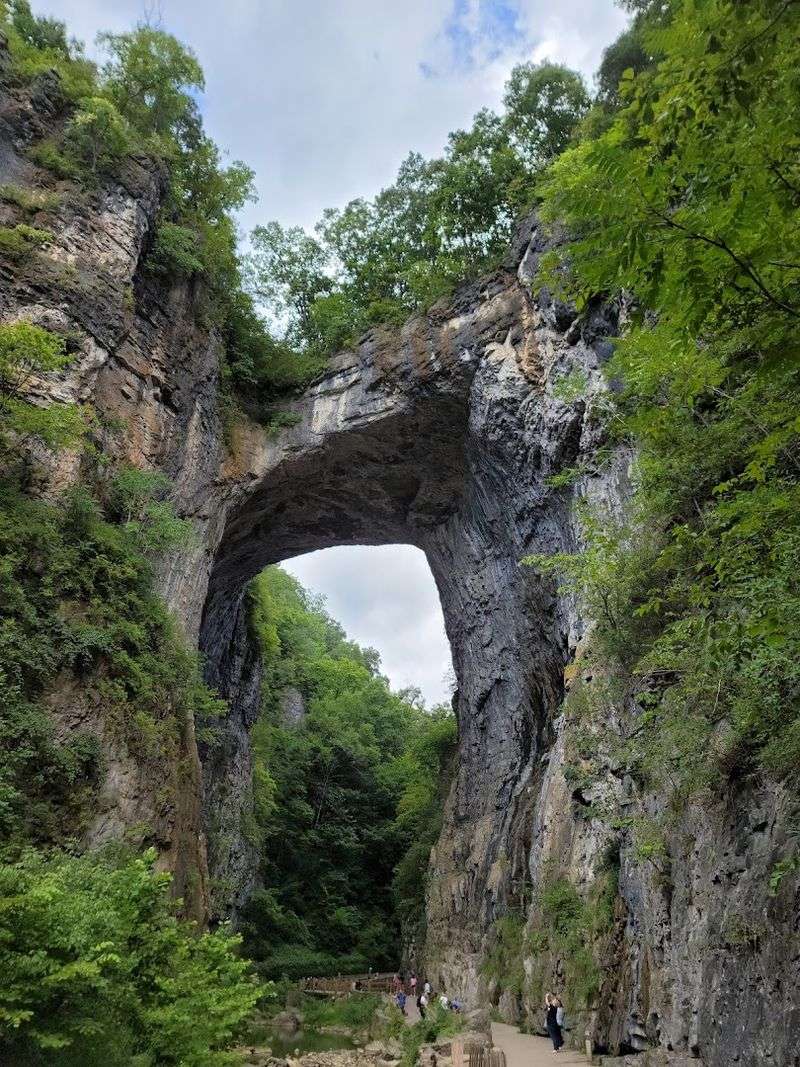
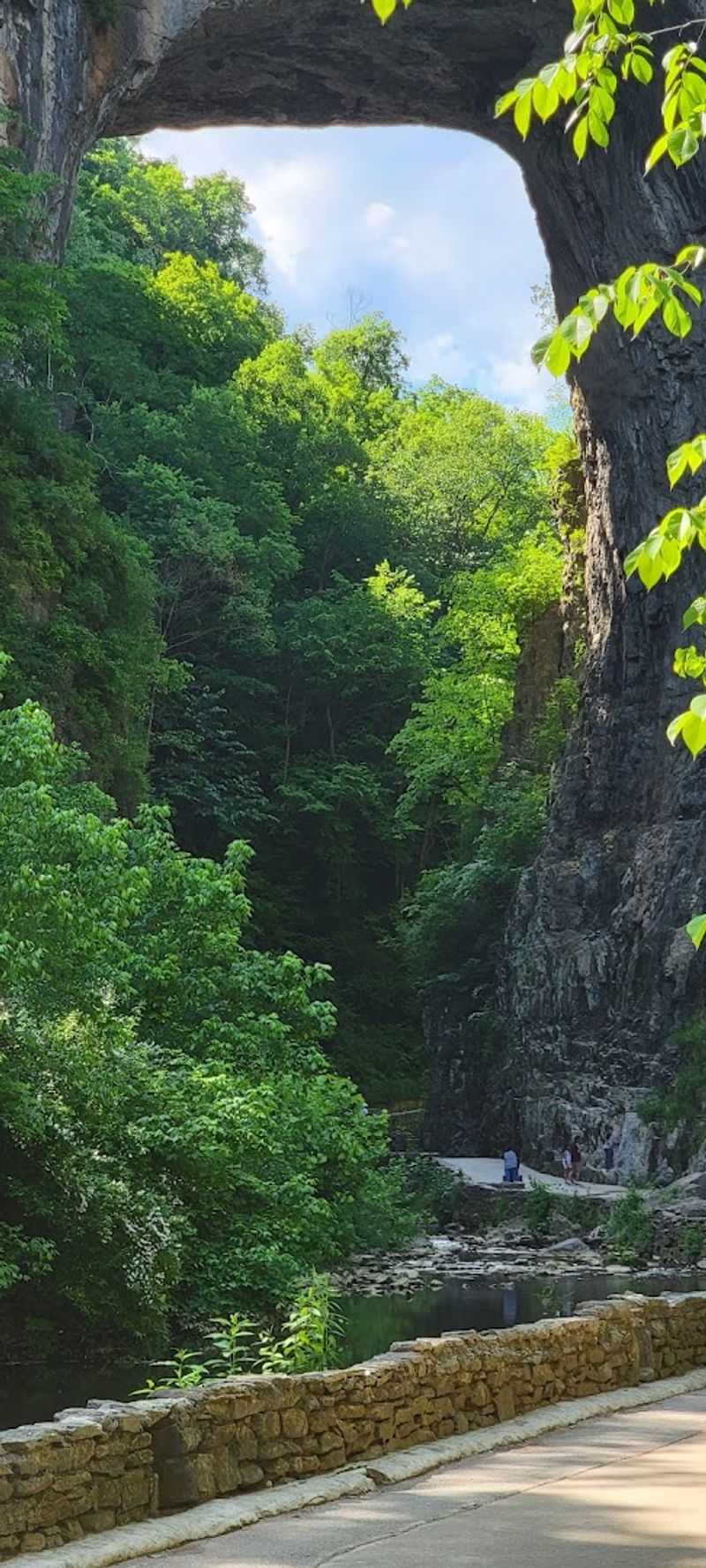
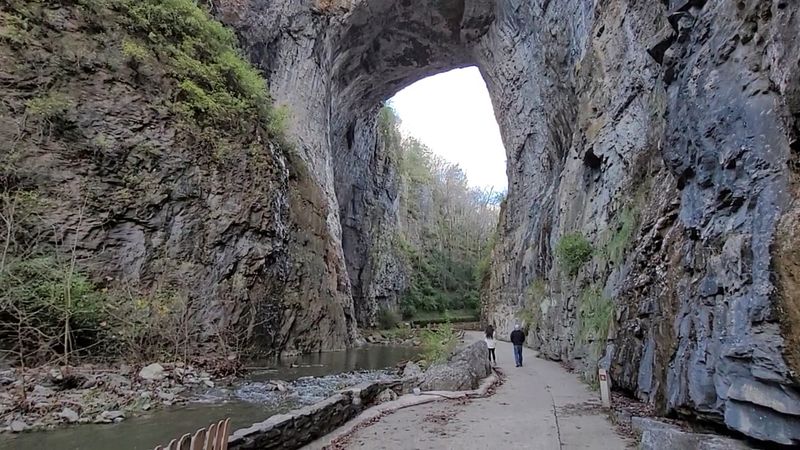
Standing at the base of a 215-foot limestone arch and craning your neck upward is an experience that no photograph truly captures. The Natural Bridge at Natural Bridge State Park is the undisputed star of Rockbridge County, and the moment you lay eyes on it, you instantly understand why centuries of explorers, presidents, and poets were left speechless.
Cedar Creek carved this masterpiece over thousands of years, slowly dissolving limestone to reveal one of the most jaw-dropping geological formations in the eastern United States. George Washington reportedly surveyed the area, and Thomas Jefferson was so captivated that he purchased the land, calling it one of the most sublime natural wonders in North America.
The arch spans roughly 90 feet across and towers above the gorge with an almost theatrical presence. Walking directly underneath it and gazing up at the moss-covered stone ceiling feels genuinely humbling.
Virginia has no shortage of natural beauty, but nothing in the state quite matches the raw, ancient power of this single, magnificent structure. Plan extra time just to stand there and absorb it.
Cedar Creek Trail: The Path That Rewards Every Step
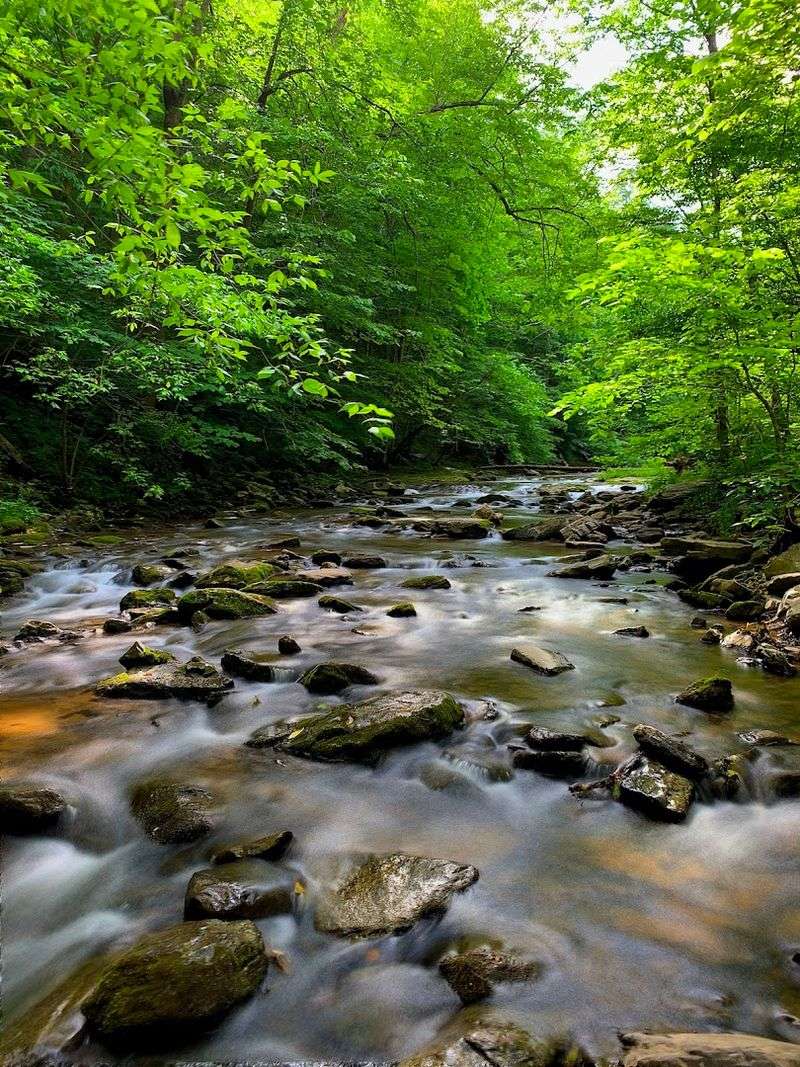
Cedar Creek Trail is the main artery of Natural Bridge State Park, and walking it feels like stepping into a nature documentary. The path hugs the creek the entire way, offering a constant soundtrack of rushing water that makes every step feel like a small meditation.
Crystal-clear water tumbles over smooth rocks, and the forest canopy creates a cool, cathedral-like atmosphere even on warm days.
The trail is mostly flat and paved, making it accessible for a wide range of fitness levels. My own walk along this path was genuinely leisurely, punctuated by stops at informational plaques that add fascinating layers of geological and cultural context.
The trail connects several key highlights of the park, so you are never walking without purpose or reward.
Keep your eyes open for wildlife along the creek banks. Herons, songbirds, and the occasional deer are regular companions on this route.
The trail stretches roughly a mile one way to Lace Falls, making the round trip a satisfying outing without being exhausting. Rockbridge County trails do not get much more charming than this particular stretch of forested creek-side paradise.
Bring water and comfortable shoes.
Lace Falls: The Delicate Finale at Trail’s End
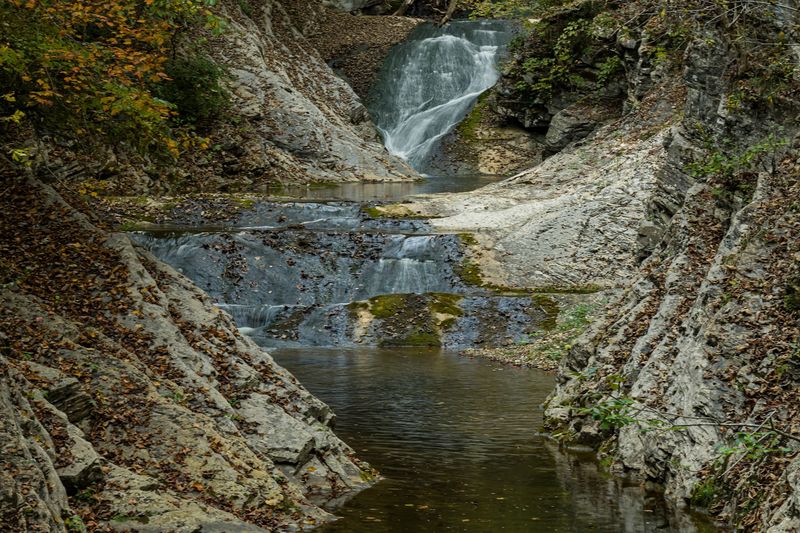
At the far end of Cedar Creek Trail waits Lace Falls, a slender 50-foot cascade that earns its poetic name with graceful, thread-like streams of water spilling down a mossy rock face. After a recent rain, the falls take on a fuller, more dramatic character, filling the gorge with a satisfying roar that echoes off the canyon walls.
On drier days, the falls are more delicate and subtle, which honestly suits the name perfectly. The surrounding ferns and mossy boulders frame the scene beautifully, making it a favorite spot for photographers who appreciate quiet, intimate natural settings over grand spectacles.
My own visit on a crisp autumn morning felt almost private, with golden light filtering through the trees and illuminating the water.
The falls serve as a natural turnaround point for most hikers, and the flat creek-side walk back to the main arch gives you a second chance to notice details you might have missed on the way out. Natural Bridge State Park packages this entire trail experience remarkably well.
Virginia delivers scenery like this with such effortless consistency that it almost feels unfair to the rest of the country.
Saltpeter Cave: Underground Drama Right on the Trail
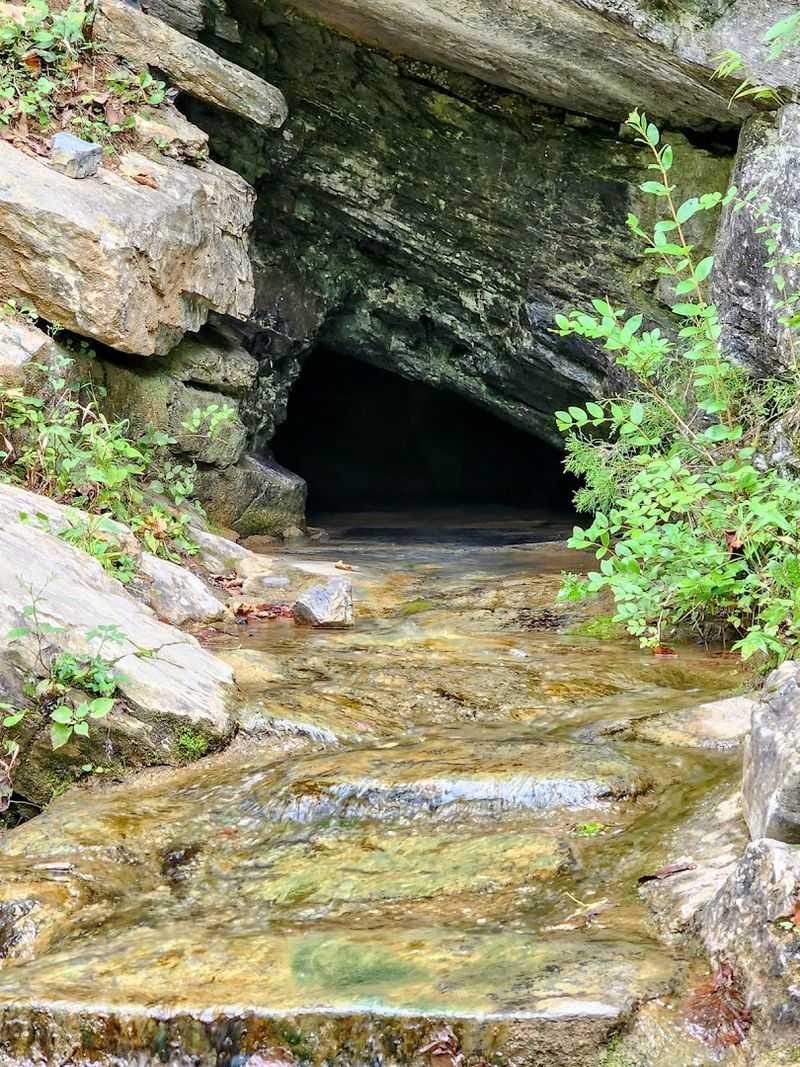
Just past the main arch, Cedar Creek Trail delivers a genuinely unexpected bonus: Saltpeter Cave. Tucked into the limestone gorge wall, this cave opening invites curiosity with its dark, cool interior and dramatic rocky formations.
The cave gets its name from saltpeter, a mineral historically mined from cave deposits for use in gunpowder production during earlier American conflicts.
Stepping into the cave entrance gives you an immediate temperature drop and a wonderful sense of geological time. The walls are rough-hewn limestone, shaped by the same water-driven forces that created the famous arch above.
It is not a large cave, but the historical significance and atmospheric quality make it one of the most memorable stops along the trail.
Rangers at Natural Bridge State Park are excellent sources of information about the cave’s history, and I highly recommend pausing to ask questions if a ranger is nearby during your visit. The combination of geological wonder, Civil War-era history, and accessible trail location makes Saltpeter Cave a standout feature that many first-time visitors do not expect.
Rockbridge County keeps revealing layers of history around every bend, and this cave is proof of that wonderfully surprising pattern.
The Lost River: Nature’s Most Mysterious Sound Effect
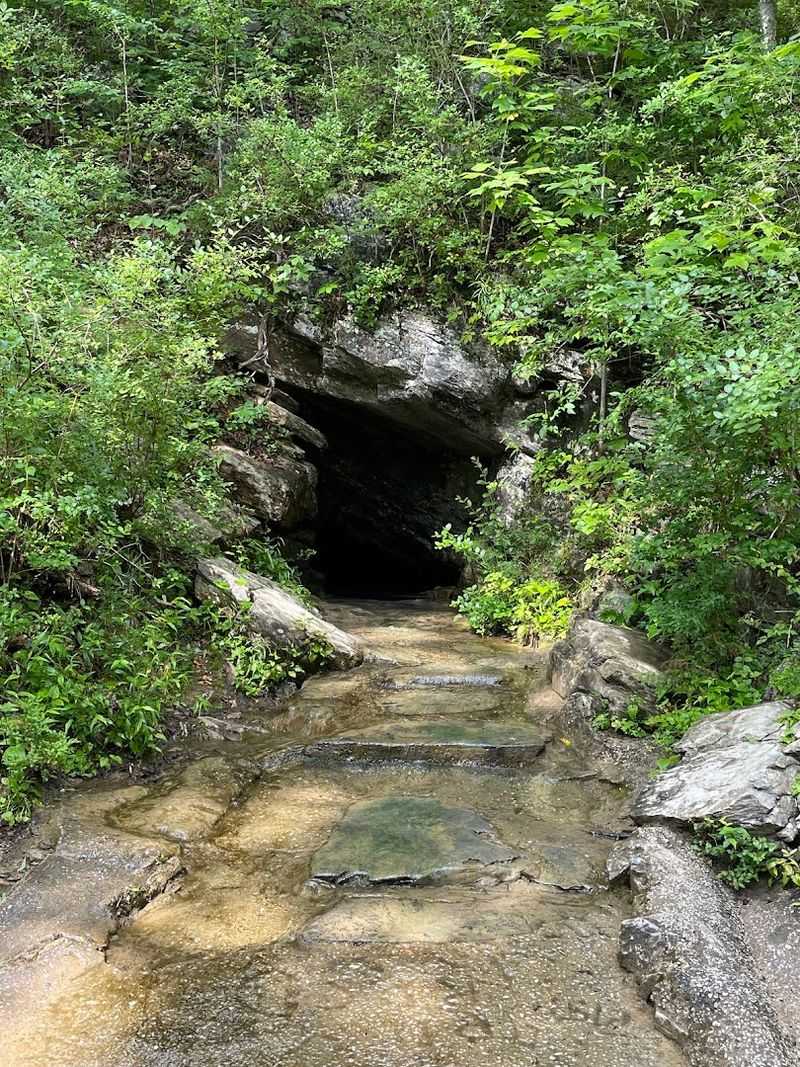
Of all the surprises tucked along Cedar Creek Trail, the Lost River might be the quirkiest and most delightfully puzzling. At first glance, it looks like nothing more than a small hole in the rock wall beside the path.
Then you lean in, and the sound hits you: rushing water, clearly flowing somewhere deep underground, completely invisible but unmistakably real.
The Lost River is a classic example of karst hydrology, where water flows through underground channels dissolved in limestone over millennia. The sound alone is worth pausing for.
There is something almost magical about pressing your ear close to a rock wall and hearing a river that refuses to show itself. Kids absolutely love this spot, and honestly, so do adults who still appreciate a good geological mystery.
Natural Bridge State Park does a great job of marking this feature with interpretive signage that explains the science behind underground karst streams. The geology of Rockbridge County is genuinely fascinating, and the Lost River is a pocket-sized example of the massive underground water systems that shape this entire region.
Virginia sits on a remarkable limestone foundation, and the Lost River is one of the most charming reminders of what lies beneath the surface.
Monacan Indian Village: Where Living History Comes Alive
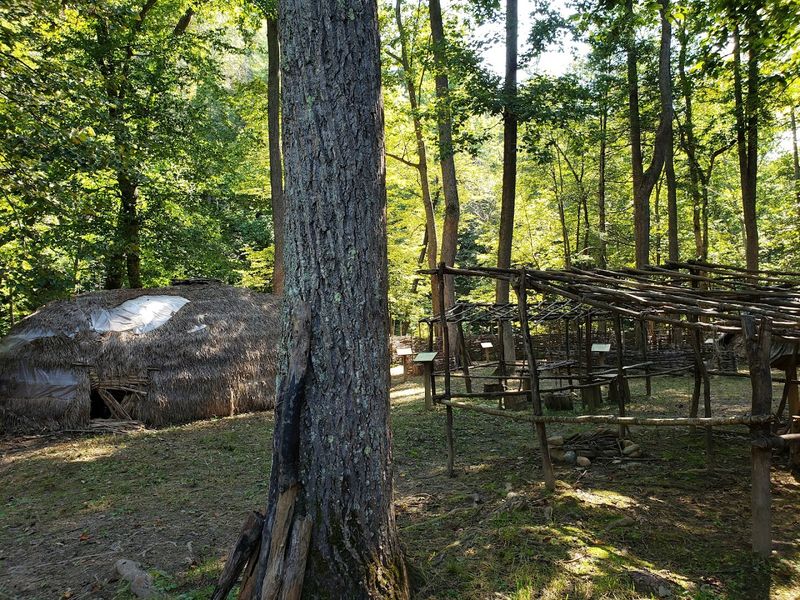
Long before European explorers mapped this corner of Virginia, the Monacan people called this land sacred. The Monacan Indian Village at Natural Bridge State Park offers a remarkable window into that deep indigenous history, featuring reconstructed structures and interpretive displays that bring the culture and daily life of the Monacan people into vivid focus.
The Monacan Nation referred to the natural arch as the Bridge of God, a name that speaks volumes about the spiritual significance this formation held for generations of indigenous people. Walking through the village and absorbing that context transforms the entire park experience from a geological sightseeing trip into something far more meaningful and layered.
Seasonal programming at the village includes demonstrations and ranger-led discussions that go well beyond surface-level history. My time at the village genuinely shifted my perspective on the landscape itself, making every rock formation and creek bend feel connected to a much longer human story.
Natural Bridge State Park deserves enormous credit for preserving and presenting this heritage with respect and depth. Rockbridge County carries centuries of human history in its soil, and the Monacan Village ensures that the most ancient chapter of that story is never overlooked or forgotten.
Skyline Trail: Panoramic Views Above the Gorge
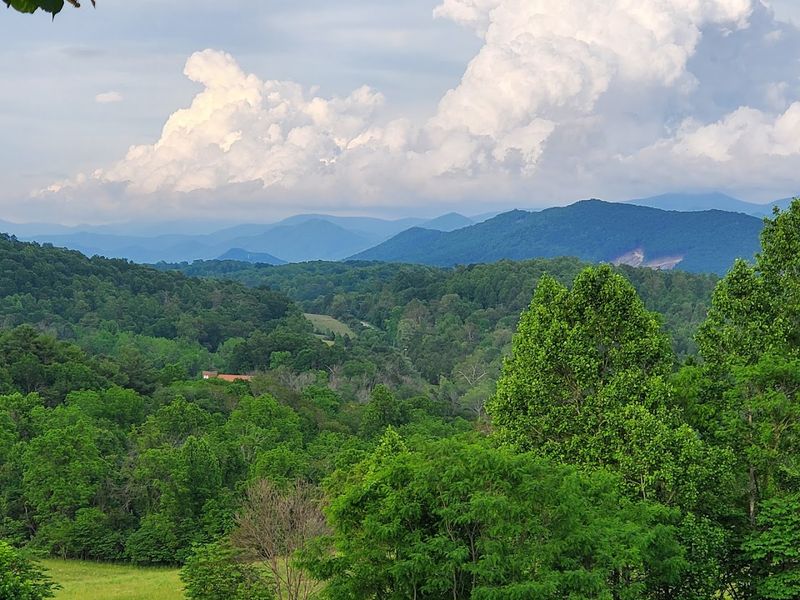
For those who want to trade the creek-level perspective for something grander, the Skyline Trail delivers breathtaking panoramic views above the gorge. This loop hike climbs through quiet forest to open ridgeline sections where the Shenandoah Valley spreads out below in a sweep of farmland, forested hills, and distant mountain ridges that genuinely takes your breath away.
The Skyline Trail is one of the free hiking options at Natural Bridge State Park, accessible from a separate trailhead with a small parking fee. The trail offers a completely different character from the Cedar Creek experience, trading the intimate creek-side atmosphere for wide-open sky and solitude.
On a weekday, you might have the entire ridge to yourself, which feels like an extraordinary luxury.
Virginia hiking does not always get the recognition it deserves compared to flashier destinations, but the Skyline Trail at this park is genuinely world-class in terms of scenery and serenity. The loop format means you return to your starting point without retracing steps, keeping the experience fresh throughout.
Bring layers because the ridgeline can be breezy even on warm days, and do not forget your camera for those valley views that stretch seemingly all the way to the horizon.
The Visitor Center: Your Perfect Starting Point
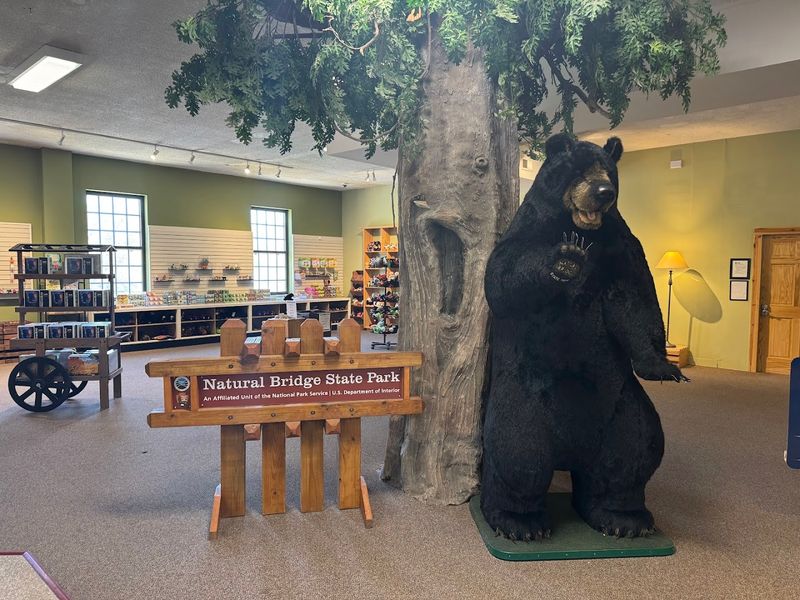
Starting your day at the Natural Bridge State Park Visitor Center is genuinely the smartest move you can make. The building is well-designed, clean, and packed with useful information about the park’s trails, geology, history, and wildlife.
Rangers stationed here are knowledgeable, enthusiastic, and happy to tailor recommendations based on your fitness level and available time.
The gift shop inside the Visitor Center stocks a solid selection of souvenirs, nature guides, and local interest books that make meaningful keepsakes. There is also a small refreshment area where you can grab coffee before heading down the trail, which I found particularly welcome on a cool morning visit.
The building itself sits at the top of the staircase descent into the gorge, giving you a moment to orient yourself before the main adventure begins.
Accessible parking and a staff road alternative to the stairs ensure that the park experience is available to visitors with mobility considerations. The Visitor Center operates on a seasonal schedule, so checking hours before your trip is a practical step worth taking.
Natural Bridge State Park has invested thoughtfully in making this entry experience welcoming for everyone, and that inclusive approach is one of the things that makes Rockbridge County’s flagship park genuinely special.
Wildlife Watching: Feathers, Fins, and Forest Creatures
Natural Bridge State Park is not just about the geology, though the geology is extraordinary. The park sits within a rich ecological zone where diverse habitats support an impressive variety of wildlife.
Cedar Creek itself is home to native fish species and the clear, cold water quality that supports aquatic life rarely found in more developed landscapes.
Birding along the creek trail is genuinely rewarding. Great blue herons are a fairly regular sight, standing motionless in the shallows with their prehistoric patience.
Warblers, woodpeckers, and kingfishers add movement and color to the forest canopy, and the park has been recognized as a quality birding destination by Virginia’s birding trail program. Bring binoculars if you have them.
White-tailed deer are frequently spotted in the early morning hours, particularly near the forest edges where the trail meets open areas. The park’s commitment to preserving natural habitat means wildlife encounters feel genuinely organic rather than staged.
Rockbridge County sits in a biodiversity corridor that connects multiple protected areas, giving resident and migratory species the connected habitat they need to thrive. A slow, quiet walk through this park reveals that the living world here is every bit as impressive as the ancient stone arch above it.
Planning Your Visit: Everything You Need to Know
Getting the most out of Natural Bridge State Park starts with a little preparation, and the logistics are genuinely straightforward. The park is located at 6477 South Lee Highway in Natural Bridge, Virginia, making it easily accessible from Interstate 81.
The drive through Rockbridge County on the approach is scenic in its own right, passing through rolling farmland and forested hills that set the mood perfectly.
The Cedar Creek Trail area requires a per-person admission ticket, purchased at the Visitor Center or the lower ranger station. The free hiking trails elsewhere in the park require only a small parking fee at the trailhead.
Dogs are welcome throughout the park on leashes, which is a genuinely appreciated policy for those who like to hike with their furry companions.
Spring and fall are peak seasons for natural beauty, with wildflowers carpeting the gorge floor in April and May, and brilliant foliage turning the canyon into a painter’s palette in October. Winter visits offer a quieter, more solitary experience that has its own stark, beautiful appeal.
Virginia rewards visitors in every season, and Natural Bridge State Park is no exception to that rule. Pack water, wear comfortable shoes, and give yourself at least half a day to truly soak it all in.
Dear Reader: This page may contain affiliate links which may earn a commission if you click through and make a purchase. Our independent journalism is not influenced by any advertiser or commercial initiative unless it is clearly marked as sponsored content. As travel products change, please be sure to reconfirm all details and stay up to date with current events to ensure a safe and successful trip.
