Somewhere in Virginia, a medieval dream was born, flourished briefly, and then quietly surrendered to the forest. What started as an elaborate fairytale kingdom, complete with thatched cottages, a replica sailing ship, and costumed performers, now stands as one of the most hauntingly beautiful abandoned sites in the state.
The original faire ran near Fredericksburg and closed after just a few seasons, leaving behind crumbling structures slowly swallowed by Virginia’s lush, unforgiving wilderness.
The Rise and Fall of a Medieval Dream
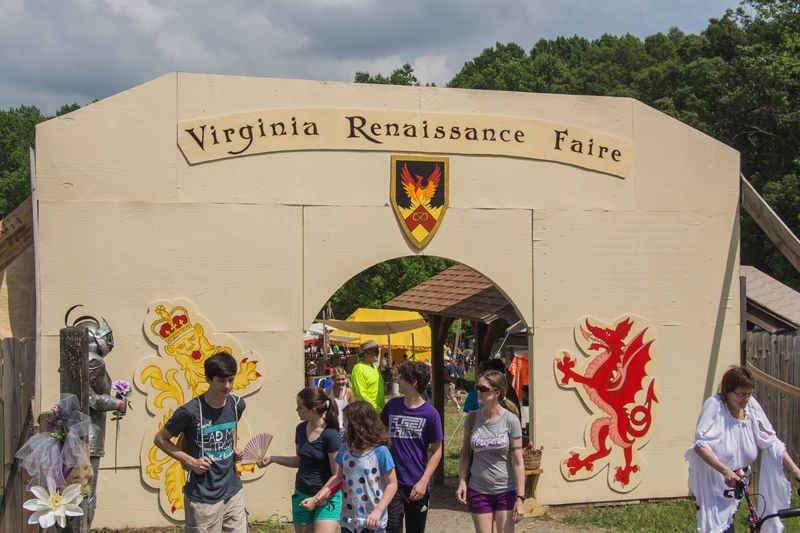
Picture this: a fully realized medieval village carved out of the Virginia wilderness, buzzing with performers, craftspeople, and wide-eyed visitors dressed in period costumes. That was the original vision behind the Virginia Renaissance Faire, and for a few glorious seasons near Fredericksburg, it actually worked.
The faire was designed to transport guests straight into the court of Queen Elizabeth I. Thatched cottages, a replica sailing ship floating in a pond, and roaming entertainers all worked together to create something genuinely magical in the mid-Atlantic region.
Then reality crept in, much like the vines that would later swallow the buildings whole. Virginia summers are brutal, the site was remote, and the swampy surroundings brought relentless mosquitoes that no amount of medieval charm could fix.
Attendance dropped, losses mounted, and by the final year of the decade, the gates closed for good. What remained was a ghost town of timber and ambition, slowly reclaimed by nature over the following years.
It is a story that feels almost mythological, a kingdom built, a kingdom lost. Yet the tale does not end there, because the spirit of the faire found new life in a completely different corner of the state.
Nature Takes the Throne
Walking through the abandoned site today feels like stumbling into a fairytale gone sideways. Roofs have caved in, walls lean at impossible angles, and the trees have quite literally moved inside several of the old structures.
Virginia’s climate is not gentle with neglected buildings. The humidity alone is enough to warp wood within a season or two, and the combination of heat, rain, and relentless plant growth means the original faire site now looks more like an ancient ruin than something built in the late twentieth century.
Moss carpets everything. Saplings push through floorboards.
The replica sailing ship, once the centerpiece of the whole attraction, has long since merged with the murky pond it sat in.
There is something oddly poetic about watching nature reclaim a space that was always trying to imitate a different era. The forest does not know it is being dramatic, but it absolutely is.
Photographers and urban explorers have documented the site over the years, capturing images that look more like concept art for a fantasy novel than photographs of a Virginia attraction. The property is privately owned, and trespassing is prohibited, so admire those photos from a safe and legal distance.
Why the Original Faire Struggled to Survive
Not every fairytale has a happy ending, and the original Virginia Renaissance Faire learned that lesson the hard way. The location near Fredericksburg looked promising on paper, but the practical realities of running a large outdoor event in that particular spot proved overwhelming.
Summer in Virginia is no joke. Temperatures climb fast, humidity wraps around you like a wet blanket, and the low-lying terrain near the original site created the perfect breeding ground for mosquitoes.
Lots and lots of mosquitoes.
Remote locations can feel charmingly secluded, but they also mean longer drives for potential attendees. In an era before GPS navigation made every back road easy to find, getting people to show up consistently was a genuine challenge.
Financial pressures compounded the logistical ones. Running a medieval village is expensive, from costumes and performers to maintenance of elaborate props and structures.
When ticket sales do not keep pace with operating costs, even the most passionate organizers eventually have to hang up their doublets.
The closure was not a failure of imagination. The original Virginia Renaissance Faire had creativity in spades.
It was simply a case of the wrong location meeting the wrong climate at the wrong moment in time.
A New Kingdom Rises at Lake Anna Winery
Good ideas do not stay buried forever, and the Virginia Renaissance Faire proved that point spectacularly. After the original site fell silent, a fresh chapter began at Lake Anna Winery in Spotsylvania, Virginia, and the transformation has been remarkable.
Rolling grounds, open skies, and the pastoral beauty of Spotsylvania County create a backdrop that feels genuinely suited to jousting knights and wandering minstrels. It is a far cry from the swampy forest that doomed the original faire.
Each spring, the Virginia Renaissance Faire returns to this location for five weekends of full-scale medieval revelry. The event runs from May into early June, catching Virginia at its most beautiful before the summer heat takes over completely.
The scale of the modern faire is impressive. Dozens of vendors, multiple performance stages, costumed cast members, and interactive experiences fill the grounds from morning until late afternoon every weekend it runs.
Spotsylvania County has embraced the event enthusiastically, and it has become one of the most anticipated seasonal attractions in the region. For anyone who loves history, costumes, crafts, or just a spectacularly fun day outdoors, this is the place to be each spring in Virginia.
Costumes, Characters, and Absolute Chaos in the Best Way
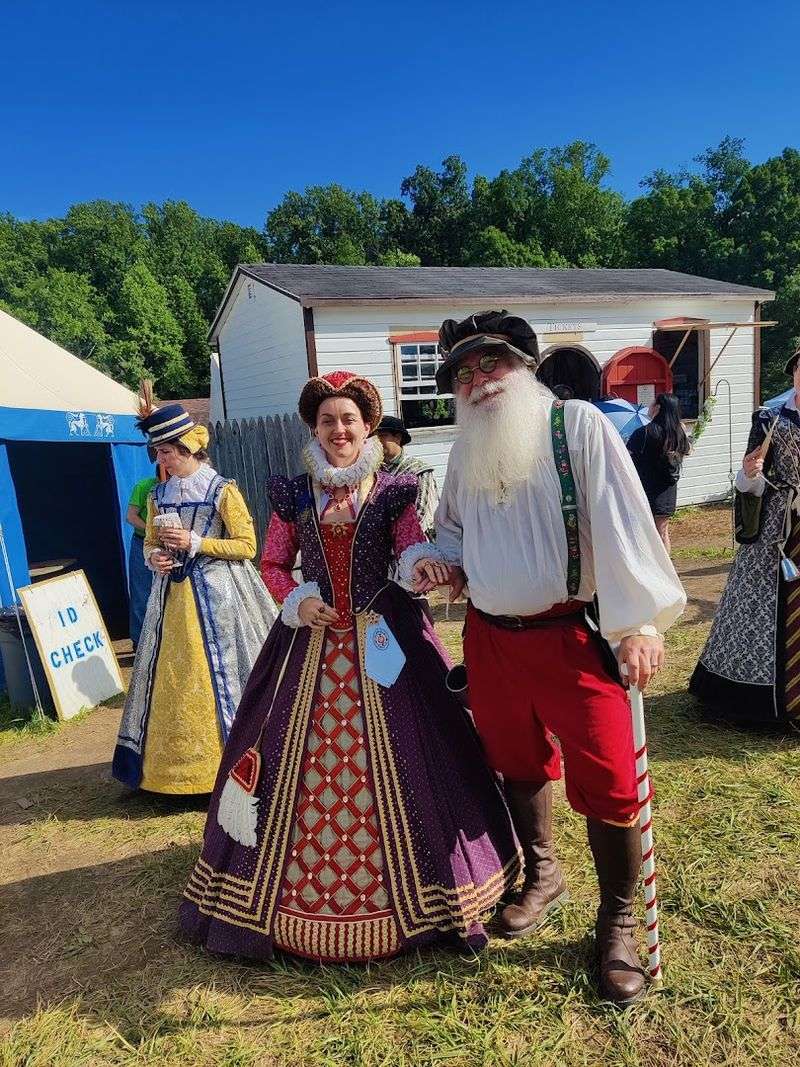
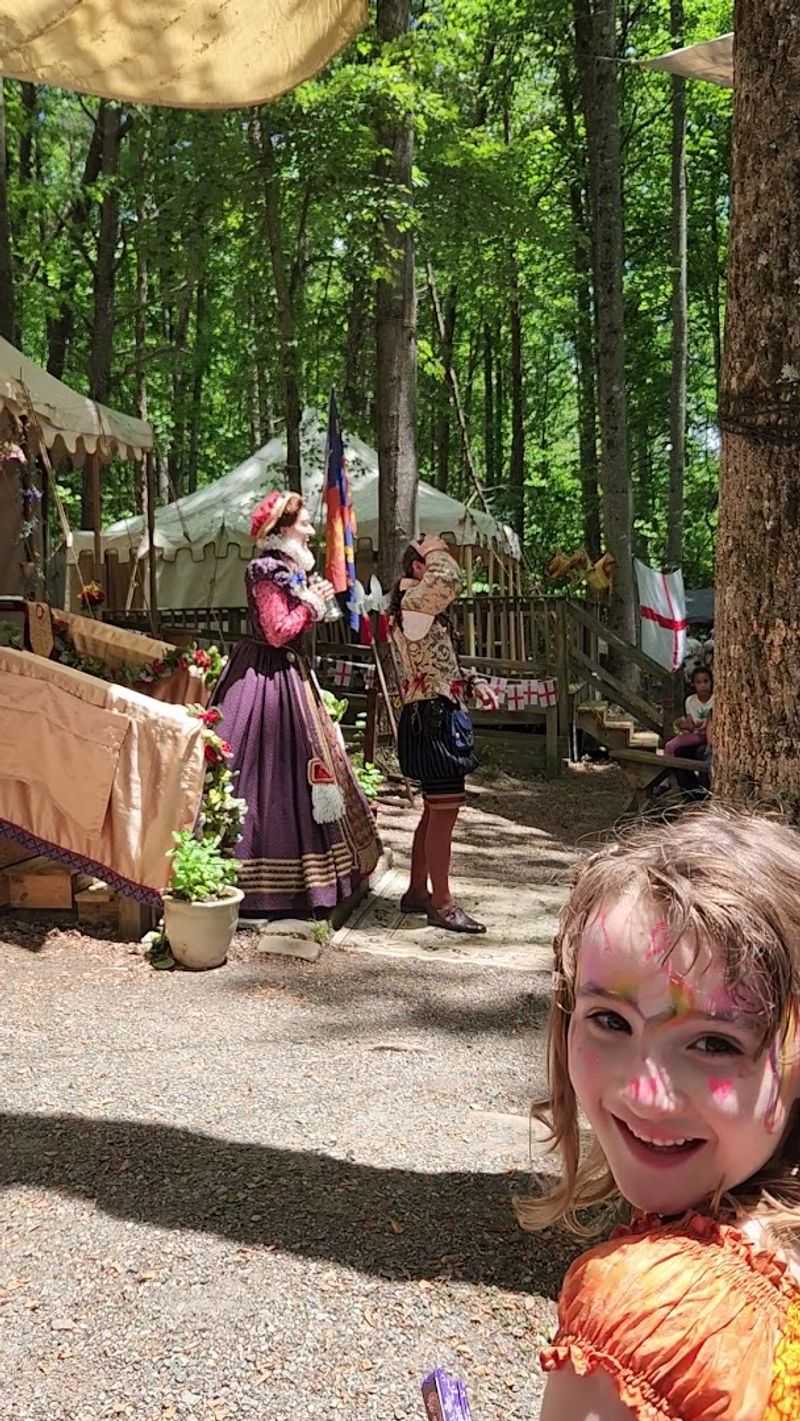
One of the first things you notice at the Virginia Renaissance Faire is that the costume game is absolutely next level. My eyes barely knew where to look first, between the velvet-cloaked nobles, the armor-clad knights, and the fairy-winged attendees who clearly spent months on their outfits.
There is no strict dress code here, which means the crowd becomes its own kind of performance. Period-accurate Tudor gowns mingle freely with fantasy armor, steampunk accessories, and creative interpretations of medieval life that would baffle any actual historian but delight absolutely everyone present.
The cast members are fully committed to their characters and do not break easily. Queen Elizabeth herself holds court with regal authority, and the supporting cast of nobles, merchants, and scoundrels weave through the crowd creating spontaneous moments of theater at every turn.
One moment you are watching a fencing demonstration, and the next the same performer is being dramatically hauled off to a mock trial. The line between audience and show blurs constantly, which keeps the energy electric throughout the day.
Bring your own costume if you have one, or simply wear comfortable clothes and let the atmosphere do the rest. Either way, the Virginia Renaissance Faire makes sure nobody leaves feeling like a bystander.
Jousting, Juggling, and Jaw-Dropping Performances
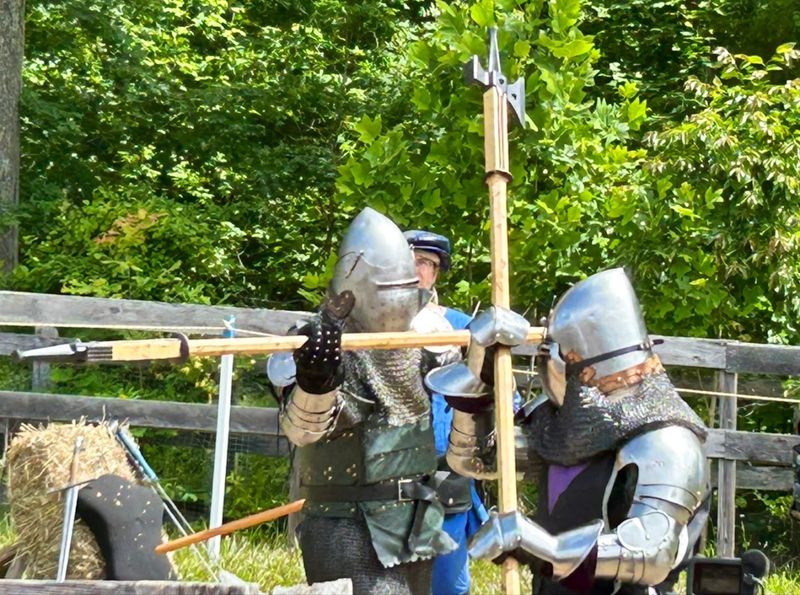
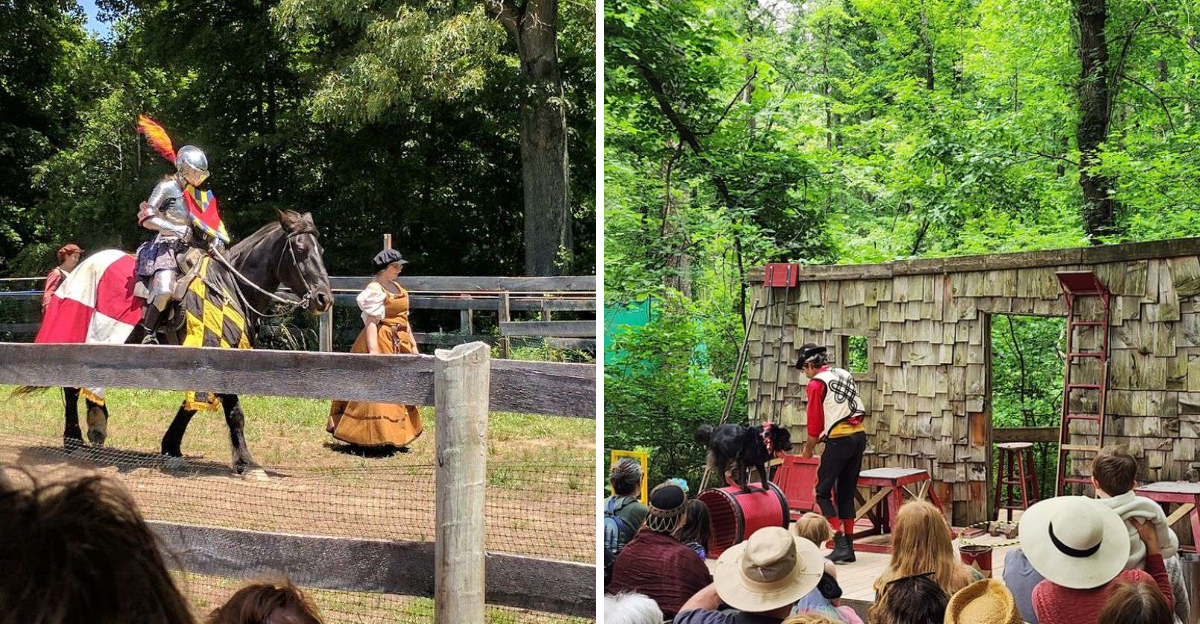
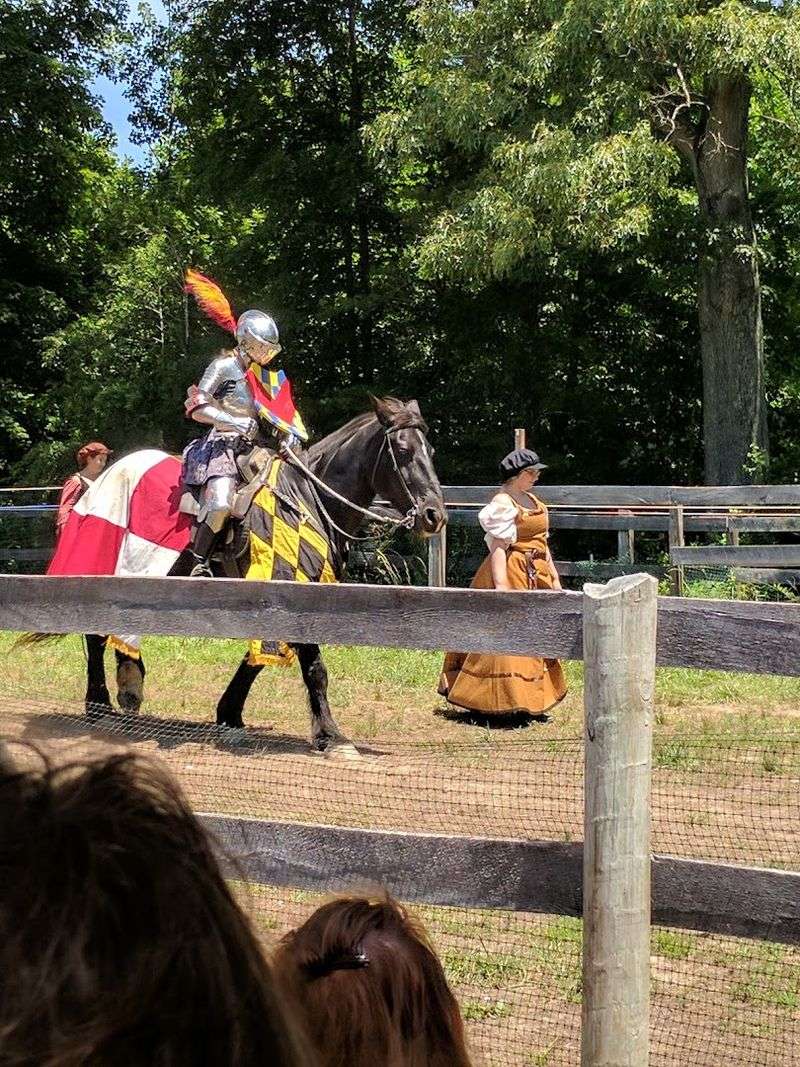
Jousting is the crown jewel of any self-respecting Renaissance faire, and the Virginia Renaissance Faire delivers it with genuine theatrical flair. Watching armored riders thunder toward each other on horseback is the kind of spectacle that makes you forget you are standing in twenty-first century Virginia.
Beyond the joust, the entertainment lineup is packed from the moment the gates open. Circus performers, acrobats, musicians, comedians, and fire acts rotate across multiple stages throughout the day, meaning there is almost always something worth watching no matter where you wander.
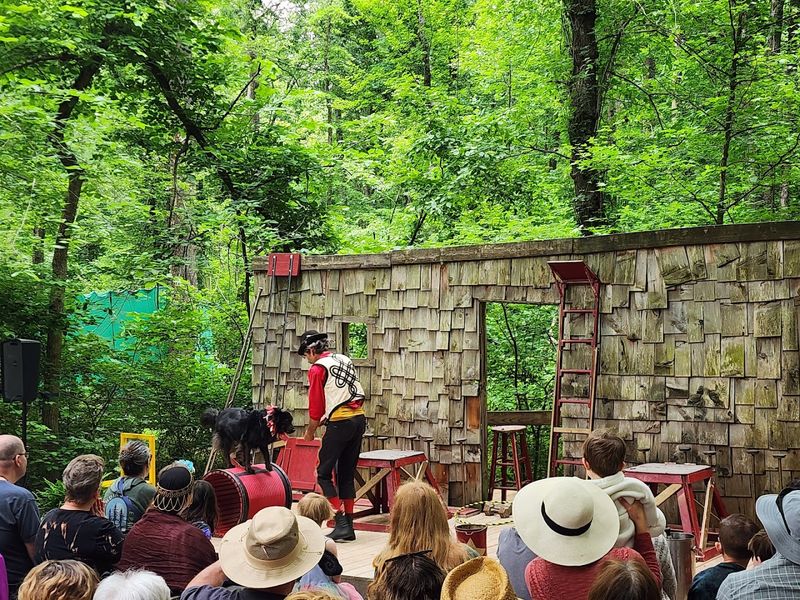
The performing rescue dogs are a crowd favorite that consistently stops people in their tracks. Watching a group of trained rescue pups execute impressive tricks with obvious enthusiasm is genuinely one of the most cheerful things a human being can experience.
Shakespeare gets a look-in too, though the interpretations lean more toward rowdy tavern entertainment than stuffy academic performance. The bard would probably approve, honestly.
Planning your day around the performance schedule is genuinely worth doing before you arrive. The shows fill up fast, and some of the best acts happen on smaller stages that can get crowded quickly.
Check the schedule on the Virginia Renaissance Faire website before heading out so you do not miss the highlights.
The Vendor Village You Could Spend Hours Exploring
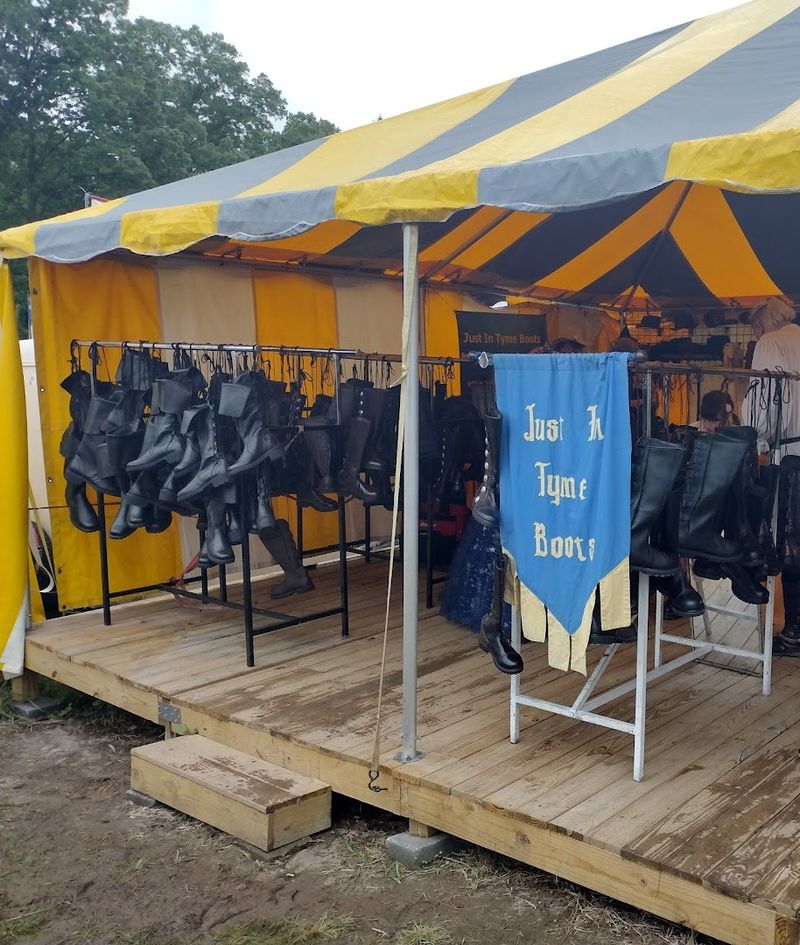
Shopping at the Virginia Renaissance Faire is a genuinely different experience from anything you will find in a mall or an online cart. Every vendor here is selling something handcrafted, unusual, or just plain spectacular, and the sheer variety makes browsing feel like a proper adventure.
Leather goods are everywhere, from hand-tooled belts and bracers to full armor pieces that look like they belong on a movie set. Jewelry ranges from delicate Celtic knotwork to dramatic statement pieces that would make even the most accessory-shy person reach for their wallet.
Artisan glasswork, hand-bound journals, custom-made crowns, embroidered cloaks, and hand-forged metalwork all compete for your attention as you wander the vendor rows. Many sellers are happy to explain their craft, adding an educational layer to what is already a visually overwhelming experience.
The faire thrift store, which offers gently used Renaissance attire and accessories, has developed a devoted following among regular attendees. It is the kind of place where you can find a surprisingly good costume piece at a fraction of what a new one would cost.
Cash is king at many of the stalls, so coming prepared makes the whole shopping experience smoother. Budget generously, because the temptation to buy everything is very real and entirely justified.
The Grounds Themselves Are Part of the Show
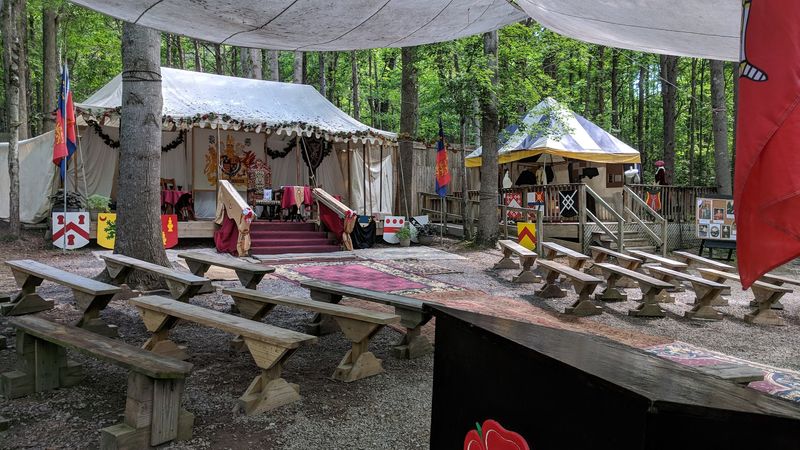
The setting of the modern Virginia Renaissance Faire at Lake Anna Winery in Spotsylvania is genuinely pretty, and that matters more than people might expect. A beautiful backdrop elevates the whole medieval illusion considerably.
The grounds feature a mix of open sunny areas and shaded forest edges, which gives the layout a natural variety that keeps things interesting as you move from one section to another. The forest perimeter adds an atmospheric quality that connects the event subtly to its wooded origins.
Uneven terrain is part of the deal, so sturdy comfortable footwear is non-negotiable. The paths are generally wide and manageable, but the ground shifts between grass, packed earth, and woodland floor depending on which area you are exploring.
Sunscreen is absolutely essential. The central areas of the grounds get direct sunlight for most of the day, and the medieval ambiance will not protect you from a sunburn.
A hat is also a very good idea, and nobody will judge you for it, especially if it has a feather.
The forest sections of the grounds have their own moody, atmospheric charm that echoes the haunted beauty of the original abandoned site. It is a small but meaningful connection between what the Virginia Renaissance Faire once was and what it has become today.
Tips for Making the Most of Your Day at the Faire
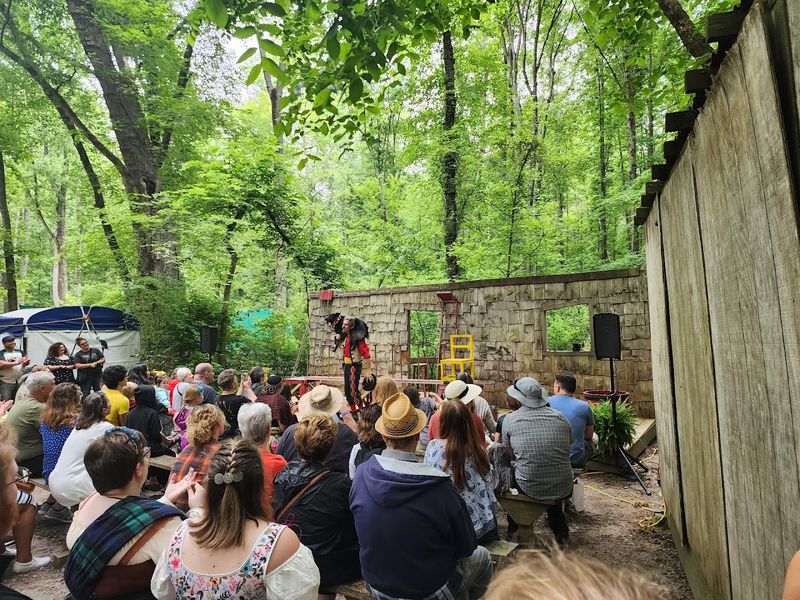
Arriving early is one of the smartest moves you can make at the Virginia Renaissance Faire. The opening ceremony sets the tone for the whole day and gives you a head start on navigating the grounds before the crowds build up.
Downloading or printing the performance schedule in advance is genuinely helpful. With multiple stages running simultaneously, having a rough plan prevents that frantic feeling of missing shows you really wanted to see while standing in a queue somewhere else entirely.
Hydration is serious business here. Virginia spring days can turn warm quickly, and between walking, watching shows, and browsing vendors, it is easy to forget to drink enough water.
Bring a refillable bottle and use it consistently throughout the day.
Tick awareness is worth keeping in mind, particularly in the wooded sections of the grounds. Wearing long socks and doing a quick check after spending time near the oak trees is just sensible outdoor behavior in Virginia.
Parking staff at the Virginia Renaissance Faire are consistently excellent, and the entry process moves efficiently, so arriving a little before opening time means you will be through the gates and into the action with minimal waiting. Plan for a full day, because five hours often feels like it disappears in about twenty minutes.
Where to Find the Virginia Renaissance Faire Today
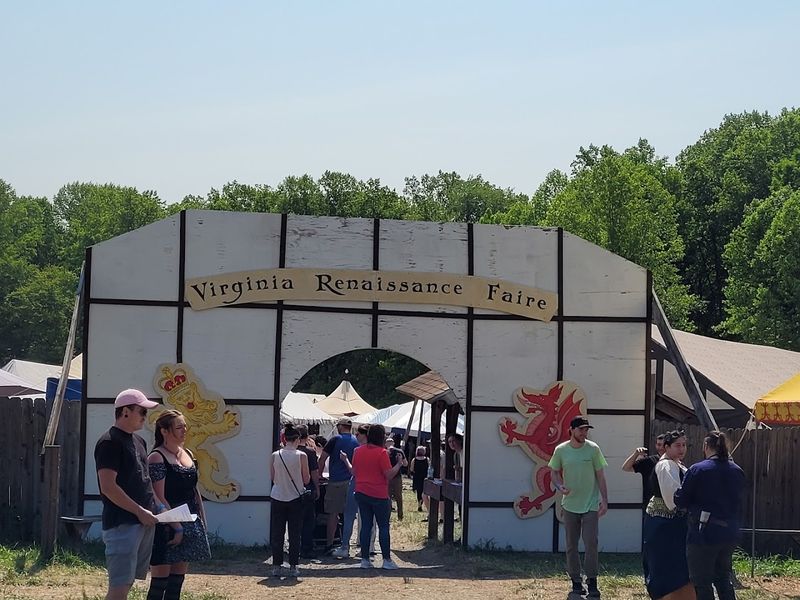
The modern Virginia Renaissance Faire calls Lake Anna Winery home, and the address is 5621 Courthouse Road, Spotsylvania Courthouse, Virginia. It is a manageable drive from much of the Northern Virginia and Richmond corridor, making it an accessible day trip for a wide range of visitors.
The faire runs for five weekends each spring, typically from early May through early June, catching Virginia in that sweet spot of warm but not yet punishing weather. The schedule for the current season lists dates running from May through June, so checking the official website at varf.org for exact weekend dates is always the smartest first step.
Gates open at ten in the morning and the festivities run through the afternoon, giving you a solid window to see everything the event has to offer. Arriving close to opening time genuinely maximizes your experience.
The Virginia Renaissance Faire has a strong social media presence and an active website where you can find performer lineups, vendor information, and any updates to the schedule. Booking tickets in advance is recommended, particularly for popular weekends when the grounds fill up fast.
So pack your best costume, lace up your most comfortable boots, and point your chariot toward Spotsylvania. A day at the Virginia Renaissance Faire is exactly the kind of adventure that makes living in Virginia feel like a genuine privilege.
Dear Reader: This page may contain affiliate links which may earn a commission if you click through and make a purchase. Our independent journalism is not influenced by any advertiser or commercial initiative unless it is clearly marked as sponsored content. As travel products change, please be sure to reconfirm all details and stay up to date with current events to ensure a safe and successful trip.
