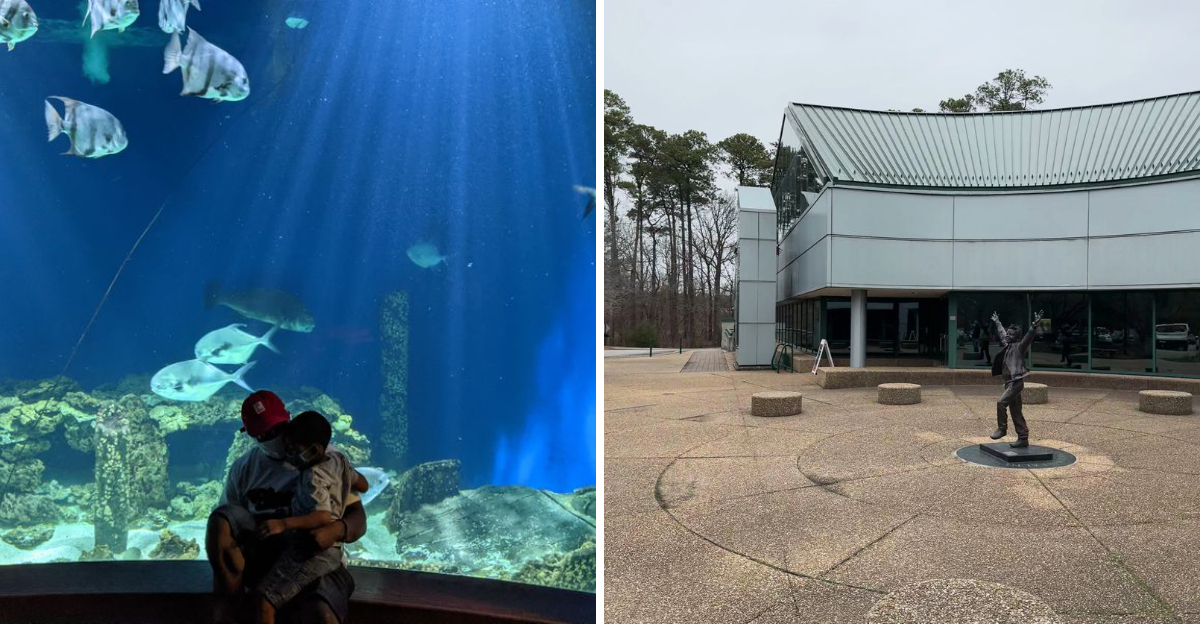
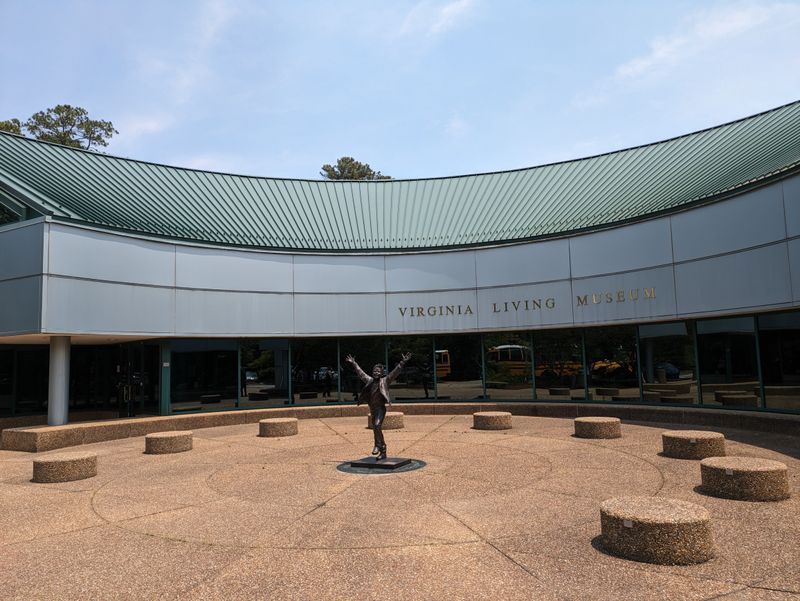
Tucked away in Newport News, the Virginia Living Museum blends the best parts of a zoo, aquarium, botanical garden, and science center into one unforgettable experience. This isn’t your typical stuffy museum where you shuffle past glass cases and read plaques.
Nope, this place is alive with river otters splashing around, bald eagles soaring overhead, and kids getting their hands dirty digging for dinosaur fossils. Located at 524 J Clyde Morris Blvd, it’s where education meets pure entertainment, and where Virginia’s natural wonders take center stage.
Whether you’re a local looking for weekend adventure or a visitor exploring the Hampton Roads area, this spot delivers something genuinely special. The mix of indoor aquariums and outdoor boardwalk trails means rain or shine, you’re in for a treat.
Ready to discover what makes this place a must-visit destination?
Indoor Aquarium Adventures Bring Ocean Life Up Close
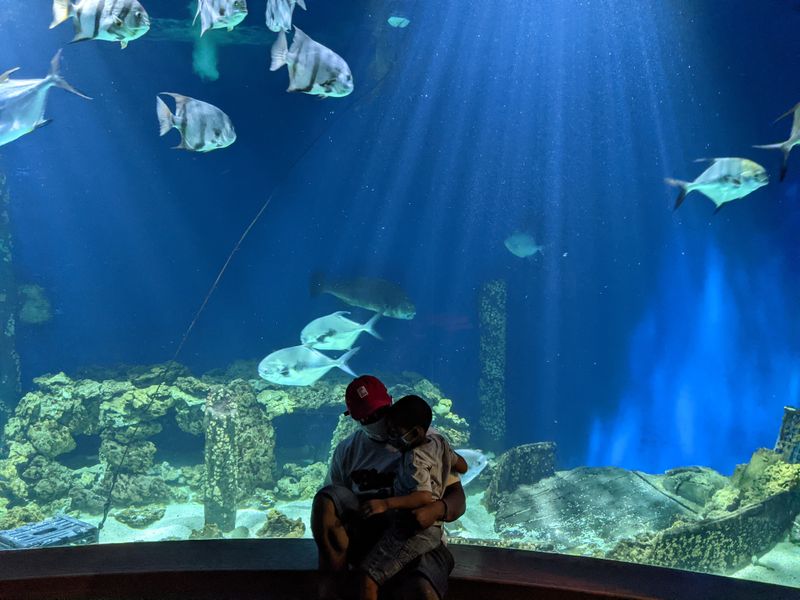
Walking into the aquarium section feels like stepping into an underwater wonderland. Massive tanks showcase everything from tiny seahorses bobbing gently in the current to enormous fish that make you stop and stare.
The Chesapeake Bay exhibit steals the show, recreating Virginia’s most famous waterway right before your eyes.
Touch tanks let curious hands explore the textures of sea creatures under staff supervision. Kids squeal with delight when they gently pet a stingray or watch hermit crabs scuttle across the sandy bottom.
Educational displays explain how these ecosystems work and why protecting them matters for future generations.
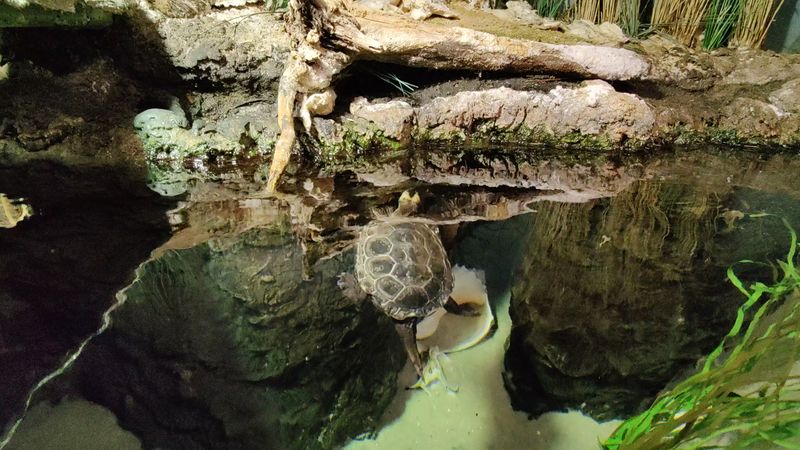
Reptile lovers get their fix too, with snakes and turtles housed in carefully designed habitats. The variety keeps everyone engaged, from toddlers pressing their noses against the glass to adults reading every informational plaque.
Staff members circulate throughout, ready to answer questions and share fascinating facts about marine biology.
This section alone could occupy an entire morning, especially if you catch one of the scheduled feeding times. Watching aquatic animals hunt and eat provides insights into their natural behaviors that you simply can’t get from books or videos.
Outdoor Boardwalk Trail Showcases Native Wildlife
Step outside and the adventure continues along a beautifully maintained boardwalk that winds through natural Virginia habitats. This isn’t just a walking path, it’s a journey through ecosystems that most people never get to experience up close.
The raised design keeps you comfortable while protecting the delicate environments below.
Red wolves pace in their enclosure, giving you a rare glimpse of these magnificent predators that once roamed freely across the state. Bald eagles perch majestically overhead, their white heads gleaming in the sunlight.
Every turn reveals something new, from foxes darting playfully to deer grazing peacefully in wooded areas.
The trail accommodates strollers and wheelchairs perfectly, making it accessible for families with little ones or visitors with mobility needs. Benches positioned at strategic viewing points let you pause and soak in the scenery without feeling rushed.
Seasonal changes transform the experience throughout the year, with spring blooms and autumn colors adding extra visual punch.
Educational signage along the route explains each animal’s role in Virginia’s ecosystem and conservation efforts underway to protect them. The combination of fresh air, exercise, and wildlife viewing creates the perfect outdoor classroom for all ages.
Nora The River Otter Steals Every Show
Meet Nora, the undisputed star of the Virginia Living Museum. This charismatic river otter has captured thousands of hearts with her playful antics and endless energy.
Watching her zoom through the water, twist and turn, and interact with enrichment toys proves more entertaining than most television shows.
Her feeding times draw crowds like a rock concert, with families clustering around the viewing windows to catch every moment. Staff members share stories about her personality quirks and explain otter behavior in the wild.
The enthusiasm is contagious, and you’ll find yourself laughing at her underwater acrobatics and clever problem-solving skills.
River otters play a crucial role in maintaining healthy waterways throughout Virginia, and Nora serves as an ambassador for her species. The exhibit design allows multiple viewing angles, so even when it’s busy, everyone gets a good look.
Kids especially connect with her playful nature, often declaring her their favorite part of the entire visit.
Photography enthusiasts camp out here trying to capture the perfect action shot as Nora dives and surfaces unpredictably. The glass stays remarkably clear despite constant use, ensuring crisp views of this aquatic superstar doing what she does best.
Dinosaur Discovery Trail Transports Kids Back In Time
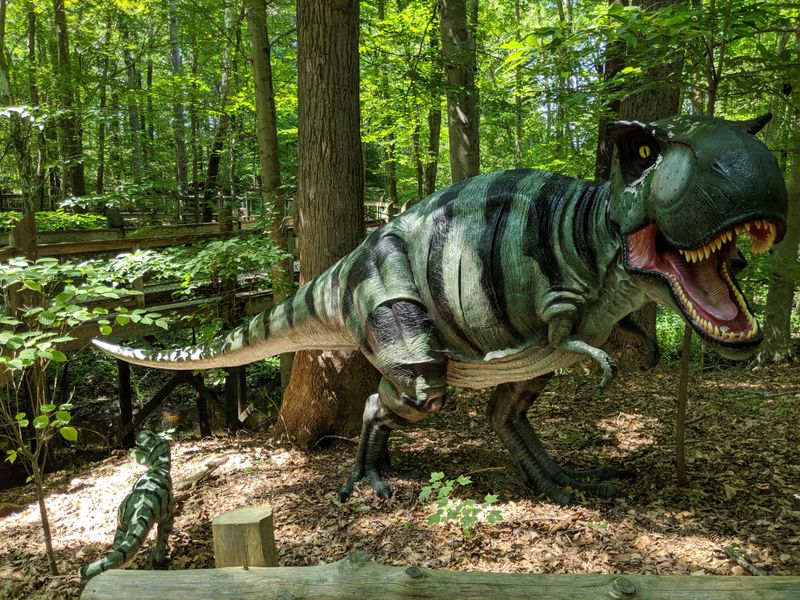
Prepare for roars of excitement when little paleontologists discover this prehistoric playground. Life-sized dinosaur replicas tower over the trail, creating photo opportunities that’ll dominate your social media feeds for weeks.
The attention to detail makes these ancient creatures feel surprisingly real and imposing.
Dig sites equipped with brushes and tools let kids unearth replica fossils buried in sand, mimicking actual archaeological work. They’ll spend ages carefully excavating their finds, completely absorbed in the hunt for hidden treasures.
Cabins along the trail display genuine fossils with explanations about different dinosaur species that once stomped across what’s now Virginia.
Climbing structures shaped like dinosaur skeletons offer physical challenges for energetic youngsters who need to burn off steam. The Allosaurus rib cage jungle gym gets particularly heavy use, with children scrambling through the prehistoric bones squealing with delight.
Parents appreciate the shaded seating areas where they can supervise while catching their breath.
Educational components blend seamlessly with pure fun, teaching geological time periods and extinction events without feeling like a lecture. The trail proves that learning about natural history doesn’t require sitting still in a classroom, sometimes it requires running around pretending to be a T-Rex.
Interactive Play Areas Keep Little Hands Busy
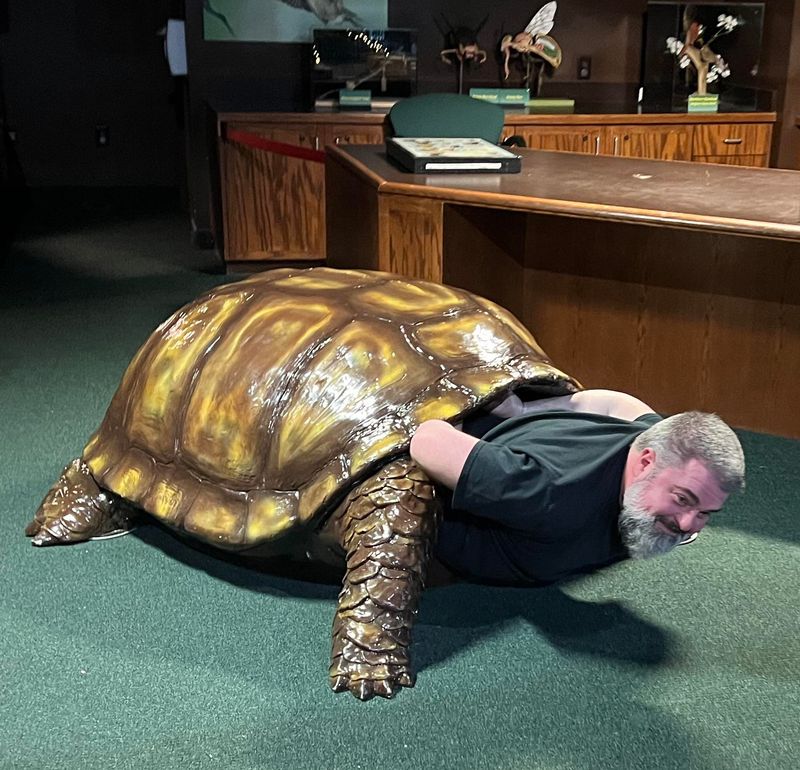
The museum understands that young visitors learn best through touching, building, and experimenting. Multiple play zones scattered throughout the facility cater specifically to curious minds that need hands-on engagement.
These aren’t afterthoughts, they’re carefully designed educational spaces that happen to be incredibly fun.
The veterinary clinic play center downstairs deserves special mention. Complete with examination tables, X-ray displays, play medical equipment, and even a pretend kitchen for preparing animal meals, it transforms kids into junior zoologists and veterinarians.
They’ll spend ages diagnosing stuffed patients and caring for their imaginary animal friends.
A research center staffed by actual biologists invites children to participate in age-appropriate science activities and crafts. The enthusiastic educators answer endless questions while guiding hands-on projects that reinforce conservation messages.
Parents love watching their kids’ faces light up when they successfully complete an experiment or create something to take home.
The topographic sand table mesmerizes visitors of all ages. As you shape the sand into hills and valleys, projected topography lines adjust in real time, demonstrating how maps represent three-dimensional landscapes.
It’s hypnotic, educational, and surprisingly difficult to walk away from once you start playing.
Planetarium Shows Expand Minds Beyond Earth
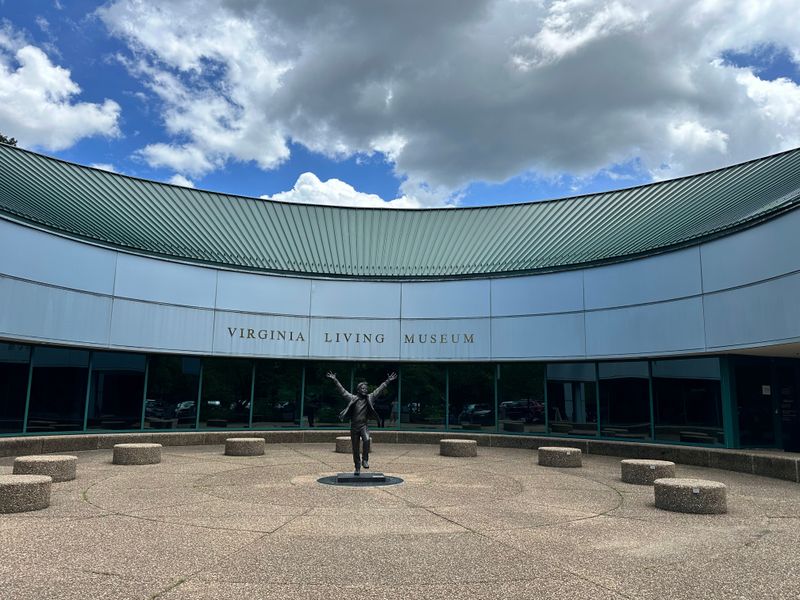
While most visitors focus on earthbound exhibits, the planetarium offers cosmic adventures that complement the natural history focus beautifully. The dome theater transports audiences beyond Virginia’s borders to explore galaxies, constellations, and celestial phenomena that spark wonder about our place in the universe.
Shows rotate regularly, covering topics from basic astronomy for young children to more complex presentations about space exploration and astrophysics. The immersive projection technology wraps the night sky around you, creating the illusion of stargazing from the world’s best observation point.
Reclining seats ensure comfortable viewing as your neck doesn’t get sore from looking up.
Weekend scheduling means planning ahead if catching a show tops your priority list. The planetarium operates Thursday through Sunday, so midweek visitors miss this particular attraction.
However, when you do time it right, the experience adds tremendous value to your museum day.
Combining earth science exhibits with space science creates a comprehensive educational journey. Kids who spend the morning learning about river otters and dinosaurs can spend the afternoon pondering distant planets and stars.
This holistic approach to science education sets the museum apart from single-focus institutions.
Seasonal Exhibits And Decorations Keep Things Fresh
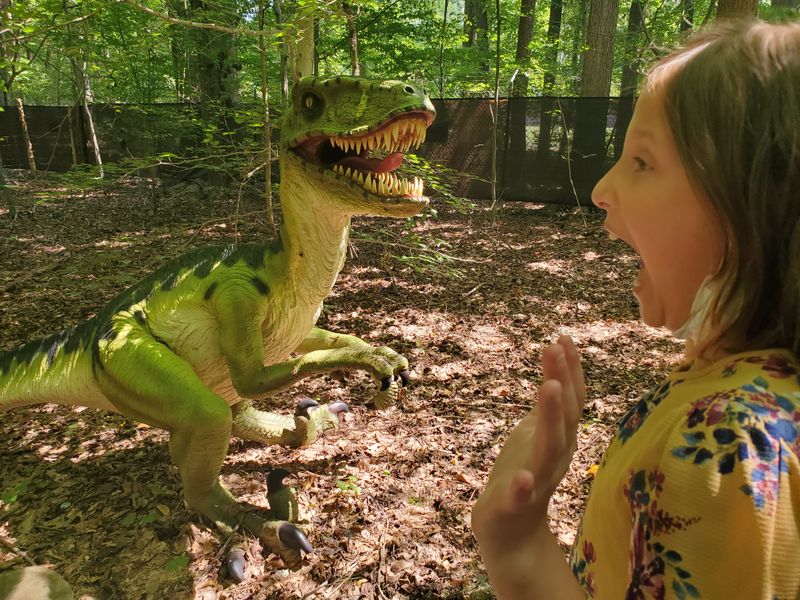
Repeat visitors never encounter the exact same museum twice thanks to rotating exhibits and seasonal decorations that transform the space throughout the year. Staff members go above and beyond creating themed enrichment for the animals, which entertains both the creatures and the guests watching them interact with special items.
Halloween brings spooky decorations and pumpkin treats for animals to investigate and destroy. Spring showcases blooming plants and baby animal arrivals when nature cooperates.
Winter holidays feature festive touches that make the museum feel magical without overwhelming the educational mission. These thoughtful details demonstrate the staff’s creativity and dedication.
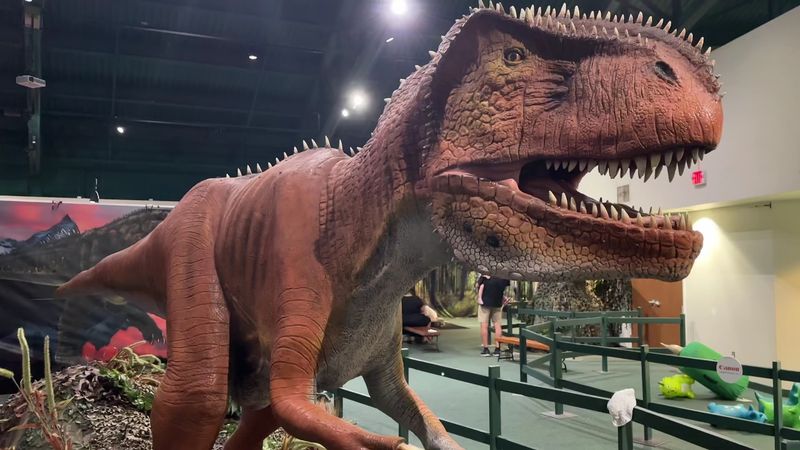
Traveling exhibits occasionally take up residence, like the dinosaur displays that have thrilled recent visitors. These temporary additions provide excellent reasons to return even if you’ve already explored the permanent collection thoroughly.
The museum actively promotes upcoming special exhibits through their website and social media channels.
This commitment to freshness and variety reflects an understanding that modern museums must evolve to maintain relevance. Static displays become boring quickly, but when there’s always something new to discover, families develop traditions of regular visits.
Annual memberships make tremendous sense for locals who want to experience every seasonal transformation.
Knowledgeable Staff Enhance Every Interaction
Information plaques and signs provide plenty of facts, but nothing compares to conversations with passionate staff members who bring the exhibits to life. From the front desk to the boardwalk trails, employees radiate enthusiasm about their work and genuine care for the animals under their protection.
Keeper talks and feeding demonstrations offer behind-the-scenes insights into animal care and behavior. Staff members explain dietary needs, enrichment strategies, and individual personality quirks of their charges.
These presentations transform passive observation into active learning experiences that visitors remember long after leaving.
Questions receive thorough, age-appropriate answers whether they come from kindergarteners or curious adults. The team’s knowledge extends beyond prepared scripts to encompass deep understanding of Virginia ecosystems, conservation challenges, and current research.
Their ability to engage different audiences without talking down to anyone demonstrates professional training and natural teaching ability.
The friendliness extends to practical matters too. Staff helps locate facilities, suggests optimal routes through exhibits, and offers tips for making the most of your visit.
Their positive attitudes create a welcoming atmosphere that makes first-time visitors feel immediately comfortable. This human element elevates the museum from good to exceptional.
Accessibility Features Welcome All Visitors
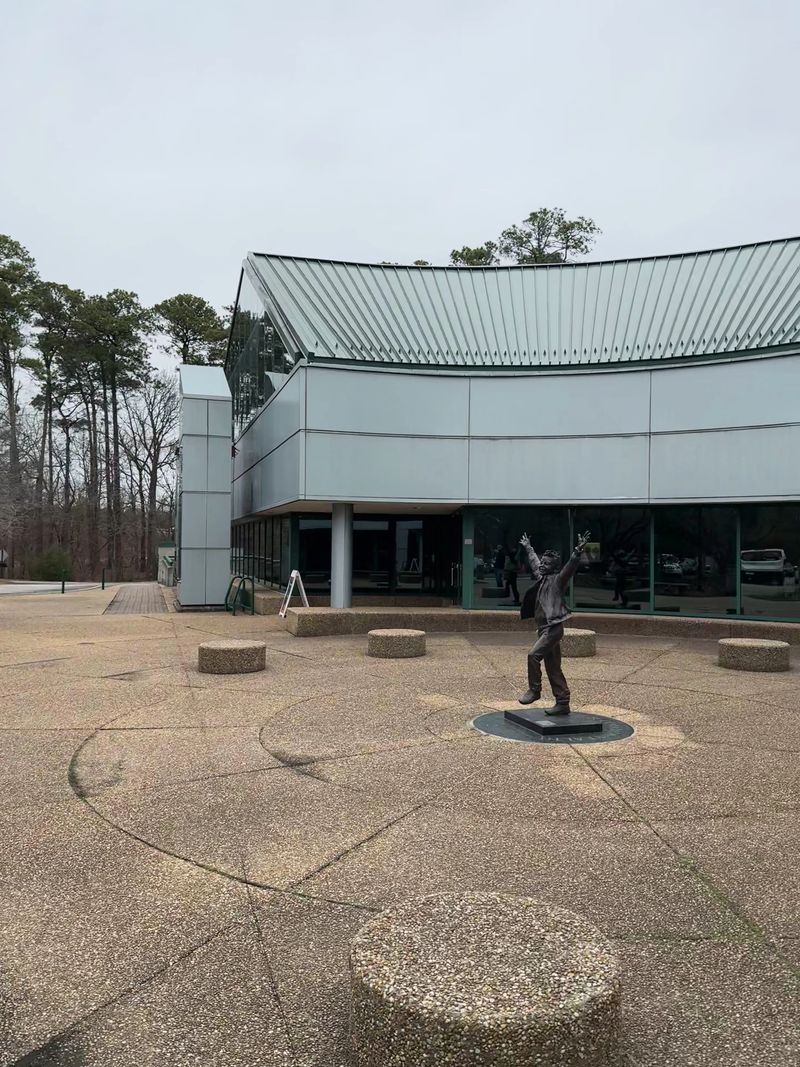
Truly excellent attractions ensure everyone can participate regardless of physical abilities, and this museum takes accessibility seriously. The boardwalk trails feature smooth, level surfaces suitable for wheelchairs, walkers, and strollers without requiring superhuman pushing strength.
Ramps replace stairs wherever possible, and when elevation changes occur, gradual slopes prevent struggles.
Sensory-friendly design considerations benefit visitors with autism or sensory processing differences. Quiet spaces provide refuge when stimulation becomes overwhelming, and staff members understand how to assist guests with various needs.
The museum has earned recognition for creating an inclusive environment where differences are accommodated rather than merely tolerated.
Visual accessibility gets attention too, with large-print materials available and exhibit lighting designed to minimize glare while maximizing visibility. Audio descriptions supplement visual displays at key locations.
These thoughtful touches demonstrate that accessibility planning happened during initial design rather than as an afterthought.
Families dealing with mobility or sensory challenges often struggle to find attractions where everyone can fully participate. Reviews consistently praise this museum for removing barriers that exclude people from experiences they deserve to enjoy.
This commitment to inclusion aligns perfectly with the educational mission of connecting all people with Virginia’s natural heritage.
Conservation Mission Drives Everything They Do
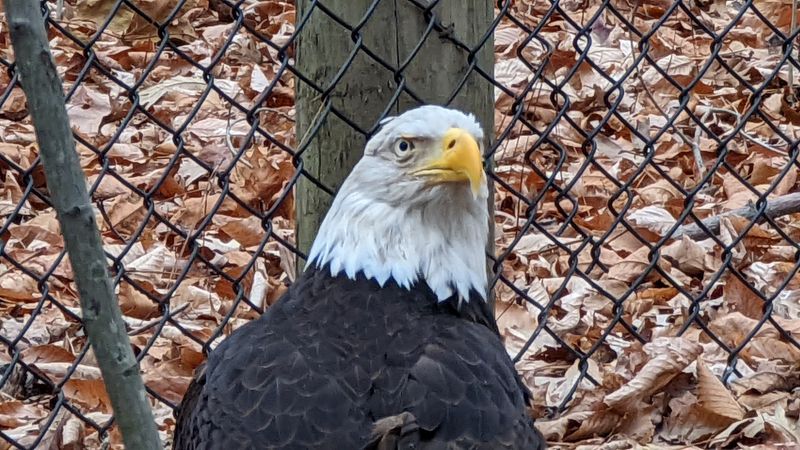
Behind the entertaining exhibits lies serious conservation work that protects Virginia’s wildlife and habitats. The museum operates wildlife rehabilitation programs that rescue, treat, and release injured animals back into their natural environments.
Visitors can observe some of these efforts through viewing windows into the rehabilitation center, witnessing real conservation in action.
Every admission fee and donation directly supports animal care, educational programming, and habitat preservation initiatives. As a nonprofit organization, the museum depends on community support to continue its mission.
Knowing your visit contributes to meaningful conservation work adds purpose beyond simple entertainment value.
Educational messages woven throughout exhibits emphasize personal responsibility for environmental stewardship. Children learn that their choices impact wildlife, from reducing plastic use to protecting wetlands.
These lessons stick because they’re delivered alongside positive experiences with the animals who benefit from conservation efforts.
The focus on native Virginia species sets this museum apart from zoos featuring exotic animals from distant continents. By highlighting local biodiversity, staff members foster appreciation for the incredible wildlife living right in visitors’ backyards.
This regional focus strengthens connections between people and place, inspiring genuine commitment to protecting the natural world surrounding them every day.
Dear Reader: This page may contain affiliate links which may earn a commission if you click through and make a purchase. Our independent journalism is not influenced by any advertiser or commercial initiative unless it is clearly marked as sponsored content. As travel products change, please be sure to reconfirm all details and stay up to date with current events to ensure a safe and successful trip.
