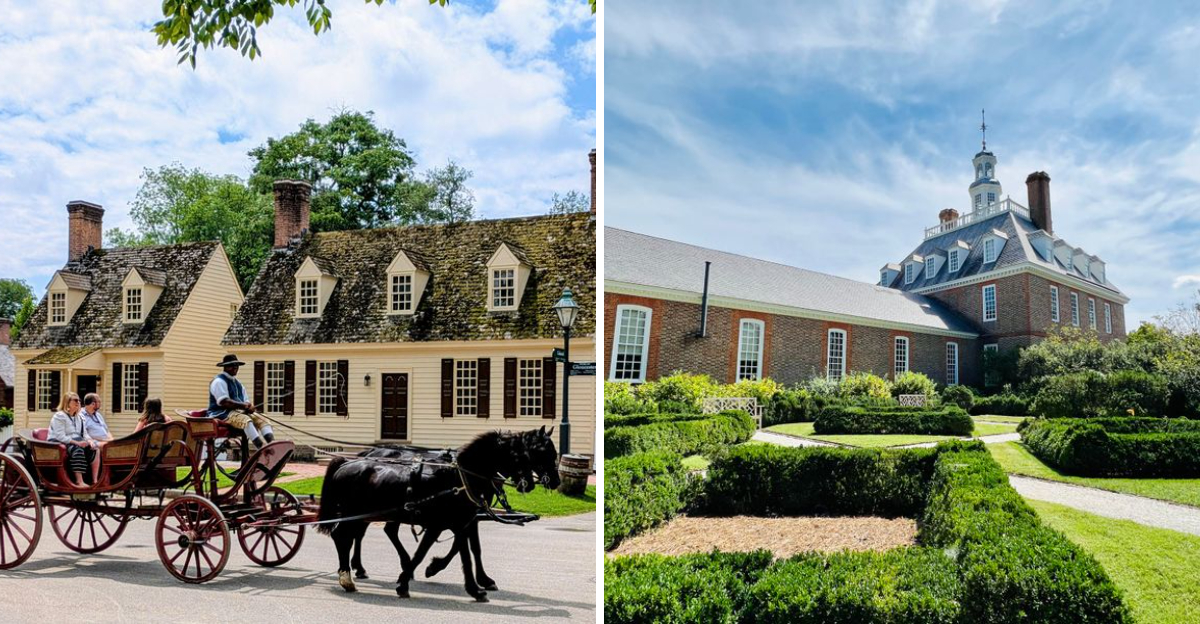
Ever wondered what it was like to walk the same streets as George Washington and Thomas Jefferson? Colonial Williamsburg in Virginia throws open the doors to the past like nowhere else.
This isn’t some dusty museum with ropes and glass cases. It’s a full-blown time machine where you can chat with blacksmiths, watch wigs being made, and maybe even catch a revolutionary debate on the town square.
Living History Characters Bring the Past to Life
Forget boring textbooks and sleepy lectures. At Colonial Williamsburg, history literally walks up and strikes up a conversation with you.
Costumed interpreters don’t just wear fancy clothes and recite facts. They become the people who shaped America, from founding fathers to enslaved individuals, each with their own story to tell.
Wander down Duke of Gloucester Street and you might bump into Patrick Henry delivering a fiery speech about liberty. Ask him a question, and he’ll answer as if it’s actually the eve of revolution.
These folks are seriously committed to their craft, staying in character and sharing perspectives that make history feel immediate and real.
What makes this experience so special is the variety of voices you encounter. You’ll meet tradespeople explaining their crafts, political figures debating independence, and everyday colonists sharing what life was really like in the eighteenth century.
The interactions are unscripted and genuine, so every visit feels fresh and different.
Kids especially love this hands-on approach to learning. Instead of memorizing dates, they’re asking questions and getting answers from people who lived through those moments, or at least convincingly pretend they did.
It’s educational without feeling like school, which is pretty much the perfect combo for any family trip.
Plan to spend time chatting with these characters. They’re knowledgeable, friendly, and genuinely love sharing their stories.
You’ll walk away with a deeper understanding of the challenges, triumphs, and complexities that defined colonial America and set the stage for our nation’s birth.
Historic Trade Shops Show Old-School Skills
Before Amazon Prime and factory assembly lines, everything had to be made by hand. Colonial Williamsburg brings those forgotten skills back to life with working trade shops scattered throughout the historic district.
Blacksmiths hammer glowing iron into tools, coopers shape wooden barrels, and wigmakers craft those fancy powdered creations you’ve seen in paintings.
Each shop is staffed by skilled artisans who practice authentic eighteenth-century techniques. They’re not just demonstrating for show.
Many of them are producing actual items used throughout the museum, from hinges to horseshoes to reproduction furniture.
Watching a blacksmith work is mesmerizing. Sparks fly as hammer meets anvil, and the rhythmic clanging creates a soundtrack that transports you back centuries.
The heat from the forge is intense, and you gain instant respect for the physical demands these craftspeople faced daily.
The wigmaker’s shop offers a totally different vibe. Here you’ll learn about the elaborate hairstyles and headpieces that signaled social status in colonial society.
It’s fascinating and slightly bizarre to modern eyes, but it opens a window into the values and vanities of the era.
Don’t rush through these shops. The tradespeople love answering questions and explaining their work.
You’ll discover how interconnected colonial life was, with each craftsperson depending on others for materials and tools. It’s a beautiful reminder of community and craftsmanship that feels refreshingly human in our digital age.
The Governor’s Palace Drips with Colonial Elegance
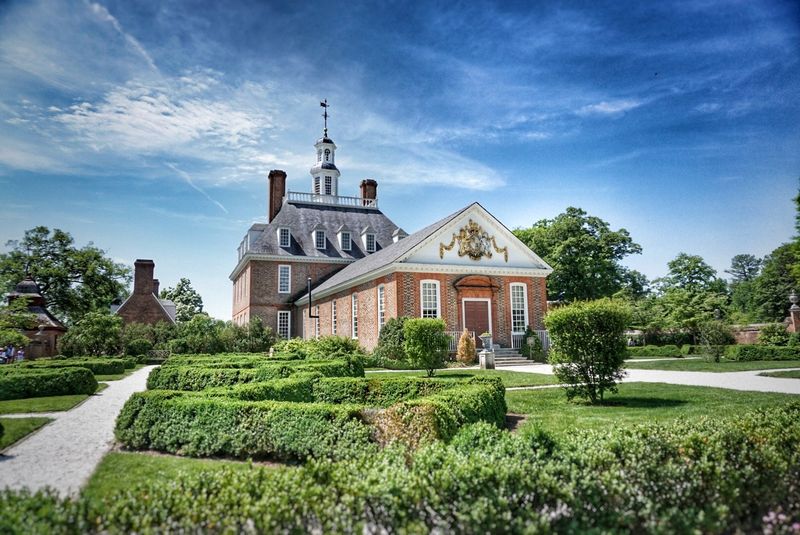
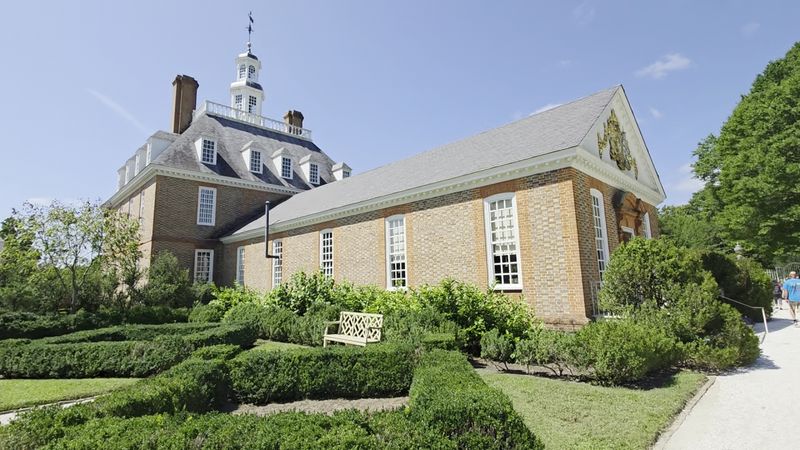
If you want to see how the other half lived in colonial Virginia, the Governor’s Palace is your destination. This stunning building served as the residence and office for royal governors before the Revolution, and later briefly housed the first two governors of the Commonwealth.
The grandeur is absolutely jaw-dropping, from the ornate entrance hall to the lavish ballroom.
Walking through the palace feels like stepping into a period drama. Every room is meticulously furnished with period-appropriate pieces, from elegant furniture to fine china to elaborate draperies.
The attention to detail is incredible, right down to the patterns on the wallpaper and the arrangement of objects on tables.
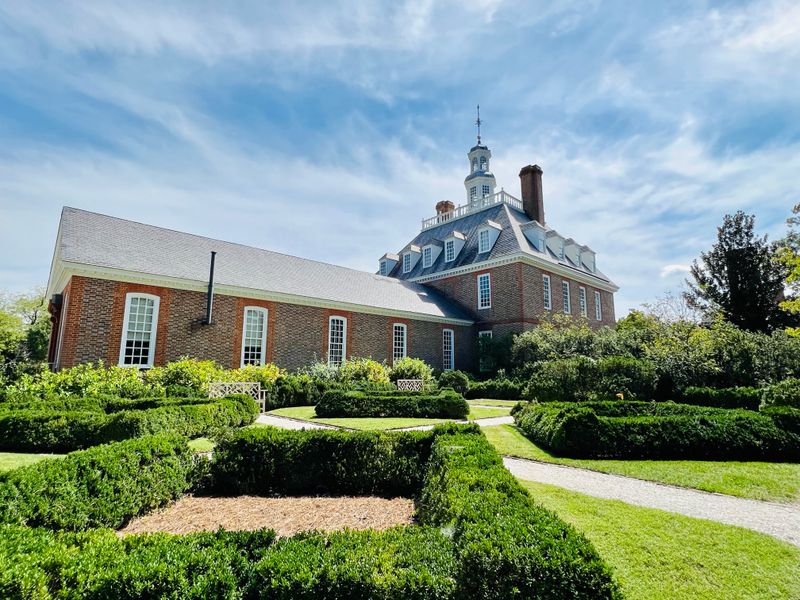
The gardens surrounding the palace deserve just as much attention as the building itself. Formal boxwood hedges, colorful flower beds, and geometric layouts reflect the English gardening style popular during the colonial period.
It’s a peaceful spot to wander and imagine garden parties from centuries past.
Guided tours reveal fascinating stories about the people who lived and worked here. You’ll learn about political intrigue, social customs, and daily routines that shaped life at the top of colonial society.
The contrast between upstairs elegance and downstairs work spaces tells a complete story about class and labor.
Photography enthusiasts will find endless beautiful shots here. The architecture, gardens, and interior details provide stunning backdrops.
Just remember to check current photography policies before your visit, as rules may vary for different areas of the palace.
The Capitol Building Where America Was Debated
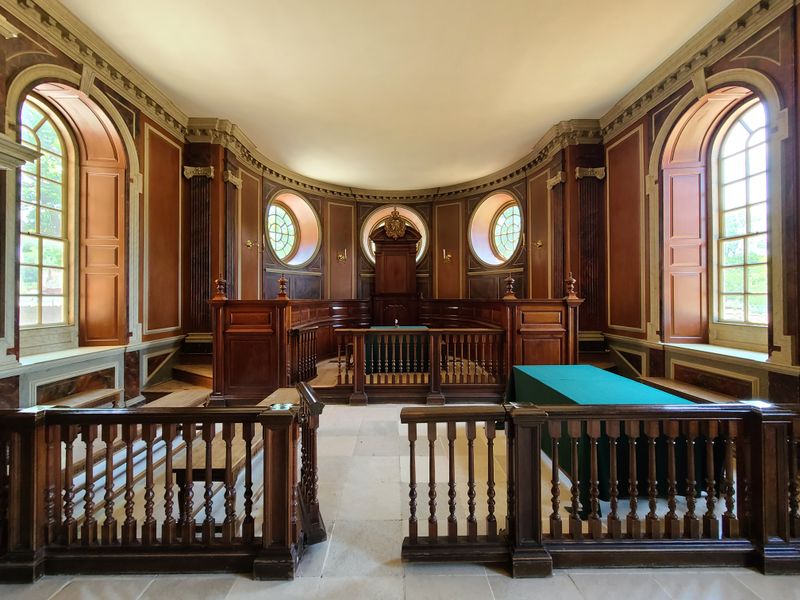
Stand in the very rooms where Virginia’s leaders debated independence and shaped the future of a nation. The Capitol building at Colonial Williamsburg isn’t just a pretty reconstruction.
It’s where real history happened, where Patrick Henry spoke against the Stamp Act and where representatives wrestled with questions of freedom and governance.
The building itself makes a powerful statement with its distinctive H-shape design. Two round chambers connected by a central arcade create spaces perfectly suited for legislative debate and courtroom drama.
The architecture reflects the importance of the work conducted here.
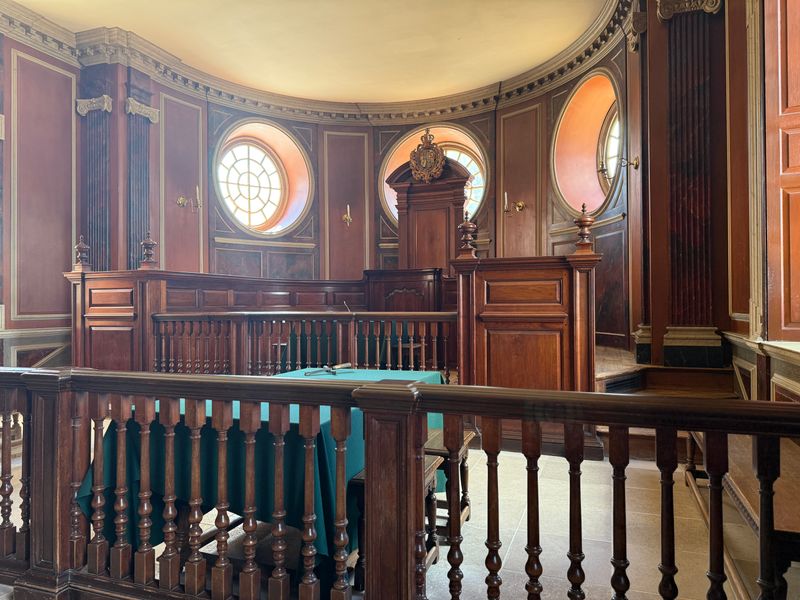
Inside, you can explore both the House of Burgesses chamber and the General Court room. Interpreters often stage debates and trials, bringing historical conflicts to vivid life.
Watching these reenactments helps you understand the passionate disagreements that eventually led to revolution.
What strikes many visitors is how accessible these spaces feel. You’re not kept behind velvet ropes.
You can actually sit in the same spots where colonial legislators once sat, imagining the weight of decisions they faced. It’s a tangible connection to the founding of American democracy.
The Capitol also tells stories beyond the famous founding fathers. You’ll learn about the diverse people who worked here, from clerks to enslaved laborers, each playing a role in the functioning of colonial government.
These layered narratives create a richer, more complete understanding of our complicated history.
Horse-Drawn Carriage Rides Add Authentic Transportation
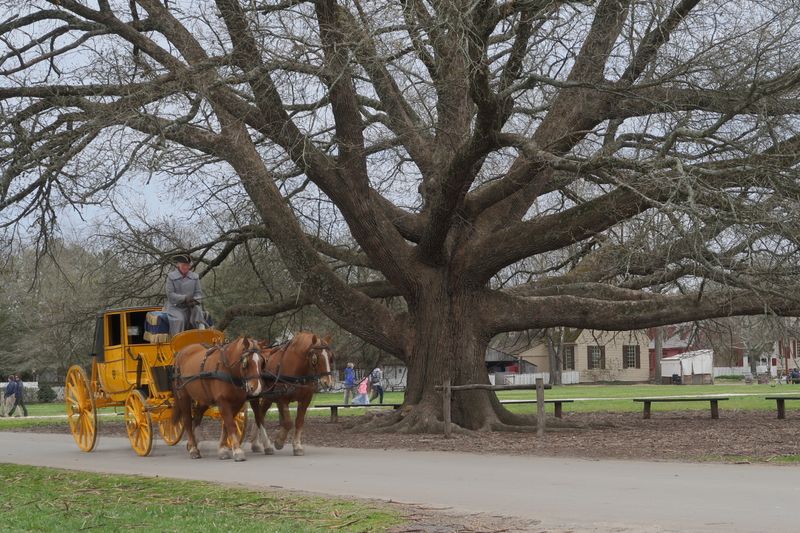
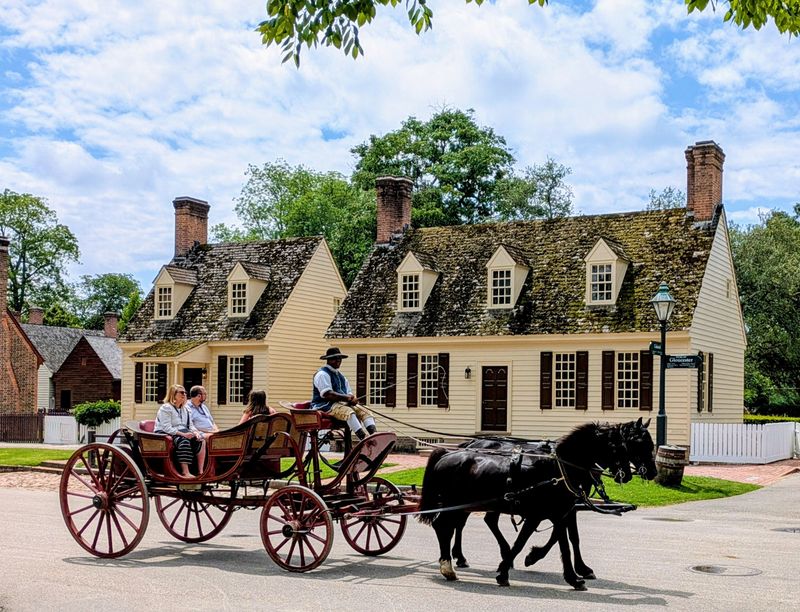
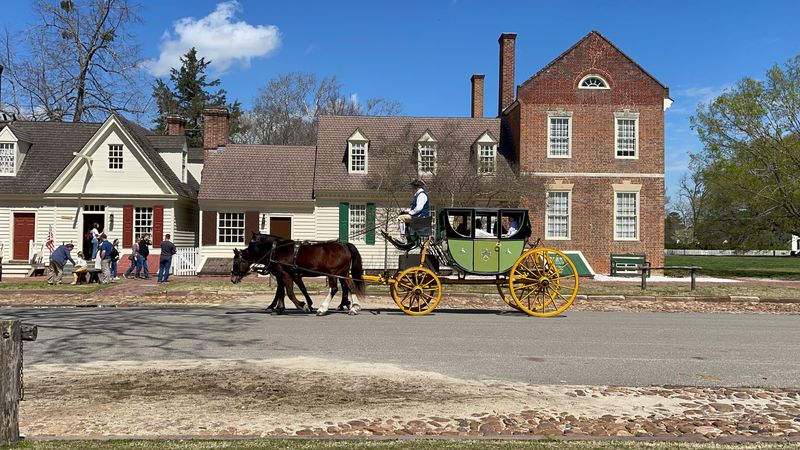
Why walk when you can roll through history in style? Horse-drawn carriage rides offer a delightfully authentic way to tour Colonial Williamsburg’s historic district.
Clip-clopping down car-free streets in a period-appropriate carriage instantly transports you to an era when this was the height of transportation technology.
The carriages themselves are beautifully maintained reproductions of eighteenth-century vehicles. Some are open-air for sunny days, while others feature covers for weather protection.
The horses are gentle, well-trained, and clearly well-cared-for, which makes the experience enjoyable for animal lovers.
Your driver doubles as a tour guide, sharing stories and pointing out significant buildings as you ride. It’s a relaxing way to get your bearings and cover more ground than you might on foot.
Plus, it gives tired feet a much-needed break during a long day of exploring.
Kids absolutely adore the carriage rides. There’s something magical about traveling by horse that captures imaginations and creates lasting memories.
It’s also a fantastic photo opportunity, so have your camera ready for some picture-perfect moments.
Carriage rides require separate tickets beyond regular admission, and they’re popular, so booking ahead is smart. Rides typically last about twenty minutes and depart from designated locations throughout the historic area.
It’s a splurge worth considering, especially for special occasions or when you want to treat yourself to something extra memorable during your Virginia adventure.
Ghost Tours Reveal Williamsburg’s Spooky Side
Colonial Williamsburg takes on a completely different personality after dark. Ghost tours transform the charming historic district into something deliciously eerie, with guides sharing spine-tingling tales of hauntings, mysteries, and unexplained phenomena that have been reported over the centuries.
These aren’t cheesy tourist traps with actors jumping out to scare you. The ghost tours focus on historical stories and local legends, blending documented history with folklore passed down through generations.
You’ll hear about tragic deaths, unsolved mysteries, and strange occurrences that have given certain buildings their haunted reputations.
Walking the darkened streets by lantern light creates an atmospheric experience that’s both thrilling and educational. Your guide will lead you to various locations while sharing stories connected to each spot.
The combination of authentic colonial architecture and darkness really sets the mood.
Even skeptics find these tours entertaining. Whether you believe in ghosts or not, the stories provide fascinating insights into colonial life, death, and the superstitions that shaped people’s worldviews.
It’s history with a twist that appeals to teens and adults looking for something beyond standard daytime tours.
Ghost tours are extremely popular, especially during October and around Halloween. They sell out quickly, so advance booking is essential.
Wear comfortable walking shoes since you’ll be covering quite a bit of ground, and cobblestones can be tricky to navigate in the dark. It’s a memorable way to experience Colonial Williamsburg from a totally different perspective.
Grand Illumination Transforms December into Magic
Picture thousands of candles flickering in windows, bonfires blazing, fireworks exploding overhead, and carolers singing on every corner. That’s Grand Illumination, Colonial Williamsburg’s signature holiday event that kicks off the Christmas season in spectacular fashion.
It’s pure magic and worth planning your entire trip around.
Grand Illumination typically happens on the first three Saturdays of December. The event begins in the late afternoon with various outdoor activities including musical performances, the lighting of ceremonial cressets, and period demonstrations.
The atmosphere builds as darkness falls and anticipation grows.
The main event is the simultaneous illumination of candles throughout the historic area. At a signal, candles appear in hundreds of windows, transforming the entire district into a glowing wonderland.
It’s breathtaking and deeply moving, a tradition that connects modern visitors to colonial Christmas celebrations.
Fireworks cap off the evening with two simultaneous displays, one over the Capitol building and another over the Governor’s Palace. The combination of historical setting and pyrotechnic spectacle creates an unforgettable experience.
Crowds are huge, but everyone shares a sense of joy and wonder that makes the crowds feel festive rather than frustrating.
Throughout December, Colonial Williamsburg maintains its holiday decorations with fresh wreaths adorning doors and windows along every street. The natural greenery and simple elegance reflect colonial decorating traditions.
It’s a beautiful, peaceful time to visit, even outside the Grand Illumination weekends. Virginia really knows how to celebrate the season with style and historical authenticity.
Art Museums Showcase World-Class Collections
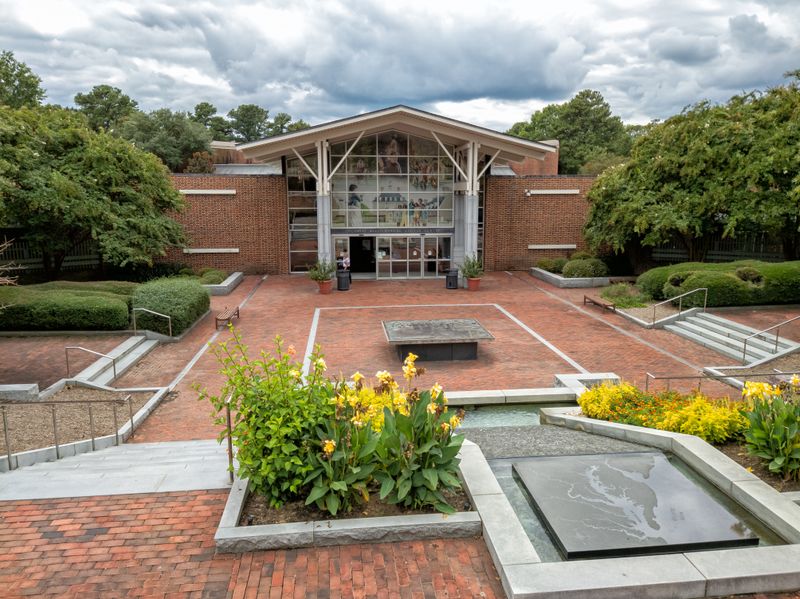
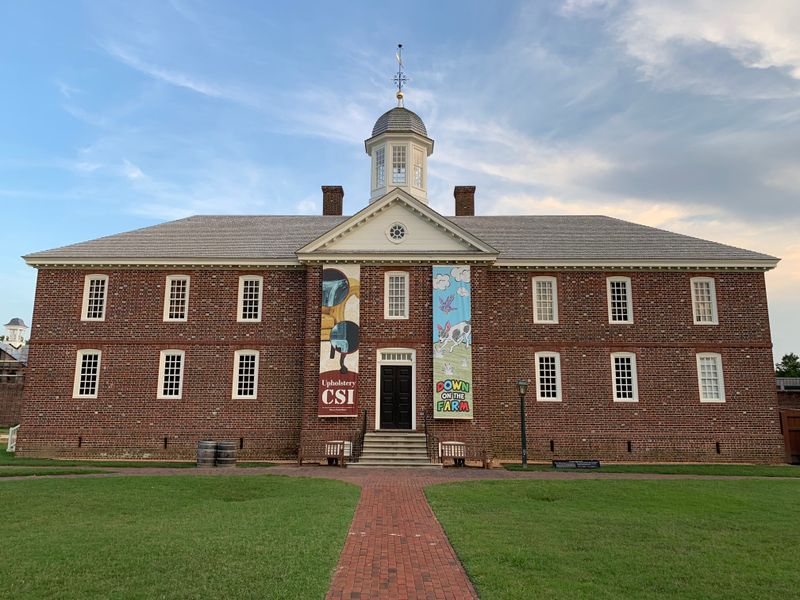
Not everyone realizes that Colonial Williamsburg includes outstanding art museums with collections that rival major institutions. The DeWitt Wallace Decorative Arts Museum and the Abby Aldrich Rockefeller Folk Art Museum offer fascinating explorations of American artistic traditions, and admission is completely free.
The DeWitt Wallace Museum focuses on British and American decorative arts from the seventeenth through nineteenth centuries. You’ll see exquisite furniture, silver, ceramics, textiles, and more, many pieces connected to Virginia’s colonial history.
The craftsmanship is stunning, revealing the artistry behind everyday objects.
The Folk Art Museum presents a completely different aesthetic, celebrating the creativity of self-taught artists. Colorful paintings, whimsical sculptures, and inventive creations demonstrate that artistic expression flourishes everywhere, not just in formal studios.
It’s joyful, surprising, and often deeply moving.
Both museums offer special programs, talks, and hands-on activities throughout the year. During holidays, programs like the Toy Making workshop let visitors create colonial-era games and toys to take home.
These interactive experiences add extra value and create tangible connections to historical crafts.
The museum spaces themselves are beautifully designed, with climate-controlled galleries that protect the collections while providing comfortable viewing environments. After walking the outdoor historic area, the museums offer a welcome climate-controlled break where you can rest your feet while feeding your mind.
Don’t skip these cultural gems just because they’re free. They’re genuinely world-class and add tremendous depth to your Colonial Williamsburg experience.
Multi-Day Passes Let You Explore at Your Own Pace
Trying to see Colonial Williamsburg in a single day is like trying to read War and Peace during a lunch break. Technically possible, but you’ll miss so much richness and detail.
Multi-day passes are the smart move, giving you time to explore thoroughly without rushing or feeling overwhelmed.
The historic area covers over three hundred acres with dozens of original and reconstructed buildings, multiple museums, working trade shops, and countless programs happening throughout each day. Even dedicated history buffs need at least two or three days to really experience everything.
Annual passes offer incredible value, especially if you catch them during Black Friday sales when prices drop significantly. For barely more than a single-day ticket, you get unlimited access for an entire year.
That’s perfect for locals or anyone planning multiple visits.
Having multiple days lets you explore different aspects of colonial life. Spend one day focused on political history at the Capitol and Governor’s Palace.
Dedicate another to trades and crafts. Reserve time for museums and special programs.
This layered approach creates deeper understanding and prevents museum fatigue.
The flexibility is wonderful. You can start early one day and sleep in the next.
Take long breaks for meals or rest without worrying about wasting ticket time. Return to favorite spots or catch programs you missed.
Your trip becomes an immersive experience rather than a frantic checklist sprint. Colonial Williamsburg rewards slow, thoughtful exploration, so give yourself the time this incredible place deserves.
Convenient Visitor Center Simplifies Your Experience
Start your Colonial Williamsburg adventure at the Visitor Center located at 101 Visitor Center Dr, Williamsburg, VA 23185. This modern facility serves as your gateway to the eighteenth century, providing everything you need for a smooth, well-planned visit.
Inside, friendly staff at the Information Desk answer questions, provide orientation, and help you plan your day based on your interests and time available. They’ll explain the different ticket options, show you maps, and highlight current special programs and events.
Their insider knowledge can dramatically improve your experience.
The Visitor Center also houses ticket offices where you can purchase admission if you haven’t bought online. You’ll receive physical passes and printed maps showing building locations, shop hours, and daily program schedules.
Having this information in hand makes navigation much easier once you’re in the historic area.
Shuttle buses run regularly between the Visitor Center and the historic district, covering about a third of a mile. The ride is quick and convenient, though the walk itself is pleasant if weather cooperates.
The path is well-maintained and landscaped beautifully, offering a gradual transition from modern world to colonial times.
Before heading to the historic area, take advantage of the Visitor Center’s facilities including restrooms, a gift shop, and places to grab snacks. Getting oriented here sets you up for success and helps you maximize your time exploring.
Think of it as base camp before your historical expedition into one of Virginia’s most treasured destinations.
Dear Reader: This page may contain affiliate links which may earn a commission if you click through and make a purchase. Our independent journalism is not influenced by any advertiser or commercial initiative unless it is clearly marked as sponsored content. As travel products change, please be sure to reconfirm all details and stay up to date with current events to ensure a safe and successful trip.
