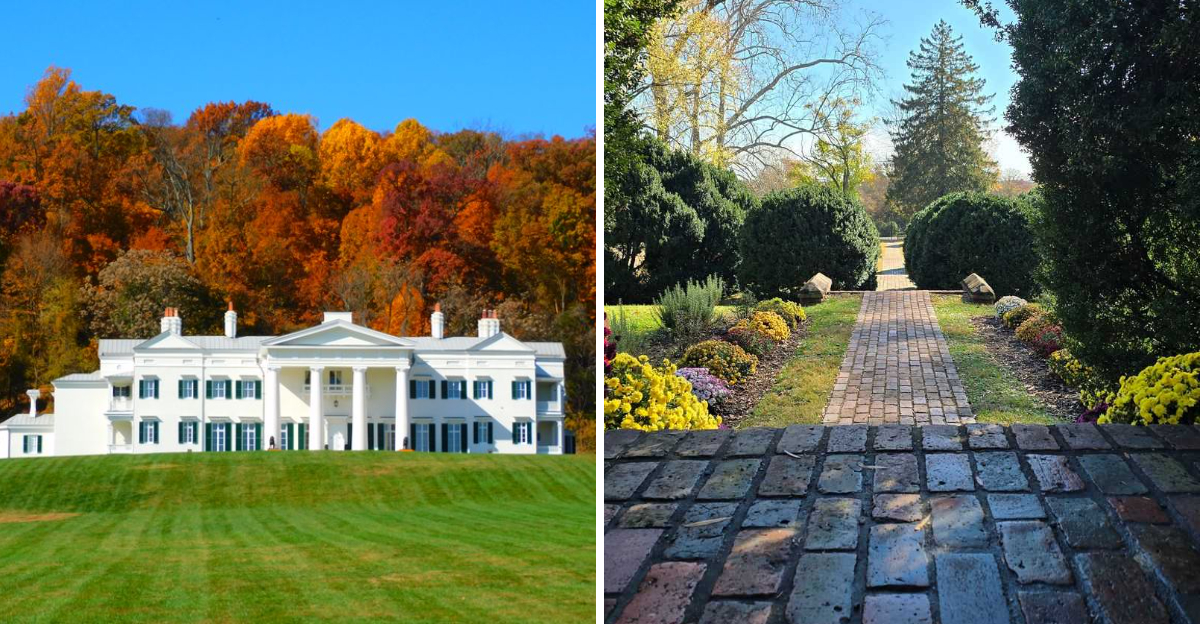
Think grand estates are just pretty buildings with nice gardens? Think again.
Morven Park in Leesburg tells a much deeper story about power, privilege, and the way money shaped entire communities in Virginia. This sprawling property wasn’t just a home; it was a statement, a symbol of influence that stretched across social circles and political landscapes.
From its perfectly manicured gardens to its carriage collection, every corner of this estate reveals how the wealthy crafted their public image and left their mark on history. Ready to see how the other half lived and what their legacy really means today?
The Governor’s Mansion That Defined Political Power
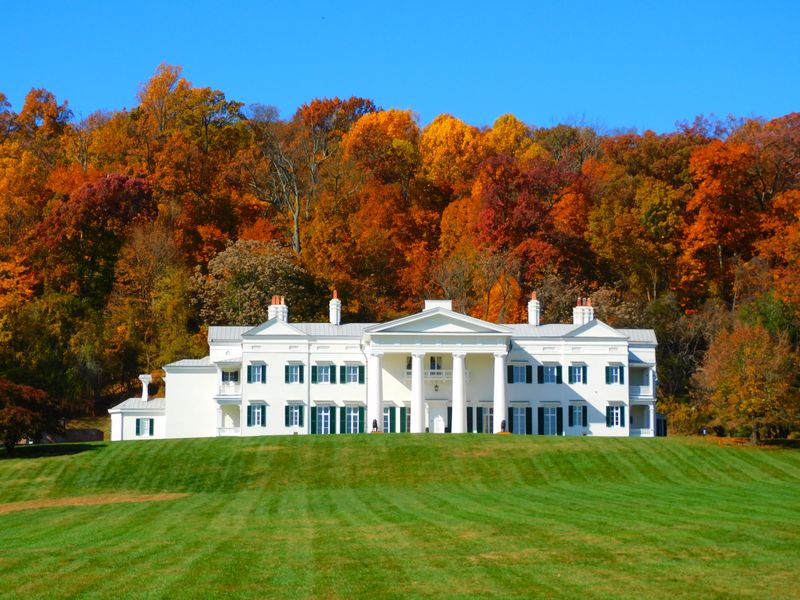
Westmoreland Davis didn’t just own Morven Park; he transformed it into a power hub during his time as Virginia’s governor during World War I. The mansion became more than a residence.
It served as a backdrop for political decisions that affected thousands of lives across the state.
Walking through the rooms today, you’ll notice something unusual. The furnishings remain exactly as Davis left them, creating a time capsule effect that most historic homes can’t offer.
This preservation happened because the family simply walked away, leaving everything intact.
The architecture itself speaks volumes about wealth and status. Grand columns, expansive rooms, and intricate details weren’t just about aesthetics.
They communicated authority and permanence to anyone who visited.
Located at 17339 Southern Planter Lane in Leesburg, the estate covers roughly a thousand acres. That’s not a typo.
The sheer size demonstrates how land ownership equaled influence in Virginia’s social hierarchy. Every room, every corridor tells stories about how political figures used their homes to project power and shape their public personas during a transformative era in American history.
Boxwood Gardens as Status Symbols
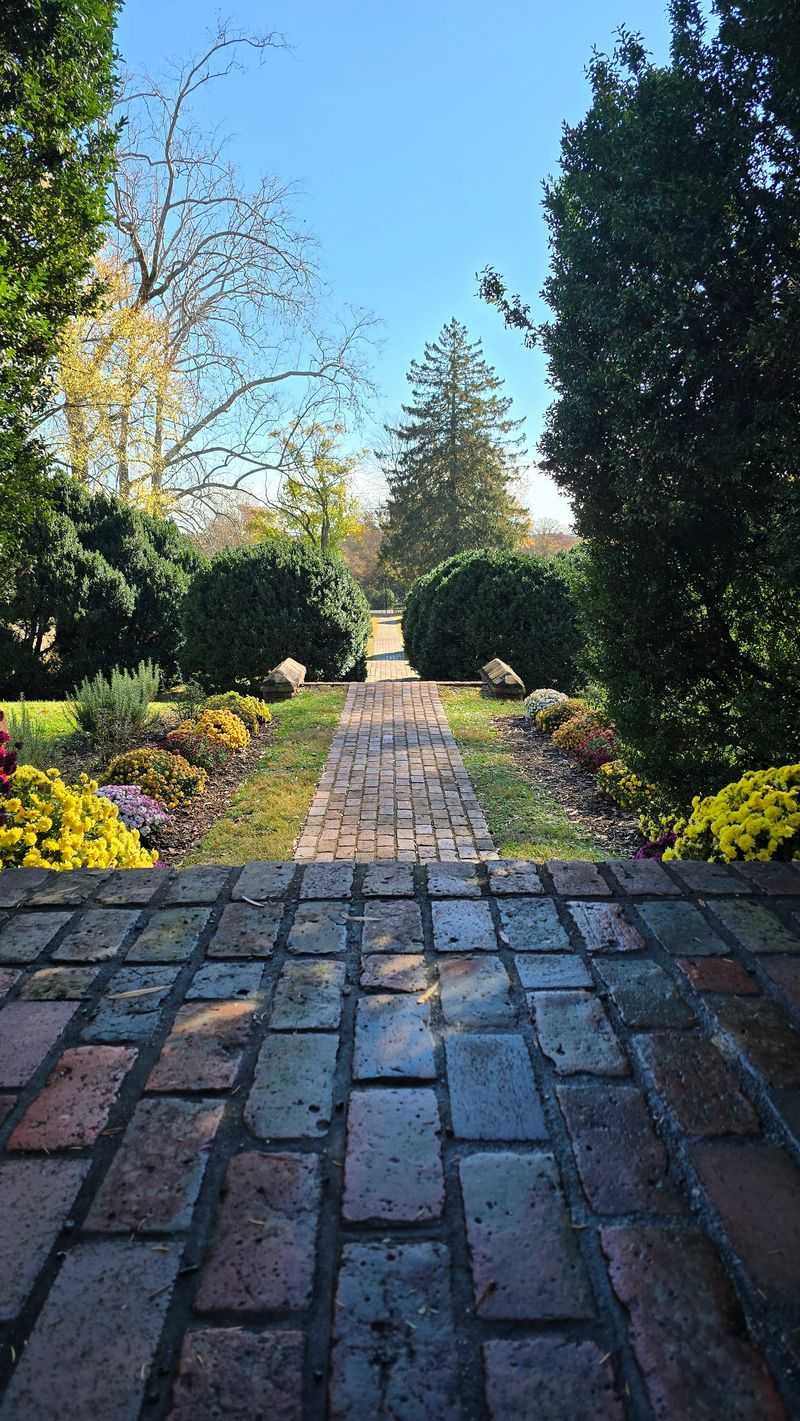
Gardens weren’t just pretty spaces for wealthy families. They represented control over nature itself, a luxury only the privileged could afford.
At Morven Park, the boxwood gardens showcase this philosophy perfectly, even though some sections have grown wild over time.
Creating and maintaining such elaborate landscapes required constant labor and significant financial resources. Wealthy estate owners hired teams of gardeners to keep every hedge trimmed and every path pristine.
The geometric patterns and formal designs followed European traditions, connecting American wealth to old-world aristocracy.
These gardens served practical social functions too. They provided elegant settings for outdoor gatherings where political alliances formed and business deals took shape.
Walking these paths meant entering exclusive circles where influence changed hands.
Today’s slightly overgrown boxwoods tell an interesting story about changing times. The imperfect maintenance reflects how even grand estates must adapt when the era of abundant household staff ends.
Yet the bones of the original design remain visible, reminding visitors how landscape architecture functioned as another tool for displaying wealth and cultivating a specific social identity among Virginia’s elite families.
The Carriage Museum and Transportation Prestige
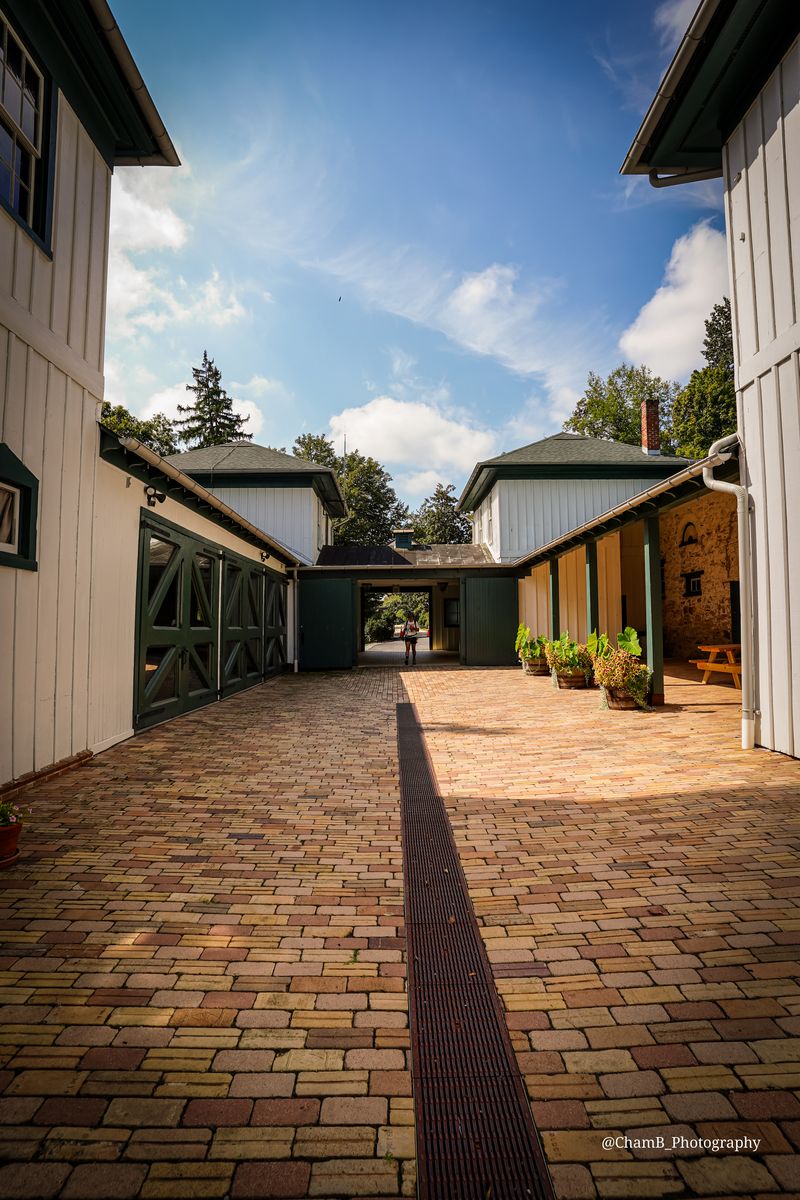
Before luxury cars signaled wealth, carriages did the job spectacularly well. Morven Park houses one of the most comprehensive carriage collections you’ll find anywhere, and each vehicle tells stories about social hierarchies and personal branding.
Owning multiple carriages wasn’t just practical; it was essential for maintaining status. Different occasions demanded different vehicles, much like wealthy people today might own several cars for various purposes.
A formal dinner required one type, while country outings called for another.
The craftsmanship on display is staggering. Intricate metalwork, fine leather upholstery, and custom paint jobs transformed functional transportation into moving works of art.
These weren’t mass-produced items; skilled artisans spent months creating each piece.
The collection also reveals how wealth connected to technological advancement. Early adopters of new carriage designs showed they had both money and forward-thinking sensibilities.
This pattern continued throughout history as the wealthy consistently used transportation choices to signal their place in society. The museum preserves these vehicles beautifully, offering visitors a tangible connection to how mobility and social status intertwined long before modern highways existed.
Equestrian Culture and Elite Recreation
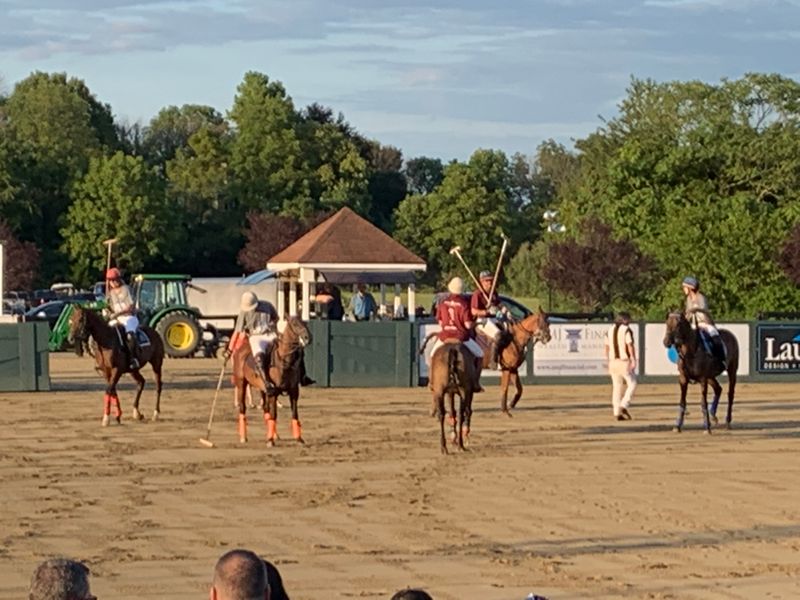
Horses represented the ultimate status symbol for centuries, and Morven Park continues this tradition as a premier equestrian center. The facilities here aren’t casual riding spaces; they host world-class events that attract competitors from across the country.
Equestrian sports have always required substantial financial investment. Quality horses cost fortunes, training demands years of dedication, and maintaining proper facilities runs expensive.
Only wealthy families could participate fully in this world, creating exclusive social circles around horse culture.
The estate hosts eventing, dressage, and show jumping competitions throughout the year. Summer brings polo matches, perhaps the most elite equestrian sport imaginable.
These events serve dual purposes: they’re competitive athletic showcases and social gatherings where networking happens naturally.
Understanding this equestrian focus reveals how wealthy families used recreational activities to reinforce their identity. Participating in these sports wasn’t just about enjoyment; it signaled membership in a particular class.
The tradition continues today, though modern equestrian culture has become somewhat more accessible. Still, walking the grounds during a competition offers clear insights into how recreational choices historically divided social classes and created communities based on shared affluence and leisure time.
Architectural Details That Broadcast Wealth
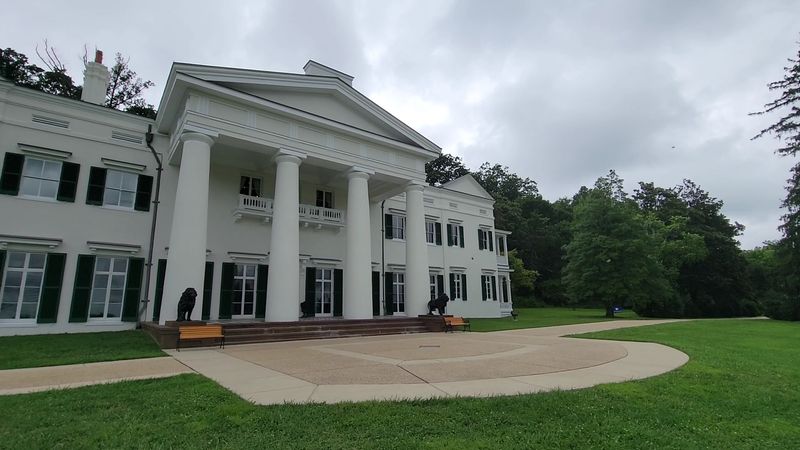
Look closely at Morven Park’s architectural elements, and you’ll notice nothing happened by accident. Every molding, every window placement, every material choice communicated something specific about the owners’ wealth and taste.
Importing expensive materials from distant locations showed both financial capacity and worldly sophistication. Marble from Italy, hardwoods from exotic locations, and custom metalwork all required connections and resources beyond most people’s reach.
These choices weren’t just aesthetic; they were calculated displays of economic power.
The scale of rooms matters too. Oversized spaces weren’t necessary for daily living; they existed to impress visitors and host large social gatherings.
High ceilings, expansive windows, and grand staircases all served to make guests feel the weight of their surroundings.
Skilled craftsmen spent countless hours creating the detailed woodwork and plasterwork visible throughout the mansion. This level of customization separated wealthy homes from ordinary buildings where standardized elements predominated.
Original furnishings remain in place, offering rare authenticity. Most historic homes display period-appropriate pieces from various sources, but here you see exactly what the Davis family chose, revealing their personal taste within the broader context of wealth-driven design.
The Grounds as Private Kingdom
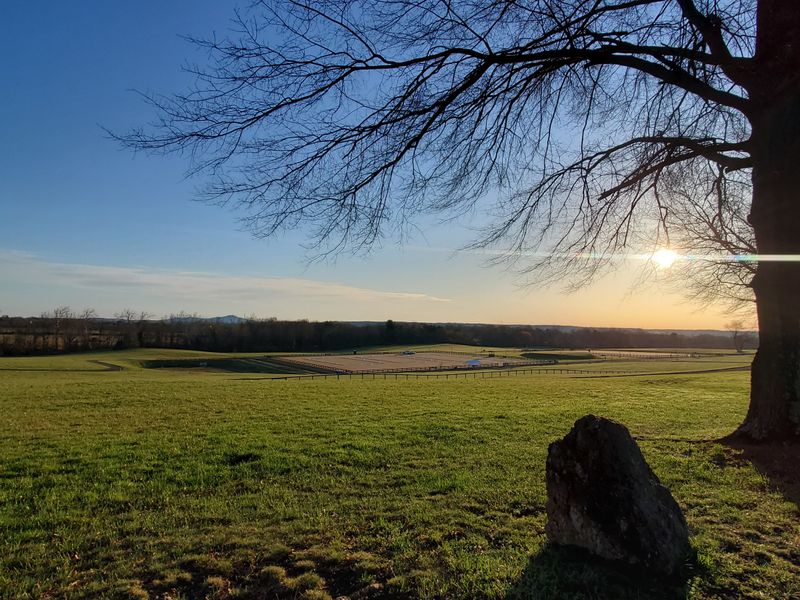
Owning a thousand acres in Leesburg wasn’t just about having space; it created a private world where wealthy families controlled everything within their boundaries. Morven Park’s vast grounds demonstrate how land ownership translated directly into power and independence.
Multiple trails wind through forests and fields, offering visitors today what once served as private walking paths for the Davis family and their guests. These weren’t public parks; they were personal domains where the wealthy could escape without ever leaving their property.
The scale allowed for diverse activities all within estate boundaries. Hunt clubs, riding trails, formal gardens, and working farms could coexist without crowding.
This self-sufficiency represented the ultimate luxury: never needing to venture into public spaces for recreation or resources.
Maintaining such extensive grounds required substantial staff, creating a miniature economy where the estate owner functioned as employer and landlord for numerous families. This dynamic reinforced social hierarchies daily, with clear divisions between owners and workers.
Walking the trails now, especially the Ridge Top Trail with its challenging terrain, offers perspective on just how much land one family controlled and how that physical dominance shaped community relationships throughout Leesburg.
Servant Quarters and Hidden Labor
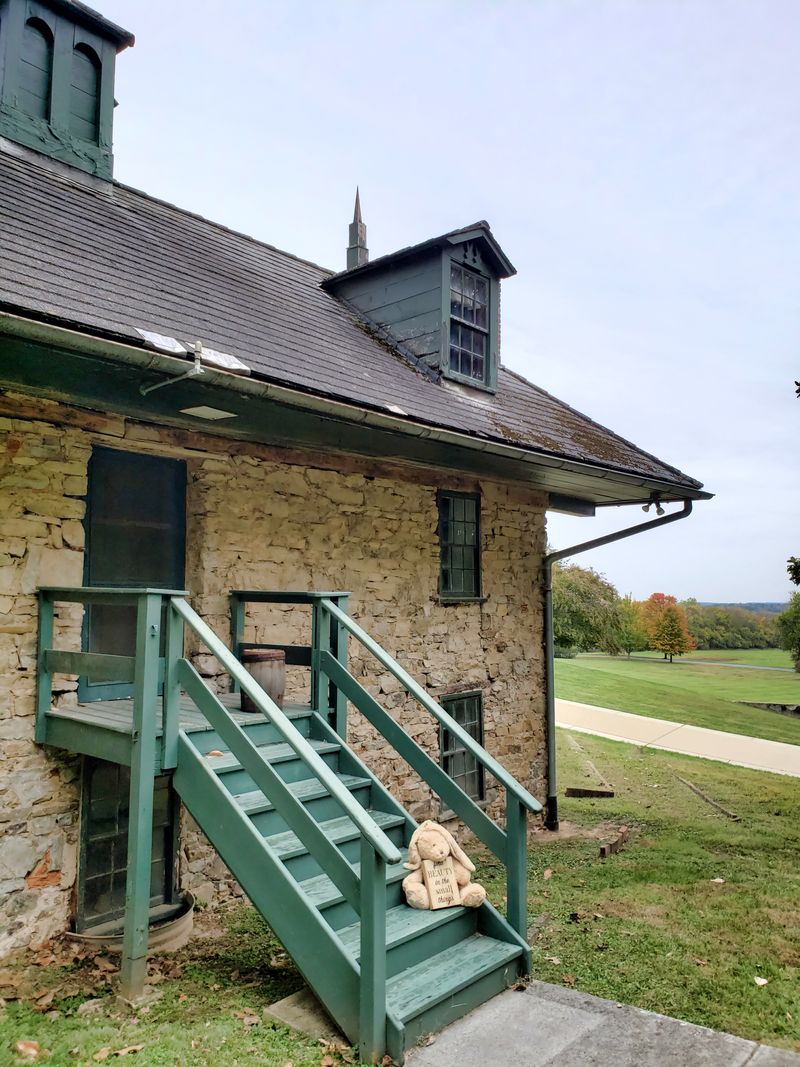
Behind every grand estate stood an invisible workforce making luxury possible. Morven Park preserves the servants’ house, offering rare glimpses into lives that sustained wealthy families but rarely appeared in official histories or family portraits.
These quarters reveal stark contrasts with the main mansion. Simpler construction, smaller rooms, and basic amenities show the clear division between owners and workers.
Yet these spaces were permanent, indicating stable employment that provided security within rigid social structures.
Domestic service jobs created complicated relationships. Servants knew intimate details of family life while maintaining professional distance.
They possessed valuable skills but limited economic mobility. This dynamic shaped community structures throughout Virginia, with servant families often working for the same wealthy households across generations.
Understanding this hidden labor force changes how we view estate grandeur. Every elegant dinner party required kitchen staff, every pristine garden needed constant tending, every polished surface meant someone’s daily work.
The preserved quarters force visitors to acknowledge that wealth and identity weren’t just about what families owned but about the human labor they commanded. This aspect of estate life often gets glossed over, but Morven Park’s commitment to showing all buildings honestly addresses this historical reality.
Event Hosting and Social Networking

Wealthy families didn’t just live at their estates; they used them as stages for social theater. Morven Park’s various spaces offered perfect settings for events that mixed pleasure with strategic relationship building.
Hosting large gatherings required specific infrastructure. Ample parking, multiple restrooms, and spaces that could accommodate hundreds of guests weren’t standard features.
Having these capabilities meant the estate could serve as a community hub for the wealthy class, positioning the owners as central social figures.
Modern events at Morven Park continue this tradition. The Harry Potter Forbidden Forest Experience attracted huge crowds, while weddings and equestrian competitions bring diverse groups to the grounds.
These contemporary uses echo historical patterns where estates functioned as venues for community gathering among specific social circles.
The strategic value of event hosting shouldn’t be underestimated. Political discussions happened at dinner parties, business partnerships formed during hunt club outings, and marriages between wealthy families began at estate gatherings.
Controlling the venue meant controlling the guest list and shaping conversations. This social infrastructure reinforced existing power structures while appearing to simply offer hospitality.
The tradition of using private estates for public-facing events reveals how wealth created influence beyond just financial assets.
Museums as Legacy Management
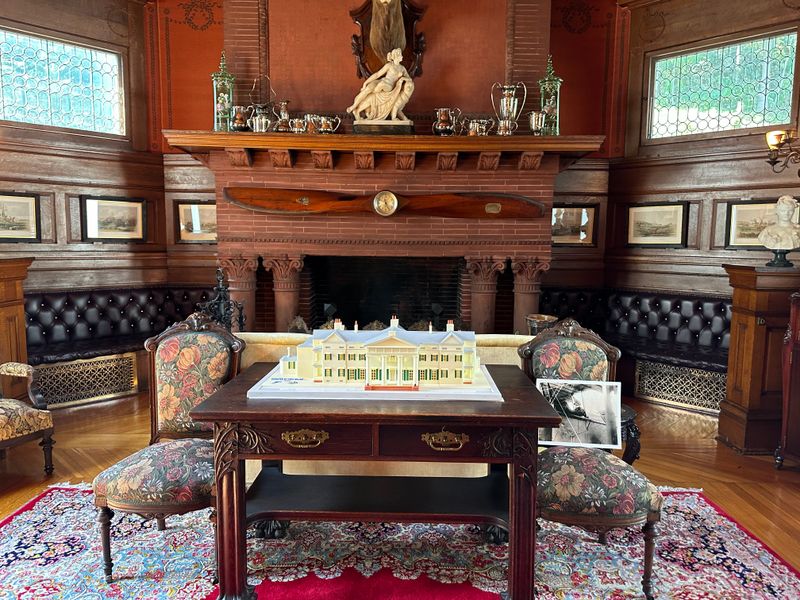
Converting private estates into museums represents a specific choice about legacy and public memory. Morven Park’s transformation into a public space raises questions about how wealthy families wanted to be remembered and what stories get preserved.
Museums created from estates often emphasize architectural beauty and refined taste while downplaying economic exploitation or political controversies. The narrative focus on elegance and history can sanitize more complex realities about how wealth accumulated and what it cost communities.
Yet public access democratizes spaces that once excluded most people. Walking through rooms where governors made decisions or viewing collections assembled through immense wealth offers educational value.
Visitors gain understanding about historical social structures that shaped modern communities.
The mansion tours at Morven Park provide genuine historical insight, with guides sharing information about Davis’s governorship and the estate’s role in Virginia history. The preservation of original furnishings offers authenticity rare in historic homes.
This commitment to accuracy, even when it reveals less flattering aspects of wealth and power, makes the museum valuable for understanding how elite identity formation affected broader society. The choice to maintain the estate as an educational resource rather than selling it for development represents one way wealthy families attempt to shape their historical legacy.
Public Access and Changing Attitudes

Morven Park opens daily to the public, representing a dramatic shift from its origins as an exclusive private domain. This accessibility reflects changing attitudes about wealth, privilege, and who deserves access to beautiful spaces and cultural resources.
Free admission to the grounds removes economic barriers that once defined who could experience such landscapes. Families picnic where wealthy guests once gathered, children play on lawns designed for formal entertaining, and hikers explore trails that served as private recreation areas.
This democratization matters.
However, the estate’s location in Leesburg and its history still connect to ongoing conversations about wealth and access in Virginia. The region continues to house affluent communities, and understanding historical wealth patterns helps contextualize modern economic disparities.
Visitors from Alexandria and beyond make the short drive to experience this piece of Virginia history, drawn by high ratings and diverse attractions. The estate’s popularity on platforms and through events like the Harry Potter experience shows how historic sites adapt to remain relevant.
Yet this adaptation raises questions about preservation versus commercialization. Balancing public access, historical education, and financial sustainability challenges all institutions managing wealthy estates.
Morven Park’s approach offers one model for how these spaces can serve contemporary communities while acknowledging their complicated origins.
Dear Reader: This page may contain affiliate links which may earn a commission if you click through and make a purchase. Our independent journalism is not influenced by any advertiser or commercial initiative unless it is clearly marked as sponsored content. As travel products change, please be sure to reconfirm all details and stay up to date with current events to ensure a safe and successful trip.
