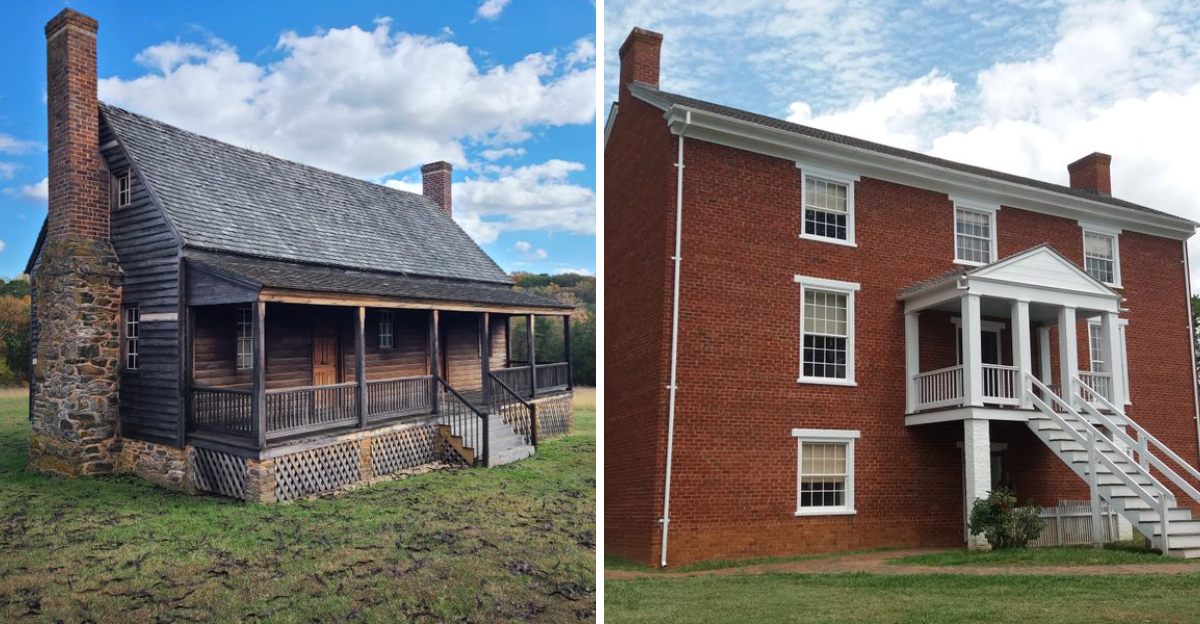
Can a single house hold the weight of an entire nation’s turning point? Some say Appomattox Court House is hallowed ground where America found peace, while others argue it represents a painful chapter that still divides us today.
Nestled in the rolling hills of central Virginia, this National Historical Park preserves the village where General Robert E. Lee surrendered to General Ulysses S.
Grant, effectively ending the Civil War. But visiting this place sparks more than just history lessons.
It ignites conversations about memory, tradition, and how we tell the stories that shaped us.
Walking these grounds feels like stepping into a time capsule frozen in the spring of eighteen sixty-five. The restored buildings, the quiet meadows, and the echoes of a nation torn apart create an atmosphere that’s equal parts solemn and inspiring.
Virginia’s landscape here is gentle and unassuming, yet it holds stories that still stir strong feelings and fierce debates about what it all means today.
The McLean House Where History Changed Course
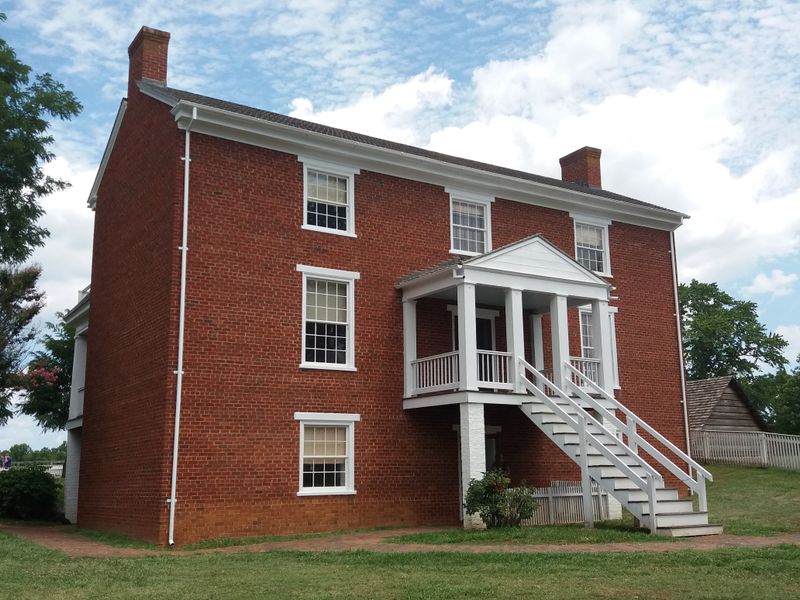
Standing before the McLean House feels like touching the very pulse of American history. This two-story brick home witnessed one of the most significant moments in our nation’s story when two generals sat down in the front parlor to negotiate peace.
Wilmer McLean’s residence became the unlikely stage for surrender, and today visitors can walk through the same rooms where terms were discussed and signed.
Park rangers bring the scene to life with vivid storytelling that makes you feel like you’re eavesdropping on that fateful afternoon. The furniture inside has been carefully recreated to match the original pieces, down to the small marble-topped table where the surrender document rested.
Every detail matters here, from the wallpaper patterns to the positioning of chairs.
But opinions swirl around this place like autumn leaves. Some visitors describe it as sacred ground where reconciliation began, while others see it as a monument to a cause that shouldn’t be celebrated.
The tension between these perspectives hangs in the air, making every tour both educational and emotionally charged.
Located at 111 National Park Dr, Appomattox, VA 24522, the McLean House stands as the centerpiece of the park. Its walls have absorbed countless conversations, debates, and reflections from visitors trying to make sense of what happened here and what it means for us now.
Ranger-Led Programs That Bring the Past to Life
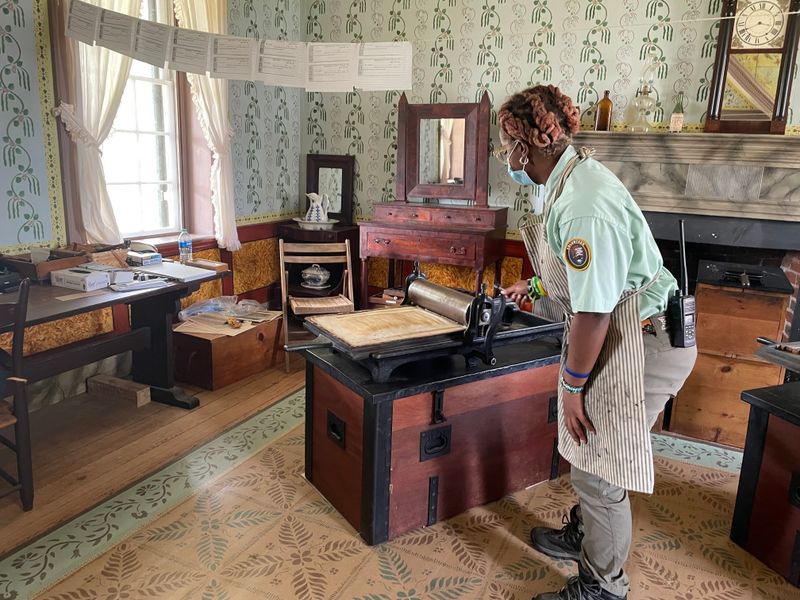
Forget everything you think you know about boring history lectures. The rangers at Appomattox Court House National Historical Park are basically time-traveling storytellers who make the past jump off the pages and into your imagination.
Their passion for this place is contagious, and their knowledge runs deeper than any textbook could ever capture.
These dedicated interpreters don’t just recite facts. They weave narratives that help you understand the human side of surrender, the complexity of the soldiers’ experiences, and the weight of decisions made in those final days of conflict.
One ranger might discuss military strategy while another focuses on the lives of enslaved people who lived and worked in the village.
Living history demonstrations add another layer of authenticity to your visit. Costumed interpreters portray various historical figures, offering first-person accounts that make you reconsider everything you thought you understood about this period.
Their performances spark questions and sometimes uncomfortable conversations about perspective and memory.
Many visitors specifically mention rangers by name in their reviews, praising individuals like Mr. Norvell and Abe for presentations that left lasting impressions. These programs are included with your visit, and they transform a simple walk through old buildings into an immersive educational experience that challenges your assumptions.
The Reconstructed Village That Tells Multiple Stories
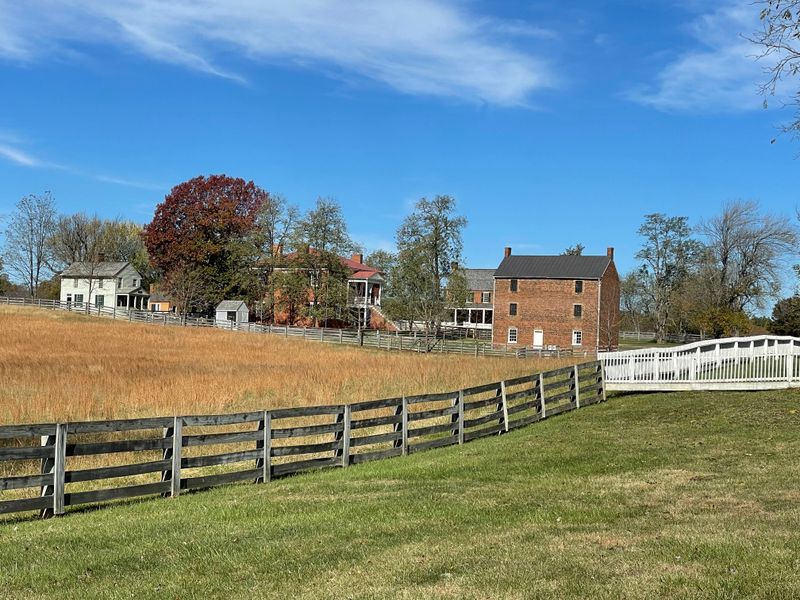
Appomattox Court House isn’t just one building. It’s an entire preserved village that recreates life as it existed during that pivotal moment in history.
Walking the grounds means encountering multiple structures, each with its own tale to tell about the people who lived, worked, and witnessed history unfold here.
The Clover Hill Tavern served as a gathering place where Confederate soldiers received their parole papers after the surrender. Today its porch hosts living history presentations that draw crowds and spark lively discussions.
The courthouse building now functions as the visitor center, offering exhibits and a film that sets the stage for your exploration.
Other structures include a general store, a law office, and various homes that housed ordinary citizens caught in extraordinary circumstances. Some buildings are original, while others have been carefully reconstructed based on historical documentation.
This mix of authentic and recreated structures sometimes frustrates visitors who expect everything to be original, but it also demonstrates the park’s commitment to telling a complete story.
The village layout helps you understand how a small community became ground zero for national reconciliation. Yet it also raises questions about what gets preserved and how we choose to remember.
Not everyone agrees on the interpretation, making every corner of this village a potential conversation starter about tradition and memory.
The Visitor Center That Sets the Stage
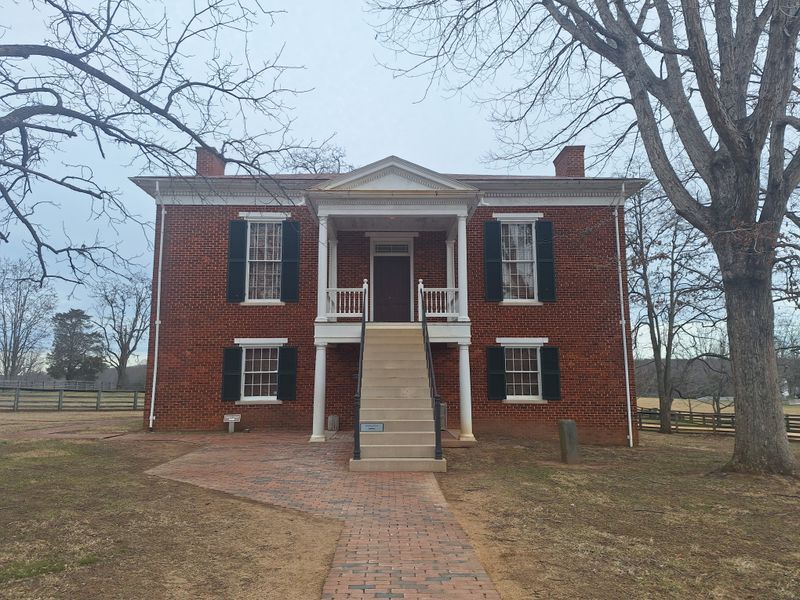
Begin your journey at the visitor center housed in the historic courthouse building. This starting point provides essential context that helps you understand what you’re about to experience.
Skip it at your own risk, because the orientation film and exhibits lay crucial groundwork for interpreting everything else you’ll encounter.
The short documentary film offers an overview of the events leading to the surrender and its aftermath. Watching it before exploring the grounds makes the buildings and landscapes come alive with meaning.
The film doesn’t shy away from complexity, presenting multiple perspectives on what the surrender meant to different groups of people.
Inside the visitor center, you’ll find displays covering military campaigns, personal stories, and the political landscape of the era. One particularly powerful exhibit focuses on African Americans’ experiences during this period, both as enslaved people and as soldiers fighting for their freedom.
This section generates strong reactions from visitors who appreciate seeing these often-overlooked narratives given prominence.
Rangers stationed at the visitor center answer questions and help you plan your route through the park. They can point you toward specific areas based on your interests, whether you’re most curious about military history, civilian life, or the broader social implications of the war’s end.
Their guidance ensures you make the most of your time here.
Walking Trails Through Contested Memory
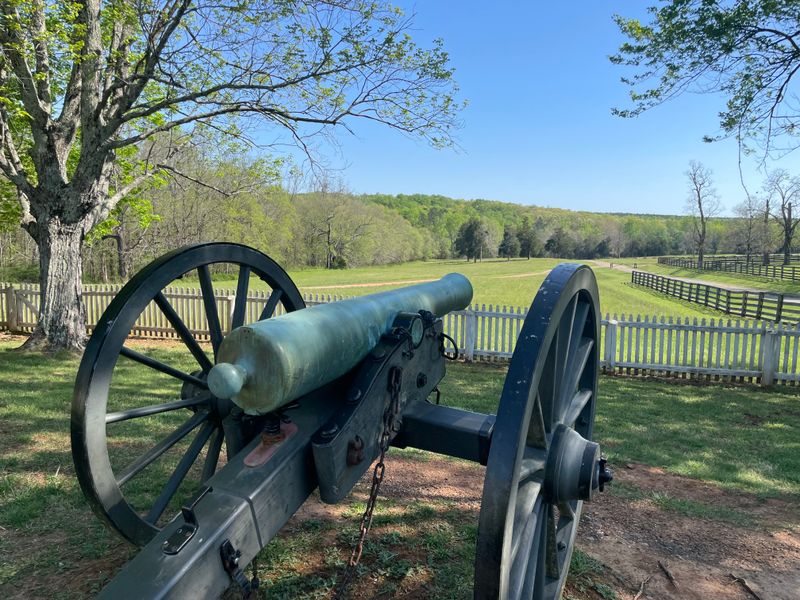
Lace up your comfortable shoes because exploring Appomattox Court House means covering some serious ground. The park features walking paths that connect the various buildings and lead you through meadows and along fence lines that have witnessed more than a century and a half of American history.
These trails aren’t particularly challenging physically, but they’re emotionally rich. As you walk from the visitor center to the McLean House and beyond, you’re literally following in the footsteps of soldiers who marched these same routes.
Interpretive signs along the way provide context and pose thought-provoking questions about memory and meaning.
Spring and summer transform the landscape into a wildflower wonderland that contrasts sharply with the heavy history surrounding you. Wildlife thrives here too, with deer, birds, and other creatures going about their business oblivious to the human drama that unfolded generations ago.
This natural beauty creates an unexpected backdrop for contemplating war and peace.
Some paths lead to quieter corners of the park where you can reflect without crowds. Others bring you to high-traffic areas where you’ll overhear snippets of conversation revealing how differently people interpret what they’re seeing.
The physical act of walking through this landscape becomes a meditation on how we navigate difficult history together.
The Surrender Triangle and Its Symbolic Weight
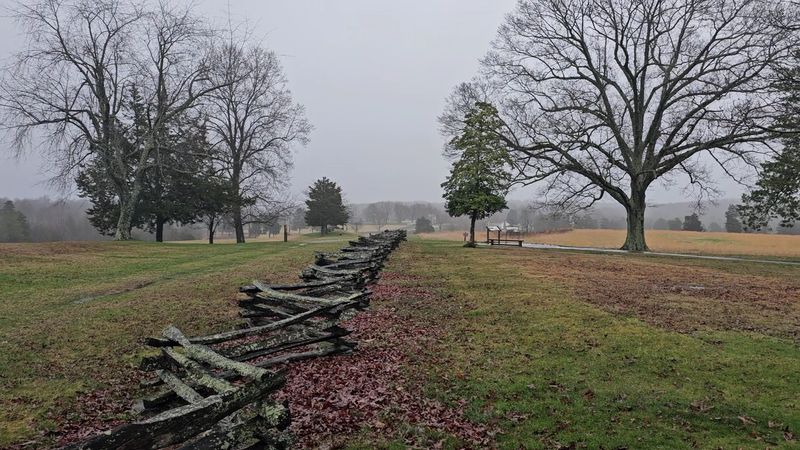
Geography matters at Appomattox Court House, and nowhere is this more evident than at the Surrender Triangle. This open area witnessed the formal stacking of arms and furling of flags as Confederate soldiers officially laid down their weapons.
Standing in this space, you can almost hear the silence that must have fallen as exhausted men acknowledged their defeat.
The triangle’s simplicity belies its emotional power. It’s just an open field, really, but knowing what transpired here transforms it into something much more significant.
Park interpreters sometimes stage demonstrations here, showing how the surrender ceremonies unfolded and explaining the surprisingly generous terms Grant offered Lee’s army.
Visitors react to this spot in vastly different ways. Some see it as a place where dignity was preserved even in defeat, pointing to Grant’s decision to let Confederate soldiers keep their horses and sidearms.
Others view it as the final gasp of a rebellion fought to preserve slavery, and they question whether such moments deserve commemoration at all.
The debates that happen here reflect broader American conversations about how we remember our past. Should we honor the courage of soldiers on both sides, or does that risk glorifying an unjust cause?
The Surrender Triangle doesn’t answer these questions, but it certainly raises them in ways that make visitors think deeply and sometimes disagree passionately.
Exhibits on African American Experiences
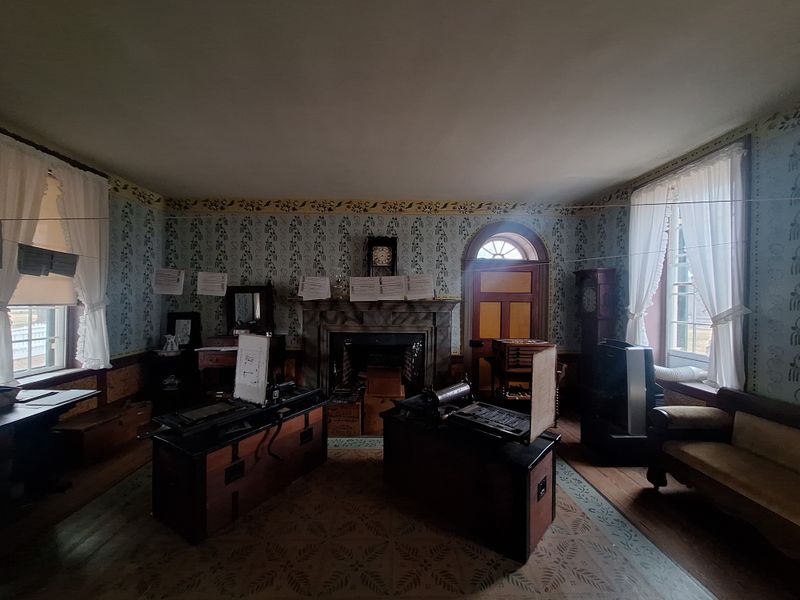
One of the most important and conversation-sparking aspects of Appomattox Court House is its growing commitment to telling the full story of the Civil War, including the experiences of enslaved people and Black soldiers. Recent years have brought increased attention to these narratives, which were long overlooked or minimized in traditional historical interpretations.
A dedicated exhibition room focuses specifically on African Americans’ roles during this period. You’ll learn about individuals who lived in the Appomattox area, those who served in the Union army, and the complex process of emancipation that followed the war’s end.
These displays challenge visitors to think beyond the generals and battles to consider the broader human stakes of the conflict.
The park has also committed to restoring the slave quarters that were shamefully converted into restrooms for many years. This restoration project represents a meaningful step toward honoring the dignity of those who were enslaved here.
Visitors frequently mention their anticipation of seeing this important work completed, recognizing it as a necessary correction to how the site has been interpreted.
These exhibits and preservation efforts generate strong positive reactions from many visitors who appreciate the more inclusive approach to history. They represent an evolving understanding of what stories deserve to be told and how public spaces can better serve as places of learning rather than selective memory.
The Gift Shop and Its Role in Memory-Making
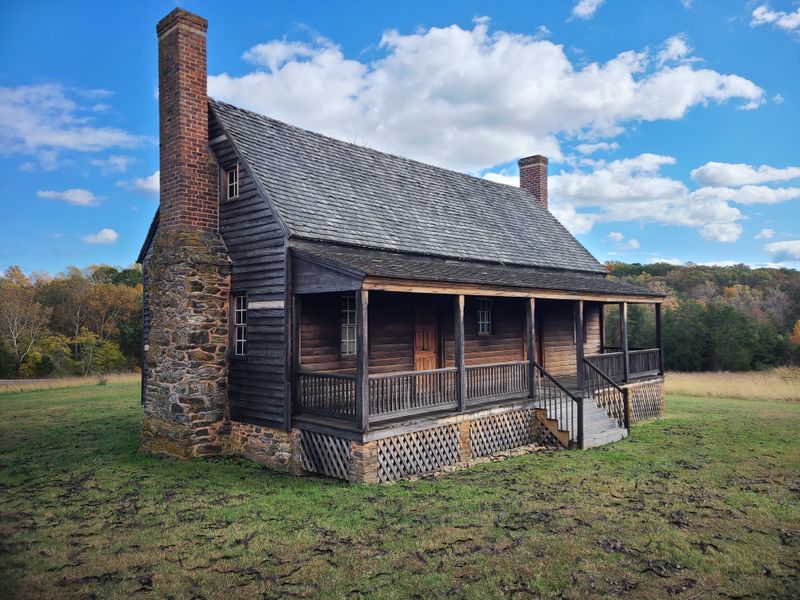
Even the gift shop at Appomattox Court House becomes a site where tradition and interpretation collide. This isn’t your typical souvenir stand filled with generic trinkets.
Instead, it offers carefully curated books, educational materials, and items that reflect the complex history preserved here.
Browsing the shelves reveals the ongoing debates about how we remember the Civil War. You’ll find scholarly works examining the conflict from multiple angles, children’s books that introduce young readers to this history, and reproductions of period items that help you imagine daily life in the era.
The selection itself tells a story about what knowledge the park wants to make accessible.
Some visitors specifically mention the gift shop as a highlight, noting its quality offerings and the helpfulness of staff members who can recommend resources based on your interests. Others might wonder about the ethics of commercializing such a solemn site.
These reactions reflect broader questions about how we balance education, commemoration, and tourism.
The shop also serves as a fundraising mechanism that supports the park’s preservation and educational programs. Purchasing items here directly contributes to maintaining the site for future generations.
This practical reality adds another layer to thinking about how we sustain historical sites and ensure they remain accessible while respecting their significance and the diverse perspectives people bring to them.
Accessibility Challenges and Ongoing Improvements
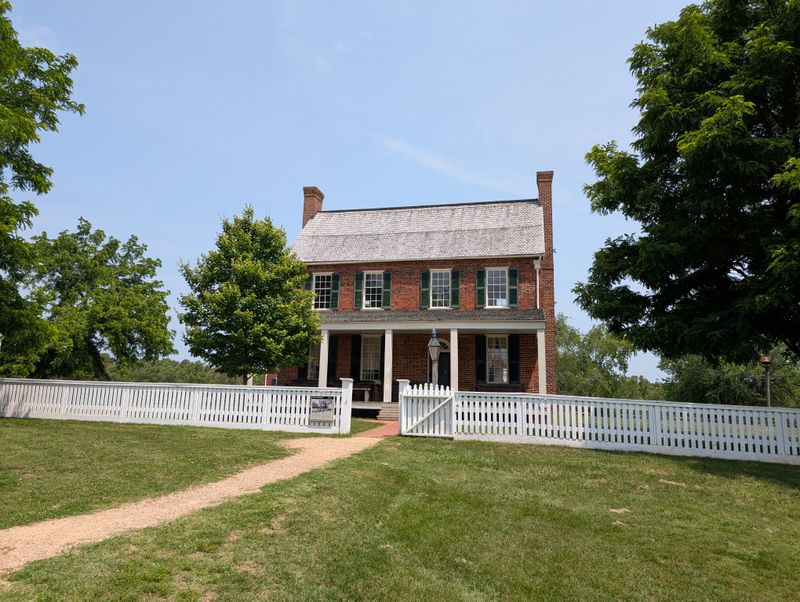
Honesty matters when discussing historical sites, and Appomattox Court House has some real accessibility challenges that visitors with mobility issues need to know about. The historic nature of the buildings and grounds means that not everything can easily accommodate wheelchairs, walkers, or other mobility devices.
Some visitors have noted frustration with uneven terrain and limited ramps.
The gift shop stands out as the only building with a proper ramp, which highlights how preservation sometimes conflicts with modern accessibility standards. Historic structures weren’t built with universal access in mind, and retrofitting them requires careful balancing of historical integrity with the rights of all visitors to experience these important sites.
Despite these challenges, many visitors with disabilities still rate their experiences highly, praising the staff for their helpfulness and willingness to accommodate individual needs. Rangers and volunteers go out of their way to ensure that everyone can access the most important parts of the site, even if that means providing alternative ways to experience areas that aren’t physically accessible.
The park continues working on improvements, recognizing that accessibility isn’t just about compliance but about ensuring that all Americans can connect with their shared history. These ongoing efforts reflect changing expectations about what public spaces should offer and who gets to participate fully in exploring our national story.
Progress may be slow, but the commitment is genuine.
Dear Reader: This page may contain affiliate links which may earn a commission if you click through and make a purchase. Our independent journalism is not influenced by any advertiser or commercial initiative unless it is clearly marked as sponsored content. As travel products change, please be sure to reconfirm all details and stay up to date with current events to ensure a safe and successful trip.
