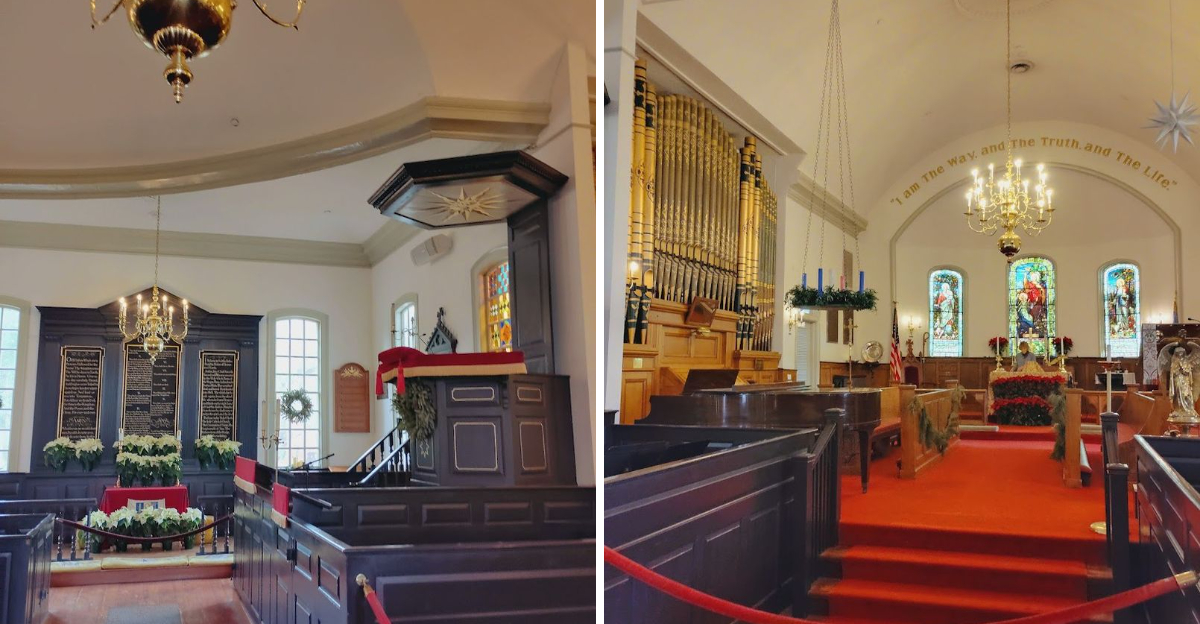
Step inside this modest church and the past feels suddenly immediate. This is where a gathering of uneasy colonists heard words that would echo far beyond the room itself.
Virginia is full of historic landmarks, yet few carry the same weight as this one. Before the Revolutionary War took shape, Patrick Henry stood here and delivered a speech that challenged fear and demanded action.
The moment still lingers in the air, as if the walls remember every word. Walking through the space today, it’s impossible not to feel the gravity of what happened here and the lasting impact it set in motion.
The Speech That Shook a Nation
Patrick Henry did not whisper his way into history. On March 23, 1775, he stood before the Second Virginia Convention and delivered words so charged with conviction that the room reportedly fell into stunned silence when he finished. “Give me liberty, or give me death!” Those six words became the rallying cry of a revolution.
The speech was not a casual address. Henry was arguing that Virginia needed to commit its militia to the fight against British rule.
Delegates included some of the most powerful men in colonial America, including George Washington and Thomas Jefferson. The stakes could not have been higher.
What makes visiting the site so powerful is that the original building still stands. You can sit in the same pews, look at the same walls, and feel the weight of that moment pressing down through the centuries.
Virginia has no shortage of Revolutionary landmarks, but nothing else in the state puts you this close to the actual heartbeat of American independence.
A Church Built Before America Was America
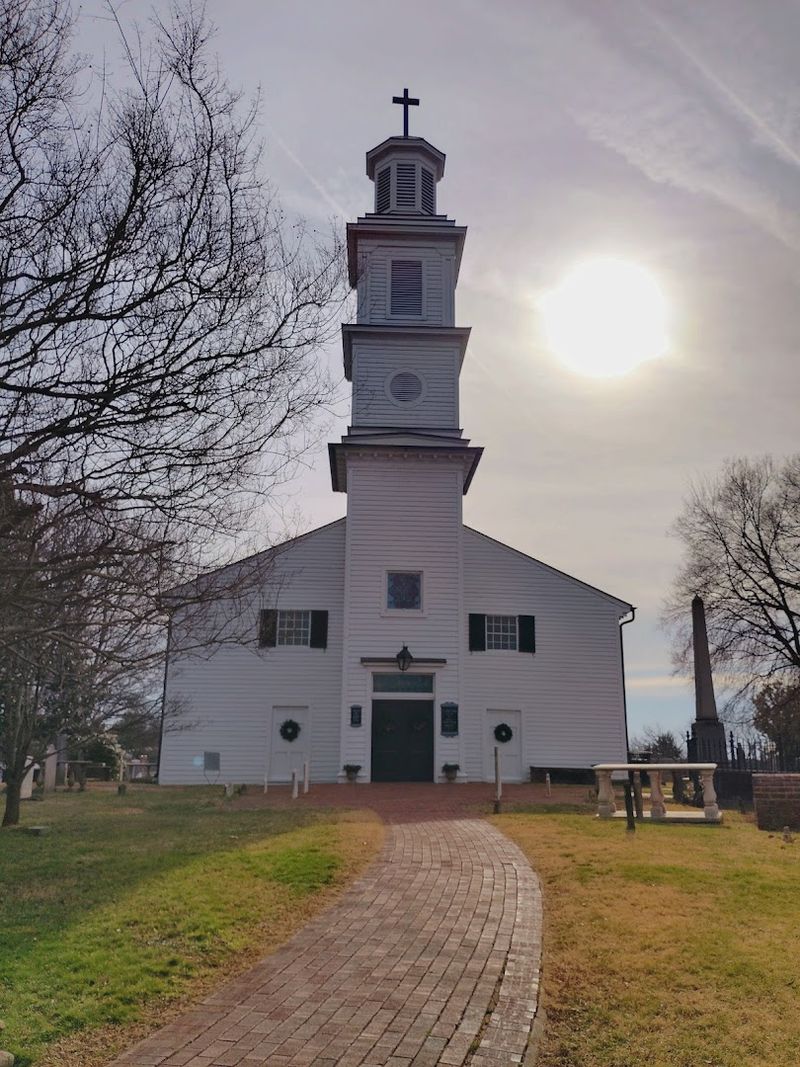
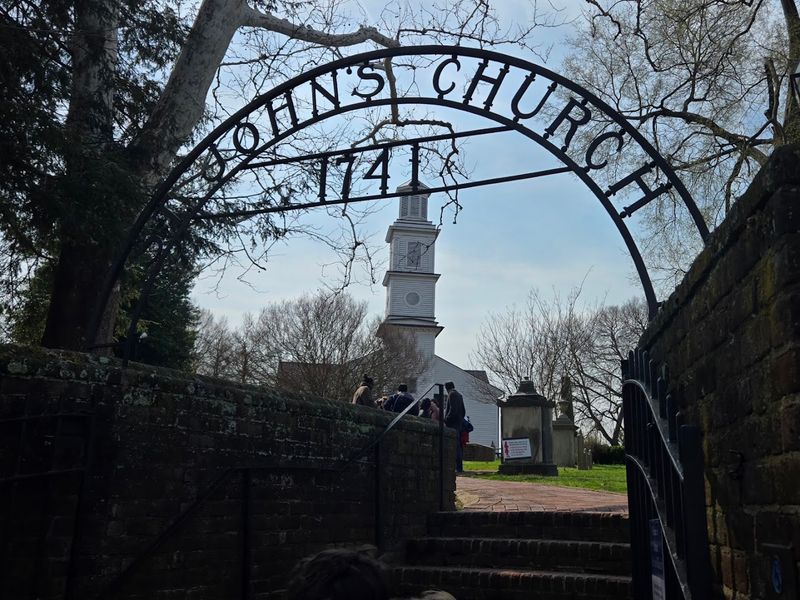
Few buildings in the United States can claim the kind of age that Historic St. John’s Church carries so gracefully. Built in 1741, this sturdy brick structure predates the American Revolution by more than three decades.
When it went up on Church Hill, Richmond as a city barely existed.
The church served as the largest building in Richmond during the 1770s, which is exactly why the Second Virginia Convention chose it as their meeting place. Space was at a premium, and St. John’s could hold a crowd.
That practical decision turned a modest parish church into one of the most consequential buildings in American history.
Walking around the exterior today, the colonial architecture feels genuinely timeless. The red brick walls, the classic steeple, the simple but dignified proportions all speak to an era when craftsmanship mattered and buildings were meant to last.
Virginia takes its architectural heritage seriously, and this church is living proof that some structures deserve every bit of the care lavished on them over the years.
The Reenactments That Bring 1775 Back to Life
Imagine sitting in a centuries-old wooden pew while a man in colonial dress rises to his feet and begins speaking with the kind of controlled fury that once changed the world. The reenactments at Historic St. John’s Church are not cheesy tourist theater.
They are genuinely moving performances that pull history out of the textbooks and drop it right into your lap.
Professional actors portray the delegates of the Second Virginia Convention, including Patrick Henry, George Washington, and Thomas Jefferson. Every summer on Sunday afternoons, the church fills with an audience watching the debate unfold exactly as it did in 1775.
Select dates throughout the rest of the year offer the same experience for those who cannot make the summer schedule.
The performance is layered with political and social context that makes the speech land with full force. By the time Henry delivers his closing line, the room is electric.
My advice is to book early, arrive a few minutes ahead of time to grab a good seat, and prepare to feel something genuinely powerful in that small, extraordinary space.
The Churchyard Cemetery With Famous Residents
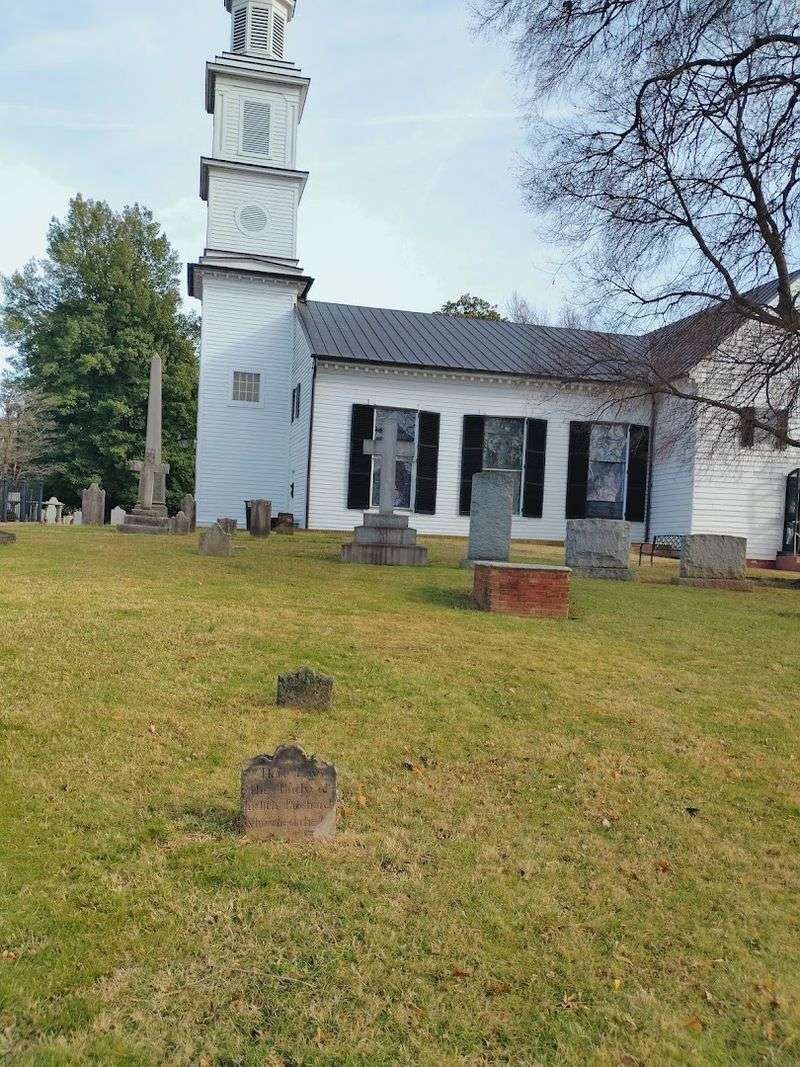
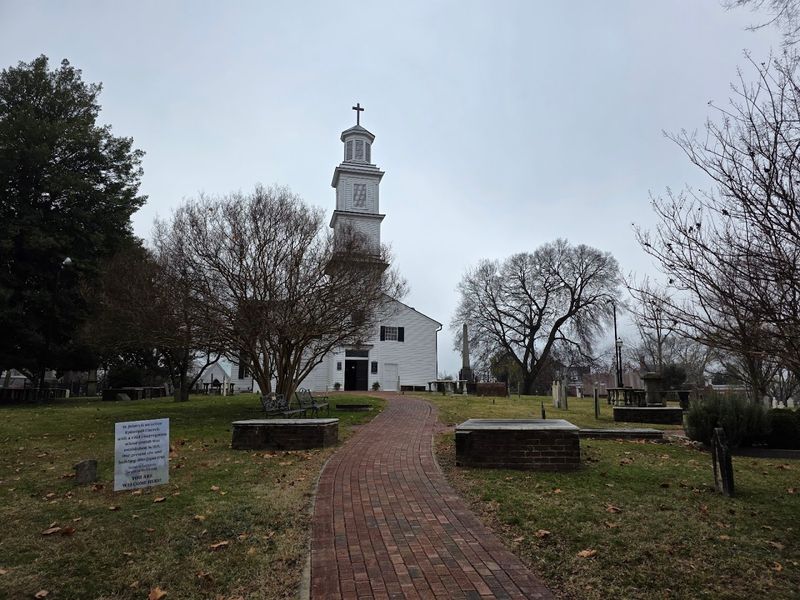
The cemetery surrounding Historic St. John’s Church is Richmond’s oldest public burial ground, and it holds more stories per square foot than almost any patch of earth in Virginia. Around 400 visible grave markers dot the grounds, each one a quiet testament to lives lived during the founding era of the United States.
Two names stand out immediately for most visitors. George Wythe, a signer of the Declaration of Independence and one of Thomas Jefferson’s most influential mentors, rests here.
Elizabeth Arnold Poe, the mother of Edgar Allan Poe, is also buried in the churchyard, adding a literary layer of intrigue to the already dense historical atmosphere.
Strolling the grounds is free and genuinely fascinating. Many of the older headstones were carved from limestone, which weathers poorly over time, leaving some inscriptions faded and poetic in their own way.
The elevation of Church Hill also rewards you with a small but lovely view of the Richmond skyline. The cemetery manages to feel peaceful and thought-provoking at the same time, which is a rare combination worth savoring slowly.
Guided Tours That Go Far Deeper Than the Brochure
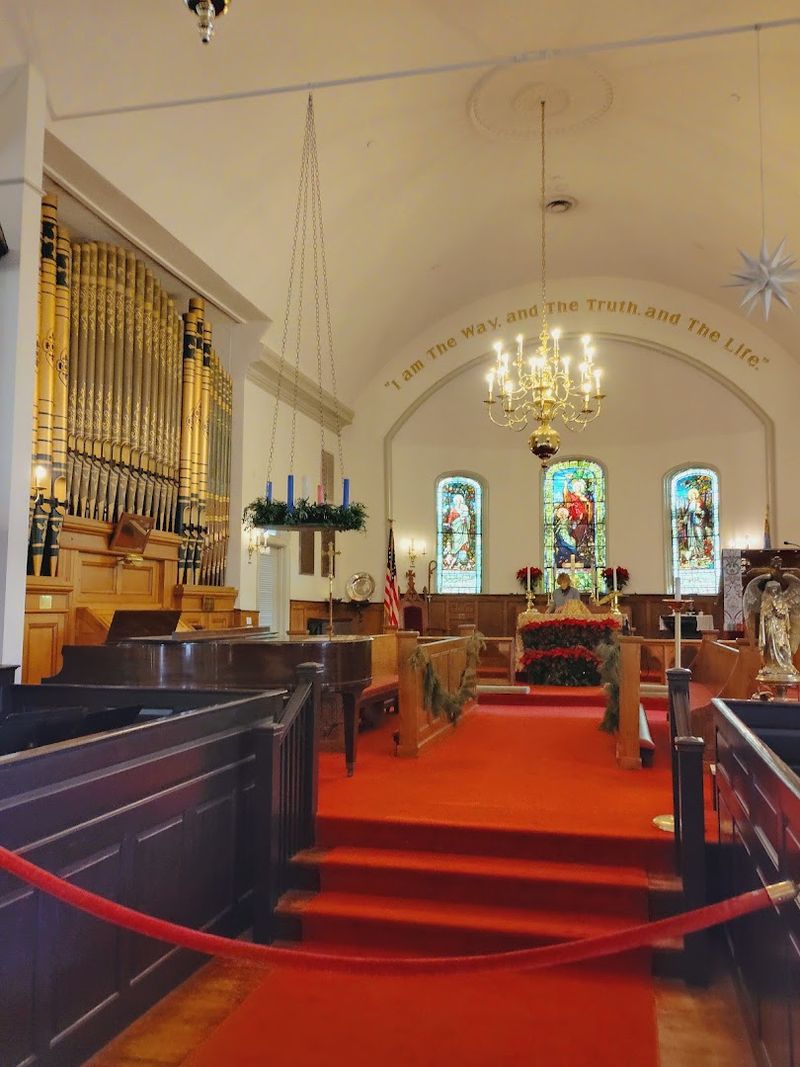
Audio tours exist at Historic St. John’s Church, but the real magic happens when a live guide takes over. The guided experience covers far more ground than most visitors expect, weaving together the founding of Richmond, the Powhatan history of the land, the construction of the church itself, and the explosive political drama of 1775.
Good guides read their audience instinctively, adjusting the depth of detail based on who is in the group. Younger visitors get an interactive experience full of questions and discoveries.
History buffs get context and nuance that goes well beyond the standard narrative. The result is a tour that feels tailored rather than rehearsed.
Standing inside the vestibule where Patrick Henry actually delivered his speech is the undeniable highlight. The guide explains the political pressure bearing down on every delegate in that room, which makes the moment Henry rose to speak feel almost unbearably tense.
Virginia history rarely gets this personal or this immediate. Plan to spend at least an hour on the full tour, and do not rush it.
Every room, every corner, and every headstone outside has something worth knowing.
The Stunning Interior That Stops You Mid-Step
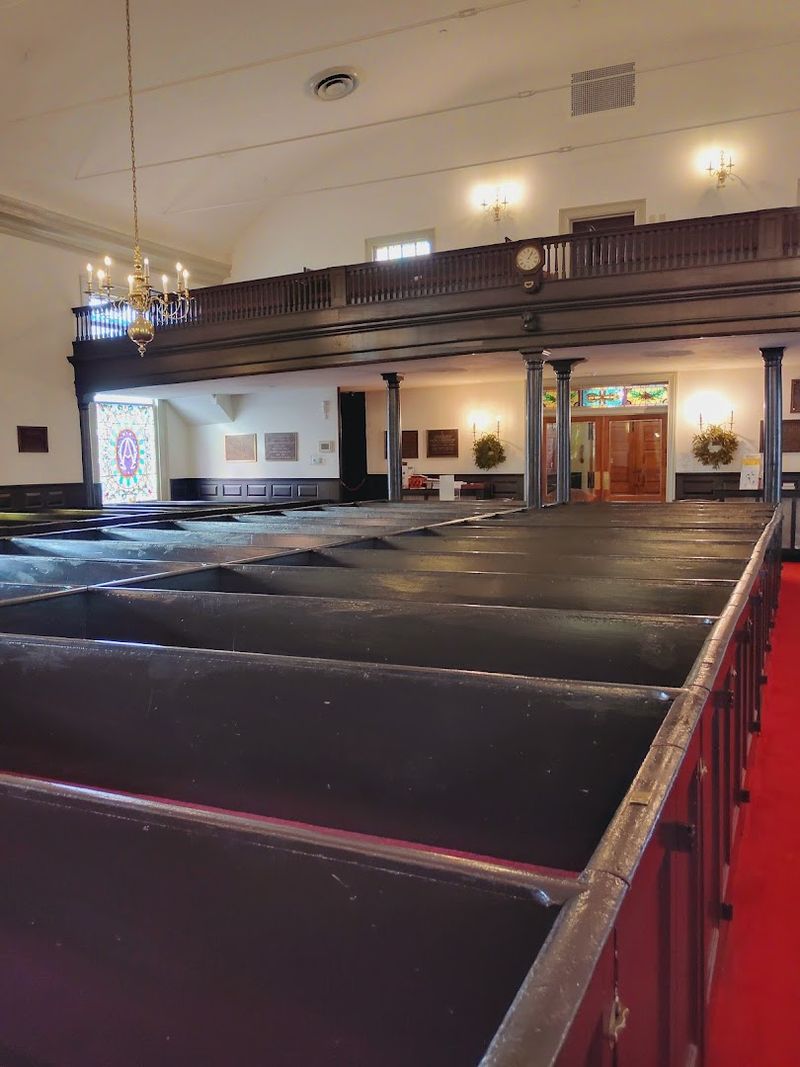
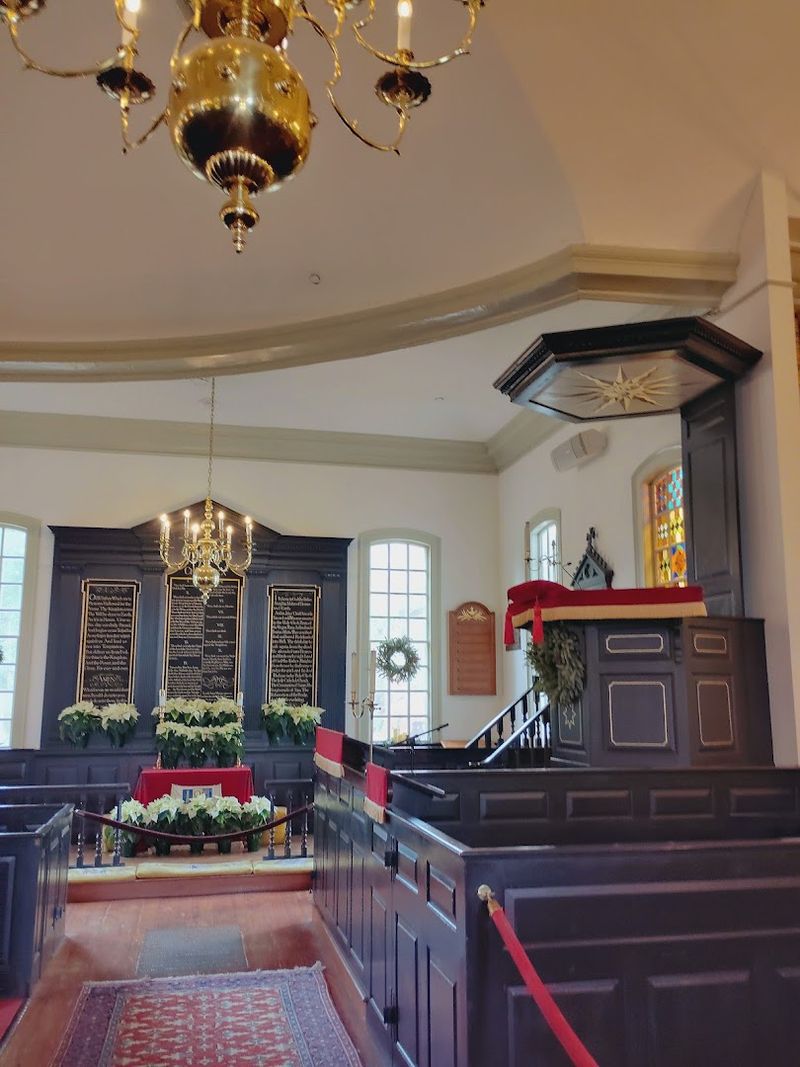
Walking into Historic St. John’s Church for the first time produces an involuntary pause. The interior is simply beautiful in the most understated, perfectly proportioned way.
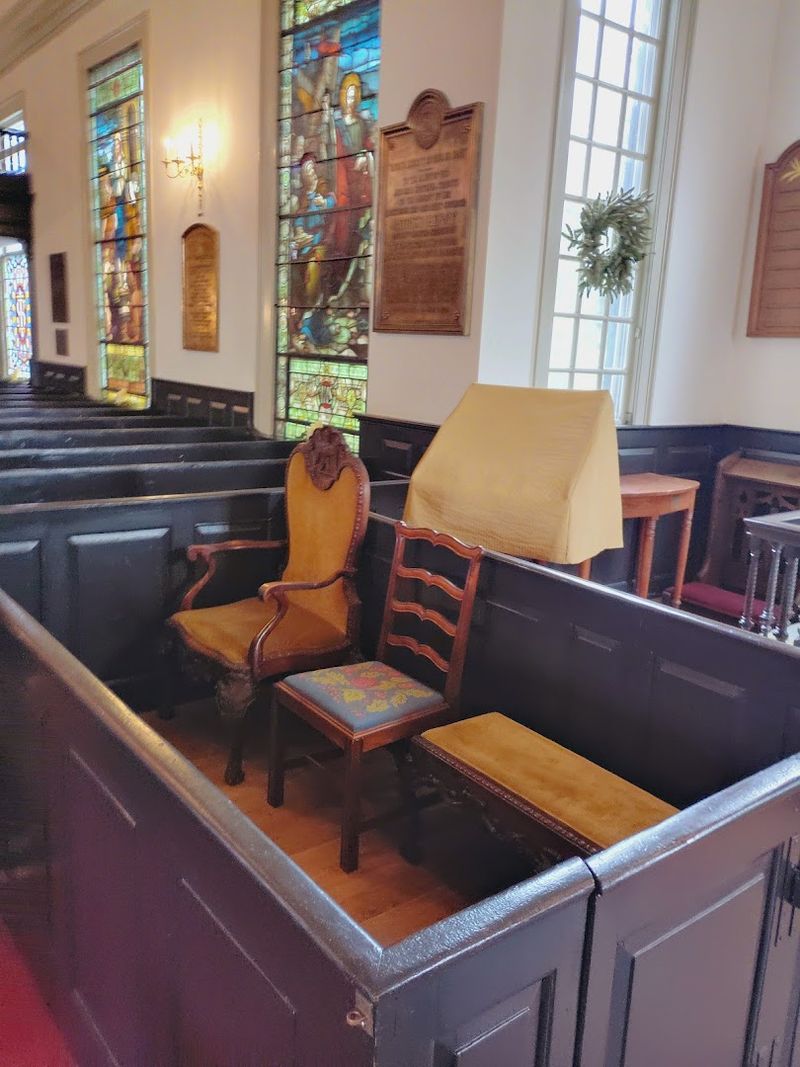
White walls bounce soft light around the space, and the wooden box pews, each one enclosed like a tiny private room, give the church a distinctive character found nowhere else in Richmond.
The stained glass windows and the mosaic positioned behind the altar are genuine showstoppers. They carry a warmth and intricacy that contrasts beautifully with the clean colonial lines of the rest of the building.
Visiting on a quiet weekday morning, with the light coming through those windows at the right angle, turns the interior into something close to magical.
The church remains an active Episcopal congregation, which adds a layer of living continuity to the historical significance. Services still happen here.
Prayers still rise from these pews. That ongoing spiritual life gives the building a presence that purely preserved museums often lack.
Virginia has extraordinary churches, but none of them carry quite the same combination of architectural beauty, active faith, and world-changing historical memory that fills every corner of this one.
Patrick Henry and the Delegates Who Changed Everything
Patrick Henry arrived at the Second Virginia Convention in March 1775 as a known firebrand, but even by his own standards, what he delivered that day was extraordinary. His argument was simple and devastating: the time for negotiation with Britain had passed, and Virginia needed to arm itself and fight.
The room was full of men who understood the gravity of the moment. George Washington sat among the delegates, as did Thomas Jefferson and Richard Henry Lee.
These were not hotheads. They were careful, deliberate thinkers who understood that choosing revolution meant risking everything they owned and everyone they loved.
Henry’s speech tipped the scales. Virginia voted to mobilize its militia, a decision that proved pivotal to the entire colonial cause.
The fact that this conversation happened in a church rather than a government hall adds a fascinating dimension to the story. Historic St. John’s Church was simply the largest available space, but that accident of geography transformed a parish building into one of the most important rooms in American history.
Few places in Virginia carry that kind of weight so quietly and so well.
Church Hill Neighborhood and the View Worth Climbing For
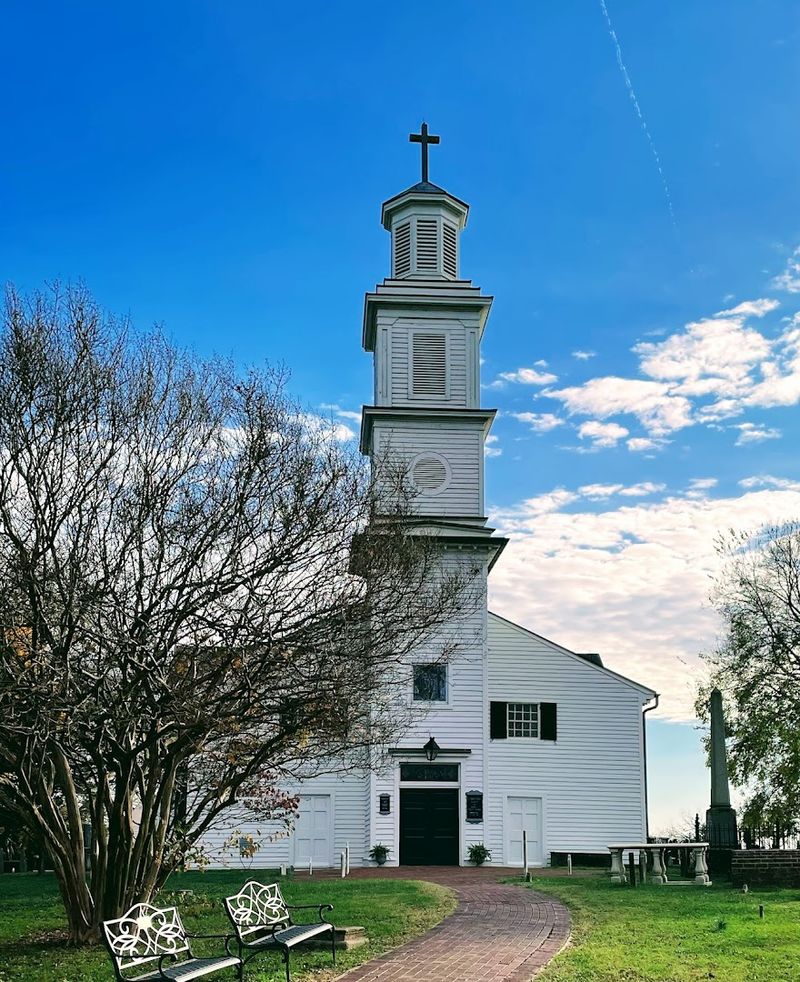
Historic St. John’s Church sits at the top of Church Hill, one of Richmond’s oldest and most atmospheric neighborhoods. Getting there already feels like stepping into another era, with tree-lined streets, restored 19th-century rowhouses, and a general sense that time moves a little differently up here.
The view from the churchyard is modest but genuinely rewarding. Richmond’s skyline peeks through the trees, offering a reminder that this ancient hilltop sits right in the middle of a living, breathing modern city.
The contrast between the weathered headstones in the foreground and the contemporary skyline behind them is quietly striking.
Church Hill itself has become one of the more interesting urban neighborhoods in Virginia, with independent shops, local eateries, and a creative community that has taken root around the historic core. After a tour of the church, wandering the surrounding blocks makes for a perfect afternoon.
The neighborhood rewards slow exploration, and the elevated perspective it offers over the rest of Richmond gives the whole visit a satisfying sense of scale and context that you simply cannot get from street level.
Planning Your Visit to This National Historic Landmark
Historic St. John’s Church holds National Historic Landmark status, which means it has been recognized at the highest possible level for its significance to American history. That designation comes with real investment in preservation and programming, and it shows in the quality of the visitor experience from the moment you arrive.
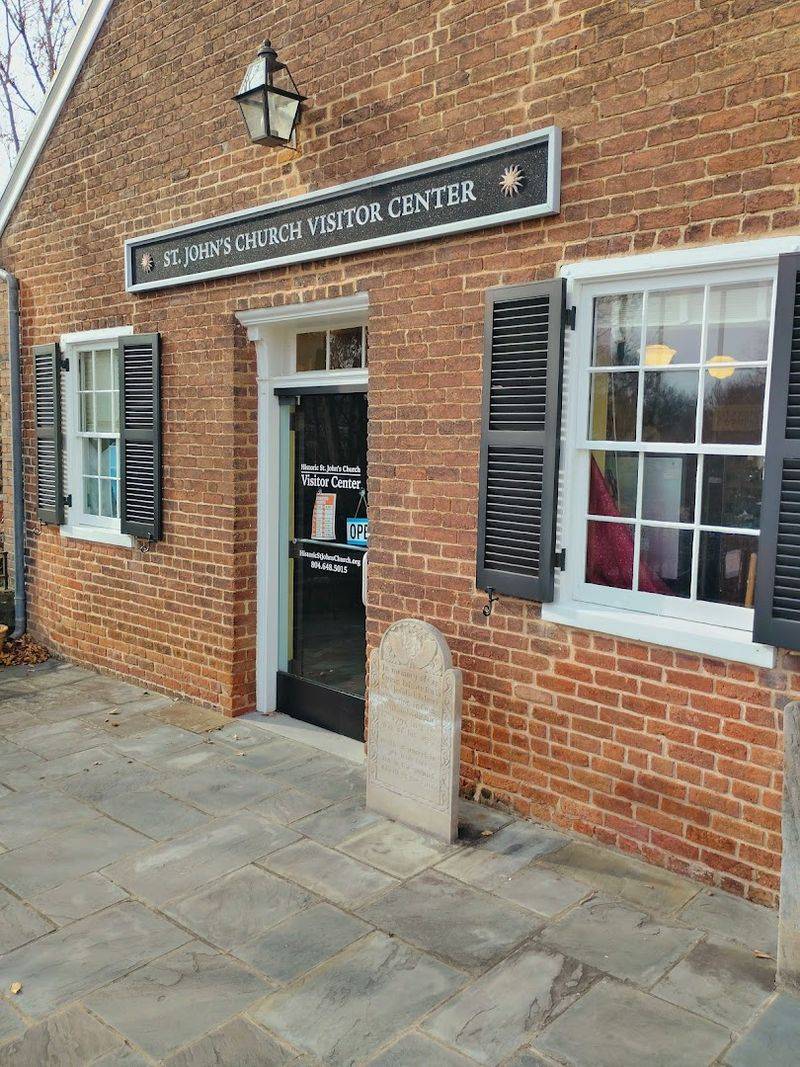
The Visitor Center is the natural starting point, stocked with books, educational materials, and knowledgeable staff who can help orient you before the tour begins. Tickets for guided tours can be purchased in advance online, which is strongly recommended during the busy summer reenactment season.
The church is open Thursday through Monday, with slightly different start times depending on the day.
Sundays in summer are the prime time to catch a full reenactment of the Second Virginia Convention, typically starting at 1:30 PM. The gift shop carries a solid selection of historically themed souvenirs at reasonable prices, making it easy to bring a piece of the story home.
For anyone planning a Richmond itinerary, this should sit near the very top of the list. The address is 2401 East Broad Street, Richmond, Virginia, and the phone number is 804-648-5015.
Why This Place Belongs on Every American History Lover’s List
Some historic sites feel like obligations. You visit because you feel you should, take a few photos, and move on.
Historic St. John’s Church is the opposite of that experience. It earns every minute of your attention and sends you away genuinely changed by what you have seen and heard.
The combination of elements here is rare. You get authentic colonial architecture that has survived nearly three centuries.
You get a cemetery full of figures who shaped early America. You get live reenactments performed with real skill and passion.
And you get the specific, undeniable spot where one of the most consequential speeches in human history was actually delivered.
Virginia is rich with places that matter, but very few of them carry the emotional and historical voltage of this one. Whether you are a lifelong history enthusiast, a curious first-time visitor, or a parent looking to give a child a genuinely unforgettable lesson in American identity, this church delivers.
Pack comfortable shoes, bring your curiosity, and give yourself more time than you think you need. You will not regret a single minute spent on top of Church Hill.
Dear Reader: This page may contain affiliate links which may earn a commission if you click through and make a purchase. Our independent journalism is not influenced by any advertiser or commercial initiative unless it is clearly marked as sponsored content. As travel products change, please be sure to reconfirm all details and stay up to date with current events to ensure a safe and successful trip.
