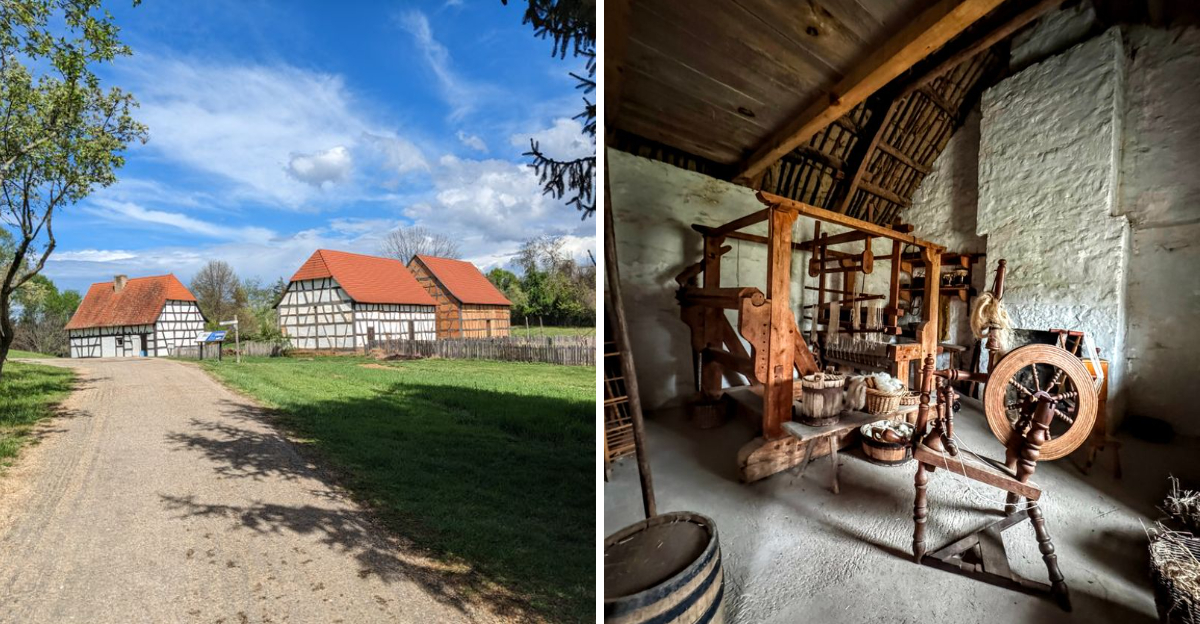
Ever wonder what life was really like for America’s earliest settlers? The Frontier Culture Museum in Staunton, Virginia, isn’t just another dusty collection of artifacts behind glass.
This place is a living, breathing time machine where you can wander through actual farmsteads, chat with costumed interpreters who know their stuff, and get your hands dirty with the same chores folks did centuries ago. Whether you’re a history buff, a curious kid, or just someone looking for an adventure that doesn’t involve staring at a screen, this outdoor museum delivers big time.
Walking Through Centuries of Immigrant Stories
Forget standing in line at crowded exhibits. Here, you’re literally walking across continents and through time.
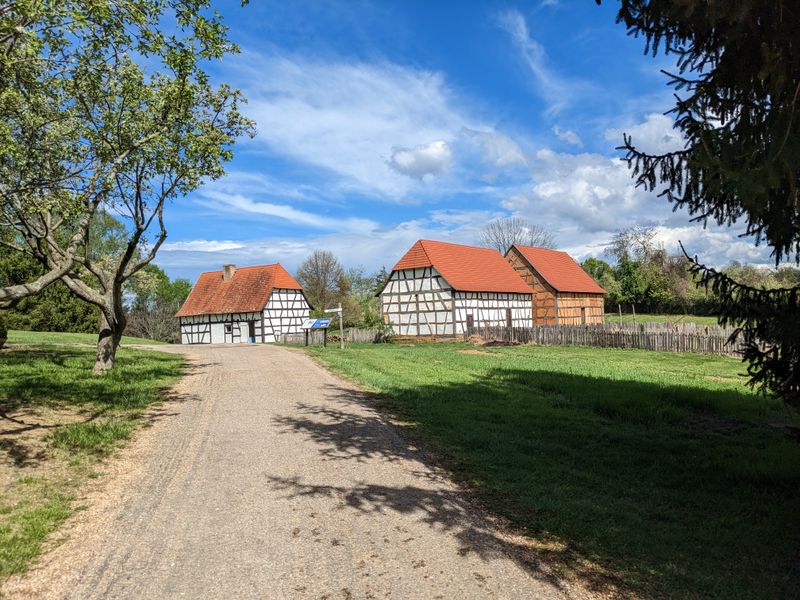
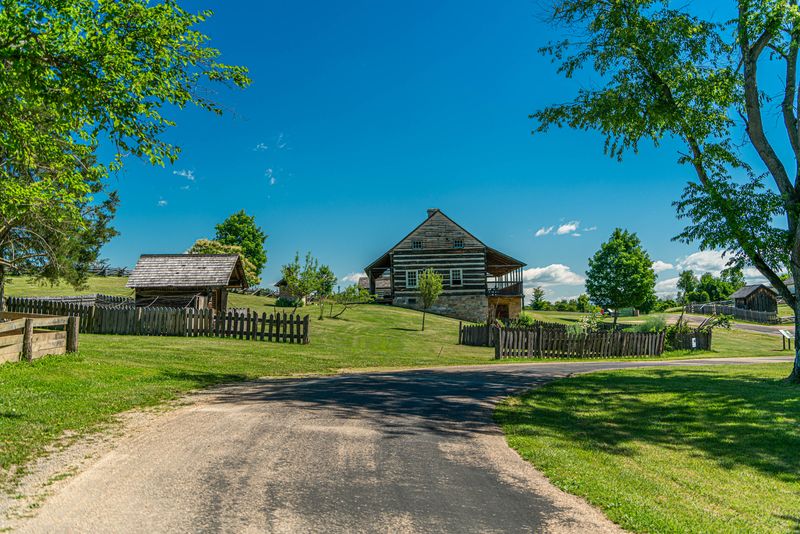
The museum sprawls across beautiful Virginia countryside, with each farmstead representing a different culture that shaped early America.
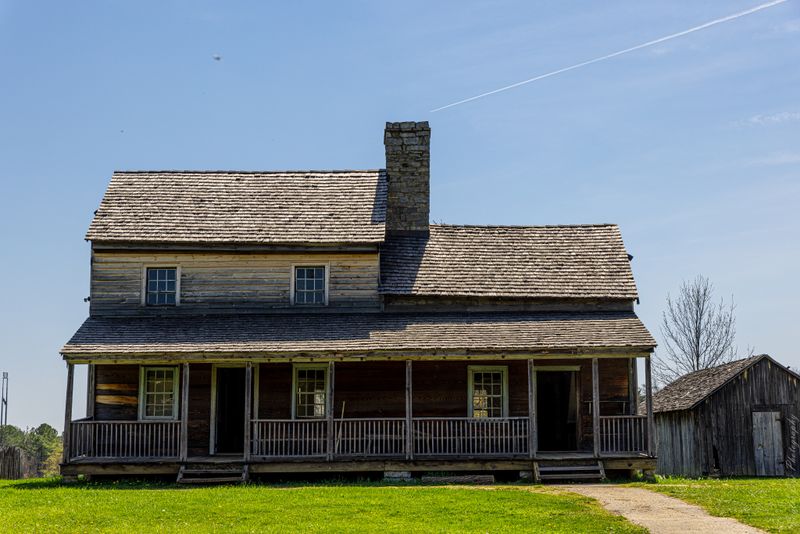
German, Irish, English, and West African homes sit side by side, showing exactly how these diverse groups lived before and after crossing the Atlantic. You’ll notice the differences immediately, from building styles to farming tools, and it all clicks into place in a way textbooks never quite manage.
Each structure is authentic, many transported piece by piece from their original locations overseas. The German house feels sturdy and practical, while the Irish cottage tells stories of simpler, harder times.
Staff members bring these spaces alive with demonstrations and answers to every curious question you throw their way.
Kids especially love this setup because there’s always something new around the next bend. No two buildings feel the same, and the outdoor setting means they can run, explore, and burn energy while soaking up history.
Parents appreciate that learning happens naturally here, without forcing anyone to sit still and read plaques for hours.
Costumed Interpreters Who Actually Know Their Craft
Picture this: you walk into a blacksmith shop and find a student actually studying the ancient art of metalworking, hammer in hand, ready to answer every technical question you can dream up. That’s the caliber of folks working here.
These aren’t actors reading scripts. One interpreter was born in America but raised in Germany, speaking fluent German and sharing firsthand knowledge about the culture she represents.
Another guide teaches visitors how to work with flax at the Irish house, demonstrating each step from raw plant to spun thread.
Their enthusiasm is contagious, and you can tell they genuinely love what they do. They don’t just recite facts; they engage, joke around, and make history feel like something that happened yesterday instead of centuries ago.
Even skeptical teenagers find themselves asking questions and getting drawn into conversations about daily life in frontier times. The interpreters adjust their approach based on who they’re talking to, keeping younger kids entertained while satisfying the curiosity of serious history enthusiasts.
This personal touch transforms what could be a simple walk through old buildings into genuine connections with the past.
Golf Cart Rentals Make the Journey Easier
Let’s be real: the museum covers about two miles of walking terrain. For some visitors, that’s an exciting hike.
For others, especially those with mobility concerns or families with little ones, it’s a challenge that might cut the visit short.
That’s where golf cart rentals become absolute game changers. Visitors consistently rave about this option in their reviews, noting how it speeds up the experience while keeping everyone comfortable and happy.
The carts let you zip between farmsteads, spending your energy on exploring the exhibits rather than trudging uphill in the summer heat. You can cover the entire museum in a reasonable timeframe and still have the stamina to really engage with each stop.
Plus, kids think riding in the cart is half the fun.
Staff also operates shuttles to certain areas, particularly the European side of the museum, which visitors appreciate when they need a break. The landscape is gorgeous, and some purists prefer walking to soak in every view.
But having options means everyone can enjoy the museum at their own pace and comfort level, making it accessible to a much wider audience than typical walking-only historical sites.
Hands-On Learning That Beats Any Classroom
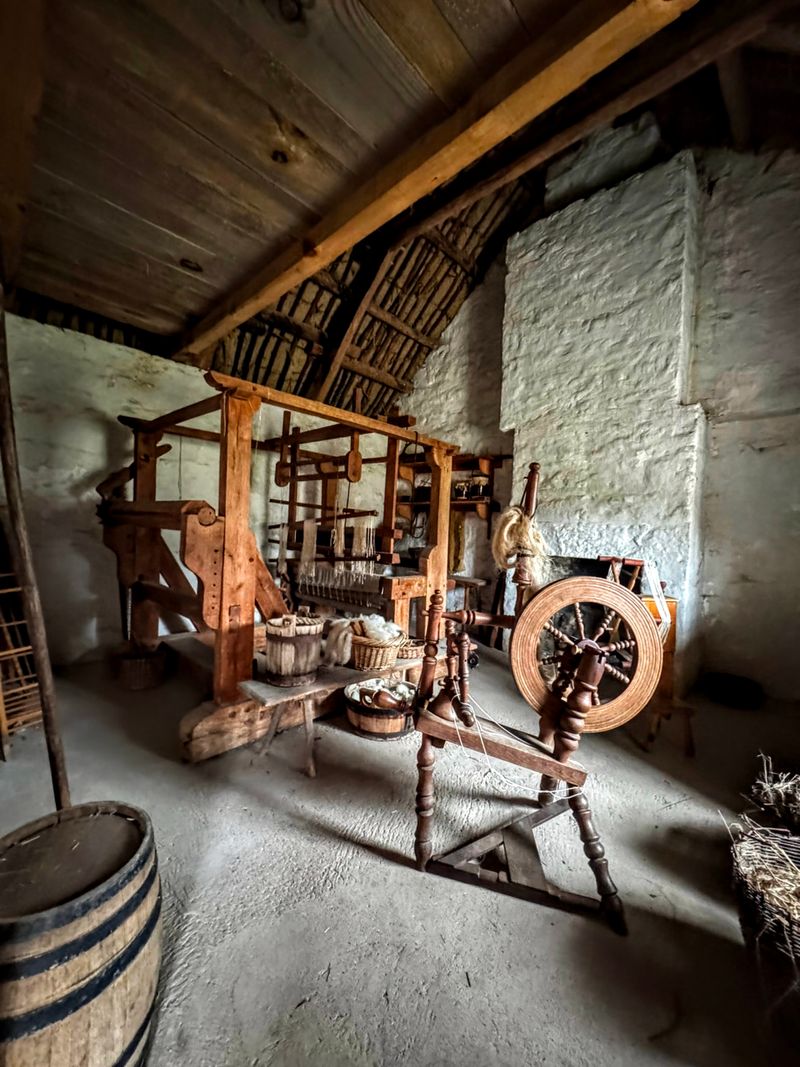
Reading about spinning wheels in a textbook? Boring.
Actually working a spinning wheel while someone explains how families depended on this skill for survival? Now that’s education with impact.
The museum encourages touching, trying, and experiencing rather than just observing from a distance. Kids get to handle tools, feel the weight of historical equipment, and understand through their own hands why certain tasks took so long back then.
Field trips here become memorable adventures instead of forgettable obligations. Teachers love bringing students because the interactive nature means concepts stick in ways that classroom lectures never achieve.
Students remember the day they learned to card wool or watched a blacksmith shape hot metal far longer than they’d remember a chapter in a textbook.
Even adults find themselves surprised by how much they retain when learning is this engaging. You might think you know about frontier life from movies and books, but actually stepping into these spaces and trying the work yourself creates a completely different level of understanding.
The museum proves that history doesn’t have to be passive or dull when you’re allowed to roll up your sleeves and participate.
Farm Animals Add Life and Charm
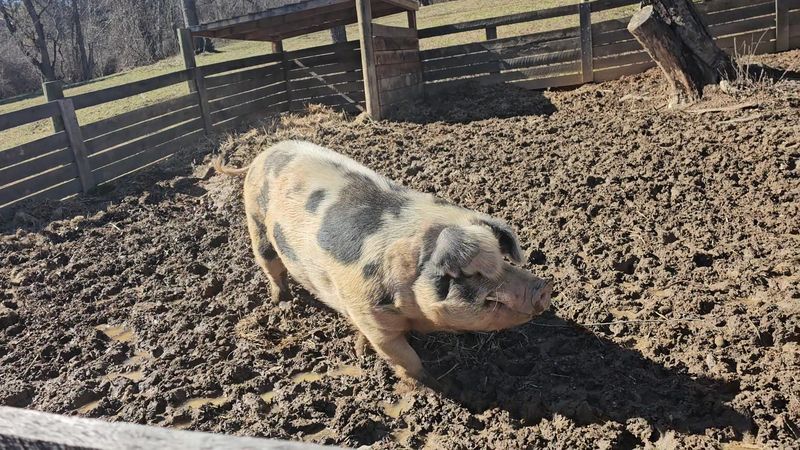
History isn’t just about buildings and tools. Animals were essential to frontier survival, and the museum includes livestock that would have been common on these early American farms.
Chickens scratch around yards, sheep graze in pastures, and other period-appropriate animals help complete the authentic atmosphere. Kids absolutely light up when they see real farm animals as part of the historical experience, making the past feel more real and relatable.
During special events, visitors might witness sheep shearing demonstrations, watch cows being milked, or see butter churning in action. These activities show exactly how labor-intensive daily life was when every meal, every piece of clothing, and every necessity came from your own land and livestock.
The museum even cares for a colony of friendly cats that roam the property, popping up in the most charming spots. You might find one napping in a loft, lounging on a period bed, or curled up in an old wheelbarrow.
These unofficial residents add unexpected delight to the experience, especially for younger visitors who get excited spotting cats in their various hideouts throughout the day.
West African and Indigenous Perspectives
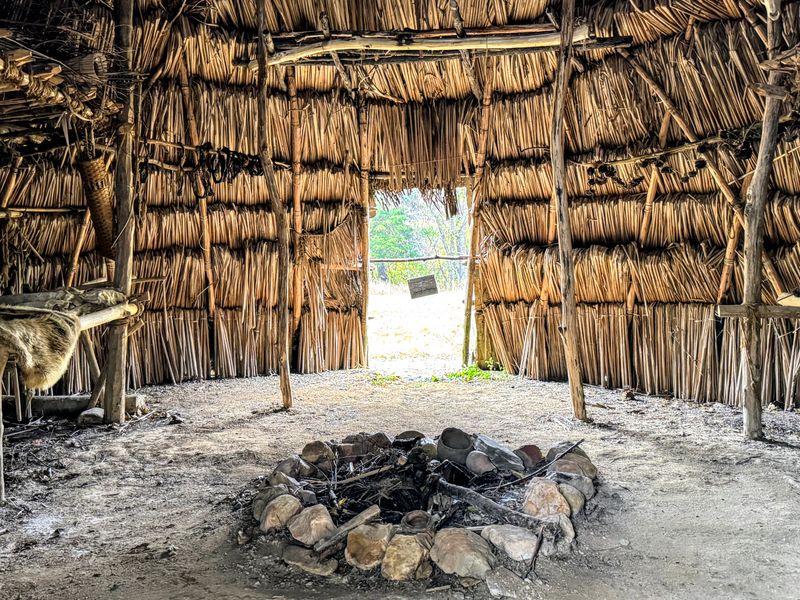
American frontier history isn’t complete without acknowledging all the cultures that shaped it. The museum includes a West African exhibit that explores the lives and contributions of enslaved people who were forcibly brought to America.
This section provides important context often glossed over in traditional historical narratives. Visitors see how West African agricultural knowledge, skills, and cultural practices influenced American development in profound ways that deserve recognition and understanding.
The museum also features exhibits on Indigenous peoples, though some visitors note this area could use expansion and more detailed differentiation between nations and tribes. Eastern tribes represented varied significantly in their cultures, languages, and traditions, and lumping them together doesn’t do justice to their distinct identities.
A historic Black church stands at one end of the property, representing the faith communities that sustained African Americans through unimaginable hardship. These additions to the museum show a commitment to telling fuller, more honest stories about who built America and at what cost.
Visitors leave with a more complete understanding of the complex, often painful histories that intersected on the American frontier and shaped the nation we know today.
Special Events Throughout the Year
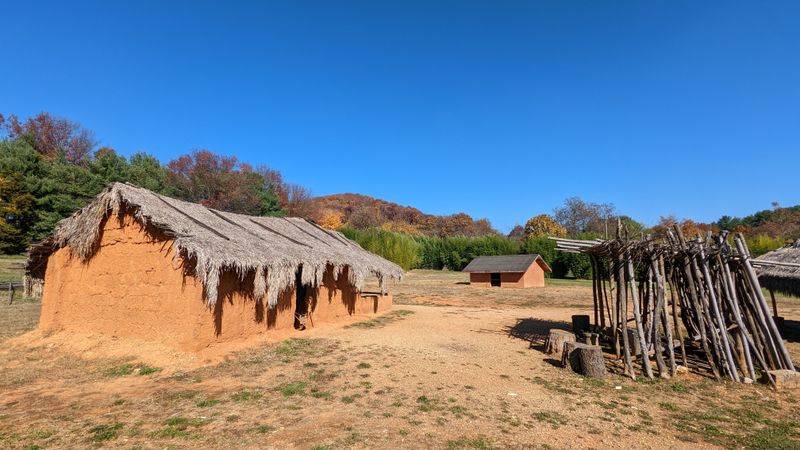
Planning your visit around special events takes an already great experience and kicks it up several notches. The museum hosts seasonal celebrations and demonstrations that bring even more life to the historical farmsteads.
Oktoberfest celebrations draw crowds for German cultural festivities. Other events feature live demonstrations of skills like sheep shearing, wool spinning, butter churning, and other labor-intensive tasks that defined frontier life.
Watching these processes from start to finish gives visitors profound appreciation for modern conveniences.
Sometimes demonstrators from Colonial Williamsburg, the museum’s sister institution, make appearances at special Frontier Culture Museum events. This cross-pollination brings fresh perspectives and additional expertise to an already knowledgeable staff.
Even during regular days without special events, there’s plenty to see and do. But if you can time your visit to coincide with one of these celebrations, you’ll get bonus activities, more demonstrations, and often larger crowds of enthusiastic history lovers to share the experience with.
Check the museum’s calendar before planning your trip to see what might be happening during your visit to Virginia’s Shenandoah Valley region.
Affordable Admission and Amenities
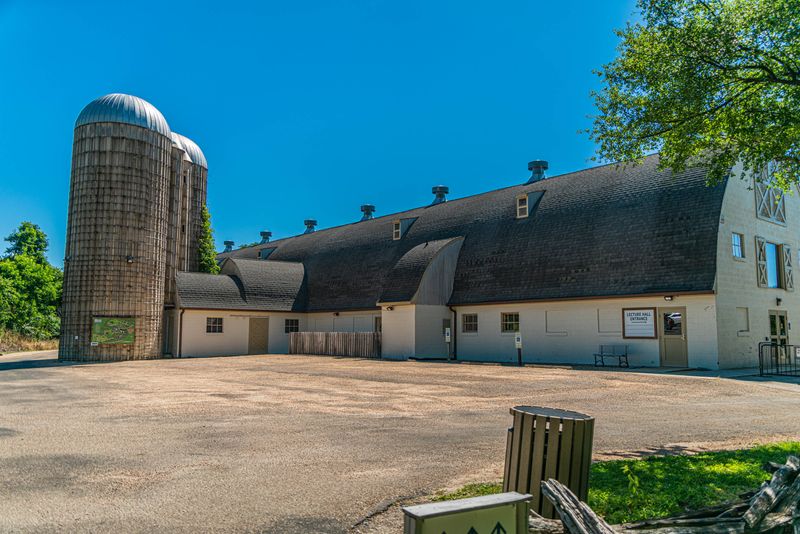
Quality historical experiences often come with hefty price tags that put them out of reach for many families. Not here.
Visitors consistently praise the museum for offering remarkable value, with admission prices that won’t break the bank.
Once inside, you’ll find reasonably priced water bottles and drinking fountains scattered throughout the property. Staying hydrated during your walk is important, especially during warmer months, and the museum makes this easy and affordable.
The gift shop offers souvenirs at fair prices for anyone wanting to take home a memento of their visit. Unlike some tourist attractions where everything feels overpriced, this shop seems designed to help visitors remember their experience without gouging their wallets.
For the amount of ground covered, the quality of exhibits, and the knowledgeable staff you’ll encounter, the value proposition here is outstanding. Families can spend half a day or more exploring without feeling like they need a second mortgage.
This accessibility means more people can experience this slice of American history, which aligns perfectly with the museum’s educational mission. Located at 1290 Richmond Ave, Staunton, VA 24401, it’s an easy stop for anyone traveling through Virginia.
Perfect for All Ages and Abilities
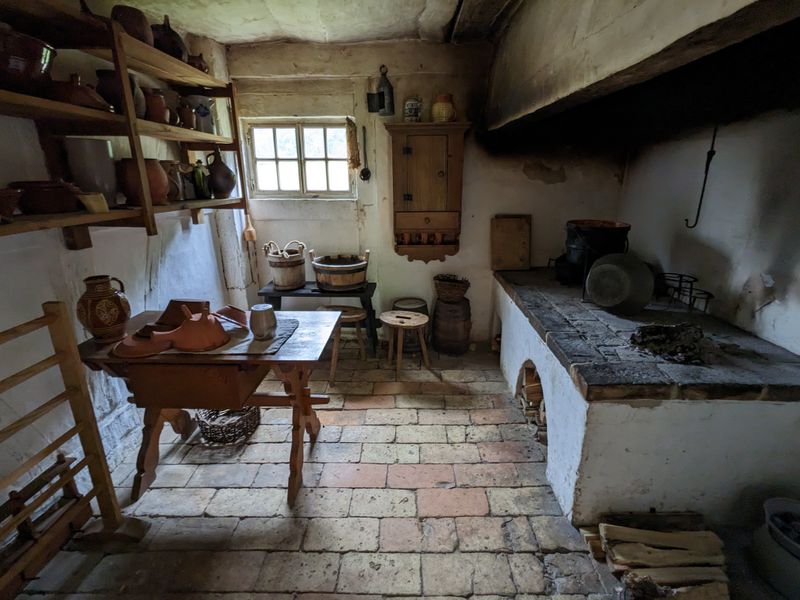
Finding attractions that genuinely work for everyone, from toddlers to grandparents, is trickier than it sounds. This museum nails it.
Young children love the animals, the outdoor space to run, and the novelty of old-fashioned houses.
Older kids and teenagers get drawn in by the hands-on activities and the chance to ask detailed questions of experts who take them seriously. Adults appreciate the historical depth and authenticity, while seniors enjoy the careful preservation of cultures and lifestyles they may remember stories about from their own grandparents.
Accessibility features make the museum welcoming to visitors with mobility limitations. Between the golf cart rentals, shuttle services, and plenty of places to rest, people who can’t walk long distances can still enjoy the full experience without exhausting themselves or missing major exhibits.
The outdoor setting works beautifully for visitors who struggle with traditional indoor museums. Fresh air, changing scenery, and the ability to move at your own pace make this a less overwhelming environment for people with sensory sensitivities or attention challenges.
Groups of friends, multigenerational families, school classes, and solo travelers all find something to love here, making it one of those rare destinations with truly universal appeal.
Ongoing Expansion and Improvements
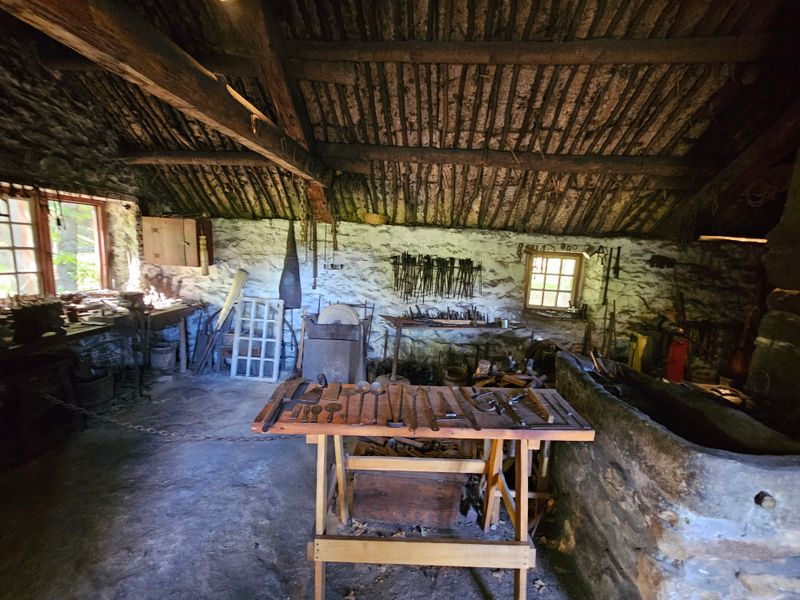
Museums that rest on their laurels eventually become stale and outdated. The Frontier Culture Museum continues investing in new exhibits and improvements, showing commitment to staying relevant and expanding their storytelling capabilities.
Construction projects for additional buildings and exhibits are underway, with completion expected in the coming years. Visitors who’ve been before will have new reasons to return, and first-timers can look forward to even more comprehensive experiences as these additions open.
The construction doesn’t disrupt the current visitor experience. The museum has managed the work thoughtfully, keeping disruption minimal and ensuring that parking and access to existing exhibits remain smooth and hassle-free.
This forward-thinking approach means the museum isn’t just preserving the past but actively working to present it in more complete and engaging ways. As more structures are added and more stories are told, the picture of early American life becomes richer and more nuanced.
For a living history museum, this kind of growth is essential. Static displays get boring, but a place that continues evolving and improving gives visitors reasons to come back and discover something new with each visit to this Virginia treasure.
Dear Reader: This page may contain affiliate links which may earn a commission if you click through and make a purchase. Our independent journalism is not influenced by any advertiser or commercial initiative unless it is clearly marked as sponsored content. As travel products change, please be sure to reconfirm all details and stay up to date with current events to ensure a safe and successful trip.
