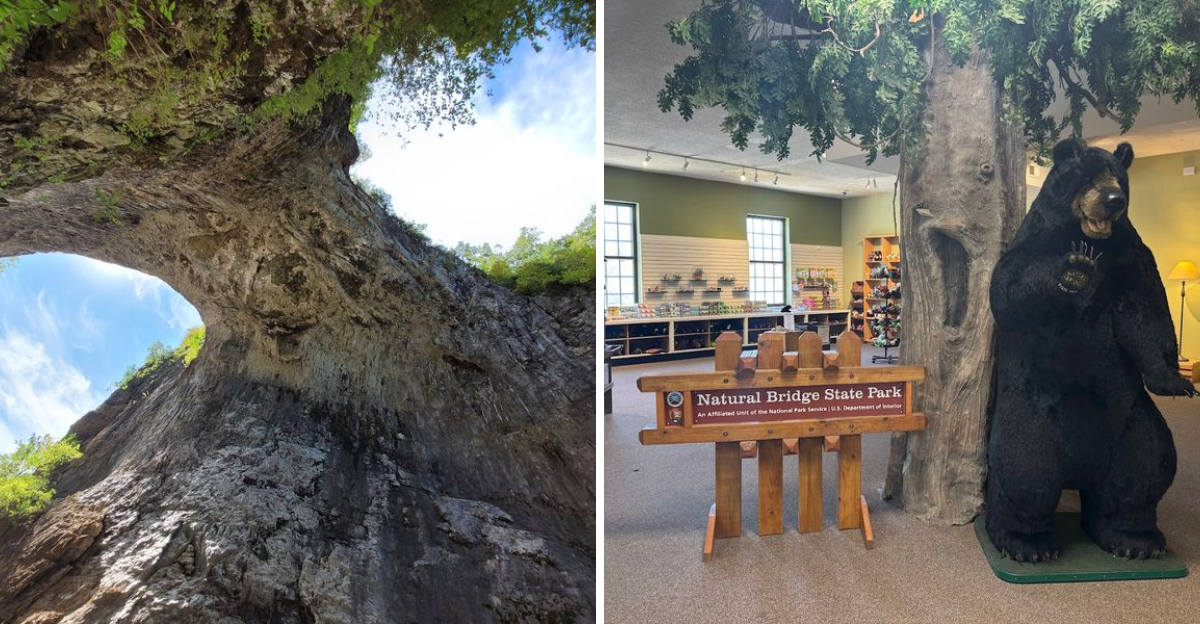
Some places stop you dead in your tracks, and Natural Bridge State Park in Virginia is absolutely one of them. Picture a massive limestone arch, carved by Cedar Creek over millions of years, soaring overhead at a jaw-dropping height that makes you feel wonderfully small.
This spot has fascinated explorers, presidents, and nature lovers alike for centuries, and honestly, the hype is one hundred percent earned. Pack your most comfortable walking shoes and get ready for one of the most memorable outdoor experiences the great state of Virginia has to offer.
The Mighty Natural Bridge: Nature’s Most Spectacular Arch
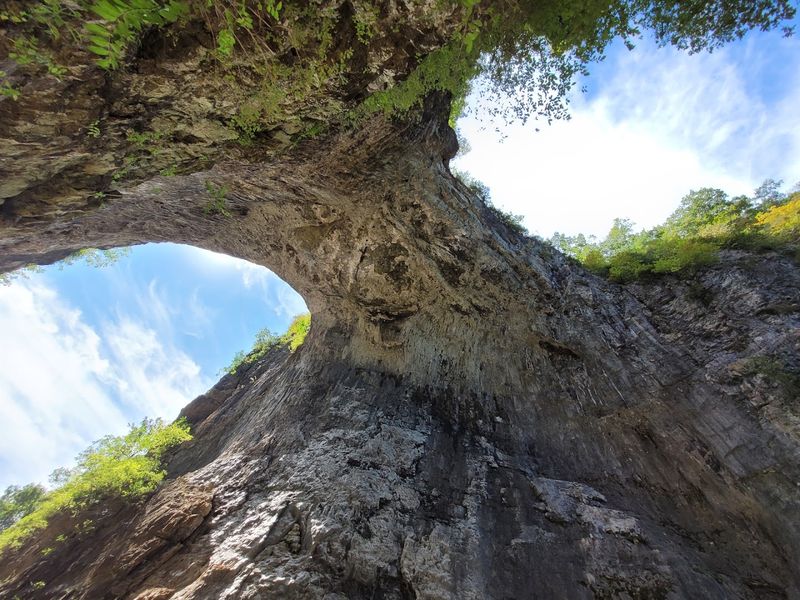
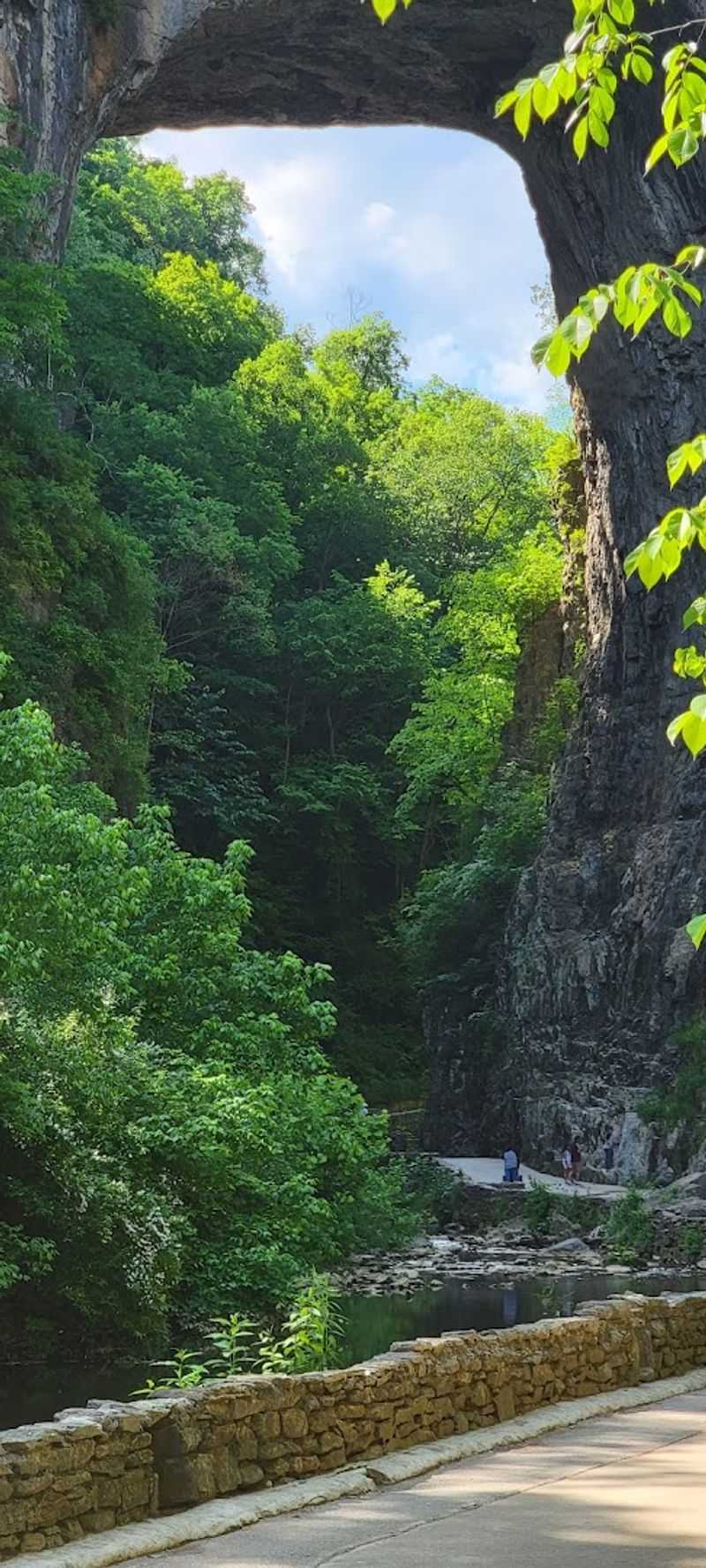
Standing directly beneath a 215-foot limestone arch is one of those experiences that genuinely rewires your brain. The Natural Bridge at Natural Bridge State Park is not just a geological curiosity.
It is an ancient masterpiece, shaped by Cedar Creek grinding through limestone over millions of years into a sweeping, cathedral-like span that stretches 90 feet across.
Thomas Jefferson famously called it “the most sublime of Nature’s works,” and after seeing it in person, you will have zero arguments with that assessment. The sheer scale of the arch hits differently once you are standing underneath it, craning your neck upward like you are trying to spot the top of a skyscraper.
The Monacan people, who lived in this region long before European settlers arrived, considered this bridge sacred ground, calling it “The Bridge of God.” That spiritual weight is still very much present when you visit. Natural Bridge State Park in Virginia has preserved this landmark beautifully, and every angle of the arch offers a new reason to reach for your camera.
Come early for the best light and the fewest crowds.
Cedar Creek Trail: The Most Rewarding Walk in Virginia
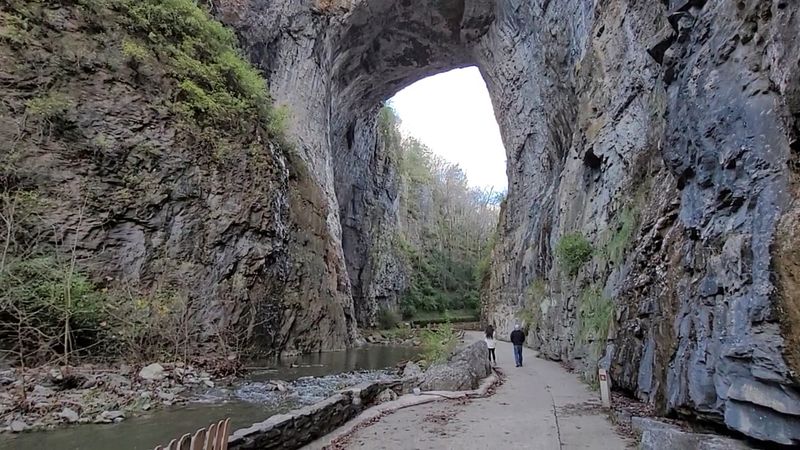
Few trails in Virginia pack this much scenery into such an easygoing walk. The Cedar Creek Trail begins right at the Visitor Center, winds gently downhill through a lush limestone gorge, passes directly beneath the iconic Natural Bridge, and continues along the sparkling creek all the way to Lace Falls.
The path is paved and relatively flat for most of its length, making it genuinely accessible to a wide range of fitness levels. Crystal-clear water tumbles over smooth rocks beside you the entire way, and the sound alone is worth the trip.
Pawpaw trees line sections of the trail, and sharp-eyed hikers occasionally spot the fruit hanging low in late summer.
Along the route, interpretive plaques offer fascinating historical context about the bridge, the Monacan people, and the geology of the gorge. The whole out-and-back journey to Lace Falls covers roughly two miles total, which feels almost too short once you are out there soaking it all in.
Natural Bridge State Park has maintained this trail with impressive care, and even after a busy season, the path stays clean and beautifully marked. Bring water, move at your own pace, and enjoy every step.
Saltpeter Cave: A Cool Underground Surprise
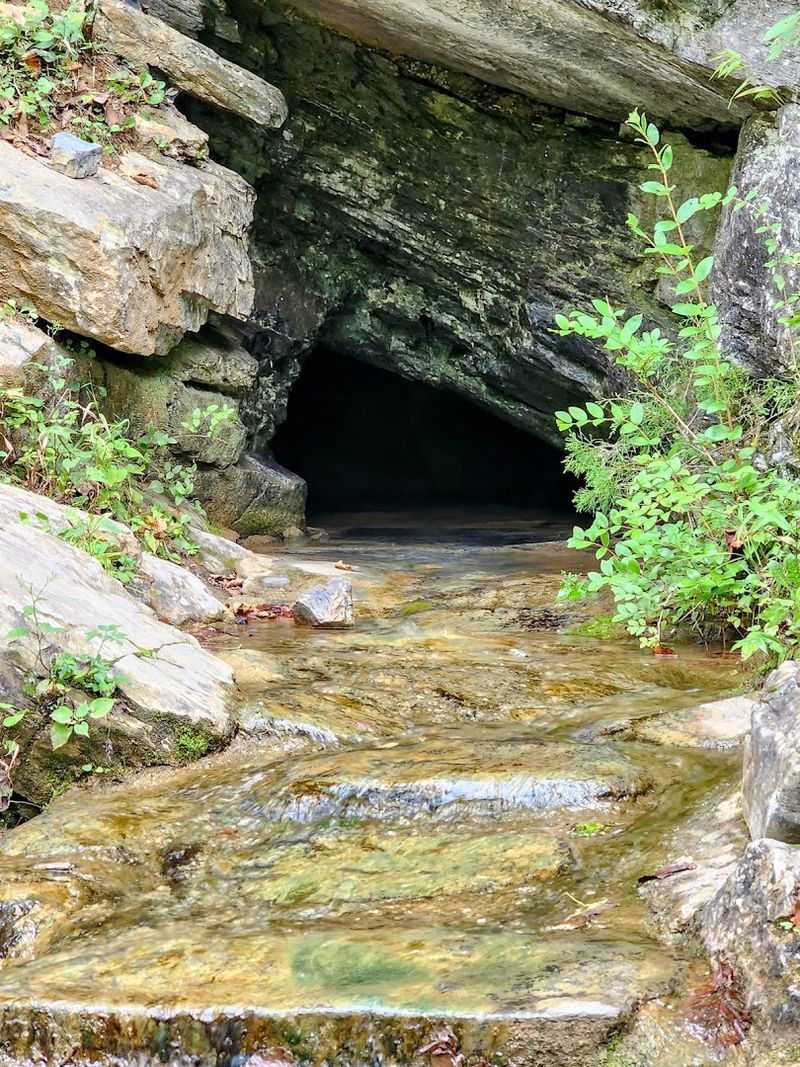
Just when you think the Cedar Creek Trail has already delivered its best surprises, Saltpeter Cave appears around a bend and completely changes the vibe. This cave, carved into the limestone cliffs alongside the trail, has a genuinely cool atmosphere, both literally in terms of temperature and figuratively in terms of pure wow factor.
The cave earned its name from saltpeter, a mineral once harvested from cave deposits and used historically in the production of gunpowder. Standing at the entrance and peering into the dark interior gives you a real sense of how this landscape has served both natural and human purposes for centuries.
It is one of those unexpected trail highlights that makes you glad you kept walking past the bridge.
Natural Bridge State Park does an excellent job of presenting the cave as part of the broader story of this remarkable landscape. The cave is a short detour off the main trail, and most people spend a few minutes exploring before continuing toward the falls.
Visiting during cooler months adds an extra layer of atmosphere, with mist sometimes drifting from the cave mouth. It is quirky, historical, and genuinely fascinating, a perfect addition to an already spectacular trail.
Lace Falls: The Delicate Cascade at the Trail’s End
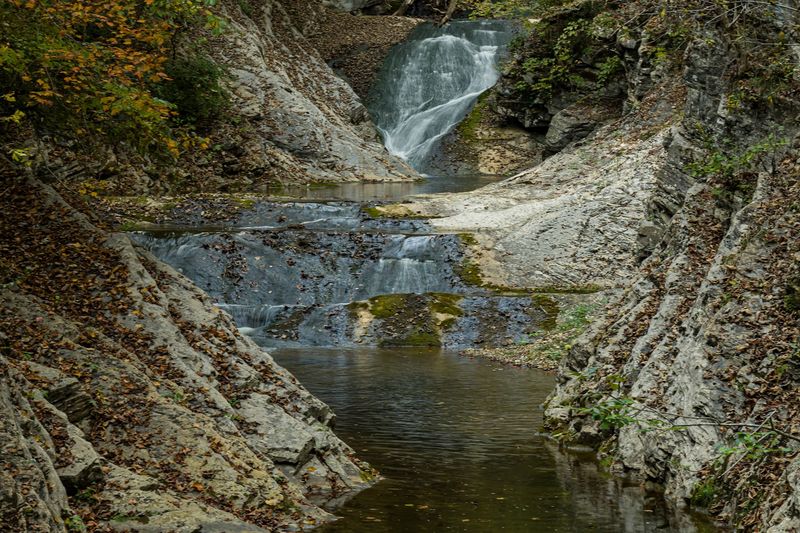
Lace Falls sits at the far end of the Cedar Creek Trail, and arriving there feels like unwrapping a reward for the walk. The waterfall drops about 50 feet down a moss-covered limestone cliff in a series of thin, lacy streams that fan out across the rock face, which is exactly where the name comes from.
Fair warning: the volume of water at Lace Falls depends heavily on recent rainfall. After a good soaking rain, the falls turn into a genuinely dramatic curtain of white water that photographs beautifully.
During dry spells, the flow becomes more of a gentle trickle, which is still pretty but noticeably less theatrical. Timing your visit after wet weather pays off in a big way here.
The area around the base of the falls is a lovely spot to rest, have a snack, and listen to the water before heading back along the trail. The rock formations surrounding the cascade are striking in their own right, with layers of ancient limestone stacked like pages in a very old book.
Natural Bridge State Park has kept this endpoint accessible and clean, with the trail remaining well-maintained all the way to the final steps of this memorable Virginia adventure.
The Lost River: Virginia’s Most Mysterious Underground Secret
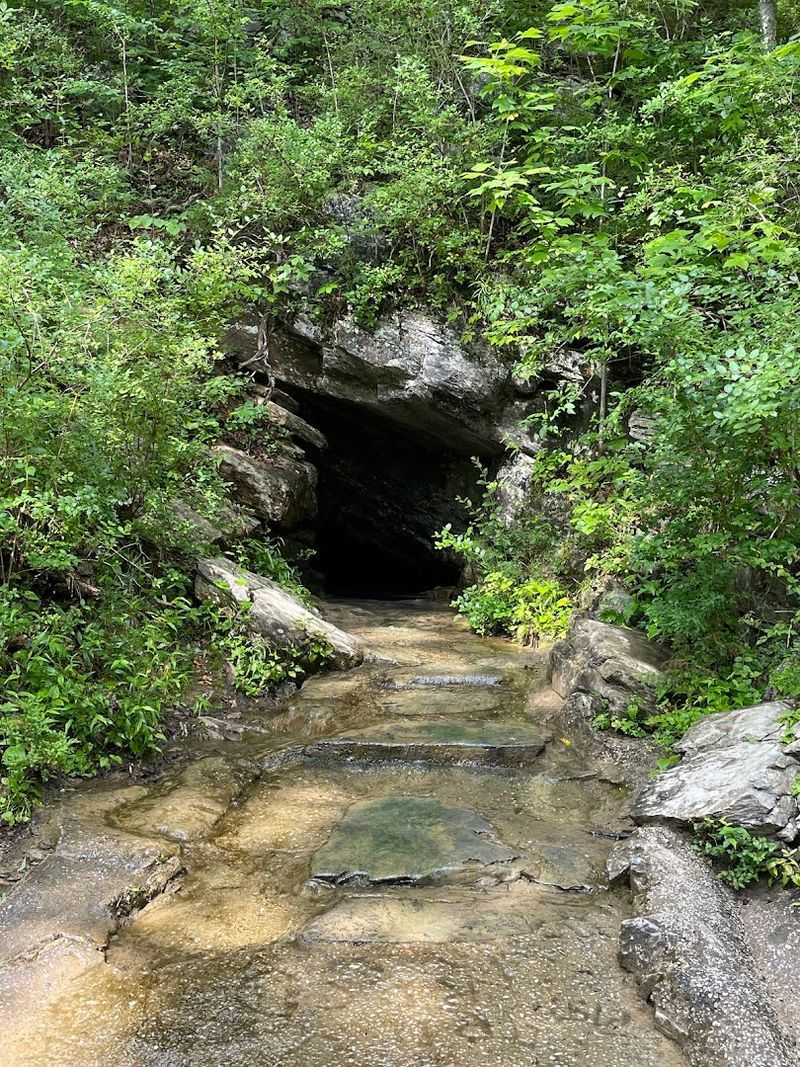
Not everything at Natural Bridge State Park is visible, and that is precisely what makes the Lost River so intriguing. Along the Cedar Creek Trail, a small opening in the limestone rock wall marks the spot where an underground river flows invisibly through the bedrock beneath your feet.
Press your ear close and you can actually hear the water rushing through the darkness below.
This is karst geology doing its most theatrical work. Karst landscapes form when slightly acidic water dissolves soluble rock like limestone over thousands of years, creating underground passages, caves, and sinkholes.
The Lost River is a living demonstration of that process, an entire waterway swallowed by the earth and hidden from sight.
It is the kind of feature that sparks genuine curiosity in kids and adults alike. Standing at that small opening and hearing the invisible water is one of those moments that makes the natural world feel genuinely mysterious and alive.
Virginia is full of geological wonders, and this one deserves far more attention than it typically gets. Most people walk straight past without realizing what they are hearing.
Slow down, stop, and listen. The Lost River rewards those who pay attention with one of the trail’s most unforgettable sensory experiences.
The Skyline Trail: Panoramic Views That Belong on a Postcard
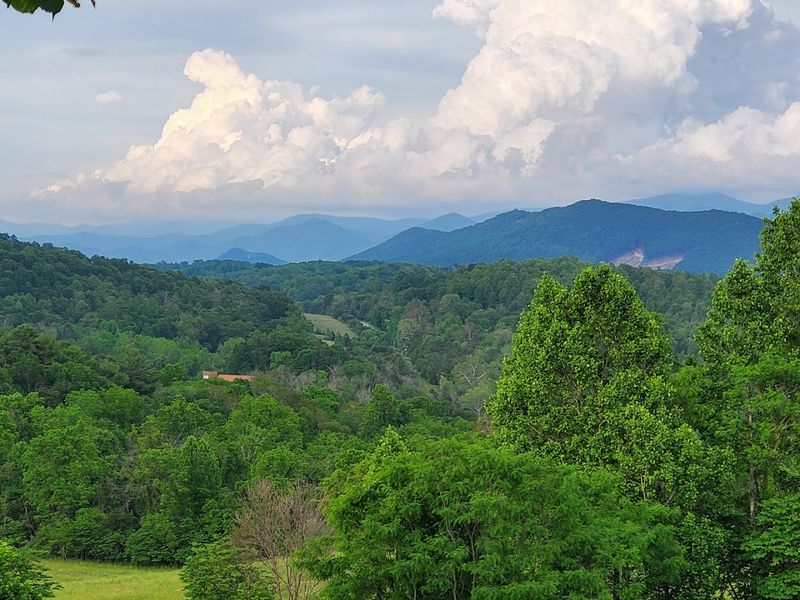
Beyond the Cedar Creek Trail, Natural Bridge State Park opens up into a network of hiking paths that climb into genuinely spectacular mountain terrain. The Skyline Trail is the crown jewel of these upper routes, a loop trail that rewards hikers with sweeping panoramic views of both the Blue Ridge and Appalachian Mountains stretching out in every direction.
This trail is a step up in difficulty from the flat creek path below, but the payoff is extraordinary. On a clear day, the ridgeline views stretch for miles across forested valleys that look like they belong on a vintage Virginia travel poster.
The trail is quiet and peaceful even during busier seasons, offering a real sense of solitude that is increasingly rare in popular parks.
Dogs on leash are welcome on all trails in the park, making this a fantastic destination for four-legged adventurers as well. The Skyline Trail is especially magical during the fall color season, when the surrounding forest erupts into shades of amber, crimson, and gold.
Early morning hikers are often treated to a soft mist hanging over the valleys below, creating an almost cinematic atmosphere. Pack layers, lace up properly, and give this trail the time it genuinely deserves.
Thomas Jefferson’s Connection: History Carved in Stone
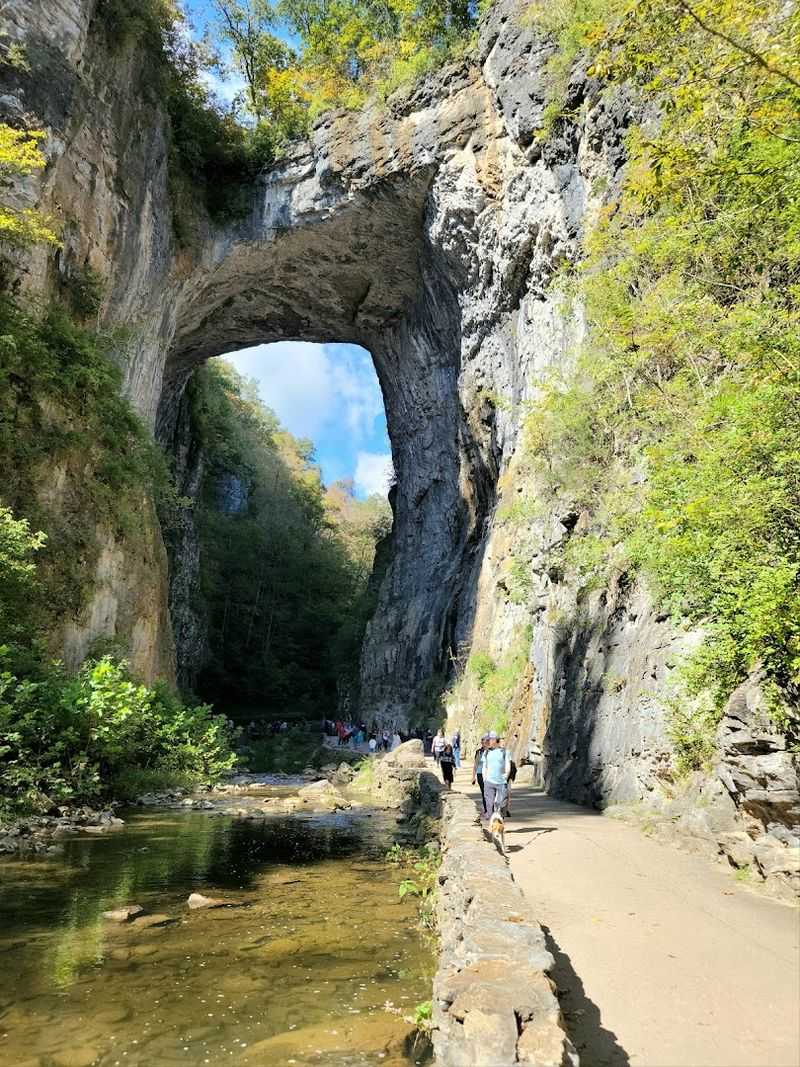
Long before Natural Bridge became a Virginia State Park, it had a remarkably famous owner. Thomas Jefferson visited the bridge in 1767 and was so captivated that he later purchased the bridge and surrounding acreage from King George III in 1774.
He considered it one of the greatest natural wonders in all of America, ranking it alongside Niagara Falls in terms of sheer magnificence.
Jefferson reportedly built a small cabin on the property to accommodate guests who came to witness the bridge, essentially making it one of America’s earliest tourist attractions. That legacy of awe and wonder has never really faded.
Historical plaques along the Cedar Creek Trail bring this story to life in a way that feels genuinely engaging rather than dry or textbook-like.
The property changed hands multiple times over the centuries after Jefferson’s estate sold it in 1833, eventually becoming a Virginia State Park in 2016 after the Virginia Conservation Legacy Fund secured ownership. That transition from private curiosity to public treasure feels right.
Natural Bridge State Park now belongs to everyone, just as a landmark of this magnitude should. Walking beneath the arch knowing Jefferson once stood in the same spot adds a quiet but powerful layer of historical depth to the entire experience.
Monacan Heritage: Sacred Ground with Deep Cultural Roots
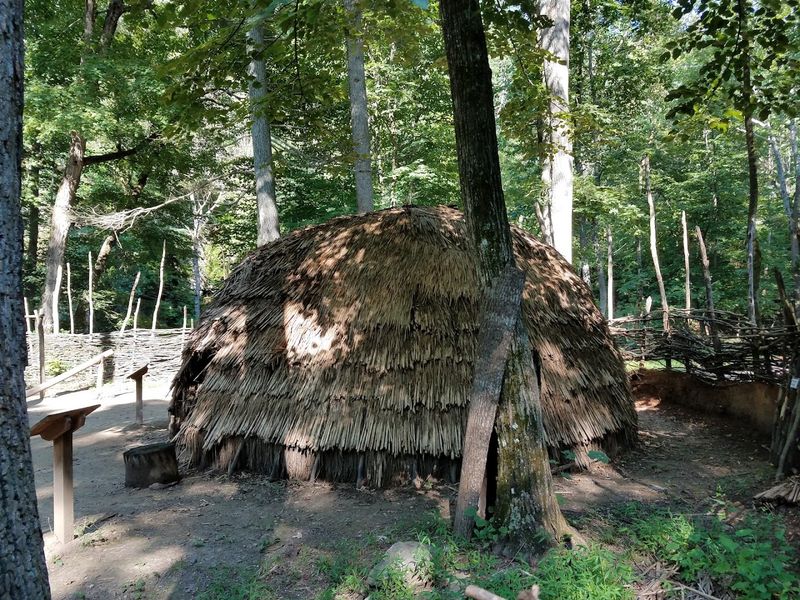
Long before Thomas Jefferson or any European explorer set eyes on the Natural Bridge, the Monacan people considered this place sacred. They called it “The Bridge of God,” a name that carries centuries of spiritual significance and deep connection to the land.
The Monacan Nation is one of Virginia’s oldest indigenous peoples, and their relationship with this landscape predates written history by thousands of years.
Natural Bridge State Park acknowledges this heritage thoughtfully throughout the visitor experience. Interpretive signage along the trails shares Monacan history and cultural context, adding a meaningful dimension to what could otherwise be purely a geological sightseeing trip.
Understanding the human story of this place makes the arch feel even more significant.
The Monacan Indian Nation is still an active community in Virginia today, with their ancestral homeland centered in the Amherst County region not far from the park. Visiting Natural Bridge State Park with this cultural awareness transforms the experience from a simple hike into something closer to a pilgrimage.
Standing beneath that ancient arch and knowing generations of Monacan people looked up at the same stone with reverence is genuinely moving. Virginia’s natural wonders and its indigenous history are inseparable, and this park honors that truth with quiet dignity.
Visitor Center and Park Amenities: Everything You Need for a Great Day Out
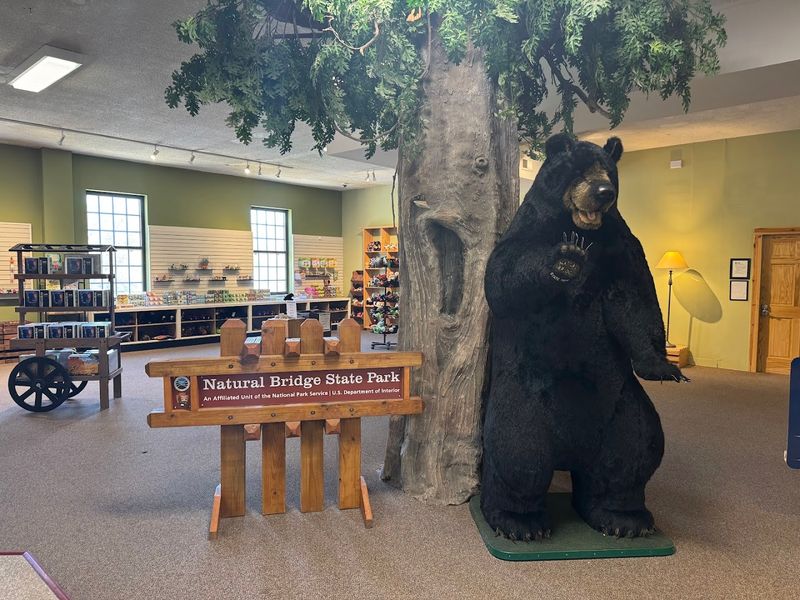
A well-run park makes all the difference, and Natural Bridge State Park delivers on that front with a thoughtfully equipped Visitor Center that sets the tone for a great day. The center features exhibits about the park’s geology, history, and natural environment, giving first-time visitors plenty of context before they head down to the bridge.
A well-stocked gift shop offers souvenirs, books, and local items worth browsing.
The park cafe operates seasonally and offers snacks, ice cream, and coffee drinks, which is genuinely welcome after a morning of hiking. Restrooms are available at both the Visitor Center and the Cedar Creek Pavilion further along the trail.
Parking is plentiful, and the layout of the park makes navigation straightforward even for first-time visitors.
For those with mobility challenges, the park provides accessibility accommodations upon request, including an alternate vehicle access route that bypasses the main stairway. The staff throughout the park are consistently knowledgeable and friendly, happy to share history and trail tips with anyone who asks.
Natural Bridge State Park is located at 6477 South Lee Highway, Natural Bridge, VA 24578, easily accessible from Interstate 81. The Visitor Center operates daily, making this a flexible stop that fits into almost any Virginia road trip itinerary.
Planning Your Visit: Tips for Getting the Most Out of Natural Bridge State Park
Getting the most out of Natural Bridge State Park starts with a little planning, and the effort pays off handsomely. Arriving early on weekdays gives you the best chance of experiencing the trail with minimal crowds, especially during the busy spring and summer months when school groups and families flock to the park in large numbers.
Early morning light also hits the arch at a gorgeous angle for photography.
Wear sturdy, comfortable shoes because the stairway down to the trail involves roughly 137 steps, and climbing back up after a full trail walk is a genuine workout. Bringing water is strongly recommended, particularly during warmer months.
The trail to Lace Falls and back covers about two miles total, which is very manageable for most fitness levels at a relaxed pace.
Dogs on leash are welcome throughout the park, including on the Cedar Creek Trail. Fall is arguably the most spectacular time to visit, with the surrounding forest putting on a full color show that frames the limestone arch in brilliant shades of red and orange.
Virginia’s four seasons each offer something different here, so there is genuinely no bad time to make the trip to this remarkable state park.
Dear Reader: This page may contain affiliate links which may earn a commission if you click through and make a purchase. Our independent journalism is not influenced by any advertiser or commercial initiative unless it is clearly marked as sponsored content. As travel products change, please be sure to reconfirm all details and stay up to date with current events to ensure a safe and successful trip.
