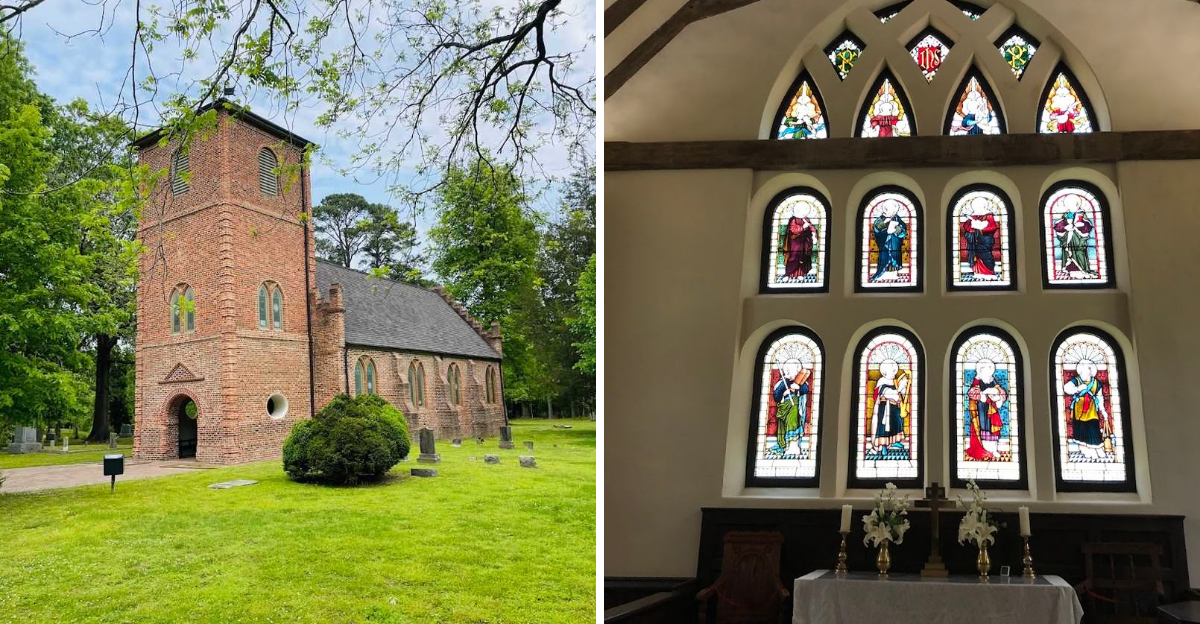
I have stood inside plenty of old churches, but this one felt different. The walls are sturdy, the bricks are weathered, and the silence has a weight to it that makes you speak softly without anyone asking.
Built in the 1600s, this Virginia landmark is the oldest surviving brick church in the country, and somehow it still feels alive rather than preserved behind glass. You can walk the same floors that people walked nearly four hundred years ago.
You can sit in the quiet and imagine what brought them through those doors. Colonial America is not just something you read about in history books down here.
It is something you can still feel.
The Oldest Brick Church in British North America
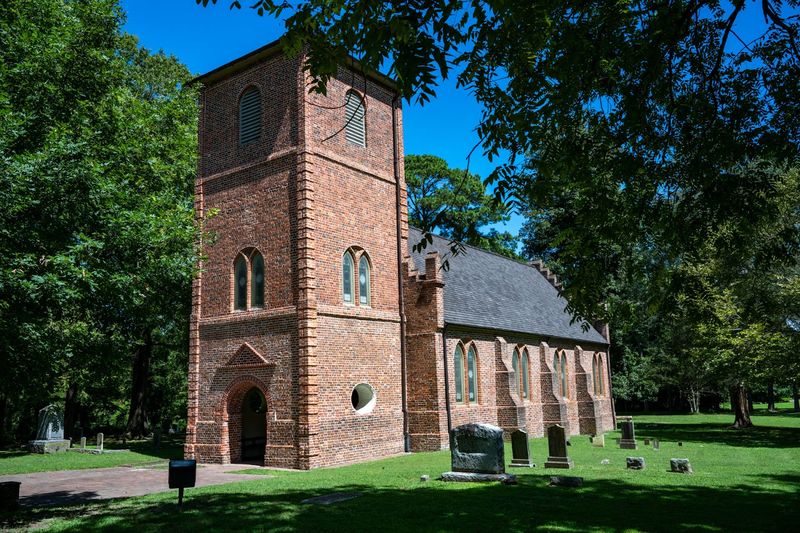
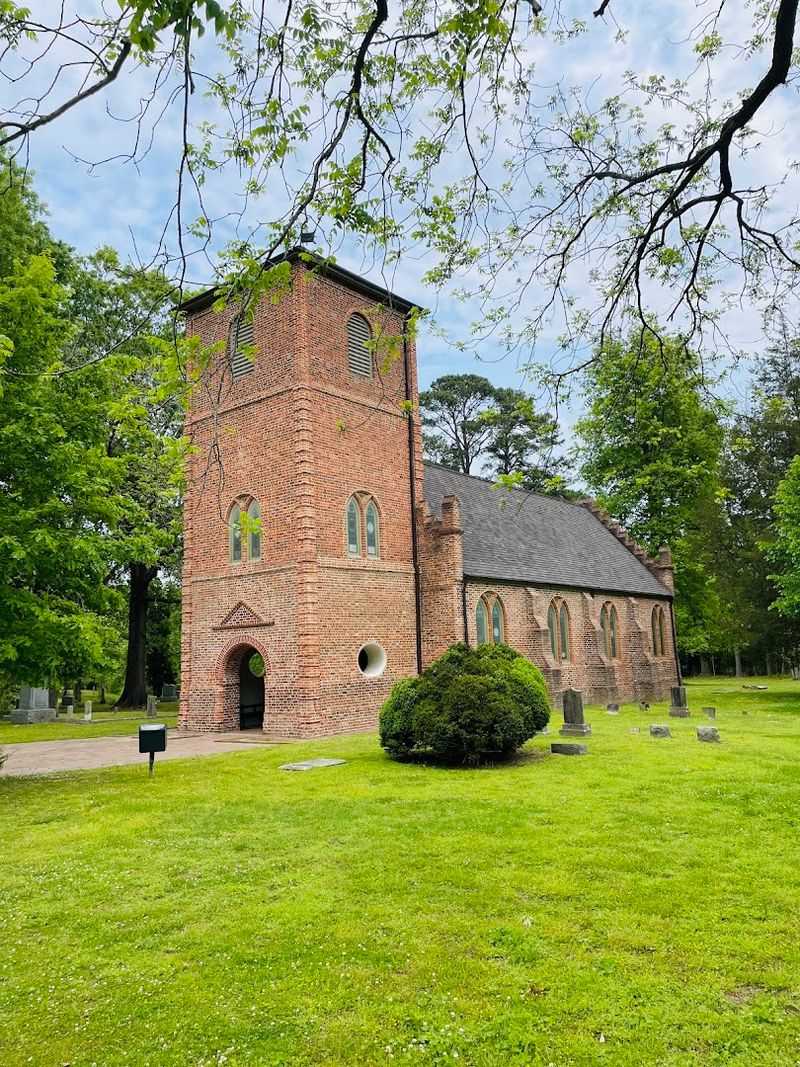
Calling something the oldest of anything in America is a bold claim, but St. Luke’s Historic Church and Museum backs it up completely. Known affectionately as the Old Brick Church, this extraordinary structure in Smithfield, Virginia holds the title of the oldest surviving brick church built in British North America, and it wears that crown with quiet dignity.
Walking up to it for the first time, I genuinely had to pause. The sheer age radiating from those walls is palpable.
Every handmade brick tells a story that predates the United States itself by nearly a century.
Virginia is full of historic sites, but very few carry this kind of authenticity. No reconstructions, no replicas, no creative liberties taken with the original structure.
What you see is what colonial settlers saw, minus a few centuries of weathering. That kind of raw, unfiltered history is increasingly rare in a world of polished tourist attractions.
Standing at the base of the sixty-foot tower and craning your neck upward puts everything into perspective fast. This is the real deal, full stop.
Gothic Architecture That Defied Its Time
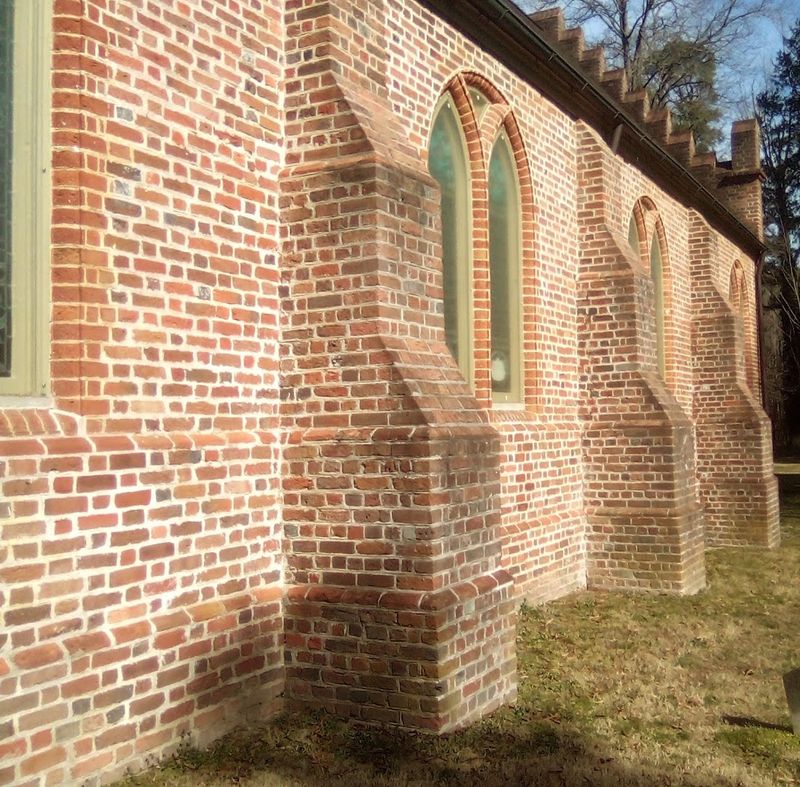
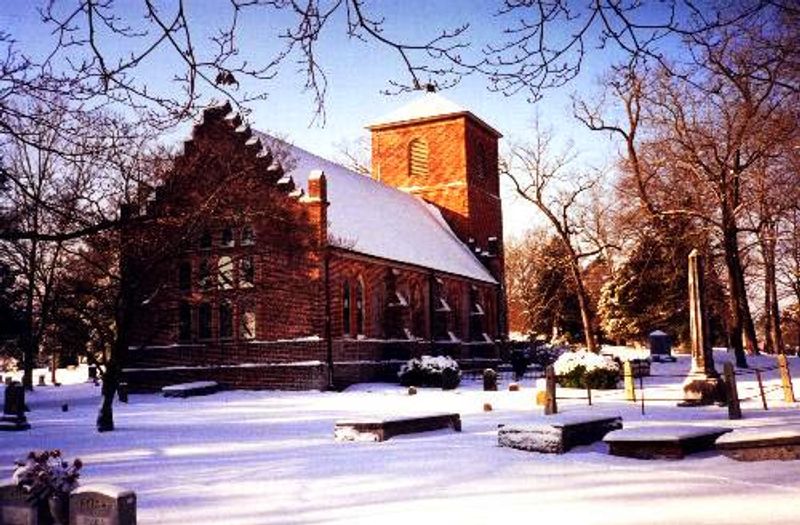
Most people associate Gothic architecture with towering European cathedrals, not the Virginia countryside. Yet here stands St. Luke’s Historic Church and Museum, a stunning example of Artisan Mannerism style complete with lancet windows, buttressed walls, and a distinctive east window featuring Y-tracery that would look perfectly at home in medieval England.
The crow-stepped gables are particularly jaw-dropping. That stepped silhouette against a blue Virginia sky feels almost surreal, like a time machine parked quietly on Benns Church Boulevard.
Architects and history enthusiasts alike tend to linger here longer than they planned.
What makes this even more remarkable is the context. Colonial Virginia was a place of practical necessity, not architectural ambition.
Building something this sophisticated required tremendous skill, determination, and a vision far ahead of its surroundings.
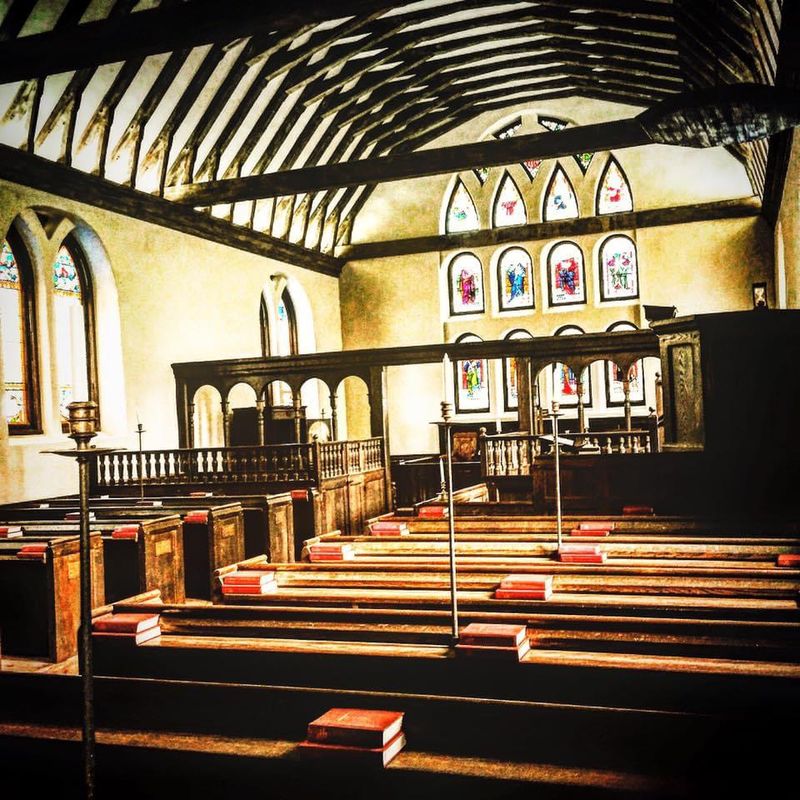
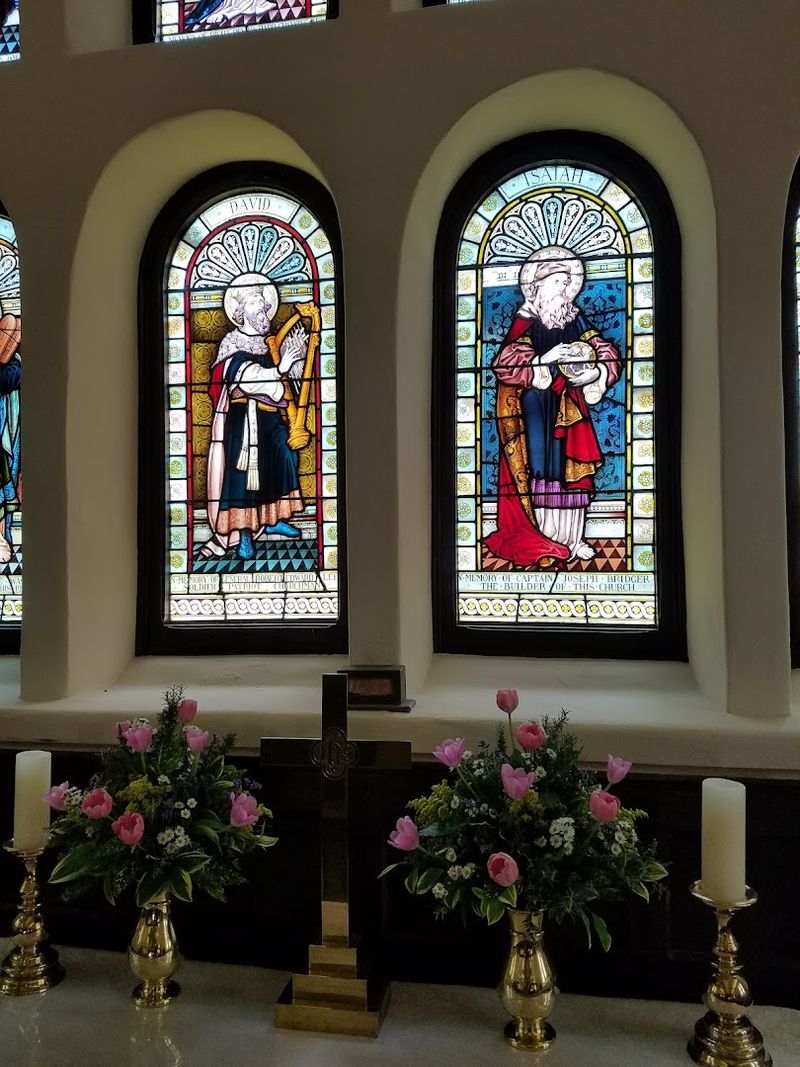
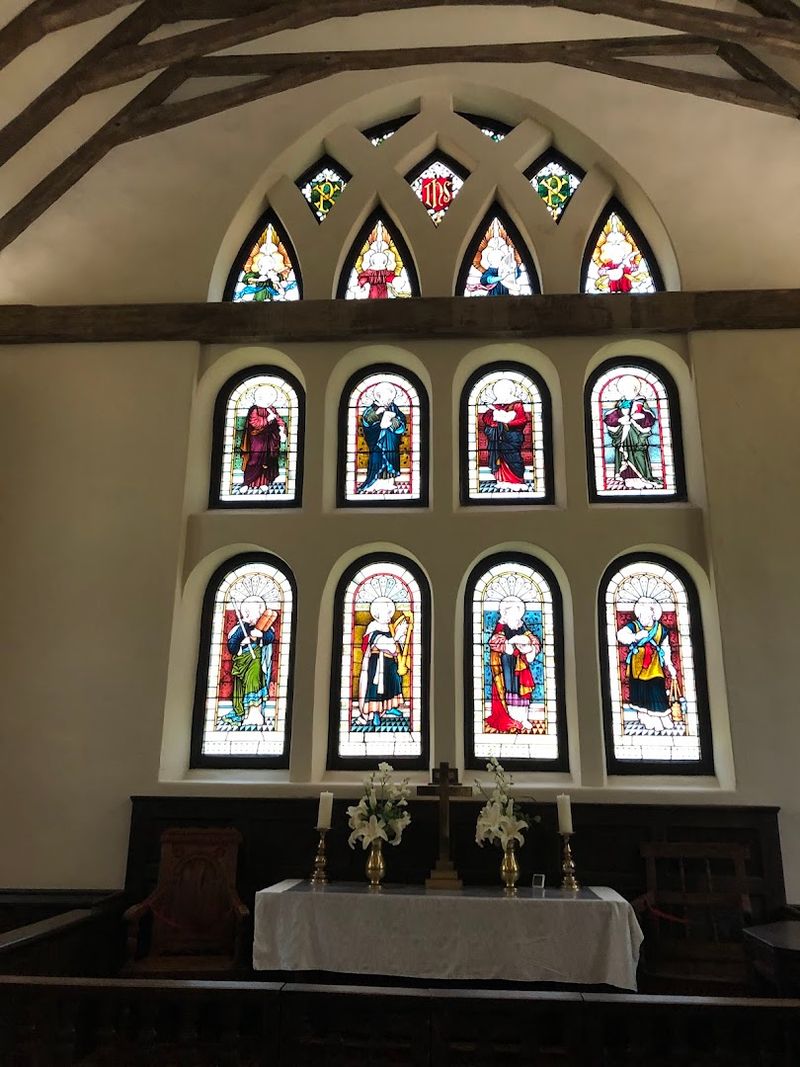
The single-room interior amplifies the Gothic drama beautifully. Natural light filters through those ancient windows and lands on original wooden pews in a way that feels almost cinematic.
My camera could not keep up with how genuinely stunning the light play was inside those walls on a clear morning.
A Cemetery That Reads Like an Open History Book
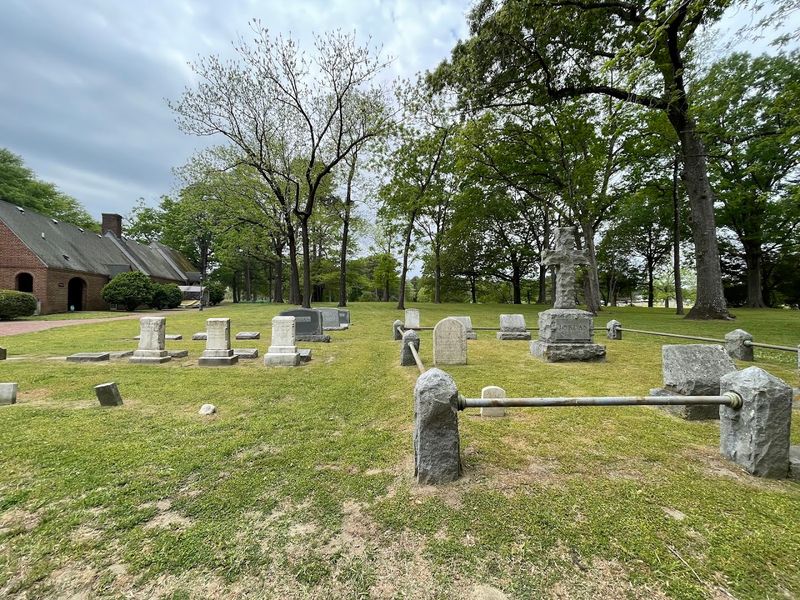
Not every cemetery invites you to slow down and actually read, but the one surrounding St. Luke’s Historic Church and Museum absolutely does. The graves here date back to the seventeenth century, and wandering among the weathered stones feels less like a somber experience and more like flipping through the earliest pages of American life.
Some inscriptions are barely legible, worn smooth by centuries of Virginia rain and sun. Others remain surprisingly clear, offering names, dates, and occasionally short epitaphs that carry enormous emotional weight when you stop to consider their age.
The cemetery grounds are impeccably maintained, which makes the whole experience feel respectful rather than eerie. Gravel paths wind between the oldest stones, making navigation easy even for those with mobility considerations.
Mature trees shade much of the space, creating a peaceful atmosphere that feels genuinely removed from the noise of modern life.
October brings special Twilight Cemetery Tours that transform the grounds after dark into something wonderfully atmospheric. Planning a visit around that event is absolutely worth the effort for anyone who appreciates history with a side of theatrical flair.
Guided Tours That Actually Bring History Alive
A lot of historic sites offer guided tours that feel like extended Wikipedia recitations. St. Luke’s Historic Church and Museum takes a completely different approach, and the difference is immediately obvious the moment a guide opens their mouth.
The team here brings genuine passion to every single tour. Guides customize their presentations based on what the group finds most interesting, which creates a surprisingly personal experience each time.
My own visit felt less like a structured lecture and more like a fascinating conversation with someone who truly loves what they do.
Both guided and self-guided audio tour options are available, giving visitors flexibility based on their preferred pace. The audio tour is particularly well-narrated, covering architectural details, religious history, and colonial life in a way that feels engaging rather than dry.
Virginia history comes alive here in ways that textbooks simply cannot replicate. Standing inside the original structure while hearing stories of early Anglican worship and colonial governance creates a connection to the past that is genuinely moving.
Groups, families, and solo explorers all find something meaningful to take away from the experience at this remarkable site.
The Artisan Mannerism Style Explained
Artisan Mannerism is not a term most people encounter outside of architecture textbooks, but St. Luke’s Historic Church and Museum makes it impossible to forget once you have seen it in person. This distinctive style blends Gothic structural elements with Renaissance decorative sensibilities, resulting in a building that feels both ancient and surprisingly sophisticated.
The sixty-foot tower is the most commanding feature from the outside. It rises above the surrounding landscape with an authority that feels completely intentional, as if the original builders wanted to make absolutely certain this church could be spotted from a considerable distance across the flat Virginia terrain.
Crow-stepped gables frame the roofline in a pattern borrowed from Flemish and English architectural traditions of the period. Seeing these details in a rural American setting creates a genuinely disorienting sense of wonder.
How did this level of craftsmanship end up in seventeenth-century colonial Virginia?
The answer involves skilled artisans who brought their European training across the Atlantic and applied it with remarkable results. St. Luke’s stands as proof that colonial America was far more culturally ambitious than the simplified narratives often suggest.
Every angle of this building rewards careful observation.
Decades of Meticulous Preservation Work
Keeping a structure from the sixteen hundreds standing in the twenty-first century requires more than good intentions. The preservation work at St. Luke’s Historic Church and Museum represents decades of careful, methodical effort guided by a commitment to historical accuracy above all else.
A major restoration effort brought the building back from a state of serious deterioration, and the results are extraordinary. Original materials were preserved wherever possible, and replacement elements were sourced and crafted to match the seventeenth-century originals as closely as modern techniques allow.
Historic St. Luke’s Restoration, the non-profit organization managing the site, oversees not just the church building but also the surrounding hundred-acre grounds. That scope of responsibility is significant, and the organization approaches it with an admirable level of dedication and transparency about their ongoing work.
Cemetery preservation workshops offered throughout the year give community members a hands-on way to contribute to the mission. There is something deeply satisfying about a historic site that invites the public to participate in its care rather than simply observe from a distance.
Virginia is lucky to have an institution this committed to getting preservation right, and the results speak clearly for themselves.
Religious Freedom and the Colonial American Story
Religion shaped every aspect of colonial Virginia life in ways that go far beyond Sunday services. At St. Luke’s Historic Church and Museum, that reality gets explored with impressive depth and nuance during tours and special lectures led by the site’s executive director, who is recognized as an authority on religion in colonial Virginia.
Anglican vestries during this period functioned as both religious and governmental bodies. Understanding that dual role fundamentally changes how you interpret early American history, particularly the later push for separation of church and state that became central to the founding of the United States.
The church itself serves as a physical argument for how seriously early colonists took their faith. Building a structure this permanent and this architecturally ambitious required enormous communal investment at a time when survival itself was not guaranteed.
That commitment speaks volumes about the values and priorities of the people who worshipped here.
Free lectures hosted at the site dig deeper into these themes for those who want more than a standard tour can offer. Walking away from St. Luke’s with a richer understanding of how religion and governance intertwined in colonial America feels like a genuinely valuable intellectual experience worth seeking out.
The Sprawling Grounds and Natural Beauty
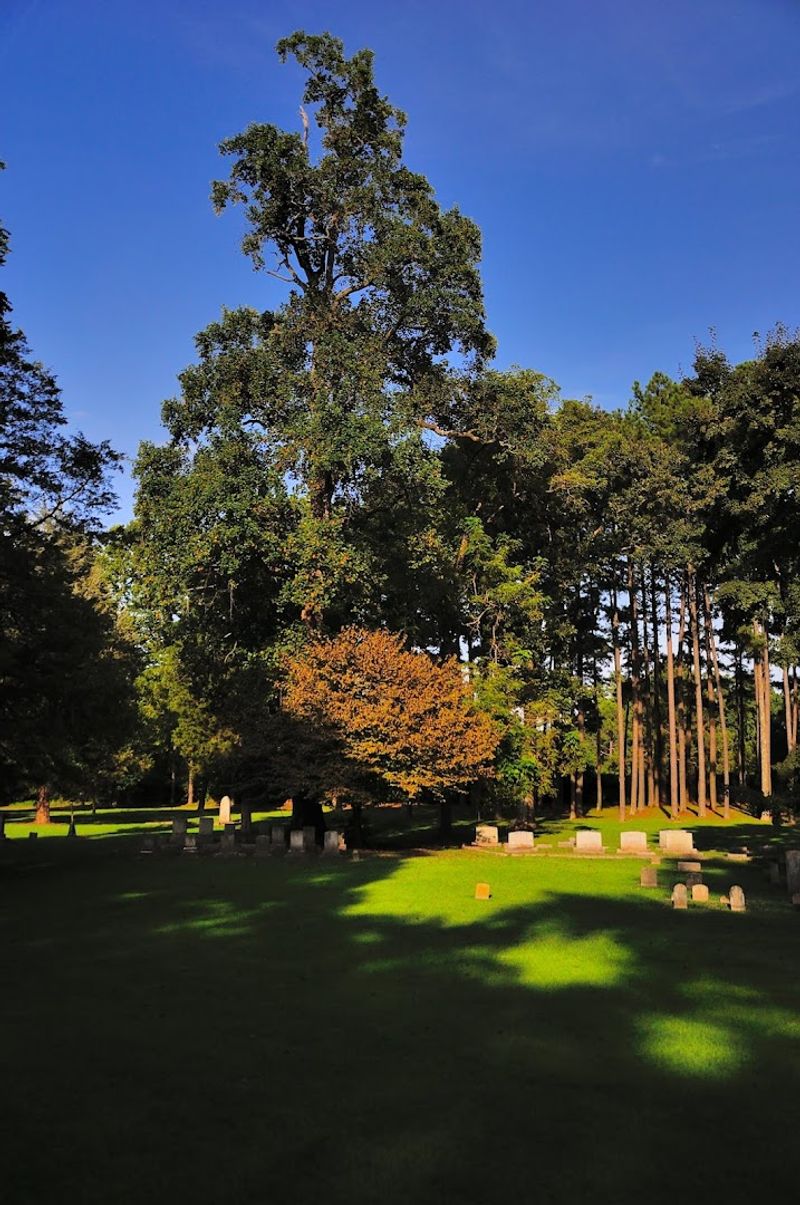
The church building alone would justify a visit, but the grounds surrounding St. Luke’s Historic Church and Museum add an entirely different dimension to the experience. Spreading across a generous expanse of Virginia countryside, the property offers space to breathe, reflect, and genuinely absorb the atmosphere of a place that has existed for centuries.
Mature trees dot the landscape, their canopies providing welcome shade on warm Virginia afternoons. The manicured lawns between the cemetery sections and the church create a sense of peaceful order that feels both respectful and inviting.
Pathways are clear and easy to navigate, making the outdoor portions of the visit accessible and enjoyable.
Photography enthusiasts will find endless compositions here. The interplay of ancient brick, weathered stone, and lush greenery produces images that look almost too beautiful to be real.
Golden hour light on the church tower is particularly spectacular, casting long shadows across the grounds in a way that feels genuinely cinematic.
Dogs are welcome on the grounds, which makes the visit family-friendly in the broadest possible sense. Spending a full afternoon exploring the property at a relaxed pace is absolutely the right approach, so resist the urge to rush through this remarkable outdoor space.
Special Events That Make History Feel Festive
History and fun are not mutually exclusive concepts, and St. Luke’s Historic Church and Museum proves that point with a calendar of special events that draws curious minds from across Virginia and beyond. The programming here goes well beyond standard museum fare, offering experiences that feel genuinely memorable rather than obligatory.
Twilight Cemetery Tours in October are the undisputed crowd favorite. After-dark access to a seventeenth-century cemetery surrounding one of America’s oldest church buildings creates an atmosphere that is atmospheric, educational, and just slightly spine-tingling in the best possible way.
Academic lectures tackle subjects that sound almost too fascinating to be real. Topics like the witches of colonial Virginia pull back the curtain on aspects of early American life that rarely make it into mainstream history curricula.
Attending one of these talks reframes everything you thought you knew about the colonial period.
Private group tours are also available, and several church congregations and historical organizations have taken advantage of that option with enthusiastic results. Planning a visit around one of the site’s special events transforms a great experience into an unforgettable one.
Checking the website before booking is strongly recommended to catch whatever is coming up next.
Finding St. Luke’s and Planning Your Visit
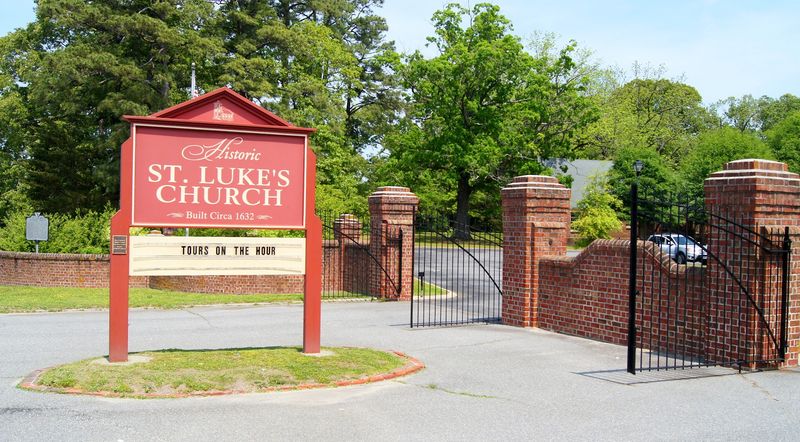
Getting to St. Luke’s Historic Church and Museum is straightforward once you know where to look, and the destination absolutely rewards the effort of finding it. The church sits at 14477 Benns Church Boulevard in Smithfield, Virginia, tucked into the kind of quiet countryside setting that makes the discovery feel genuinely rewarding.
Smithfield itself is only about ten minutes away, offering a charming downtown area worth exploring before or after your visit. The combination of a world-class historic site and a walkable small-town main street makes for an exceptionally well-rounded day out in Virginia.
Tours run Thursday through Saturday from morning until late afternoon, so planning ahead is essential. The site is closed Sunday through Wednesday, which catches a surprising number of first-time visitors off guard.
A quick check of the official website at stlukesmuseum.org before heading out will save any potential disappointment.
The gift shop stocks thoughtful, affordable souvenirs that make excellent reminders of the visit. Calling ahead at the number listed on the website is a smart move for groups or anyone wanting to arrange a specialized experience.
Pack comfortable shoes, bring your curiosity, and prepare to leave with a completely new appreciation for just how deep Virginia’s colonial roots actually run.
