Think you know the real story behind America’s first permanent English colony? Most history books skip the messy parts, the cultural clashes, and the daily grind of survival that defined life in Jamestown.
This living history museum at 2110 Jamestown Rd in Williamsburg pulls back the curtain on both sides of the colonial experience, showing you what textbooks won’t. You’ll walk through reconstructed settlements, board actual ship replicas, and meet passionate interpreters who bring the complex relationship between English colonists and Powhatan people to vivid life.
Virginia’s Historic Triangle isn’t just about powdered wigs and tea parties. Jamestown Settlement digs deeper, exploring the grit, innovation, and sometimes uncomfortable truths of cultural collision in the New World.
Ready to challenge what you thought you knew about American beginnings?
Indoor Galleries Packed With Artifacts And Stories
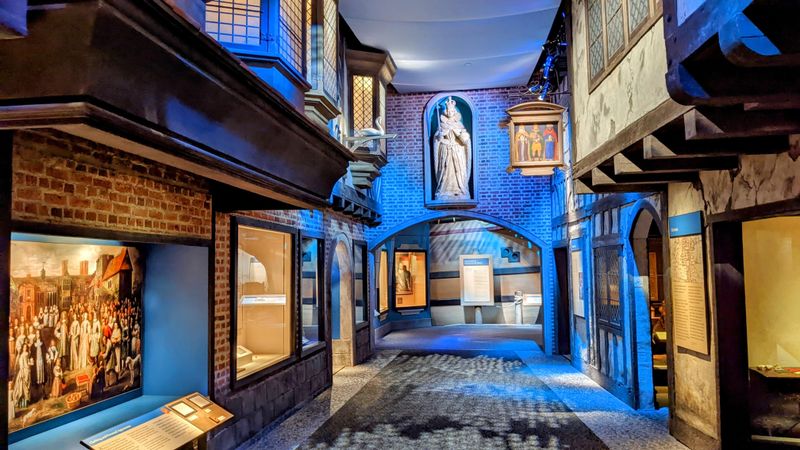
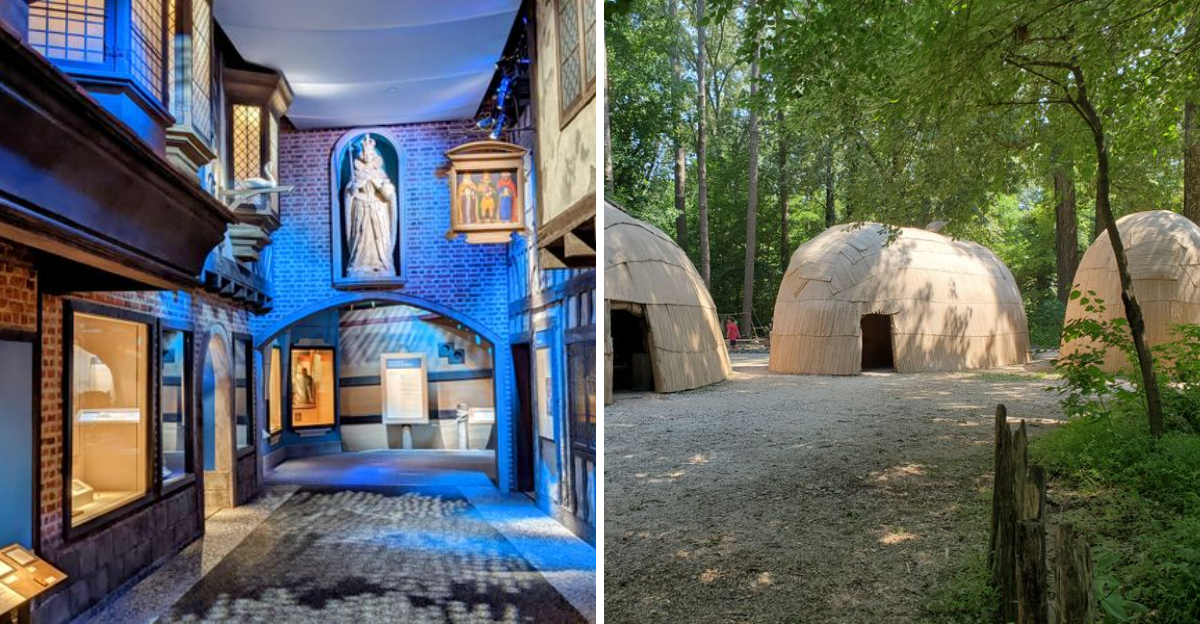
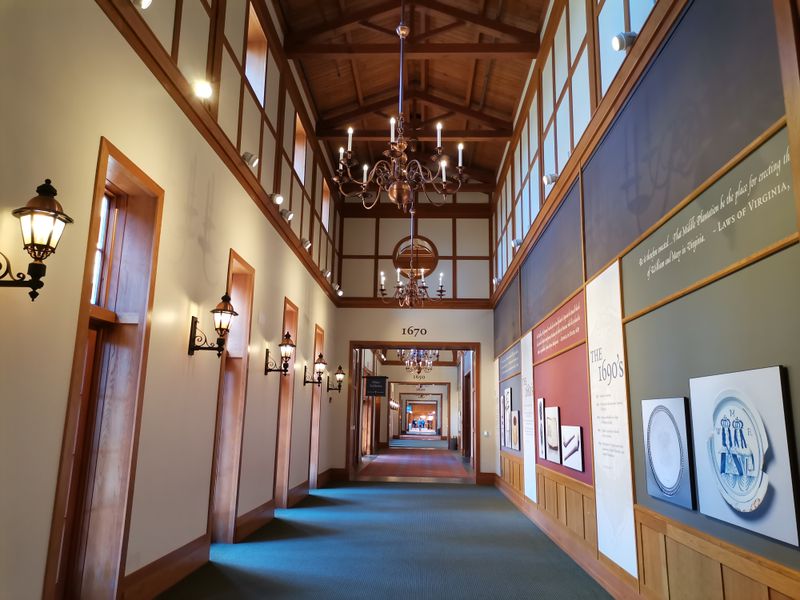
Walking into the main museum building feels like stepping into a time capsule designed by people who actually care about getting the details right. Gallery after gallery unfolds chronologically, guiding you through the Powhatan world before European contact, the harrowing transatlantic voyage, and the collision of two vastly different cultures on Virginia soil.
Interactive touchscreens let you explore family trees of historical figures while glass cases preserve actual artifacts recovered from archaeological digs. Film presentations throughout the galleries add emotional depth, featuring historians and descendant communities sharing perspectives often missing from traditional narratives.
Kids gravitate toward the hands-on stations where they can try on replica armor or examine reproduction tools. Adults appreciate the nuanced storytelling that doesn’t shy away from discussing disease, conflict, and the devastating impact of colonization on indigenous populations.
The galleries flow logically, building context before you head outside to the living history areas. Spend time here first and the outdoor exhibits make infinitely more sense.
Labels are written clearly without talking down to visitors, striking that sweet spot between educational and entertaining.
Climate-controlled comfort makes this section perfect for hot summer days or chilly winter visits. Benches scattered throughout let you rest while absorbing information at your own pace.
Powhatan Village Reconstruction Brings Indigenous Life Into Focus
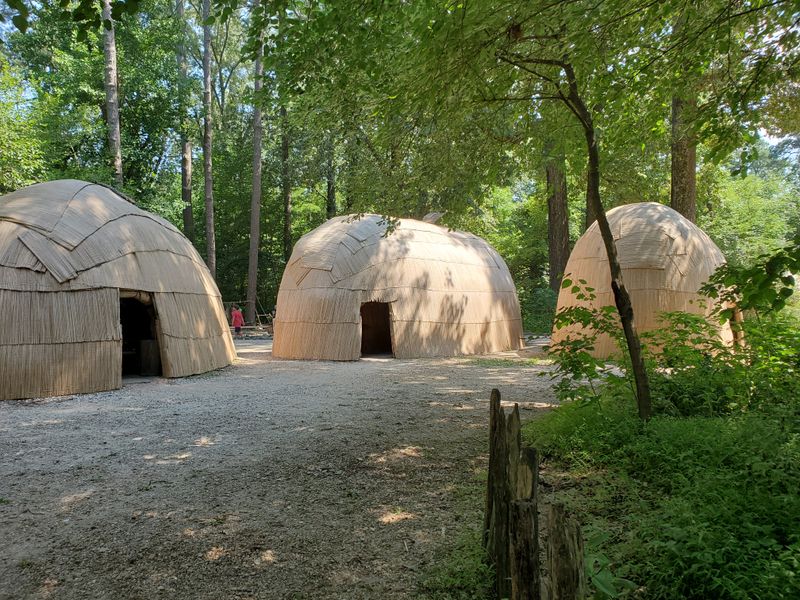
Forget every stereotype Hollywood planted in your brain. The reconstructed Powhatan village demonstrates the sophistication and ingenuity of the Algonquian-speaking people who called this region home for thousands of years before English ships appeared on the horizon.
Bark-covered houses called yehakins dot the clearing, each constructed using traditional techniques passed down through generations. Interpreters explain how these structures stayed cool in summer and warm in winter, proving that effective climate control didn’t start with central air.
Watch demonstrations of food preparation, tool-making, and agricultural practices that sustained thriving communities long before European contact. The garden areas showcase the three sisters crops of corn, beans, and squash, planted together in a mutually beneficial system that modern permaculture enthusiasts would recognize.
What strikes visitors most is the complexity of Powhatan society, their extensive trade networks, political alliances, and rich spiritual traditions. Interpreters share stories passed down through descendant communities, adding personal dimension to historical facts.
Kids can try their hand at grinding corn or shaping clay pottery under supervision. The hands-on approach transforms abstract history lessons into tangible experiences that stick with young minds far longer than textbook paragraphs ever could.
English Fort Recreation Shows Colonial Survival Tactics
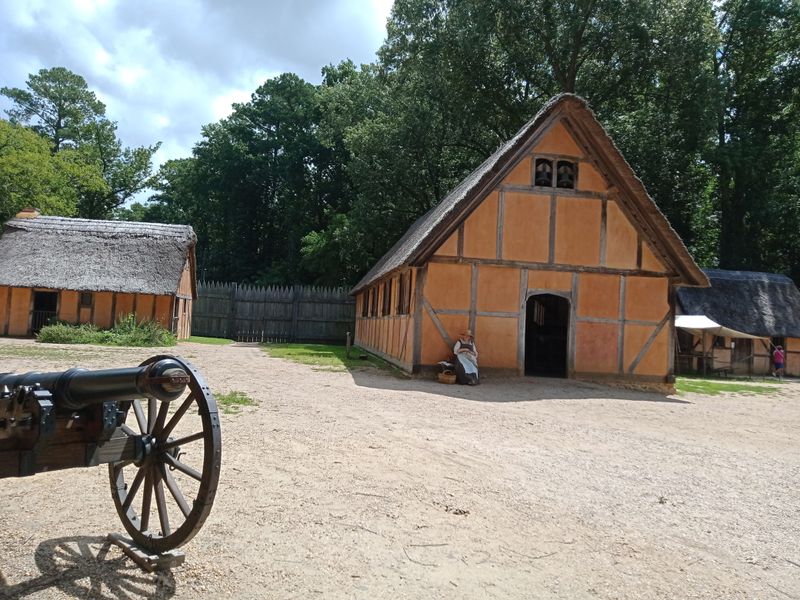
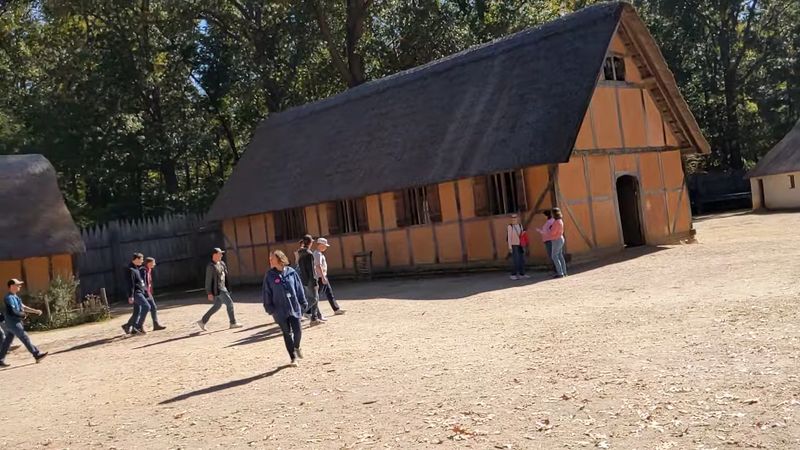
The triangular fort reconstruction sits behind imposing wooden palisade walls, just like the desperate colonists built back when every sunrise brought uncertainty about survival. Walking through those gates transports you into the cramped, muddy reality of early colonial existence.
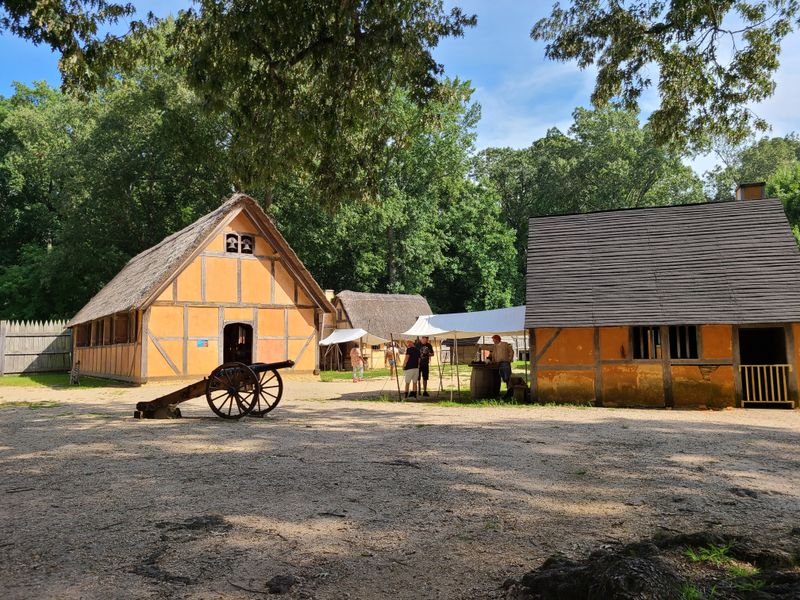
Inside the fort compound, thatched-roof buildings serve different functions: a chapel, storehouse, guardhouse, and dwellings that feel claustrophobic by modern standards. Interpreters dressed in period clothing go about daily tasks like blacksmithing, cooking over open fires, and maintaining weapons, explaining how each activity contributed to the settlement’s fragile stability.
Musket firing demonstrations happen regularly, and the sharp crack of black powder igniting makes you flinch even when you’re expecting it. Imagine hearing that sound during an attack while trying to defend your family with rudimentary weapons and minimal training.
The fort’s strategic design becomes clear as guides explain sight lines, defensive positions, and the constant threat of attack that shaped every architectural decision. You’ll understand why settlers chose this location despite its swampy, mosquito-infested drawbacks.
Armor displays let you appreciate the weight and restriction soldiers endured. Try lifting a helmet or breastplate and you’ll gain new respect for anyone who wore that gear while performing manual labor in Virginia’s brutal summer heat.
Ship Replicas Floating On The James River
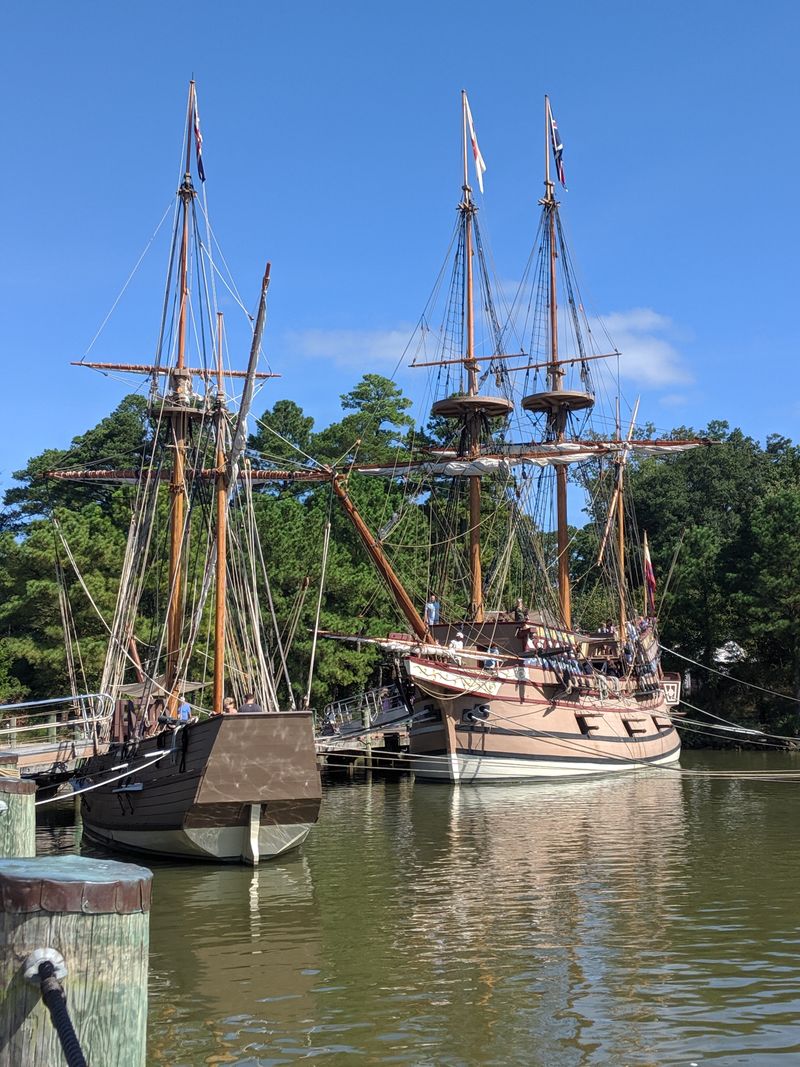
Three full-scale ships bob gently at the pier: Susan Constant, Godspeed, and Discovery. These aren’t modern fiberglass fakes but painstakingly accurate reproductions built using traditional shipbuilding methods that would make maritime historians weep with joy.
Climbing aboard the Susan Constant, you immediately grasp how impossibly small these vessels were for transatlantic voyages carrying over 100 passengers and crew. The cramped quarters below deck smell of tar and timber, evoking the stench and claustrophobia those early voyagers endured for months crossing the Atlantic.
Crew members dressed in period sailor garb demonstrate navigation techniques, knot-tying, and sail handling while explaining the brutal realities of life at sea. Seasickness, limited rations, storms, and the constant threat of shipwreck made every voyage a gamble with death.
Kids love exploring the decks, peeking into the captain’s cabin, and imagining life as a sailor. Adults appreciate the engineering ingenuity required to build vessels capable of such journeys using only hand tools and natural materials.
Watching interpreters climb the rigging to adjust sails provides heart-stopping entertainment. The courage required to scramble up swaying ropes in open ocean conditions becomes viscerally real when you see it demonstrated just feet away from where you stand.
Living History Interpreters Who Actually Know Their Stuff
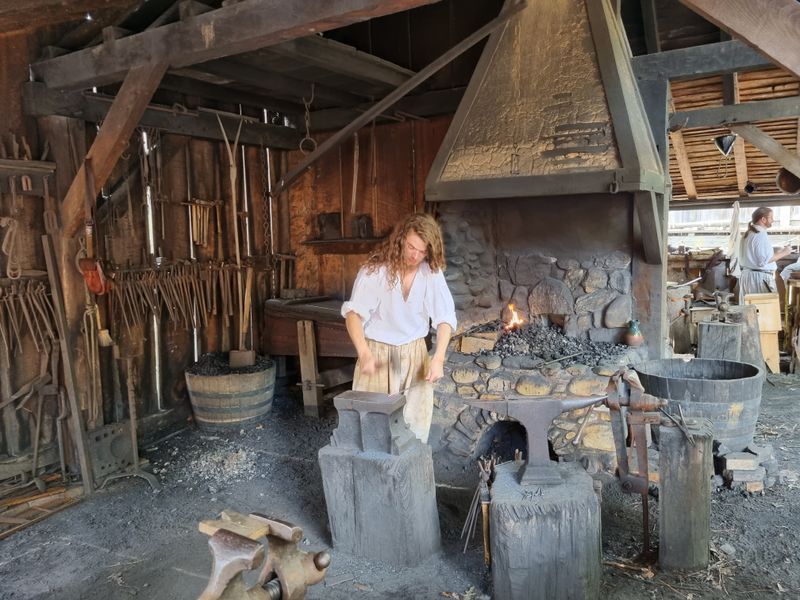
Forget bored teenagers reading from scripts. The interpreters at Jamestown Settlement are passionate history nerds who’ve spent years studying primary sources, archaeological evidence, and material culture to portray their roles with stunning accuracy.
Strike up a conversation with anyone in period dress and prepare for detailed answers that go way beyond surface-level trivia. These folks can discuss everything from cooking techniques and clothing construction to political tensions and religious beliefs that shaped colonial and indigenous societies.
Many interpreters stay in character, speaking from the perspective of someone actually living in the early 1600s. Others break character to provide historical context and answer modern questions, adapting their approach based on visitor interest and understanding.
What makes these interactions special is the interpreters’ genuine enthusiasm for sharing knowledge. They welcome questions, encourage hands-on participation, and tailor explanations for different age groups without being condescending.
Demonstrations happen throughout the day, from blacksmithing and cooking to weapon maintenance and agricultural work. Watching someone shape hot iron with a hammer or prepare food using only period-appropriate ingredients provides insight no textbook can match.
The interpreters’ dedication elevates Jamestown Settlement from a static museum to a dynamic educational experience where history breathes, moves, and occasionally smells like woodsmoke and sweat.
Seasonal Events That Transform The Experience
Jamestown Settlement doesn’t rest on its historical laurels. Throughout the year, special events add fresh dimensions to the permanent exhibits, giving repeat visitors new reasons to return.
The Winter Lantern Festival has become legendary, transforming the grounds into an illuminated wonderland featuring hundreds of intricate Chinese lanterns, acrobatic performances, and cultural demonstrations. Visitors rave about the unexpected beauty of seeing Jamestown’s landscape reimagined through glowing silk and bamboo artistry.
Spring and summer bring colonial games, military musters, and archaeological exploration programs where kids can try their hand at artifact identification. Fall harvest celebrations demonstrate food preservation techniques that kept colonists alive through harsh winters.
These events attract locals and tourists alike, creating community gathering spaces that honor both historical education and contemporary cultural exchange. The lantern festival particularly bridges cultures, celebrating artistic traditions from across the globe on historically significant Virginia ground.
Special programming also includes lectures by prominent historians, hands-on workshops teaching period crafts, and evening tours that explore the settlement under moonlight. Each event is thoughtfully designed to enhance rather than overshadow the site’s educational mission.
Check the website before visiting because special events sometimes require separate tickets or advance registration. The extra planning pays off with experiences you’ll remember long after standard museum visits fade from memory.
Accessibility And Amenities For Comfortable Exploration
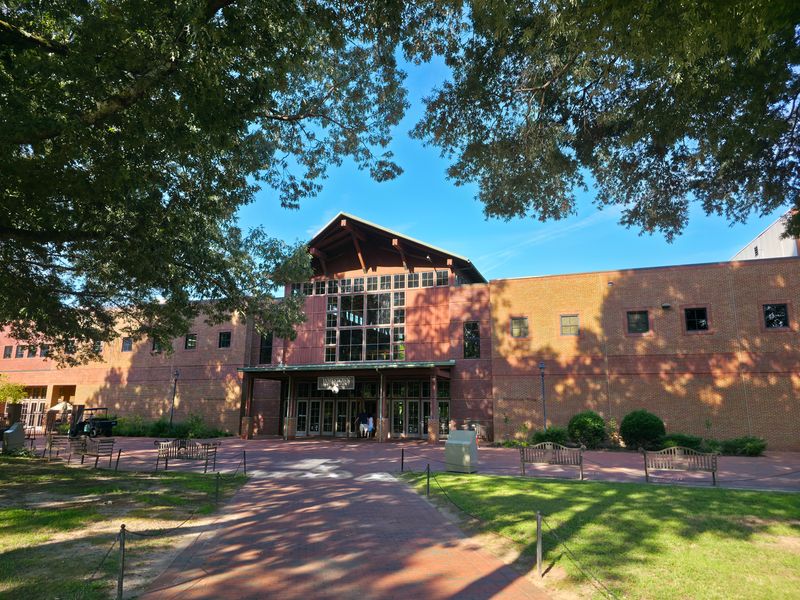
History shouldn’t be limited to those who can hike miles or navigate stairs. Jamestown Settlement takes accessibility seriously, with paved pathways connecting most outdoor exhibits and wheelchair-accessible entrances to buildings and ships.
The visitor center houses clean restrooms, a cafe serving reasonably priced food, and a well-stocked gift shop where you can grab souvenirs that actually relate to what you’ve learned. Additional restroom facilities and a snack stand near the ship area prevent long treks back to the main building.
Ample parking accommodates cars, buses, and RVs without the stress of circling for spots. The lot sits close enough to the entrance that even visitors with mobility challenges can manage the short walk.
Strollers navigate the site easily, though parents should note that some ship areas involve stairs that require carrying little ones. Benches scattered throughout the grounds provide rest stops for tired feet and overwhelmed brains.
The cafe deserves special mention for offering decent food at prices that won’t make you feel robbed. Sandwiches, salads, and kid-friendly options fuel your exploration without requiring a second mortgage.
Staff members are genuinely helpful, providing directions, answering questions, and accommodating special needs whenever possible. Their warmth adds to the welcoming atmosphere that makes Jamestown Settlement feel less like a stuffy institution and more like a community resource.
Educational Programs That Schools And Families Love
Teachers across Virginia know Jamestown Settlement as field trip gold. The museum offers structured educational programs aligned with state curriculum standards, transforming abstract history lessons into concrete experiences that students actually remember.
School groups get guided tours tailored to specific grade levels and learning objectives. Elementary students might focus on daily life comparisons between Powhatan and English societies, while high schoolers explore complex themes like cultural exchange, environmental adaptation, and the long-term consequences of colonization.
Hands-on activities let students try period tasks: grinding corn, writing with quill pens, or loading a musket under supervision. These tactile experiences create neural connections that passive listening never achieves.
Families visiting independently benefit from similar programming through scavenger hunts, activity guides, and ranger-led talks scheduled throughout the day. Kids stay engaged because they’re doing rather than just observing.
The museum’s educational approach respects young intelligence while making information accessible. Labels and presentations avoid oversimplification without drowning visitors in academic jargon.
Homeschool groups particularly appreciate the flexibility to explore at their own pace while accessing expert knowledge through interpreters. The combination of structured learning and open exploration accommodates different educational philosophies.
Parents consistently report that kids leave Jamestown Settlement asking questions and making connections, the holy grail of educational outings that justifies the admission price and travel time.
Connection To Historic Jamestowne Archaeological Site
Don’t confuse Jamestown Settlement with Historic Jamestowne, though both deserve your attention. Historic Jamestowne, managed by the National Park Service and Preservation Virginia, sits at the actual location where colonists first landed and built their settlement.
Jamestown Settlement functions as an interpretive museum about a mile away, offering reconstructions and exhibits that help you understand what you’ll see at the archaeological site. Think of it as getting the story before visiting the place where it actually happened.
Many visitors tackle both locations in a single day, starting at Jamestown Settlement for context then heading to Historic Jamestowne to walk the ground where history unfolded. The combination provides comprehensive understanding impossible from either site alone.
At Historic Jamestowne, you’ll see ongoing archaeological excavations, preserved building foundations, and artifacts being uncovered in real-time. The rawness of the actual site contrasts beautifully with the polished presentations at Jamestown Settlement.
Combination tickets offer access to both locations at discounted rates, making the dual visit economically smart. Budget a full day if you want to do both sites justice without feeling rushed.
The relationship between these sites demonstrates different approaches to historical preservation and interpretation. One focuses on protecting and revealing what remains; the other on bringing vanished worlds back to life through careful reconstruction and living history.
Planning Your Visit For Maximum Enjoyment
Timing matters when visiting Jamestown Settlement. Weekdays during the school year offer smaller crowds and more intimate interactions with interpreters.
Summer weekends bring families and tour buses, creating energy but also longer lines and crowded spaces.
The museum opens daily at 9 AM and closes at 5 PM, giving you eight hours to explore if you arrive early. Most visitors spend three to four hours minimum, though history enthusiasts easily fill an entire day.
Start with the indoor galleries to build foundational knowledge, then work your way outside through the Powhatan village, fort, and ships. This progression follows the museum’s intended narrative flow and prevents confusion.
Wear comfortable walking shoes because you’ll cover significant ground on paved and occasionally uneven surfaces. Virginia weather swings wildly, so check forecasts and dress in layers.
Summer heat can be brutal, making morning visits more comfortable.
Buying tickets online saves time and sometimes money through promotional discounts. Membership pays for itself after two visits and includes perks like special event access and gift shop discounts.
The location at 2110 Jamestown Rd makes it easy to combine with other Virginia Historic Triangle attractions like Colonial Williamsburg and Yorktown Battlefield. Plan a multi-day trip to experience the full sweep of early American history without exhausting yourself.
Dear Reader: This page may contain affiliate links which may earn a commission if you click through and make a purchase. Our independent journalism is not influenced by any advertiser or commercial initiative unless it is clearly marked as sponsored content. As travel products change, please be sure to reconfirm all details and stay up to date with current events to ensure a safe and successful trip.
