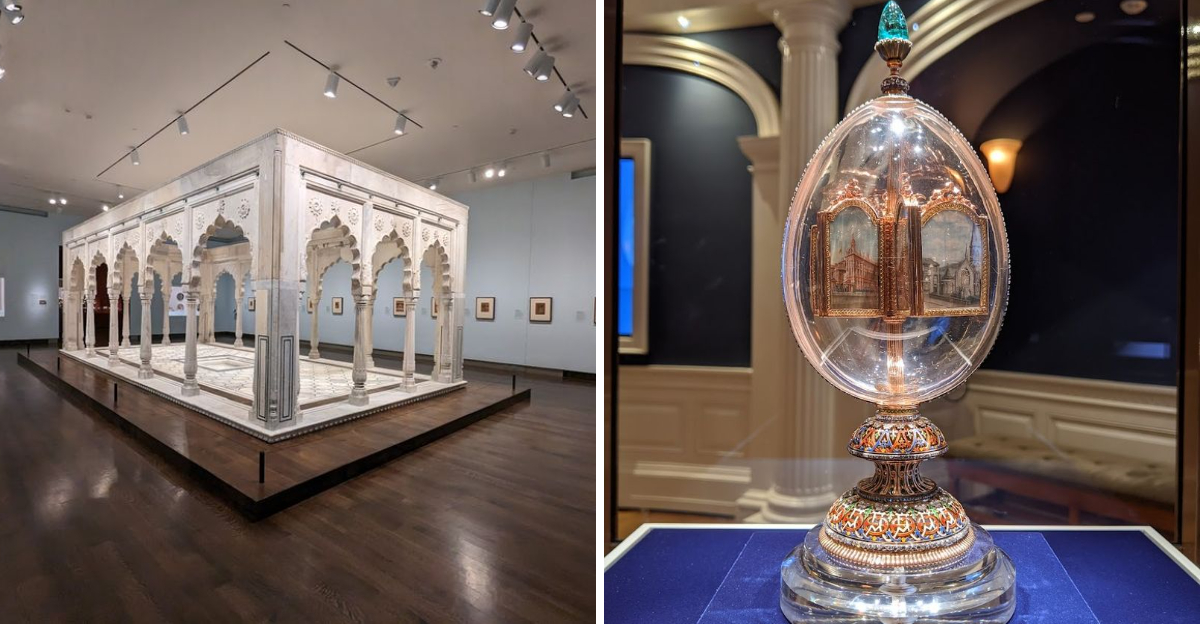
Virginia has a seriously impressive secret hiding in plain sight, and it has nothing to do with colonial history or Civil War battlefields. In Virginia, there sits a world-class museum that holds one of the largest collections of ancient Egyptian artifacts in all of North America.
Mummies, coffins, amulets, and jewelry spanning more than three thousand years of history are waiting just a short drive away. Pack your curiosity, because this is one cultural adventure that will genuinely blow your mind.
Tjeby: The Oldest Mummy in North America
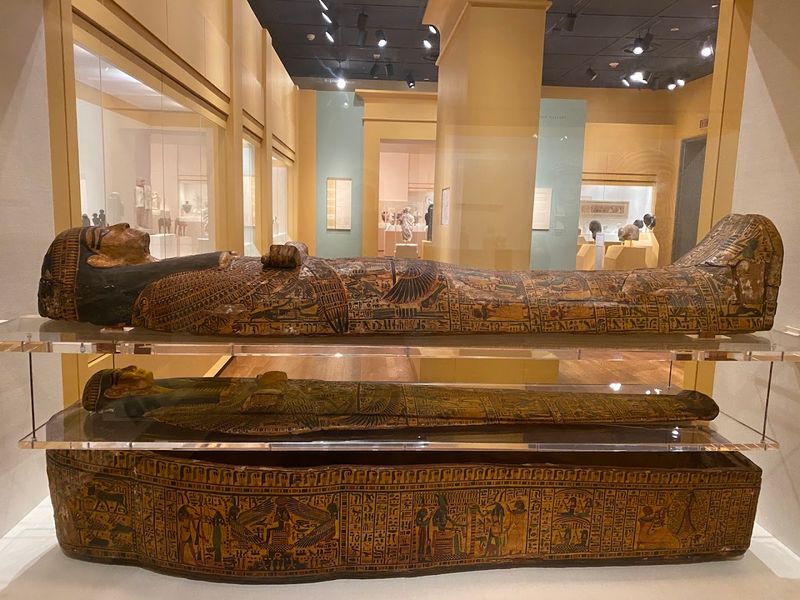
Meet Tjeby, a man who lived more than four thousand years ago and somehow ended up in Richmond, Virginia. He was an Egyptian official whose remarkably preserved mummy is considered one of the oldest in all of North America, and he calls the Virginia Museum of Fine Arts home.
Curators and conservation scientists at the museum have dedicated serious research efforts to understanding Tjeby’s life, health, and burial rituals. Advanced imaging and scientific analysis have revealed fascinating details about how ancient Egyptians prepared their dead for the afterlife.
Standing face to face with a mummy this ancient is a genuinely spine-tingling experience. The sheer age of this artifact puts everything into perspective.
Tjeby predates the famous pharaohs most people recognize, making his presence here all the more extraordinary.
For history lovers and curious minds alike, this is the kind of exhibit that stops you mid-step and demands your full attention. The level of preservation and the depth of research behind this single artifact alone makes a visit to this Richmond treasure completely worthwhile.
A Collection Spanning Over Three Thousand Years of Egyptian History
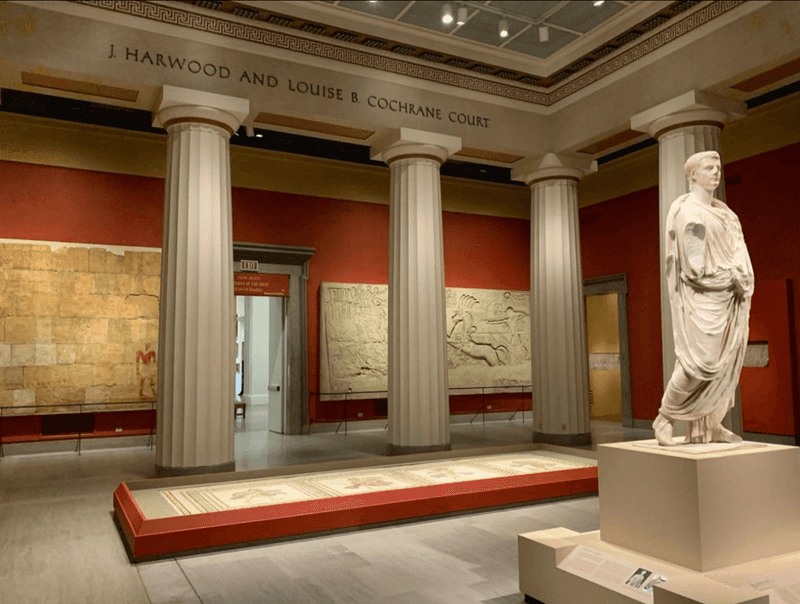
Three thousand years is almost impossible to wrap your head around, yet the Egyptian collection here manages to make that timeline feel vivid, personal, and deeply human. Objects from the earliest dynasties all the way through the Greco-Roman period of Egypt are represented in one extraordinary permanent collection.
Sculptures, amulets, everyday household objects, and ceremonial items sit side by side, painting a picture of a civilization that was obsessed with both living well and dying even better. Each artifact carries layers of meaning rooted in Egyptian spiritual beliefs and cultural traditions.
Virginia honestly does not get enough credit for housing a collection this significant. Most people assume you have to travel to Washington D.C. or New York to encounter ancient Egypt at this level.
Richmond proves that assumption completely wrong.
Walking through this collection feels less like a museum visit and more like a slow, meditative journey through one of history’s greatest civilizations. Every display case rewards close attention, and the storytelling behind each object is thoughtful, accessible, and genuinely engaging for all ages.
Egyptian Coffins and the Art of the Afterlife
Few things command a room quite like an ancient Egyptian coffin. The ones on display at the Virginia Museum of Fine Arts are intricately decorated with hieroglyphs, painted imagery, and symbolic motifs that were specifically designed to guide the deceased safely into the afterlife.
Egyptian coffins were not simply containers. They were architectural statements of faith, identity, and social status.
The craftsmanship involved in creating them was extraordinary, and seeing them up close reveals details that photographs simply cannot capture.
The museum presents these objects with rich contextual information, explaining the religious beliefs and burial customs that made coffin design such a serious art form in ancient Egypt. You leave understanding not just what you saw, but why it mattered so deeply to the people who made it.
Richmond residents and out-of-town guests alike tend to linger longest in this part of the collection. There is something magnetic about standing near an object that was crafted with such intentional devotion to human existence beyond death.
It is humbling, beautiful, and completely unforgettable in equal measure.
Jewelry and Amulets: Small Objects with Enormous Power
Ancient Egyptians believed that small objects could carry enormous protective power, and the jewelry and amulet collection at this Richmond institution proves just how seriously they took that belief. Tiny carved figures, beaded collars, and inscribed rings fill display cases with a quiet, almost electric energy.
Gold, faience, carnelian, and lapis lazuli were among the most prized materials, each chosen not just for beauty but for its symbolic and spiritual significance. Even the colors carried meaning, with blue and green representing fertility, rebirth, and the life-giving waters of the Nile.
What makes this collection especially compelling is its range. Pieces worn by wealthy nobles sit alongside simpler amulets that ordinary Egyptians would have carried daily.
The collection humanizes an ancient civilization by showing that protection, hope, and spiritual connection were universal desires regardless of social class.
Virginia is home to a surprising number of world-class cultural treasures, and this dazzling display of ancient personal adornment ranks among the finest. Take your time here, because the details in these miniature masterpieces reward patience and a close eye.
Everyday Life in Ancient Egypt on Full Display
Pharaohs and mummies get most of the glory, but the everyday objects in this collection tell the most intimate stories. Combs, cosmetic containers, pottery, tools, and writing implements reveal what ordinary Egyptian life actually looked and felt like thousands of years ago.
Seeing a hairpin or a small storage jar that someone used in their daily routine creates an unexpected emotional connection. Suddenly ancient Egypt is not just a civilization of grand monuments and mysterious rituals.
It becomes a place where real people woke up, got dressed, cooked meals, and loved their families.
The Virginia Museum of Fine Arts presents these objects with contextual care, explaining how they fit into domestic routines, trade networks, and social structures. The result is a surprisingly relatable portrait of a civilization that is often portrayed as distant and otherworldly.
This section of the collection is especially great for younger visitors, who find it easier to connect with objects they can mentally place in a familiar context. A comb is a comb across four thousand years, and that simple realization tends to spark some genuinely wonderful curiosity.
The Sunken Cities Exhibition: Treasures from Underwater Egypt
At one point, the Virginia Museum of Fine Arts hosted an exhibition so extraordinary it felt almost unreal. Nearly three hundred objects recovered from the underwater ruins of the ancient Egyptian cities of Canopus and Thonis-Heracleion were brought together in a show that left audiences genuinely speechless.
These cities sank beneath the Mediterranean Sea centuries ago, and their rediscovery by underwater archaeologists ranks among the most dramatic finds in modern history. Statues, ritual objects, and inscribed stones emerged from the deep in remarkable states of preservation, telling stories that had been submerged for over a thousand years.
Hosting an exhibition of this caliber confirmed what art lovers in Virginia already knew. Richmond is a serious cultural destination, not a second-tier stop on the way to somewhere else.
The museum’s ability to attract globally significant exhibitions speaks to its standing in the international art world.
If you missed the Sunken Cities show, the permanent Egyptian collection still offers plenty of wonder. But this exhibition set a high bar that demonstrated just how ambitious and world-class the programming at this beloved Richmond institution truly can be.
Repatriation and Ethical Collecting: A Museum That Does the Right Thing
Great museums are not just defined by what they collect. They are defined by the integrity with which they manage those collections.
The Virginia Museum of Fine Arts made headlines when it announced the repatriation of dozens of ancient artworks to their countries of origin, including Egypt, Italy, and Turkey.
Following a thorough investigation that revealed some artifacts had been looted or stolen, the museum took decisive action. Returning those objects was not a legally mandated move so much as a principled one, reflecting a genuine commitment to ethical stewardship of cultural heritage.
This kind of institutional honesty is rare and worth celebrating. Many museums around the world still struggle to reckon with complicated acquisition histories, but the approach taken here signals a forward-thinking leadership that prioritizes doing right over protecting inventory.
For visitors, knowing that the collection on display has been carefully vetted and responsibly managed adds a layer of trust and respect to the entire experience. You can admire these ancient Egyptian artifacts knowing that the institution housing them takes their cultural significance seriously, which makes the whole visit feel that much more meaningful.
The Museum Building Itself Is a Work of Art
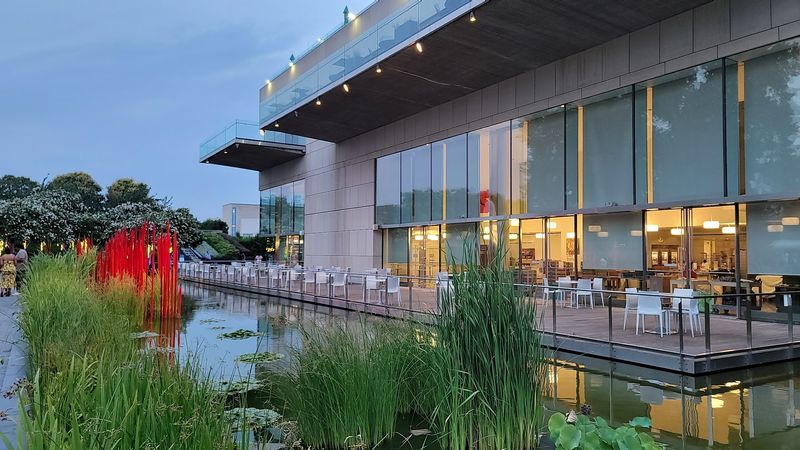
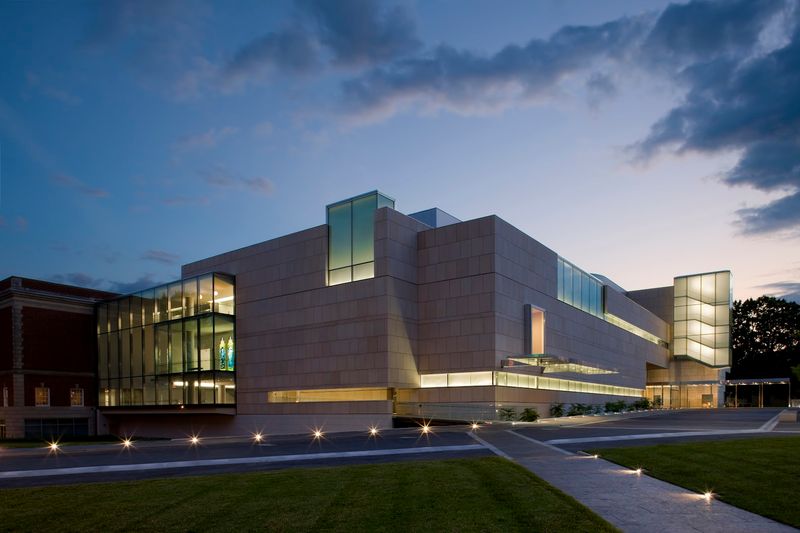
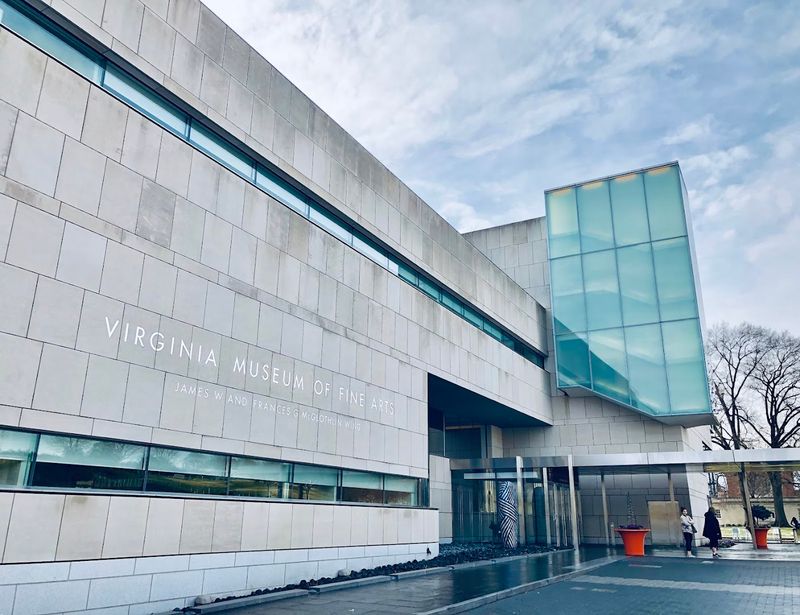
Before you even step inside, the Virginia Museum of Fine Arts makes an impression. The building’s architecture blends classical grandeur with sleek modern additions, creating a visual conversation between past and present that feels entirely fitting for an institution dedicated to art across the ages.
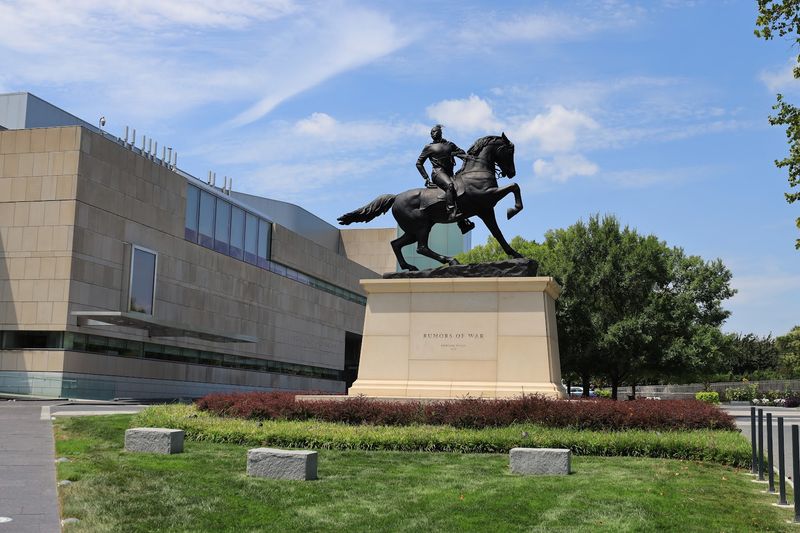
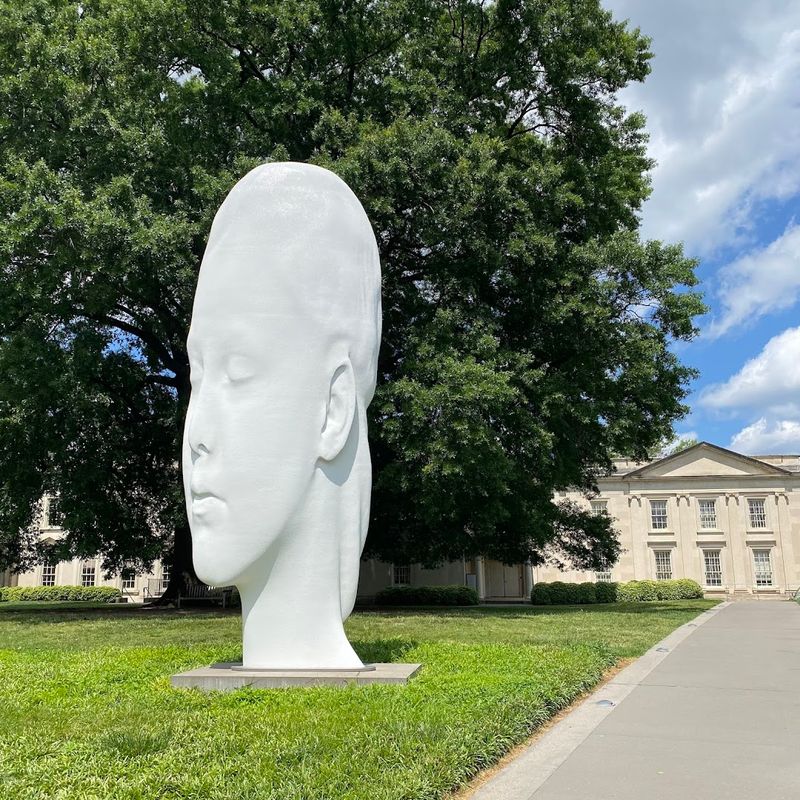
The grounds surrounding the museum are equally impressive. Outdoor sculptures dot manicured lawns and garden spaces, turning the approach to the building into its own open-air gallery.
One standout is Chloe, a striking large-scale white sculpture that has become something of a beloved landmark on the museum’s campus.
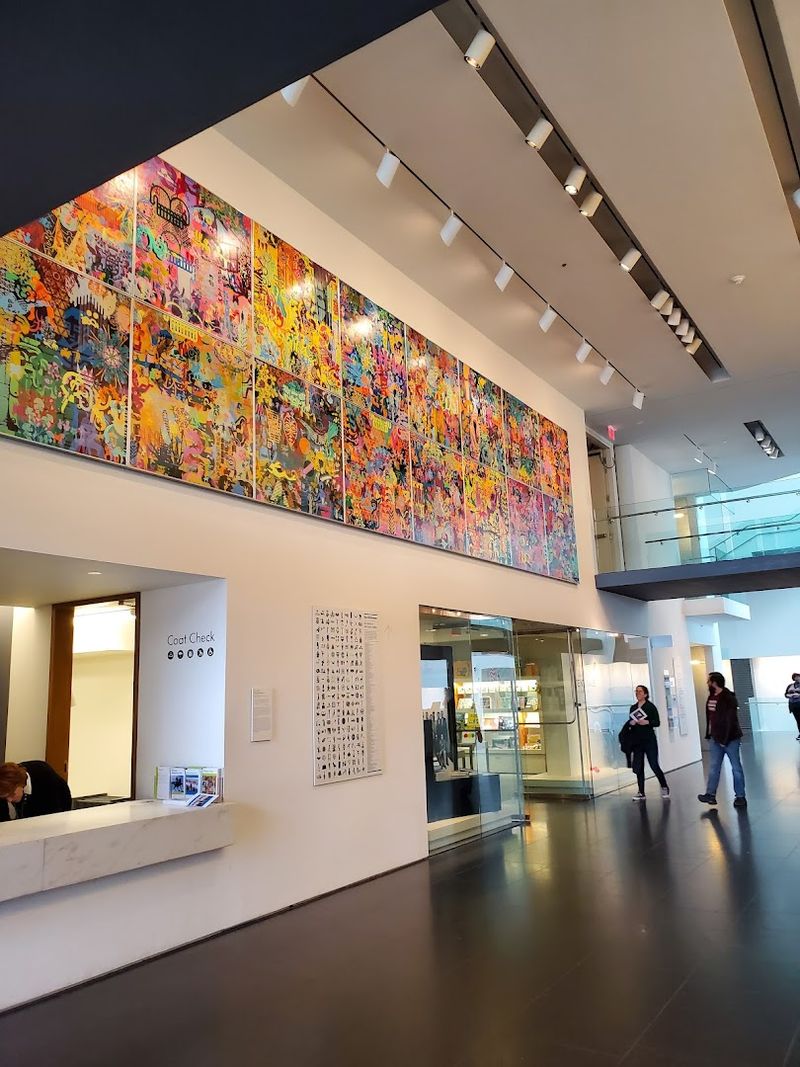
Inside, soaring ceilings, natural light, and thoughtfully designed gallery spaces make navigation feel intuitive and pleasurable. Moving from one collection to the next never feels abrupt or disjointed.
The architecture itself guides you gently from ancient Egypt to European masters to modern works without losing the thread.
Richmond has a lot going for it architecturally, but this building holds a special place in the city’s cultural identity. Locals are genuinely proud of it, and first-time visitors consistently remark that the space itself enhances their appreciation of everything on display inside.
Beyond Egypt: A World-Class Collection Under One Roof
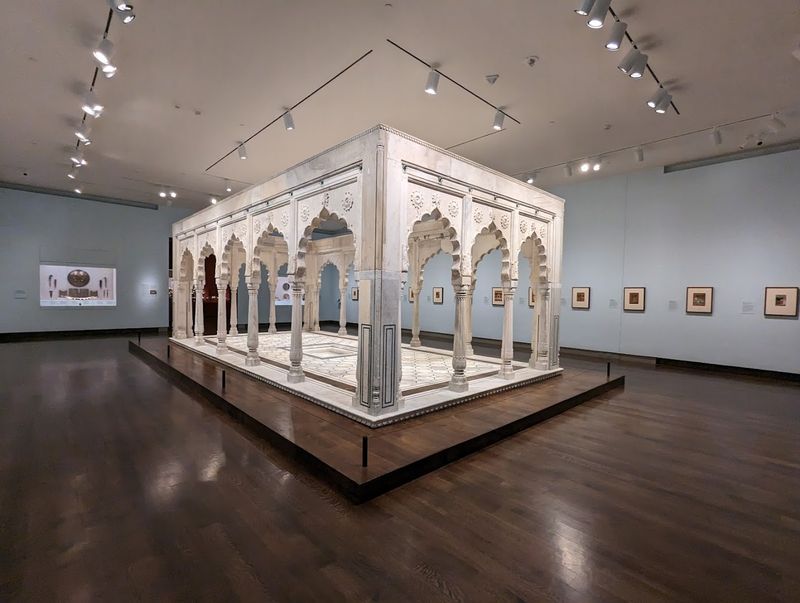
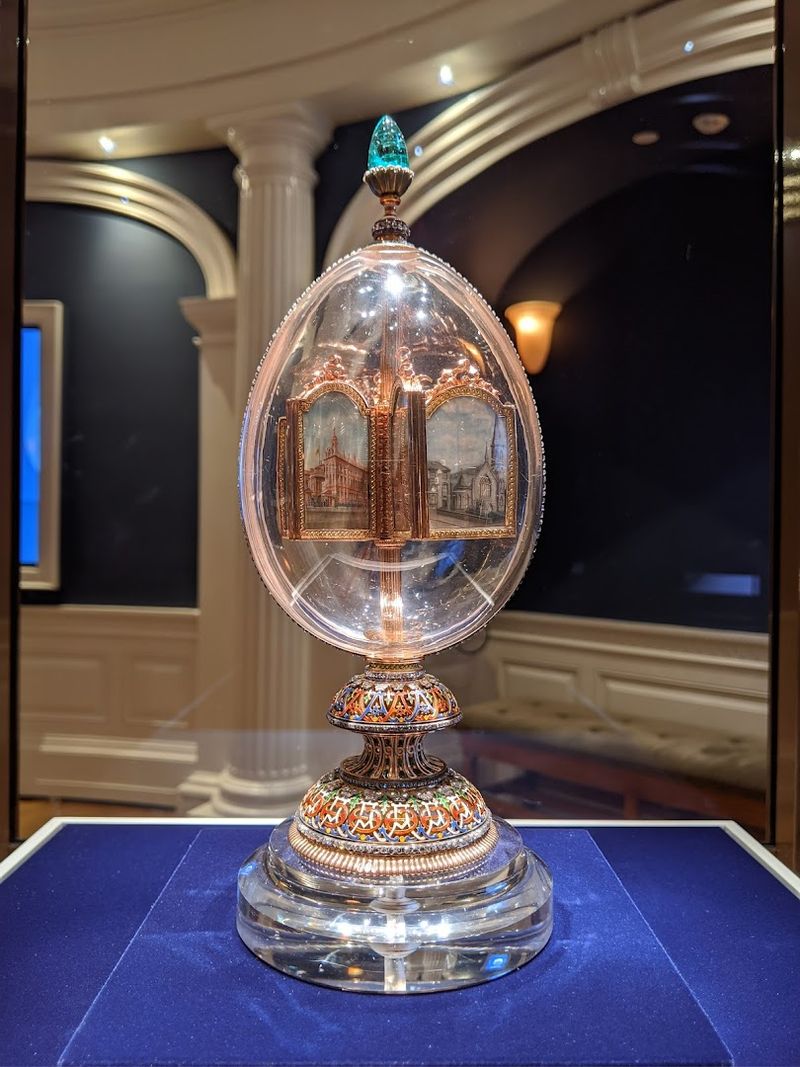
Ancient Egypt might be the star of the show for many visitors, but the Virginia Museum of Fine Arts is packed with world-class collections that cover virtually every major art tradition on the planet. European masters, South Asian sculpture, African art, American modernism, and the famous Faberge egg collection all share space here.
The Faberge eggs alone are worth a dedicated visit. These impossibly intricate jeweled creations by the Russian imperial jeweler are displayed with theatrical flair, and seeing them in person is one of those experiences that makes you understand why people traveled for art long before the internet existed.
The sheer range of what is on offer means that no two visits feel the same. Spend one afternoon with ancient Egypt, then come back for the European galleries, then return again for a special exhibition.
The museum genuinely rewards repeat visits and curiosity-driven wandering.
Virginia punches well above its weight when it comes to cultural institutions, and this museum is the clearest proof of that claim. The breadth and quality of the collection would be impressive in any major global city, let alone a mid-sized American one.
Planning Your Visit to 200 N Arthur Ashe Blvd
Getting yourself to the Virginia Museum of Fine Arts is genuinely easy, and there is almost no reason not to go. Located at 200 N Arthur Ashe Blvd in Richmond, Virginia, the museum sits in a vibrant part of the city that is easy to reach and enjoyable to explore before or after your visit.
General admission to the permanent collection is free, which makes this one of the most generous cultural institutions in the entire state. Special exhibitions may carry a separate ticket, but the base experience of wandering through thousands of years of human creativity costs you nothing but your time.
The museum is open most days of the week, with extended evening hours on select days that make after-work or weekend visits perfectly practical. An on-site restaurant called Amuse provides a full dining experience for those who want to turn their museum trip into a complete evening out.
Parking is available on the museum grounds, and the staff throughout the building is consistently described as warm, knowledgeable, and genuinely enthusiastic about helping visitors get the most from their time here. Pack your sense of wonder and go explore ancient Egypt right here in Richmond.
Dear Reader: This page may contain affiliate links which may earn a commission if you click through and make a purchase. Our independent journalism is not influenced by any advertiser or commercial initiative unless it is clearly marked as sponsored content. As travel products change, please be sure to reconfirm all details and stay up to date with current events to ensure a safe and successful trip.
