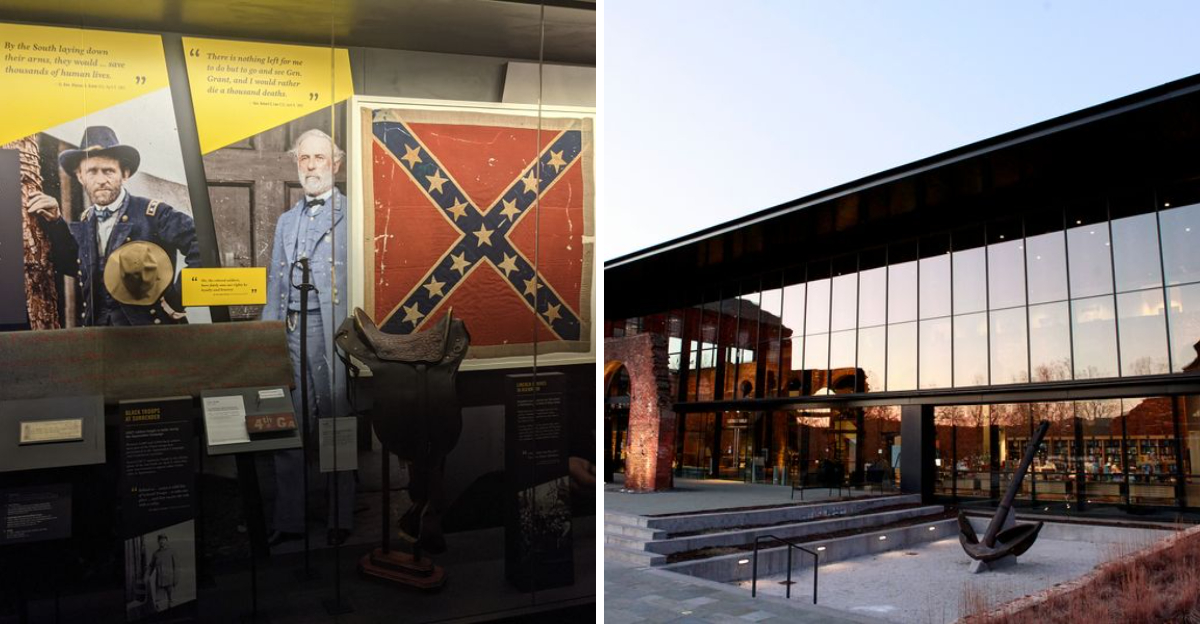
Civil War is more complicated than most people realize. Step into Richmond, and you’ll quickly discover that the story is far more complex than your history textbook suggested.
At the American Civil War Museum at Historic Tredegar, located along the scenic James River at 480 Tredegar St, history comes alive, and it comes alive honestly. This isn’t just a display of battle flags, cannons, and dusty uniforms.
Instead, it peels back the layers of one of America’s most turbulent eras, revealing the tangled realities that shaped Virginia and the nation during those brutal years.
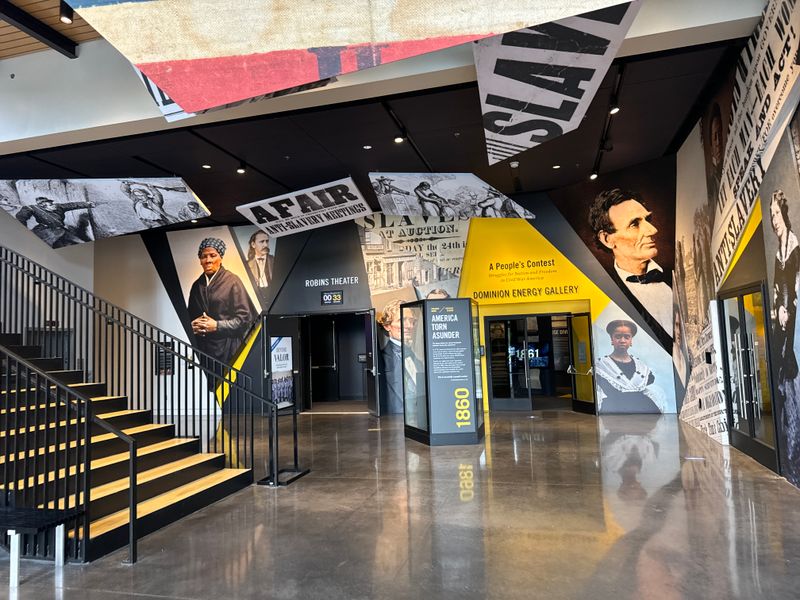
What sets this museum apart is its perspective. Rather than glorifying generals or choosing sides, it presents three voices that rarely share equal attention: Union soldiers, Confederate citizens, and the enslaved people whose lives and freedom were at stake.
Through immersive exhibits, personal narratives, and thought-provoking displays, visitors are encouraged to confront the human cost of the conflict and the moral dilemmas that came with it.
Prepare to have assumptions challenged, questions raised, and your understanding of the Civil War completely reshaped. By the time you leave, Richmond, and history itself, will never feel quite the same again.
Three Perspectives Under One Roof
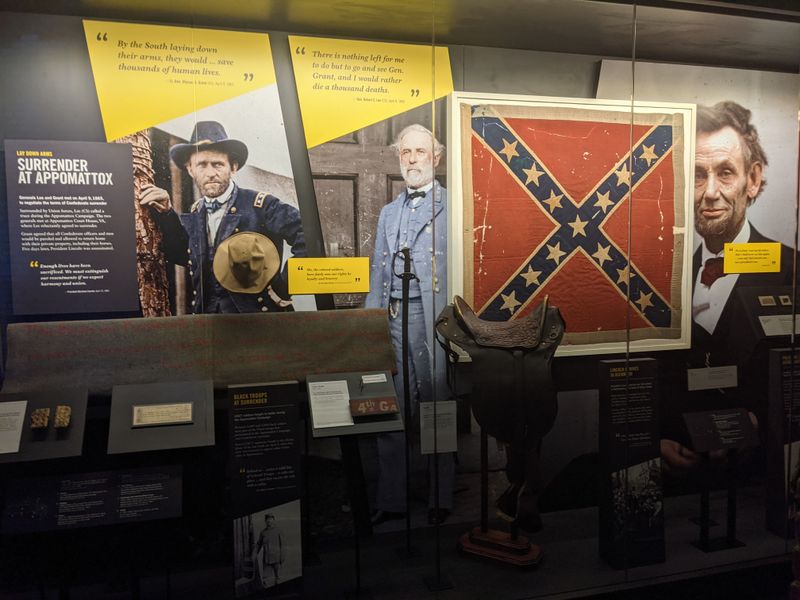
Walk through these galleries and you’ll notice something different right away. Most Civil War sites lean heavily toward one viewpoint, but this museum refuses to play favorites.
The exhibits deliberately present Union, Confederate, and African American experiences side by side. You’ll hear from Northern soldiers who believed they were saving the republic, Southern families who felt their world was crumbling, and Black Americans who saw the war as their shot at freedom.
This approach might feel uncomfortable at times. That’s exactly the point.
History isn’t neat, and the museum doesn’t try to tidy it up for easy consumption.
Each perspective gets its own space and voice. You might find yourself sympathizing with people whose choices you’d never make, or questioning heroes you’ve always admired.
The curators assembled letters, diaries, and artifacts that show real people grappling with impossible decisions. No single narrative dominates, which means you get to think critically instead of just absorbing someone else’s conclusion.
Virginia sits at the heart of this story, and Richmond was the Confederate capital. This museum acknowledges that complicated legacy without celebrating or condemning it simplistically.
Historic Tredegar Ironworks Location
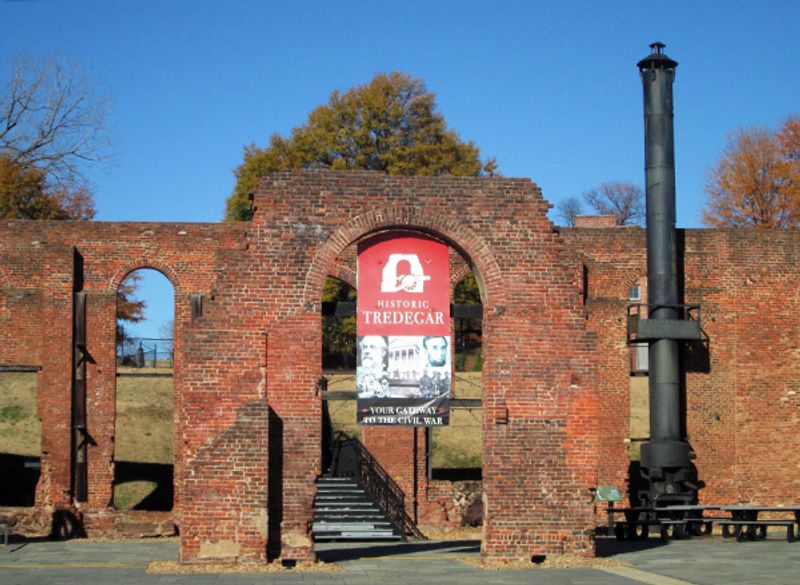
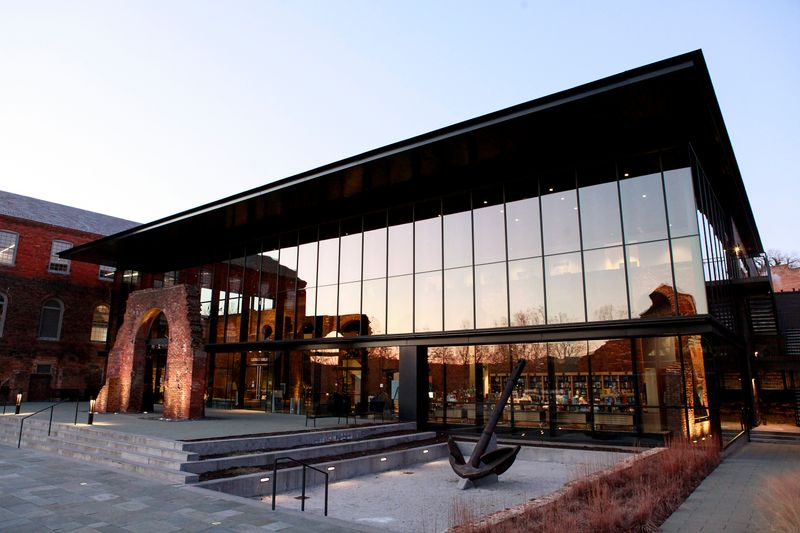
The building itself tells half the story before you even step inside. These brick structures once housed the Tredegar Ironworks, which forged cannons, ammunition, and armor plating for the Confederate military.
Standing where enslaved workers and immigrant laborers once toiled adds weight to every exhibit. The industrial complex powered the South’s war machine, making Richmond a strategic target throughout the conflict.
After the war ended, the ironworks continued operating for decades. The transition from wartime production to peacetime industry mirrors the region’s own complicated reconstruction.
Today, the James River flows past these restored buildings just like it did back then. You can walk the same grounds where workers hauled iron and dodged danger daily.
The location matters because it connects abstract history to tangible places. This isn’t some replica or theme park version of the past.
These walls witnessed actual events. The machinery that once thundered here shaped battles fought across Virginia and beyond.
Preservationists worked carefully to maintain the industrial character while creating modern museum spaces. Exposed brick, original timbers, and period architectural details remind you constantly where you’re standing.
Slavery’s Central Role Gets Honest Treatment
Too many Southern historic sites dance around slavery or treat it as a footnote. Not here.
The museum places enslaved people’s experiences front and center throughout its narrative.
You’ll learn about the individuals who worked at Tredegar itself, both enslaved and free Black laborers who kept the ironworks running. Their stories aren’t sanitized or simplified.
The exhibits explain how slavery wasn’t just a moral issue but the economic foundation that made secession appealing to wealthy Southerners. Without understanding that, the whole war makes no sense.
Personal accounts from formerly enslaved people describe their hopes, fears, and strategies for survival. Some ran toward Union lines seeking freedom, while others had no choice but to wait and endure.
The museum also addresses the uncomfortable truth that not all Northerners cared about ending slavery. Many Union soldiers fought to preserve the nation, not to free anyone.
This honesty might clash with simpler versions of history you’ve heard before. That discomfort signals you’re learning something real.
Virginia’s economy depended heavily on enslaved labor, and Richmond’s prosperity reflected that brutal reality. The museum doesn’t flinch from these facts.
Richmond As The Confederate Capital
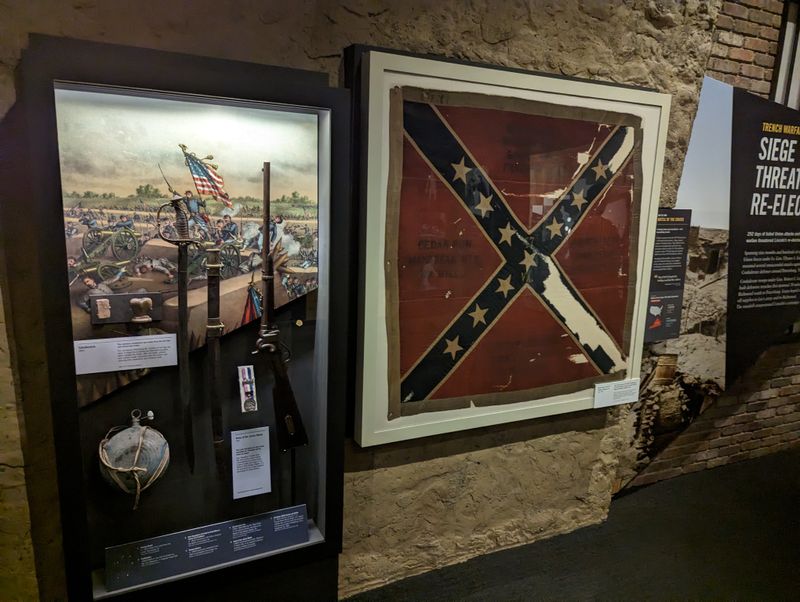
For four years, this city served as the nerve center of the Confederacy. Government officials, military strategists, and desperate citizens all converged here as the war dragged on.
The museum explores what daily life looked like in a capital under constant threat. Food shortages, inflation, and fear shaped everyone’s existence.
You’ll see how Richmond transformed from a prosperous industrial hub into a besieged fortress city. Union forces repeatedly tried to capture it, making the surrounding Virginia countryside a constant battlefield.
The exhibits don’t glorify the Confederate government but examine how it functioned and ultimately failed. Political infighting, resource shortages, and military setbacks all contributed to its collapse.
When Richmond finally fell, fires destroyed much of the downtown area. Retreating Confederate soldiers torched warehouses and bridges to deny them to advancing Union troops.
The chaos of those final days comes alive through eyewitness accounts and artifacts. Citizens fled, looters emerged, and occupying forces struggled to restore order.
Understanding Richmond’s role helps explain why this museum exists here. The city’s Confederate past can’t be erased, so instead it gets examined honestly and completely.
Artifacts That Tell Personal Stories
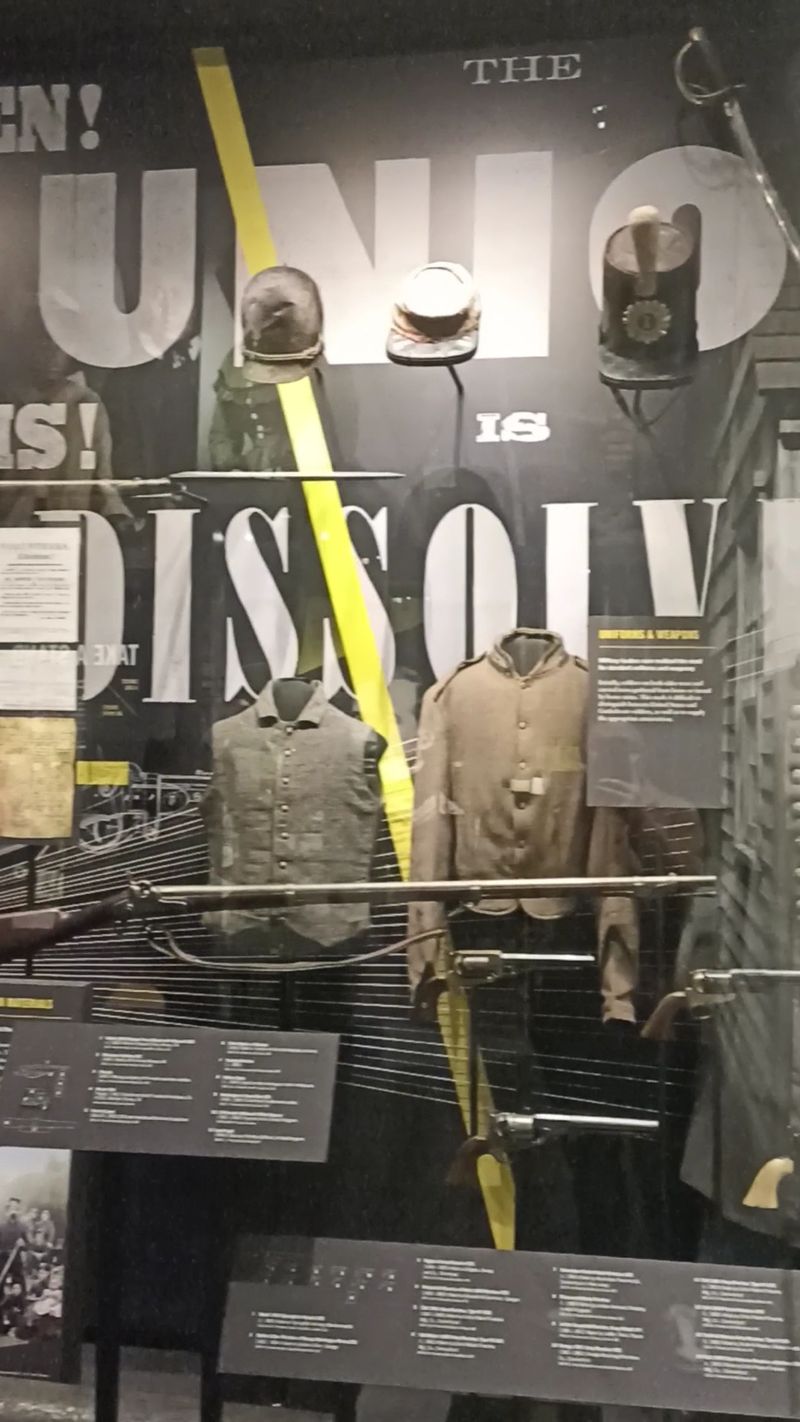
Forget dusty relics behind glass with boring labels. These artifacts connect you to real people who lived through unimaginable circumstances.
A soldier’s Bible with a bullet hole through it. Love letters between separated spouses.
A child’s toy made from scraps during wartime shortages.
Each object represents someone’s actual life, not just abstract historical facts. The curators chose items that reveal personality, emotion, and humanity.
You might see a Confederate uniform next to a Union one, both worn by teenagers barely old enough to shave. That visual comparison hits harder than any statistics about casualties.
The museum also displays items belonging to enslaved people who escaped to freedom. Their few possessions carried during dangerous journeys speak volumes about courage and determination.
Some artifacts challenge romantic notions about the war. Medical instruments look barbaric because they were.
Prison camp remnants reveal horrific conditions on both sides.
Other objects show surprising normalcy. Soldiers played cards, wrote poetry, and complained about food just like people always have.
The collection keeps growing as families donate heirlooms and researchers uncover forgotten materials. Each addition deepens our understanding of what really happened in Virginia and beyond.
Interactive Technology Brings History Forward
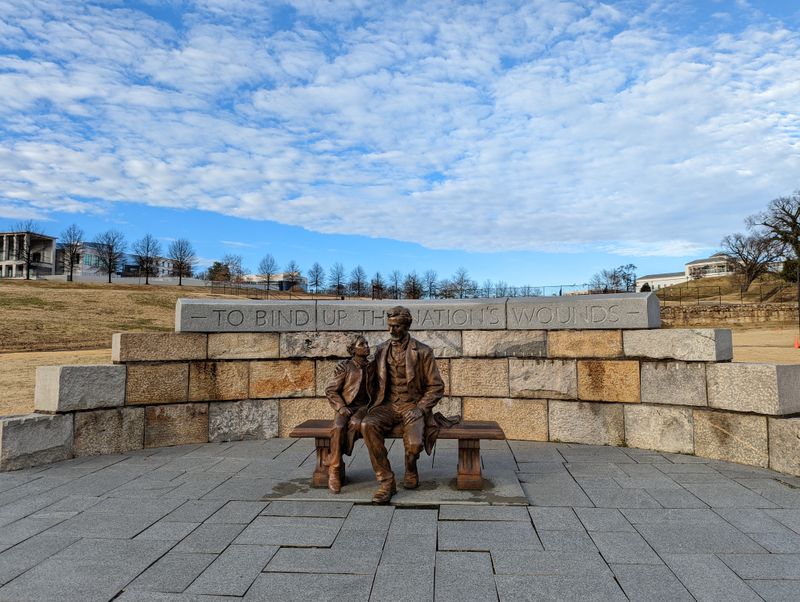
History museums used to mean reading endless plaques until your eyes glazed over. This place uses technology to make the past feel immediate and engaging.
Touchscreen displays let you explore maps showing troop movements across Virginia. Watch how battle lines shifted, cities changed hands, and the conflict evolved over time.
Audio stations play recordings of period letters and diaries read by actors. Hearing those words spoken aloud creates connection that silent text can’t match.
Video presentations combine historical photographs, documents, and expert commentary. Complex topics like military strategy or economic impacts become clearer through visual storytelling.
The museum also offers digital archives you can search for specific topics or people. Want to know more about a particular regiment or event?
The information lives right there.
Interactive elements don’t replace traditional exhibits but enhance them. You can engage as deeply or casually as you prefer.
Kids especially respond to these features. Instead of dragging reluctantly through galleries, they actually want to explore and learn.
The technology gets updated regularly, so repeat visitors find new content. This isn’t a static experience frozen in time like the events it describes.
Challenging Lost Cause Mythology
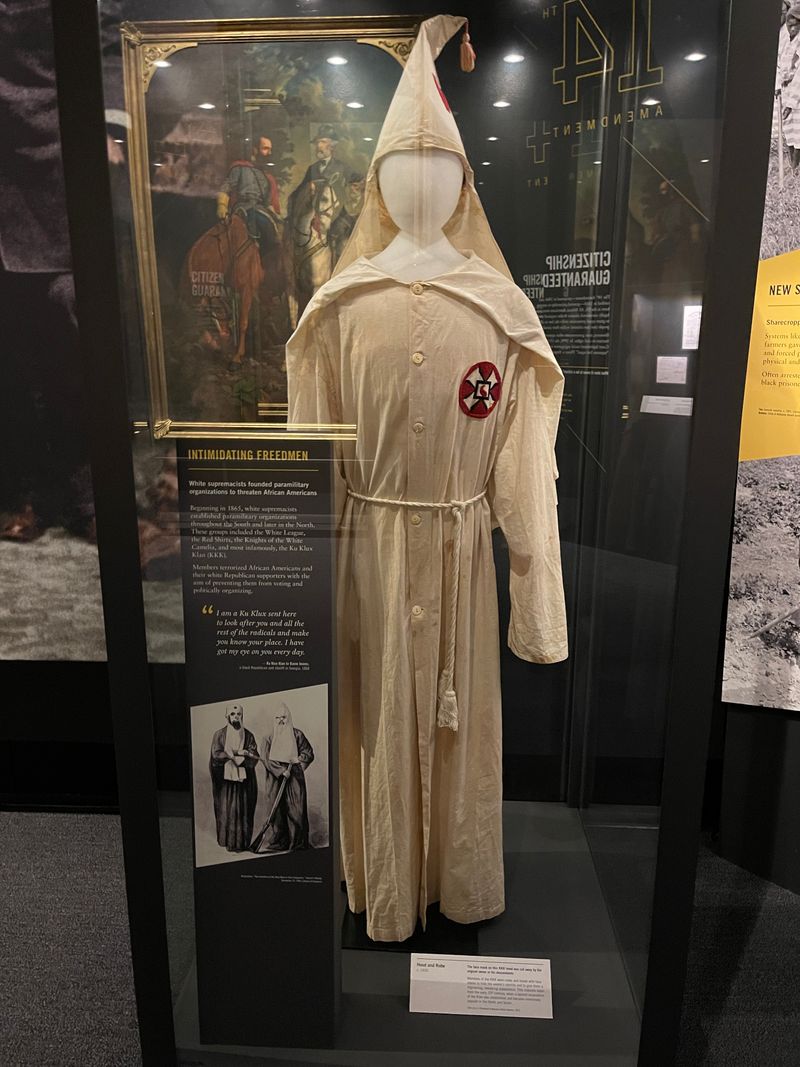
After the war ended, many Southerners constructed a false narrative called the Lost Cause. It portrayed the Confederacy as noble, downplayed slavery’s importance, and romanticized plantation life.
This mythology infected textbooks, monuments, and popular culture for generations. Tourists visiting Virginia often arrive with these misconceptions firmly planted.
The museum systematically dismantles these myths using primary sources and historical evidence. You’ll see how Lost Cause propaganda contradicts what people actually wrote and said during the war.
Confederate leaders clearly stated they were fighting to preserve slavery. Their own words prove it, yet the Lost Cause narrative claimed otherwise.
The exhibits explain how this revisionist history served political purposes during Reconstruction and Jim Crow. Rewriting the past justified continued oppression.
Confronting these lies matters because they still influence current debates about Confederate monuments and symbols. Understanding the mythology’s origins helps explain why it persists.
Some visitors find this section uncomfortable, especially if they grew up believing Lost Cause versions of history. That discomfort indicates learning is happening.
The museum doesn’t attack anyone’s ancestors but insists on factual accuracy. Honoring the dead doesn’t require lying about why they fought.
The James River Setting
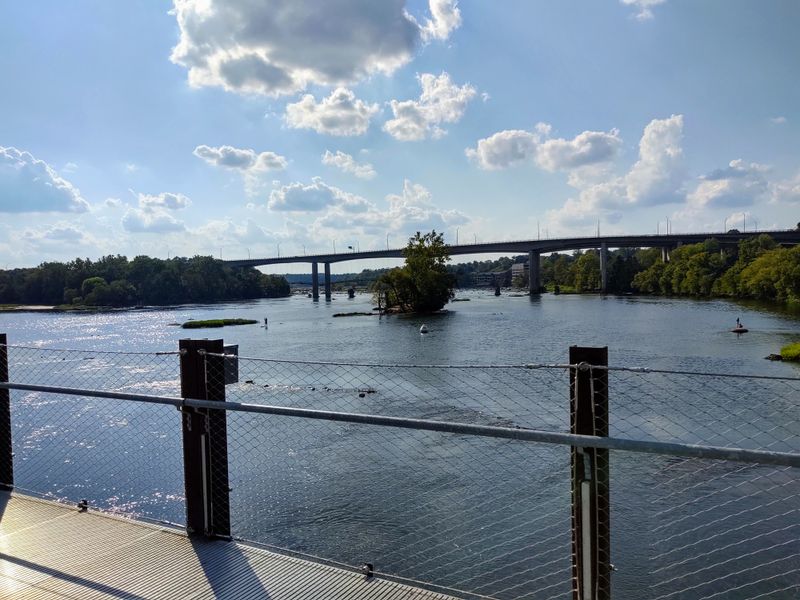
Step outside between galleries and the James River stretches before you, the same waterway that shaped Richmond’s strategic importance. Union gunboats tried repeatedly to navigate upstream and attack the city.
The river provided transportation, power for mills and factories, and a natural defensive barrier. Control of its waters meant control of central Virginia.
Today, the riverfront offers peaceful walking trails where you can process what you’ve learned inside. The contrast between past violence and present tranquility feels profound.
Belle Isle sits just across the water, visible from the museum grounds. During the war, it held a notorious prison camp where Union soldiers suffered terribly.
The natural beauty surrounding these sites reminds you that landscapes witness history but don’t judge it. The river flowed before the war and continues flowing now.
Many visitors appreciate having outdoor space to reflect. Sometimes you need fresh air and sunlight after absorbing heavy historical truths.
The location also connects to Richmond’s broader Canal Walk and riverfront development. You can easily combine your museum visit with exploring other historic and recreational sites.
Virginia’s natural landscapes played huge roles in military campaigns. Seeing the actual terrain helps you understand tactical decisions and troop movements.
Educational Programs Beyond Basic Tours
School groups flood through here regularly, but the museum offers way more than standard field trips. Special programs tackle specific topics in depth.
Lecture series bring in historians, authors, and researchers discussing new findings or controversial interpretations. These events spark lively discussions among attendees.
Workshops teach skills like analyzing primary sources, understanding historical bias, and conducting genealogical research. You leave with tools for deeper learning.
The museum also hosts book talks, film screenings, and panel discussions. These programs extend beyond the permanent exhibits to explore related themes.
Teacher training sessions help educators present Civil War history more effectively and accurately. This ripple effect improves how thousands of students learn.
Living history demonstrations occasionally bring period skills and daily life activities to the grounds. Watching someone actually perform historical tasks beats reading about them.
Youth programs engage younger visitors through age-appropriate activities. History doesn’t have to bore kids if presented creatively.
Virtual programs expanded recently, allowing people far from Virginia to participate. The museum’s educational mission reaches beyond its physical walls.
Check their schedule before visiting because special programs might align perfectly with your interests.
Preparing For What You’ll Experience
Plan at least two hours for your visit, possibly more if you read everything thoroughly. Rushing through defeats the purpose.
The content gets emotionally heavy at times. Slavery, battlefield deaths, and civilian suffering aren’t light topics.
Take breaks when needed.
Comfortable shoes matter because you’ll stand and walk extensively. The museum occupies multiple levels and buildings.
Photography policies allow personal photos in most areas but prohibit flash and tripods. Check current rules before your visit.
The museum shop offers books, reproductions, and educational materials if you want to continue learning afterward. Staff can recommend resources based on your interests.
Admission prices seem reasonable given the quality and scope of exhibits. Discounts apply for students, seniors, and military members.
Parking near the museum fills quickly on busy days. Arrive early or consider rideshare options to avoid frustration.
The museum sits near other Richmond attractions, so you can build a full day exploring the city. Virginia’s capital offers plenty beyond Civil War history.
Come with an open mind ready to question assumptions. This museum rewards curiosity and challenges comfortable narratives.
That’s precisely what makes it worth visiting.
Dear Reader: This page may contain affiliate links which may earn a commission if you click through and make a purchase. Our independent journalism is not influenced by any advertiser or commercial initiative unless it is clearly marked as sponsored content. As travel products change, please be sure to reconfirm all details and stay up to date with current events to ensure a safe and successful trip.
