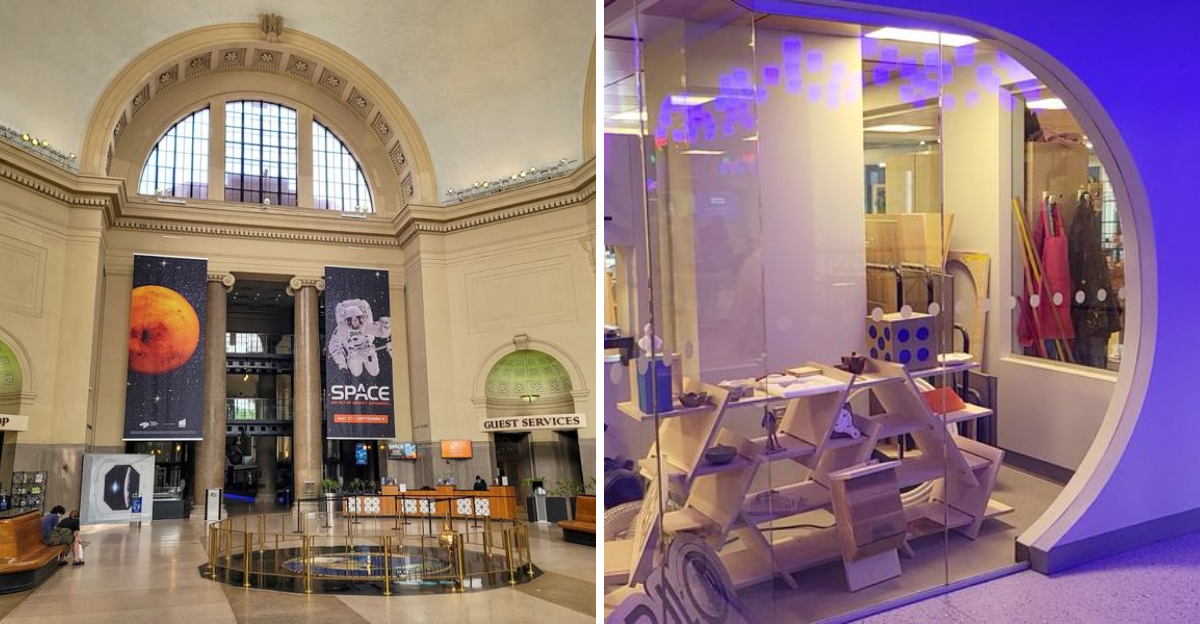
Science museums can be stuffy. Glass cases, roped-off exhibits, signs that say “do not touch.” This Virginia museum is the opposite.
It wants you to touch, to push, to pull, to experiment. The hands-on exhibits make learning feel like play.
You can create a tornado, launch a rocket, or test your reflexes against a professional athlete. And then there are the animals.
Live animals, amazing ones, that you can meet up close. Owls with silent wings, snakes that shimmer, and turtles that have been around longer than most of the staff.
I spent an afternoon here and left feeling like a kid again. The museum is massive, with plenty of space to explore.
Virginia has many educational attractions, but this one is pure fun.
A Historic Train Station That Became Something Extraordinary

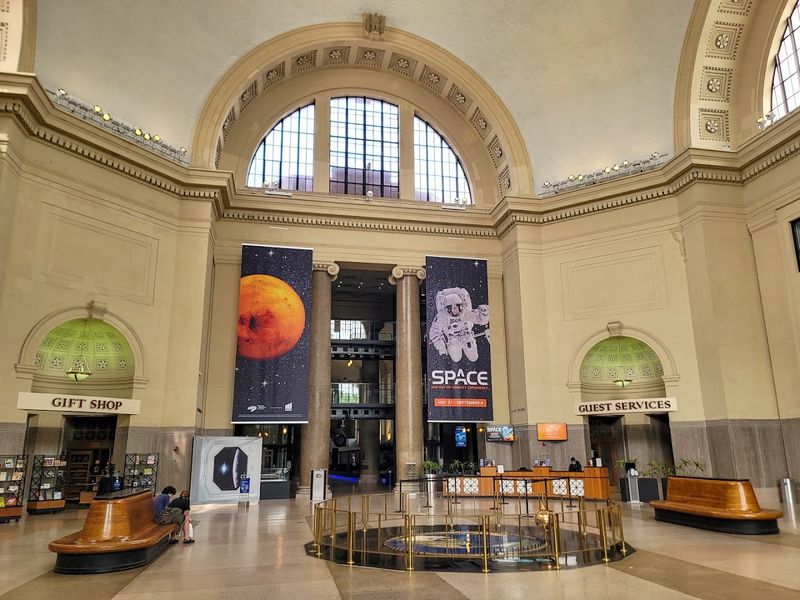
Pulling up to this building for the first time is a genuine jaw-drop moment. The Science Museum of Virginia calls a breathtaking former train station home, and the architecture alone is worth the trip.
Those soaring ceilings, ornate details, and grand open spaces give the whole place a sense of occasion before you’ve even touched a single exhibit.
Three full floors of interactive science goodness are packed inside, and the building wears its history proudly while buzzing with modern energy. It’s a rare combination that Richmond, Virginia absolutely nails.
The contrast between the classical exterior and the buzzing, high-tech exhibits inside is genuinely thrilling.
Rotating and permanent exhibitions fill every corner, covering everything from space and electricity to the natural world and human health. Outdoor exhibits near the old train yard add even more to explore.
Arriving early is a smart move, especially on weekdays when school groups tend to flood in by late morning. The building itself sets the tone perfectly for a day of discovery.
The Speed Exhibit Will Make You Question Your Athletic Career
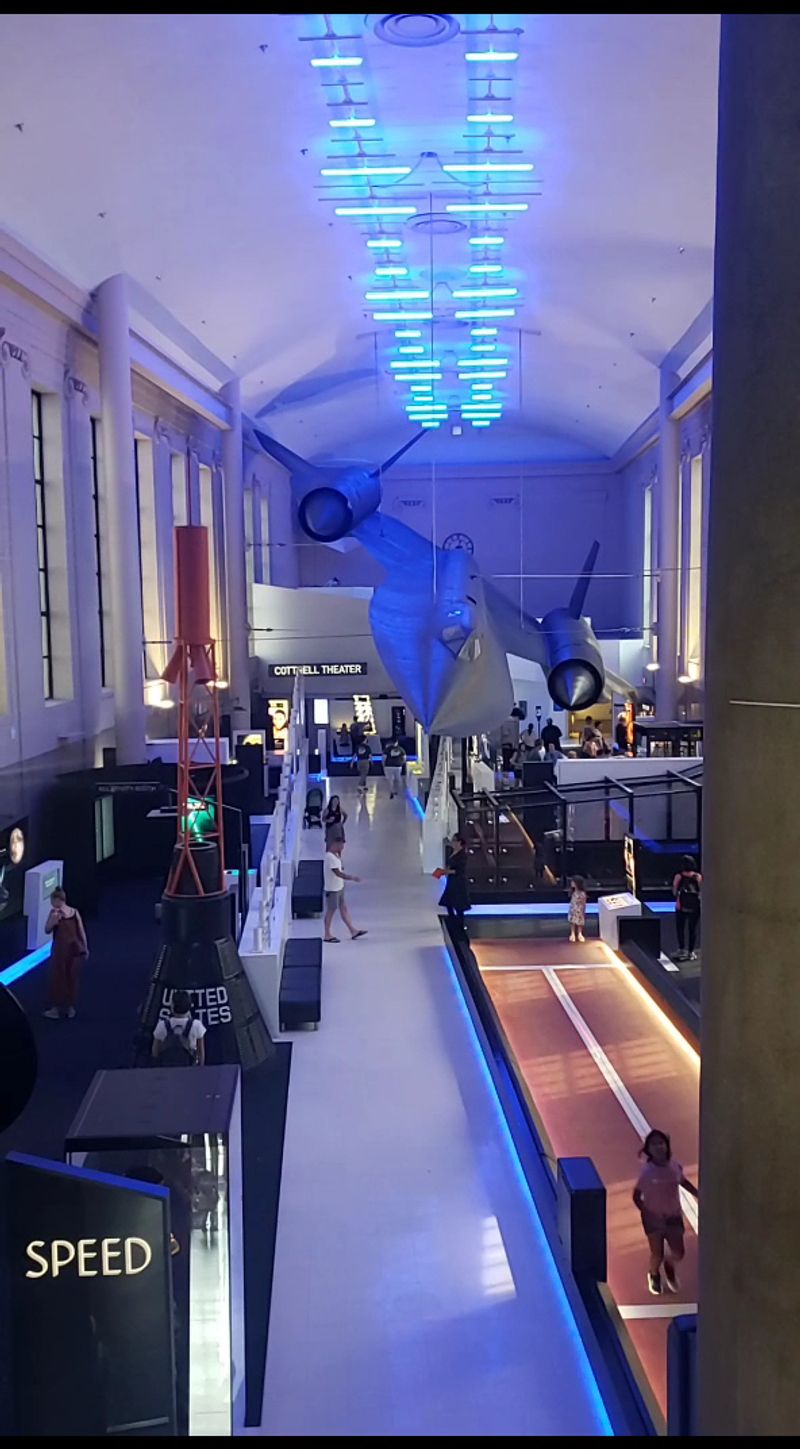
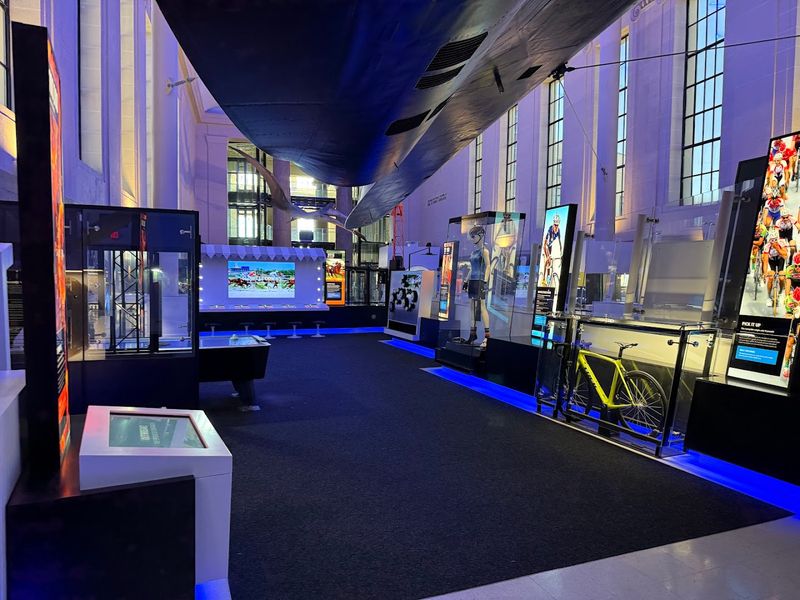
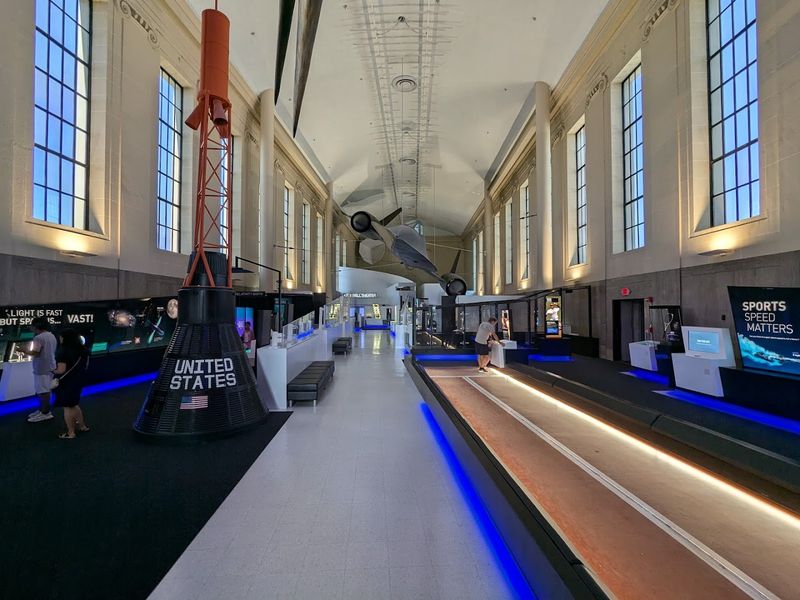
My competitive side did not survive the Speed exhibit with its dignity intact. This interactive zone is dedicated entirely to motion and time, showcasing the fastest and slowest phenomena in the known universe.
And yes, you can race a T-rex.
A full race track lets you measure your own running speed against legendary movers like Usain Bolt and a cheetah. Spoiler: the cheetah wins every time.
The exhibit doesn’t just celebrate speed, though. It zooms out to explore the full spectrum of motion, from light traveling across the cosmos to a glacier inching forward over centuries.
The air hockey robot deserves its own paragraph. Playing table hockey against a machine that has no mercy and zero chill is both humbling and absolutely hilarious.
The Science Museum of Virginia clearly designed this exhibit to get people moving rather than standing around reading plaques, and it works brilliantly. Adults get just as competitive as the kids, maybe more so.
Plan to spend a solid chunk of time here because leaving feels genuinely difficult once you’ve challenged yourself to beat your last sprint time.
The Live Animal Lab Is Not Your Average Zoo Visit
Few things in life prepare you for watching rats play basketball. The Live Animal Lab at the Science Museum of Virginia is one of those rare spots that manages to be educational, surprising, and wildly entertaining all at once.
It’s the kind of exhibit that earns a permanent spot in your memory bank.
Up-close encounters with spiders, cockroaches, beetles, reptiles, and amphibians are all on the menu here. The variety is genuinely impressive, covering creatures that most people only ever see in documentaries or in their nightmares.
Seeing them in person, with knowledgeable staff nearby to answer questions, transforms the experience completely.
The rat basketball attraction is the undisputed crowd favorite, and honestly, rightfully so. Watching trained rats navigate a miniature court reveals fascinating truths about animal cognition and behavior in a way that no textbook ever could.
Virginia has a lot of cool attractions, but this one sits in a category of its own. Kids are mesmerized, adults are baffled, and everyone leaves with a slightly different perspective on the intelligence of small creatures.
Go in with an open mind and you’ll come out genuinely amazed.
Survival of the Slowest Is the Sloth Exhibit You Didn’t Know You Needed
Forget everything you thought you knew about survival of the fittest. The Survival of the Slowest exhibition flips that narrative completely on its head, celebrating the animals that have thrived precisely because they take their sweet time.
It’s a genuinely clever concept that had me rethinking biology class almost immediately.
A two-toed sloth is the undeniable star of the show, but the supporting cast is equally impressive. Ball pythons, bearded dragons, Asian water dragons, blue-tongued skinks, box turtles, a gold knee tarantula, a horned frog, and a leopard gecko all make appearances.
The lesser hedgehog tenrec might be the most unexpectedly charming creature I’ve encountered in a long time.
Daily Keeper Talks bring wildlife experts front and center to share insights about how and why slowness became such a powerful survival strategy. The Sloth Hangs are a separate highlight, offering a chance to watch the sloth being fed and learning fascinating facts about its lifestyle.
The Science Museum of Virginia clearly put serious thought into making this exhibition both scientifically rich and deeply enjoyable for all ages. Slow has never looked so cool.
The Dome Theater Turns a Movie Into an Event
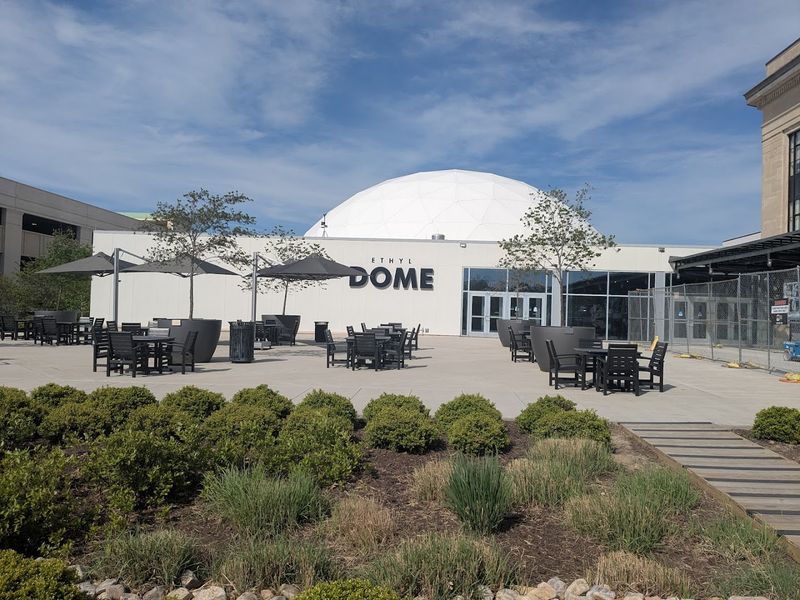
Sitting inside the Dome theater at the Science Museum of Virginia feels like being swallowed by the universe in the best possible way. The towering screen wraps around and above you, filling your entire field of vision with imagery that ranges from deep space to the natural wonders of planet Earth.
Regular movie screens feel impossibly small afterward.
Giant screen films and planetarium shows both run throughout the day, covering topics that range from astronomy and wildlife to science and exploration. Staff actually tailor shows to the audience present, which means the experience shifts depending on who’s in the room.
A crowd full of curious kids gets a different energy than an afternoon showing for adults.
Buying tickets in advance is genuinely worth it, especially for popular shows and weekend visits. The Dome adds a layer of spectacle to the museum experience that elevates the whole trip.
Richmond, Virginia doesn’t have many places where you can watch the cosmos unfold above you in a historic building, and that combination is something worth savoring. Arrive a few minutes early to grab a good seat and let your eyes adjust to the scale of what you’re about to see.
Boost Your Mind and Body in the Wellness Exhibit
The Boost exhibit takes a refreshingly active approach to the concept of wellness. Rather than presenting health information on static panels, this zone invites visitors to physically engage with the science of their own minds and bodies.
The result is an exhibit that feels more like a playground than a classroom, which is absolutely a compliment.
Interactive games and challenges cover everything from reaction time and balance to cognitive puzzles that test mental agility. One of the standout moments for many visitors is the music activity, which layers rhythm and coordination into a genuinely fun experience.
There’s something quietly brilliant about learning how your brain works by actually using it in unexpected ways.
Adults tend to get surprisingly competitive here, which makes the Boost exhibit one of those rare spots where the whole family operates on the same level of enthusiasm. Nobody is too old to discover something new about how their body responds to challenges.
The Science Museum of Virginia clearly understands that science education sticks better when it gets physical. After a morning of sprinting in the Speed exhibit and playing air hockey robots, Boost feels like the perfect complement to an already action-packed visit to this remarkable Virginia institution.
LightPlace Is Tiny Visitors’ Own Kingdom of Discovery
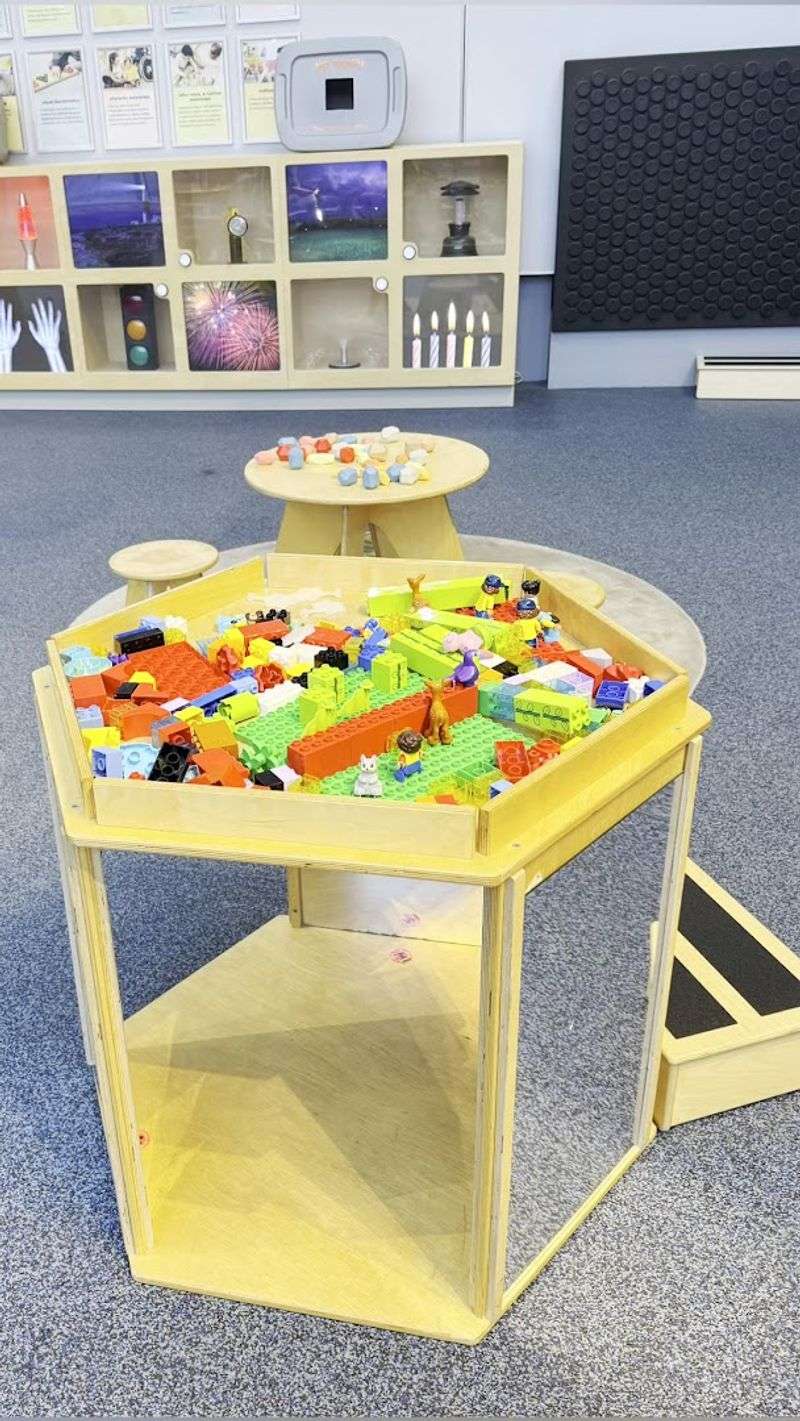
Bringing a toddler to a science museum can feel like a gamble, but LightPlace removes all the anxiety from that equation. Designed specifically for children aged five and under, this dedicated zone is built entirely at their scale, both physically and intellectually.
Everything in here was created to meet little learners exactly where they are.
Preschool-sized STEM activities encourage exploratory play, skill development, and the kind of joyful curiosity that sets kids up for a lifetime of loving science. Soft structures, sensory elements, and age-appropriate challenges make the space feel genuinely safe and welcoming.
Parents get to take a breath and watch their youngest ones thrive in an environment designed just for them.
What makes LightPlace special is that it doesn’t talk down to small children. It respects their natural way of learning through play, movement, and exploration.
Older siblings and parents sometimes sneak in to try the activities too, and honestly, nobody judges. The Science Museum of Virginia thought carefully about including the very youngest members of the family, and LightPlace is the delightful result of that consideration.
It’s proof that great science education can start before a child can even read their own name.
The Forge Turns Visitors Into Makers
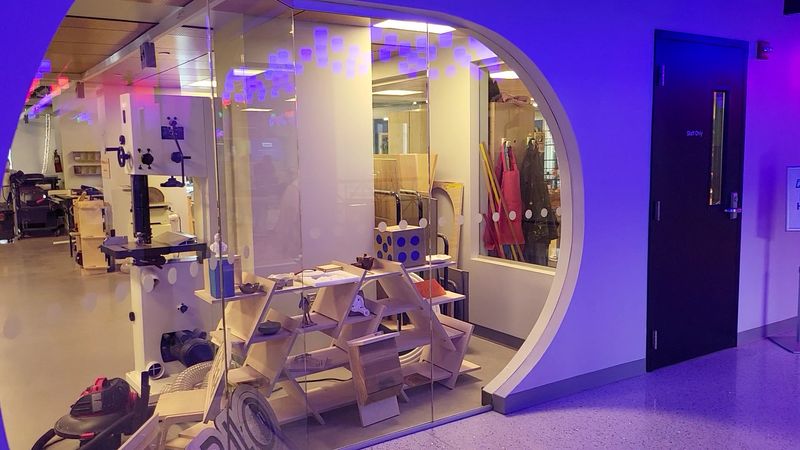
The Forge is the kind of space that makes you wish every museum had one. As a permanent makerspace inside the Science Museum of Virginia, it operates on a beautifully simple premise: give people tools, materials, and a little guidance, then watch what they create.
It’s hands-on in the most literal sense possible.
Workshops run regularly, covering a rotating range of making and building activities that tap into engineering, design, and creative problem-solving.
Visitors can also bring their own supplies and use the available equipment to work on personal projects. This gives the space an open, community workshop feel that’s genuinely refreshing in a museum setting.
The Forge appeals to a surprisingly wide age range, pulling in curious teens, tinkering adults, and kids who just want to build something they can take home. There’s a satisfying sense of accomplishment that comes from making something with your own hands, and the Forge delivers that feeling consistently.
For anyone who finds traditional exhibits a bit passive, this is the antidote. Virginia’s creative and maker communities would feel right at home here, and first-time visitors often end up lingering far longer than they originally planned.
Creativity is genuinely contagious in this space.
Space, Astronomy, and the Universe Are All on Display
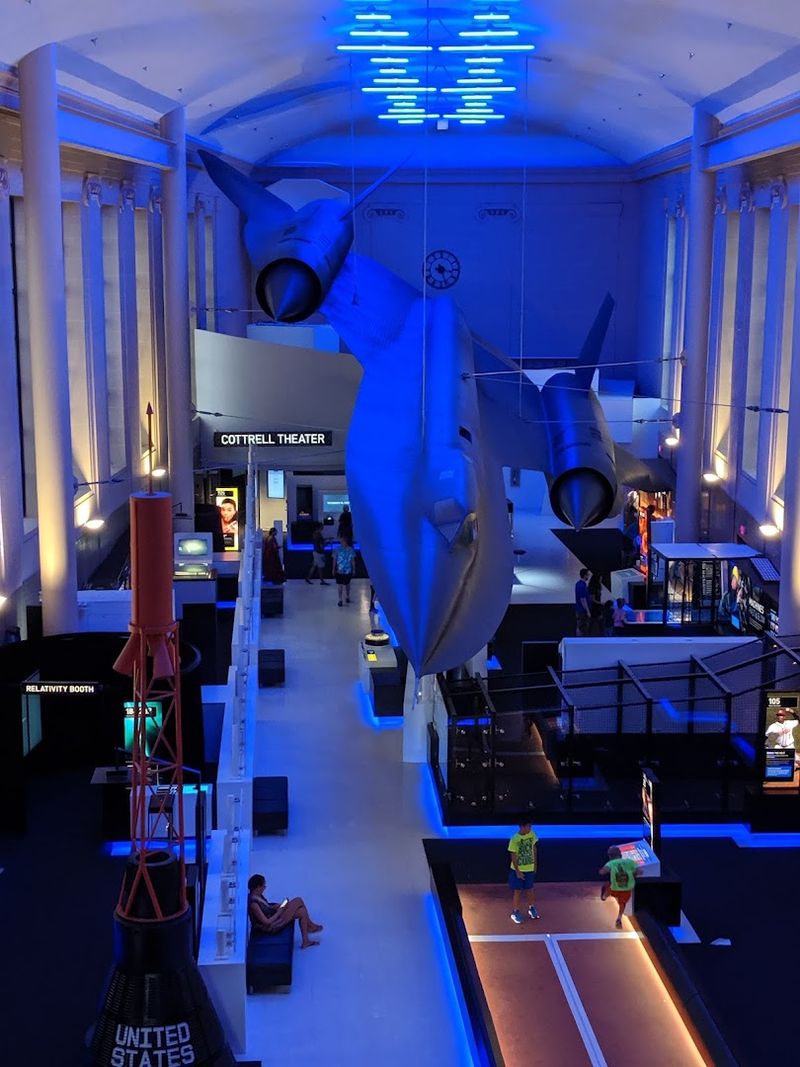
Few topics fire up human curiosity quite like space, and the Science Museum of Virginia leans into that fascination with genuine enthusiasm. Exhibits dedicated to astronomy and the cosmos cover everything from the mechanics of our solar system to the mind-bending scale of the universe beyond it.
The upcoming Orbit exhibition promises to push this even further.
Interactive displays let visitors explore concepts like gravity, light, and the life cycles of stars in ways that feel accessible rather than overwhelming.
The combination of physical artifacts, digital experiences, and hands-on activities makes complex ideas click in a way that purely textual explanations rarely achieve.
Science becomes something you feel rather than just something you read about.
The SR-71 aircraft on display adds an aviation and space exploration dimension that history lovers will particularly appreciate. Seeing that iconic aircraft up close puts human ambition and engineering genius into sharp physical perspective.
The Dome theater pairs perfectly with the space exhibits, letting visitors move from interactive displays to a full-sky immersive experience in the same visit.
Richmond, Virginia offers a lot of ways to spend a day, but spending it contemplating the cosmos inside this remarkable building is genuinely hard to top.
Book your Dome show in advance.
Plan Your Visit to 2500 W Broad St and Make a Full Day of It
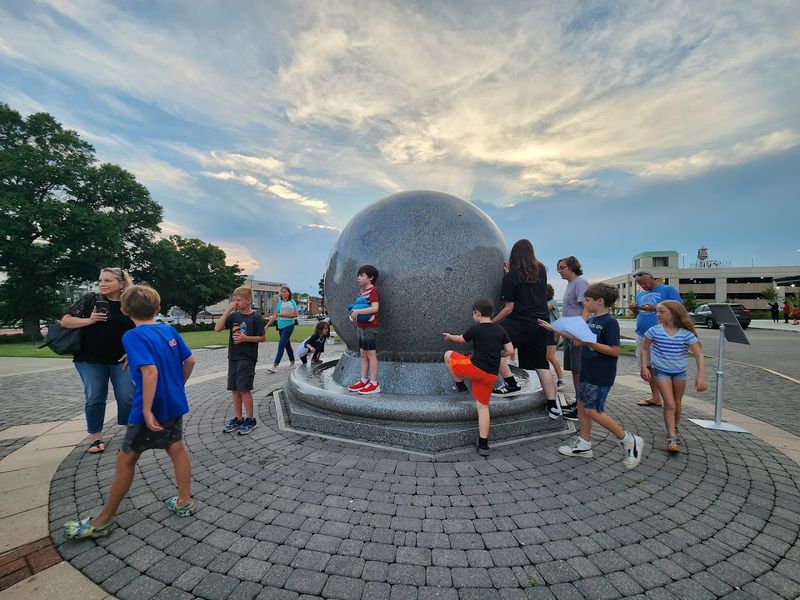
Getting the most out of a visit to the Science Museum of Virginia genuinely requires a plan. The museum opens at 9:30 AM daily, and arriving close to that time gives you a head start before school groups descend in the mid-morning.
Late afternoons tend to be quieter and more relaxed, which suits adults and anyone who prefers a calmer pace.
Free parking is available in a multi-story garage right next door, which removes one of the usual headaches of city museum visits entirely. Checking the daily schedule on the museum website before arriving is one of the smartest moves you can make.
Keeper Talks, Dome shows, and workshop sessions all run at specific times, and missing them by five minutes is a genuinely avoidable tragedy.
The museum is located at 2500 W Broad St, Richmond, VA 23220, and can be reached at 804-864-1400. Buying tickets in advance online often unlocks better value, especially when adding Dome shows or special exhibitions.
Plan for at least four to five hours, because this place consistently reveals more than expected around every corner. Virginia has produced some truly excellent cultural institutions, and this one absolutely belongs at the top of any Richmond itinerary.
Go soon.
