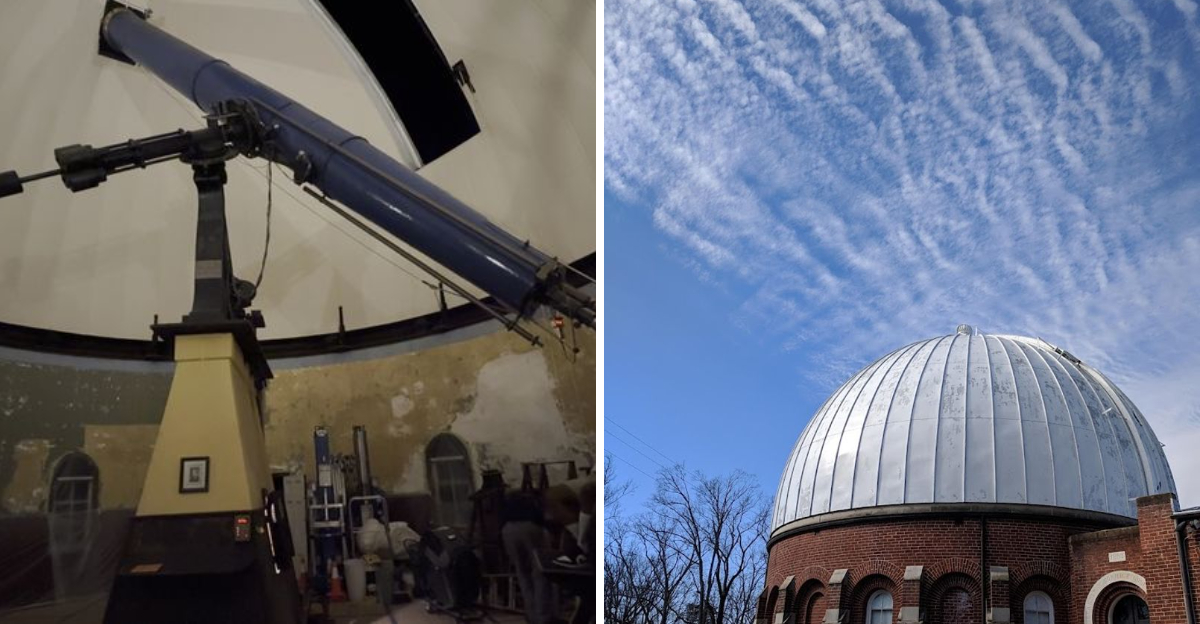
You look into the eyepiece and the world falls away. Stars that have been burning for billions of years come into focus, distant planets and galaxies that feel impossibly close.
This Virginia observatory lets you gaze at cosmic wonders through a telescope that has been doing exactly that for 140 years. The instrument is a piece of history, a brass and glass marvel that has survived wars, storms, and the passage of centuries.
I visited on a clear night, and the astronomer on duty guided the telescope with practiced hands. The views were humbling and thrilling.
Virginia has plenty of historic sites, but this one points toward the sky.
Stepping Into Stardust History
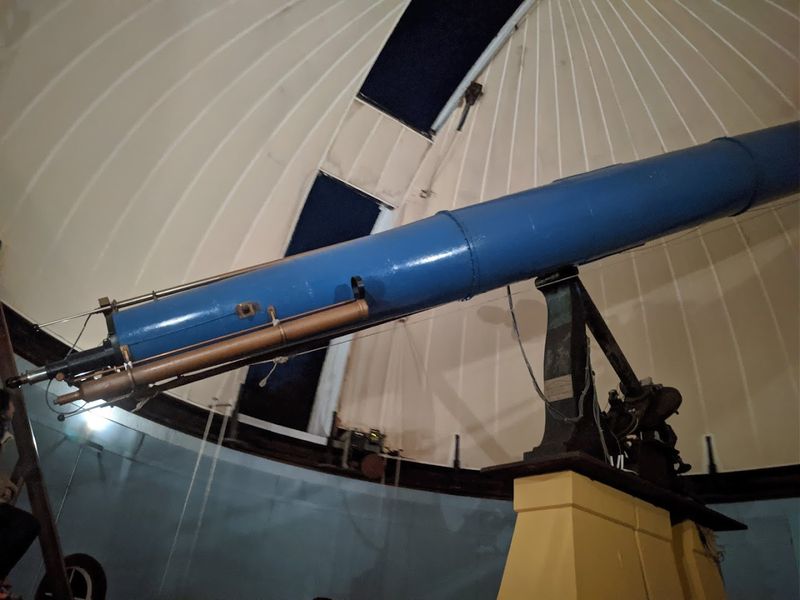
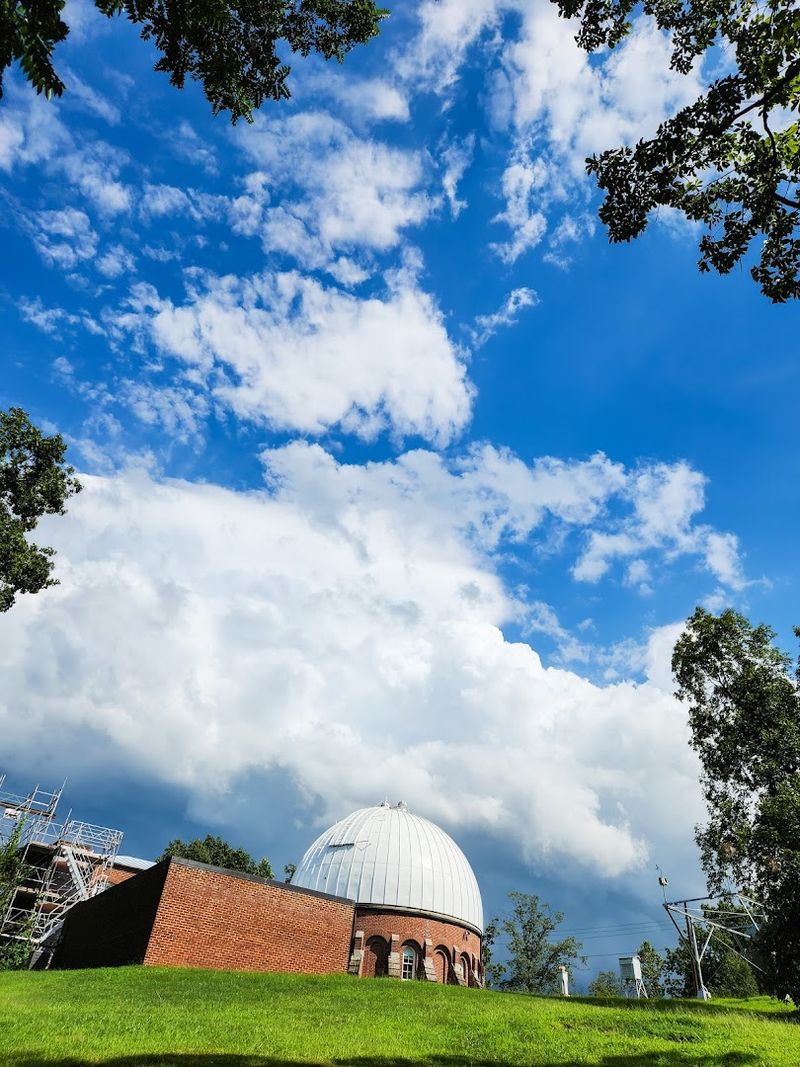
Walking up the path toward this magnificent structure for the first time, I genuinely felt a shiver run down my spine. McCormick Observatory sits on what locals lovingly call Observatory Hill, and the moment you spot that iconic dome peeking through the treetops, something inside you just lights up.
The building itself is a gorgeous example of Romanesque Revival architecture, all sturdy brick and bold curves, radiating a sense of serious scientific purpose. Virginia has no shortage of historic landmarks, but few carry the kind of cosmic gravitas that this one does.
Every hallway feels like a time capsule. Old instruments, faded charts, and the hum of decades past surround you completely.
I kept pausing to imagine the astronomers who once stood in these very spots, squinting through eyepieces and furiously scribbling notes by lamplight.
The whole place pulses with a quiet kind of energy that is hard to describe but impossible to ignore. It is a living monument to human curiosity, a reminder that the desire to understand the universe is one of our most enduring and beautiful instincts.
Honestly, the history here hits differently than any museum I have ever visited.
The Colossal 26-Inch Refractor Up Close
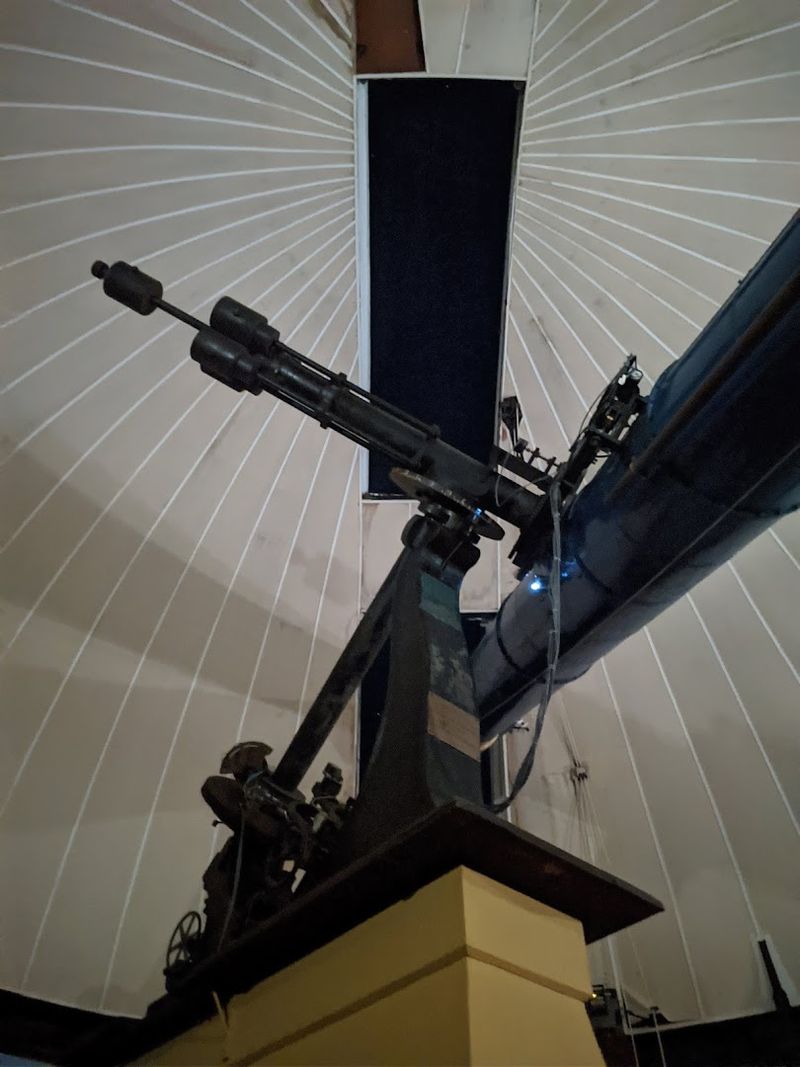
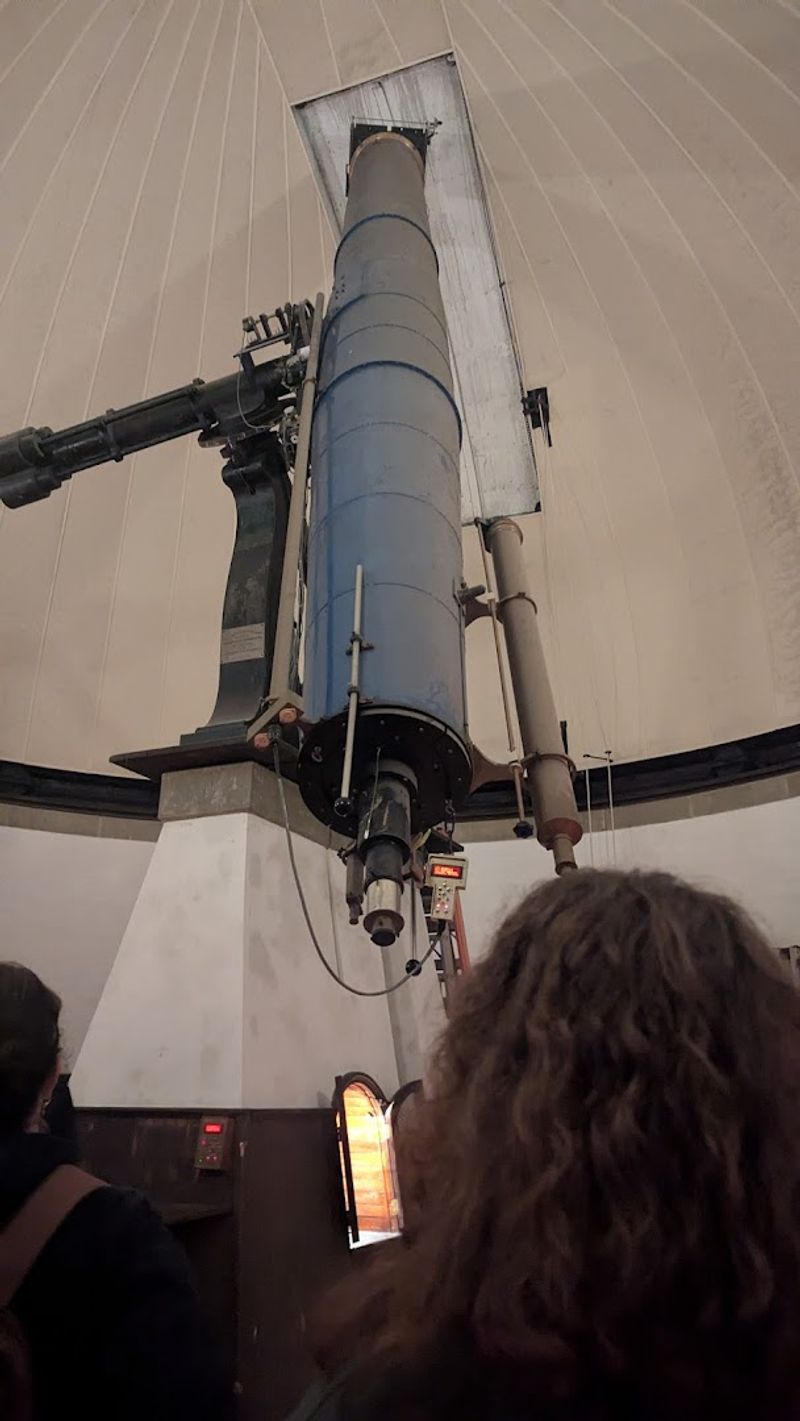
Nothing, and I mean absolutely nothing, prepares you for the moment you walk into the main dome and lay eyes on the 26-inch refractor for the first time. It is enormous, elegantly aged, and somehow still utterly commanding after more than a century of faithful service.
Crafted by the legendary Alvan Clark and Sons, this telescope was a global sensation when it debuted. At the time of its dedication in the late 19th century, it ranked as the second-largest refractor on the entire planet.
Standing beneath it now, I could feel that original sense of wonder radiating off every polished surface.
The original Alvan Clark mount still holds the instrument in place, and that detail alone is enough to make any history lover’s heart skip a beat. McCormick Observatory has preserved this masterpiece with extraordinary care, and it shows in every gleaming component.
Peering through the eyepiece on a clear Friday night is a genuinely transcendent experience. One moment you are standing in a historic Virginia building, and the next you are staring at Saturn’s rings or a glittering star cluster thousands of light-years away.
That kind of perspective shift is priceless and completely unforgettable.
Public Nights That Actually Deliver
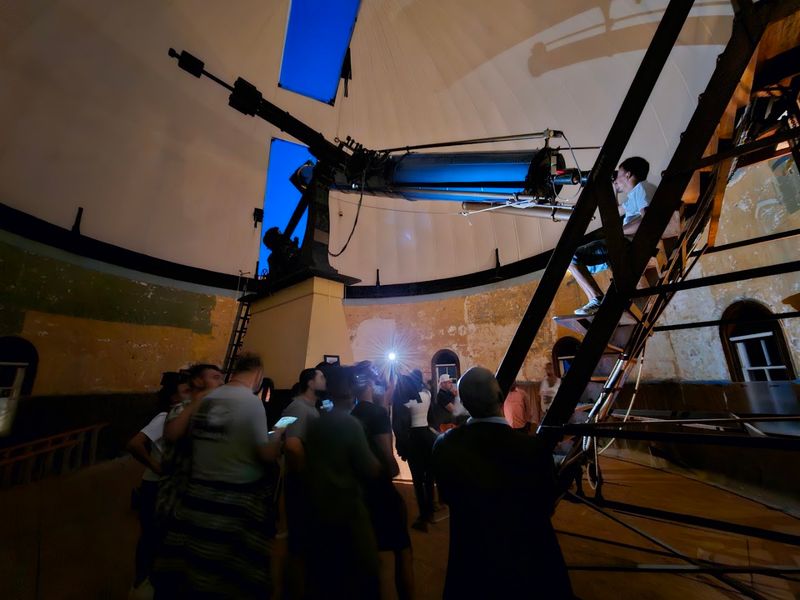
Mark your calendar for the first and third Fridays of each month, because those are the nights McCormick Observatory throws open its doors and invites the public in for something genuinely spectacular. These Public Nights have been a beloved Charlottesville tradition for an impressively long time, and they absolutely live up to the hype.
Arrive and you will be greeted by astronomers from the University of Virginia’s Department of Astronomy, who deliver fascinating lectures before guiding you toward the telescopes. The presentations are engaging, accessible, and packed with the kind of facts that make your brain buzz for days afterward.
On clear nights, the main event is peering through the historic refractor or the auxiliary telescopes at whatever cosmic spectacle happens to be in view. Planets, star clusters, nebulae, and even passing satellites have all made appearances during these evenings.
Even on cloudy nights, the experience remains rich and worthwhile. The tour of the building, the up-close time with the historic instruments, and the passionate commentary from the astronomy team more than compensate for any overcast skies.
Just remember to register your spot in advance, because these evenings fill up remarkably fast across all of Virginia.
The Dome That Rewrote Engineering History
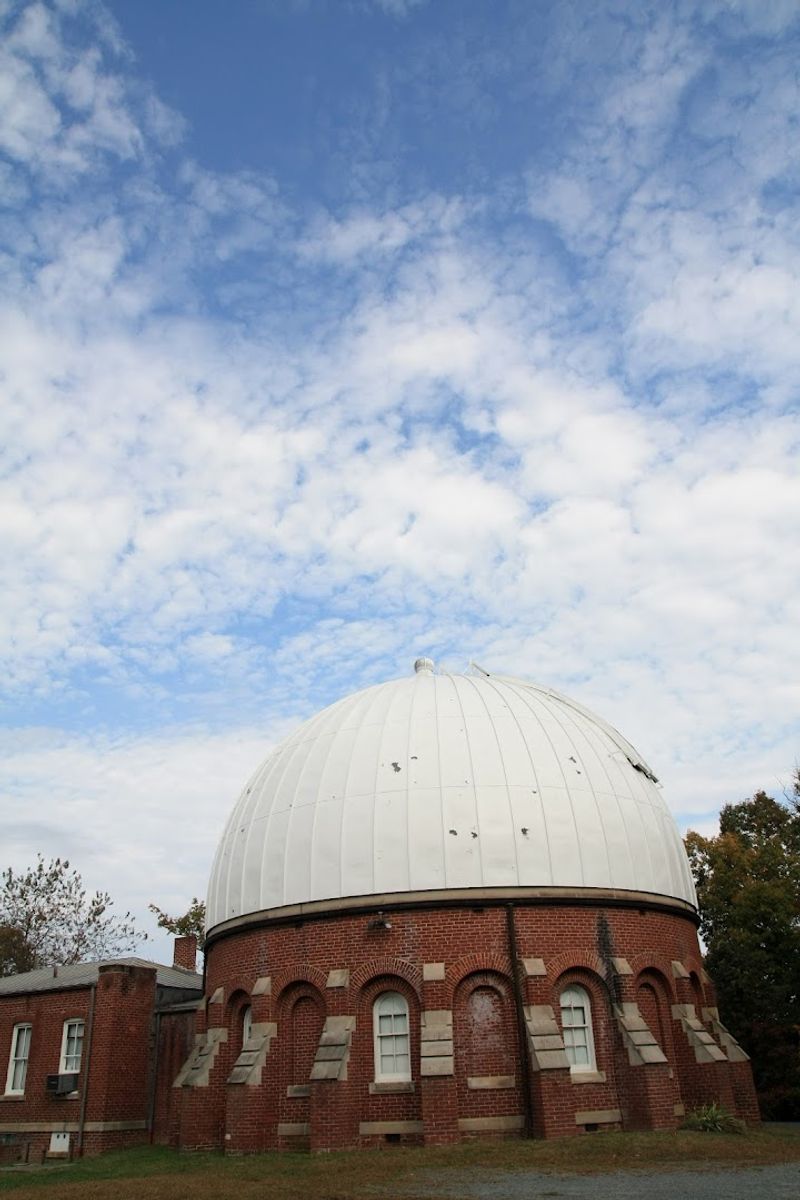
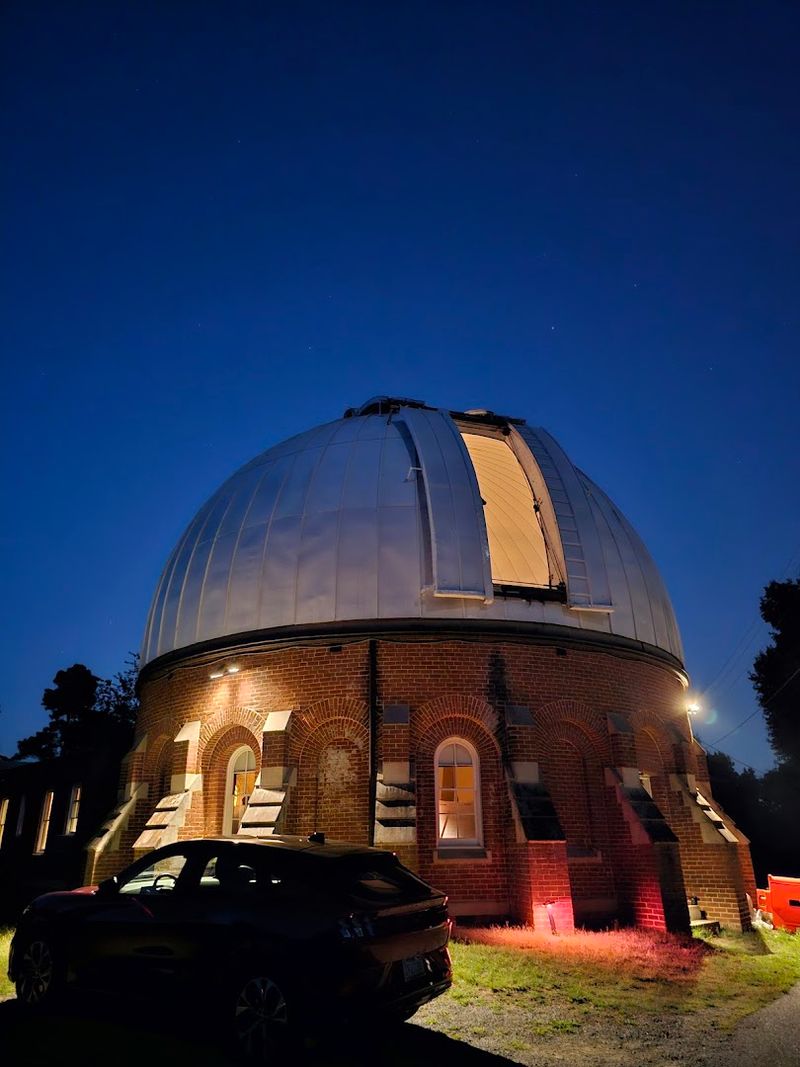
Before you even think about the telescope inside, spare a moment of genuine awe for the dome itself. Built by the Warner and Swasey Company, this rotating structure was a true engineering first when it was completed.
It claimed the title of the world’s largest dome of its kind, a fact that still feels staggering when you stand directly beneath it.
The dome rotates a full 360 degrees, smoothly and almost silently, allowing the telescope to track any point in the night sky with precision. Watching it move for the first time is oddly hypnotic.
I found myself just staring as the massive structure glided into position, completely captivated by this beautiful marriage of mechanics and astronomy.
The craftsmanship involved in building something this functional and this durable in the late 1800s is genuinely mind-blowing. No modern materials, no computer-aided design, just brilliant engineering minds working with what they had and somehow producing a structure that still works flawlessly today.
McCormick Observatory maintains this dome with obvious pride and dedication. The attention to preservation is evident in every smooth rotation and every well-maintained gear.
It is the kind of engineering achievement that deserves far more recognition than it typically gets outside of Virginia’s astronomy community.
A Legacy Written in Starlight
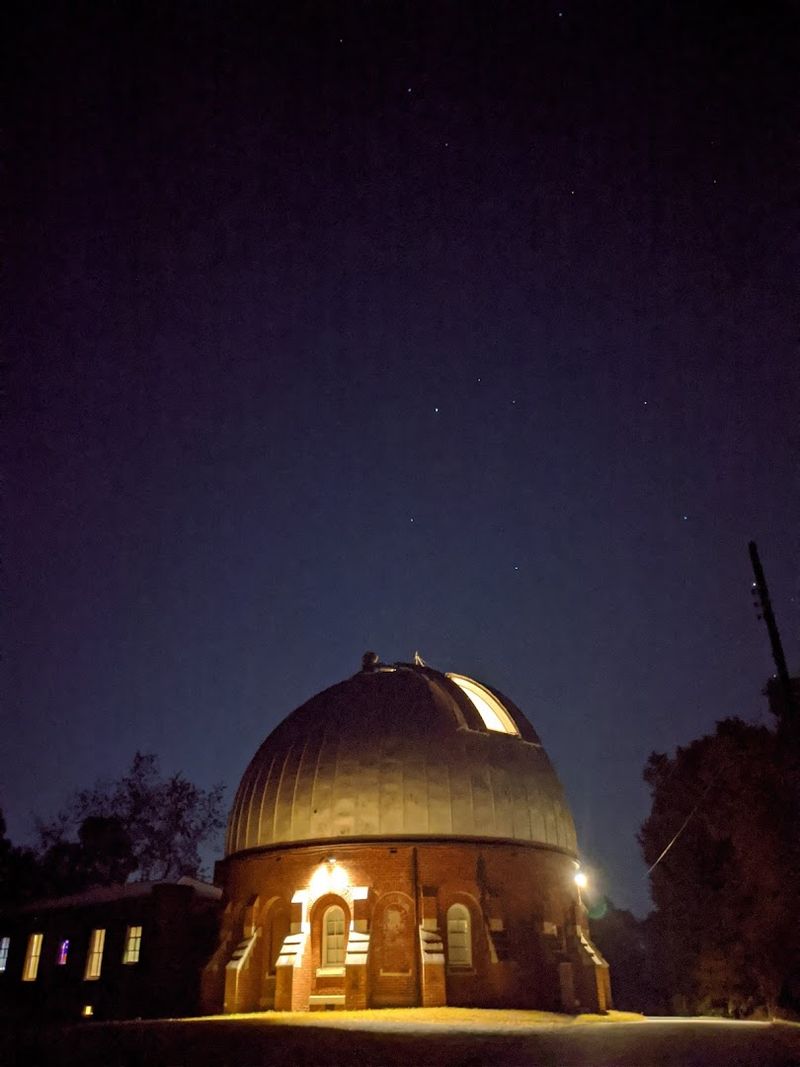
Few places in the country can claim the kind of scientific legacy that McCormick Observatory quietly carries on its shoulders. For much of the 20th century, the primary mission here was astrometry, the precise measurement of stellar positions and distances.
The results of that work shaped foundational astronomical knowledge worldwide.
The observatory’s team was responsible for calculating a remarkable share of all known stellar distances during its peak research decades. Those numbers fed into global databases, informed other observatories, and helped astronomers piece together a more accurate picture of our galaxy’s structure.
That is an extraordinary contribution from one hilltop in Virginia.
Tracking Halley’s Comet, recording the Transit of Venus, and contributing to international star catalogs are just a few highlights from a research history that reads like an astronomy hall of fame. Each achievement built on the last, creating a cumulative legacy that still echoes through modern astrophysics.
Today the primary research has shifted to larger facilities better suited to cutting-edge work, but the spirit of inquiry burns just as brightly at McCormick Observatory. The history is not just preserved on plaques and displays.
It lives in the instruments, the building, and the people who dedicate their Friday evenings to sharing it.
Beyond the Main Telescope
Surprising as it sounds, the legendary 26-inch refractor is not the only telescope worth your attention at McCormick Observatory. The facility also houses a modern 14-inch Celestron Schmidt-Cassegrain telescope, a sleek contemporary instrument that complements the historic collection beautifully.
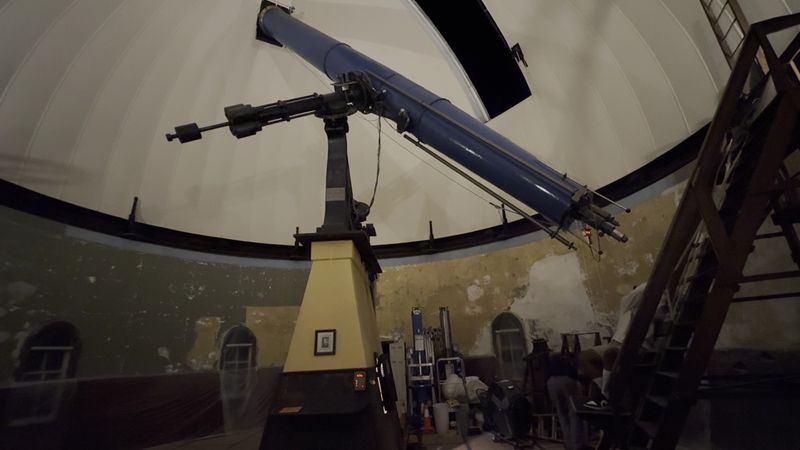
There is also a charming 6-inch Alvan Clark refractor on site, another piece of genuine astronomical history that often gets overshadowed by its larger sibling. Getting time with this smaller refractor is a lovely experience in its own right, offering crisp views and a more intimate connection to the craft of visual astronomy.
Having instruments from different eras side by side creates a surprisingly educational dynamic. You can literally compare how telescope technology has evolved over more than a century, all within the same building.
I found that contrast genuinely illuminating, no pun intended.
The observatory also maintains a long-running tradition of daily weather observations, contributing data to the National Weather Service’s Cooperative Observer Program since the 1880s. So alongside its astronomical duties, this place has quietly been Virginia’s meteorological record-keeper for generations.
It is a detail that adds yet another fascinating layer to an already impressively multifaceted institution.
The Night Martians Almost Invaded Charlottesville
October 1938 delivered one of the most delightfully bizarre chapters in McCormick Observatory’s long history. When Orson Welles broadcast his legendary War of the Worlds radio drama on Halloween night, widespread panic gripped communities across the country.
People genuinely believed Martians had landed.
The astronomy team at McCormick Observatory responded in the most wonderfully rational way imaginable. They opened the dome and invited the frightened public to come up and look at Mars through the 26-inch refractor themselves.
Spoiler alert: no invasion fleet was visible.
Dozens of anxious Charlottesville residents made their way up Observatory Hill that night, and one by one they peered through the eyepiece and breathed a collective sigh of relief. It is a story that perfectly captures what this place has always been about, using science to comfort, educate, and connect with the community.
I love this anecdote because it reveals something genuinely warm about the observatory’s character. It was never just an ivory tower of academic astronomy.
It has always been a place that belongs to the people of Virginia, ready to open its doors when the community needs a dose of cosmic perspective. That tradition continues every single Public Night.
Thomas Jefferson’s Dream Made Real
Thomas Jefferson dreamed of a university where astronomy would hold a place of genuine prominence. He envisioned a center of learning in Virginia that would not just study the classics but push the boundaries of scientific understanding.
McCormick Observatory is, in many ways, the most literal fulfillment of that grand vision.
Situated on Observatory Hill near the University of Virginia campus, the observatory grew out of that founding Jeffersonian spirit. The connection between this hilltop institution and the university’s intellectual DNA is not just symbolic.
It is structural, historical, and ongoing.
Cyrus McCormick Jr., whose family’s generous donation made the observatory possible, ensured that Jefferson’s astronomical aspirations finally had a physical home. The gift was transformative, giving the university a world-class research facility at a moment when astronomy was experiencing explosive global growth.
Walking around the grounds today, I kept thinking about how neatly this place bridges two centuries of American intellectual ambition. Jefferson’s Enlightenment-era ideals about knowledge and progress find their most tangible expression in a building where people still gather to study the stars.
Virginia has always punched above its weight in matters of history, and this observatory is a perfect example of why.
Tips for Making the Most of Your Visit
A little preparation goes a long way when planning your McCormick Observatory visit, and trust me, you want to get this right. Public Nights happen on the first and third Fridays of each month, and admission is completely free.
That said, spots fill up quickly, so securing your reservation well in advance is absolutely essential.
Dress in proper layers before heading up the hill. The interior of the dome matches the outside temperature, which means a chilly Virginia evening translates directly into a chilly telescope experience.
Comfortable, warm clothing will keep you focused on the stars rather than your frozen fingers.
Arrive a few minutes early to soak in the building’s atmosphere before the lecture begins. The pre-event time is perfect for exploring the historic exhibits and getting a feel for the space without the time pressure of a scheduled program.
I always find that unhurried arrival makes the whole experience richer.
Keep expectations flexible regarding weather. Cloudy nights happen, but the educational program and building tour remain fully worthwhile even without clear skies.
The astronomers are engaging, the history is fascinating, and the 26-inch refractor is jaw-dropping whether or not you can see through it. You will not leave disappointed.
Find Your Way to the Stars
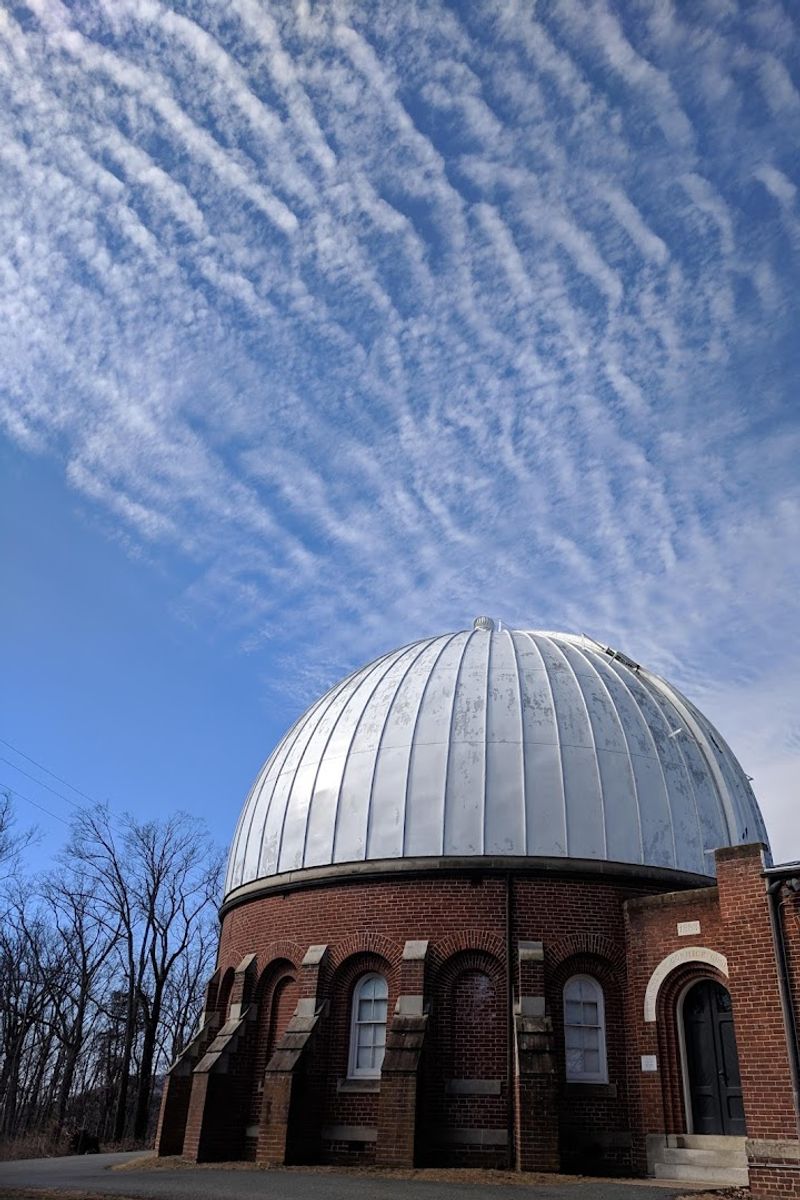
Getting to McCormick Observatory is straightforward, and the drive itself is a pleasant preview of what awaits. The address is 530 McCormick Road, Charlottesville, VA 22904, tucked onto Observatory Hill near the University of Virginia.
Parking is available nearby, and the walk up to the building is short but scenic.
Public Nights run on Friday evenings, with doors opening at 7 PM and the program wrapping up around 11 PM. That four-hour window gives you plenty of time to enjoy the lecture, explore the building, and spend meaningful time at the telescopes.
Plan accordingly and you will not feel rushed.
The observatory’s phone number is listed as 434-243-1885 for any questions, and the University of Virginia’s astronomy department website has full scheduling details and registration links. Checking the site before your visit ensures you have the most current information about upcoming Public Nights and any special events.
One final note: the historic building is not fully ADA accessible due to its age and architectural design. Contacting the observatory in advance if you have accessibility concerns is a smart move.
Virginia’s astronomical gem deserves to be enjoyed by everyone, and the team is genuinely happy to help make that happen however they can.
