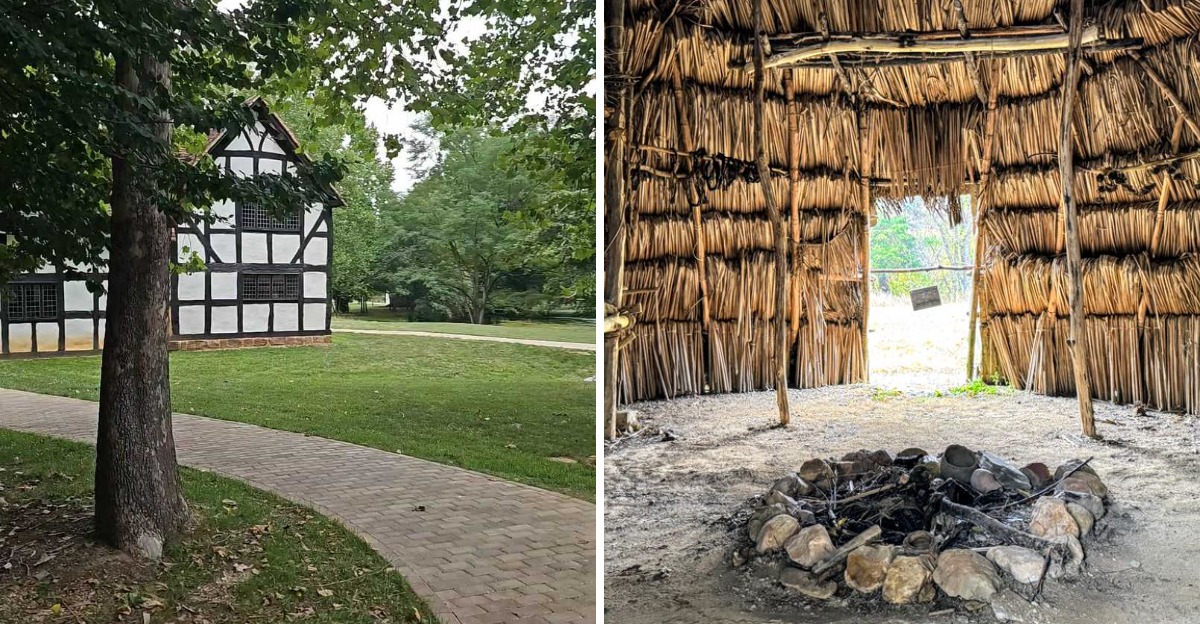
Think you know how America was really built? Not just through big battles and famous names, but through ordinary people hauling their entire lives across an ocean and carving out new ones in the Shenandoah Valley.
At Frontier Culture Museum in Staunton, Virginia, history stops being boring textbook stuff and becomes something you can walk through, touch, and actually understand. This place takes you on a wild journey from West Africa to Ireland, Germany to England, and finally to the American frontier, showing you exactly how these cultures crashed into each other, borrowed from one another, and sometimes clashed in ways that shaped everything we know today.
Spread across rolling hills with authentic buildings shipped piece by piece from overseas, this isn’t your typical stand-and-stare museum. You’ll meet costumed interpreters who actually know their stuff, watch blacksmiths hammer out tools like it’s no big deal, and realize that survival back then required more guts and creativity than any of us could imagine.
Walk Through Actual History From Four Continents
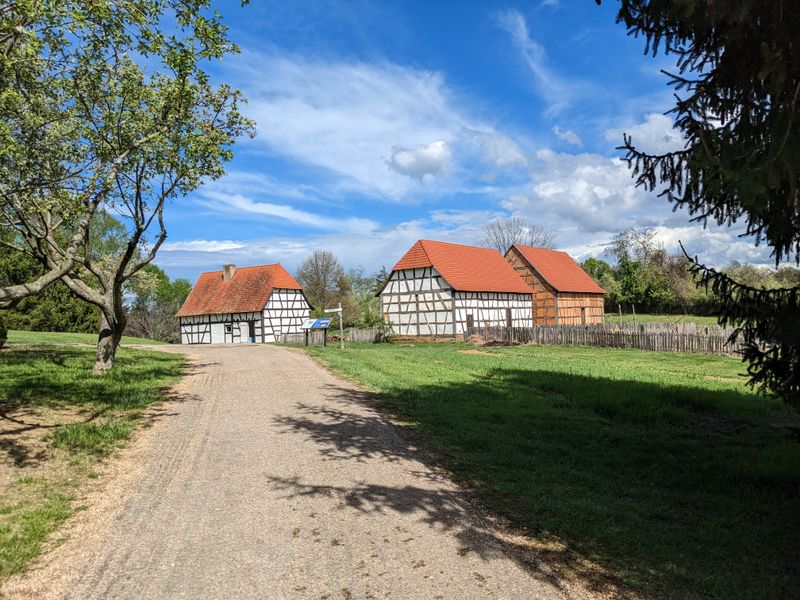
Picture this: authentic homes and farms literally transported from their original locations in Ireland, Germany, England, and West Africa, then reassembled right here in Virginia. Every structure tells a completely different story about how people lived before they packed up everything and sailed toward an uncertain future.
The museum sprawls across a gorgeous landscape where you can physically move between continents in minutes. One moment you’re standing in a German farmstead learning about their farming techniques, and the next you’re exploring how Irish families survived on tiny plots of land.
What makes this setup brilliant is how it demonstrates the massive differences in lifestyle, architecture, and survival strategies each culture brought to America. The West African exhibit reveals sophisticated agricultural knowledge that enslaved people carried with them, knowledge that plantation owners exploited ruthlessly.
Staff members dressed in period clothing inhabit these spaces and bring them alive with demonstrations and stories. They don’t just recite facts; they show you how flax became linen, how families cooked without modern conveniences, and why certain building techniques mattered for survival.
This isn’t passive observation.
You’re stepping into worlds that existed centuries ago, preserved and presented so you can genuinely understand what frontier life demanded from every single person who dared to start over.
Rent A Golf Cart And Cover Two Miles Of Living History
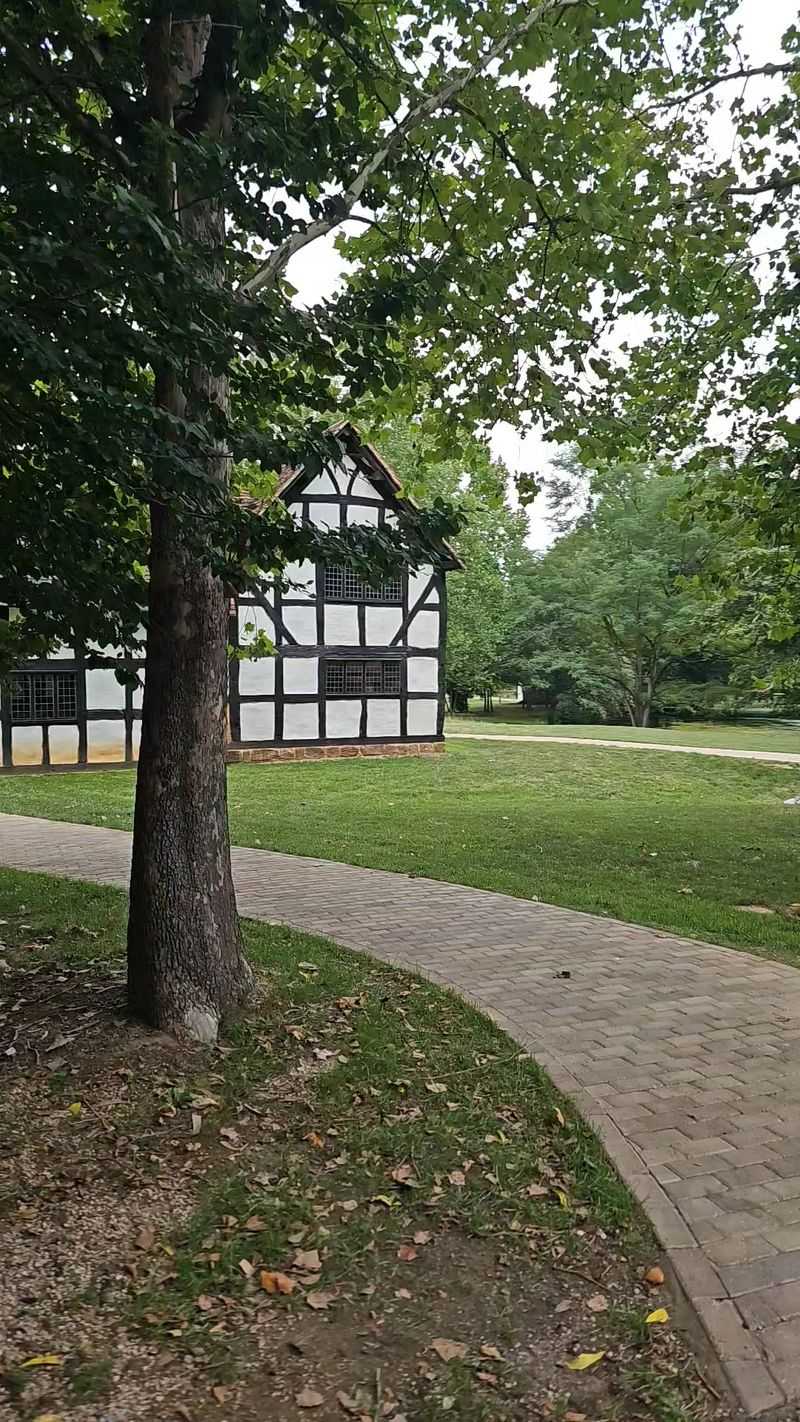
Let’s be honest: this museum covers serious ground, roughly two miles of walking if you want to see everything. For anyone who finds that daunting or just wants to maximize their time, golf cart rentals are absolute game changers.
Visitors rave about cruising between exhibits in their own cart, which lets you control the pace and spend more energy absorbing information rather than worrying about tired feet. Families with young kids especially appreciate this option since little legs give out fast, and you don’t want to miss the American frontier section because someone’s feet hurt.
The carts zip you efficiently from the European homesteads to the American farms, giving you more time to linger where things get really interesting. Shuttle services also run for those who don’t want to drive themselves, with friendly drivers who often share extra tidbits about the exhibits.
During certain seasons when staff is limited, the museum even offers guided golf cart tours where knowledgeable interpreters take you around and provide running commentary. This setup works perfectly for visitors with mobility challenges or anyone who simply wants to experience everything without the physical strain.
Spending a little extra on the cart means you’ll actually enjoy the full scope of what this incredible museum offers instead of cutting your visit short.
Meet Costumed Interpreters Who Actually Know Their Stuff
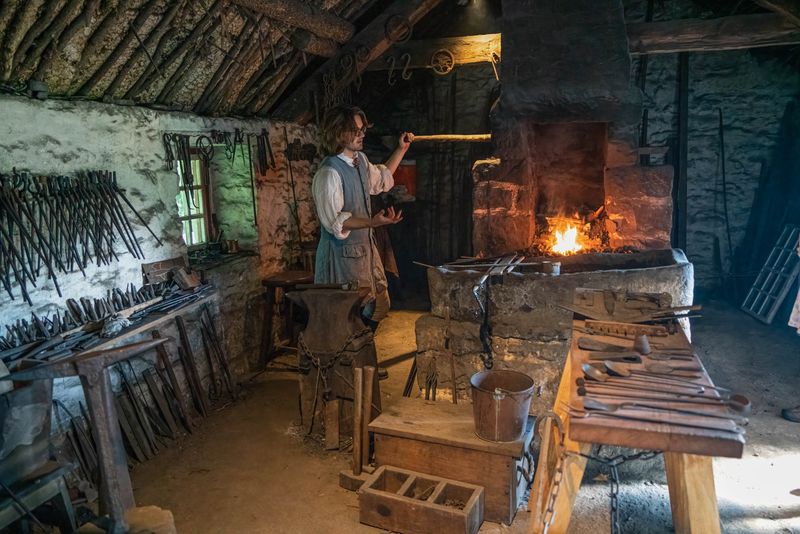
Forget bored tour guides reading from scripts. The people you’ll meet here are genuinely passionate about their roles and ridiculously knowledgeable about every detail of frontier life.
One reviewer mentioned a blacksmithing student who could answer literally any question thrown at him, and another met a German house interpreter who was raised in Germany and spoke fluent German while explaining historical context.
These aren’t just actors playing dress-up. They’re educators, craftspeople, and history enthusiasts who have studied their periods intensively.
They demonstrate actual skills like spinning flax into thread, tending crops using historical methods, and maintaining period-accurate tools and equipment.
What really sets them apart is their ability to make history relatable and engaging for all ages. Kids get totally absorbed watching demonstrations and asking questions, while adults appreciate the depth of knowledge available if they want to dig deeper into specific topics.
The interpreters adjust their presentations based on who’s visiting, offering simple explanations for younger guests and more complex historical analysis for adults. They’ll tell you about daily struggles, explain why certain crops mattered, and demonstrate tasks that seem impossibly difficult by modern standards.
Their enthusiasm is infectious, turning what could be a dry history lesson into something memorable and genuinely fun.
This human element transforms the museum from a collection of old buildings into a vibrant educational experience.
Watch A Real Blacksmith Forge Tools The Old-Fashioned Way
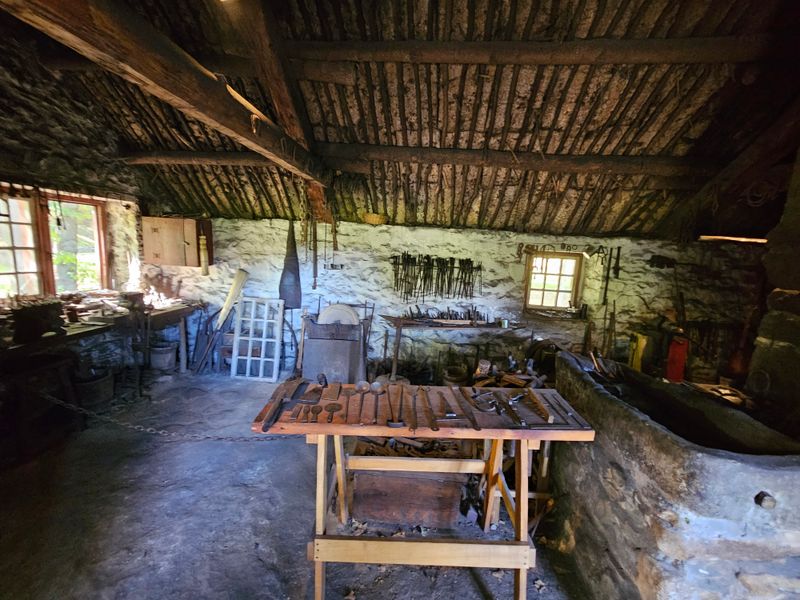
The clang of hammer on hot metal rings out from the blacksmith shop, where you can watch someone practicing an ancient craft that was absolutely essential to frontier survival. Every farm needed tools, every household required metal implements, and blacksmiths were the problem-solvers who made frontier life possible.
The blacksmith at Frontier Culture Museum isn’t just demonstrating for show. One visitor discovered he was actually a student studying the trade, deeply invested in preserving these traditional metalworking techniques.
He could explain the science behind heating metal to specific temperatures, why certain hammering techniques produced different results, and how blacksmiths adapted their work for different customer needs.
Watching him work gives you instant appreciation for how physically demanding and skilled this job was. The heat from the forge, the precision required, and the strength needed to shape stubborn metal into useful objects makes you realize how much we take for granted today.
He welcomes questions and loves explaining his process, making this one of the most interactive exhibits. Kids are especially mesmerized watching sparks fly and metal transform under repeated strikes.
The blacksmith shop represents the technological backbone of frontier communities, where one person’s expertise kept entire settlements functioning.
This isn’t just about making horseshoes; it’s about understanding how specialized knowledge and physical skill sustained communities when you couldn’t just order replacement parts online.
Experience Authentic Buildings Moved From Their Original Locations
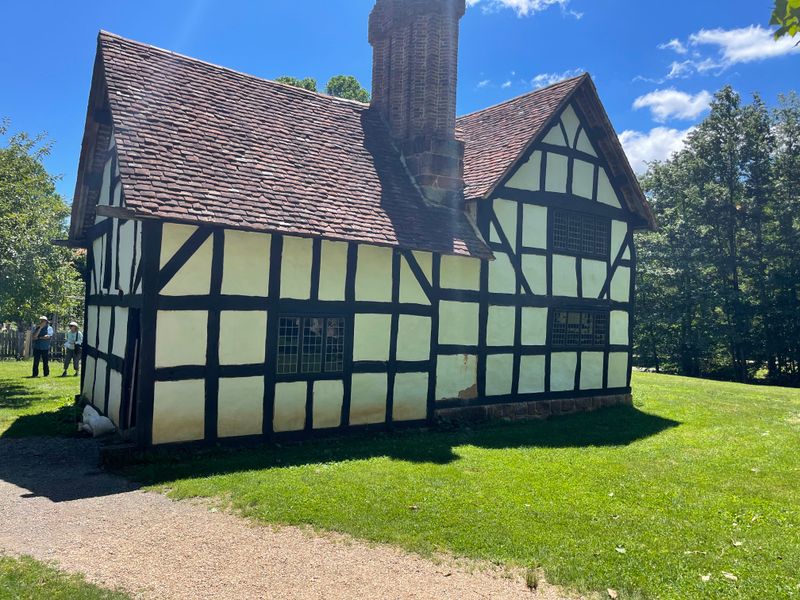
Here’s something wild: the buildings you’re walking through aren’t replicas or reconstructions. They’re actual structures dismantled in their original locations overseas, shipped across the Atlantic, and painstakingly reassembled in Virginia.
That German farmhouse? It really housed German families centuries ago.
The Irish cottage? Irish families actually lived, worked, and struggled within those walls.
This authenticity changes everything about how you experience the museum. You’re not looking at someone’s best guess about historical architecture; you’re standing in genuine spaces that witnessed real lives, real hardships, and real triumphs.
The construction techniques themselves tell fascinating stories. German building methods differed dramatically from Irish approaches, each adapted to their specific climates, available materials, and cultural traditions.
English structures show yet another set of solutions to similar problems.
Walking through these buildings, you notice details that reconstructions would miss: the wear patterns on doorsteps, the smoke stains on ceilings, the ingenious storage solutions built into walls. Everything feels lived-in because it was lived in, sometimes for generations.
The museum’s commitment to authenticity extends beyond just the structures. Furnishings, tools, and household items are period-appropriate, creating complete environments that transport you mentally and emotionally to different times and places.
This level of authenticity makes the educational experience profoundly more powerful than any textbook or documentary could achieve.
Learn How Different Cultures Farmed And Survived
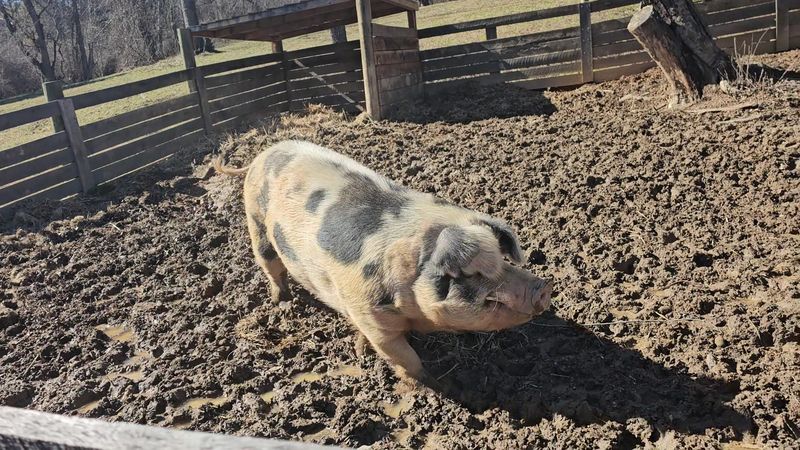
Agriculture wasn’t just about growing food; it was about survival, and each culture brought completely different approaches to making land productive. The museum brilliantly demonstrates these contrasting methods side by side, letting you compare and understand why certain techniques worked better in specific situations.
German farmers brought intensive cultivation methods and careful animal husbandry practices. Irish families survived on surprisingly small plots using techniques that maximized every inch of available space.
English farmers had their own traditions shaped by their homeland’s climate and social structures.
The West African exhibit reveals sophisticated agricultural knowledge that often gets ignored in traditional American history narratives. Enslaved people brought expertise in rice cultivation, crop rotation, and livestock management that plantation owners exploited without acknowledgment or compensation.
You’ll see heritage breed animals that resemble what frontier families actually raised, crops planted using historical methods, and gardens laid out according to period practices. Interpreters explain seasonal rhythms, why certain crops mattered economically, and how families preserved food without refrigeration.
This agricultural focus helps you understand that frontier life revolved entirely around successful farming. Everything else depended on producing enough food to survive winters, feed animals, and have surplus for trade.
The cultural exchange that happened when these different farming traditions met in America created the agricultural foundation that eventually made this country prosperous.
Discover The American Frontier Settlement Evolution
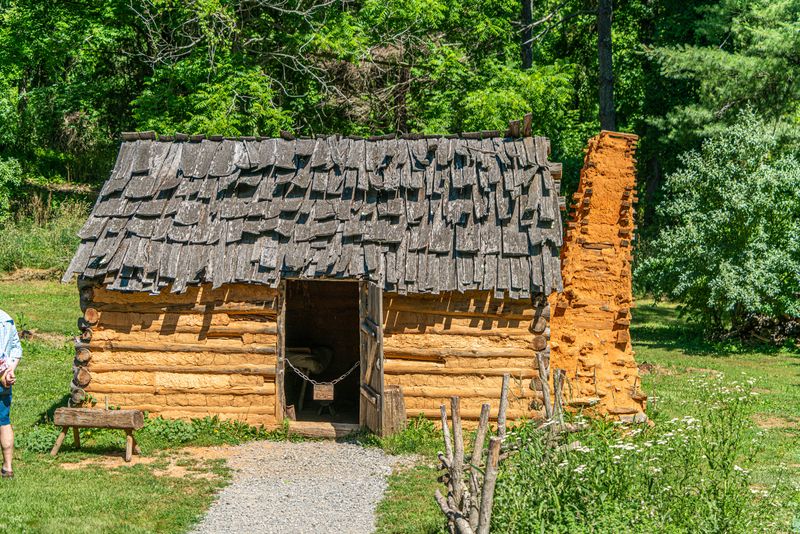
After touring the European and African exhibits, you reach the American frontier section where everything comes together. This is where those different cultures collided, borrowed from each other, and created something entirely new under incredibly challenging circumstances.
The American homesteads show how settlers adapted their Old World knowledge to New World realities. They couldn’t build exactly like they did back home because materials, climate, and available help were completely different.
Instead, they improvised, combining techniques from various traditions while inventing new solutions to unexpected problems.
You’ll see how log cabin construction became the American standard not because it was traditional anywhere, but because it worked brilliantly with available resources and limited manpower. The buildings demonstrate increasing sophistication as settlements became established and residents had time for improvements beyond basic survival.
Interpreters explain how frontier families gradually moved from subsistence living to producing surplus goods for trade. They’ll show you the schoolhouse where education happened when children weren’t needed for farm work, and explain how communities formed around shared needs and mutual support.
This section reveals the messy, complicated reality of frontier expansion. It wasn’t romantic or easy.
Families worked brutally hard, faced constant uncertainty, and depended on cooperation with neighbors who might have completely different backgrounds.
Understanding this evolution helps explain how American culture developed its particular character, blending multiple traditions into something distinct.
Explore The West African Exhibit And Untold Stories
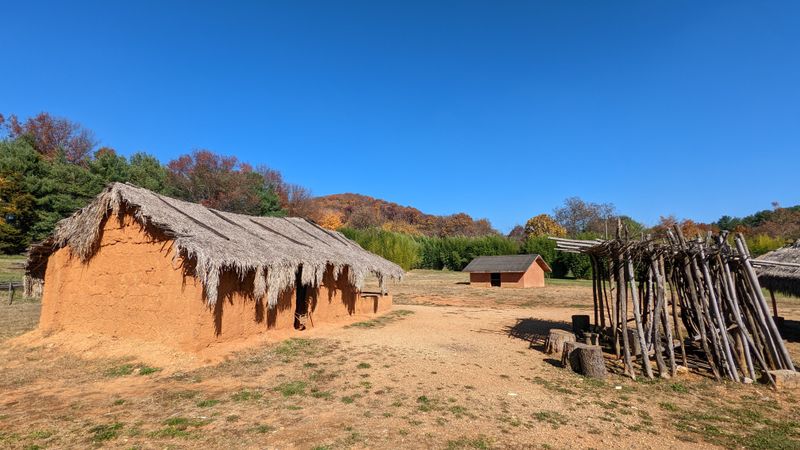
One of the museum’s most important contributions is giving proper attention to West African history and the enslaved people who were forcibly brought to America. This exhibit doesn’t sugarcoat or romanticize; it presents the sophisticated cultures that existed before the slave trade and the knowledge that enslaved people carried with them.
You’ll learn about traditional West African architecture, farming techniques, and social structures that were far more advanced than most Americans realize. The exhibit challenges simplistic narratives and shows the rich cultural heritage that slavery attempted to destroy.
Interpreters discuss difficult topics honestly, explaining how enslaved people’s agricultural expertise was systematically exploited while their humanity was denied. They preserved cultural traditions despite horrific circumstances, passing down knowledge, stories, and skills that influenced American culture in countless ways.
The museum also includes a Black church representing how African Americans created community spaces and maintained cultural identity after emancipation. This addition shows the continuing thread of African influence in American life beyond the slavery period.
Some visitors note that more detailed information about specific Indigenous nations would strengthen the exhibit further, as Eastern tribes are sometimes presented too generally. Still, the West African exhibit represents crucial storytelling that many history museums ignore or minimize.
Understanding these contributions and this history is essential for honestly comprehending how American culture actually developed.
Plan For At Least Two Hours To See Everything
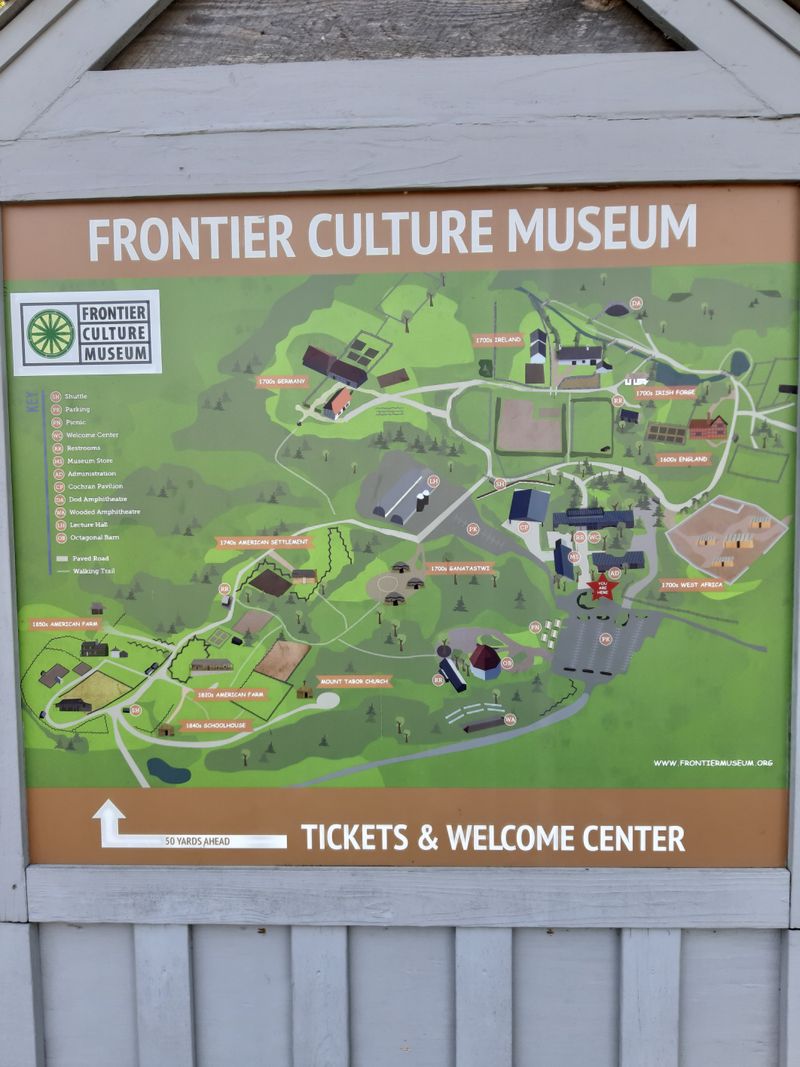
Rushing through Frontier Culture Museum would be a massive mistake. Visitors consistently emphasize that you need at least two hours minimum, and many recommend three or four if you really want to absorb everything and engage with interpreters.
The museum’s sprawling layout means there’s genuine travel time between exhibits, even with a golf cart. Each building deserves attention, and the interpreters offer so much information that you could easily spend twenty minutes at a single location if you’re genuinely interested.
Families with children often find they need extra time because kids want to interact with animals, ask questions, and participate in demonstrations. Rather than dragging them quickly through, letting them engage at their own pace makes the experience educational and memorable.
Some visitors report returning multiple times because they couldn’t see everything in one visit or because the museum offers special events like sheep shearing, butter churning, or Oktoberfest celebrations that showcase different aspects of frontier life.
The museum is currently undergoing construction for additional exhibits expected to be completed by late in the decade, which will add even more to explore. Checking their schedule before visiting helps you plan around special demonstrations or seasonal events that might enhance your experience.
Bottom line: don’t squeeze this museum into a quick stop.
Give yourself the time to truly experience what it offers, and you’ll leave with a completely different understanding of American history.
Perfect Educational Experience For All Ages
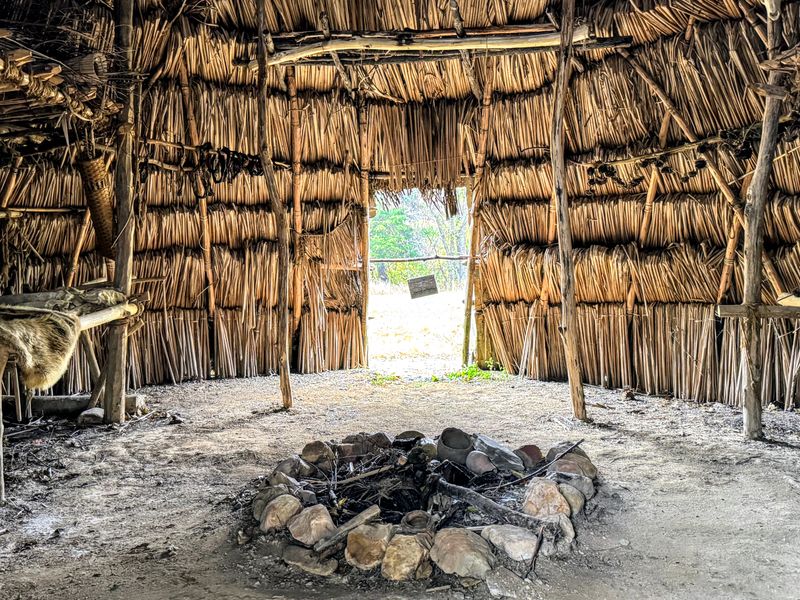
Teachers bring field trips here for good reason: Frontier Culture Museum makes history tangible and relevant in ways that classroom instruction simply cannot match. Kids who normally zone out during history lessons get completely engaged when they can touch tools, see animals, and talk with people demonstrating historical skills.
The hands-on nature of the museum appeals to different learning styles. Visual learners absorb information from the buildings and demonstrations, auditory learners benefit from interpreter explanations, and kinesthetic learners appreciate the walking and interactive elements.
Parents report that even teenagers who initially grumbled about visiting a history museum ended up fascinated and asking intelligent questions. The museum’s approach avoids talking down to younger visitors while providing enough depth to satisfy curious adults.
One reviewer mentioned their kids comparing their own lives to those of frontier children, which sparked valuable conversations about privilege, hardship, and historical change. These comparisons make history personal rather than abstract, helping young people understand that history involves real people facing real challenges.
The affordability makes this accessible for families and school groups who might struggle with expensive admission prices elsewhere. Water fountains throughout the grounds and reasonably priced refreshments show consideration for practical visitor needs.
Whether you’re homeschooling parents looking for educational outings, teachers planning field trips, or families wanting something more enriching than typical tourist attractions, this museum delivers exceptional value and genuine educational impact.
Dear Reader: This page may contain affiliate links which may earn a commission if you click through and make a purchase. Our independent journalism is not influenced by any advertiser or commercial initiative unless it is clearly marked as sponsored content. As travel products change, please be sure to reconfirm all details and stay up to date with current events to ensure a safe and successful trip.
