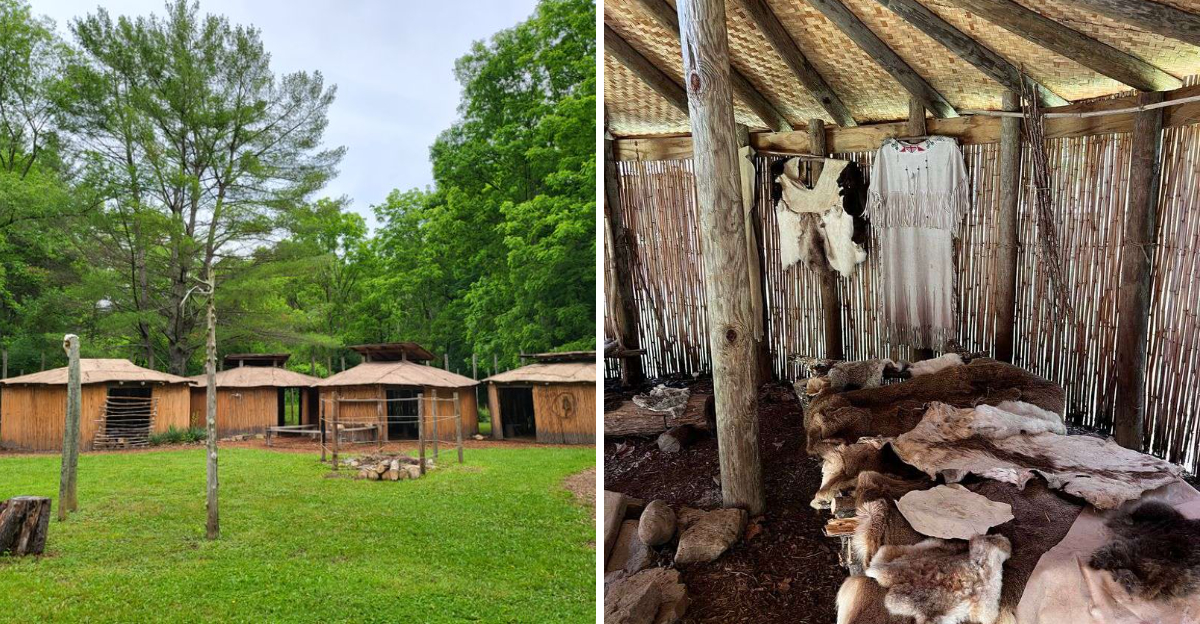
Tucked away in the rugged mountains of southwestern Virginia lies a place where time bends backward and ancient voices whisper through reconstructed dwellings. Wolf Creek Indian Village and Museum isn’t your typical roadside attraction with cheesy gift shops and lackluster displays.
This authentic archaeological site brings you face to face with a thriving Native American community that called these hills home centuries before European settlers ever dreamed of crossing the Atlantic. Walking these trails feels like stumbling upon a secret the forest has been keeping, a living classroom where history breathes through every carefully recreated structure.
Located at 6394 N Scenic Highway in Bastian, this hidden gem offers something rare in our modern world: a genuine connection to the people who shaped this land long before it became the Virginia we know today. Ready to step off the beaten path and into a world most travelers never discover?
A Living Timeline Frozen in the Mountains
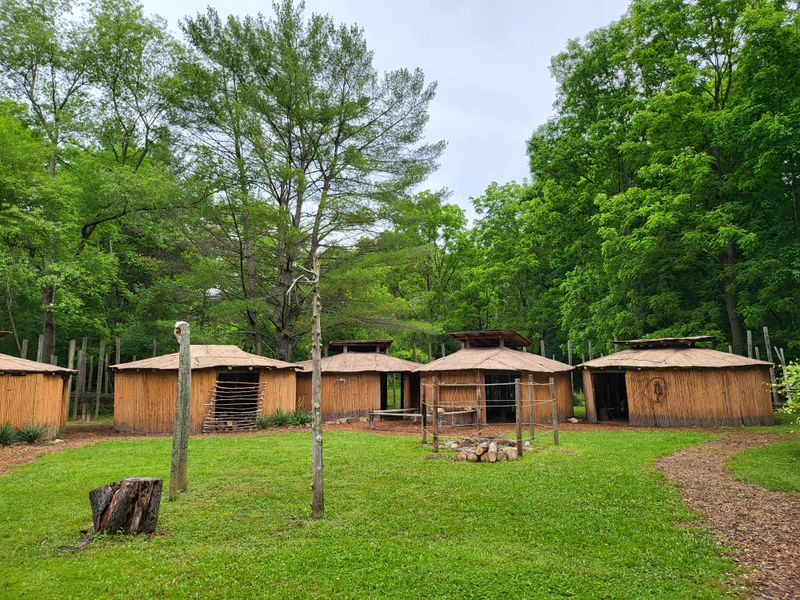
What makes Wolf Creek Indian Village so jaw-droppingly special is that you’re not just reading about history from behind velvet ropes. This place recreates an entire Native American settlement exactly where archaeologists unearthed evidence of continuous habitation spanning centuries.
The village represents the daily existence of indigenous peoples who thrived in these Virginia highlands long before colonial times.
Walking through the grounds, you’ll encounter dwellings built using the same techniques and materials the original inhabitants would have used. Each structure tells a story about survival, community, and the deep connection between people and the land they called home.
The attention to detail is staggering, from the placement of fire pits to the arrangement of living spaces.
Guides share insights about how these communities organized themselves, what they ate, and how they adapted to the changing seasons in the Appalachian Mountains. You’re not passively observing history here.
You’re stepping directly into it, feeling the textures, imagining the sounds, and understanding the ingenuity required to flourish in this challenging environment without modern conveniences.
Archaeological Treasures Unearthed Right Here
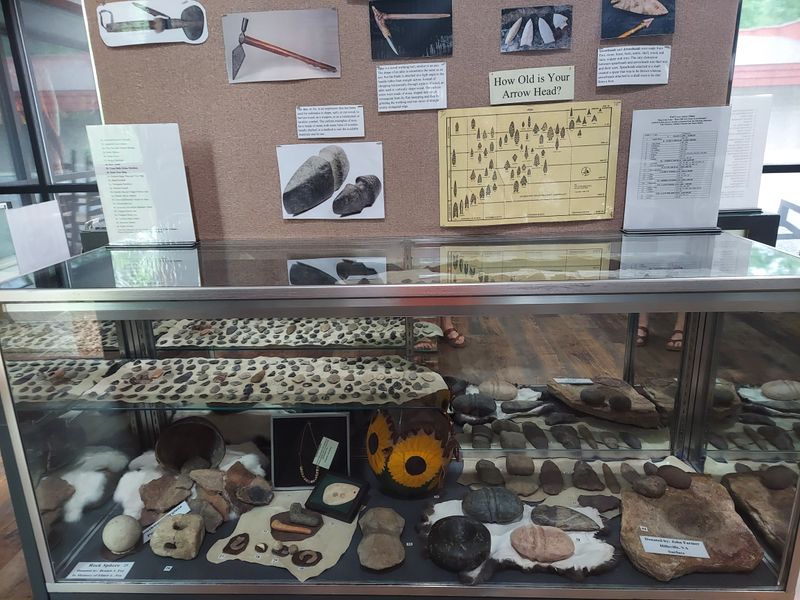
Before Wolf Creek became a museum, it was an active archaeological dig site that yielded thousands of artifacts spanning multiple generations of Native American occupation. The treasures discovered here paint a vivid picture of sophisticated cultures that many history books barely mention.
These weren’t primitive wanderers but established communities with complex social structures and impressive craftsmanship.
The museum houses an extensive collection of tools, pottery fragments, weapons, and everyday items recovered from the soil beneath your feet. Each arrowhead, each piece of decorated pottery, each stone tool represents hours of skilled labor and intimate knowledge of available resources.
Looking at these artifacts up close reveals the artistry and practical genius of their makers.
Archaeologists determined that this site was occupied for potentially hundreds of years, making it one of the most significant Native American locations in southwestern Virginia. The layers of history literally stacked upon each other tell a continuous story of human adaptation and community building.
This wasn’t a temporary camp but a true home where generations were born, lived, and passed their knowledge forward.
Hands-On History That Actually Teaches
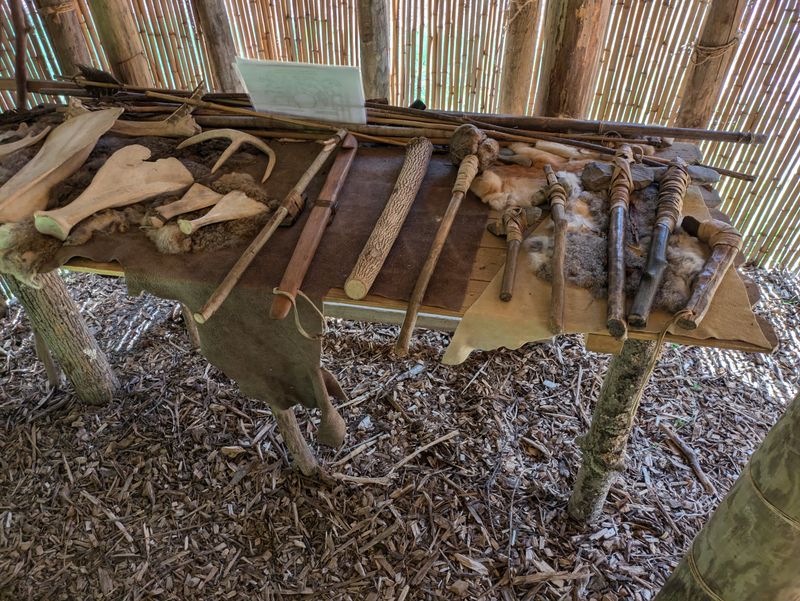
Forget stuffy museums where everything is locked behind glass and touching is strictly forbidden. Wolf Creek Indian Village encourages interaction in ways that make history stick in your brain long after you’ve returned home.
Visitors can try their hand at grinding corn using traditional stone tools, an activity that looks deceptively simple until your arms start burning after just a few minutes.
The experience of attempting these everyday tasks gives you instant respect for the physical demands of pre-industrial life. You’ll also discover how clever solutions to common problems were engineered using only natural materials.
Want to know how they started fires without matches? You can watch demonstrations and even attempt it yourself under expert guidance.
Kids especially love this approach because they’re not being lectured at but actively participating in discovery. Adults find themselves equally engaged, often surprised by how challenging supposedly simple tasks become without modern shortcuts.
This tactile learning creates memories that reading alone never could, transforming abstract historical concepts into tangible understanding you can literally feel in your hands and muscles.
The Scenic Highway That Time Forgot
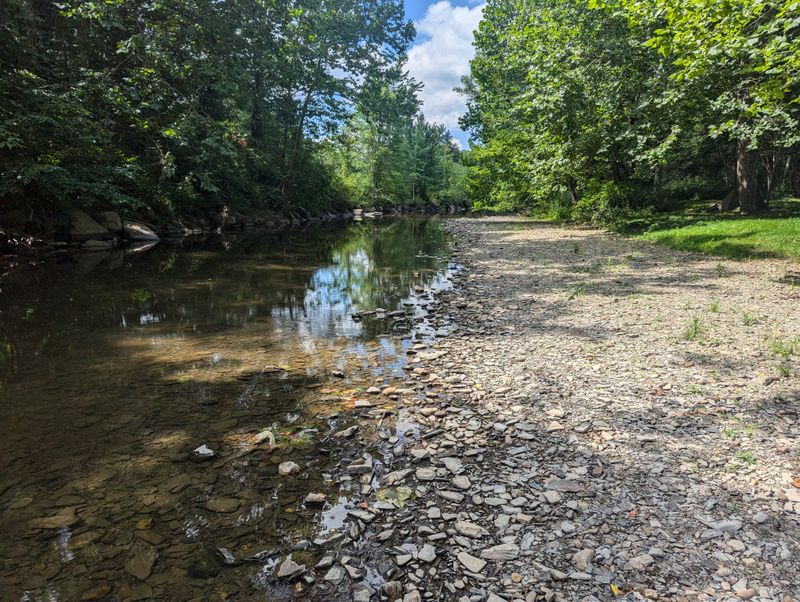
Getting to Wolf Creek Indian Village is half the adventure, especially if you’re traveling along the aptly named North Scenic Highway. This route winds through some of Virginia’s most breathtaking mountain landscapes, where civilization feels delightfully distant and nature reclaims its starring role.
The drive itself becomes a transition between your everyday world and the ancient past waiting at your destination.
During autumn, the hillsides explode in fiery reds, oranges, and golds that photographers dream about capturing. Spring brings wildflowers carpeting the forest floor, while summer wraps everything in lush green canopies that filter sunlight into dancing patterns.
Even winter has its stark beauty, with bare trees revealing the bones of the landscape.
This remoteness isn’t accidental. The village’s location in Bastian keeps it off the typical tourist radar, preserving an authenticity that more accessible attractions often sacrifice.
You won’t find billboards screaming for your attention or traffic jams of tour buses. Instead, you’ll experience the same relative isolation the original inhabitants knew, surrounded by mountains that have witnessed countless human stories unfold beneath their unchanging peaks.
Seasonal Programs That Bring Culture Alive
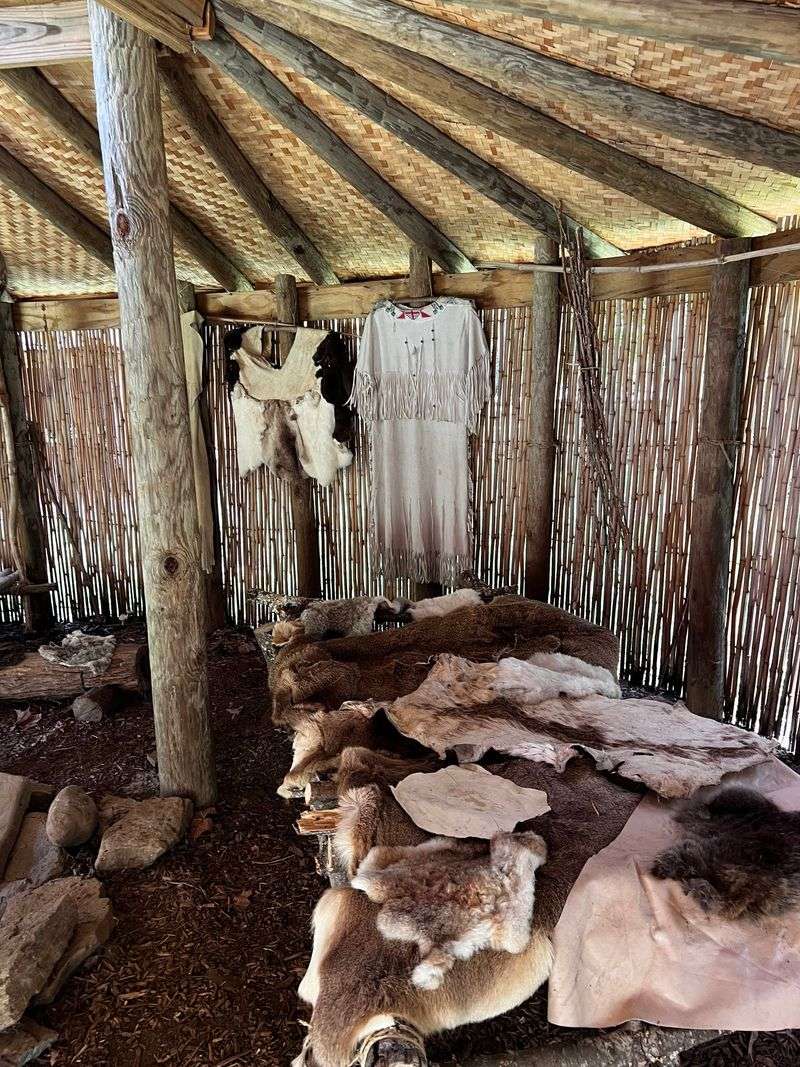
Wolf Creek Indian Village doesn’t rest on its archaeological laurels. Throughout the year, the site hosts special programs that illuminate different aspects of Native American culture and daily life.
These aren’t generic performances but carefully researched presentations that honor the complexity and diversity of indigenous traditions. Check their schedule before visiting because catching one of these events elevates your experience exponentially.
Storytelling sessions transport you into the oral tradition that preserved knowledge and entertainment before written language dominated. Traditional music demonstrations showcase instruments and rhythms that connected communities to the spiritual world and natural cycles.
Craft workshops teach skills like basket weaving, pottery techniques, and hide preparation that sustained entire civilizations.
The educators and demonstrators bring genuine passion to their presentations, often spending years mastering these traditional arts. Their enthusiasm is contagious, turning what could be dry history lessons into captivating performances that hold attention spans of all ages.
You’ll leave with a deeper appreciation for cultures that mainstream education often reduces to stereotypes and oversimplifications, understanding the richness that existed long before European contact changed everything forever.
Gardens That Fed Generations
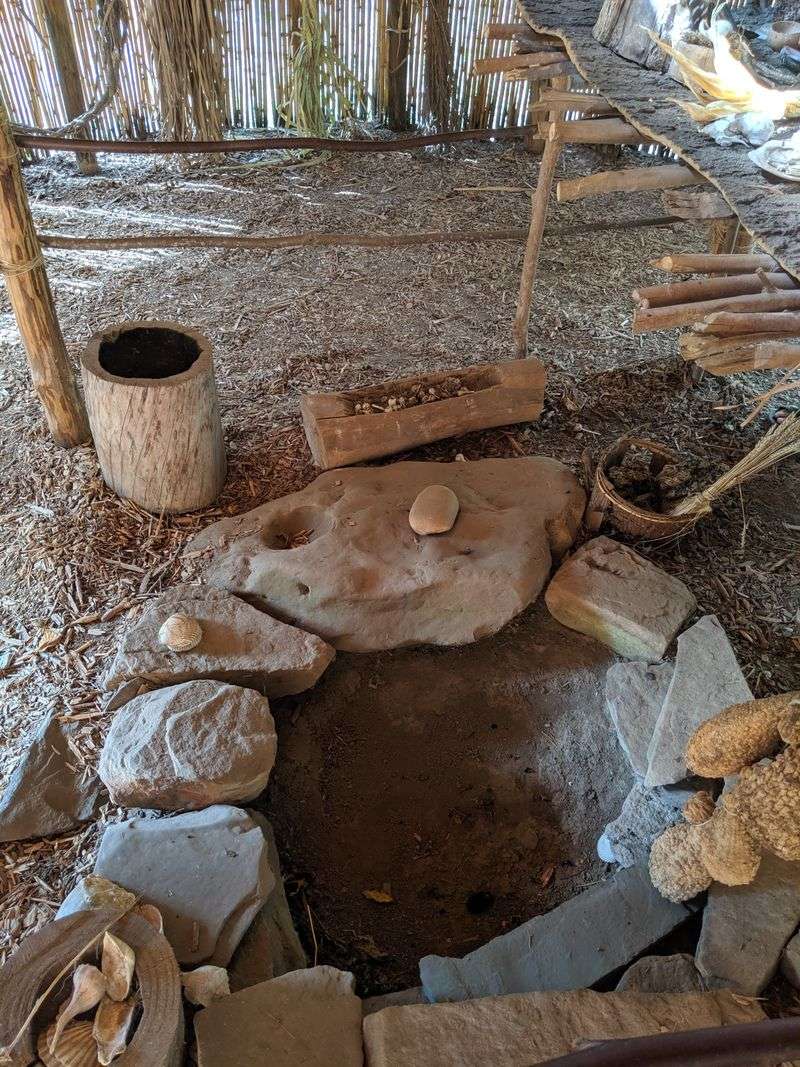
Among the most fascinating features at Wolf Creek are the recreated gardens showcasing the agricultural wisdom that sustained Native American communities through countless seasons. The famous three sisters planting method, where corn, beans, and squash grow together in symbiotic harmony, demonstrates ecological intelligence that modern permaculture enthusiasts are only now rediscovering.
Corn provides stalks for beans to climb, beans fix nitrogen in soil that corn depletes, and squash leaves shade the ground to retain moisture while deterring pests.
Seeing these gardens in action reveals how deeply indigenous peoples understood plant relationships and soil health centuries before agricultural science existed as a formal discipline. They weren’t just randomly throwing seeds in the ground and hoping for the best.
Every decision about what to plant, when to plant it, and where to position it came from accumulated knowledge passed down through generations of careful observation.
The gardens change with the seasons, offering different lessons throughout the year. Spring planting teaches about timing and preparation.
Summer growth shows the interdependence of the three sisters. Autumn harvest celebrates abundance and preservation techniques that carried communities through winter.
Dwellings Designed for Mountain Living
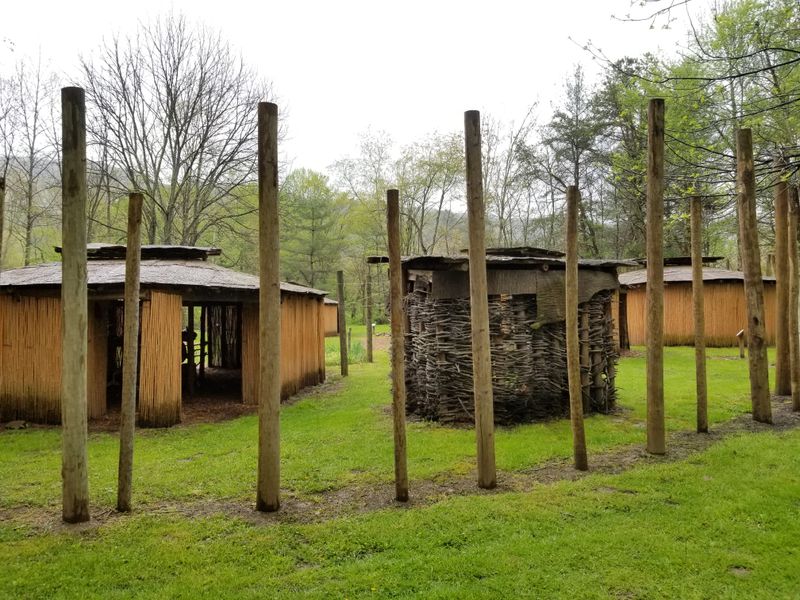
The reconstructed dwellings at Wolf Creek aren’t generic tipis that Hollywood loves to show in every Native American scene regardless of actual tribal differences. These structures reflect the specific architectural adaptations developed for life in the Appalachian Mountains, where weather patterns and available materials dictated building techniques.
Each dwelling type served different purposes within the community, from family homes to communal gathering spaces.
Step inside and you’ll immediately notice how the design addresses practical concerns like heat retention, smoke ventilation, and protection from mountain storms. The placement of doorways, the angle of roofs, the selection of bark or thatch for covering, everything reflects problem-solving born from intimate environmental knowledge.
Modern architects could learn valuable lessons from these elegant solutions.
Guides explain how these structures were built without nails, metal tools, or manufactured materials, yet some could last for years with proper maintenance. The engineering required to create stable, weatherproof housing using only what the forest provided showcases human ingenuity at its finest.
You’ll gain newfound respect for ancestors who created comfortable homes without Home Depot or YouTube tutorials to guide them through the process.
The Museum Collection That Tells Complete Stories
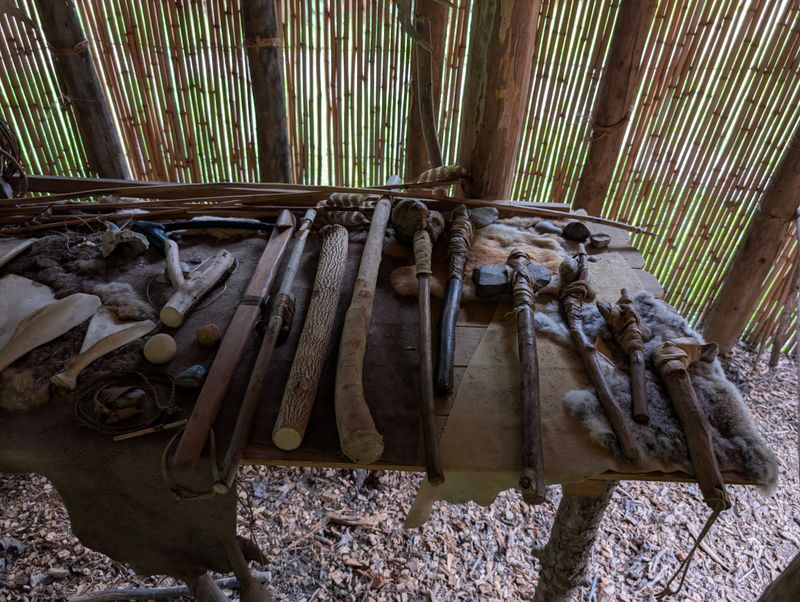
While the outdoor village captures your imagination, don’t skip the indoor museum component where artifacts are preserved and contextualized. The collection goes beyond simply displaying pretty objects, instead weaving narratives about the people who made and used each item.
You’ll see how pottery styles evolved over time, how tool design improved with accumulated knowledge, and how decorative elements reflected spiritual beliefs and community identity.
Interpretive displays explain what archaeologists can determine from fragments and partial remains, turning you into a detective piecing together ancient lives from material clues. The museum respects both scientific inquiry and indigenous perspectives, acknowledging that these aren’t just archaeological specimens but sacred objects connected to living descendants.
This balanced approach adds depth often missing from institutions that treat Native American history as something safely dead and buried.
Rotating exhibits ensure that repeat visitors always find something new to discover. The curators clearly care about education rather than just filling display cases, creating thoughtful presentations that challenge assumptions and expand understanding.
You’ll leave questioning what you thought you knew about pre-colonial America and eager to learn more about cultures that thrived here long before it was called Virginia.
Guides Who Actually Know Their Stuff
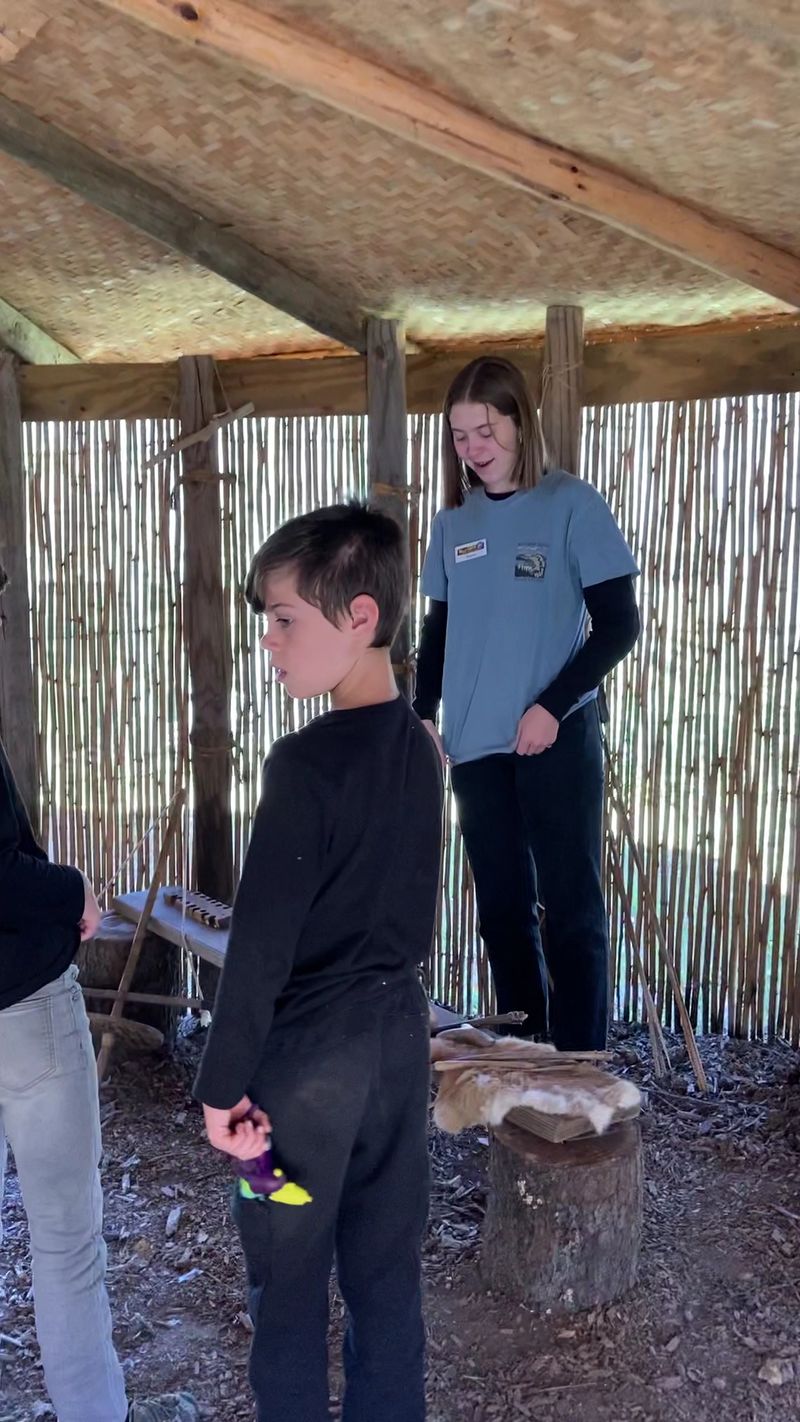
The difference between a mediocre museum visit and a transformative experience often comes down to the quality of interpretation you receive. Wolf Creek Indian Village employs guides who possess genuine expertise rather than simply memorizing scripts to recite robotically.
Many have backgrounds in archaeology, anthropology, or indigenous studies, bringing academic rigor to their presentations while keeping explanations accessible and engaging.
These knowledgeable interpreters can answer the obscure questions that pop into curious minds, going beyond surface-level facts to explore the why behind cultural practices. They’re comfortable admitting when something remains unknown or debated among scholars, modeling intellectual honesty that respects both the complexity of history and the intelligence of visitors.
Their passion for the subject matter shines through every explanation, making even potentially dry topics feel vital and interesting.
Don’t hesitate to engage them in conversation or ask for clarification about anything that confuses you. They genuinely enjoy sharing knowledge and appreciate visitors who want to dig deeper than superficial tourism allows.
The insights you’ll gain from these interactions often prove more valuable than anything you could read on informational plaques, adding personal dimension to historical facts and transforming your understanding of indigenous life in the Virginia mountains.
A Hidden Gem Worth the Journey
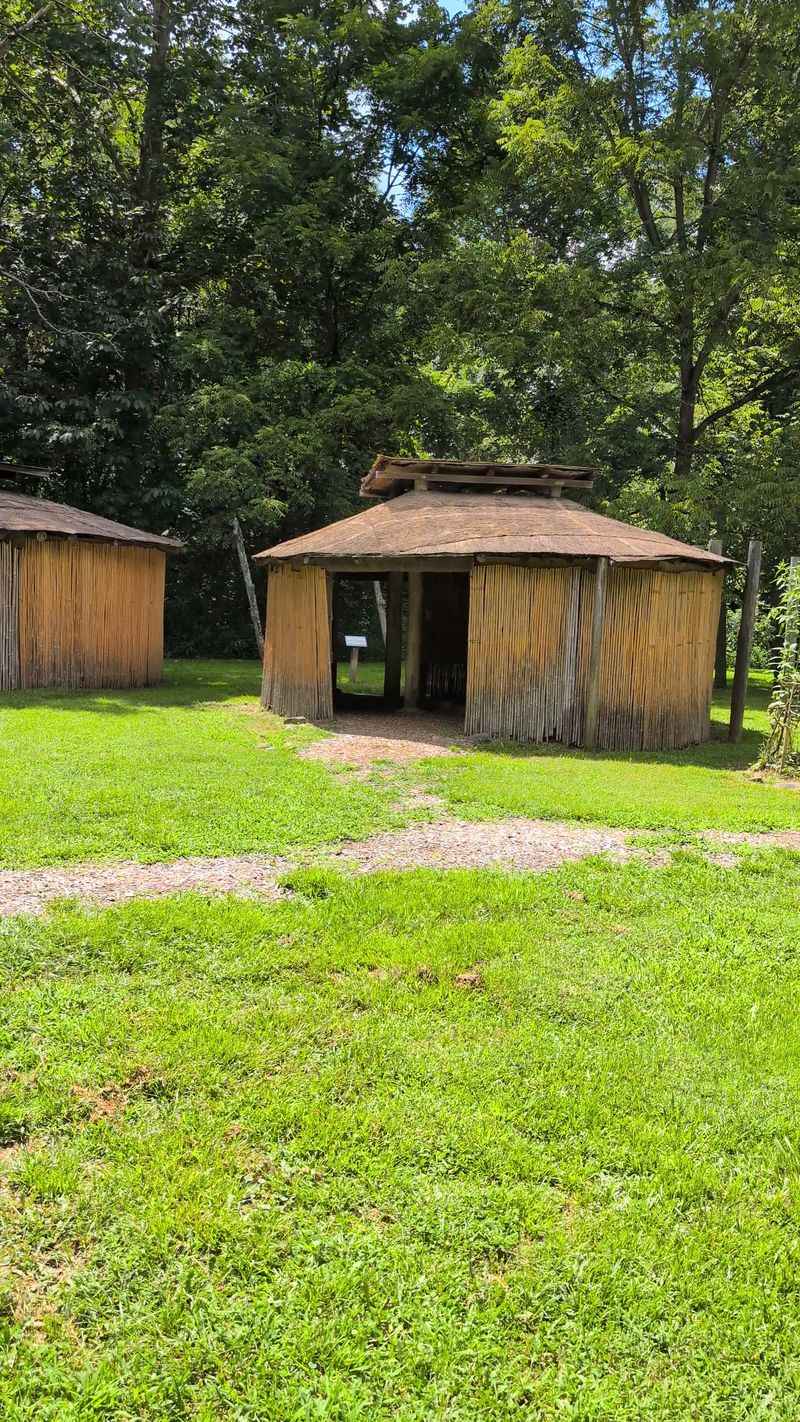
In an age when major tourist attractions feel increasingly commercialized and sanitized, Wolf Creek Indian Village remains refreshingly authentic and unpretentious. You won’t find tacky gift shops selling mass-produced nonsense or overpriced concession stands peddling mediocre food.
What you will find is a genuine effort to preserve and share an important chapter of Virginia’s history that deserves far more attention than it receives.
The site’s relative obscurity works in its favor, keeping crowds manageable and maintaining an atmosphere conducive to contemplation and learning. You can actually spend time absorbing information without being jostled by tour groups or fighting for photo opportunities.
This peaceful environment honors the sacred nature of the site and the people whose stories are being told here.
Located at 6394 N Scenic Highway in Bastian, the village operates from Thursday through Wednesday with hours typically running from morning until late afternoon, though it’s smart to call ahead at their listed number to confirm current schedules. Whether you’re a history enthusiast, an educator seeking field trip destinations, or simply someone craving meaningful travel experiences, Wolf Creek Indian Village delivers substance that shallow attractions can’t match.
Pack your curiosity and prepare to see Virginia’s past through entirely new eyes.
Dear Reader: This page may contain affiliate links which may earn a commission if you click through and make a purchase. Our independent journalism is not influenced by any advertiser or commercial initiative unless it is clearly marked as sponsored content. As travel products change, please be sure to reconfirm all details and stay up to date with current events to ensure a safe and successful trip.
