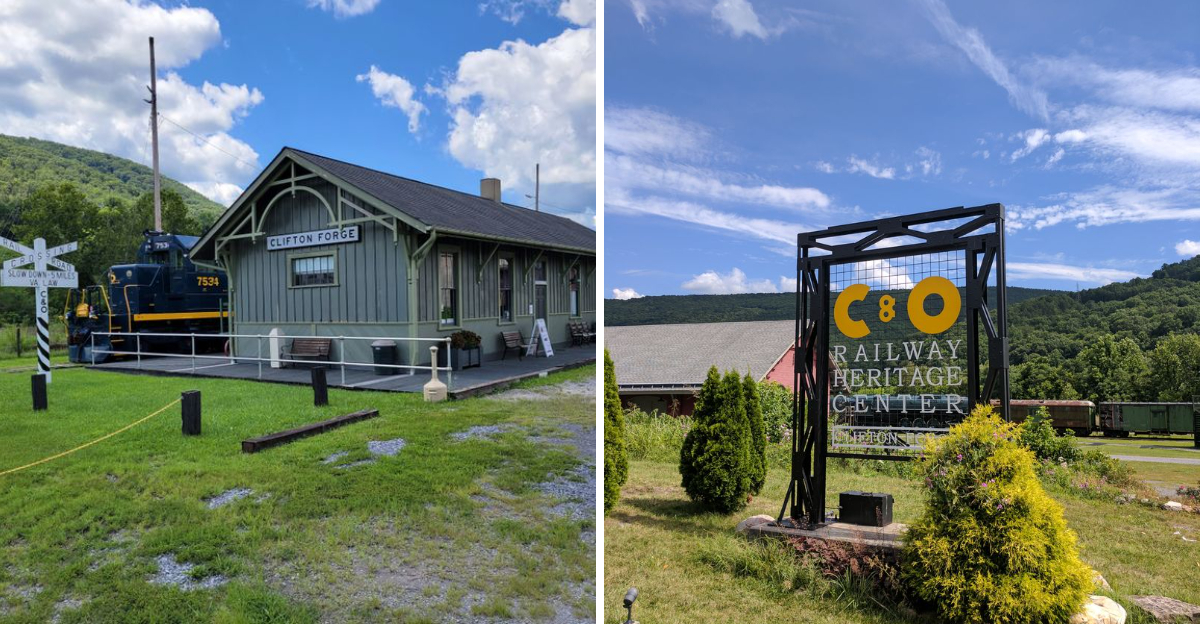
Clifton Forge sits tucked into the Alleghany Highlands of Virginia, where the Jackson River cuts through the mountains and railroad tracks still run like veins through the heart of town. Once a booming hub for the Chesapeake and Ohio Railway, this place hummed with the sound of steam engines and the promise of steady paychecks.
But when the railroad industry shifted gears, Clifton Forge was left grappling with an identity crisis that still echoes today.
Walk down Main Street and you’ll see the divide plain as day. Historic buildings stand empty next to freshly painted storefronts trying their hardest to breathe new life into old bones.
Some neighborhoods sparkle with renovation projects while others struggle with boarded windows and overgrown lots. The town’s story is one of resilience mixed with hardship, where the past casts a long shadow over efforts to reinvent the future.
Come explore what makes this railroad town a fascinating study in economic contrasts and community determination.
The C&O Railway Heritage Museum
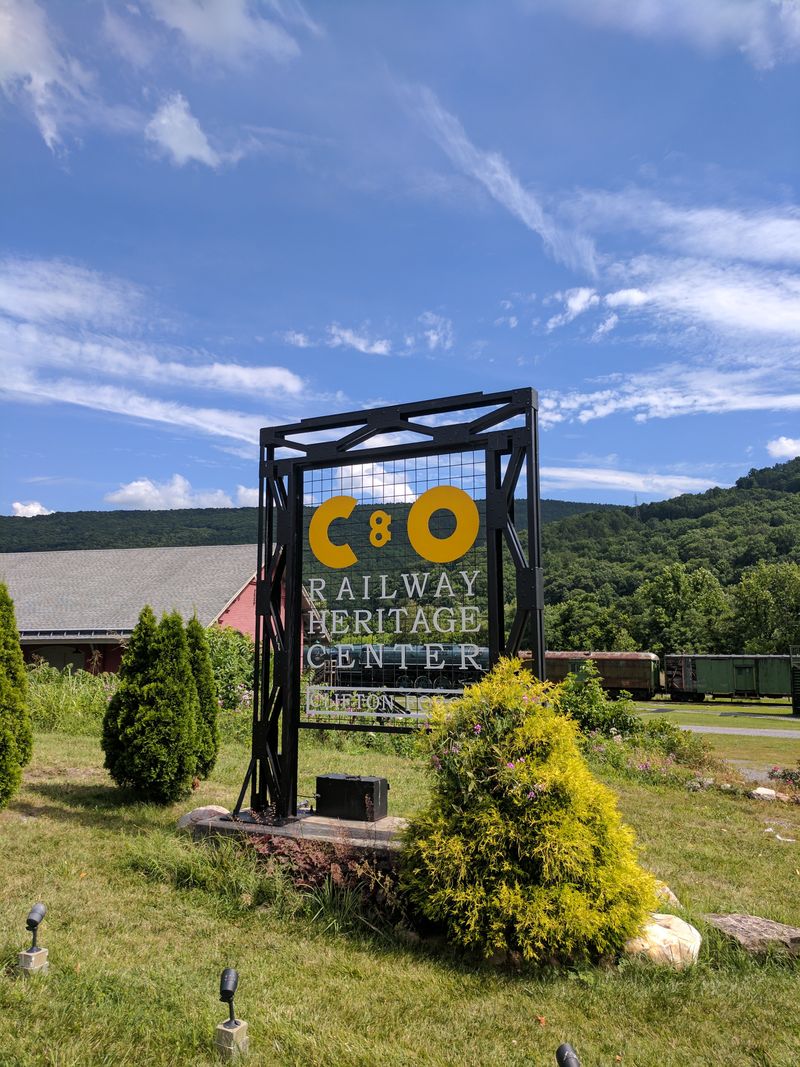
Railroad history practically drips from the walls of this museum housed in the old C&O passenger station. The building itself tells half the story before you even step inside, with its classic early twentieth century architecture that once welcomed thousands of travelers passing through the Alleghany Highlands.
Inside, you’ll find photographs, uniforms, tools, and personal stories from the men and women who built their lives around the railroad industry. The collection captures both the glory days when Clifton Forge was a critical junction point and the painful transition when jobs started disappearing.
Display cases hold everything from conductor’s watches to dining car china, each piece representing someone’s livelihood.
The museum sits at 705 Main Street, Clifton Forge, Virginia, right in the heart of what used to be the bustling commercial district. Volunteers who actually worked for the railroad often staff the place, sharing firsthand accounts that no textbook could capture.
Their stories paint a vivid picture of what prosperity looked like here and why its loss still stings.
This spot matters because it preserves the town’s identity. Without understanding where Clifton Forge came from, you can’t fully grasp the economic challenges it faces today or appreciate the determination of those fighting to revive it.
The Masonic Theatre
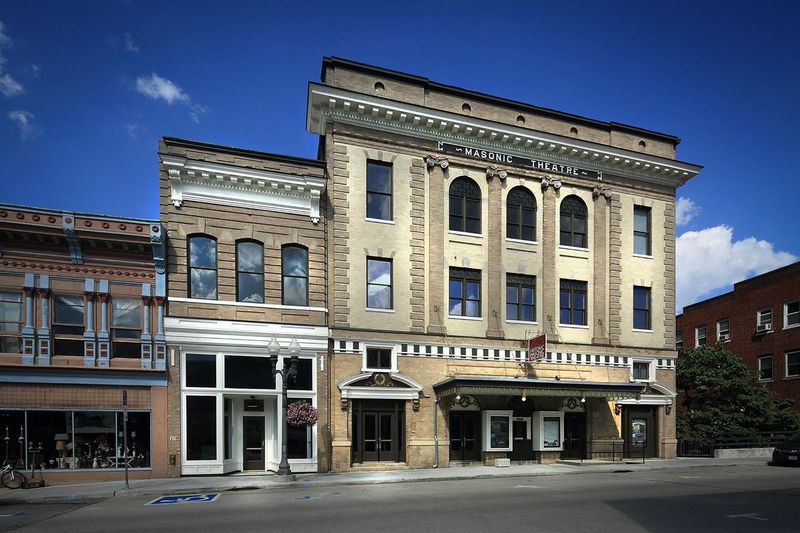
Built during Clifton Forge’s prosperous railroad era, the Masonic Theatre stands as a gorgeous reminder of when this town had money to spend on culture and entertainment. The building’s ornate facade catches your eye immediately, a testament to the architectural ambitions of a community that expected to keep growing.
After years of decline and near demolition, local preservationists fought tooth and nail to save this landmark. Their success turned the theater into a symbol of what’s possible when a community refuses to let its heritage crumble.
Today it hosts live performances, film screenings, and community events that draw people from across the region.
You’ll find it at 230 Main Street, Clifton Forge, Virginia, standing proud among its less fortunate neighboring buildings. The contrast is stark sometimes, with the renovated theater glowing at night while vacant storefronts sit dark nearby.
That visual perfectly captures the town’s uneven recovery.
The theater represents hope and division simultaneously. Those who can afford tickets enjoy world class entertainment in a beautifully restored space.
Meanwhile, some longtime residents wonder if resources might be better spent on basic economic development. Both perspectives hold truth, making the Masonic a complicated symbol of Clifton Forge’s present reality.
Smith Creek Greenway Trail
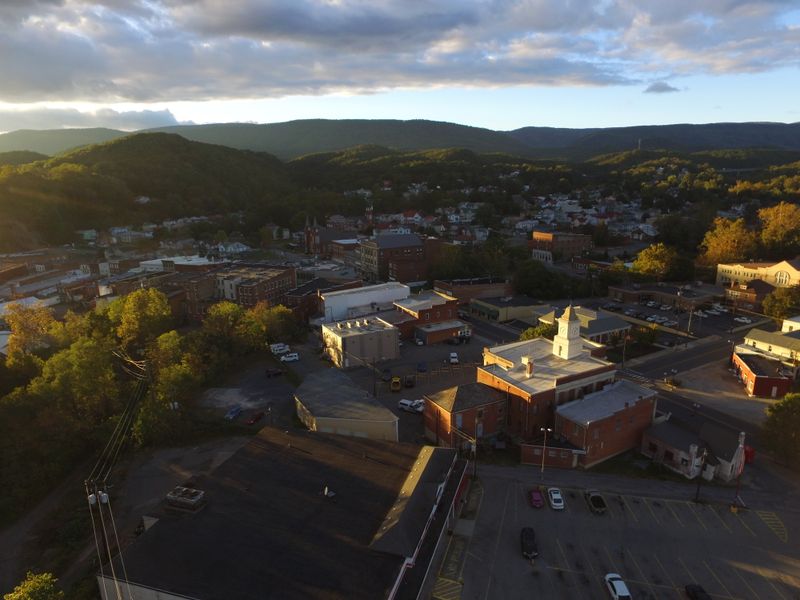
Nature offers a democratic escape along this walking trail that follows Smith Creek through town. The greenway doesn’t care about your bank account or which neighborhood you call home, making it one of the few spaces where economic divisions fade into the background.
Local volunteers and grant funding transformed what was once neglected waterfront into a pleasant pathway that connects different parts of Clifton Forge. Families push strollers, retirees walk their dogs, and teenagers hang out on benches, all sharing the same public space.
The trail offers something increasingly rare in divided communities: common ground.
The main access point sits near Ridgeway Street in Clifton Forge, Virginia, though several entry points make it accessible from various neighborhoods. Wildflowers bloom along the banks in spring while fall brings a spectacular color show to the surrounding trees.
The Jackson River isn’t far, and you can hear it rushing in the distance.
This greenway matters because it represents investment in quality of life rather than just economic development. Critics argue the town needs jobs more than jogging paths, and they’re not entirely wrong.
But supporters counter that livability attracts the kind of people and businesses that could help Clifton Forge recover. The debate itself reflects the town’s ongoing struggle to balance immediate needs with long term vision.
Historic Downtown Architecture
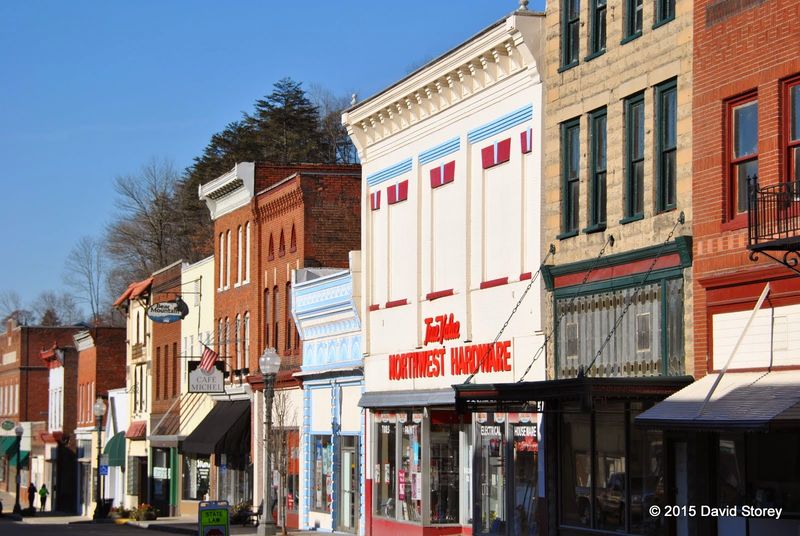
Stroll down Main Street and you’re walking through a living timeline of boom and bust. Buildings from the early twentieth century showcase the confident craftsmanship of an era when Clifton Forge expected nothing but growth.
Detailed brickwork, large storefront windows, and decorative cornices speak to the pride and prosperity of that time.
But the current state of these structures tells the harder story. Some have been lovingly restored with fresh paint and new businesses inside.
Others stand empty with faded signs advertising shops that closed decades ago. A few are actively deteriorating, their windows boarded and roofs sagging under years of neglect.
The architectural district runs primarily along Main Street in Clifton Forge, Virginia, creating a visual representation of economic inequality. Renovated buildings typically house businesses catering to tourists or wealthier residents, while the abandoned ones sit in neighborhoods that haven’t recovered from the railroad industry’s decline.
The pattern isn’t accidental.
Property owners with resources can afford restoration. Those without watch their buildings crumble, unable to meet code requirements or attract tenants.
This creates a self perpetuating cycle where investment flows to already improving areas while struggling sections fall further behind. The architecture itself has become a monument to division, with each building’s condition reflecting its owner’s economic reality and the neighborhood’s trajectory.
The Jackson River
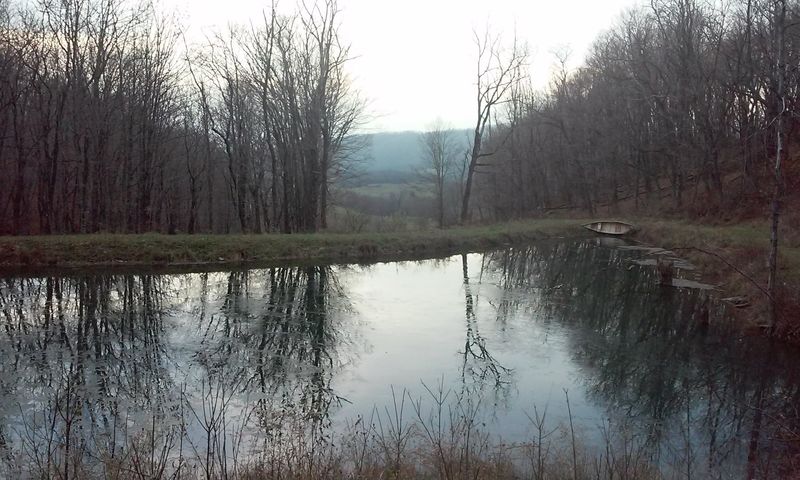
Water doesn’t recognize property lines or income brackets, and the Jackson River has flowed through Clifton Forge long before the railroad arrived and will keep flowing long after current economic troubles fade. The river gave this place its original name, Jackson’s River Station, back when it was just a stopping point rather than a destination.
Today the river serves different populations in different ways. Affluent outdoor enthusiasts come to kayak and fly fish, staying at bed and breakfasts and eating at the nicer restaurants.
Local kids who’ve lived here forever still swim in the same swimming holes their grandparents used. Both groups love the river, but they experience Clifton Forge very differently.
The river runs right through the center of Clifton Forge, Virginia, accessible from multiple points throughout town. Its presence shaped the community’s development and continues to influence its future.
Recent efforts to promote river based tourism have brought some economic activity, though benefits haven’t spread evenly across all neighborhoods.
Some see the Jackson River as the town’s greatest asset for attracting new residents and visitors. Others worry that focusing on outdoor recreation caters mainly to outsiders while doing little for longtime residents who need jobs, not kayak rentals.
The river itself remains neutral, beautiful and indifferent to the human debates happening along its banks.
The Alleghany Highlands Arts and Crafts Center
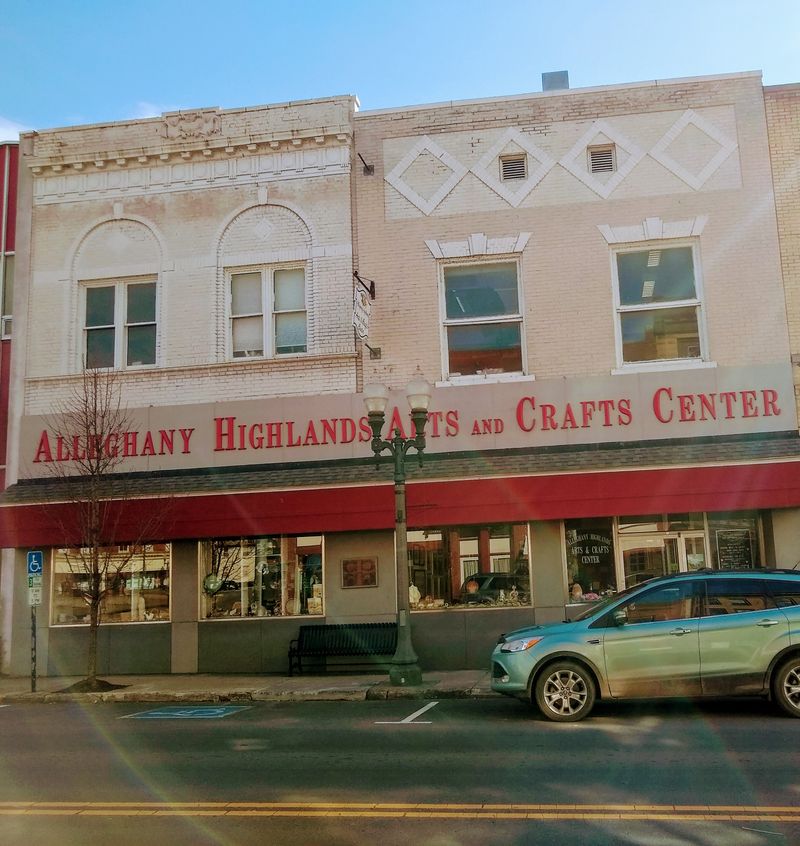
Creativity flourishes in unexpected places, and this center proves that economic hardship doesn’t kill artistic spirit. Local artists and craftspeople display their work here, from paintings and pottery to woodworking and textiles.
The quality ranges from hobbyist to professional, but every piece represents someone’s attempt to create beauty or meaning in challenging times.
The center occupies space at 439 East Ridgeway Street, Clifton Forge, Virginia, in a building that itself has been repurposed multiple times over the decades. Classes and workshops bring together people from different backgrounds, united by interest in making things with their hands.
It’s one of the few places where economic differences take a back seat to shared creative pursuits.
Yet even here, divisions surface. Materials cost money, and not everyone can afford supplies for elaborate projects.
Some artists sell their work to supplement income while others create purely for pleasure. The center tries to keep classes affordable, but fees still exclude the truly struggling.
Good intentions bump against economic reality.
Still, the center matters as a gathering place and cultural anchor. Art won’t solve Clifton Forge’s economic problems, but it does provide space for community building and self expression.
In a town where people often feel defined by what they’ve lost, creating something new offers a different kind of value that can’t be measured in dollars alone.
Neighborhood Contrasts
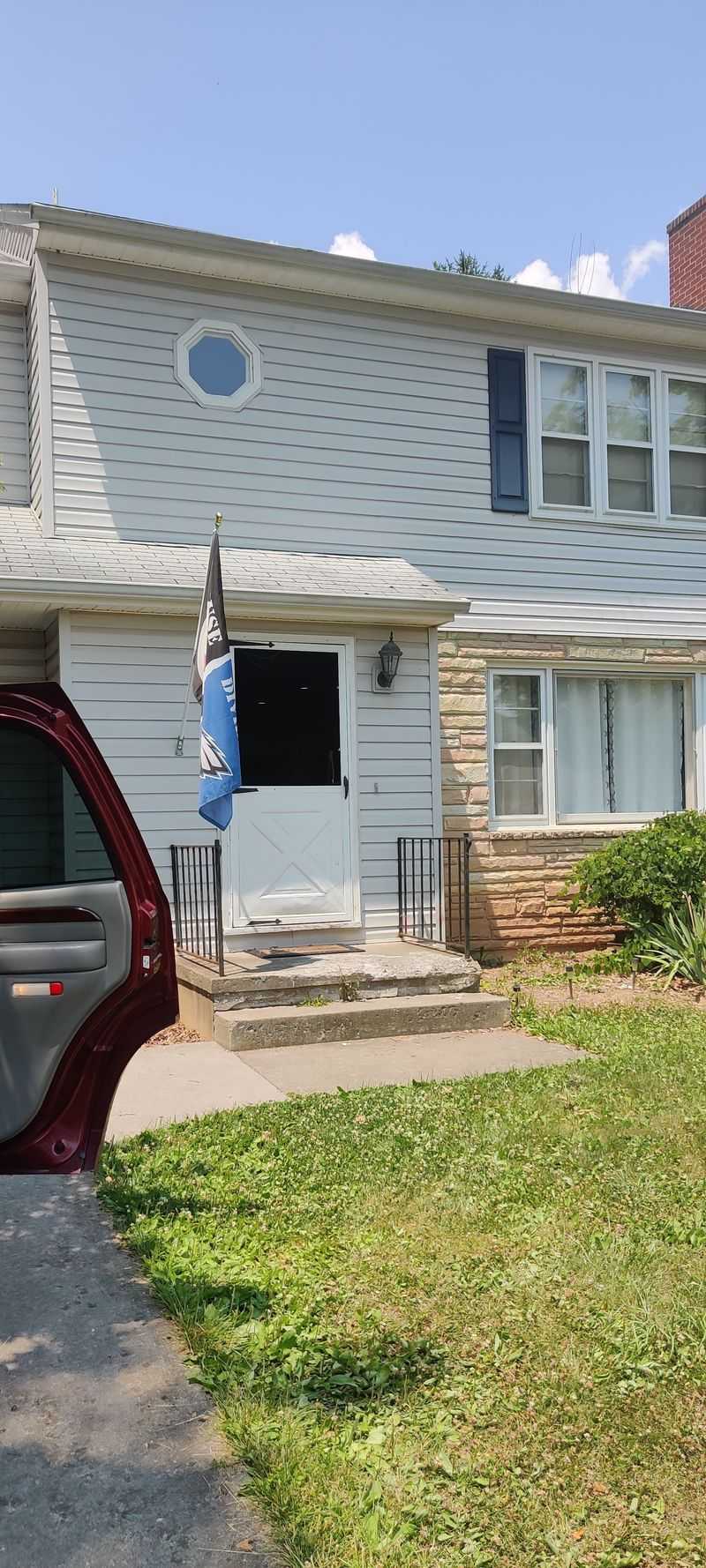
Geography reveals everything in Clifton Forge. Drive through different neighborhoods and you’ll see Virginia’s economic divide made physical.
Some streets feature well maintained homes with fresh paint, tidy yards, and new cars in driveways. Turn a corner and suddenly you’re looking at sagging porches, patched roofs, and overgrown lots.
The patterns aren’t random. Neighborhoods closest to downtown and the river tend to show more investment and renovation.
Areas farther from the center, particularly those historically tied to railroad worker housing, struggle more visibly. This reflects both market forces and the lingering effects of where different economic classes lived during Clifton Forge’s heyday.
These residential areas spread throughout Clifton Forge, Virginia, creating a patchwork of prosperity and poverty within a small geographic area. You can walk from gentrifying streets to struggling blocks in under ten minutes.
That proximity makes the inequality impossible to ignore, unlike sprawling cities where wealthy and poor neighborhoods rarely intersect.
Some residents appreciate investment wherever it occurs, seeing any improvement as positive. Others resent resources flowing to already nicer areas while their streets get overlooked.
Property values rise in improving neighborhoods, sometimes forcing out longtime residents who can’t afford increased taxes. Meanwhile, neglected areas see values stagnate or fall, trapping owners in declining equity.
The town’s small size means everyone sees everyone else’s reality daily, making the divisions feel more personal and immediate than they might elsewhere.
Local Businesses and Empty Storefronts
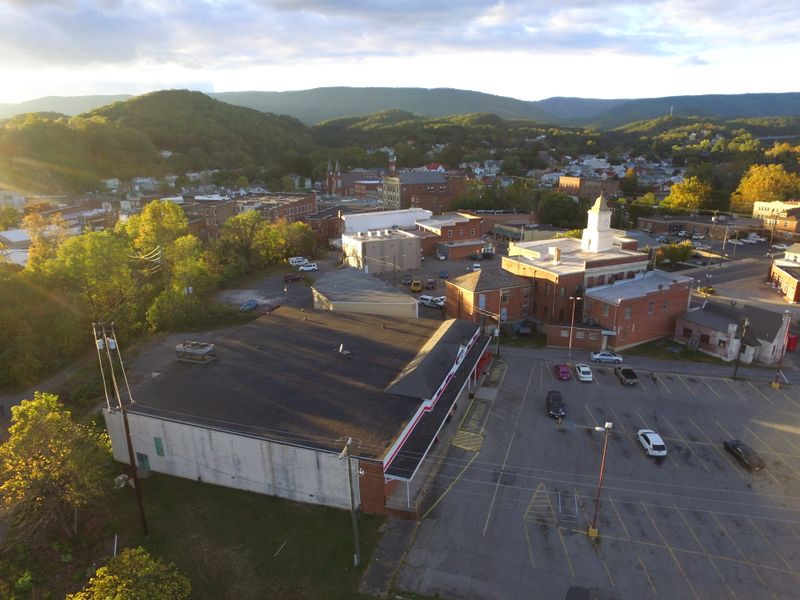
Retail tells Clifton Forge’s story in merchandise and vacancy signs. New businesses have opened in recent years, bringing optimism and foot traffic to previously dead stretches of downtown.
Coffee shops, antique stores, and specialty retailers cater largely to visitors and residents with disposable income. They’re genuinely nice places that add character and vitality.
But walk the full length of Main Street in Clifton Forge, Virginia, and you’ll count nearly as many empty storefronts as occupied ones. Faded signs hint at former drugstores, clothing shops, and cafes that once served working class customers.
Those businesses died when steady railroad paychecks disappeared, and nothing has fully replaced them.
The new establishments often can’t employ as many people as the old ones did, and the jobs they offer tend to be part time or seasonal. A boutique selling handcrafted goods to tourists doesn’t generate the same economic impact as a hardware store serving construction workers.
Both have value, but they serve different populations and create different opportunities.
This creates tension between celebrating new investment and acknowledging it doesn’t solve underlying problems. Business owners work hard and take real risks, deserving support and appreciation.
Yet their success doesn’t necessarily lift the whole community. Some longtime residents feel priced out of the new downtown, unable to afford artisan coffee or handmade crafts.
The divide between old Clifton Forge and emerging Clifton Forge plays out daily in who shops where and who feels welcome in which establishments.
Community Events and Gatherings
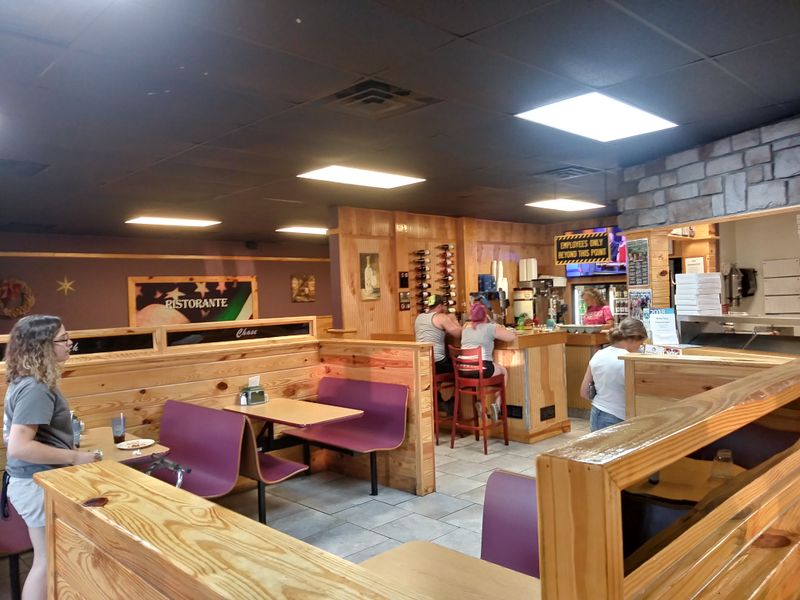
Clifton Forge tries hard to bring people together through festivals, concerts, and community celebrations. The annual Alleghany Highlands Fall Foliage Festival draws crowds from across Virginia and beyond, filling downtown with vendors, music, and that particular energy that comes from shared enjoyment.
Summer concerts in the park offer free entertainment, and holiday events create traditions families look forward to all year.
These gatherings succeed at creating moments of unity, when economic differences fade temporarily into the background. Everyone enjoys live music and festival food regardless of their bank balance.
Kids play together without knowing or caring about their families’ financial situations. For a few hours or a weekend, Clifton Forge feels like a real community rather than a collection of divided groups.
Events typically center around downtown Clifton Forge, Virginia, taking advantage of the historic setting and existing infrastructure. Organizers work to keep most activities free or very affordable, recognizing that accessibility matters for true community building.
The effort and intention deserve recognition.
But reality intrudes even here. Vendor fees at festivals price out some would be participants.
Restaurants and shops see booming business during events while struggling the rest of the year. Some residents feel these celebrations cater more to tourists than locals, another example of resources flowing toward outsiders.
Others counter that tourism brings essential revenue. Both perspectives hold truth, and the debate reflects deeper questions about who Clifton Forge is for and who gets to shape its future.
The Railroad Legacy
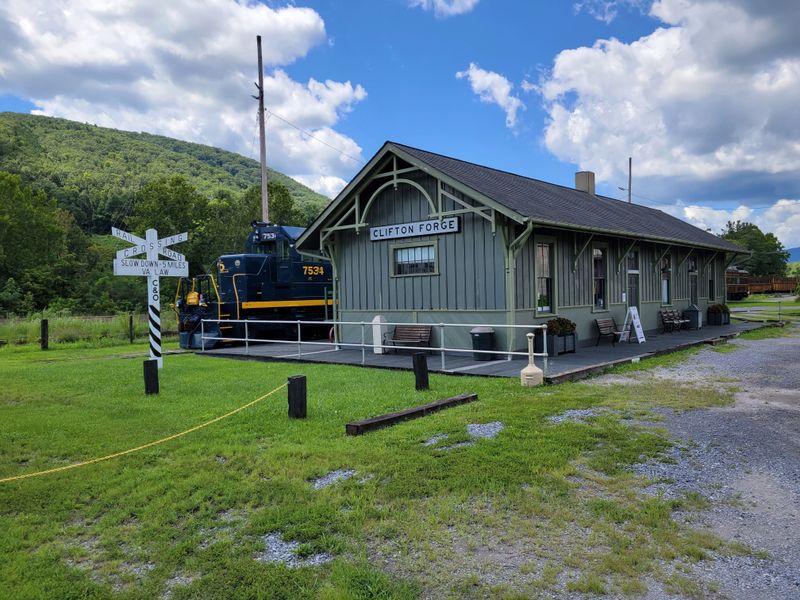
Everything in Clifton Forge ultimately traces back to the railroad. The Chesapeake and Ohio Railway created this town, sustained it for generations, and then left it struggling when operations scaled back dramatically.
Tracks still run through the center of Clifton Forge, Virginia, a constant reminder of what was and what might have been.
Older residents remember when the railroad employed hundreds of local workers at good wages with solid benefits. Machine shops, roundhouses, and yards buzzed with activity around the clock.
That prosperity built the town’s infrastructure, funded its schools, and created a stable middle class. The economic security seems almost unimaginable now to younger generations who’ve only known decline and uncertainty.
The railroad’s retreat didn’t happen overnight, but its effects compound year after year. Jobs disappeared gradually, then businesses that depended on railroad workers closed, then property values fell, then young people left seeking opportunities elsewhere.
The town’s population has dropped steadily for decades, and those who remain often lack the resources to reverse the trend alone.
Yet the railroad heritage also provides Clifton Forge’s strongest identity and tourism draw. The very thing that caused such pain when it left now offers potential salvation through heritage tourism and historic preservation.
That irony isn’t lost on anyone here. The tracks remain, trains still pass through occasionally, and the whistle that once meant prosperity now sounds almost mocking to some ears while others hear it as a call to remember and rebuild.
Dear Reader: This page may contain affiliate links which may earn a commission if you click through and make a purchase. Our independent journalism is not influenced by any advertiser or commercial initiative unless it is clearly marked as sponsored content. As travel products change, please be sure to reconfirm all details and stay up to date with current events to ensure a safe and successful trip.
