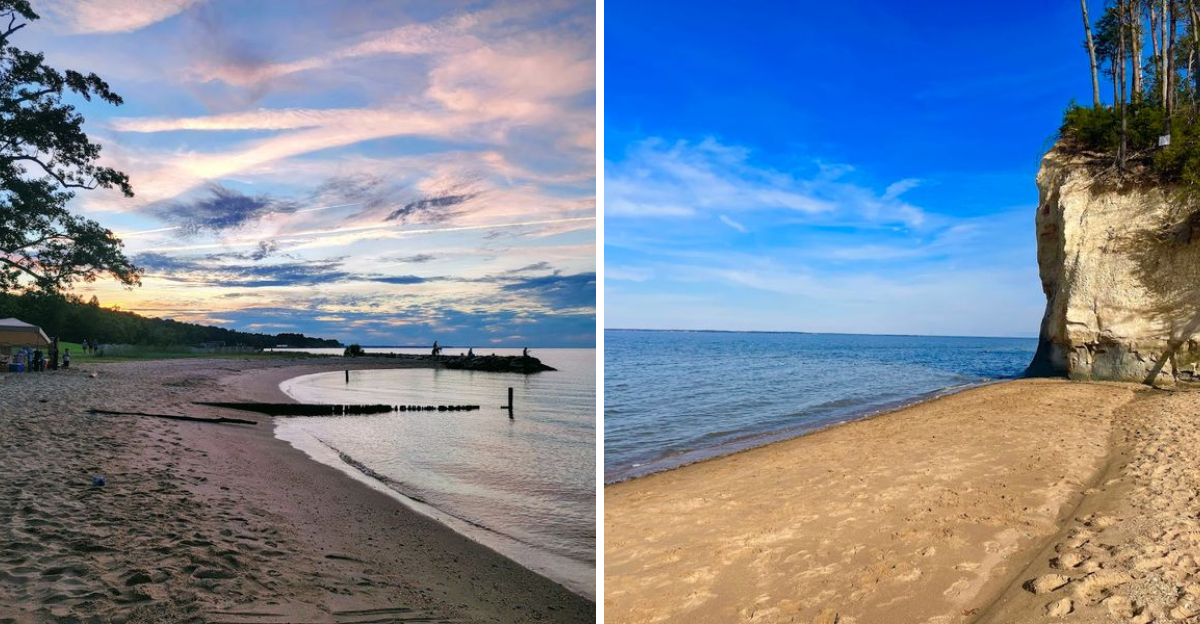
Most people go to state parks for hiking, camping, or picnicking. This Virginia park offers something else entirely.
A riverbank where you can hunt for fossils, specifically the teeth of ancient sharks that swam here millions of years ago. The cliffs along the Potomac are rich with sediment, and after a storm, new teeth wash down onto the beach.
I spent a morning scanning the ground, running my fingers through the sand, feeling like a kid on a treasure hunt. And then I found one.
Small, black, and unmistakably a tooth. The rush of holding something that old, that prehistoric, is hard to describe.
Virginia has beaches, mountains, and now fossil hunting. This park has it all.
Fossil Beach and the Thrill of Finding Ancient Shark Teeth
Picture crouching at the water’s edge, sifting through wet sand and gravel, and suddenly spotting a small dark triangle that turns out to be a tooth from a shark that swam these waters millions of years ago. That is the magic of Fossil Beach at Westmoreland State Park, and it never gets old.
The fossils here date primarily to the Miocene Era, meaning some specimens are up to 30 million years old. Among the most exciting finds are teeth from the legendary Megalodon, the largest shark that ever lived.
Ray fossils, whale bone fragments, and other marine animal remains also turn up regularly in the sand and gravel.
The best strategy is to arrive during low tide or shortly after a storm, when fresh material gets exposed along the shoreline. Look for dark, triangular shapes hiding among the shells and pebbles.
Bring a colander or mesh sieve to speed up your sifting game considerably.
Digging into the cliffs or the clay base is strictly off-limits, so keep your searching to the beach surface and the waterline. Even with those boundaries, finds happen all the time, and walking away with even one tooth feels like winning a prehistoric lottery.
The Big Meadow Trail Hike Down to the Riverbank
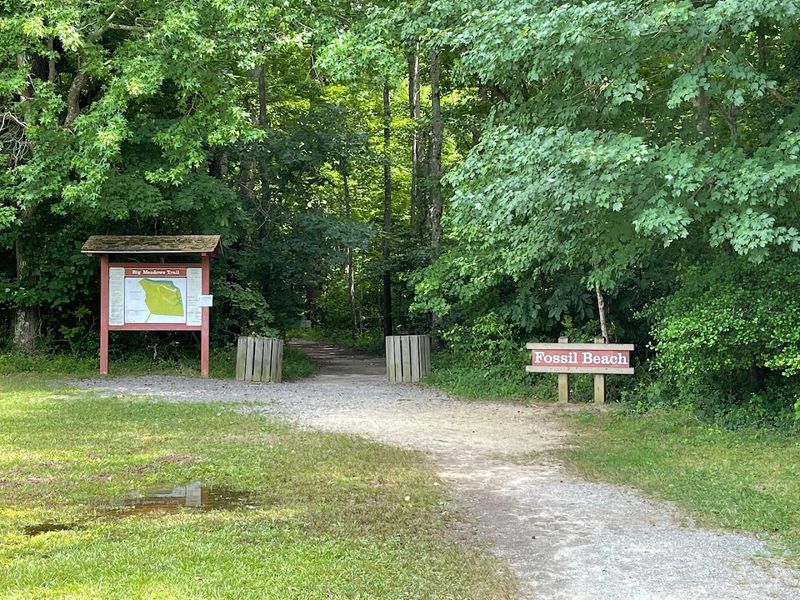
Getting to Fossil Beach is half the adventure, and the Big Meadow Trail delivers on atmosphere from the very first step. Starting near the visitor center, the path winds through shaded woodland, dips past open meadow sections, and eventually leads you down to the Potomac riverbank in just over half a mile.
The trail is well-marked and manageable for most fitness levels, though tree roots do pop up across the path in a few spots, so watch your footing. A handy bench sits roughly halfway down, offering a perfect excuse to pause, catch your breath, and listen to the birds before continuing to the water.
On the way back, the trail climbs uphill, which catches some people off guard. It is not a brutal ascent, but packing a water bottle is genuinely smart advice, especially during warmer months.
The reward at the top is a satisfying sense of accomplishment and, hopefully, a pocket full of fossils.
Families with young kids find this trail totally doable, and the short distance means even little legs can handle it. Skip the beach wagon though, because the rooted terrain makes wheeled gear more trouble than it is worth on this particular path.
The Dramatic Horsehead Cliffs Along the Potomac
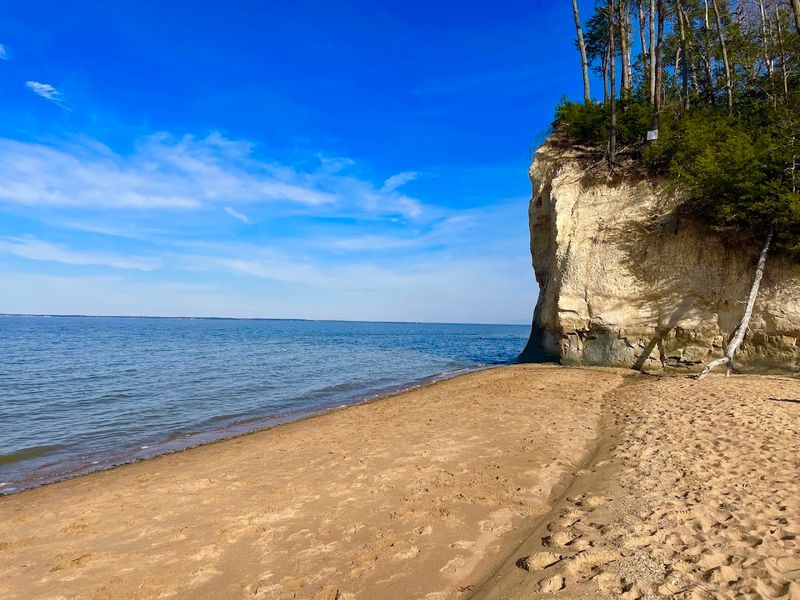
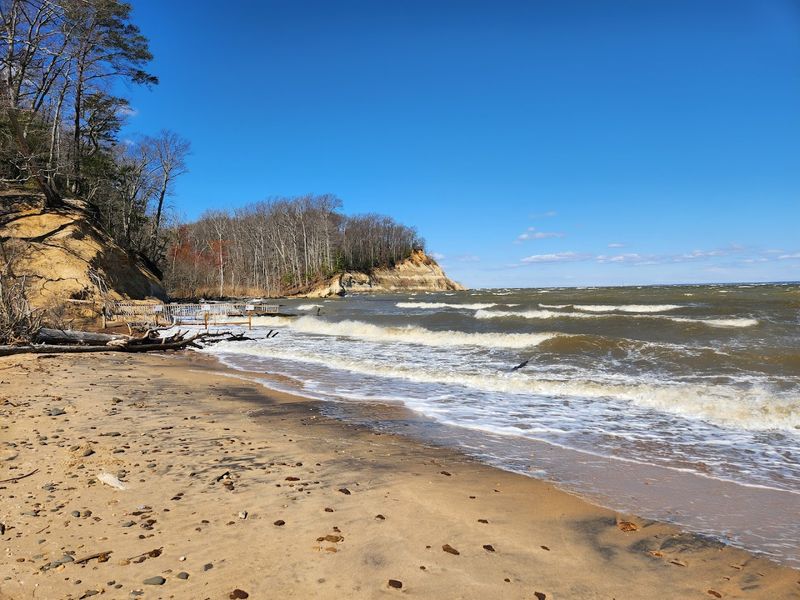
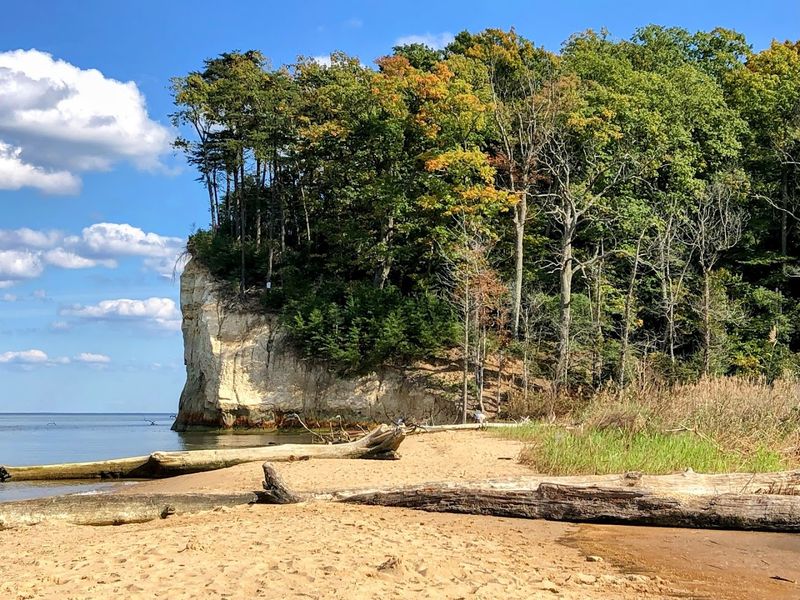
Few natural features in Virginia stop people in their tracks quite like the Horsehead Cliffs. These towering, eroded bluffs line the riverbank at Westmoreland State Park and create one of the most photogenic backdrops you will find anywhere along the Potomac River.
The cliffs are not just pretty to look at. They are the reason Fossil Beach exists in the first place.
Ancient marine sediment layers built up in these bluffs over tens of millions of years, and as erosion chips away at the clay and sand, fossils tumble down to the beach below. Every storm and every tide cycle potentially releases new specimens.
Standing at the base of the cliffs and staring upward gives you a genuine sense of geological scale that no museum exhibit can fully replicate. You are literally looking at compressed time, layer by layer, stretching back to an era when this part of Virginia sat beneath a warm inland sea.
Photography enthusiasts absolutely love the late afternoon light here, when the cliffs glow gold and the Potomac shimmers in the distance. Pack your camera, arrive with a wide-angle mindset, and prepare to use up considerably more storage than you originally planned for this trip.
The Visitor Center Exhibits and Fossil Displays
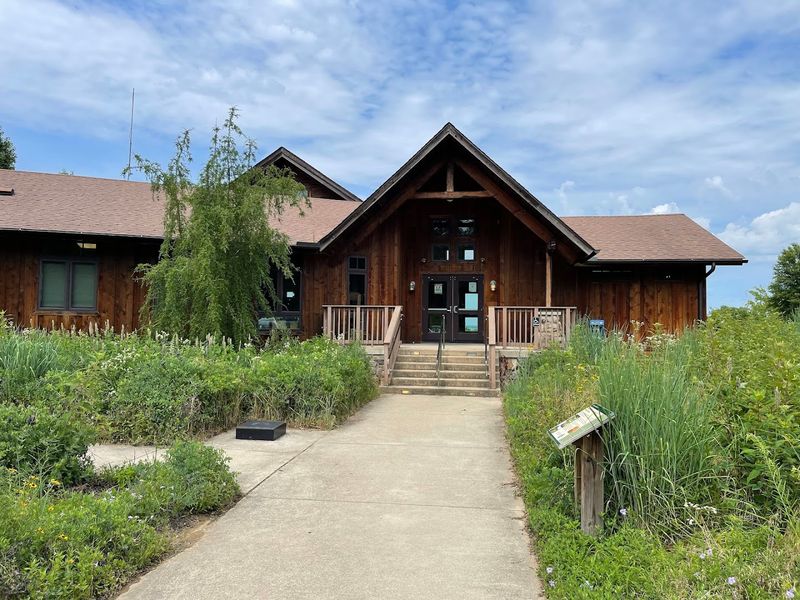
Before heading out to the beach, a stop at the visitor center is genuinely worth your time. The exhibits here give fantastic context to what you are about to search for, with fossil displays showcasing some of the most impressive shark teeth and marine specimens ever found at the park.
Live animals are also part of the experience. Snakes and turtles reside in enclosures inside the building, and the park rangers are enthusiastic about sharing information with curious visitors of any age.
Kids especially get a kick out of the hands-on educational atmosphere that the center maintains.
One particularly cool feature is the fossil registration desk, where you can actually log any significant finds you make during your beach visit. It creates a fun sense of participation in something larger than a casual afternoon stroll, almost like contributing to an ongoing scientific record.
A gift shop rounds out the visitor center experience, stocking the kinds of souvenirs that actually make sense for the setting. Think fossil-themed items, nature guides, and park merchandise.
Grab a trail map while you are there, because the park covers considerably more ground than first-time visitors typically expect when they pull into the parking area.
Camping Under the Stars at Westmoreland State Park
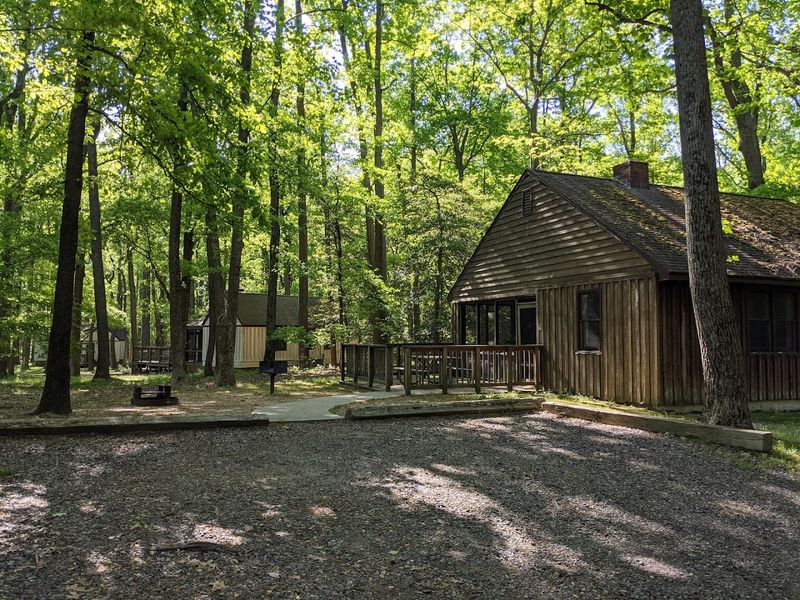
Camping at Westmoreland State Park hits differently than your average outdoor overnight. The wooded campsites in Campground A offer deep shade and a genuine forest feel, with pull-through options that make setting up surprisingly stress-free.
Fire pits come equipped with adjustable grill grates, which is a small detail that makes a big practical difference when you are cooking over an open flame.
Campground B runs a more open layout, catering well to RVs and trailers, and it features the park’s most modern bathhouse facilities. Campground C leans into a primitive, back-to-basics vibe that appeals to campers who want maximum solitude and minimal amenities.
Each area has its own distinct personality, so picking the right one really depends on your style.
The bathhouses across the campgrounds are kept impressively clean and well-stocked, which is the kind of thing that separates a good camping experience from a great one. Virginia state parks consistently earn high marks for facility maintenance, and Westmoreland is no exception to that reputation.
Dogs are welcome throughout the park, making it a favorite destination for pet owners. Just come prepared with tick prevention measures, because the wooded areas around the Potomac are prime tick habitat, especially during warmer seasons of the year.
Kayaking and Boating on the Potomac River
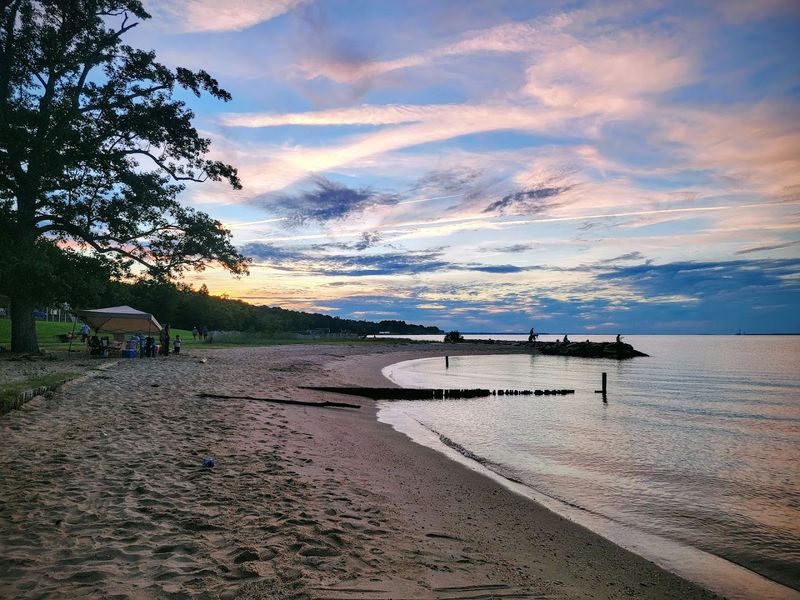
The Potomac River does not just sit there looking pretty at Westmoreland State Park. It actively invites you in, and the park’s boathouse makes getting on the water as easy as showing up with a sense of adventure.
Kayaks and paddleboards are available for rent, giving even first-time paddlers a chance to experience the river from the best possible vantage point.
Gliding along the waterline with the Horsehead Cliffs rising above you is a perspective that hiking trails simply cannot replicate. The river runs calm near the park’s shoreline, making it accessible for families and beginners without sacrificing any of the scenic payoff.
Bald eagles and osprey are regular overhead companions, which adds a genuinely wildlife-documentary quality to the experience.
Anglers also find plenty to love here. Striped bass, catfish, and other species are common catches from the park’s pier and along the shore.
A boat ramp accommodates those who bring their own vessels, expanding the fishing range considerably for anyone willing to venture further out onto the Potomac.
Mornings on the water tend to be especially peaceful, before the day heats up and the beach crowds arrive. Setting out early gives you the river practically to yourself, which feels like a genuinely rare luxury in a park this popular.
The Main Swimming Beach and Picnic Area
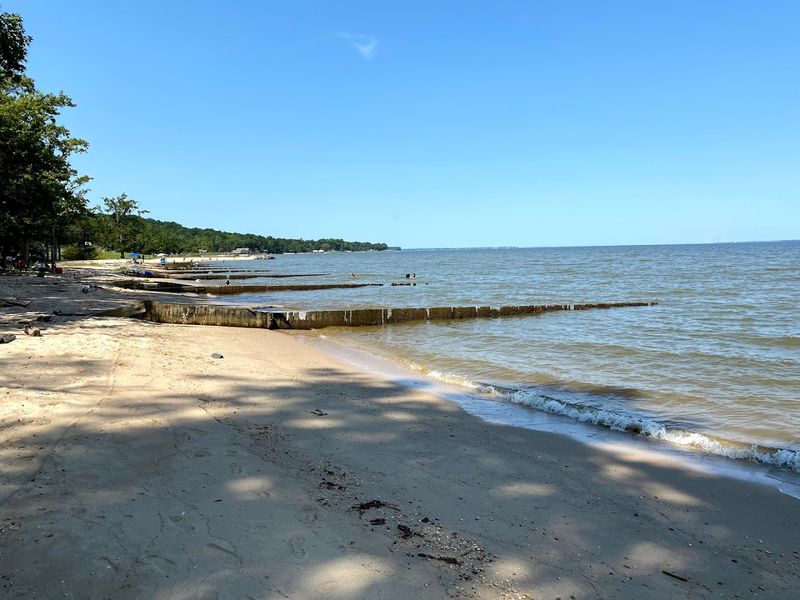
Fossil Beach gets all the press, but the main swimming beach at Westmoreland State Park is where a full, sun-soaked day really comes together. Picnic tables and charcoal grills line the area, making it a natural gathering spot for families who want to combine swimming, grilling, and general relaxation into one satisfying outing.
The beach is a mix of sand and pebbles, so packing water shoes is genuinely practical advice rather than an optional suggestion. The Potomac stretches out wide and calm from this stretch of shoreline, and the views across the river on a clear day are the kind that make you reach for your phone before remembering you came here to unplug.
Concession options are available during peak season, which saves the day when someone inevitably forgets to pack enough snacks. Kayak rentals are also accessible from this area, so transitioning from a beach afternoon to a paddling session requires almost zero effort or planning.
Parking near the main beach is separate from the visitor center lot, which is worth knowing in advance so you do not end up hauling your cooler and chairs on an unintended cross-park adventure. The layout is logical once you know it, and the park map from the visitor center clears everything up quickly.
Wildlife Watching Along the Park Trails
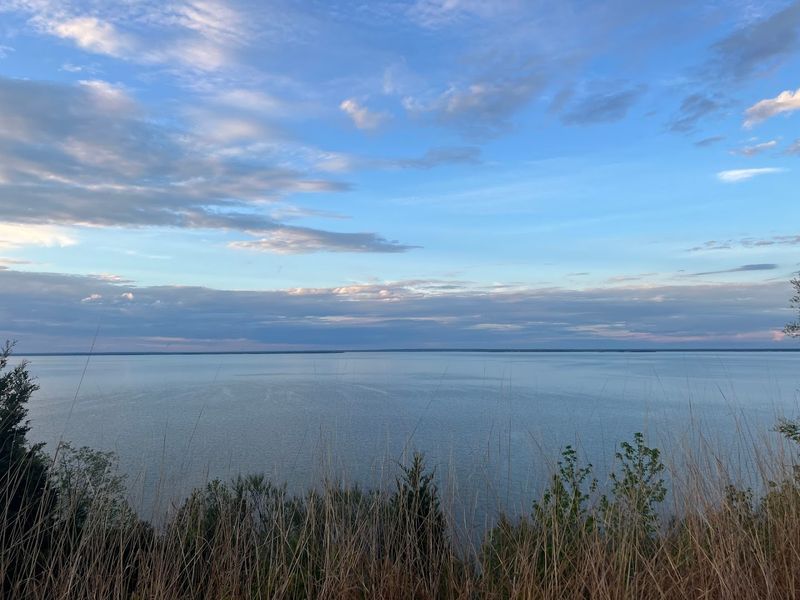
Wildlife watching at Westmoreland State Park operates on a generous and wonderfully unpredictable schedule. Bald eagles are a genuine regular sighting here, particularly along the river bluffs where they perch and survey the Potomac with the kind of confidence that only apex predators can pull off convincingly.
Osprey dive-bomb the water with impressive accuracy throughout the warmer months, blue herons stalk the shallows with patient elegance, and white-tailed deer move through the meadow sections of the trail network during the early morning and evening hours. Turtles sun themselves along the fishing pond trail, and small snakes occasionally cross the path without much concern for human foot traffic.
The diversity of habitat within the park, ranging from river bluffs to marshlands to shaded woodland, creates conditions that support an unusually broad range of species for a park of this size. Virginia’s Northern Neck sits along important migratory bird corridors, which means spring and fall visits can produce some genuinely exciting bird sightings for anyone paying attention.
Binoculars are worth packing, especially if bird photography is part of your plan. The park’s trails offer enough variety in elevation and vegetation to keep a wildlife-focused walk interesting from start to finish without ever feeling repetitive.
Hiking the Full Trail Network Beyond Fossil Beach
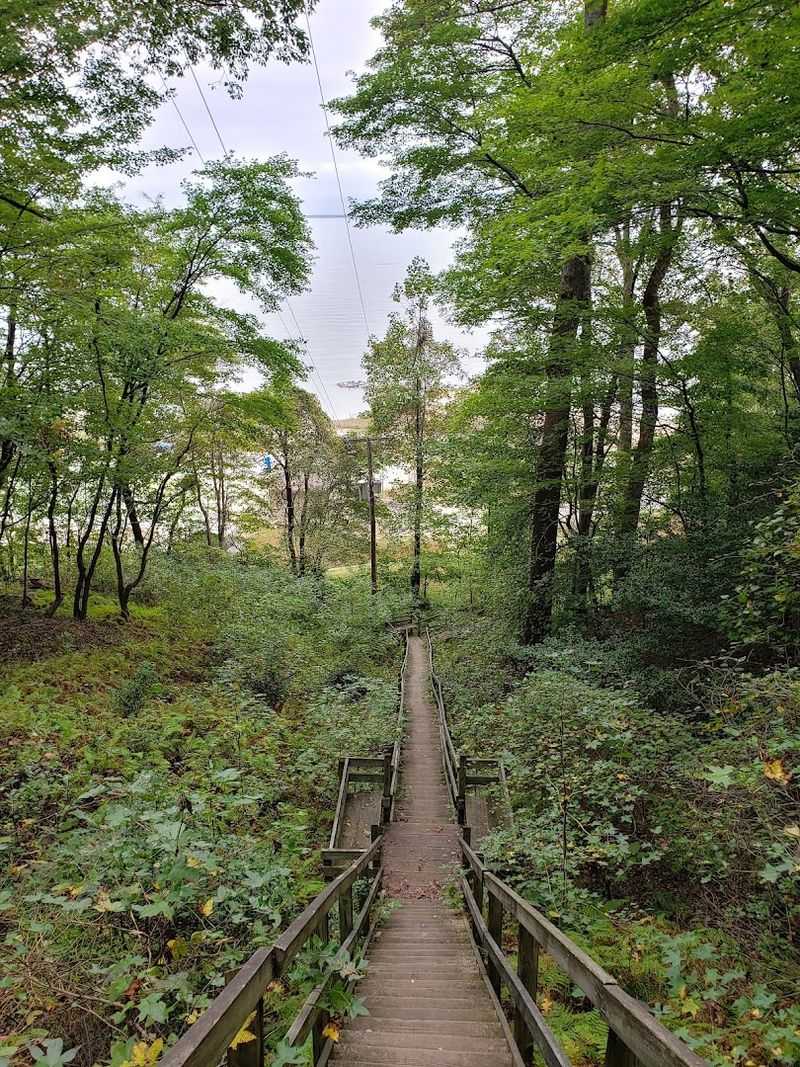
Fossil Beach may be the headline act, but the broader trail network at Westmoreland State Park deserves equal billing for any visitor who loves a good walk. Six miles of trails wind through the park’s varied terrain, offering bluff-top river views, shaded woodland corridors, open meadow stretches, and a peaceful fishing pond loop that works beautifully as a gentle evening stroll.
The Beach Trail runs a shorter distance and stays mostly paved, making it accessible for strollers and anyone who prefers a smoother surface underfoot. The longer routes venture deeper into the park’s wooded interior, where the light filters through the tree canopy in ways that feel genuinely cinematic during golden hour.
Trail conditions are well-maintained overall, though roots and natural terrain features add character to the dirt paths. Running the trails is popular with local fitness enthusiasts, and the varied topography keeps the cardiovascular challenge interesting without ever tipping into genuinely grueling territory.
A full day of hiking through the complete trail system covers enough ground to feel satisfying without requiring any serious backcountry preparation. Pack lunch, wear comfortable footwear, and plan to spend more time than you originally budgeted, because the scenery consistently encourages slower walking and longer lingering.
Planning Your Visit to Westmoreland State Park in Montross
Getting to Westmoreland State Park is part of the experience. The drive into the park winds through a split road flanked by tall trees, and that first glimpse of forest canopy closing over the road sets the mood perfectly before you have even parked the car.
The Northern Neck of Virginia has a quietly spectacular quality that catches first-time visitors genuinely off guard.
The park sits at 145 Cliff Road in Montross, Virginia, making it a manageable day trip from Richmond, Washington D.C., and the Baltimore area. A small parking fee applies per vehicle, which covers access to all park amenities including the trails, beaches, and visitor center.
Camping reservations are handled separately and book up quickly during summer weekends.
For fossil hunting specifically, timing your visit around low tide makes a significant difference in how much beach surface is available for searching. Checking a tide chart before leaving home takes about thirty seconds and pays off considerably once you arrive at Fossil Beach.
Nearby Montross and Colonial Beach offer dining options for those who want a meal before or after their park visit. The park itself has vending machines at the visitor center, but bringing your own food remains the most practical approach for a full day of exploration at this beloved Virginia destination.
