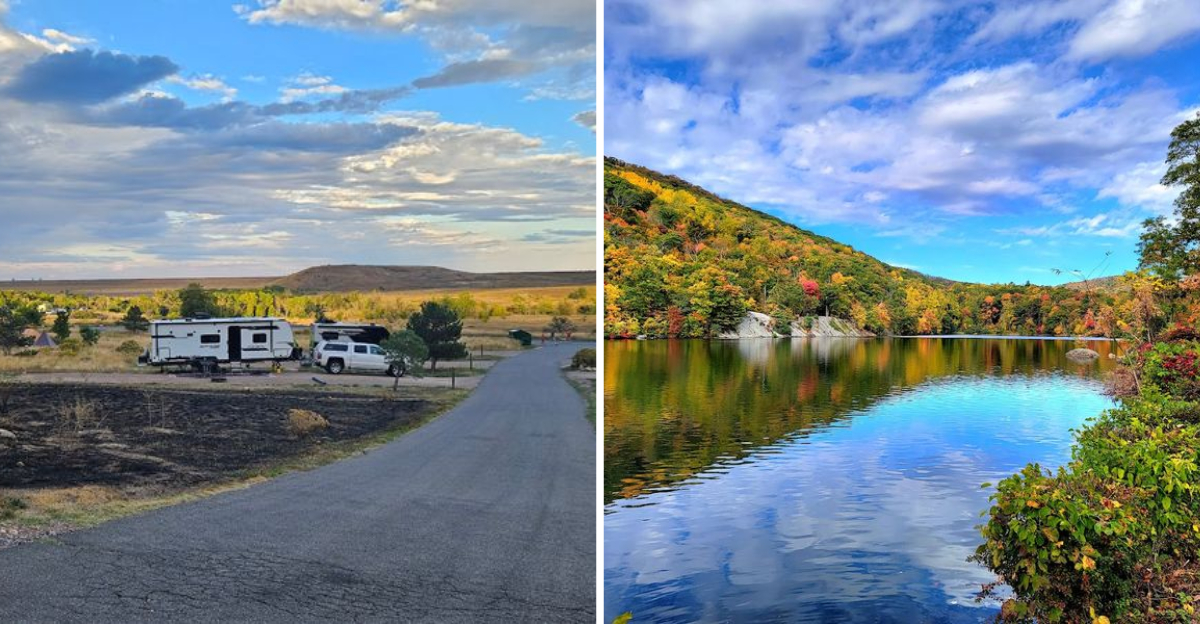
Tucked deep into the rolling hills, this park is the kind of place that feels genuinely forgotten by the modern world. The moment you turn off the main road and the trees close in around you, something shifts.
I remember thinking how quiet it all was, not in a lonely way, but in the way that reminds you nature is always doing something, even when you can’t see it. This park is fighting two battles at once.
One is against the slow creep of invasive plants that threaten to choke out native ecosystems. Japanese stiltgrass spreads like a green tide beneath the oaks, while autumn olive bushes shove their way into clearings.
The other battle is against crumbling infrastructure that makes camping here feel like a gamble. Neither battle is simple, and neither is over.
What’s happening here affects every visitor, every trail, and every wild corner of this underappreciated gem. So next time you drive past the sign, do not just keep going.
Pull in. Walk the trails.
See what is at stake, because places like this do not stay wild on their own.
The Invisible Enemy: How Invasive Plants Are Taking Over
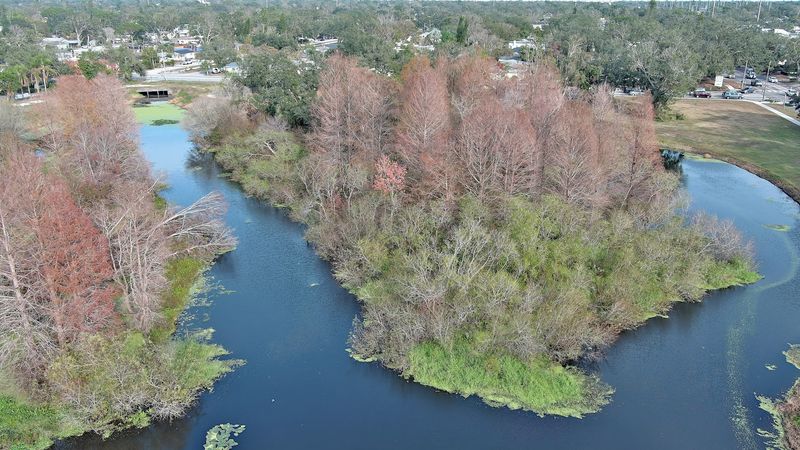
Most park visitors never notice the invasion happening right beside the trail. Japanese honeysuckle winds itself around saplings, kudzu blankets entire hillsides, and Japanese stiltgrass carpets the forest floor so completely that native seedlings don’t stand a chance.
It’s slow, it’s quiet, and it’s relentless.
Bear Creek Lake State Park sits in a region where these species have found ideal growing conditions. The moist bottomlands near the lake and the disturbed edges along old roads create perfect corridors for invasive plants to spread.
Once they establish, removal becomes a multi-year effort that demands serious resources.
Park staff and volunteers spend entire seasons pulling, cutting, and treating invasive species, often returning to the same spots year after year because the seeds remain viable in the soil for years. The Virginia Department of Conservation and Recreation has prioritized this work, but the scale of the problem is genuinely staggering.
For every acre cleared, neighboring areas are already being recolonized. Understanding this invisible enemy is the first step toward appreciating just how hard the park is fighting to protect its native landscape.
Native Plants Worth Protecting: What Bear Creek Is Actually Saving
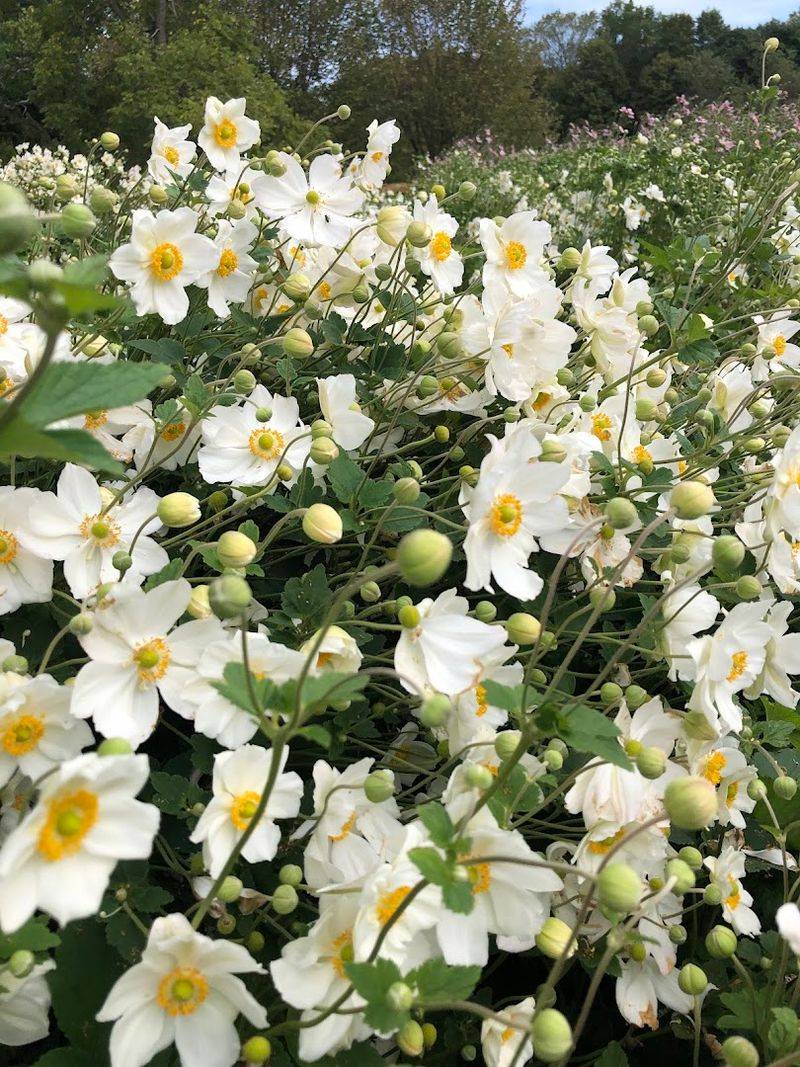
Bear Creek Lake’s native plant community is genuinely worth the fight. Virginia bluebells, wild trillium, spicebush, and river birch line the lake edges and forest understory, creating a layered habitat that supports everything from pollinators to migratory songbirds.
I spotted a patch of bloodroot near the water’s edge last spring that stopped me cold, it was that beautiful.
These native species have evolved together over thousands of years, building relationships with local insects, birds, and soil fungi that invasive plants simply cannot replicate. When you lose native groundcover, you don’t just lose a pretty flower.
You lose the insects that feed on it, the birds that depend on those insects, and the whole chain that makes a forest function.
The park’s restoration crews have been selectively replanting native species in cleared areas, using local seed stock to ensure genetic compatibility with the existing ecosystem. It’s painstaking work that rarely gets headlines, but the results are starting to show in certain sections of the park.
Patches of native wildflowers are returning where stiltgrass once dominated, and that’s a genuinely hopeful sign for anyone paying attention.
Crumbling Campgrounds: The Infrastructure Problem Nobody Is Talking About
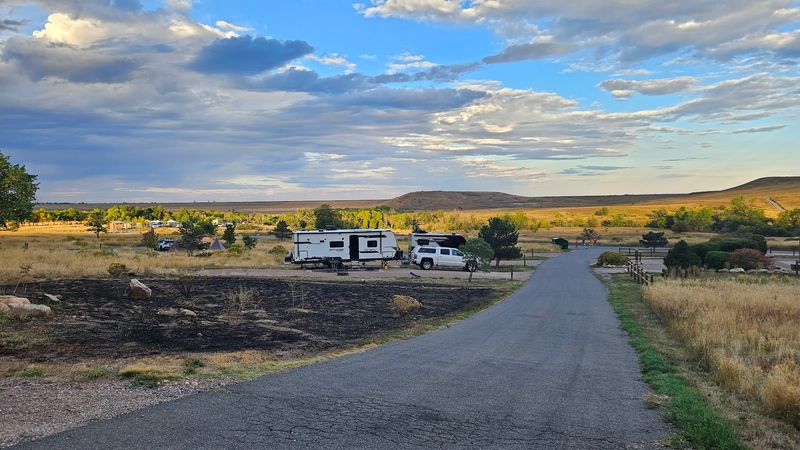
The campgrounds at Bear Creek Lake have seen better days. Cracked pads, rusted water hookups, and picnic tables that wobble like they’ve given up on life greet campers who make the drive out to Cumberland County.
It’s the kind of maintenance backlog that builds up quietly over years of underfunding until suddenly it’s impossible to ignore.
Virginia’s state park system, despite being nationally recognized for quality, has faced persistent budget pressures that leave individual parks scrambling to prioritize repairs. At Bear Creek, the campground infrastructure competes directly with ecological restoration for limited dollars.
That tension is real, and it shapes every season.
Campers who have visited multiple times know to lower their expectations for facilities while raising them for scenery. The lake is still gorgeous, the trails are still peaceful, and the wildlife doesn’t care about a cracked concrete pad.
But for families with young kids or visitors who rely on accessible facilities, the condition of the campground matters a lot.
Advocacy groups have been pushing for a dedicated infrastructure fund for Virginia state parks, and Bear Creek is often cited as a clear example of why that funding is urgently needed.
The Lake Itself: Still the Heart of the Whole Park
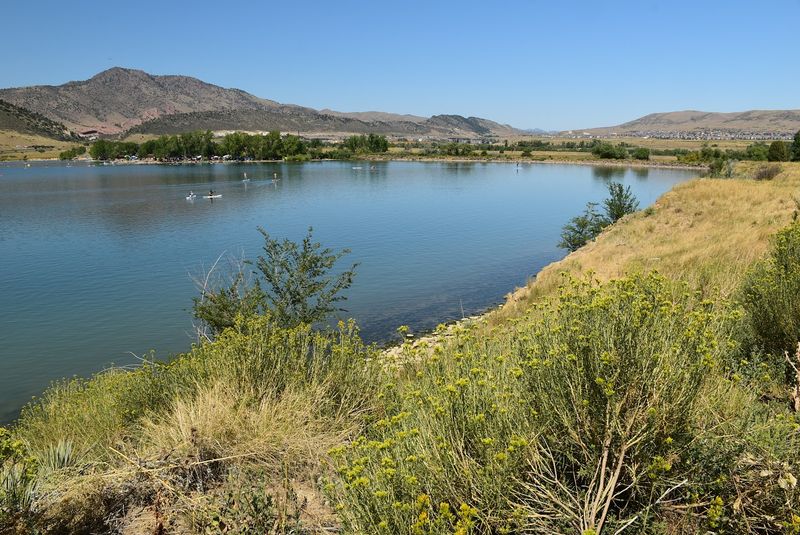
Whatever else is going on at Bear Creek Lake State Park, the lake itself remains absolutely worth the trip. On a calm morning, the water surface mirrors the surrounding hardwood forest so perfectly that you genuinely can’t tell where the trees end and the reflection begins.
It’s one of those quiet moments that parks in more popular regions simply can’t offer anymore.
The 40-acre lake supports fishing for largemouth bass, bluegill, and catfish, making it a favorite for anglers who prefer solitude over crowds. Canoe and kayak rentals are available during peak season, and paddling the perimeter of the lake gives you a completely different view of the forest than any trail can provide.
Swimming is also permitted in designated areas, and on hot Virginia summer afternoons the lake becomes the social center of the park. Families spread out along the small sandy beach, kids splash in the shallows, and the whole scene feels refreshingly unhurried.
The water quality has been carefully monitored, and the surrounding forest acts as a natural buffer that keeps runoff minimal. The lake is genuinely the reason most people come, and it delivers every single time.
Volunteer Warriors: The People Doing the Hard Work on the Ground
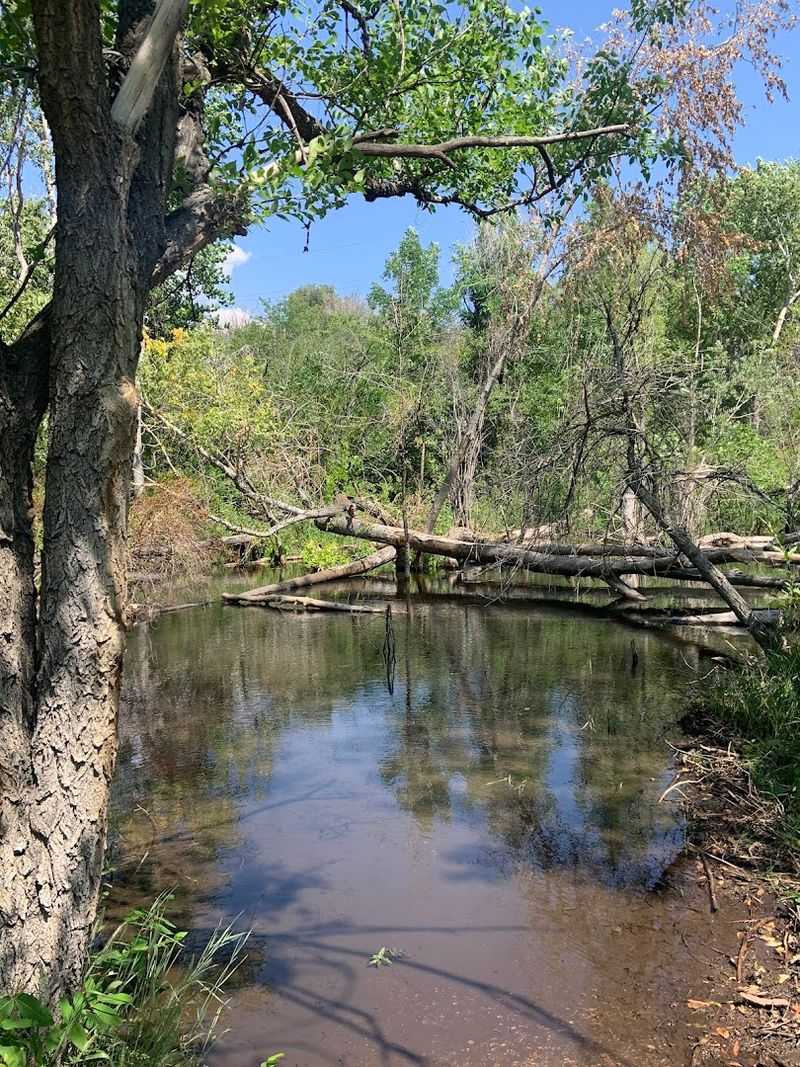
The real heroes of Bear Creek Lake’s ecological battle aren’t the full-time staff, though they work incredibly hard. They’re the volunteers who show up on cold Saturday mornings with gloves and loppers to pull honeysuckle from creek banks and bag stiltgrass before it sets seed.
Without them, the park would be losing this fight much faster.
Virginia’s state park volunteer program connects local residents, college students, and conservation-minded visitors with hands-on restoration projects throughout the year. Bear Creek benefits directly from this network, hosting multiple invasive removal events each season.
Some volunteers come once out of curiosity and end up coming back every month because the work feels genuinely meaningful.
There’s something deeply satisfying about pulling an invasive vine off a young native oak and watching the sapling straighten up toward the light. I’ve heard that description from multiple people who’ve participated in these events, and it tracks with how the experience actually feels.
If you’re planning a visit and want to do more than hike, signing up for a volunteer day is one of the most rewarding ways to connect with this park. Contact the Virginia Department of Conservation and Recreation for current scheduling and registration details.
Trails Through the Tension: Hiking Where Restoration Meets Reality
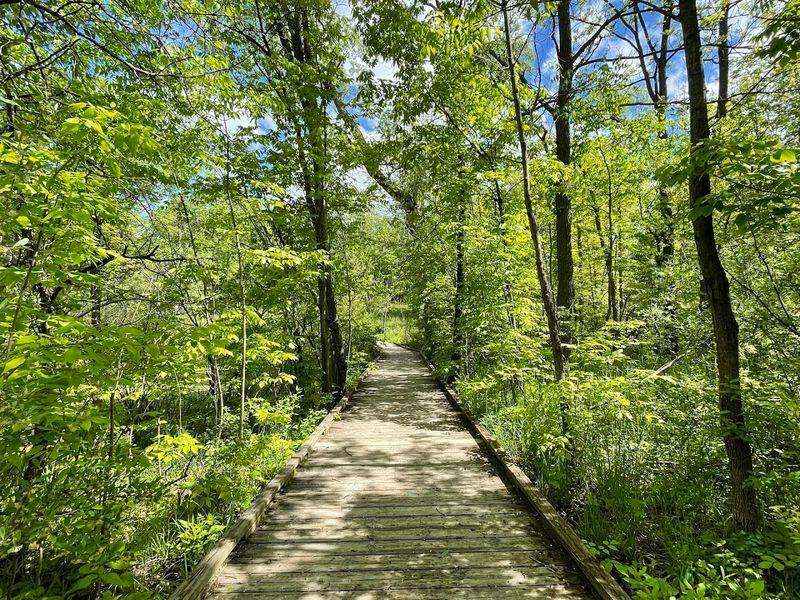
Hiking the trails at Bear Creek Lake is a study in contrasts. One section of trail might wind through a beautifully intact native forest with ferns and wildflowers carpeting the ground, while the next opens into a patch of dense stiltgrass so thick it muffles your footsteps.
The difference is striking once you know what to look for.
The park has roughly 16 miles of trails ranging from easy lakeside walks to more demanding ridgeline routes. The terrain in Cumberland County is gentle compared to the Blue Ridge, but the trails still offer enough elevation change to keep things interesting.
Signage is decent though some markers have weathered badly and could use replacing, which is a minor but consistent frustration.
What makes these trails special is their quietness. On a weekday morning, you might hike for two hours without seeing another person.
Birds are the dominant soundtrack, interrupted occasionally by the sound of the lake lapping at a rocky shore.
The trails also pass through areas where restoration work is actively ongoing, and seeing the before-and-after sections side by side is genuinely educational. It gives the hike a purpose beyond exercise, which is something I always appreciate in a park visit.
What Visitors Can Do Right Now to Help the Park
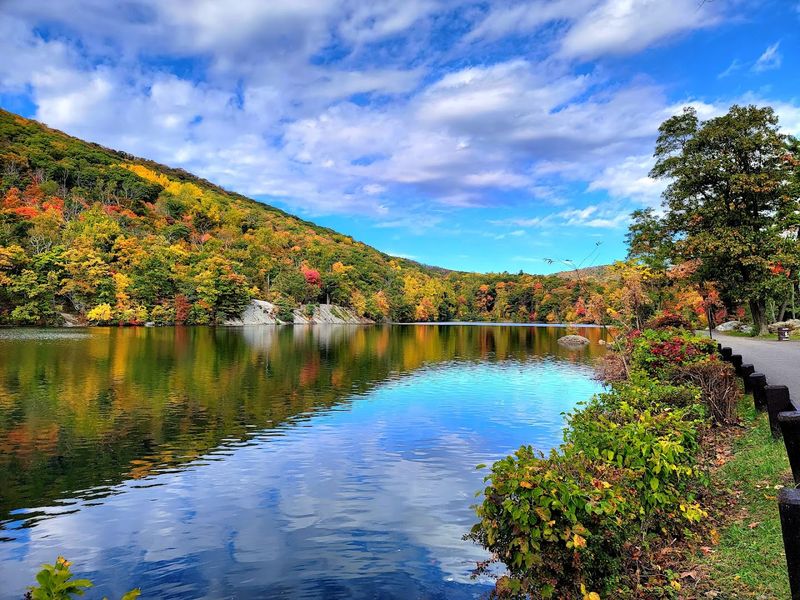
You don’t have to be a botanist or a park ranger to make a difference at Bear Creek Lake. Some of the most impactful things visitors can do are surprisingly simple, starting with the basics of not spreading invasive seeds themselves.
Cleaning your boots before and after hiking is genuinely important, because seeds hitch rides on laces and soles with remarkable efficiency.
Staying on marked trails is another easy but meaningful habit. When hikers cut switchbacks or wander off-path, they create soil disturbance that invasive plants colonize almost immediately.
Native forest understories are surprisingly fragile, and foot traffic in the wrong places sets back years of restoration work.
Beyond that, consider making a donation directly to the park’s foundation or participating in a scheduled volunteer event. The Friends of Virginia State Parks organization accepts contributions that go directly toward projects like invasive plant removal and habitat restoration.
Buying a Virginia State Parks annual pass is another practical way to direct money toward the system as a whole.
Even leaving a detailed, honest review of the park’s condition on public platforms helps by keeping the conversation about infrastructure funding visible. Small actions, taken consistently by enough people, genuinely move the needle for places like Bear Creek.
The Future of Bear Creek Lake: Cautious Hope in Cumberland County
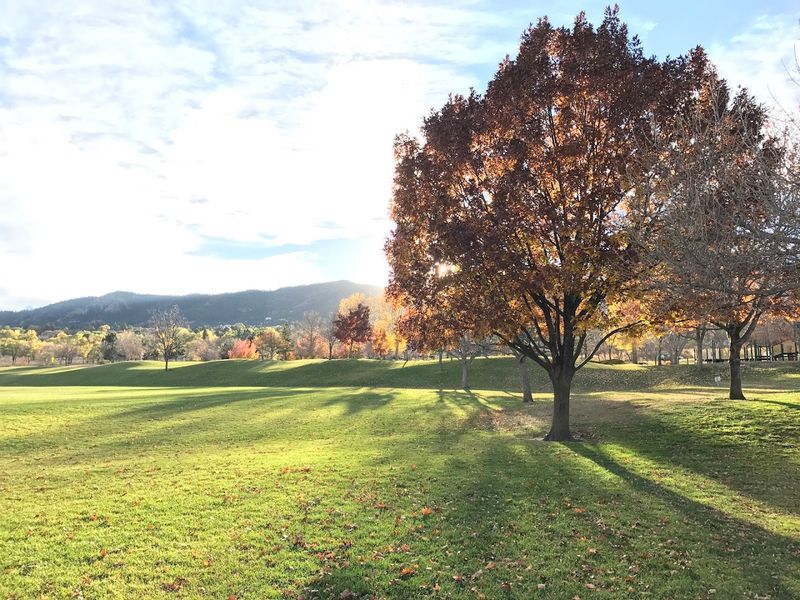
Bear Creek Lake State Park is at a crossroads. The ecological pressures are real, the infrastructure challenges are undeniable, and the funding gaps aren’t closing fast enough.
But the park is still standing, still fighting, and still offering something genuinely rare: a quiet, working forest where restoration is actually happening in real time.
There’s cautious optimism among the people who care most about this place. Invasive removal efforts have shown measurable results in targeted areas, and recent conversations about capital improvement funding for Virginia state parks have included Bear Creek in the discussion.
Progress is slow, but it’s not zero.
For visitors, the message is simple. Come now, while the lake is still peaceful and the trails are still walkable.
Bring your curiosity about what’s growing beside the path. Notice the difference between the recovering sections and the invaded ones.
The park rewards attention in a way that more polished destinations simply don’t. Bear Creek Lake isn’t perfect, and it doesn’t pretend to be.
That honesty is part of what makes it worth caring about, and worth returning to as the work continues season after season.
Address: 929 Oak Hill Road, Cumberland, Virginia.
