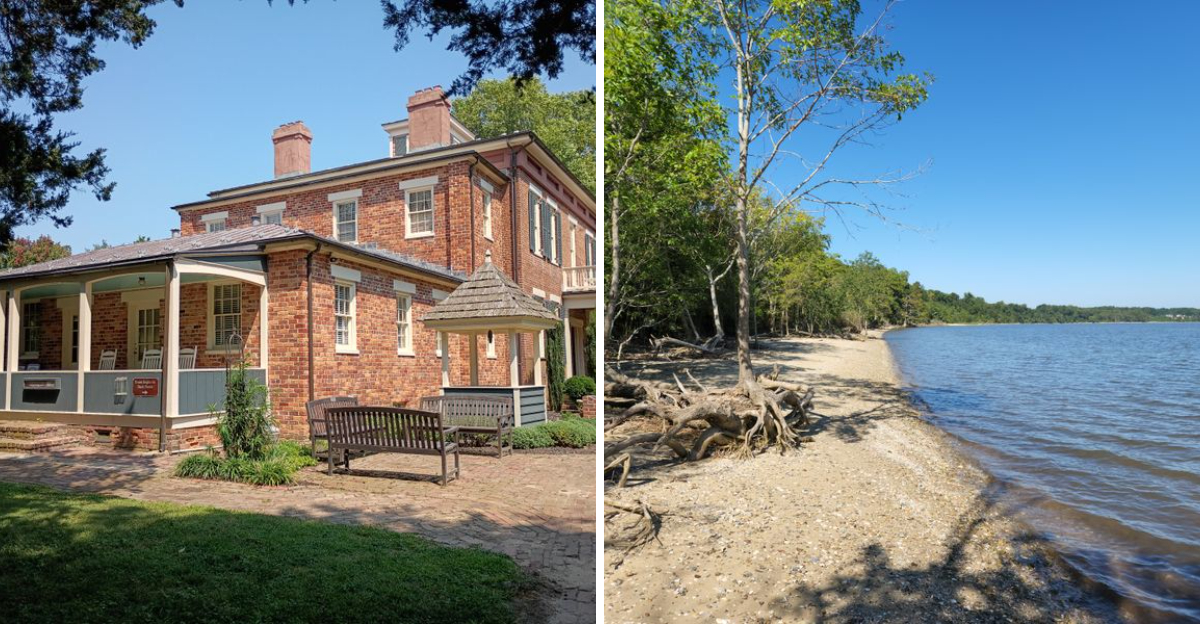
Think Virginia history is just colonial wigs and battlefield cannons? Chippokes State Park in Surry County flips that script like nobody’s business.
This riverside gem has witnessed everything from Native American settlements to plantation life, and its stories stretch back further than you might imagine. Sitting pretty on the James River, this park doesn’t just preserve one timeline.
It celebrates layers of history that overlap, contradict, and complement each other in fascinating ways. Ancient fossils wash up on the same beaches where colonial ships once docked.
Antebellum architecture stands near fields that Indigenous peoples cultivated centuries earlier. Every corner reveals another chapter, another perspective, another truth about the people who shaped this land.
Chippokes challenges visitors to see history as something complex and multifaceted rather than a simple straight line. Pack your curiosity along with your hiking boots because this Virginia treasure promises to shake up everything you thought you knew about the past.
Fossil Beach Tells Stories Millions of Years Old
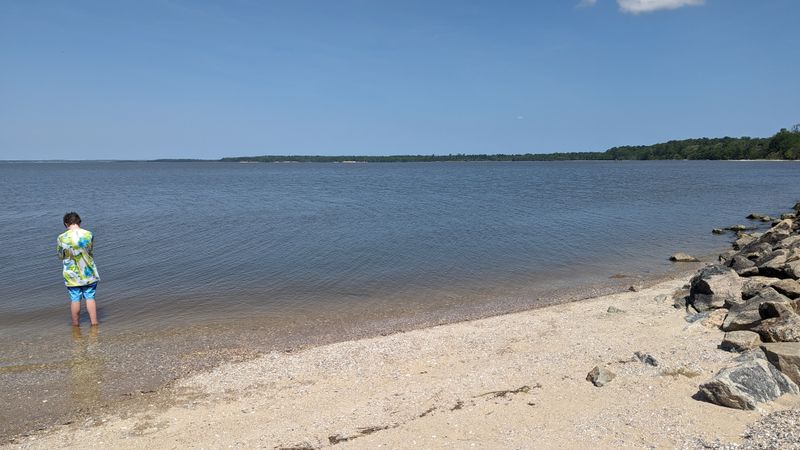
Long before humans ever set foot in Virginia, prehistoric sharks prowled these waters. Fossil Beach at Chippokes delivers tangible proof right into your hands.
The dark sand glitters with ancient treasures that date back millions of years.
Shark teeth are the star attraction here. Kids and adults alike spend hours combing through the shoreline, eyes peeled for those distinctive triangular shapes.
Some teeth are tiny, barely bigger than a fingernail. Others surprise you with their substantial size.
Shells and other fossils join the hunt. You’ll spot pieces of ancient creatures that swam through prehistoric seas.
Every visit yields different finds depending on tides and recent weather patterns.
Water shoes become your best friend on this beach. The terrain is rough and rocky, not your typical sandy playground.
But that ruggedness is exactly what makes the fossil hunting so rewarding.
Bring a small container or bag for your discoveries. Rangers encourage visitors to take a few fossils home as natural souvenirs.
Just remember that you’re literally holding pieces of Earth’s ancient history in your palm, connecting you to a past that predates human civilization by unimaginable stretches of time.
The Mansion Preserves Plantation Era Architecture
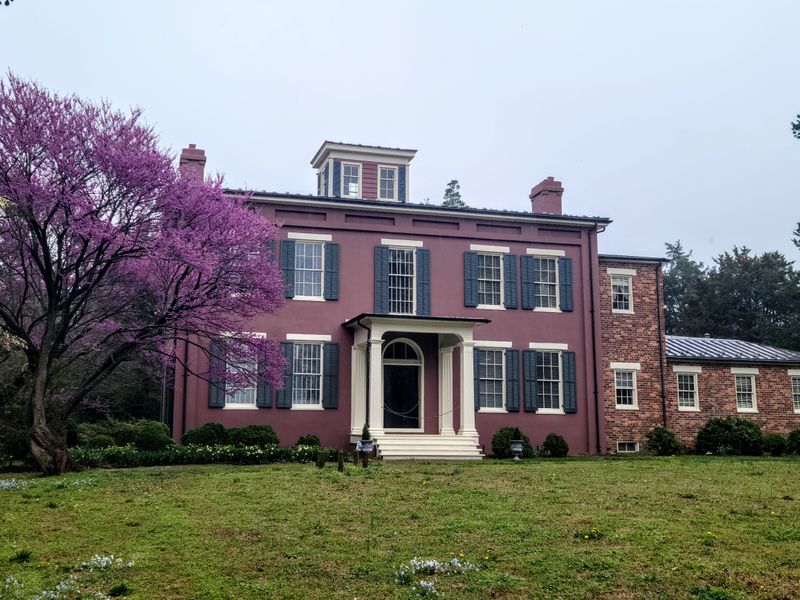
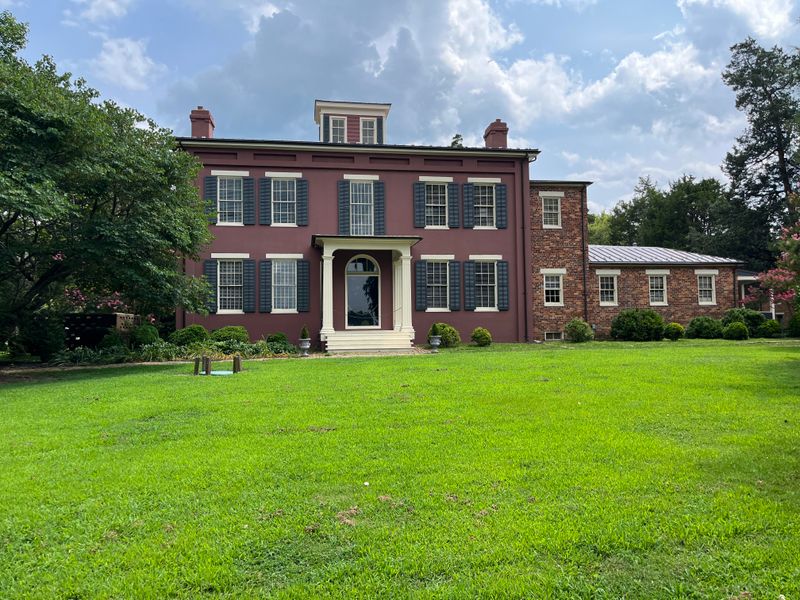
Standing before the Chippokes mansion feels like stepping through a time portal. This antebellum structure represents a complicated chapter in American history.
Its elegant columns and formal design showcase architectural styles popular among wealthy landowners during the plantation era.
Ranger-led tours bring the building to life. Guides share stories about the families who lived here and the enslaved people who maintained the property.
The tours don’t shy away from difficult truths about slavery and its lasting impact.
Inside, period furnishings offer glimpses into daily life. You’ll see how the wealthy class decorated their homes and organized their living spaces.
Every room tells part of a larger story about power, privilege, and the human cost of comfort.
Formal gardens surrounding the mansion add another layer of beauty. These carefully maintained spaces required enormous labor to create and sustain.
Walking through them prompts reflection on who did that work and under what conditions.
The mansion doesn’t glorify the past. Instead, it presents history honestly, acknowledging both the craftsmanship of the building and the injustice of the system that created it.
This balanced approach helps visitors understand that historical preservation means confronting uncomfortable truths alongside architectural appreciation.
A Working Farm Since Colonial Times
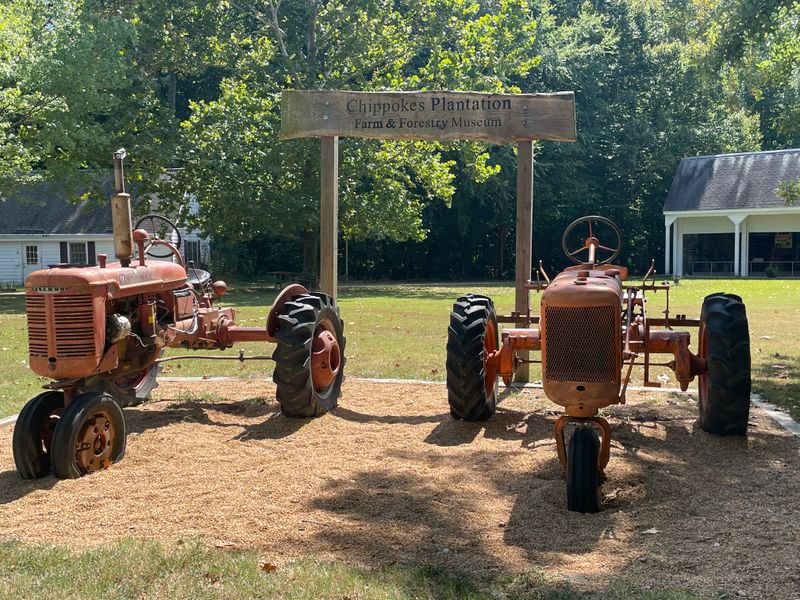
Imagine crops growing in the same soil for over four centuries. Chippokes Plantation has operated as a working farm since colonial settlement.
That unbroken agricultural tradition makes it one of the oldest continuously farmed properties in North America.
The farm museum showcases this incredible timeline. Antique equipment demonstrates how farming techniques evolved over generations.
From hand tools to early mechanical devices, you’ll see innovation unfold across the centuries.
Modern farming still happens here. Visitors can observe contemporary agricultural practices that honor traditional methods while embracing current technology.
The contrast between old and new techniques sparks interesting conversations about progress and sustainability.
Educational programs teach kids about farm life. Children learn where food comes from and gain appreciation for agricultural labor.
These hands-on experiences create connections that supermarket shopping simply can’t provide.
Seasonal changes transform the farm’s appearance dramatically. Spring planting looks entirely different from fall harvest.
Each visit offers new perspectives on the cyclical nature of farming and the constant work required to coax food from the earth. The farm reminds us that human survival has always depended on understanding and working with natural systems, a lesson that feels increasingly relevant today.
Native American Heritage Predates Colonial Settlement
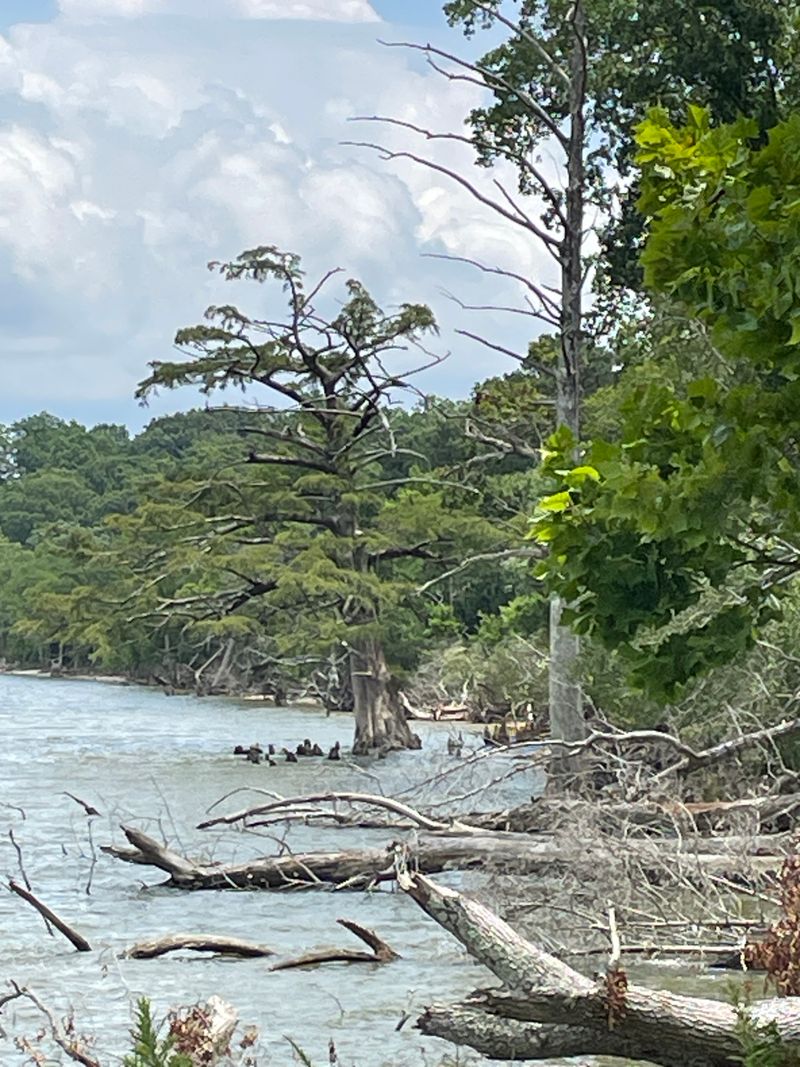
Thousands of years before English settlers arrived, Indigenous peoples called this land home. Chippokes acknowledges that deeper history through educational programs and interpretive materials.
The park’s name itself may reference Native American origins, though exact etymology remains debated among historians.
Archaeological evidence confirms extensive Indigenous presence. Native communities lived along these riverbanks, fishing the waters and cultivating the fertile soil.
Their sophisticated understanding of the landscape sustained thriving societies for countless generations.
Captain John Smith’s historic trail intersects with the park. His explorations documented encounters with Native peoples who had complex political structures and extensive trade networks.
These weren’t primitive cultures but advanced civilizations with rich traditions.
Visitor center exhibits highlight Indigenous contributions. You’ll learn about agricultural techniques that colonists later adopted and the deep ecological knowledge that Native peoples possessed.
This information challenges simplified narratives about who shaped this land.
Recognizing Indigenous history adds crucial context. Colonial settlement didn’t happen in empty wilderness.
It displaced established communities with their own histories, technologies, and relationships to the environment. Understanding this fuller timeline creates more honest and complete historical awareness.
The park encourages visitors to consider whose stories get told and whose often get overlooked.
Trails Wind Through Diverse Ecosystems
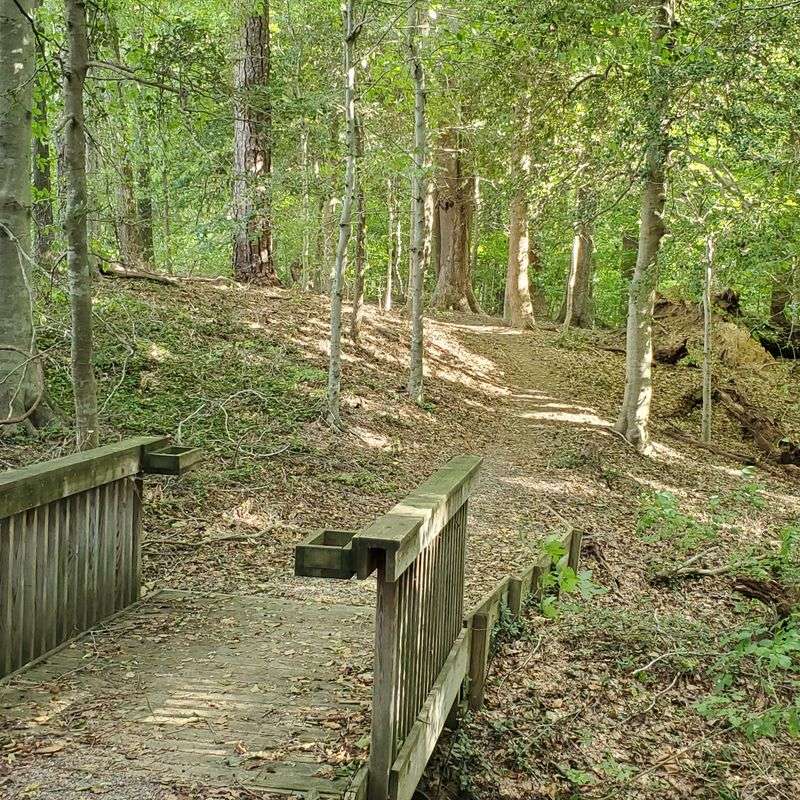
Lace up those hiking boots and prepare for ecosystem diversity. Chippokes offers trails that traverse remarkably different environments within a compact area.
You’ll move from dense forest to open meadow to riverfront beach in a single afternoon.
Lower Chippokes Trail delivers some of the best scenery. This moderate path winds through mature woodlands where wildlife sightings happen regularly.
Birds call from the canopy while smaller creatures rustle through underbrush.
James River Trail hugs the waterfront. Walking this route gives you stunning river views and access to multiple beach areas.
The combination of forest and water creates habitat for incredible biodiversity.
Trail difficulty ranges from easy to moderate. Families with young children can handle most routes without struggle.
The paths are well-maintained and clearly marked, reducing navigation stress.
Seasonal variations change the hiking experience dramatically. Spring wildflowers carpet the forest floor.
Summer brings lush green canopy. Fall foliage explodes in color.
Winter reveals landscape structure hidden during leafy months.
Biking works great on many trails too. Several visitors mentioned using bikes to explore the park efficiently.
The relatively flat terrain and good trail conditions make cycling an excellent alternative to hiking, letting you cover more ground while still enjoying the natural surroundings.
Campground Offers Riverside Relaxation
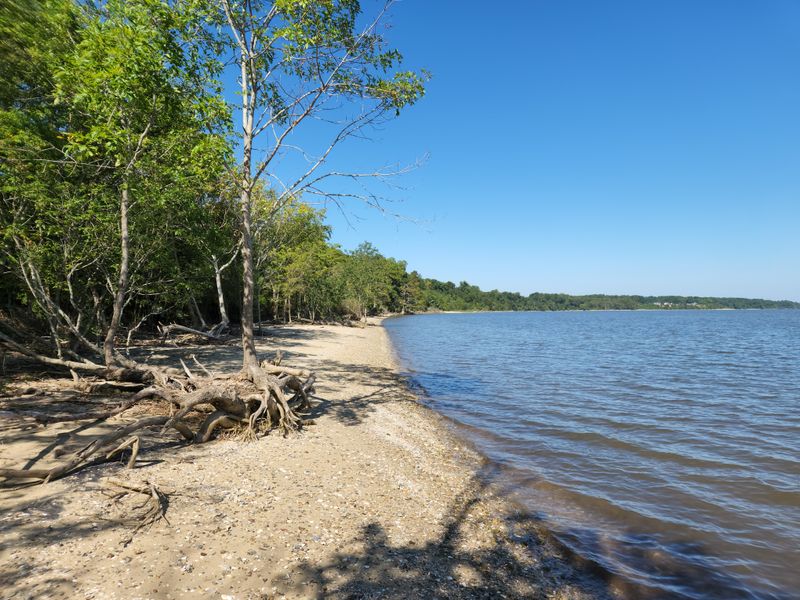
Sleeping under the stars at Chippokes means waking to river breezes and bird songs. The campground accommodates everything from massive RVs to modest tents.
Sites are spacious and relatively private, though tent campers should note the gravel pads challenge stake placement.
Pull-through sites handle large rigs easily. Some can accommodate vehicles over forty feet long.
Full hookups provide modern conveniences while you enjoy the outdoors. The combination appeals to campers who want nature without sacrificing comfort.
Bathhouses offer hot showers and clean facilities. While not luxurious, they provide everything necessary for comfortable camping.
The proximity to restrooms from most sites means midnight bathroom trips don’t require epic journeys.
Loop B gets particular praise from visitors. Sites there balance privacy with convenience.
You’re close enough to amenities but far enough from neighbors to maintain that camping atmosphere everyone craves.
Bring bikes if you have them. The campground sits far enough from other park attractions that biking becomes the easiest transportation method.
Pedaling to the beach or museum beats driving and parking repeatedly.
Occasional noise from nearby Fort Eustis can disrupt morning quiet. Gunfire sounds carry across the distance during military training exercises.
If you have noise-sensitive pets or light sleeping habits, this factor deserves consideration when planning your visit.
Visitor Center Provides Educational Foundation
Start your Chippokes adventure at the visitor center. This hub provides orientation, information, and friendly staff who genuinely love the park.
Their enthusiasm proves contagious, setting a positive tone for your entire visit.
Exhibits inside cover the park’s layered history. You’ll find information about Indigenous peoples, colonial settlement, plantation era, and modern conservation efforts.
The displays don’t present sanitized history but rather honest accounts of complex events.
Staff members answer questions with impressive knowledge. Whether you’re wondering about the best fossil hunting times or which trails suit your fitness level, they provide helpful guidance.
Several reviews specifically praised the exceptional customer service.
Educational programs launch from here. Rangers lead mansion tours, nature walks, and special activities throughout the year.
Check the schedule when you arrive to see what’s happening during your visit.
Gift shop offerings include local products and educational materials. You can purchase field guides for identifying fossils or books about Virginia history.
These resources extend your learning beyond the park visit.
The building itself offers air conditioning and restrooms. On hot summer days, the visitor center provides welcome relief.
It’s also the perfect rainy day refuge when weather doesn’t cooperate with outdoor plans. Stop here first to maximize your Chippokes experience.
Cabins Blend Historic Charm With Modern Comfort
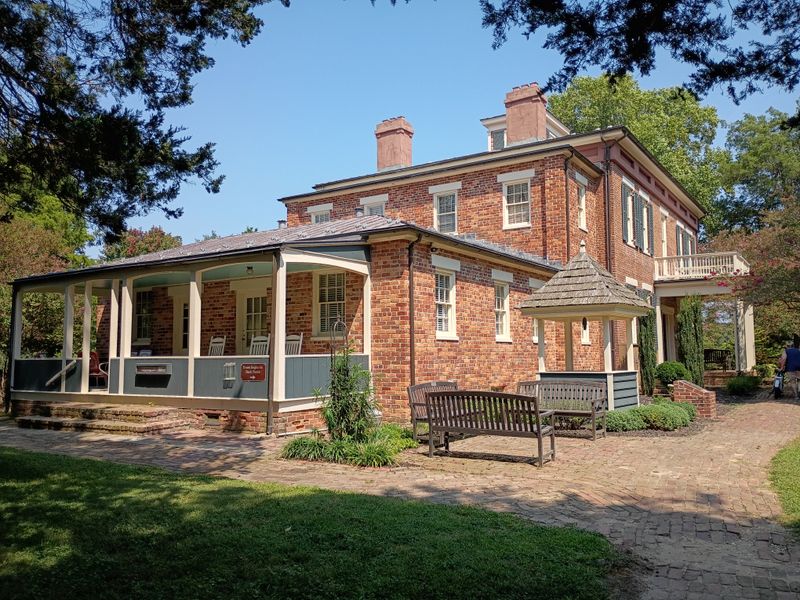
Sleeping in history sounds romantic until you miss modern plumbing. Chippokes cabins solve this dilemma beautifully.
These structures preserve historic character while providing contemporary amenities like full kitchens and comfortable beds.
The Brown House dates back to the plantation era. Originally an overseer’s residence, it now hosts visitors who want immersive historical experiences.
Steep, narrow stairs lead to upstairs bedrooms, adding authentic period charm along with mild cardiovascular challenge.
Kitchens come fully equipped. Multiple guests praised the cooking supplies as superior to typical vacation rentals.
You can prepare elaborate meals without hunting for basic utensils or discovering the previous occupant took the only pot.
Televisions and heating systems add modern convenience. You’re camping in comfort, enjoying historic surroundings without suffering through period-authentic discomfort.
Cold winter nights become cozy rather than miserable.
Cabin locations offer privacy and space. Mowed paths lead from your door to park attractions.
Evening dog walks happen right outside, no car required.
Booking cabins requires advance planning. They’re popular, especially during peak seasons and holiday weekends.
The combination of historic setting and modern comfort creates high demand. If cabin stays interest you, reserve early to secure your preferred dates and avoid disappointment.
Proximity to Jamestown Ferry Expands Exploration
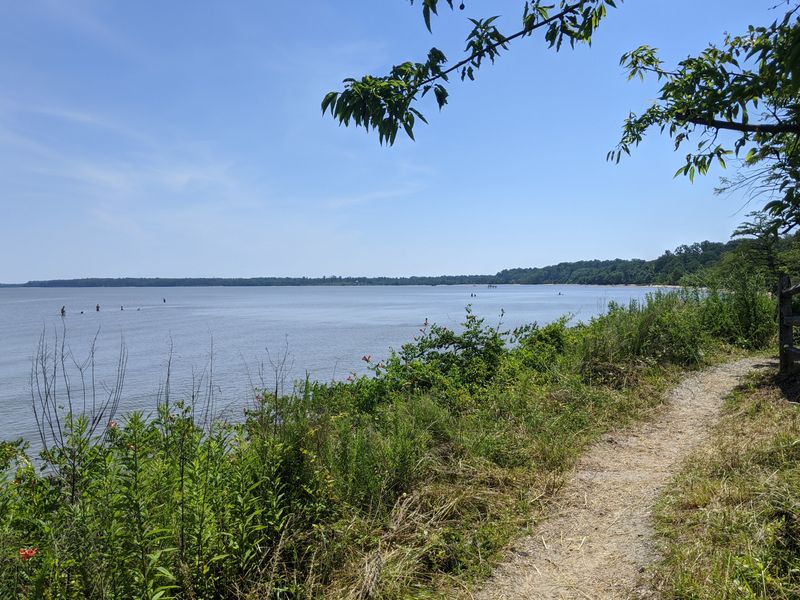
Geography connects Chippokes to broader Virginia history. The Jamestown Ferry operates just minutes away, providing free passage across the James River.
This transportation link transforms the park from isolated destination into strategic base camp for regional exploration.
The ferry ride itself offers scenic value. Crossing the river gives you water-level perspectives and potential wildlife sightings.
The journey takes roughly twenty-five minutes, just long enough to enjoy without testing patience.
Jamestown Settlement and Historic Jamestowne sit across the river. These sites explore colonial America’s earliest permanent English settlement.
Combined with Chippokes’ plantation history, you gain comprehensive understanding of Virginia’s colonial period.
Williamsburg lies nearby as well. The restored colonial capital offers living history experiences and tourist attractions.
Using Chippokes as your lodging base lets you enjoy Williamsburg’s offerings while escaping its crowds and prices.
Ferry schedules require attention. Service runs regularly but not constantly.
Check times before planning your day to avoid lengthy waits. The ferry accommodates vehicles, so you can drive aboard with all your gear.
This connectivity matters for trip planning. Surry County offers fewer restaurants and services than more developed areas.
The ferry access means you’re never far from amenities while still enjoying Chippokes’ peaceful riverside setting away from tourist congestion.
Year-Round Programming Reveals Seasonal Secrets
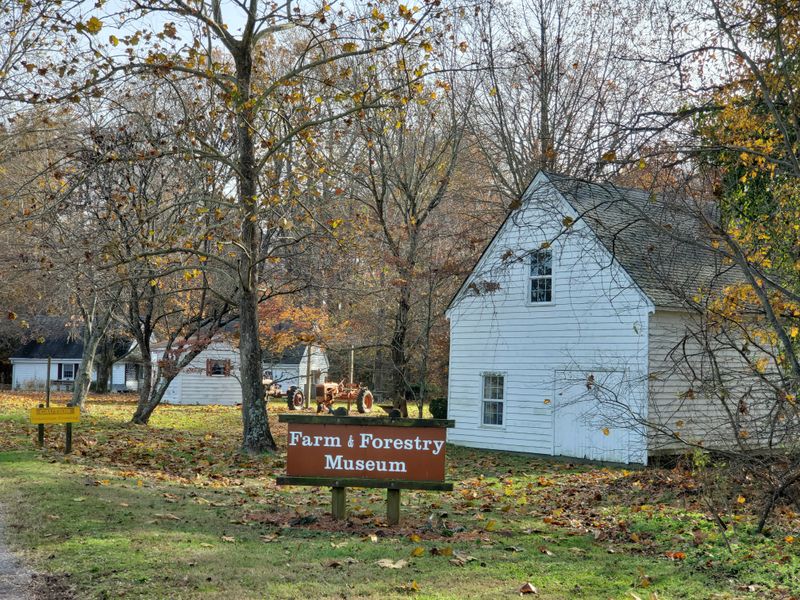
Chippokes doesn’t hibernate during off-season. Year-round programming means every visit offers unique experiences.
Rangers lead activities tailored to current conditions, revealing aspects of the park that casual visitors might miss.
Winter programs showcase different wildlife. Cold months bring species you won’t see during summer.
Bare trees expose bird nests and landscape features hidden by foliage. Some visitors specifically praised winter cabin stays and snowy park exploration.
Spring brings wildflower walks and migration events. Rangers help identify emerging plants and returning bird species.
Easter egg hunts and family-friendly activities attract visitors during school breaks.
Summer focuses on water activities and beach programs. Despite the pool remaining closed, river access provides cooling relief.
Evening programs might include stargazing when clear skies cooperate.
Fall foliage tours highlight seasonal color changes. Harvest activities at the farm connect visitors to agricultural cycles.
The comfortable temperatures make hiking especially pleasant.
Special programs like “Skulls, Jaws and Furs” engage kids with hands-on learning. “Pasture Pals” introduces farm animals. These ranger-led activities receive enthusiastic reviews from participating families.
Check the park calendar before visiting. Programming varies seasonally and changes yearly.
Taking advantage of guided activities enriches your experience significantly. Rangers possess knowledge and passion that transform ordinary visits into memorable educational adventures that stick with you long after you’ve returned home.
Dear Reader: This page may contain affiliate links which may earn a commission if you click through and make a purchase. Our independent journalism is not influenced by any advertiser or commercial initiative unless it is clearly marked as sponsored content. As travel products change, please be sure to reconfirm all details and stay up to date with current events to ensure a safe and successful trip.
