Most Americans grow up hearing the same Thanksgiving story: Pilgrims, Plymouth Rock, and a feast in Massachusetts. But Virginia has a bold counter-argument that rewrites the whole holiday.
Long before the Pilgrims even set sail, a group of English settlers landed on Virginia soil and held what historians consider the very first official Thanksgiving on American soil. Buckled hats and Plymouth get all the glory, yet the real story begins right here along the James River, where Virginia quietly holds one of the most jaw-dropping claims in American history.
The 1619 Thanksgiving That Rewrote History
Long before Plymouth became a household name, a small group of English settlers stepped off a ship called the Margaret and onto Virginia soil on December 4, 1619. Their charter from the Virginia Company was crystal clear: the day of arrival must be observed yearly as a day of thanksgiving to God.
No feast, no turkey, just a solemn and sincere religious ceremony.
That single act of gratitude, performed more than a year before the Pilgrims celebrated anything in Massachusetts, is now recognized by many historians as the first official Thanksgiving in America. Virginia did not just participate in early American history.
It literally started it.
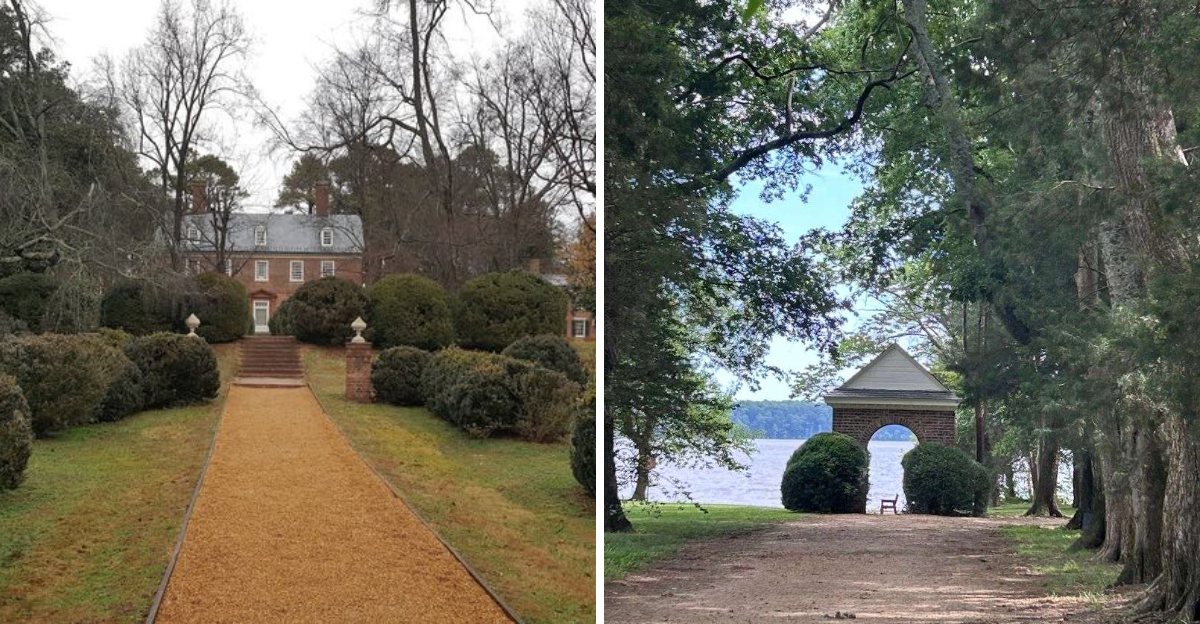
Berkeley Plantation in Charles City is the ground where this moment happened. Standing on those grounds today, you can almost feel the weight of that declaration echoing across the centuries.
It is the kind of history that does not just sit in a textbook. It lives in the soil, the river breeze, and the sturdy brick walls that have watched America grow up from its earliest days.
A Georgian Mansion Built to Impress
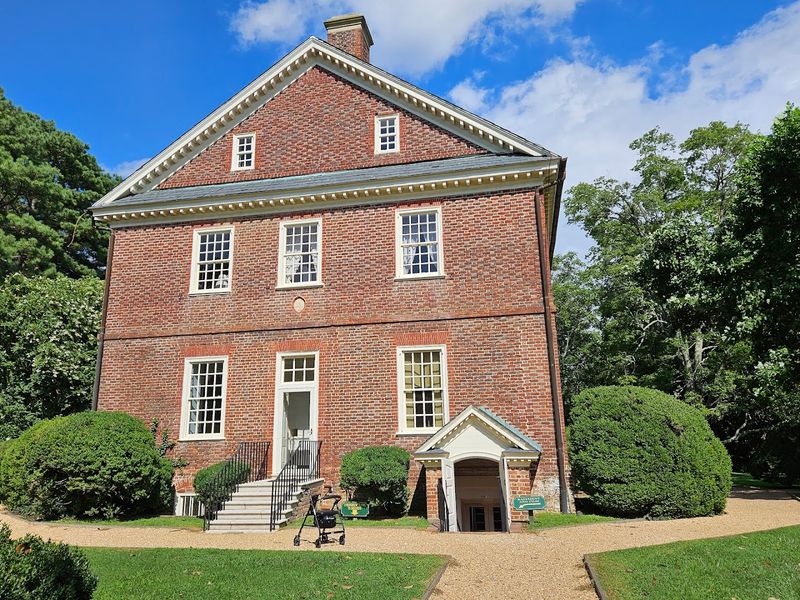
Some buildings whisper history. The mansion at Berkeley Plantation practically shouts it.
Built in 1726, this Georgian-style brick beauty is one of the oldest three-story brick homes in Virginia, and it looks every bit as commanding today as it did three centuries ago. The symmetry, the classic proportions, the elegant simplicity of the design, all of it reflects the refined ambitions of colonial Virginia.
Stepping through the front door feels like crossing a threshold into another world entirely. The entrance hall, once used as a ballroom for colonial dances, sets the tone immediately.
Original 18th-century furnishings fill the rooms, giving each space an authenticity that no replica could ever match.
Guided tours bring the mansion to life in vivid detail, covering everything from architectural decisions to the personal stories of the families who lived here. The guides are passionate, knowledgeable, and genuinely entertaining, making even the most obscure historical detail feel relevant and fascinating.
For anyone who loves American architecture or colonial history, this mansion alone is worth the drive through Charles City County.
Birthplace of a President and a Founding Father
Not every historic site can claim one famous American. Berkeley Plantation claims two, and they happen to be father and son.
Benjamin Harrison V, a bold Virginian who signed the Declaration of Independence, called this plantation home. His signature on that document represents one of the most consequential acts in American political history, and it happened to come from a man raised along the James River.
His son, William Henry Harrison, went on to become the ninth President of the United States, adding yet another layer of extraordinary significance to this already remarkable property. The Harrison family legacy runs deep through every room, every garden path, and every exhibit at Berkeley Plantation.
Virginia has produced more U.S. presidents than any other state, and this corner of Charles City County is ground zero for understanding why. The plantation does not just mention the Harrisons in passing.
It celebrates them with context, artifacts, and storytelling that connects their lives to the broader sweep of American democracy. Walking these grounds, you realize you are not just visiting a house.
You are standing inside a family tree that helped shape a nation.
The James River Views That Steal the Show
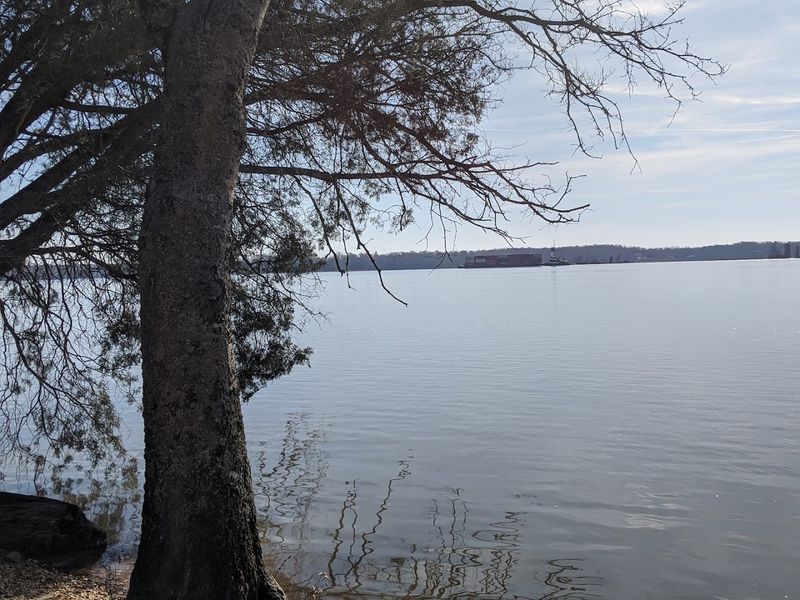
There is a moment during the grounds tour at Berkeley Plantation when the James River comes into full view, and honestly, it stops you cold. The water stretches wide and silver, framed by ancient trees and rolling green fields, looking very much the same as it did when those first settlers arrived in 1619.
It is the kind of view that makes history feel immediate and personal.
The James River is not just a scenic backdrop here. It is the reason Berkeley Plantation exists at all.
The settlers chose this land specifically because of the river, which provided transportation, trade routes, and fresh water for survival. Every major chapter of this plantation’s story involves that river in some way.
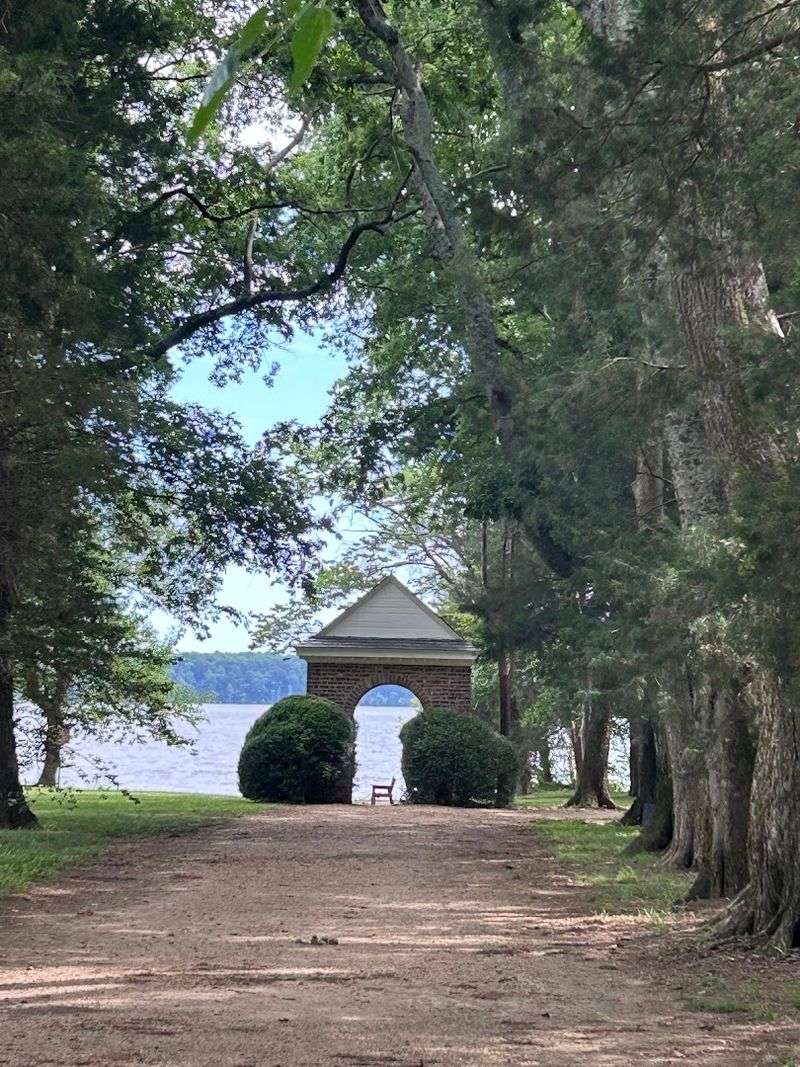
Walking the grounds along the waterfront gives you a completely different perspective on colonial life in Virginia. The scale of the landscape, the openness of the fields, and the quiet power of the river together create an atmosphere that no museum exhibit can replicate.
Bring good walking shoes, take your time, and let the scenery work its magic. Few historic sites in the entire state offer this kind of natural drama paired with genuine historical depth.
Where the Bugle Call of Taps Was Born
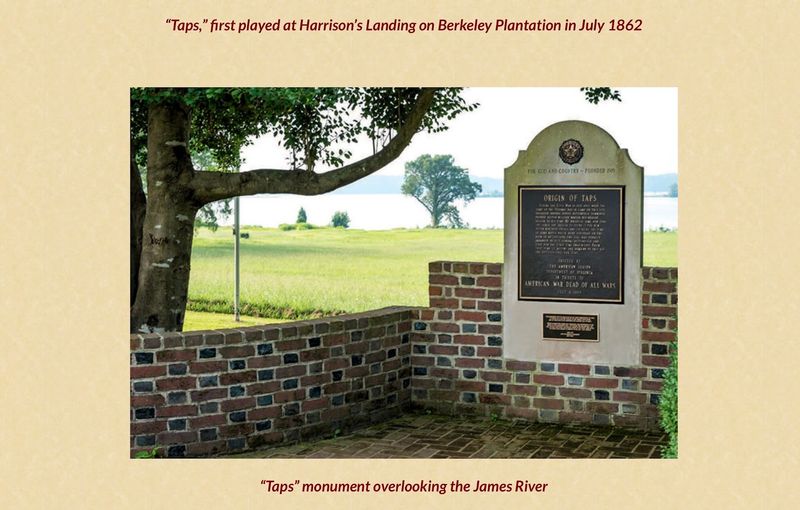
Most people visit Berkeley Plantation for the Thanksgiving story or the presidential connections. Then the tour guide casually mentions that Taps, the haunting bugle call played at military funerals across America, was composed right here on these grounds during the Civil War.
Jaws drop. Every single time.
During the Civil War, Union General Daniel Butterfield used the plantation as a headquarters. It was here that he worked with bugler Oliver Willcox Norton to refine the melody that would become one of the most emotionally powerful pieces of music in American military tradition.
That melody has since echoed at the funerals of soldiers, presidents, and veterans for generations.
Berkeley Plantation in Charles City does not let this story fade into a footnote. The guides tell it with the gravity and pride it deserves, connecting the Civil War chapter of the plantation’s history to the larger American story.
Standing on the same ground where those notes were first played, knowing what they have come to mean to millions of Americans, adds a layer of emotional depth to the visit that genuinely catches you off guard. Virginia keeps surprising you here.
The Gardens That Deserve Their Own Instagram Account
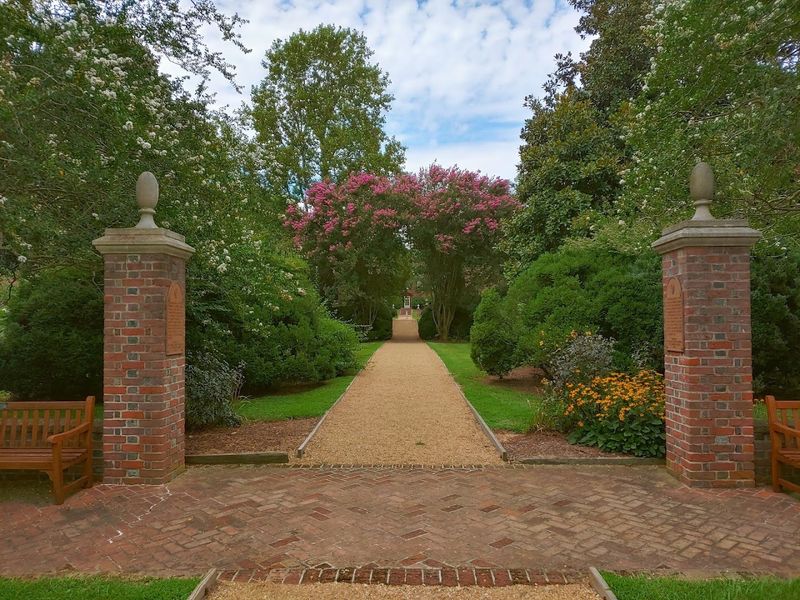
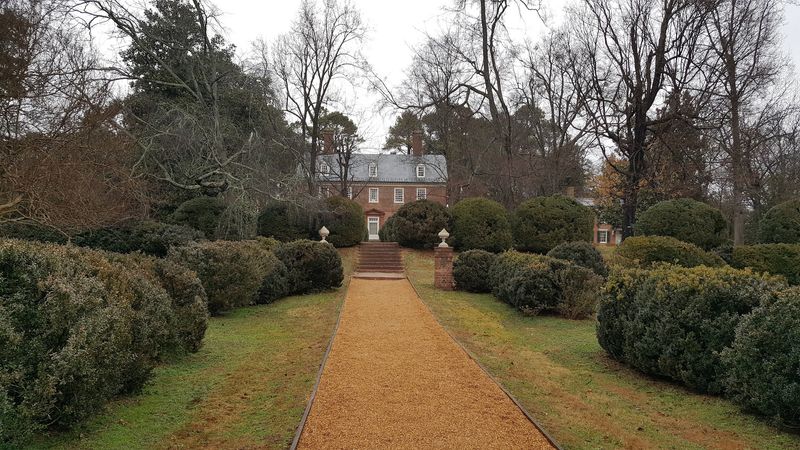
Beyond the mansion walls, Berkeley Plantation unfolds into a series of terraced gardens that feel almost too beautiful to be real. Carefully manicured hedges, seasonal blooms, and gently sloping terraces create a landscape that looks like something out of an 18th-century English painting, which, frankly, was exactly the intention when they were designed.
The gardens follow the natural slope of the land down toward the James River, creating a dramatic visual effect as each terrace reveals a new layer of greenery and color. Cardinalbirds dart through the hedges in remarkable numbers, adding splashes of vivid red that seem almost theatrical against all that green.
Self-guided tours of the gardens are available and genuinely rewarding. There is no rush, no crowd pressure, just you and several acres of meticulously preserved colonial-era landscape.
The gardens at Berkeley Plantation are not merely decorative. They tell their own story about the ambitions, aesthetics, and agricultural knowledge of the families who shaped this land over three centuries.
Photographers, garden enthusiasts, and anyone who simply appreciates beautiful outdoor spaces will find this part of the visit absolutely worth lingering over.
George the Cat, Unofficial Tour Guide Extraordinaire
Every great historic site has a secret weapon, and Berkeley Plantation’s is a black cat named George. Officially, he lives on the property.
Unofficially, he has appointed himself co-tour guide and takes his responsibilities very seriously. George has a habit of joining groups mid-tour, trotting alongside curious visitors as if he personally witnessed all three centuries of this plantation’s history.
His presence adds an unexpectedly charming energy to the whole experience. Children adore him.
Adults who claim not to be cat people find themselves crouching down to say hello. George has become something of a local celebrity, mentioned in countless accounts of visits to the plantation with genuine affection.
Berkeley Plantation leans into the charm of their feline ambassador without making it feel gimmicky. George simply exists here, wandering the same grounds where presidents walked and history was made, entirely unbothered by the weight of it all.
There is something poetic about that. In a place filled with solemn historical significance, a curious, easygoing black cat serves as a reminder that history does not have to be stiff or intimidating.
Sometimes it just purrs at your ankles and leads you to the next garden terrace.
Guided Tours That Actually Keep You Hooked
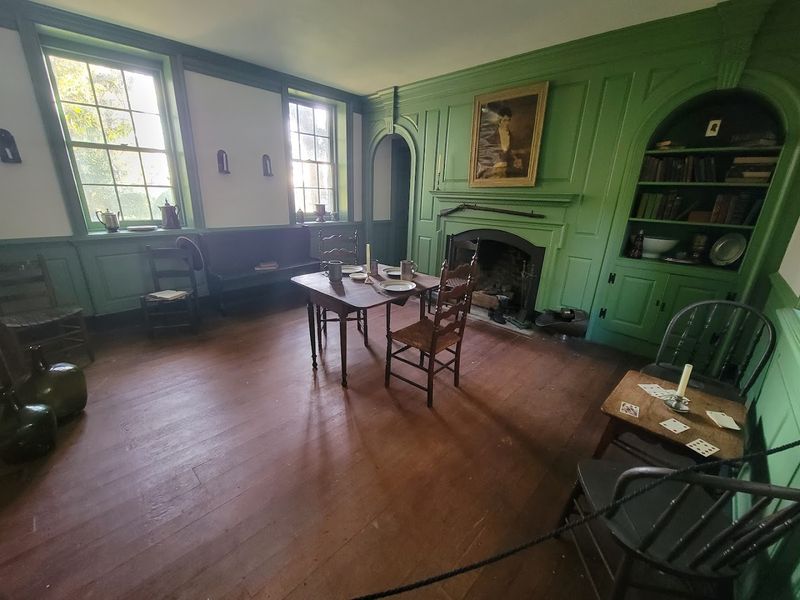
A guided tour is only as good as the person leading it, and Berkeley Plantation has clearly cracked the code on that front. The guides here bring a rare combination of deep historical knowledge and genuine enthusiasm that makes even the most detail-heavy parts of colonial history feel like compelling storytelling rather than a lecture.
Each tour covers an impressive range of topics, from the architectural decisions behind the mansion to the personal lives of the Harrison family, the Civil War occupation, and the first Thanksgiving observance of 1619. The guides field questions with ease and often share details that are not in any standard history textbook, making the experience feel exclusive and memorable.
Tours run throughout the day, and the pace is relaxed enough to allow for real engagement with each room and exhibit. After the house tour, the grounds open up for self-exploration, giving visitors the freedom to process everything they have just learned while wandering the gardens at their own speed.
For history lovers, first-time visitors, and even Virginia locals who think they already know this story, the guided experience at Berkeley Plantation consistently delivers something genuinely surprising and worth the trip.
The Harrison Family Legacy on Full Display
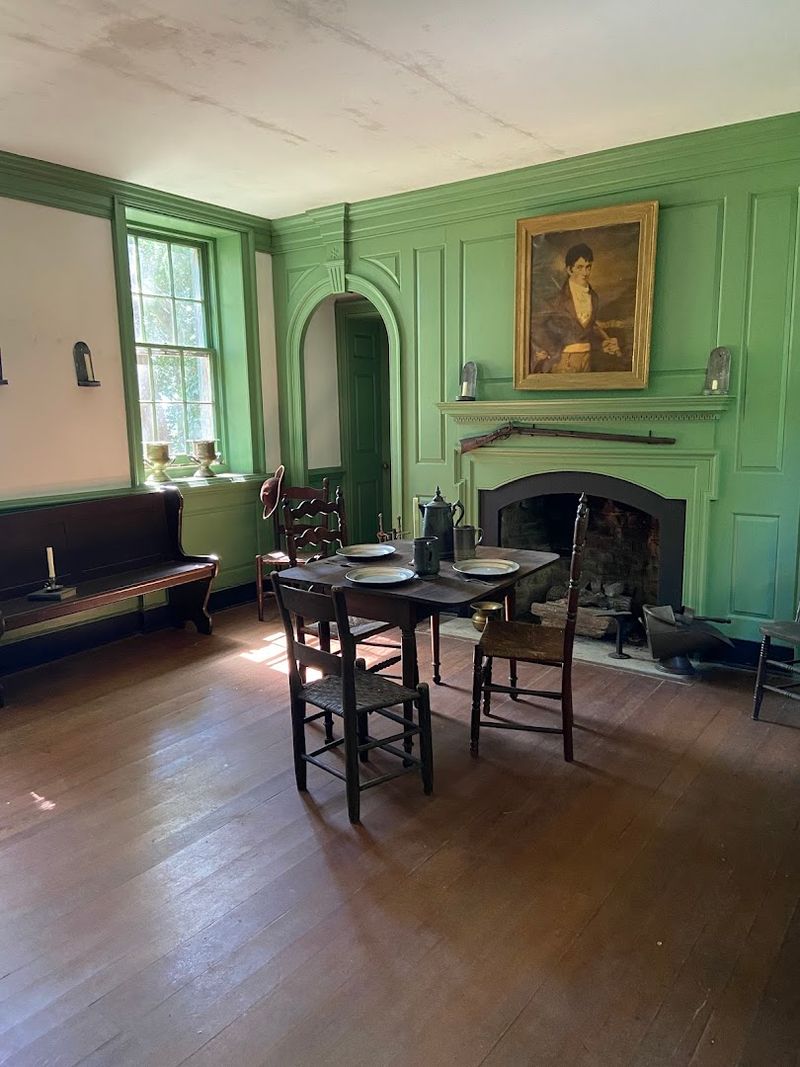
Few American families left a mark quite like the Harrisons of Berkeley Plantation. Walking through the mansion, you encounter their story at every turn, from the portraits on the walls to the personal artifacts that survived centuries of American upheaval.
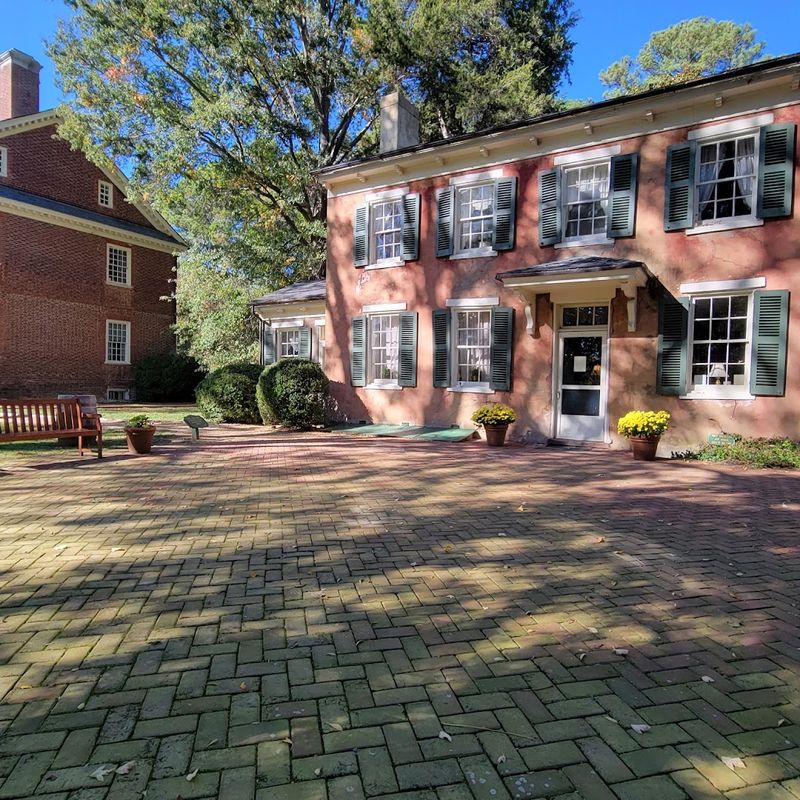
The family tree exhibit, housed in a building near the entrance, is particularly striking and absolutely worth spending extra time with.
Benjamin Harrison V and William Henry Harrison are the headliners, but the full story of this family stretches across multiple generations of Virginia history, touching everything from colonial governance to the American Revolution and beyond. The guides connect these personal narratives to the broader political and social currents of each era with impressive clarity.
What makes the Harrison legacy feel so alive at Berkeley Plantation is the physical presence of their world. The furniture they used, the rooms they occupied, the land they cultivated, all of it remains remarkably intact.
Virginia has done an extraordinary job of preserving this corner of American heritage, and the current owners of Berkeley Plantation have continued that tradition with evident care and passion. History here is not behind glass.
It surrounds you completely, and that makes all the difference.
Plan Your Visit to Berkeley Plantation in Charles City
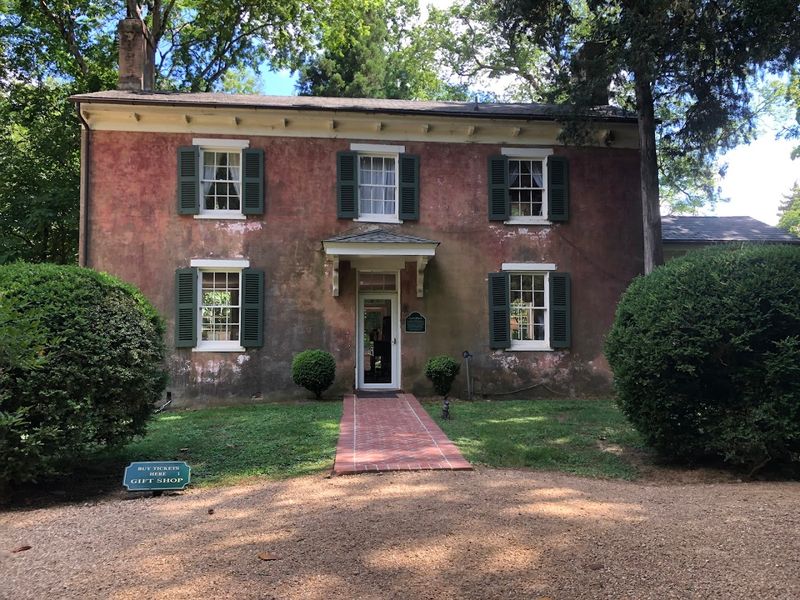
Getting to Berkeley Plantation is genuinely part of the adventure. The drive through Charles City County along Route 5 is one of the most scenic routes in all of Virginia, passing through rolling farmland, ancient trees, and a string of historic plantations that line the James River corridor.
Arriving at Berkeley Plantation feels like crossing into a different time entirely.
The plantation is open daily, with guided house tours available throughout the morning and afternoon. The grounds close in the late afternoon, so arriving earlier in the day gives you the most time to explore both the mansion and the expansive outdoor spaces.
Comfortable walking shoes are genuinely recommended, not just as a suggestion but as a practical necessity for fully enjoying everything the property offers.
Berkeley Plantation sits at 12602 Harrison Landing Road, Charles City, VA 23030, and can be reached at 804-829-6018. More details are available at www.berkeleyplantation.com.
Whether you are a lifelong Virginia history enthusiast or someone who stumbled onto this place by happy accident, a visit here delivers the kind of rich, layered, genuinely surprising American history that makes you want to come back for a second look. Pack your curiosity and go.
