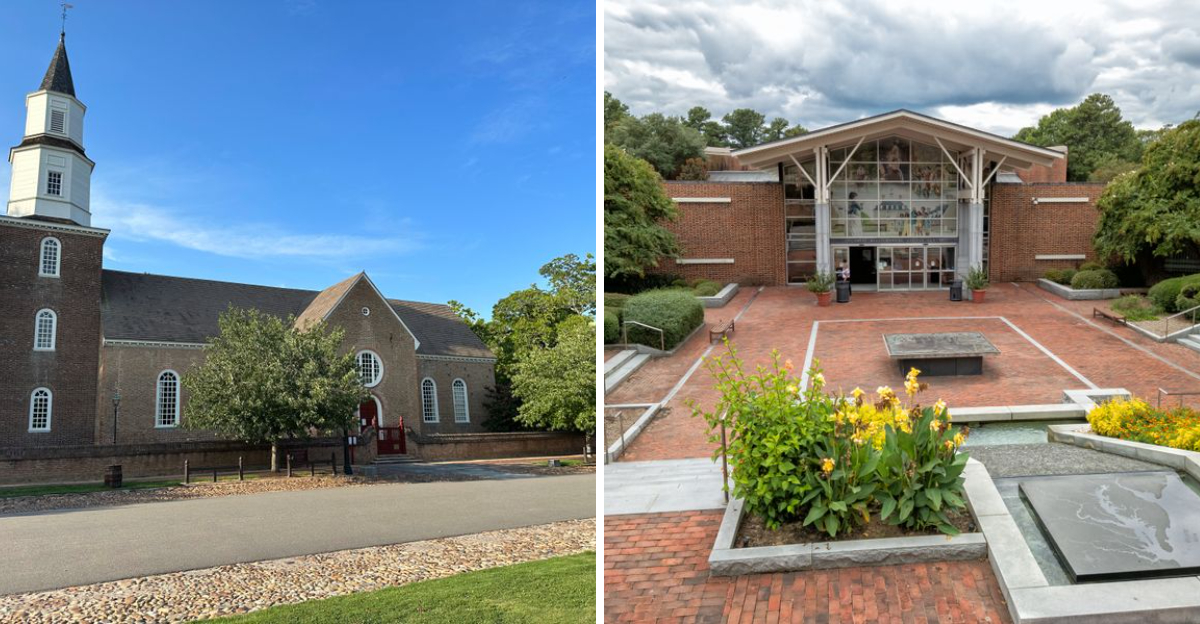
Picture this: cobblestone streets lined with colonial buildings, costumed interpreters spinning tales of revolution, and tourists snapping selfies while locals just want to grab their morning coffee. Colonial Williamsburg sits smack in the middle of modern Virginia, and it’s causing quite the stir.
Some folks absolutely adore this 301-acre living history museum, while others roll their eyes at the whole spectacle. Whether you’re a history buff planning your first visit or a curious traveler wondering what all the fuss is about, this Virginia gem has sparked debates that’ll surprise you.
From parking woes to ghost tour crowds, ticket prices to traffic jams, the tension between preserving the past and living in the present has never been more obvious. Buckle up, because we’re about to explore why this charming slice of the eighteenth century has everyone picking sides.
Parking Fees That Make Annual Pass Holders Grumble
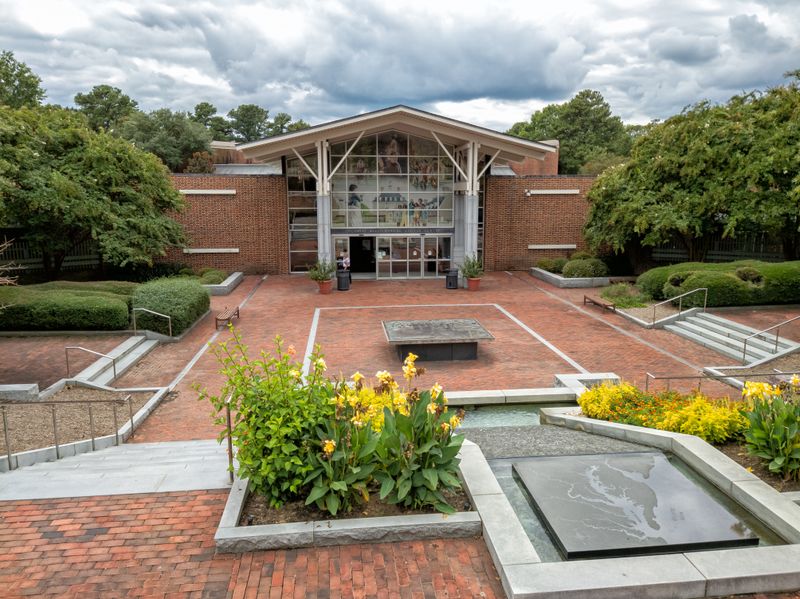
Annual pass holders thought they’d scored the ultimate deal, but then comes the parking punch. Visitors arriving at 101 Visitor Center Dr, Williamsburg, VA 23185 discover that even with their shiny passes, they still fork over parking fees.
Locals with those special Colonial Williamsburg license plates feel especially salty about it.
One reviewer captured the frustration perfectly when they mentioned paying over ten dollars just to park, despite already supporting the foundation through multiple channels. They buy the passes, they purchase the specialty plates that funnel money to the museum, they round up donations at checkout, and then bam, another charge hits their wallet.
Tourists visiting for the first time don’t usually mind because they expect costs at major attractions. Locals who pop over regularly, however, watch these fees add up throughout the year.
The difference in perspective creates an interesting divide between those who see it as a one-time vacation expense versus those calculating annual totals.
Some argue that maintaining the massive visitor center and shuttle system justifies the fee. Others counter that loyal supporters deserve a break.
This seemingly small charge has become a surprisingly hot button issue that splits opinions right down the middle, proving that even parking can spark passionate debate in Virginia’s most historic town.
Character Interactions Gone Wrong
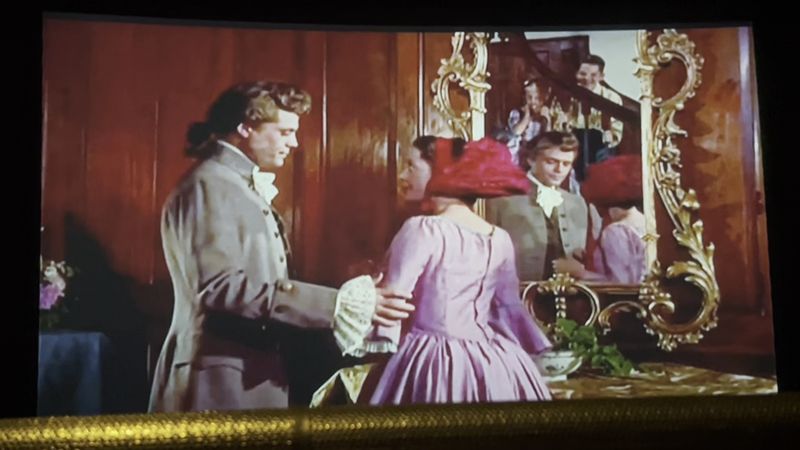
Most costumed interpreters at Colonial Williamsburg bring history to life with warmth and authenticity. They answer questions with enthusiasm, pose for photos, and make the eighteenth century feel accessible.
But every once in a while, things go sideways, and when they do, boy do people remember it.
One visitor shared a jarring experience with a reenactor sitting on the coffeehouse porch who responded to a guest’s friendly question with cutting sarcasm. When someone mentioned that old-style doors can be tricky, they received nothing but an icy glare.
That single interaction left a sour taste despite an otherwise wonderful visit.
Tourists often brush off one bad apple, figuring everyone has off days. Locals, however, hear these stories repeatedly and worry about the museum’s reputation.
They take pride in their town’s historic district and cringe when visitors leave with negative impressions.
Management takes these complaints seriously, as evidenced by their responses promising to address the issues. Most interpreters remain absolutely stellar at their jobs, with Patrick Henry earning rave reviews for his passionate performances.
Still, the occasional grumpy character creates division between those who’ve had perfect experiences and those who haven’t, reminding everyone that even historical role-playing requires consistent professionalism and genuine care.
Ticket Prices Versus Free Wandering
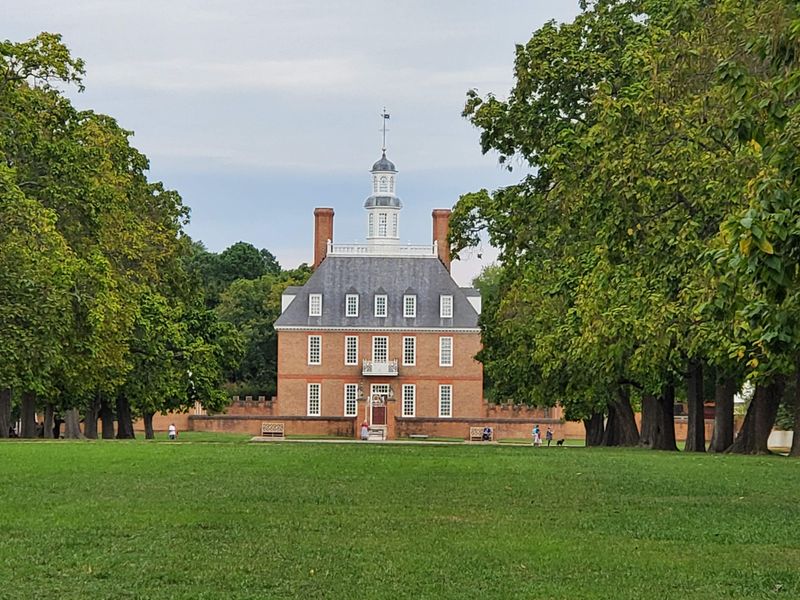
Here’s where things get spicy: you can absolutely wander Colonial Williamsburg without spending a dime. The streets are gorgeous, the exteriors breathtaking, and plenty of outdoor entertainment happens daily.
Tourists on tight schedules often skip tickets entirely and still have fantastic experiences soaking up the atmosphere.
But to actually enter the buildings, meet the trades people, and experience the full immersive magic, you need tickets. Some visitors feel frustrated by this split system, expecting full access when they arrive.
Others appreciate having a free option that lets them test the waters before committing.
Locals understand the system inside and out. They know which buildings fly flags to signal they’re open, where to find the Lumber House Ticket Office, and how to maximize their annual passes during non-holiday periods.
Tourists, meanwhile, sometimes feel blindsided by the ticketing requirements.
The debate boils down to value perception. History enthusiasts gladly pay for multi-day passes because they genuinely can’t see everything in one visit.
Budget travelers argue that living history should be more accessible. Neither side is wrong, but the conversation reveals fundamentally different expectations about what a visit to Virginia’s premier historical attraction should cost and include, creating ongoing tension.
School Groups Taking Over Prime Visiting Times
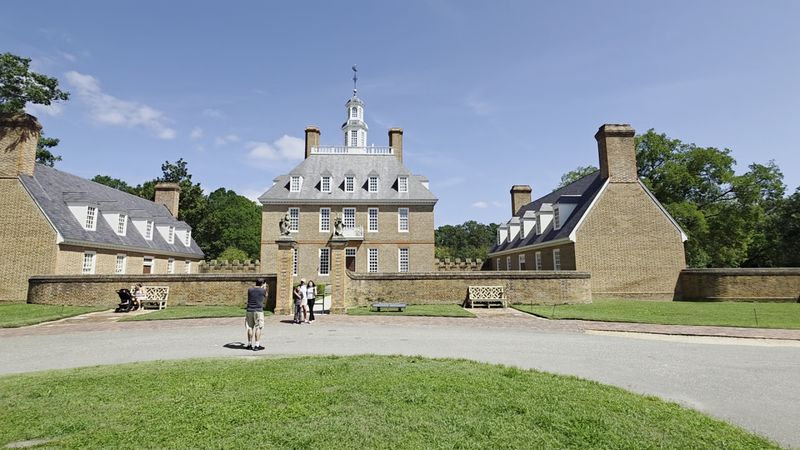
Educational field trips represent Colonial Williamsburg’s core mission, bringing American history to life for young students. Reviewers consistently mention that this place should be required visiting for every child in the country.
The foundation clearly succeeds in its educational goals, which is genuinely wonderful.
However, timing your visit around school groups becomes a strategic game. Weekday visitors often encounter waves of students moving between buildings, filling up tour spaces, and creating that distinctive buzz of youthful energy that can either enhance or detract from your experience.
Parents with young kids sometimes enjoy the company, figuring their children blend right in. Couples seeking quiet, contemplative moments with history find themselves dodging field trip crowds and waiting longer for building access.
One reviewer specifically mentioned keeping away from school groups to maintain their peaceful experience.
Locals know the rhythms and plan accordingly, visiting during off-peak hours or weekends. Tourists booking vacations months in advance have no idea what they’re walking into.
Some find the educational atmosphere charming and authentic. Others feel their vacation got hijacked by someone else’s field trip.
This divide highlights how the same experience can be viewed completely differently depending on expectations and what you’re hoping to gain from your Virginia historical adventure.
Grand Illumination Crowds Versus Everyday Peace
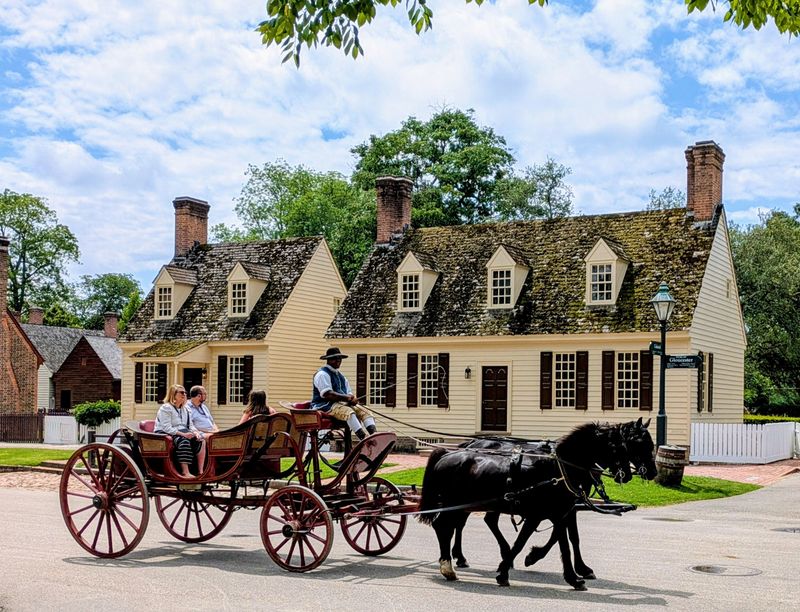
The Grand Illumination events happening the first three Saturdays in December transform Colonial Williamsburg into an absolute spectacle. Cressets blaze to life, fireworks explode over the Capitol and Governor’s Palace, carolers fill the streets, and the whole district glows with festive magic.
Tourists specifically plan trips around these dates.
But here’s the rub: those same events bring absolutely massive crowds. Parking becomes a nightmare, shuttle waits stretch longer, and the intimate historical experience vanishes under the weight of thousands of visitors.
Even the computer systems crashed during one Grand Illumination, leaving guests unable to retrieve their prepaid passes.
Seasonal visitors who only experience Colonial Williamsburg during December think the crowds are just part of the charm. Year-round enthusiasts and locals prefer the quieter months when they can actually have conversations with interpreters and explore buildings without jostling for position.
Both experiences have merit. The holiday programming is legitimately spectacular, with decorations adorning every doorway and window.
The everyday visits offer deeper educational opportunities and genuine connections with the past. This split creates two distinct camps: those who believe Colonial Williamsburg shines brightest during special events, and those who insist the real magic happens during ordinary weekdays when Virginia’s colonial capital feels more authentic and less like a theme park.
Ghost Tours Adding Spooky Controversy
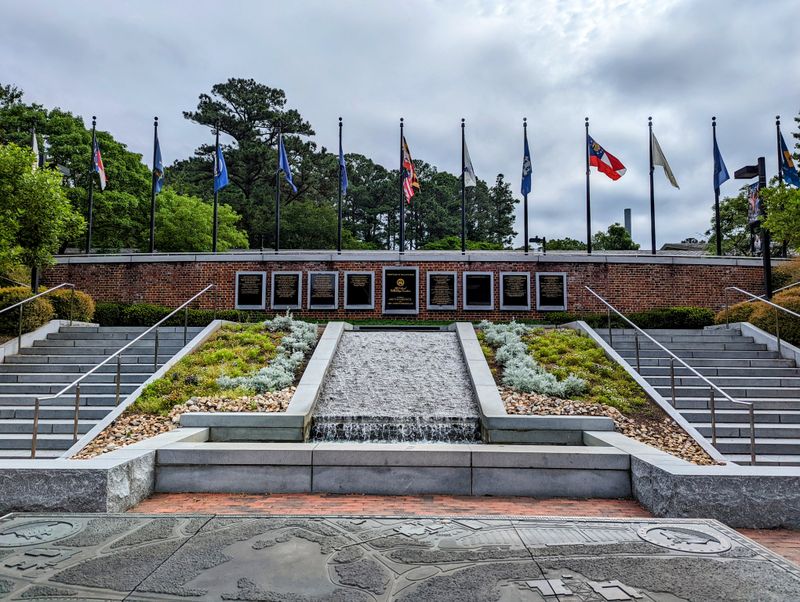
When darkness falls over Colonial Williamsburg, the ghost tours emerge, packed with eager participants hungry for supernatural stories and colonial-era mysteries. These separately ticketed evening adventures have developed cult followings, with reviewers praising the cool stories and wealth of historical information woven into the spooky narratives.
Purists, however, worry that ghost tours cheapen the serious educational mission. They argue that the foundation should focus exclusively on documented history rather than entertaining visitors with paranormal tales.
The debate gets heated in local circles, with some residents feeling their historic district has become too commercialized.
Tourists absolutely eat up the ghost tours, often booking them before anything else. They provide entertainment value beyond traditional museum experiences and appeal to visitors who might not otherwise engage deeply with colonial history.
The tours sell out regularly, proving their popularity.
Supporters point out that ghost stories are themselves historical artifacts, reflecting the beliefs and folklore of different eras. Critics counter that blurring the line between fact and legend undermines educational integrity.
Both sides make valid points, but the controversy persists. Whether you see ghost tours as harmless fun that funds preservation efforts or as problematic gimmicks that distract from real history depends largely on your philosophy about how Virginia’s past should be presented to modern audiences.
Cobblestone Streets Charming Tourists But Challenging Mobility
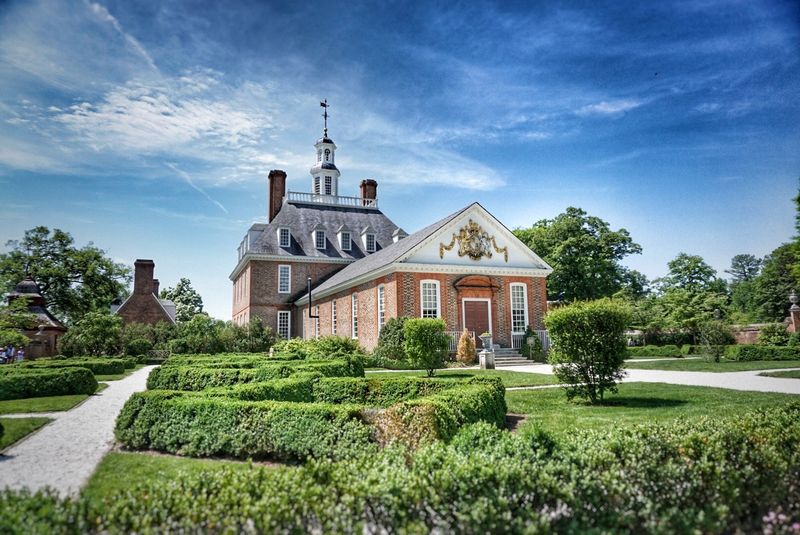
Those gorgeous cobblestone walkways photograph beautifully and create authentic colonial atmosphere. Tourists snap endless pictures of the textured paths winding between historic buildings.
The rustic charm transports visitors straight back to the seventeen hundreds, which is exactly the point.
Multiple reviewers warn about wearing comfortable shoes because those same charming cobblestones become exhausting after hours of walking. Parents pushing strollers discover that some trade shops located downstairs or around back remain completely inaccessible.
Visitors with mobility challenges find navigation genuinely difficult despite the mostly stroller-friendly main areas.
Locals have watched this tension play out for years. They appreciate the historical accuracy but recognize the practical limitations.
Tourists sometimes feel caught off guard, having not anticipated the physical demands of exploring a 301-acre living museum with period-appropriate pathways.
The foundation faces a delicate balance. Installing modern smooth paths would destroy authenticity, but the current setup excludes some potential visitors from full participation.
Some argue that historical preservation must sometimes prioritize accuracy over convenience. Others insist that accessibility should never be compromised.
This ongoing debate reflects broader conversations happening across historic sites nationwide, but in Virginia’s colonial capital, where authenticity is everything, the stakes feel particularly high and the solutions particularly elusive.
Modern Paving On Historic Streets
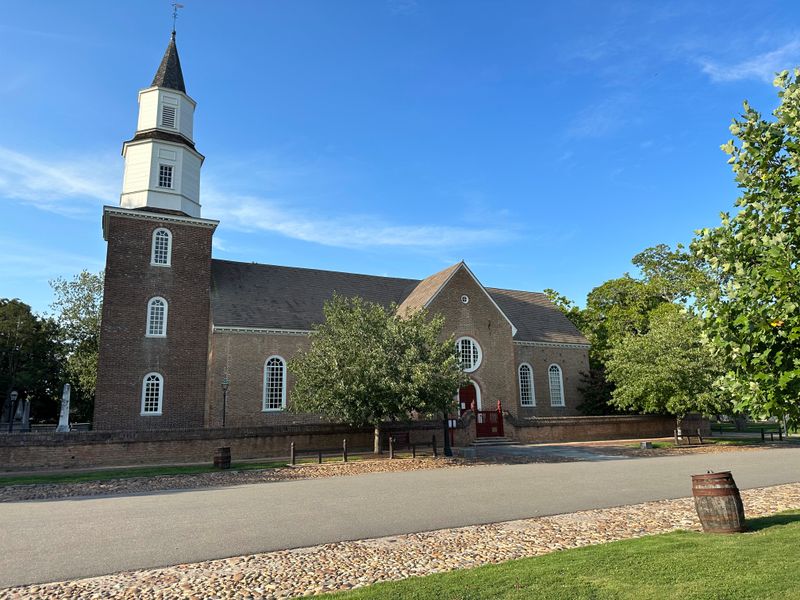
Speaking of walkways, did you know that portions of the main street have been paved? One observant reviewer specifically called this out, warning sticklers for historical accuracy to brace themselves.
For a place built on authenticity, modern paving represents a significant compromise.
Casual visitors barely notice or care. They’re focused on the overall experience rather than pavement composition.
Hardcore history enthusiasts, however, spot these details immediately and feel genuinely bothered by the anachronism. Local history buffs debate whether practical considerations should ever trump period accuracy.
The foundation likely made this decision for sound reasons: improved accessibility, easier maintenance, better drainage, or visitor safety. But they haven’t loudly advertised the change, leaving some guests feeling slightly deceived when they discover it themselves.
This seemingly minor detail actually represents a much larger philosophical question facing all living history museums. How much modern intervention is acceptable when trying to recreate the past?
Where’s the line between necessary adaptation and historical compromise? Some visitors arrive expecting absolute authenticity and feel disappointed by any concessions to modern convenience.
Others recognize that functioning as a contemporary museum requires some practical updates. The paving controversy might seem trivial to outsiders, but within Colonial Williamsburg’s passionate community, it symbolizes the constant tension between preserving Virginia’s colonial heritage and operating a viable twenty-first century attraction.
Trade Shops Not All Open All The Time
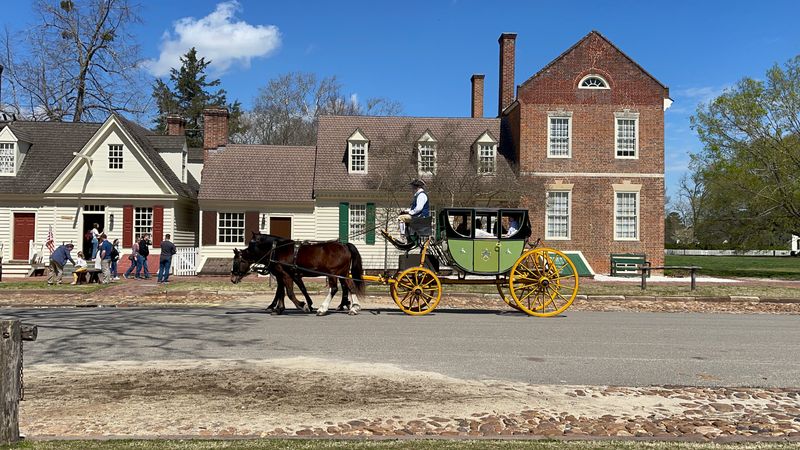
Colonial Williamsburg boasts twenty-six different tradespeople demonstrating everything from blacksmithing to wig-making. Watching these artisans practice historical crafts ranks among visitor favorites.
The coffee roaster offering samples of drinking chocolate or coffee gets particular praise, and many reviewers specifically highlight trade shop visits as their best experiences.
But here’s the catch: not all trades operate simultaneously. Buildings fly flags when open, and daily schedules vary.
First-time tourists expecting full access to every trade shop often discover that several remain closed during their visit. Locals know to check the website calendar beforehand and plan accordingly.
This rotating schedule makes perfect sense from operational and staffing perspectives. Maintaining authentic demonstrations across two dozen locations requires significant resources.
But visitors who’ve paid for tickets sometimes feel shortchanged when their must-see trade shop sits dark and locked.
The information desk at the visitor center provides current maps showing which trades are operating, but many guests skip that orientation and head straight into the historic area. They then wander around playing flag-spotting games instead of following a strategic plan.
Experienced annual pass holders maximize their visits across multiple trips, catching different trades each time. Single-day tourists might miss favorites entirely.
This operational reality creates another division between informed repeat visitors who understand the system and disappointed first-timers who expected everything available at once in Virginia’s celebrated living museum.
The One-Day Dilemma
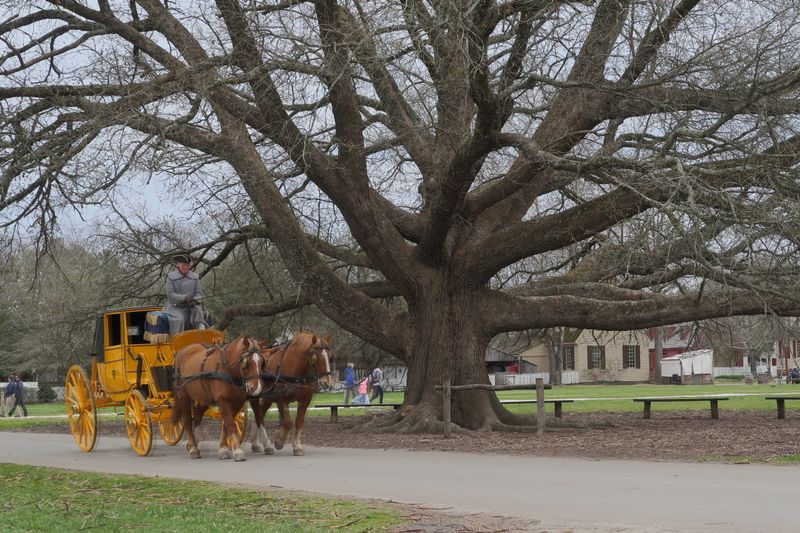
Nearly every five-star review includes some variation of this phrase: one day is not enough. Visitors consistently report spending three full days and still having more to see.
The sheer scope of Colonial Williamsburg overwhelms single-day guests who try cramming everything into a few rushed hours.
Tourists often allocate just one day because they’re juggling multiple Virginia attractions during their vacation. They hit Colonial Williamsburg in the morning, then rush off to Busch Gardens or other nearby destinations.
They leave feeling satisfied but also vaguely aware they’ve barely scratched the surface.
Locals and annual pass holders shake their heads at this approach. They know that truly experiencing Colonial Williamsburg requires time, patience, and multiple visits.
They’ve spent years gradually exploring different corners, attending various programs, and building relationships with interpreters. Their deep, layered understanding comes from repeated exposure.
The foundation encourages multi-day tickets and annual passes, but many visitors simply can’t commit that much vacation time to one attraction. This creates a fundamental divide in how Colonial Williamsburg gets experienced and understood.
Quick visitors get highlights and pretty photos. Dedicated enthusiasts gain genuine historical insight.
Neither approach is wrong, but they produce vastly different takeaways and opinions about whether this Virginia treasure delivers sufficient value and impact for the investment of time and money required to truly appreciate everything it offers.
Dear Reader: This page may contain affiliate links which may earn a commission if you click through and make a purchase. Our independent journalism is not influenced by any advertiser or commercial initiative unless it is clearly marked as sponsored content. As travel products change, please be sure to reconfirm all details and stay up to date with current events to ensure a safe and successful trip.
