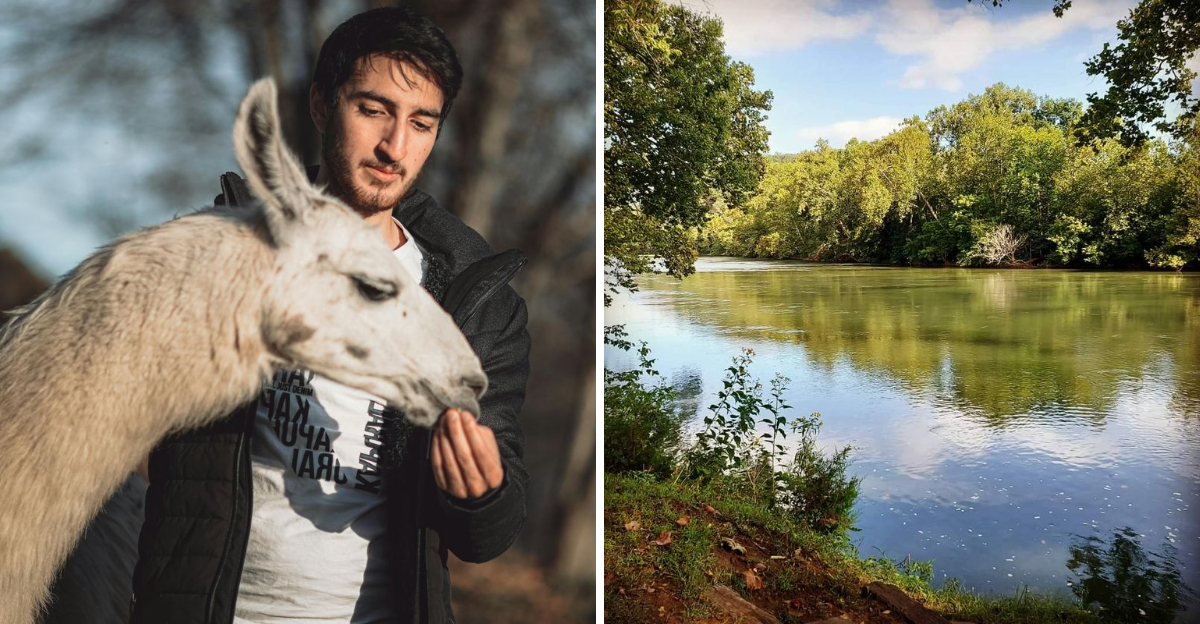
Imagine trekking through rolling green hills with a furry, four-legged companion who carries your gear, stops for selfies, and occasionally hums a tune. That’s right, llama hiking is a real thing, and the Shenandoah Valley in Virginia has become one of the coolest places to try it.
These gentle creatures make hiking more fun, less exhausting, and way more memorable than your average trail walk. Forget what you think you know about outdoor adventures because pairing up with a llama changes everything.
The valley’s stunning landscapes, historic charm, and laid-back vibe create the perfect backdrop for this quirky activity. Families, solo trekkers, and even skeptics find themselves falling head over hiking boots for these woolly trail buddies.
Ready to explore why llama hiking in the Shenandoah Valley should be at the top of your Virginia bucket list? Let’s hoof it.
Meet Your Llama Guide at the Trailhead
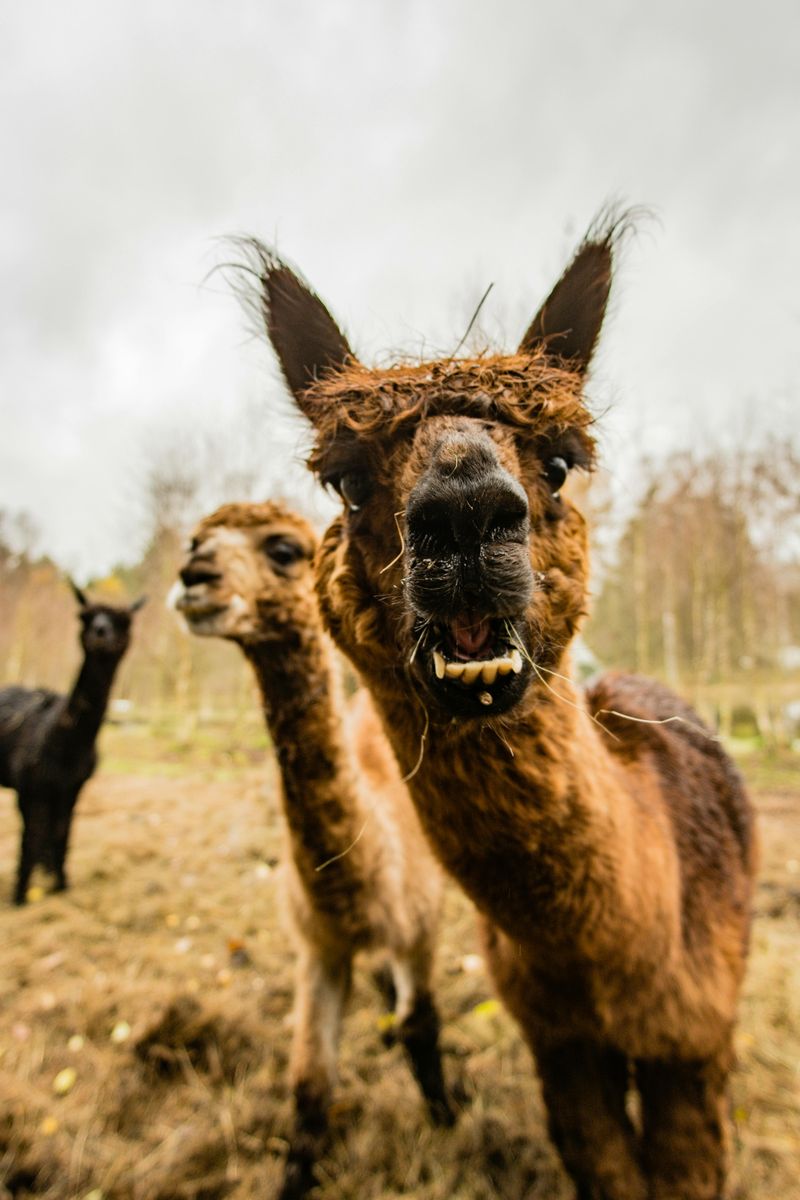
Picture this: you arrive at a peaceful trailhead tucked into the Shenandoah Valley, and there stands your hiking partner for the day, a calm llama with eyes that seem to say, “Let’s do this.” The guides introduce you to these curious animals, explaining their personalities, quirks, and trail manners.
Llamas are surprisingly intelligent and intuitive. They sense your energy and adjust their pace accordingly.
Some are chatty, humming softly as they walk, while others prefer quiet contemplation of the scenery.
Before you set off, you’ll learn how to lead your llama using a simple halter and rope. No experience needed.
These animals are pros at navigating rocky paths, steep inclines, and narrow trails.
The bonding starts immediately. You’ll find yourself talking to your llama, snapping photos, and laughing at their goofy expressions.
It’s impossible not to feel a connection.
Located near Luray and other charming valley towns, these trailheads offer easy access to some of Virginia’s most breathtaking landscapes. The adventure begins the moment you meet your woolly companion.
Llamas Carry Your Gear So You Can Enjoy the View
Forget lugging a heavy backpack up steep inclines. Your llama buddy hauls your water, snacks, extra layers, and camera gear without breaking a sweat.
These animals can carry a surprising amount of weight, making your hike infinitely more comfortable.
Imagine pausing at a scenic overlook, pulling out a picnic lunch from your llama’s saddlebag, and enjoying the view without aching shoulders. That’s the magic of llama trekking.
The guides pack the llamas carefully, balancing the load and ensuring the animals stay comfortable throughout the journey. You’ll notice how effortlessly they navigate rocky terrain, even with full packs.
This setup transforms hiking from a physical challenge into a leisurely exploration. You can focus on the wildflowers, the birdsong, and the stunning valley vistas instead of counting steps until the next rest break.
Families with young kids especially appreciate this perk. Parents can bring everything needed for a day outdoors without turning the hike into a survival march.
The llamas handle the heavy lifting while everyone enjoys the adventure.
Family-Friendly Fun for All Ages
Llama hiking works beautifully for families because the animals naturally slow the pace and add an element of fun that keeps kids engaged. Instead of hearing “Are we there yet?” every five minutes, you’ll hear giggles and excited chatter about the llamas.
Children love leading the llamas, learning their names, and watching them munch on trailside grass. The interactive nature of the experience turns a simple hike into an unforgettable adventure.
Grandparents can participate comfortably too. The trails chosen for llama hikes tend to be moderate, with plenty of opportunities to rest and enjoy the scenery.
The llamas set a gentle, manageable pace.
Guides tailor the experience to your group’s abilities and interests. Whether you want a short nature walk or a longer trek through the valley, they’ll find the right route.
This activity creates lasting memories and photo opportunities that beat any theme park visit. Kids talk about their llama friends for months afterward, and families often return year after year to reconnect with their favorite woolly guides in Virginia’s beautiful Shenandoah region.
Explore Hidden Trails and Scenic Overlooks
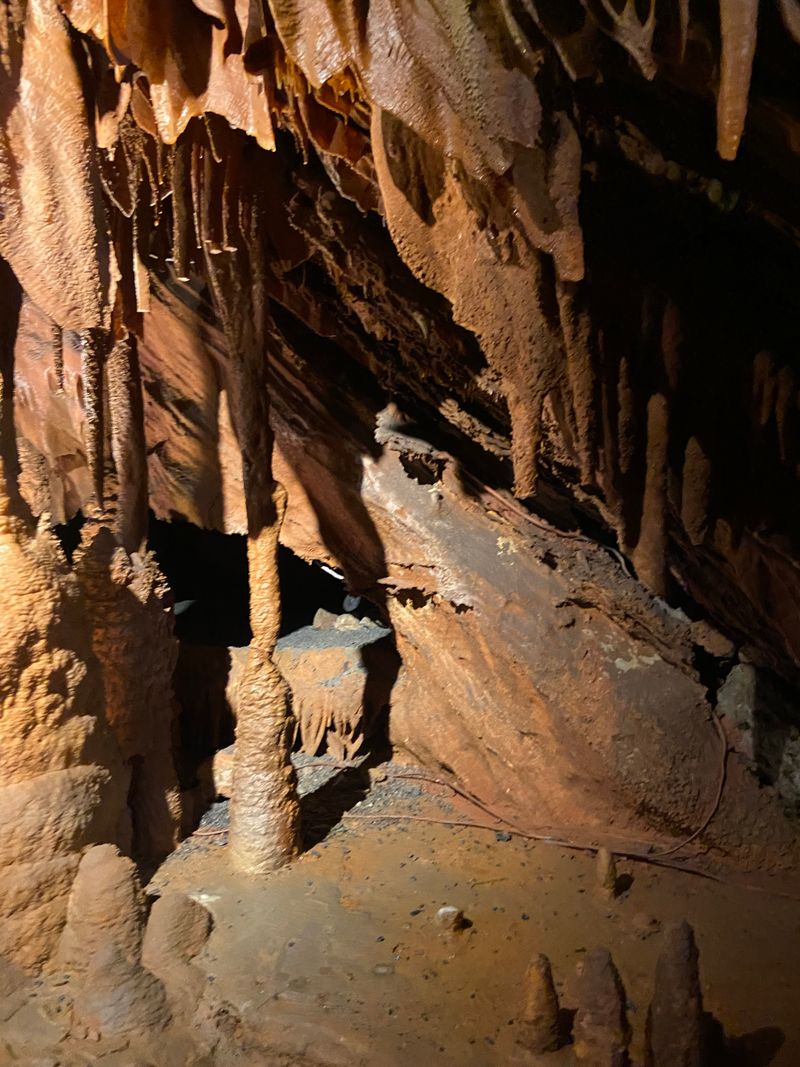
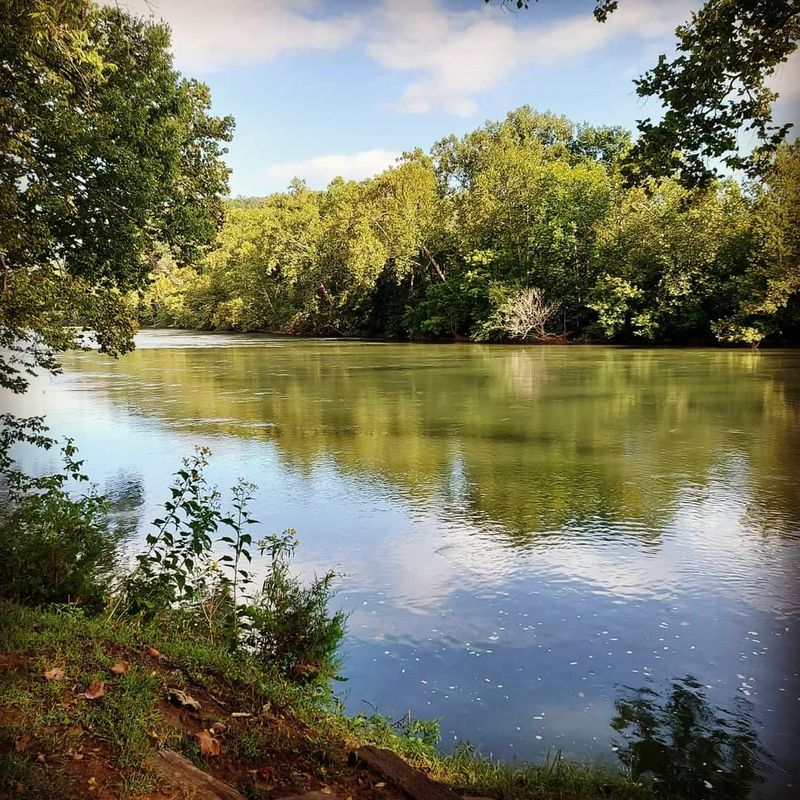
The Shenandoah Valley hides countless trails that most tourists never discover. Llama hiking tours take you to these secret spots, far from crowded parking lots and busy viewpoints.
Guides know the landscape intimately. They’ll lead you to hidden waterfalls, quiet meadows filled with wildflowers, and overlooks that offer jaw-dropping views of the valley below.
Your llama companion adds a unique element to the exploration. Watching these sure-footed animals navigate narrow paths and rocky outcrops is fascinating.
They seem to know exactly where to step, even on challenging terrain.
The valley’s natural beauty shines in every season. Spring brings blooming dogwoods and redbuds.
Summer offers lush green canopies and cool mountain breezes. Fall explodes with color as the leaves turn gold and crimson.
These guided treks reveal the valley’s ecological diversity. You might spot deer, wild turkeys, or colorful songbirds along the way.
The slower pace allows for wildlife watching and nature photography that rushed hikers miss completely. Virginia’s Shenandoah region rewards those who take time to truly see it.
Learn About Llama Behavior and Care
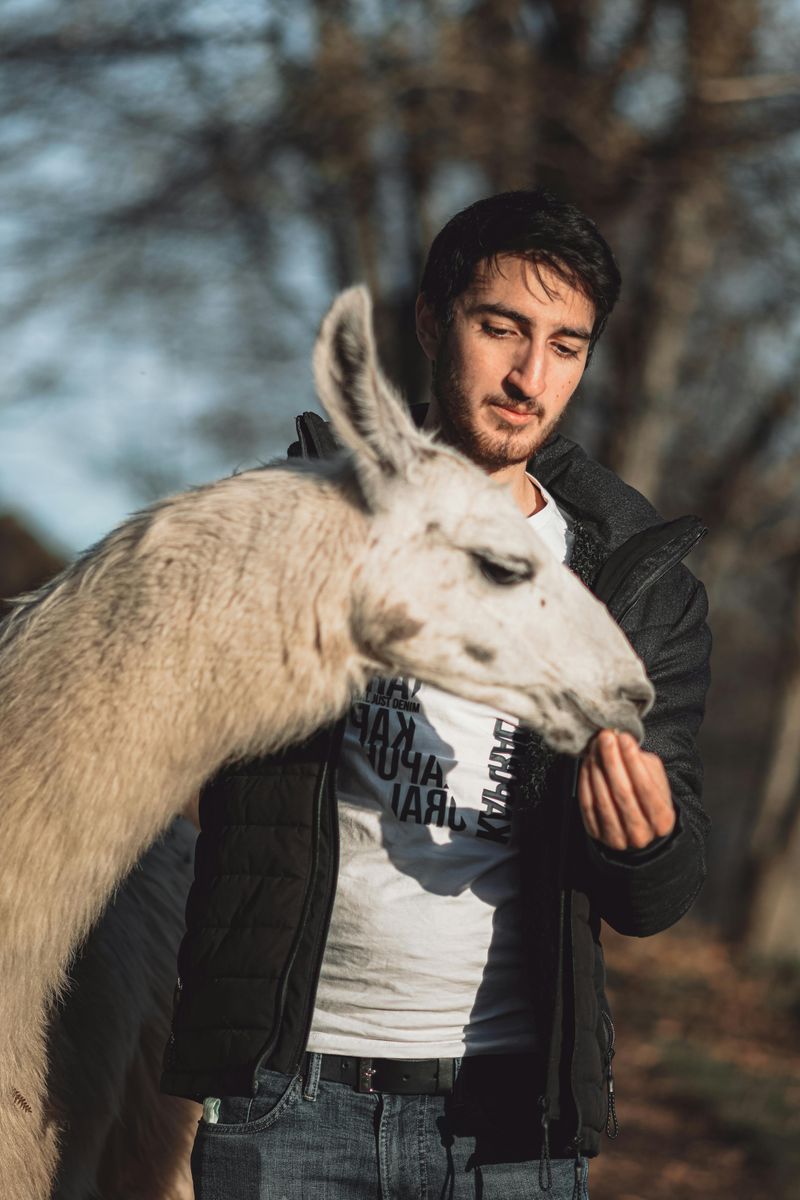
Part of the llama hiking experience involves education. Guides share fascinating facts about these South American natives and how they’ve adapted to life in the Virginia mountains.
You’ll learn that llamas are highly social animals with complex communication systems. Their hums, ear positions, and body language convey specific messages to their herd mates and human companions.
Unlike their camel cousins, llamas rarely spit at people. That behavior is usually reserved for other llamas during disputes over food or territory.
Your hiking buddy will likely be perfectly polite throughout the journey.
Guides explain how they care for their llama herds, including feeding routines, health maintenance, and training methods. Many operations rescue llamas or adopt them from farms where they’re no longer needed.
Children especially love this educational component. They ask endless questions about what llamas eat, where they sleep, and whether they like belly rubs.
The hands-on interaction creates a deeper appreciation for these remarkable animals and the natural world they inhabit in the beautiful Shenandoah landscape.
Perfect Photo Opportunities at Every Turn
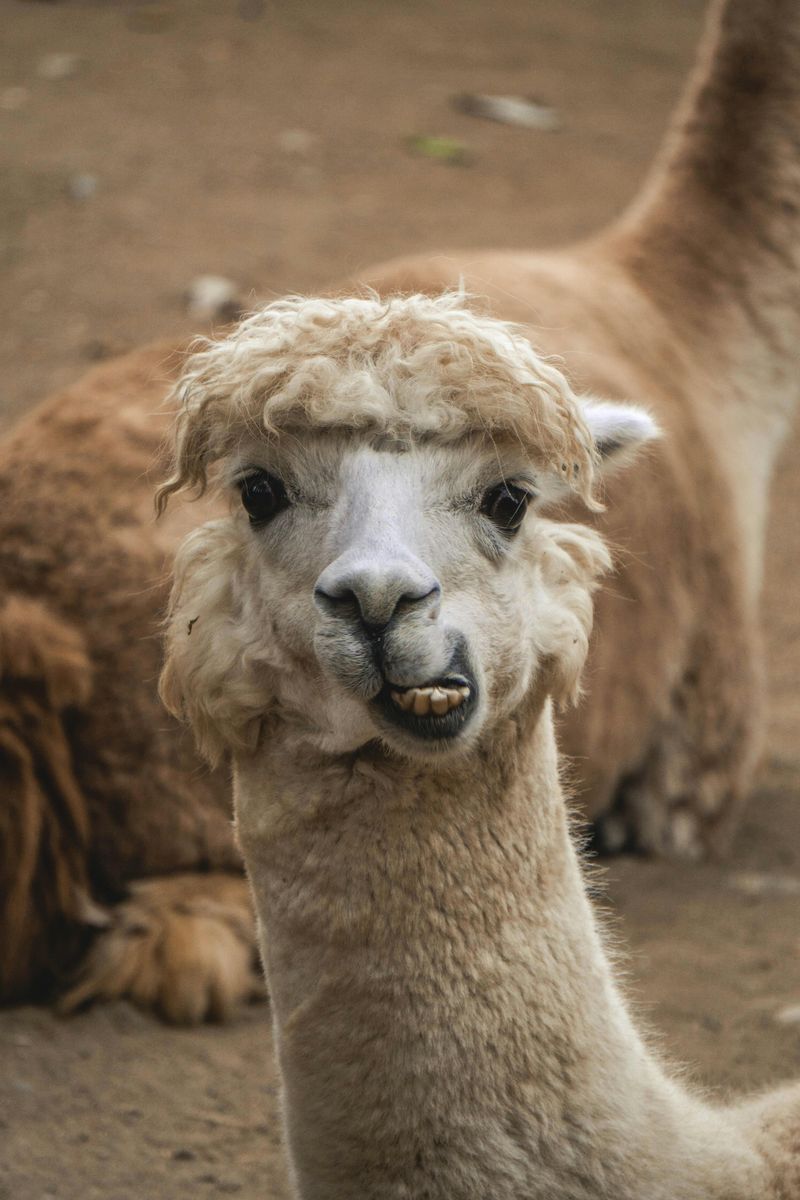
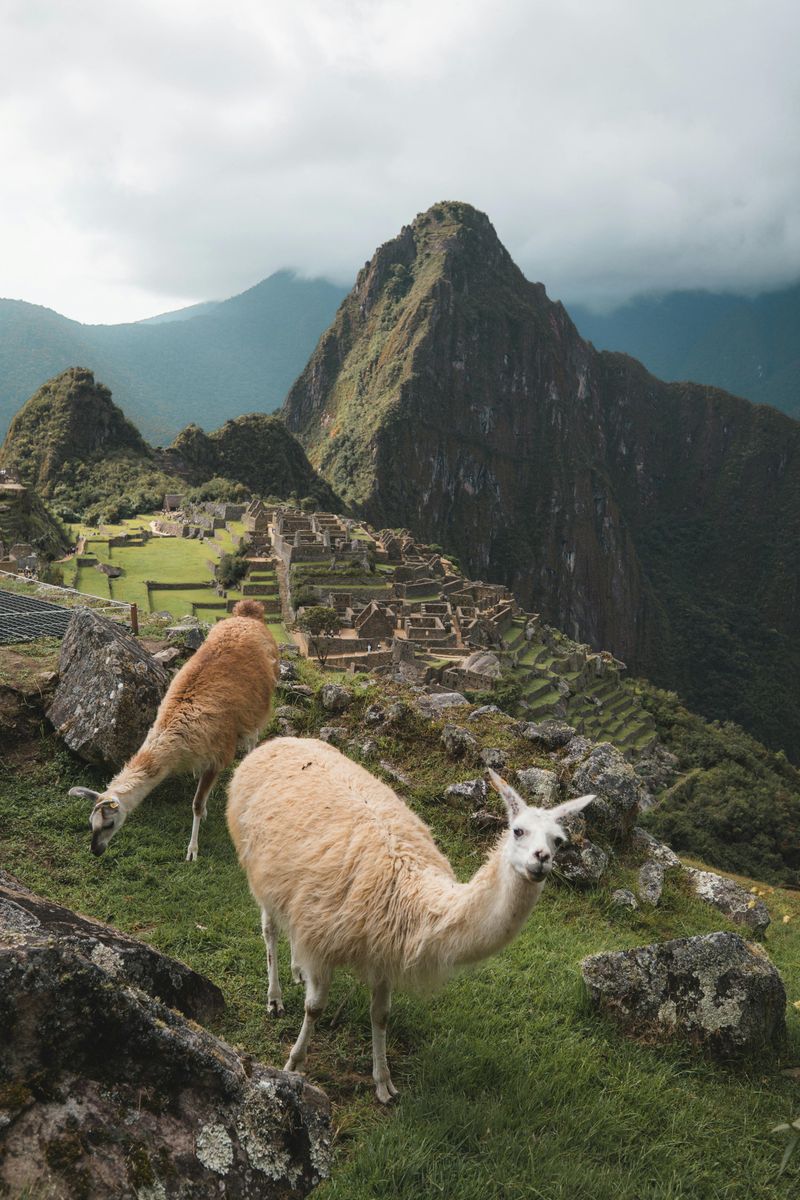
Llamas are ridiculously photogenic. Their expressive faces, fluffy coats, and curious nature create endless photo opportunities that will make your social media followers jealous.
The Shenandoah Valley provides a stunning backdrop for these shots. Imagine your llama framed against misty blue mountains, standing in a field of wildflowers, or pausing at a rocky overlook with the valley spread out below.
Guides are happy to play photographer, capturing your group with your llama companions. They know the best spots for lighting and composition, ensuring you get frame-worthy shots.
Llamas seem to enjoy the camera attention. Many have learned to pose, turning their heads just so or standing still while you snap away.
Their naturally inquisitive expressions add personality to every photo.
Beyond the cute animal shots, you’ll capture memories of a unique adventure. These aren’t typical vacation photos.
They’re conversation starters that showcase your willingness to try something different and explore Virginia’s natural beauty in an unforgettable way. Your photo gallery will tell a story worth sharing.
Therapeutic Benefits of Hiking with Animals
Something magical happens when you spend time with animals in nature. The combination reduces stress, lowers blood pressure, and improves mood in ways that regular hiking alone cannot match.
Llamas have calm, gentle energy that seems to transfer to the humans around them. Their steady pace encourages mindfulness.
You find yourself paying attention to the present moment rather than worrying about tomorrow’s to-do list.
The rhythmic sound of hooves on the trail, the occasional contented hum from your llama companion, and the peaceful valley surroundings create a meditative experience. Many hikers report feeling more relaxed and centered after their trek.
For people dealing with anxiety or depression, animal-assisted outdoor activities offer proven therapeutic benefits. The non-judgmental companionship of a llama provides comfort and connection without the complexity of human relationships.
Families notice that kids who struggle with focus or hyperactivity become calmer and more engaged when leading a llama. The responsibility and connection help them regulate their emotions and energy levels naturally throughout the Virginia mountain adventure.
Support Local Farms and Sustainable Tourism
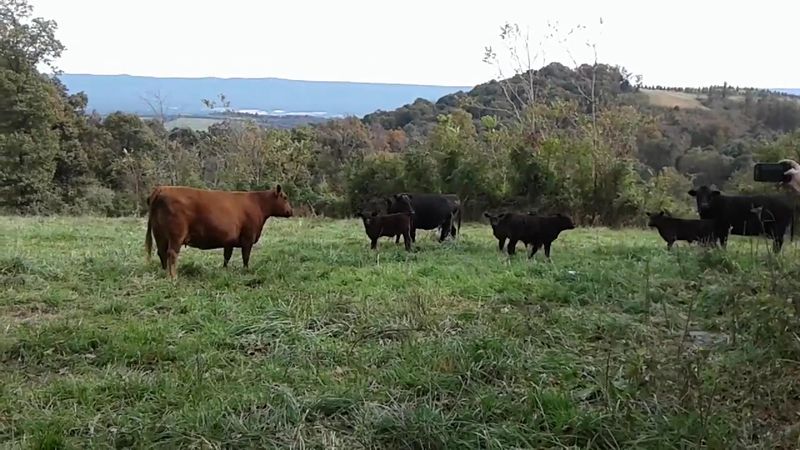
Choosing llama hiking supports small family operations that care deeply about their animals and the land. These aren’t big corporate ventures but passionate individuals who’ve built something special in the Shenandoah Valley.
Many llama trekking businesses operate on working farms where the animals serve multiple purposes. They protect sheep from predators, provide fiber for spinning, and of course, serve as hiking companions for visitors.
Your participation helps keep these farms viable and preserves the valley’s agricultural heritage. As development pressure increases across Virginia, supporting sustainable agritourism becomes increasingly important.
The farms typically practice environmentally responsible land management. They maintain trails, protect watersheds, and preserve habitat for native wildlife.
Your visit contributes to these conservation efforts.
You’ll often meet the farm owners during your trek. They share stories about how they started their operation, introduced llamas to the property, and built their guiding business.
These personal connections make the experience more meaningful than any anonymous tour could offer in this historic region.
Seasonal Adventures Throughout the Year

Llama hiking isn’t just a summer activity. Each season brings unique beauty and different experiences to the Shenandoah Valley trails.
Spring hikes showcase the valley’s awakening. Wildflowers carpet the forest floor, trees burst into bloom, and baby animals make their first appearances.
The llamas seem energized by the fresh green growth and mild temperatures.
Summer offers lush canopy shade and longer daylight hours for extended treks. Early morning or evening hikes avoid the midday heat while providing magical lighting for photos.
Fall transforms the valley into a painter’s palette of golds, oranges, and deep reds. This is peak season for llama hiking, when the weather is perfect and the scenery is absolutely spectacular.
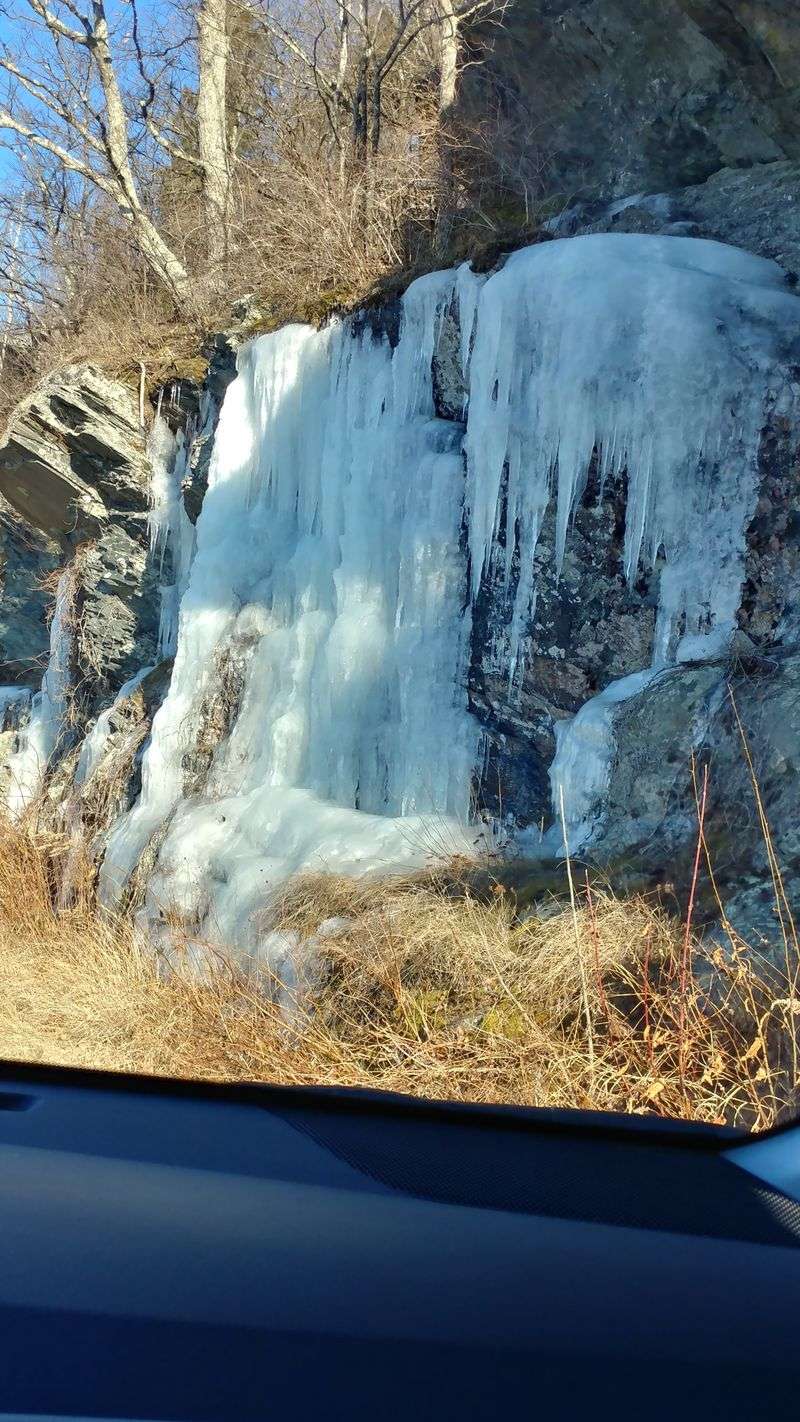
Winter brings a quieter beauty. Snow-dusted trails and crisp air create a peaceful atmosphere.
The llamas’ thick coats keep them comfortable in cold weather, and they seem to enjoy the winter landscape as much as their human companions do throughout Virginia’s mountain seasons.
Dear Reader: This page may contain affiliate links which may earn a commission if you click through and make a purchase. Our independent journalism is not influenced by any advertiser or commercial initiative unless it is clearly marked as sponsored content. As travel products change, please be sure to reconfirm all details and stay up to date with current events to ensure a safe and successful trip.
