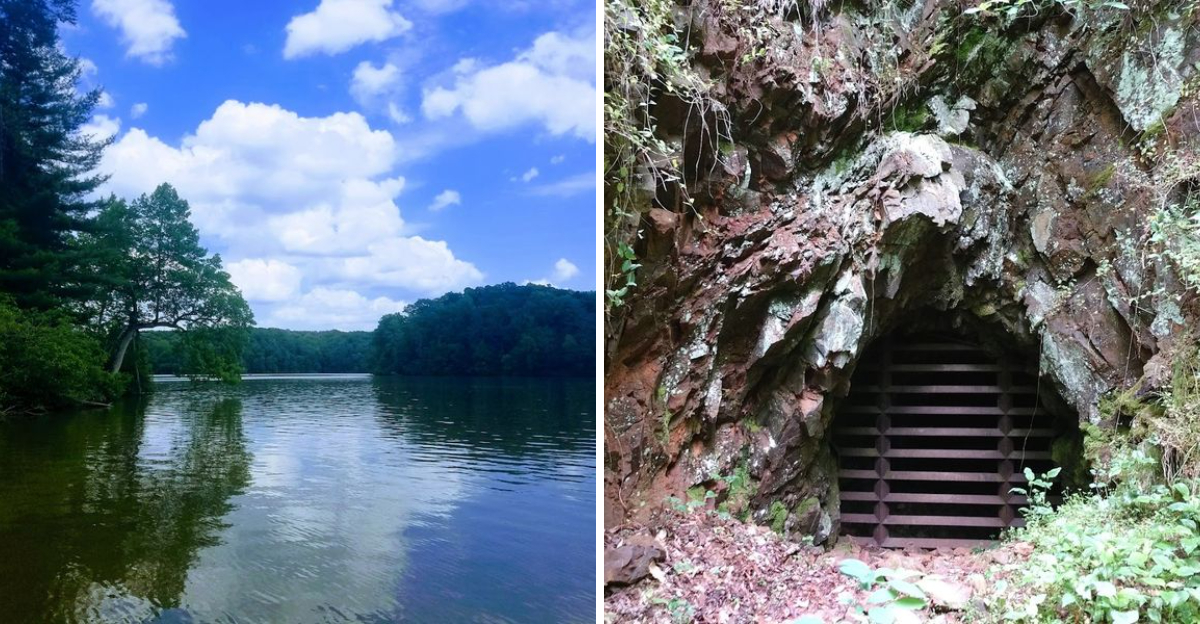
Somewhere beneath the glassy surface of a Virginia lake, an entire town is sleeping. You’re about to read one of the most fascinating and eerie stories in the Commonwealth, a place where history literally sank beneath the water and stayed there.
I stumbled across this spot while road-tripping through Patrick County, and honestly, nothing could have prepared me for how captivating it would be. A booming industrial community that once hummed with miners, loggers, and merchants now rests quietly under a 168-acre lake, and the park built above it is just as spellbinding as the ghost town below.
The Rise and Fall of Fayerdale: A Town That Time Swallowed
Few stories hit quite as hard as a town that went from full throttle to completely forgotten in just a couple of decades. Fayerdale was established around the early 1900s as a working industrial community nestled in the Blue Ridge foothills of Virginia, built to serve the iron ore and timber industries that were booming at the time.
At its peak, the town was genuinely impressive. A train depot connected it to the wider world, while a general store, post office, hotel, school, and various company buildings gave it the full infrastructure of a real, thriving community.
Roughly two thousand people called this patch of Virginia home.
Then came the decline. The iron ore trade dried up, and the local economy crumbled fast.
Residents packed up and moved on, leaving buildings to rot and roads to overgrow. By the early 1920s, Fayerdale was essentially a memory.
What makes this story so gripping is not just the fall, but what happened next. The land was donated to the state, a lake was created, and the remnants of this once-lively town sank beneath the water forever.
How a Newspaper Publisher Turned a Ghost Town Into a State Park
Sometimes the most unexpected people end up writing the most important chapters of history. In 1933, a Roanoke newspaper publisher named Junius B.
Fishburn purchased the land that had once been Fayerdale and made a decision that would shape the region for generations.
Fishburn donated the property to the Virginia State Commission on Conservation and Development, setting into motion the creation of what would become Fairy Stone State Park. The park officially opened in 1936, making it one of Virginia’s earliest state parks and a cornerstone of the state’s outdoor recreation legacy.
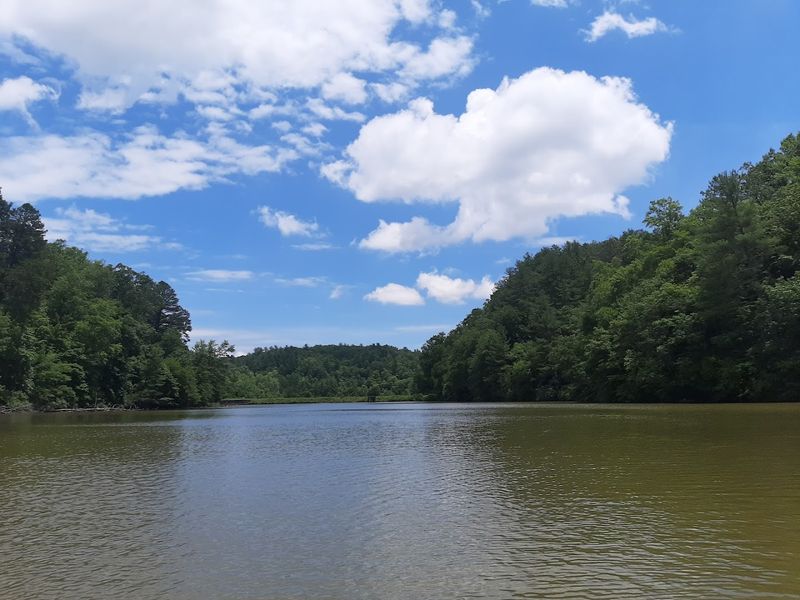
The creation of the lake involved flooding the lowland areas where Fayerdale once stood, which means the town’s foundations, wells, and remnants now lie submerged beneath what is today a beautiful, swimmable, kayak-friendly lake. Fishburn’s generosity essentially preserved the ghost town in the most dramatic way possible, by hiding it underwater.
Walking the park today, it is hard not to feel a sense of awe knowing that a whole community rests just beneath the surface of that peaceful water.
The Civilian Conservation Corps Legacy at Fayerdale Hall
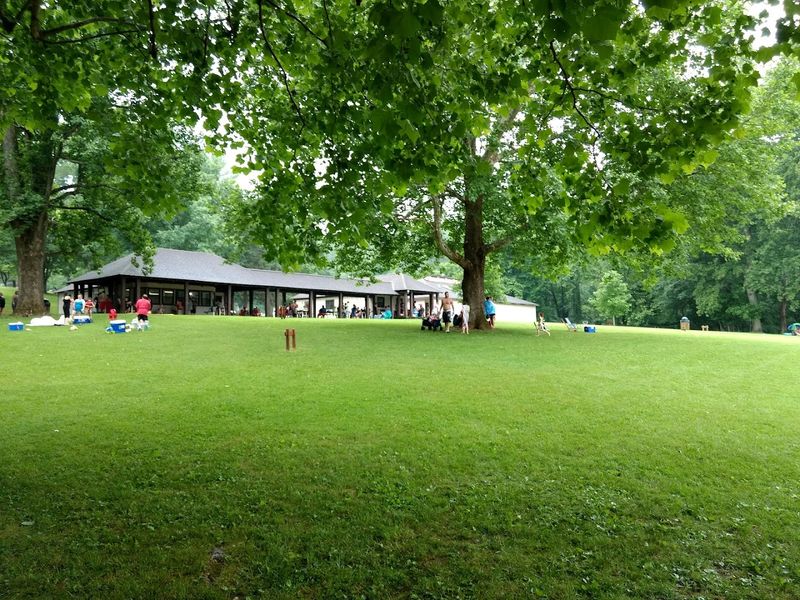
Not everything from Fayerdale’s era was lost to the lake. One of the most striking reminders of the park’s layered history is Fayerdale Hall, a beautifully constructed building that owes its existence to the Civilian Conservation Corps, the New Deal workforce that built much of America’s outdoor infrastructure during the 1930s.
The hall carries that unmistakable CCC craftsmanship, sturdy stonework, heavy timber framing, and a design that feels rooted in the land around it. It sits within the park as both a functional venue and a living piece of architectural history.
Today, Fayerdale Hall serves as a conference and events center, hosting everything from family reunions to weddings.
Speaking of weddings, the space has developed quite the reputation for storybook ceremonies. The hall’s setting within the forested park, combined with its historic bones and the nearby lake, creates an atmosphere that feels genuinely magical.
The building connects the present to the past in a way that few venues can match. Visiting Fayerdale at Fairy Stone State Park and stepping inside the hall is like touching a piece of Virginia’s New Deal history with your own hands.
What Actually Lies Beneath the Lake
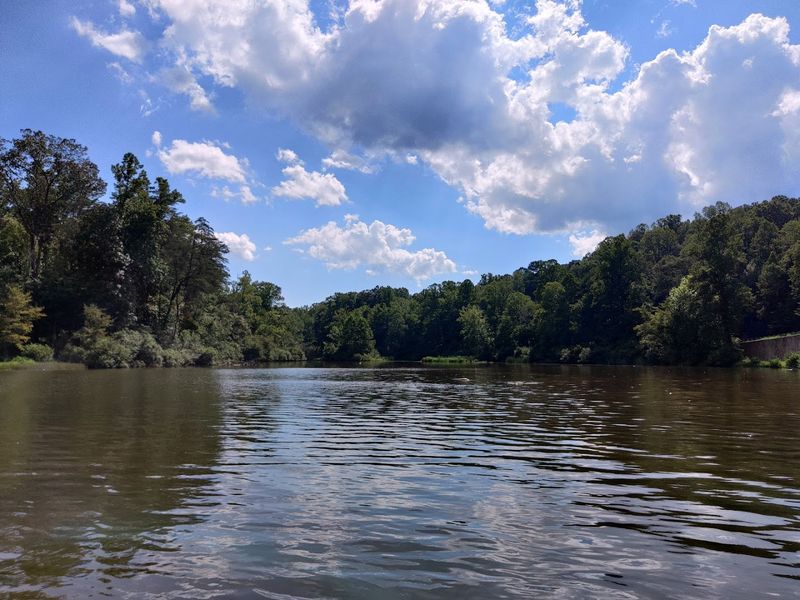
There is something genuinely spine-tingling about paddling across a calm lake knowing that an old town is sitting right beneath your kayak. The 168-acre lake at Fairy Stone State Park was created by flooding the valley where Fayerdale once operated, and the remnants of that community are still down there.
Old foundations, building footprints, and structural remains from the early 1900s settlement are submerged beneath the water. When lake levels drop during certain seasons or maintenance periods, some of these features become partially visible, giving a ghostly glimpse into what was once a living, breathing community.
Anglers and paddlers who spend time on the water sometimes spot old stonework or structural outlines just beneath the surface during low-water periods. It adds a whole other dimension to what would already be a gorgeous recreational lake.
The combination of scenic natural beauty and this hidden historical layer is what makes Fayerdale at Fairy Stone State Park so uniquely compelling. Virginia has plenty of beautiful lakes, but very few with an entire sunken town resting quietly at the bottom.
Fairy Stones: The Legendary Crystals That Named the Park
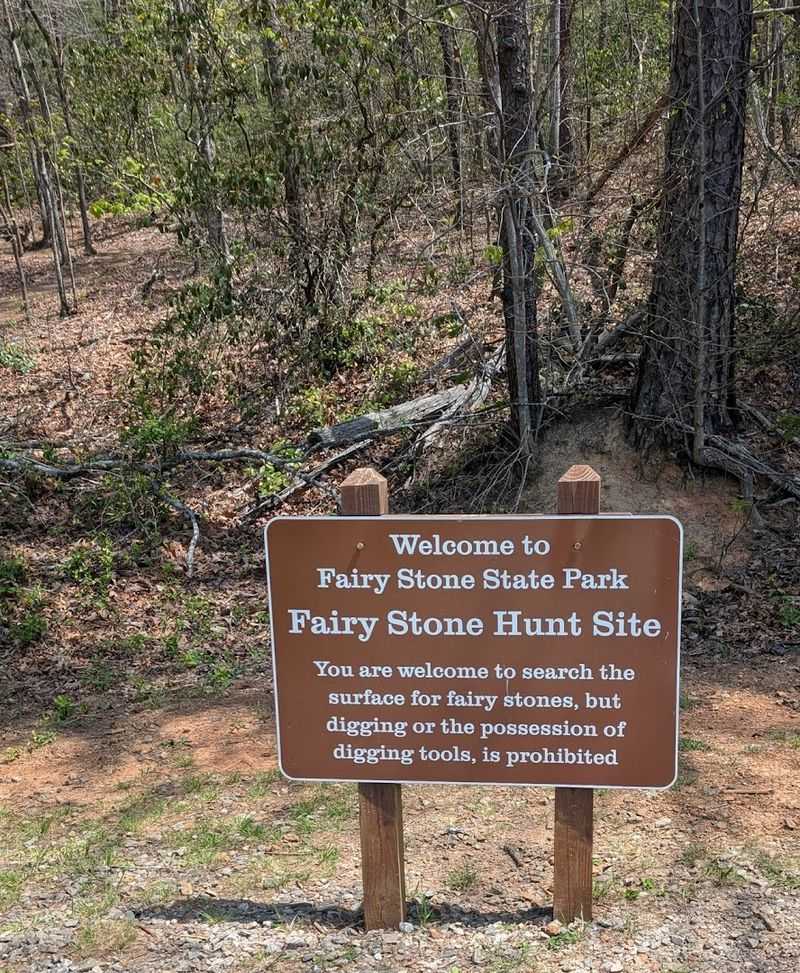
Long before Fayerdale ever existed, the land had another claim to fame. The park takes its name from a remarkable natural phenomenon, the staurolite crystals that form naturally in cross shapes and are found scattered across the hillsides.
Local legend says these are the tears of fairies, crystallized where they fell when the fairies heard sorrowful news.
Science tells a different story, but honestly the fairy version is more fun. These cross-shaped stones form through a geological process where two crystals grow together at specific angles, creating shapes that look almost deliberately crafted.
Finding one on the trail feels like discovering a tiny miracle.
The park has a dedicated fairy stone hunt site where you can search for these little treasures yourself. Rangers are genuinely enthusiastic about helping visitors identify what they find, and the gift shop carries polished examples for those who want to take a piece of the magic home.
Combining the eerie underwater ghost town history of Fayerdale with the whimsical legend of the fairy stones makes this Virginia park one of the most layered and memorable destinations in the entire state.
The Moonshine Murders Program: Where History Gets Spooky
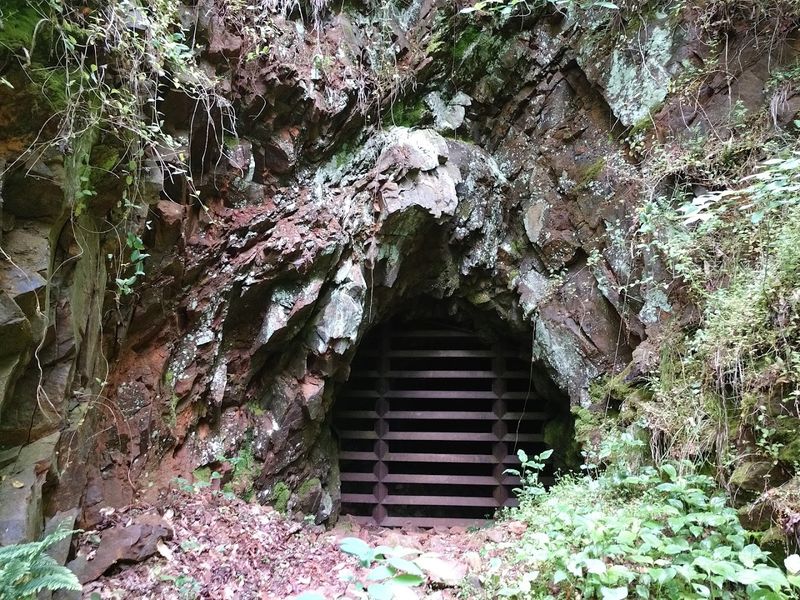
Fayerdale’s story does not end with iron ore and logging. The town had another industry humming in its hills, moonshine production and transport.
When Prohibition arrived and shut down the local distillation operations, it was one more nail in the coffin for the already-struggling community.
The park leans into this dark and fascinating chapter through a ranger-led program called the Moonshine Murders, which explores the tales of moonshining, feuds, and the lawless energy that once crackled through these Virginia mountains. It is exactly the kind of program that transforms a park visit from a pleasant afternoon into something genuinely memorable.
Ranger-led activities at Fairy Stone State Park are consistently praised for being well-researched and enthusiastically delivered. The Moonshine Murders program in particular brings the Fayerdale era to life in a way that no museum exhibit quite can.
Hearing these stories in the actual landscape where they unfolded, surrounded by the same hills and hollows that sheltered illicit stills, gives the whole experience a vivid authenticity. Check the park’s events calendar before your visit to catch one of these programs, because they fill up fast and for very good reason.
Hiking the Trails Above a Sunken World
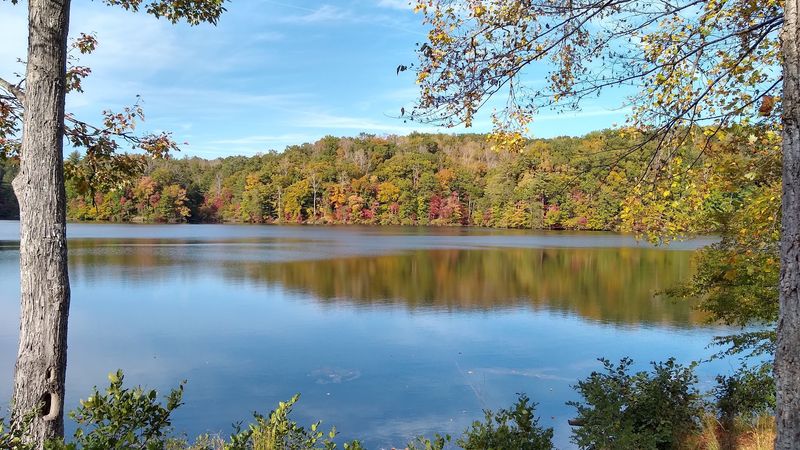
The park sits on over 4,700 acres of Virginia Piedmont landscape, and the trail network above the sunken town of Fayerdale is genuinely impressive. Multiple trails wind through hardwood forests, across ridges, and along the lake’s edge, offering everything from easy family strolls to more challenging ridge hikes.
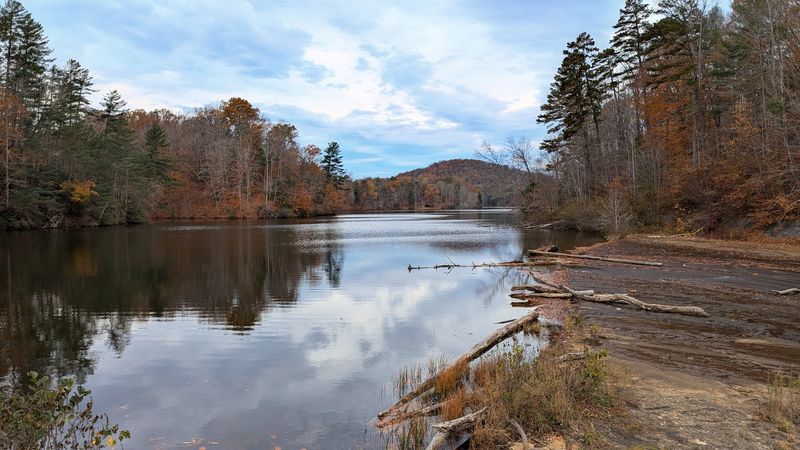
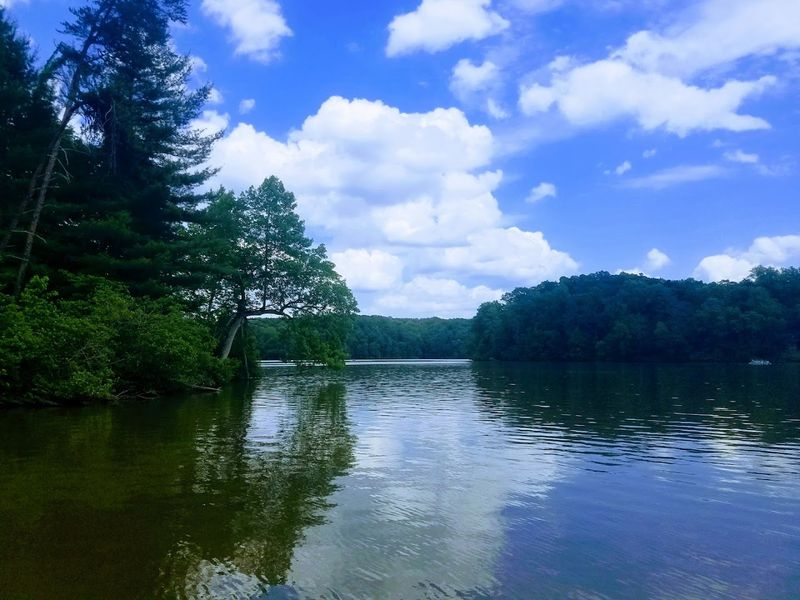
My personal favorite stretch follows the lake shoreline, where you get these gorgeous open views across the water with the forested hills rising on the opposite bank. On a clear morning, the reflections are almost mirror-perfect, and the knowledge that an old town is resting quietly beneath that glassy surface adds a layer of contemplative weight to the whole experience.
Trail conditions are generally well-maintained, and the park staff does a solid job of keeping signage clear and accessible. The trails on the visitor center side of the park are particularly scenic and well-marked.
Birdwatching along the woodland paths is excellent, and deer sightings are common, especially in the early morning. For a destination that carries such a haunting historical backstory, the trails at Fayerdale at Fairy Stone State Park feel surprisingly joyful and alive.
Cabins on the Lake: Sleeping Above History
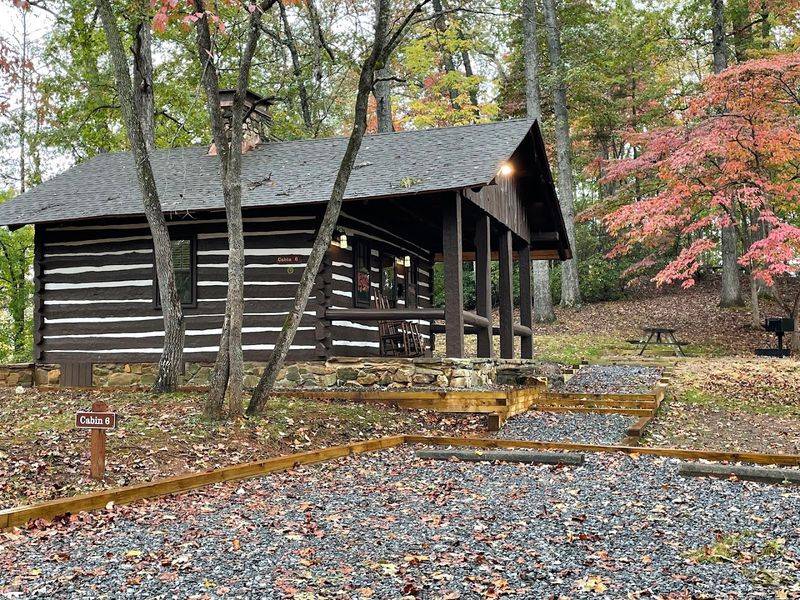
Staying overnight at this park is a completely different experience from just visiting for the day. The cabins sit right on the lake’s edge, and waking up to that still, misty water in the morning, knowing Fayerdale is somewhere beneath the surface, gives the whole stay an almost dreamlike quality.
The cabins themselves have been renovated and are genuinely comfortable, with heating, air conditioning, fireplaces, and full kitchens. They are clean, well-appointed, and cozy in a way that does not feel forced or overly rustic.
One notable quirk is that cell service essentially disappears at the cabin area, which sounds like a problem but quickly becomes the best part of the trip.
Deer wander right up to the cabin porches. The nights are remarkably quiet, broken only by the sounds of the forest.
Sitting by a fire under a sky full of stars, completely disconnected from the digital world, is exactly the kind of reset that a place like this demands. Fayerdale at Fairy Stone State Park is one of those rare spots in Virginia where the accommodation actually enhances the experience rather than just housing you for the night.
The Visitor Center: Where the Fayerdale Story Comes Alive
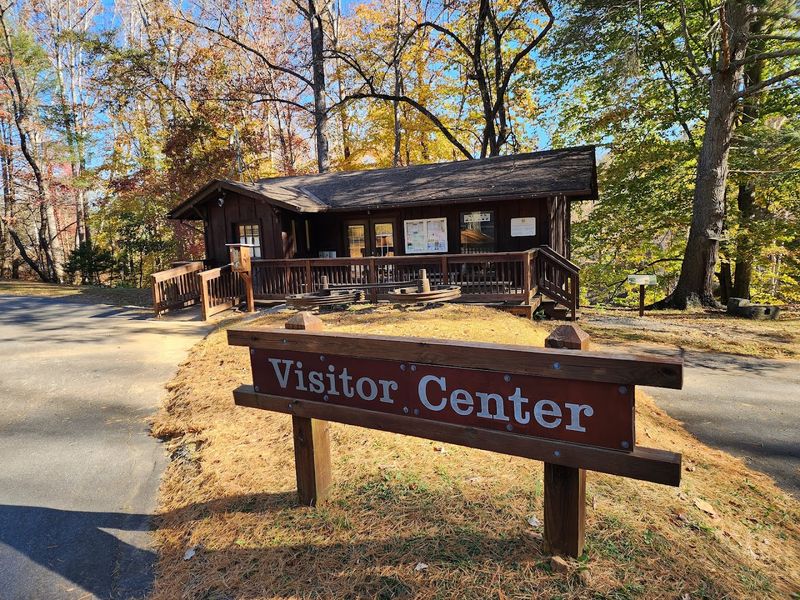
Before heading out to the trails or the lake, the park’s visitor center deserves a proper stop. The exhibits here cover local history, mountain culture, indigenous plants and animals, and the unique geological story behind the fairy stones, but the Fayerdale chapter is the one that genuinely stops you in your tracks.
Photographs, maps, and historical records paint a vivid picture of what this community looked like in its prime. Seeing images of the train depot, the general store, and the hotel that once stood where the lake now sits is a genuinely surreal experience.
It makes the underwater ghost town concept feel real and tangible rather than abstract.
The staff at the visitor center are knowledgeable and clearly passionate about the park’s layered history. They can point you toward the best spots for fairy stone hunting, recommend trails based on your fitness level, and fill you in on upcoming ranger programs.
Even if the building is closed during an off-season visit, the surrounding grounds and trail access near the center are worth the detour. Virginia’s state park system does a remarkable job of honoring these stories, and this visitor center is a prime example of that commitment.
Plan Your Visit to Fayerdale at Fairy Stone State Park
Getting to this corner of Virginia is part of the adventure. The park is tucked into Patrick County, a rural stretch of the state that feels genuinely removed from the hustle of city life.
The drive in through rolling hills and dense forest sets the mood perfectly before you even reach the entrance.
Fayerdale at Fairy Stone State Park is located at 967 Fairystone Lake Dr, Stuart, VA 24171. The park is open year-round, though ranger-led programs and some facilities operate on seasonal schedules.
Checking the Virginia Department of Conservation and Recreation website before your trip is always a smart move to catch current events and any temporary closures.
Spring and fall are particularly spectacular times to visit. The foliage in autumn turns the hills into a riot of color, and the lake takes on an especially moody, atmospheric quality that feels perfectly matched to the ghost town story beneath it.
Pack layers, bring good walking shoes, and leave plenty of time to just sit by the water and absorb the strange, beautiful, haunting history of this one-of-a-kind Virginia destination. Trust me, you will not want to leave in a hurry.
Dear Reader: This page may contain affiliate links which may earn a commission if you click through and make a purchase. Our independent journalism is not influenced by any advertiser or commercial initiative unless it is clearly marked as sponsored content. As travel products change, please be sure to reconfirm all details and stay up to date with current events to ensure a safe and successful trip.
