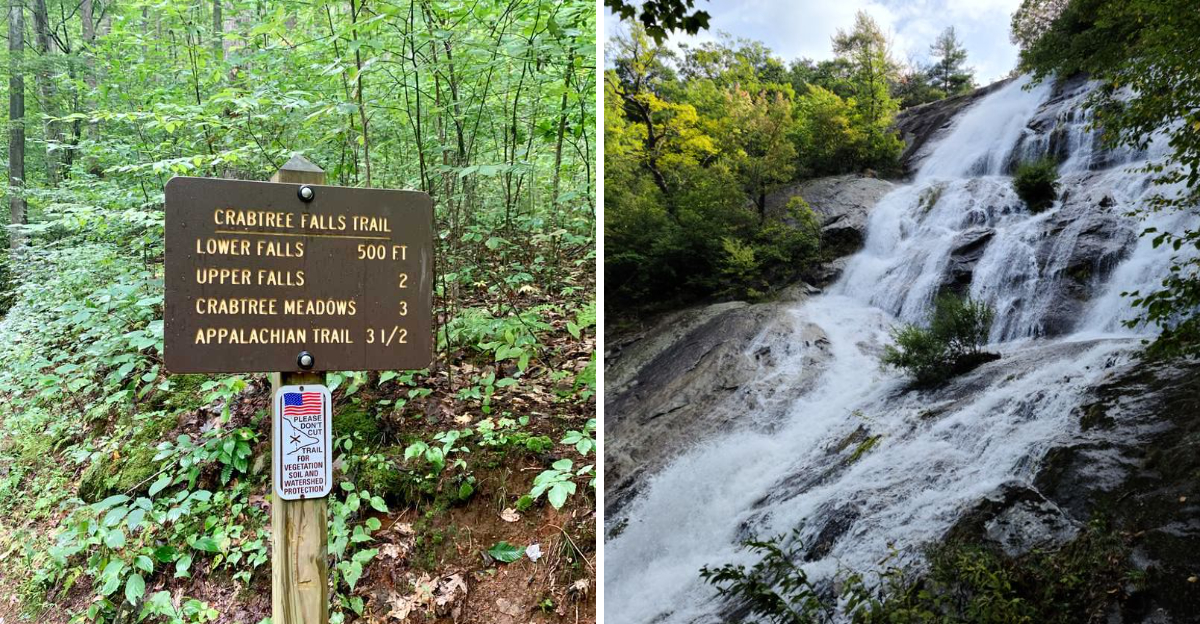
Crabtree Falls used to be one of those magical spots where you could hear nothing but rushing water and rustling leaves. Tucked away in Virginia’s stunning George Washington National Forest, this cascading wonder once offered peaceful trails where hikers could lose themselves in nature’s beauty.
Now? The parking lot overflows, the trails buzz with chatter, and finding a quiet moment feels nearly impossible.
What changed this serene escape into a crowded hotspot? Social media happened.
Instagram posts and viral videos turned this hidden treasure into a bucket list item for everyone within driving distance. The transformation has been swift and dramatic, leaving longtime visitors mourning the loss of tranquility while newcomers flock to snap the perfect waterfall selfie.
Let’s explore how tourism transformed Crabtree Falls and what you need to know before visiting this Virginia gem.
The Parking Lot Nightmare That Greets Every Visitor
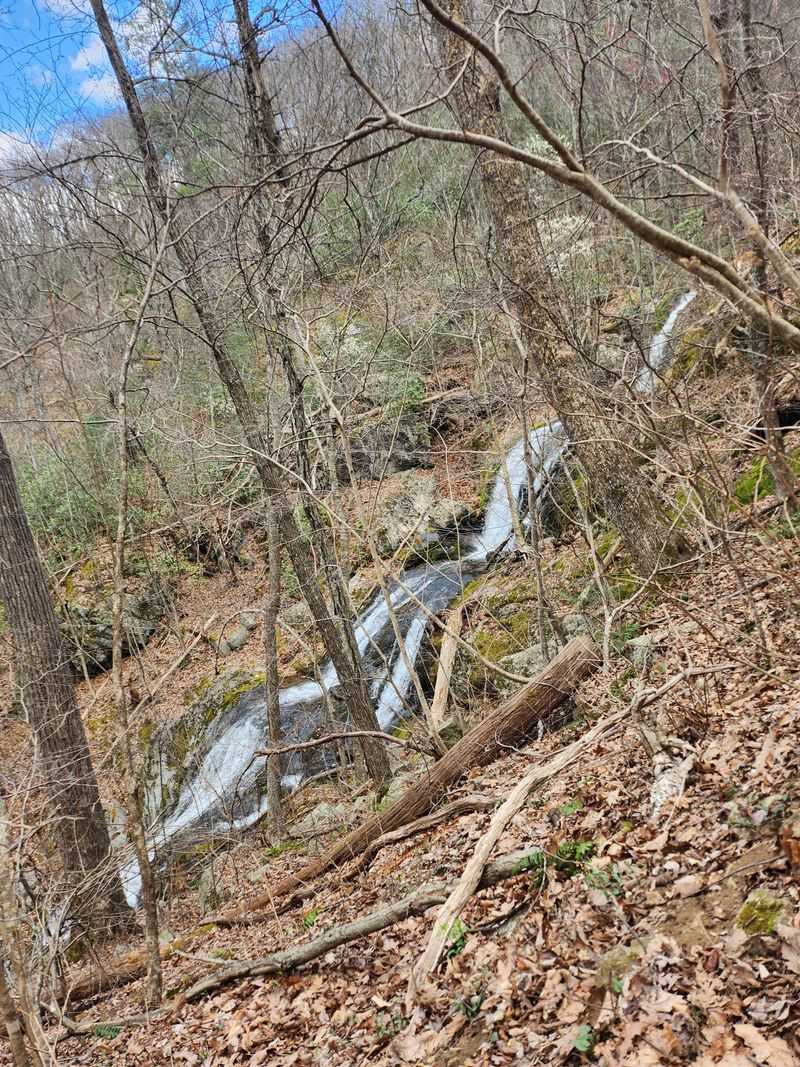
Arriving at Crabtree Falls now means circling a packed parking lot hoping someone leaves soon. Cars line both sides of Crabtree Falls Highway, creating a chaotic scene that feels more city street than mountain retreat.
The original lot was designed for modest visitor numbers, not the crowds that descend every weekend.
Early morning arrivals fare better, but anything past nine o’clock on Saturday guarantees frustration. Visitors park illegally along narrow shoulders, blocking emergency vehicle access and creating safety hazards.
The honor system fee box sits there collecting cash, but enforcement remains minimal despite the overflow.
Local rangers report towing vehicles regularly during peak seasons. Families unload kids and gear while blocking traffic, turning what should be a peaceful start into a stressful ordeal.
The lot accommodates maybe forty vehicles comfortably, yet hundreds arrive daily during fall foliage season.
Planning becomes essential rather than optional. Weekday visits offer breathing room, while weekends require strategic timing or backup plans.
The parking situation alone symbolizes how popularity overwhelmed infrastructure, transforming arrival from anticipation into anxiety before the hike even begins.
Trail Congestion Turns Hiking Into Stop And Go Traffic
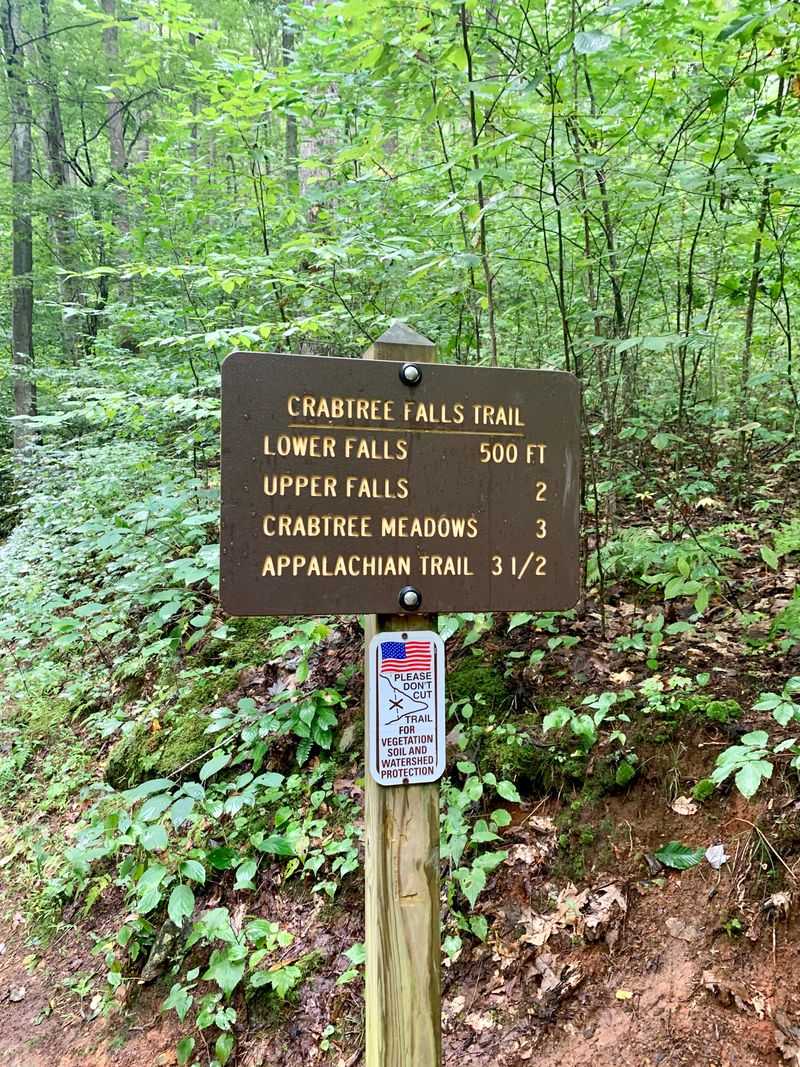
Remember when hiking meant solitude and contemplation? Those days vanished at Crabtree Falls.
The trail now resembles a busy sidewalk, with hikers queuing at viewpoints and bottlenecking at narrow sections. Passing slower groups requires patience as the path barely accommodates two people side by side in many spots.
Families with young children mix with fitness enthusiasts racing upward, creating awkward encounters every few minutes. Dogs on leashes tangle around legs while their owners stop abruptly for photos.
The constant flow disrupts any rhythm you hoped to establish during the climb.
Benches meant for resting become photo shoot locations occupied for extended periods. Groups spread across the trail eating snacks, forcing others to squeeze past or wait.
The natural sounds of cascading water get drowned out by conversations echoing through the forest.
Social distancing made things worse temporarily, but crowds returned stronger than ever. The trail’s popularity means you’re never alone, never experiencing that peaceful connection with nature that drew people here originally.
What once felt like wilderness exploration now resembles theme park queues winding through beautiful scenery.
Instagram Overlooks Where Everyone Stops For The Same Shot
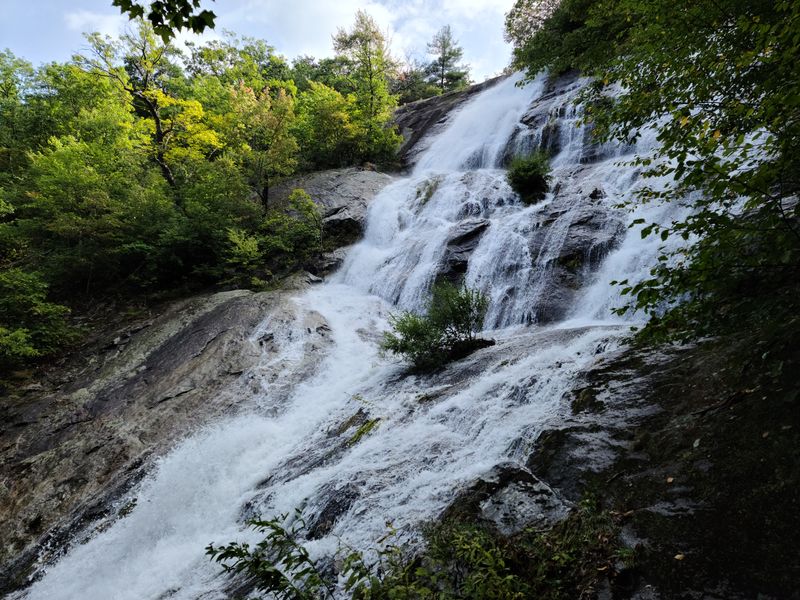
Six designated overlooks punctuate the trail, each offering spectacular waterfall views. Unfortunately, these spots have become Instagram staging areas where hikers camp out perfecting their shots.
The lower overlook, accessible via paved path, sees the worst congestion as casual visitors mob the railings.
Watch people cycle through the same poses, holding up lines of others waiting their turn. Influencers arrive with costume changes and tripods, treating public viewpoints like private studios.
The quest for social media content trumps trail etiquette, with some visitors spending twenty minutes at a single spot.
Authentic moments become impossible when you’re surrounded by selfie sticks and posed jumping photos. The falls cascade beautifully in the background, but foreground chaos dominates the experience.
Rangers occasionally intervene when photo sessions block access completely, but enforcement remains sporadic.
Upper viewpoints offer slight relief simply because fewer people make the full climb. Even there, the most photogenic angles attract clusters of phone wielding visitors.
The irony stings sharply: people come seeking natural beauty, then spend their time staring at screens instead of simply experiencing the waterfall’s majesty firsthand.
Trash And Damage That Loving Nature To Death Creates
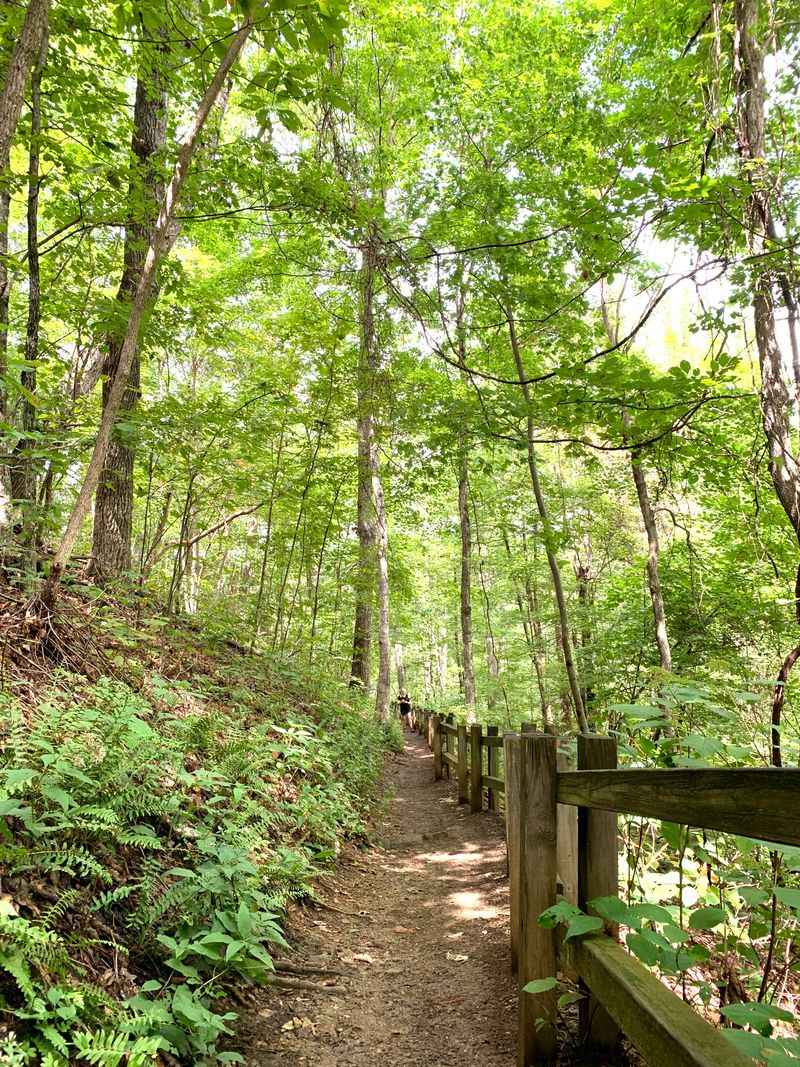
Increased foot traffic brings predictable consequences. Candy wrappers flutter in bushes, water bottles roll down slopes, and toilet paper flowers bloom near the trail where people ventured off path.
The Leave No Trace principle seems lost on many visitors treating the forest like their personal playground.
Carved initials scar trees near popular rest spots. Rocks stacked into cairns litter areas where they don’t belong, disrupting natural drainage patterns.
Vegetation near viewpoints gets trampled as people push past barriers for better angles, creating erosion that worsens with every rainfall.
The primitive restrooms at the trailhead overflow regularly, creating unsanitary conditions nobody wants to encounter. Maintenance crews work constantly, yet they can’t keep pace with the volume of visitors and their careless habits.
Graffiti even appeared on some wooden railings, shocking longtime admirers of this natural treasure.
Wildlife has retreated from areas they once frequented. The constant human presence disrupts ecosystems that took centuries to establish.
Well-meaning visitors feed chipmunks despite posted warnings, creating dependent animals and unnatural behaviors. The cumulative impact of thousands of visitors loving this place threatens to destroy what made it special originally.
The Steep Climb That Challenges Unprepared Tourists
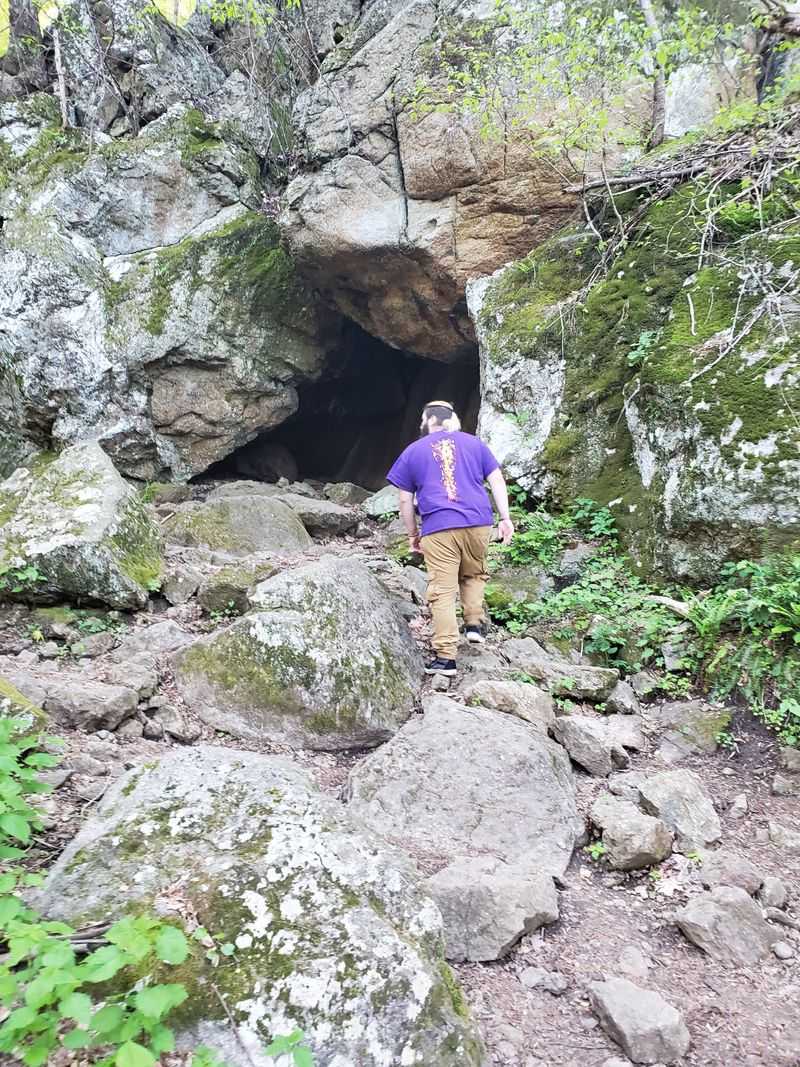
Crabtree Falls trail gains over one thousand feet of elevation across its length. That number doesn’t sound extreme until you’re gasping halfway up, realizing your fitness assessment was overly optimistic.
Newcomers arrive in flip flops and sandals, unprepared for the rocky, root-crossed terrain ahead.
Wooden and stone steps help in the steepest sections, but they also create chokepoints where crowds bunch together. Watching inexperienced hikers struggle upward while blocking passage tests everyone’s patience.
Some turn back after the first viewpoint, having underestimated the commitment required for the full experience.
Dehydration hits unprepared visitors hard, especially during summer months. Emergency calls increase annually as people overestimate their abilities and underestimate Virginia’s heat and humidity.
Rangers conduct rescues for twisted ankles, exhaustion, and heat-related illnesses that proper planning would prevent.
The descent presents its own challenges. Gravity pulls tired legs downward faster than knees appreciate, and loose gravel turns steps treacherous.
Accidents happen when fatigue meets poor footwear on steep slopes. The trail’s moderate rating assumes reasonable fitness and appropriate gear, assumptions many casual visitors don’t meet before attempting the climb.
Seasonal Madness When Fall Colors Draw Maximum Crowds
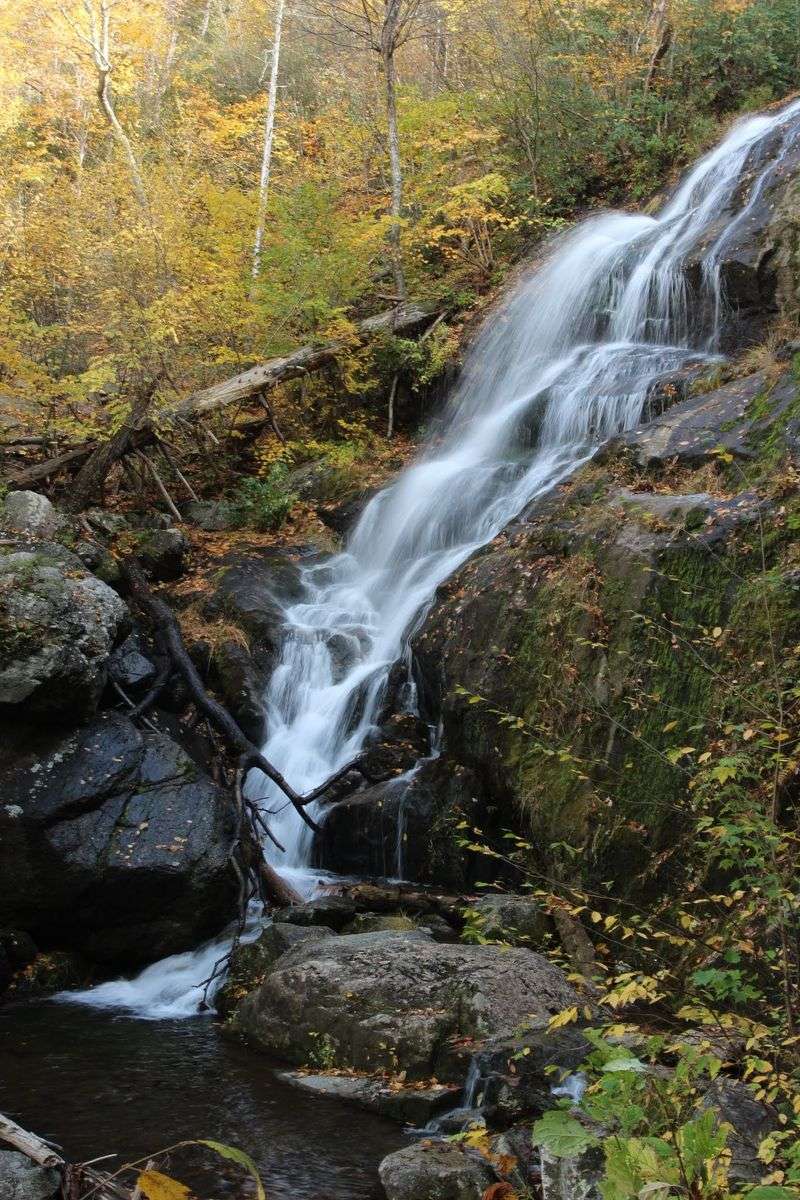
October transforms Crabtree Falls into an absolute circus. The third and fourth weeks bring peak fall colors, drawing visitors from across Virginia and neighboring states.
Parking becomes impossible without arriving before dawn, and the trail resembles a slow-moving parade of leaf peepers clutching pumpkin spice lattes.
Foliage creates stunning backdrops for waterfall views, admittedly. The reds, oranges, and yellows framing cascading water deserve the attention they receive.
But experiencing this beauty while surrounded by hundreds of others diminishes the magic considerably. Quiet contemplation gives way to navigating human obstacles at every turn.
Local residents avoid Crabtree Falls entirely during autumn weekends. They know better than to fight the tourist tsunami that descends when leaves change.
Accommodations in nearby Nelson County book months ahead, with visitors planning fall color trips like military campaigns.
Winter offers the opposite experience, with icy conditions keeping crowds away and providing unobstructed waterfall views. Spring brings wildflowers and higher water flow, yet still attracts fewer visitors than autumn’s peak.
The seasonal disparity highlights how social media trends concentrate impact rather than spreading it throughout the year, intensifying pressure during specific windows.
The Lost Serenity That Once Defined This Hidden Gem
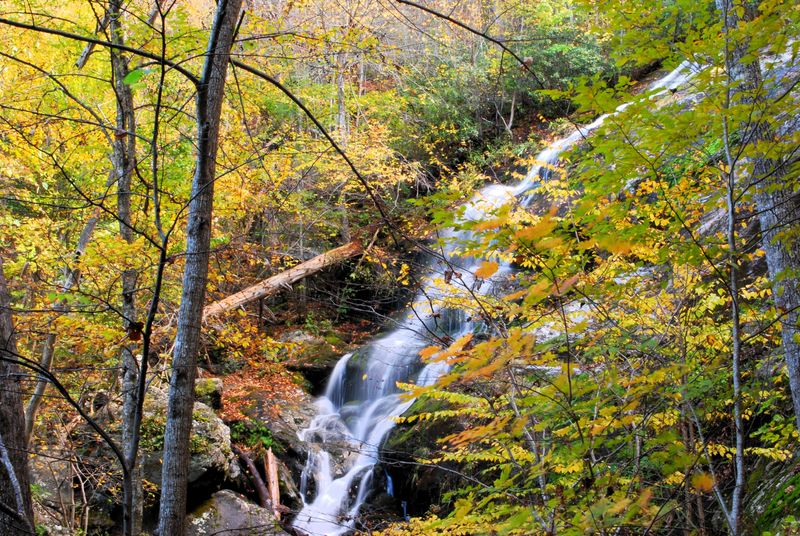
Old timers remember when Crabtree Falls felt like a secret. You might encounter a handful of fellow hikers during an entire visit, exchanging quiet greetings before continuing in solitary contemplation.
The falls sang their ancient song without competition from human voices, and wildlife appeared regularly along the trail.
Mornings brought mist rising from the cascades, creating ethereal scenes that felt almost sacred. You could sit at an overlook for an hour without interruption, simply absorbing the power and beauty of water carving its path through stone.
Those moments of connection with nature fed souls in ways our distracted modern world rarely permits.
The transformation happened gradually, then suddenly. Each viral post brought new visitors who shared their own posts, creating exponential growth that infrastructure couldn’t accommodate.
What took decades to remain relatively unknown disappeared in just a few years of social media saturation.
Some argue increased visitation helps fund maintenance and conservation. That’s partially true, though the modest parking fees barely cover damage repair costs.
Others counter that loving something to death isn’t love at all. The debate continues while Crabtree Falls struggles under the weight of its own popularity.
Safety Concerns From Overcrowding And Risky Behavior
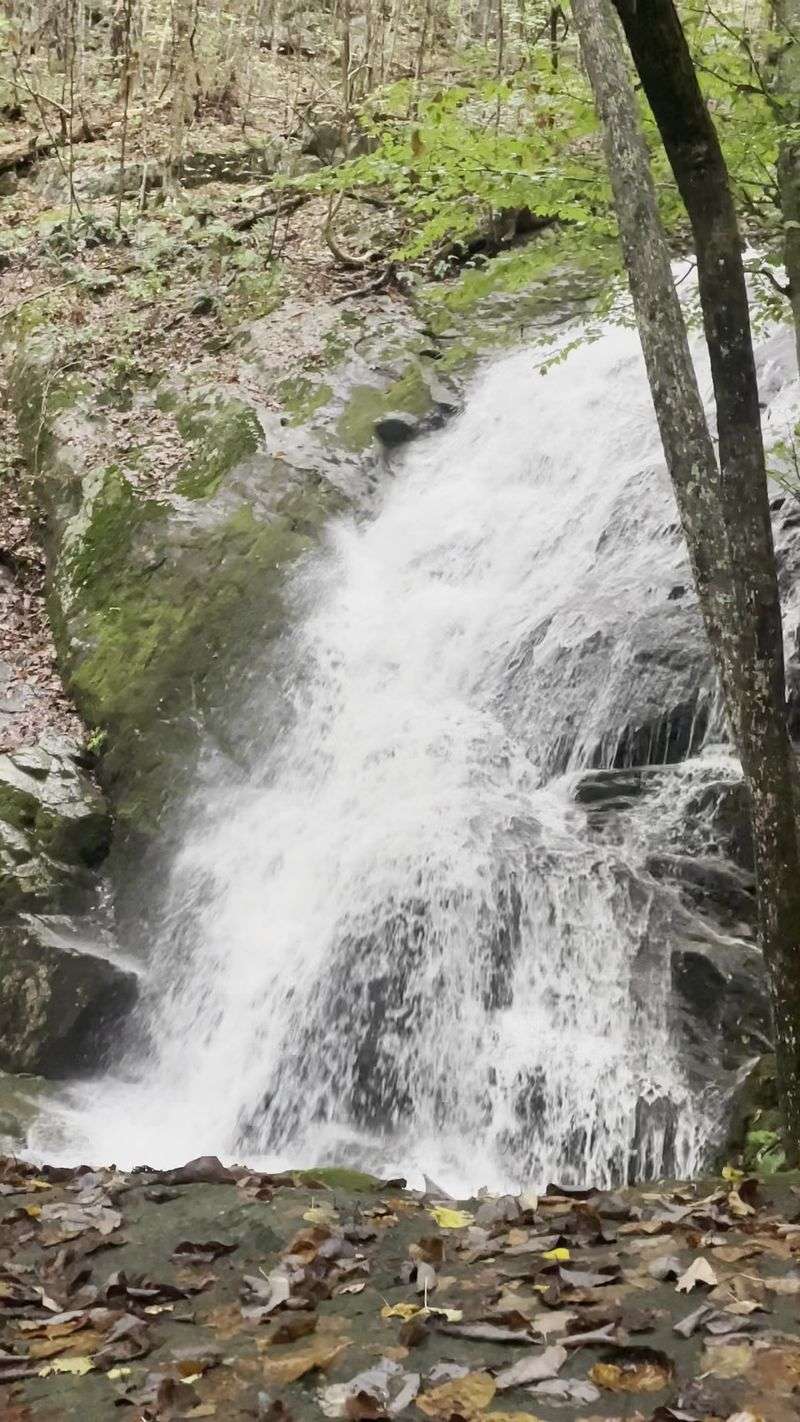
Overcrowding creates safety issues beyond simple inconvenience. Narrow trail sections become hazardous when too many people squeeze through simultaneously.
Downhill hikers meeting uphill climbers at steep spots risk collisions that could send someone tumbling. The trail wasn’t engineered for current traffic volumes, and accidents reflect that reality.
Visitors ignore warning signs, climbing over railings for dramatic photos near cliff edges. Several fatalities have occurred over the years when people ventured too close to slippery rocks above the falls.
Each tragedy prompts renewed safety campaigns, yet risky behavior persists as newcomers seek thrills and perfect shots.
Copperhead snakes inhabit the area, and crowded trails push both humans and reptiles into uncomfortable proximity. Dogs off leash despite regulations create additional hazards, chasing wildlife or confronting other animals.
Emergency response times suffer when parking chaos blocks access roads needed by rescue vehicles.
Cell service remains spotty throughout most of the trail, complicating emergency communications. The emergency phone at the trailhead helps, but reaching it from higher elevations takes precious time.
Overcrowding magnifies every risk factor, turning manageable challenges into potential disasters when something goes wrong in a crowd.
Finding Peace At Crabtree Falls In The Tourism Age
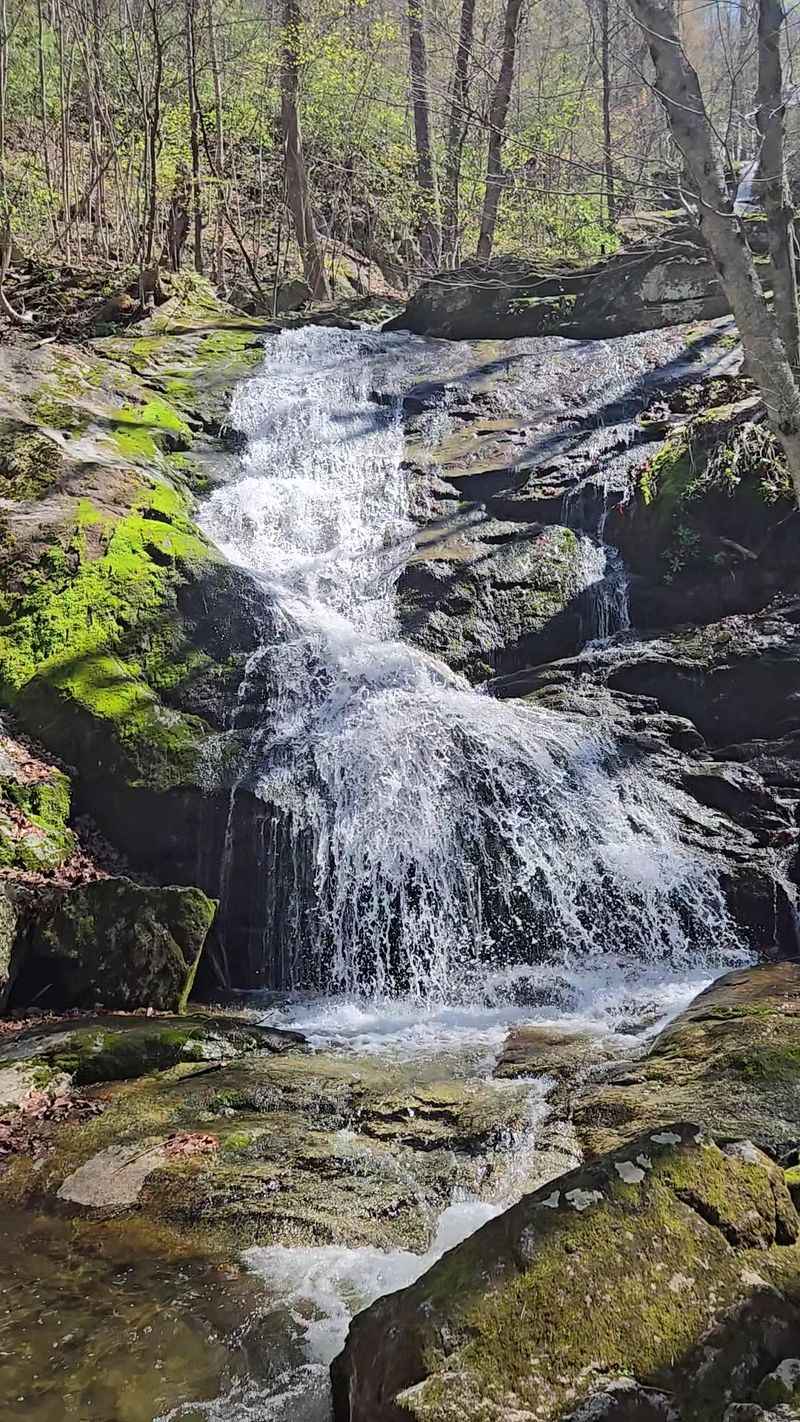
Visiting Crabtree Falls successfully now requires strategic planning. Weekday mornings offer your best chance at relative solitude, particularly outside peak seasons.
Arriving at the trailhead around sunrise means parking easily and hiking upward as light filters through the canopy, creating the experience this place once offered freely.
Winter visits reward hardy souls with icy waterfall formations and empty trails. Proper gear becomes essential, but the trade-off brings back that lost sense of discovery.
Late spring weekdays after Memorial Day but before summer vacation provide another sweet spot for avoiding crowds.
Consider exploring alternative waterfalls in Virginia that haven’t hit viral status yet. The state contains dozens of beautiful cascades offering similar experiences without the chaos.
Crabtree Falls’ fame makes it a victim of its own beauty, but other gems await discovery by those willing to research beyond trending Instagram locations.
If you must visit during busy periods, adjust expectations accordingly. Accept the crowds as part of the current reality, focus on the waterfall’s timeless beauty, and practice patience with fellow visitors.
The falls themselves remain magnificent despite the human circus surrounding them. Located at Crabtree Falls Highway, Tyro, Virginia, this natural wonder still deserves appreciation, even if the experience has fundamentally changed.
Dear Reader: This page may contain affiliate links which may earn a commission if you click through and make a purchase. Our independent journalism is not influenced by any advertiser or commercial initiative unless it is clearly marked as sponsored content. As travel products change, please be sure to reconfirm all details and stay up to date with current events to ensure a safe and successful trip.
