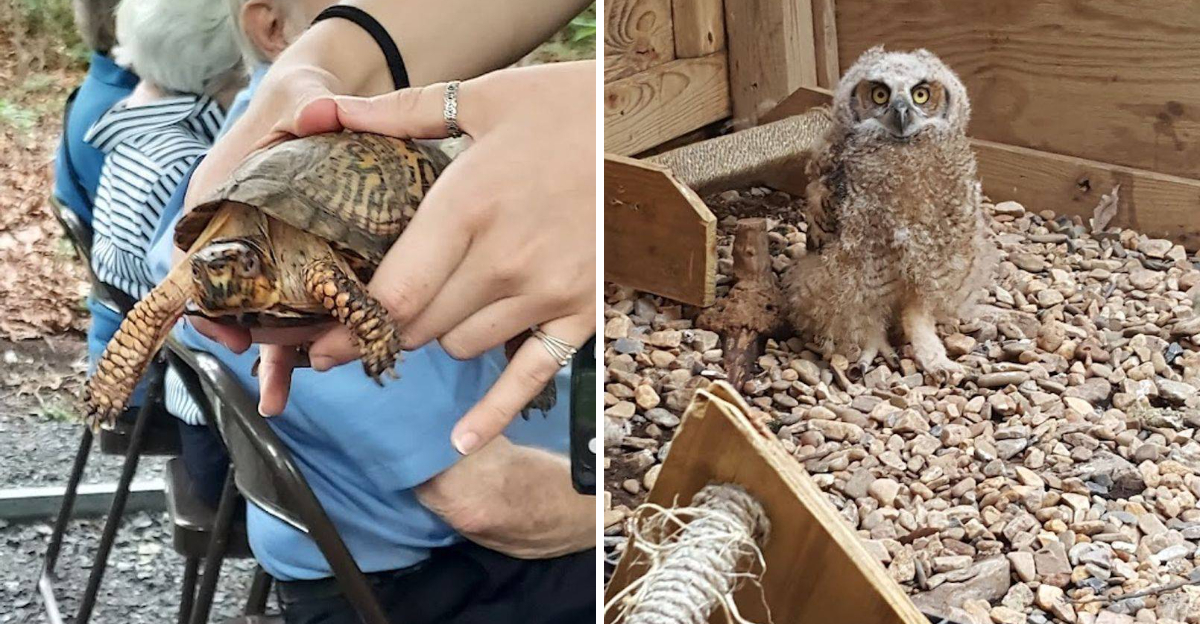
Some places just stop you in your tracks, and a certain wildlife hospital tucked in the Shenandoah Valley does exactly that. Virginia is home to one of the most remarkable animal rescue and rehabilitation centers in the entire country, and most people have no idea it exists.
Should wild animals get the same level of medical care as our pets? Locals say absolutely yes, tourists often arrive skeptical, and everyone leaves completely converted.
I visited this extraordinary place and came back with stories I simply cannot keep to myself.
A Teaching Hospital Unlike Any Other
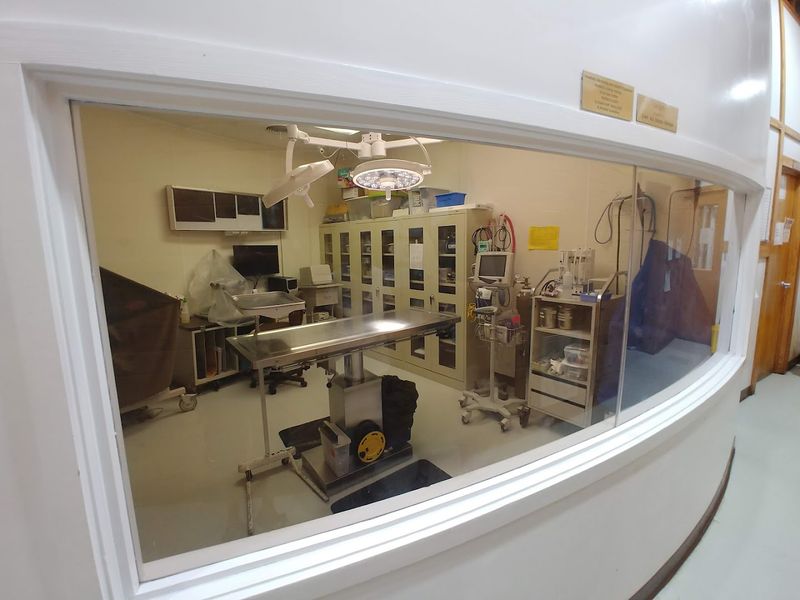
Forget everything you think you know about animal shelters. The Wildlife Center of Virginia operates as a fully functioning teaching and research hospital, complete with surgical suites, diagnostic equipment, and a rotating roster of veterinary students learning the ropes on real patients.
Virginia has long been proud of its conservation heritage, and this center represents the pinnacle of that commitment. The staff here are not hobbyists with a soft spot for squirrels.
They are licensed veterinarians and trained wildlife rehabilitators tackling complex medical cases every single day.
What truly sets this place apart is its dual mission. Every animal treated becomes a learning opportunity for the next generation of wildlife medicine professionals.
Classroom knowledge meets hands-on experience, producing graduates who go on to protect wildlife across the country.
The center has trained over a thousand veterinary and rehabilitation professionals since opening its doors. That ripple effect spreads far beyond the walls of this one facility in Waynesboro, touching ecosystems and communities across Virginia and well beyond its state borders.
Record-Breaking Patient Numbers Tell a Bigger Story
Numbers rarely tell the whole story, but this one does. The Wildlife Center of Virginia recently shattered its own intake record, admitting more than four thousand wild animal patients in a single year.
That milestone is both impressive and sobering.
Each new record reflects a complicated reality. Habitat loss, human development, and increased public awareness of the center’s services all contribute to growing patient numbers.
More animals arriving means more resources stretched, more staff called in, and more late nights under the treatment room lights.
The center treats over two hundred native species, meaning no two days look the same. A morning might start with a songbird and end with a snapping turtle.
Staff pivot constantly, applying specialized knowledge across wildly different physiologies and behavioral needs.
What this record really reveals is how much wildlife in Virginia depends on human intervention to survive. The center does not just patch animals up and send them home.
Every case feeds into broader research that helps scientists understand why wildlife populations are struggling and what communities can do to help them recover long-term.
Ambassador Animals You Will Actually Remember
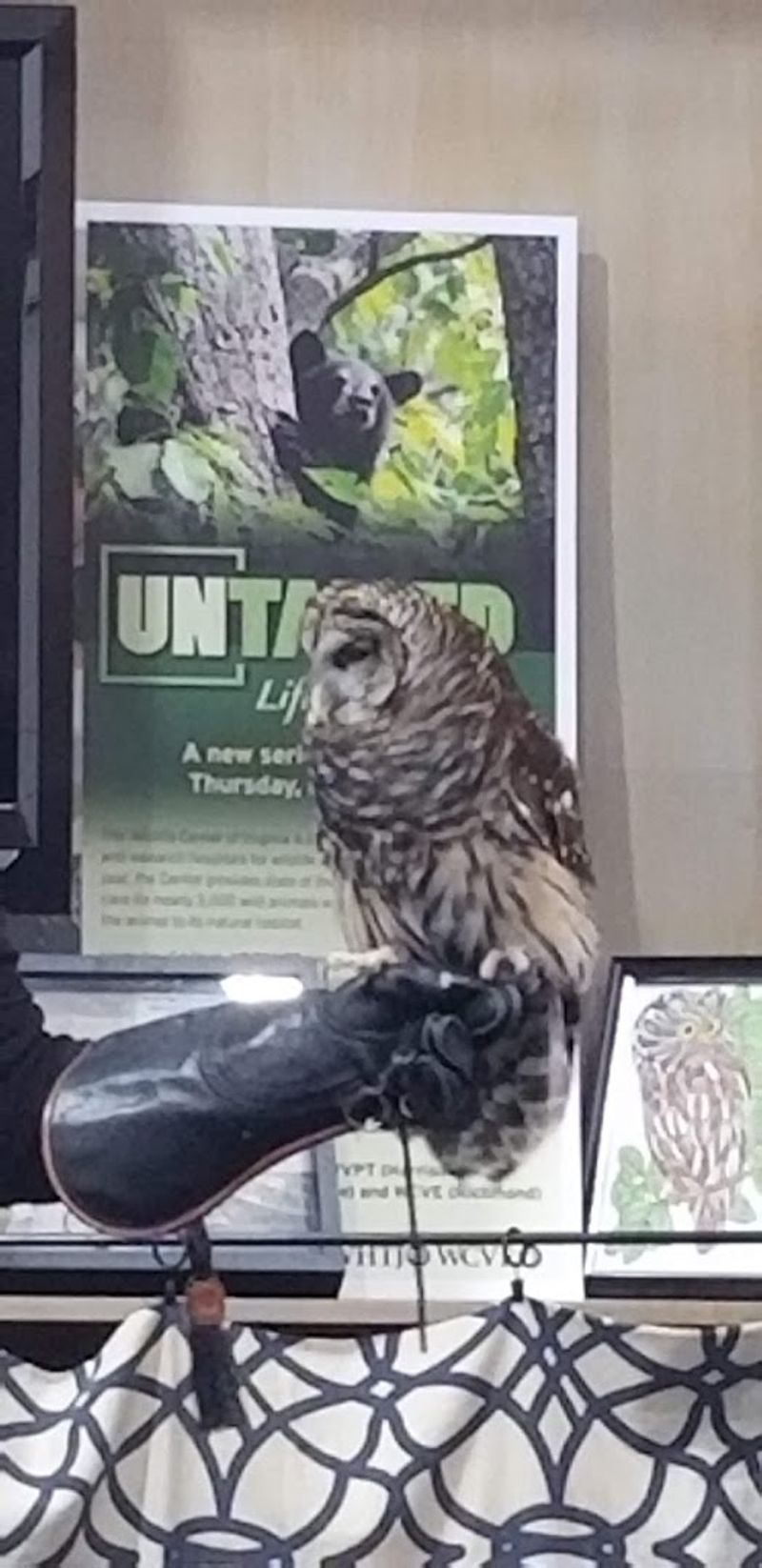
Not every animal at the Wildlife Center of Virginia gets released back into the wild. Some arrive with injuries too severe for full recovery, and those individuals become ambassador animals, living permanently at the center and serving as living ambassadors for their species.
Meeting one of these animals face-to-face is genuinely unforgettable. There is something profoundly moving about standing near a great horned owl that has overcome extraordinary odds.
These creatures carry their stories silently, but the educators standing beside them translate every feather and talon into something deeply meaningful.
Ambassador animals participate in educational programs that reach enormous audiences. The center connects with well over a million people through outreach initiatives, and the ambassador animals are often the emotional anchor of those presentations.
They make abstract conservation concepts suddenly feel personal and urgent.
Supporting an ambassador animal’s care for a full year is one of the most tangible ways to contribute to the center’s mission. Many people choose this option as a gift, and honestly, it is one of the most creative and meaningful presents imaginable.
You are literally funding the life of a wild creature with a remarkable backstory.
The Critter Cams That Will Ruin Your Productivity
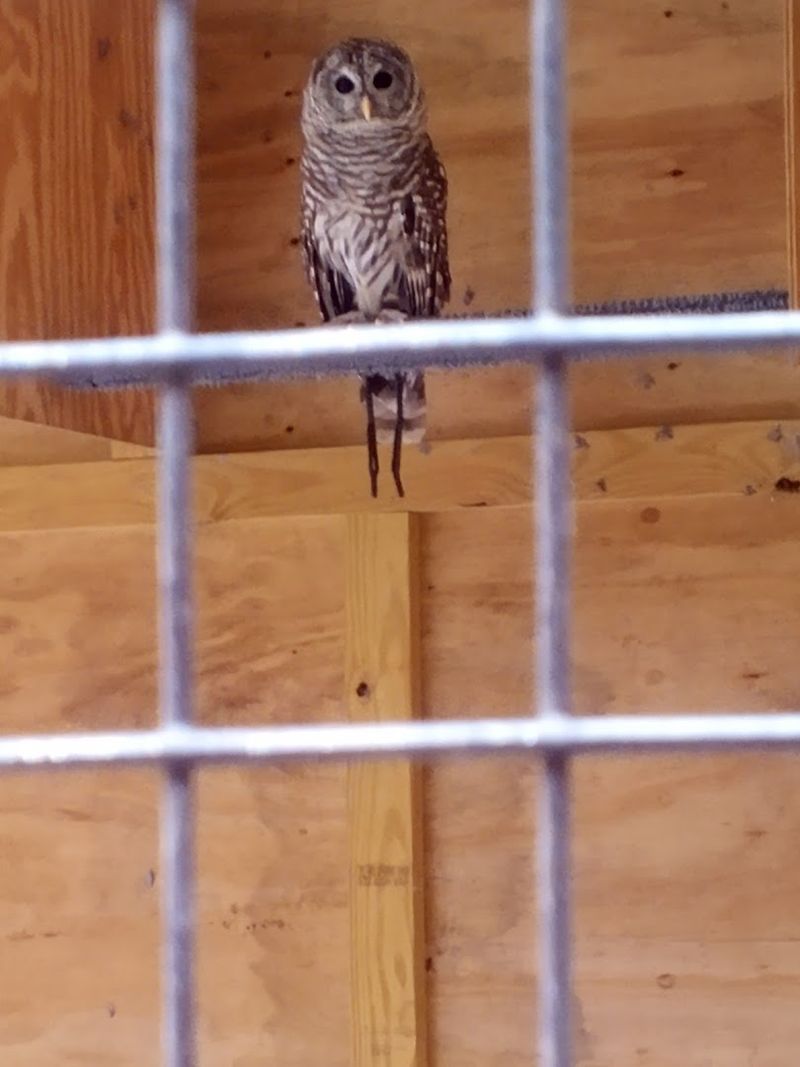
Fair warning: once you discover the live Critter Cams on the Wildlife Center of Virginia’s website, your afternoon is gone. These are real-time video feeds showing recovering animals inside their enclosures, and they are absolutely mesmerizing to watch.
On any given day, the cameras might show a fawn resting in a quiet pen, a raptor stretching its wings during physical therapy, or a turtle basking under a heat lamp while healing from shell damage. The footage is unscripted, unfiltered, and completely captivating precisely because of that rawness.
The Critter Cams serve a purpose beyond entertainment. They create a genuine emotional connection between the public and individual patients, turning abstract fundraising appeals into something deeply personal.
When you watch a specific animal recover over days and weeks, you become invested in its outcome in a way that no brochure could ever manufacture.
Virginia residents and remote supporters alike tune in regularly, turning the Critter Cams into a kind of wildlife reality show with genuinely high stakes. The best part?
Every happy ending you witness on screen represents a real animal returning to the wild where it belongs.
Bald Eagles and the Cases That Shake You
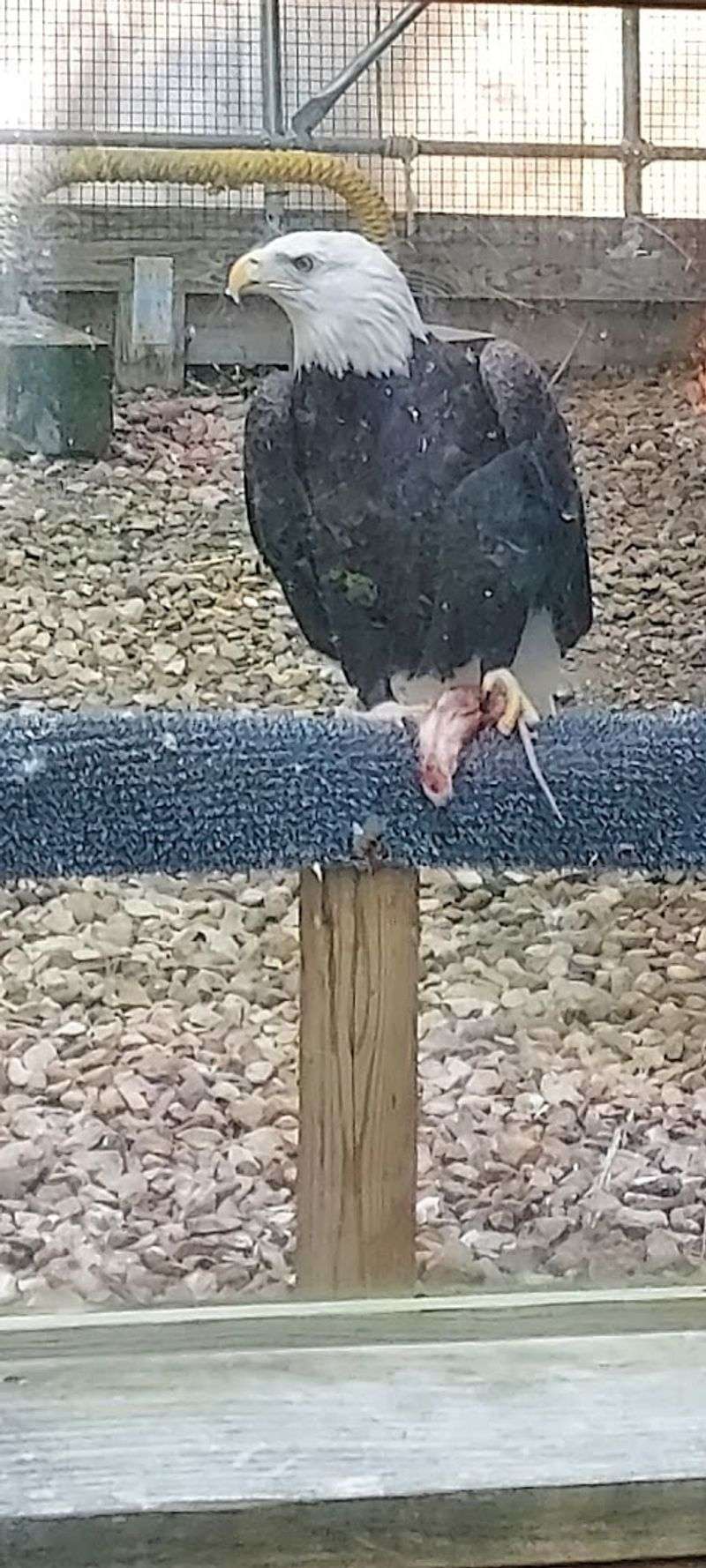
There is something about a bald eagle that commands immediate respect, which makes it all the more startling when one arrives at the center in desperate need of help. The Wildlife Center of Virginia has treated multiple bald eagle patients, and each case carries its own dramatic arc.
One particularly memorable eagle arrived after a complicated journey involving treatment at another facility before requiring additional specialized care. The complexity of that case illustrates exactly why a dedicated teaching hospital matters so much.
Difficult cases need experienced teams, proper equipment, and the kind of institutional knowledge that only builds over decades.
Watching a bald eagle recover is not a quick process. These magnificent birds require carefully managed flight training, precise nutritional support, and behavioral assessments before anyone even considers a release.
The patience required from staff is extraordinary.
Virginia’s skies are richer because of work like this. Every eagle released back into the wild represents hundreds of hours of skilled veterinary care, rehabilitation expertise, and sheer determination.
The center does not celebrate these moments quietly, either. Releases are shared with the public, creating waves of joy that remind everyone why this work matters so deeply.
Red Foxes and the Caregivers Who Dress Like Them
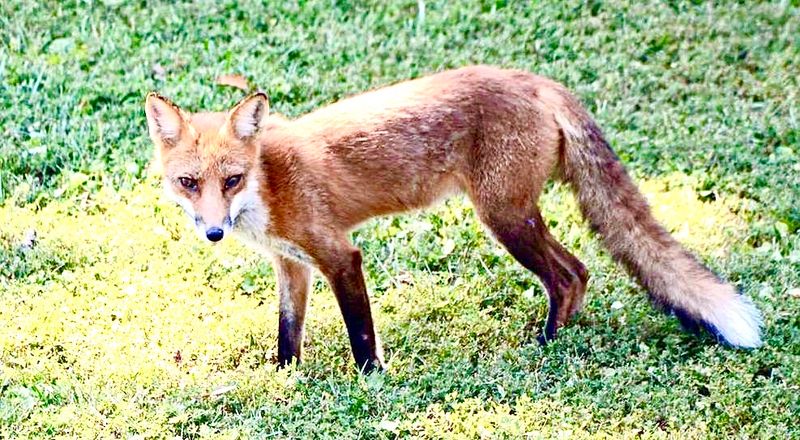
This is the detail that stops people mid-sentence when I mention it. Staff at the Wildlife Center of Virginia have been known to wear fox costumes while caring for orphaned red fox kits.
Before you laugh, understand that this is serious, cutting-edge rehabilitation science.
Young foxes who imprint on humans become unable to survive in the wild. They lose their natural fear of people, which makes them dangerously vulnerable once released.
By disguising themselves and minimizing direct human contact, caregivers give these kits the best possible chance at a genuinely wild life.
The dedication required to commit to this level of care is staggering. These are not casual volunteers popping in on weekends.
They are trained professionals who understand that their own invisibility is sometimes the most important tool in the rehabilitation toolkit.
Stories like this capture the public imagination for good reason. They reveal the depth of thought and compassion that drives every decision at this center.
Wildlife rehabilitation is not just about medical treatment. It is about understanding animal psychology deeply enough to step out of the picture entirely, even when stepping back is the hardest thing to do.
Allegheny Woodrats and the Conservation Puzzle
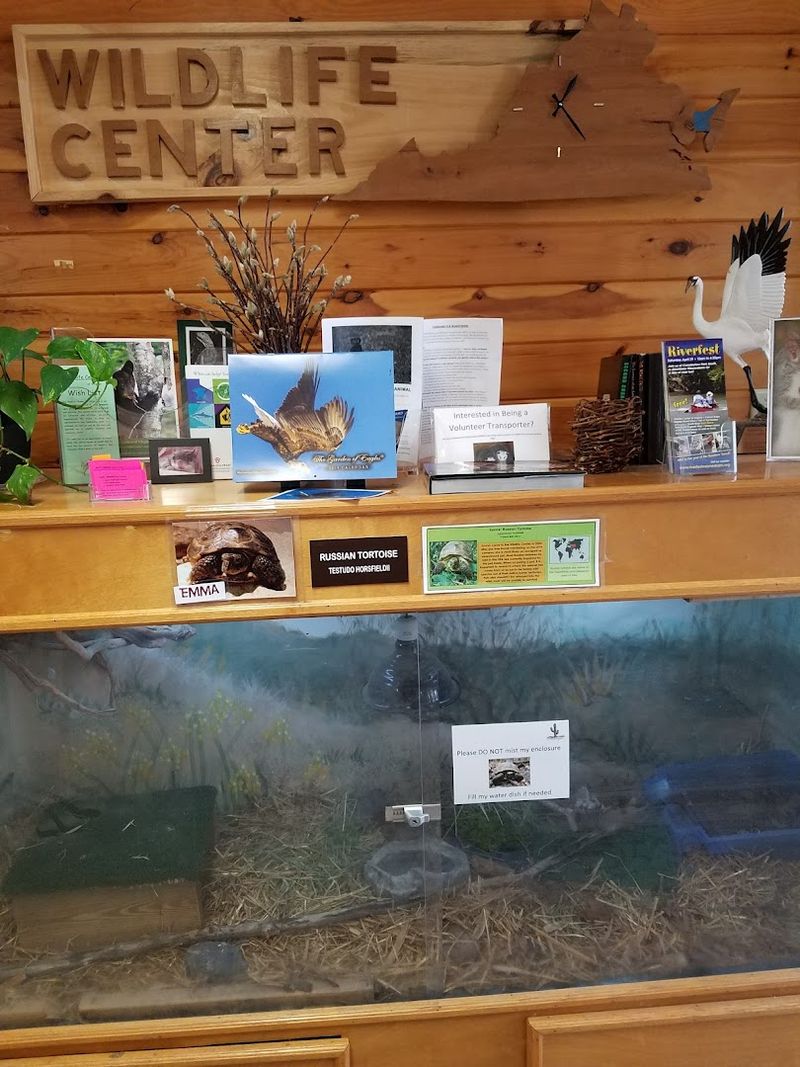
Not every patient at the Wildlife Center of Virginia arrives with feathers or dramatic wingspan. Sometimes the most important conservation work involves a small, unassuming rodent that most people have never heard of.
The Allegheny Woodrat is one of Virginia’s most quietly threatened species.
The center has participated in collaborative research projects focused on woodrat population recovery, treating individual animals as part of a larger scientific effort to understand and reverse population declines. This kind of work rarely makes headlines, but its long-term impact on Virginia’s biodiversity can be enormous.
Each woodrat treated and returned to the wild represents a tiny but meaningful contribution to a fragile population. Conservation biology operates on timescales that feel frustratingly slow, but patient, methodical work like this eventually shifts the needle in ways that matter.
The center’s willingness to invest in unglamorous cases like woodrats speaks volumes about its priorities. Any facility can generate publicity by treating charismatic megafauna.
It takes genuine scientific commitment to pour resources into a small brown rodent because the ecosystem needs it. That is the kind of institution Virginia should be genuinely proud to call its own.
The Gift Shop That Actually Means Something
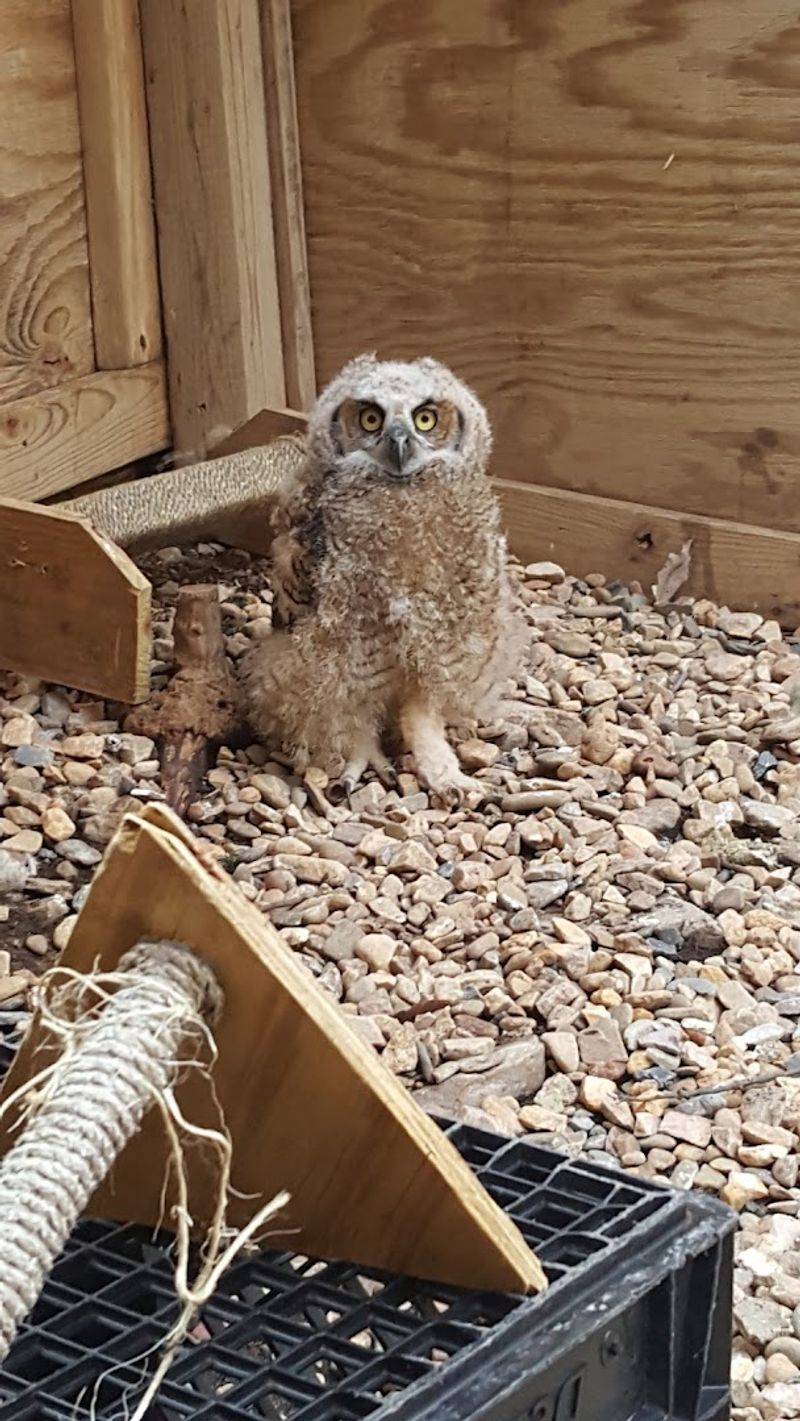
Most wildlife facility gift shops feel like an afterthought. A few plush animals, some postcards, and a refrigerator magnet shaped like a bear.
The Wildlife Center of Virginia takes a different approach, and the difference is noticeable the moment you walk through the door.
Everything in the shop connects back to the center’s mission in some meaningful way. Purchases support ongoing operations, and the selection leans toward educational items that extend the learning experience beyond the facility itself.
Picking up a gift here feels purposeful rather than perfunctory.
Families with kids especially appreciate having a tangible memento that sparks continued conversations about wildlife at home. A well-chosen book or a thoughtfully designed piece of merchandise can keep a child’s curiosity alive long after the visit ends.
That extended engagement is exactly what conservation education needs more of.
The gift shop also serves as a subtle reminder that supporting the center does not require a massive financial commitment. Small purchases add up, and every dollar feeds directly into the care of the thousands of wild animals moving through the facility each year.
Shopping here is genuinely one of the most satisfying retail experiences in the Shenandoah Valley.
Bringing In an Injured Animal: What Actually Happens
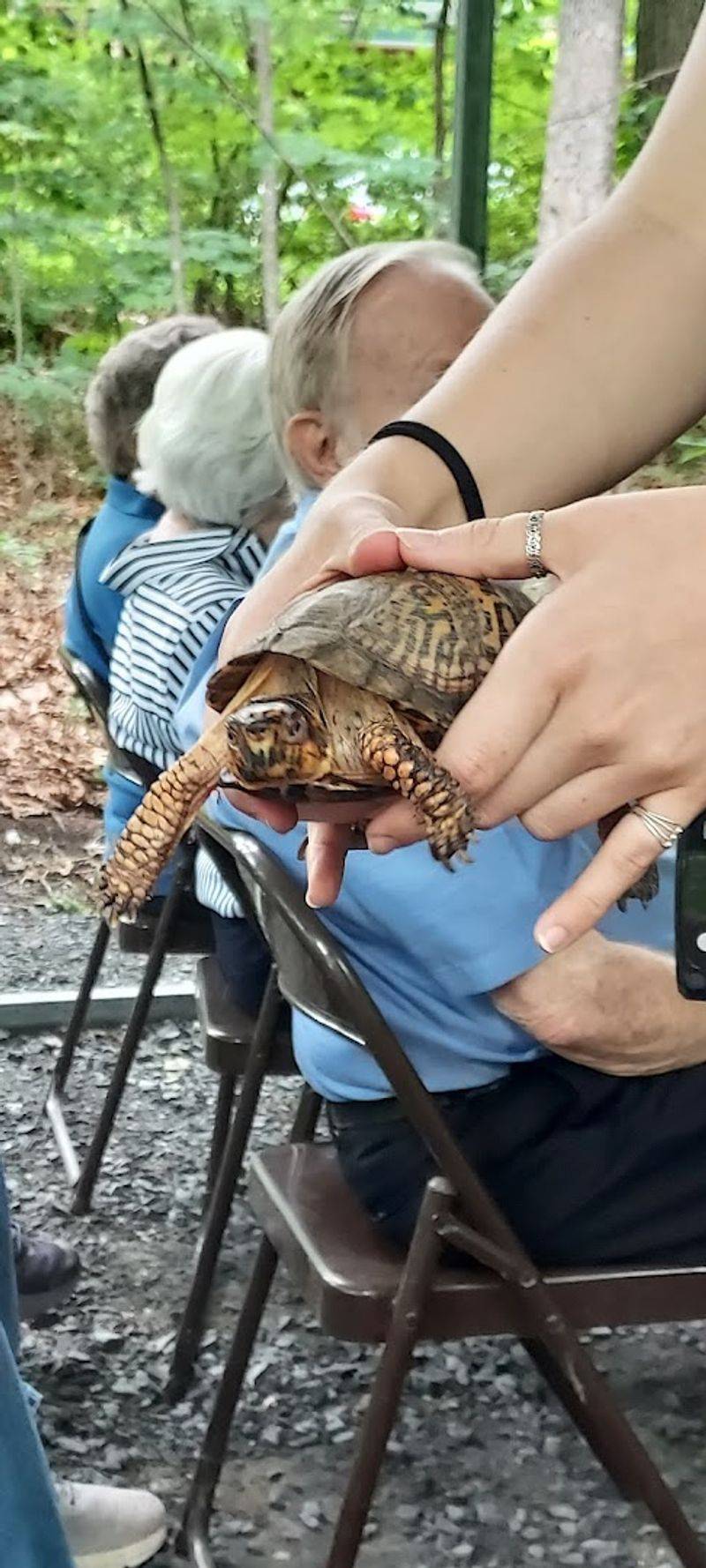
Finding an injured wild animal is disorienting. Most people freeze, unsure whether to intervene or leave it alone.
The Wildlife Center of Virginia takes that uncertainty seriously, offering clear guidance for exactly these moments through its intake process and after-hours support line.
Staff handle intake with remarkable efficiency and warmth. Animals arrive in cardboard boxes, towels, plastic containers, and everything in between, carried by concerned members of the public who spotted something wrong in their backyard or along the roadside.
Each arrival is assessed quickly and compassionately.
The center also coordinates a network of volunteer transporters who help move animals from distant locations. Virginia is a large state, and not everyone lives close to Waynesboro.
Knowing that a transport volunteer might meet you halfway makes the whole process far less daunting for people in Richmond, Northern Virginia, or the far southwest.
After dropping off an animal, the center assigns a patient number so concerned members of the public can follow up on outcomes. That small gesture of transparency creates a powerful sense of shared investment.
You brought the animal in, and now you get to watch its story unfold. That connection is genuinely rare and deeply appreciated.
Planning Your Visit to Waynesboro, Virginia
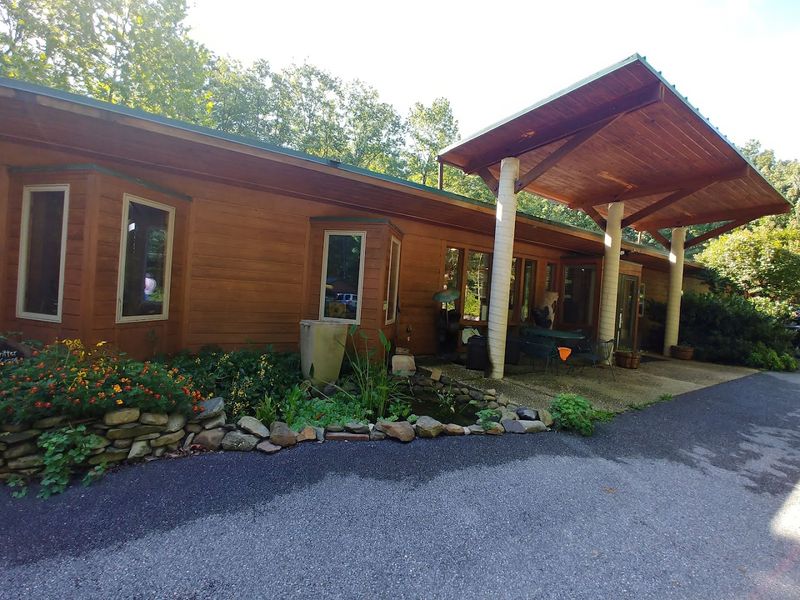
Waynesboro sits in a sweet spot in the Shenandoah Valley, surrounded by the Blue Ridge Mountains and positioned perfectly for a day trip or a weekend escape. Getting to the Wildlife Center of Virginia is straightforward, and the surrounding area rewards anyone who lingers a little longer.
The center is open daily, making it easy to fold a visit into almost any travel itinerary through central Virginia. Arriving early gives the best chance of catching active animals and engaging with staff who have time to answer questions before the daily rush of activity kicks in.
Virginia’s natural beauty frames the entire experience here. Driving into Waynesboro through mountain scenery already puts visitors in the right headspace for an encounter with wild nature.
The transition from highway to hospital feels seamless in the best possible way.
The Wildlife Center of Virginia is located at 1800 S Delphine Ave, Waynesboro, VA 22980, and can be reached at 540-942-9453. Whether you are dropping off an injured animal, supporting an ambassador, or simply exploring what Virginia does right when it comes to wildlife conservation, this address deserves a permanent spot on your travel list.
Dear Reader: This page may contain affiliate links which may earn a commission if you click through and make a purchase. Our independent journalism is not influenced by any advertiser or commercial initiative unless it is clearly marked as sponsored content. As travel products change, please be sure to reconfirm all details and stay up to date with current events to ensure a safe and successful trip.
