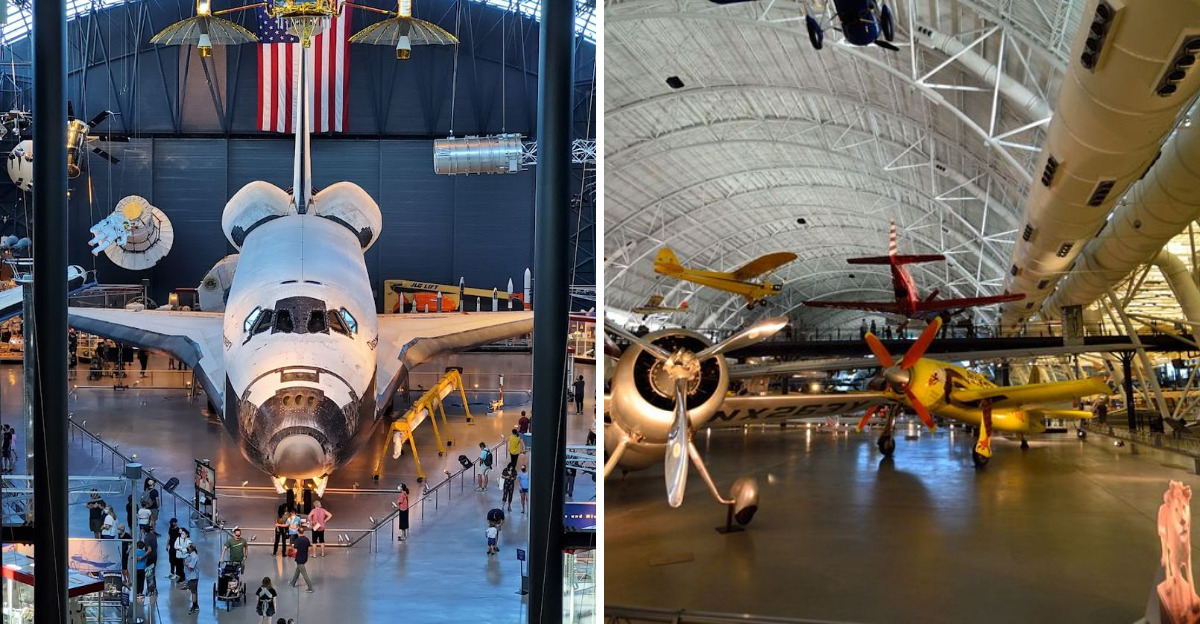
Virginia is home to one of the most jaw-dropping aviation museums on the planet, and most people have no idea it exists. Tucked right next to a major international airport, this sprawling Smithsonian gem packs over 200 legendary aircraft and spacecraft under one roof.
I walked in expecting a typical museum and walked out completely speechless. Seriously, where else can you stand nose-to-nose with a space shuttle, a supersonic jet, and the most historically significant bomber in American history, all in a single afternoon?
If you think you know what a museum feels like, this place is about to prove you delightfully wrong.
Space Shuttle Discovery: A Giant That Actually Flew in Space
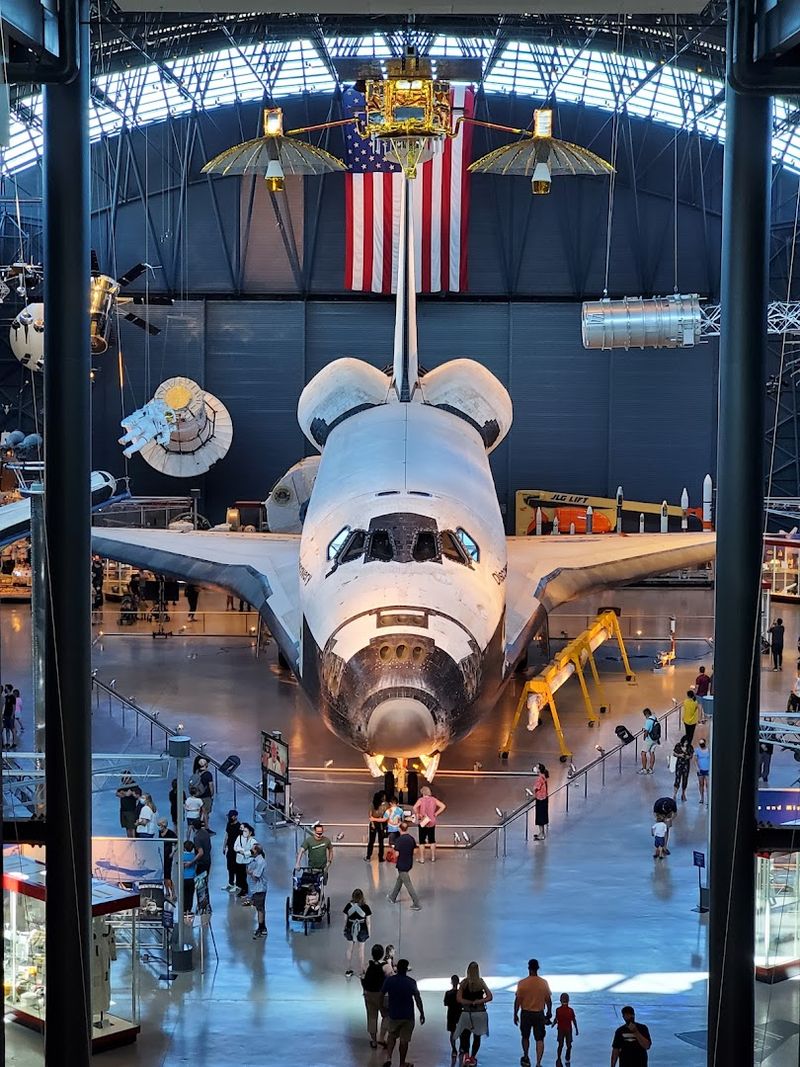
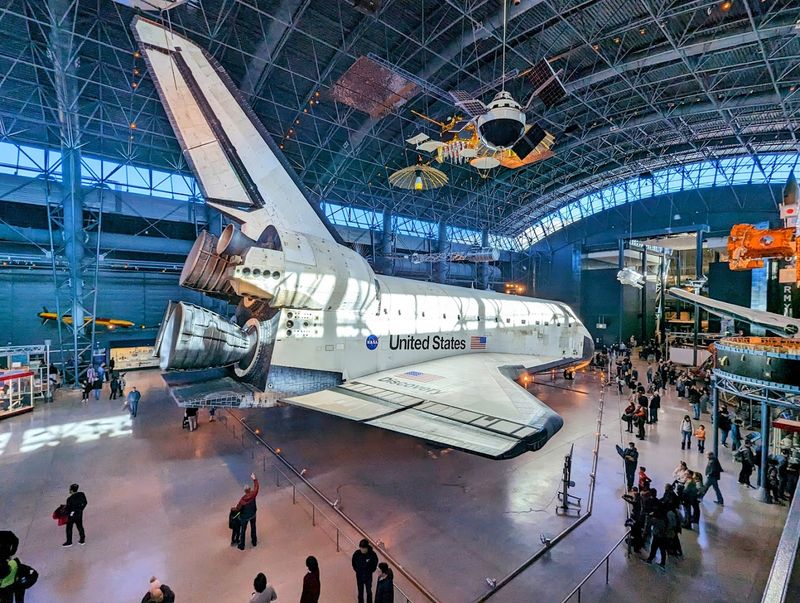
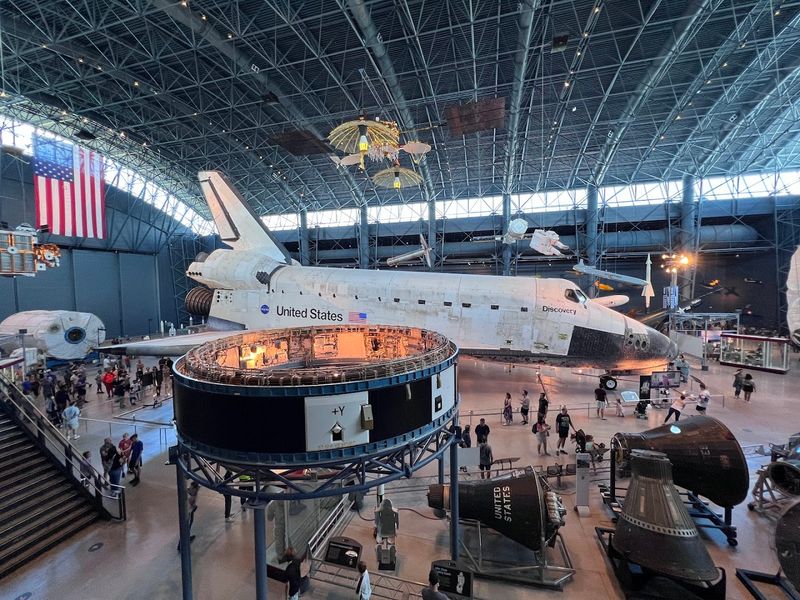
Standing underneath the Space Shuttle Discovery is one of those moments that stops you cold. This is not a replica, not a model, not a recreation.
It is the real machine that launched into orbit dozens of times, carrying astronauts beyond our atmosphere and back again safely.
The James S. McDonnell Space Hangar at the Steven F.
Udvar-Hazy Center was practically built to house this legend. The sheer scale of the orbiter up close is something no photograph can prepare you for.
You feel genuinely small standing beside it, and honestly, that feeling is kind of wonderful.
Look up and you will notice the thermal protection tiles still showing signs of their fiery re-entry journeys. Every scorch mark tells a story.
Kids go absolutely wide-eyed, and adults get a little emotional. Plan to spend extra time in this hangar because once you are in there, leaving feels almost impossible.
Virginia does not do things halfway.
The Enola Gay: History’s Most Controversial Bomber Up Close
Few aircraft carry the weight of history quite like the Boeing B-29 Superfortress known as the Enola Gay. This is the plane that changed the course of World War II and the entire modern world in a single mission.
Seeing it in person hits differently than reading about it in any textbook.
The Boeing Aviation Hangar at the Steven F. Udvar-Hazy Center displays this aircraft with thoughtful, detailed context panels that help visitors process both the technical brilliance and the enormous historical significance of what they are looking at.
Nothing is glossed over.
Up close, the scale of this bomber is genuinely surprising. The fuselage stretches impressively long, and the polished aluminum skin still gleams under the hangar lights.
My first thought standing beneath it was simply, wow. This single aircraft reshaped geopolitics forever.
Coming face to face with it in Chantilly, Virginia is one of the most sobering and fascinating museum experiences I have ever had anywhere in the world.
SR-71 Blackbird: The Fastest Jet Ever Built Is Waiting for You
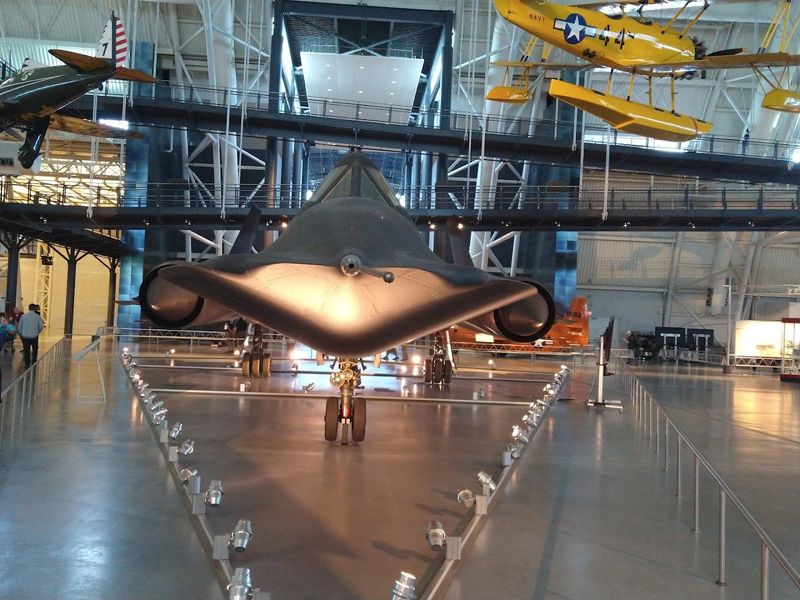
Jet black, impossibly sleek, and built to outrun anything that ever tried to catch it. The Lockheed SR-71 Blackbird is arguably the coolest aircraft ever constructed by human hands, and the specimen at the Steven F.
Udvar-Hazy Center is the genuine article.
This reconnaissance jet flew so fast and so high that no missile could intercept it during its operational years. The engineering behind it was so advanced for its time that some of its design secrets remained classified for decades.
Staring at those razor-sharp engine nacelles and that impossibly long fuselage, you can almost feel the speed radiating off it.
The positioning in the hangar lets you walk around it from multiple angles, which I highly recommend doing slowly. Each perspective reveals something new about how aerodynamically radical this machine truly is.
Younger visitors often ask if it is from a movie, and honestly, the answer should be yes because it looks too cinematic to be real. Virginia is lucky to be home to one of aviation history’s most dramatic icons.
Air France Concorde: Supersonic Elegance Frozen in Time
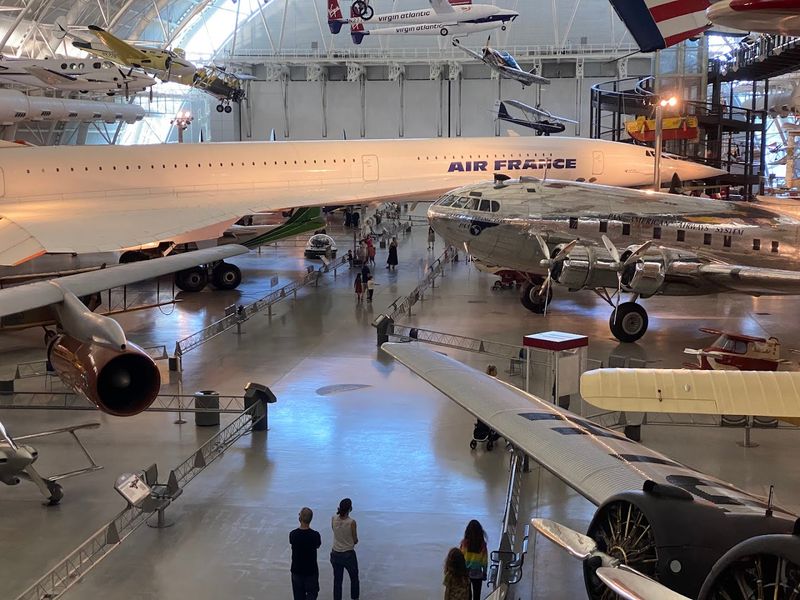
The Concorde is one of those aircraft that defined an entire era of glamour, speed, and ambition. The Air France model at the Steven F.
Udvar-Hazy Center sits in the Boeing Aviation Hangar like a sculpture, its iconic drooped nose and slender white body instantly recognizable from any angle.
What made the Concorde extraordinary was its ability to cross the Atlantic in roughly half the time of a conventional airliner. Passengers could leave London or Paris and arrive in New York before local time had barely moved.
That kind of travel felt like science fiction, and in many ways it still does.
Walking beneath the Concorde in Chantilly is a quietly emotional experience for aviation fans. This particular aircraft flew hundreds of transatlantic routes before commercial supersonic travel ended for good.
The museum presentation gives you all the context you need to appreciate why losing the Concorde was such a significant moment in aviation culture. Pair this stop with the SR-71 and you have yourself an afternoon dedicated entirely to the art of going impossibly fast.
The Boeing Aviation Hangar: A Cathedral Built for Flying Machines
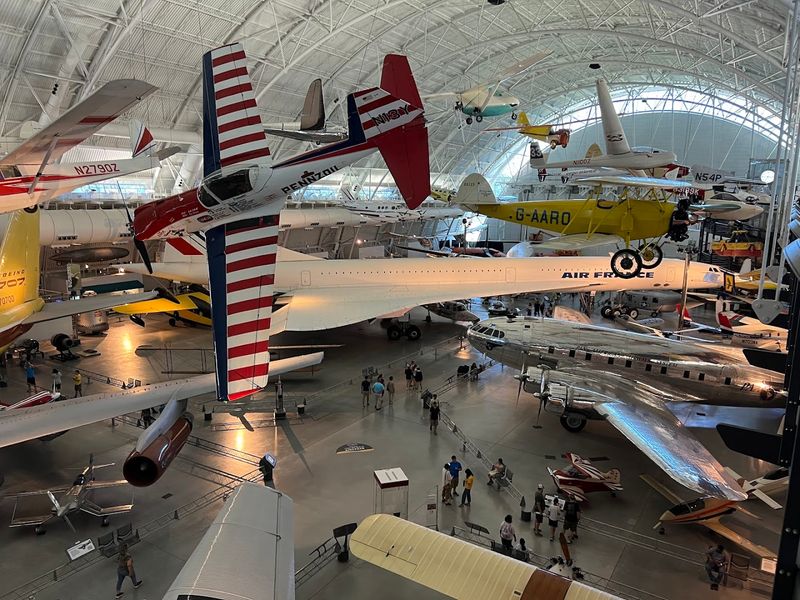
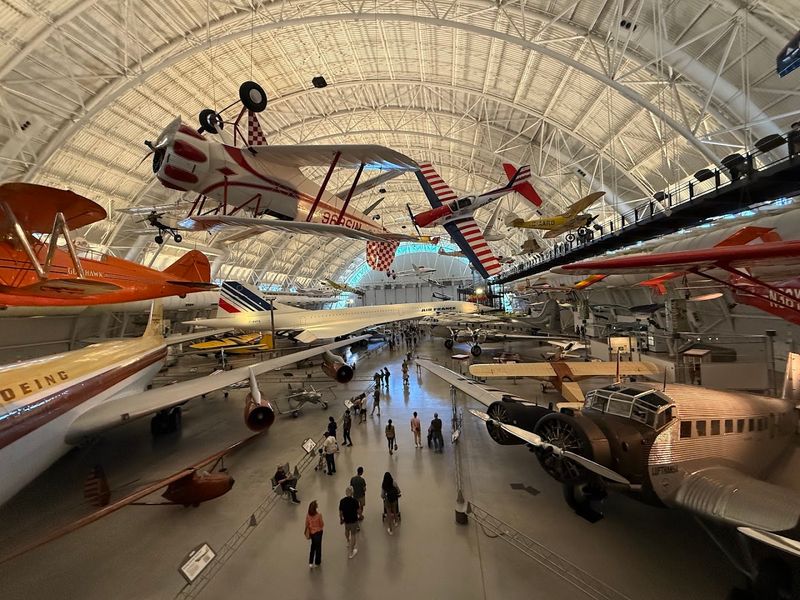
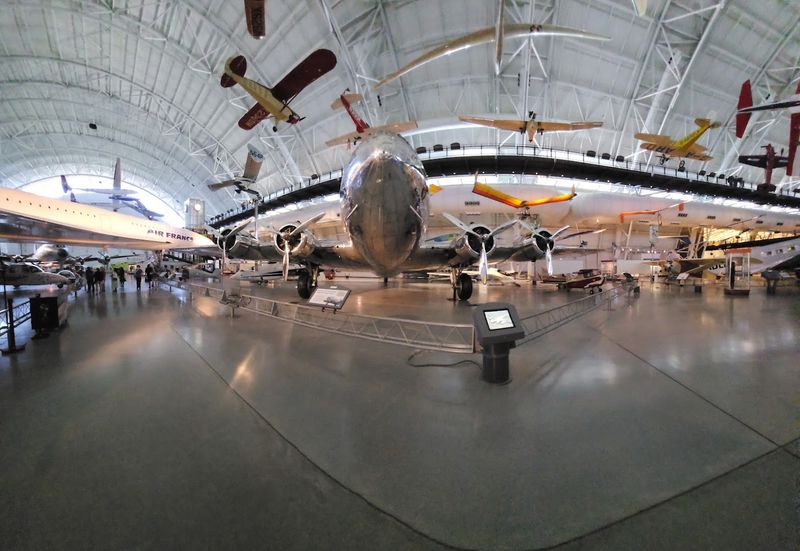
Calling the Boeing Aviation Hangar large is like calling the ocean a bit wet. This space is absolutely colossal, and it is packed wall to wall with aircraft spanning every era of human flight.
The moment you walk through the entrance and look up, your jaw drops on instinct.
Aircraft hang suspended from the ceiling while others line the floor in meticulous arrangements. Military fighters, commercial airliners, experimental prototypes, biplanes, and everything in between share this extraordinary space.
The curation feels both encyclopedic and deeply personal, as if every aircraft was chosen to tell a specific chapter of aviation’s story.
The Steven F. Udvar-Hazy Center recently announced a major expansion of this hangar, adding tens of thousands of square feet to accommodate new acquisitions and artifacts previously kept in storage.
Construction is expected to wrap up by the end of 2028, which means future visits will be even more spectacular. For now, the existing collection is more than enough to fill an entire day.
Virginia aviation fans, your happy place already exists and it is spectacular.
The Observation Tower: Watch Real Planes Land at Dulles Airport
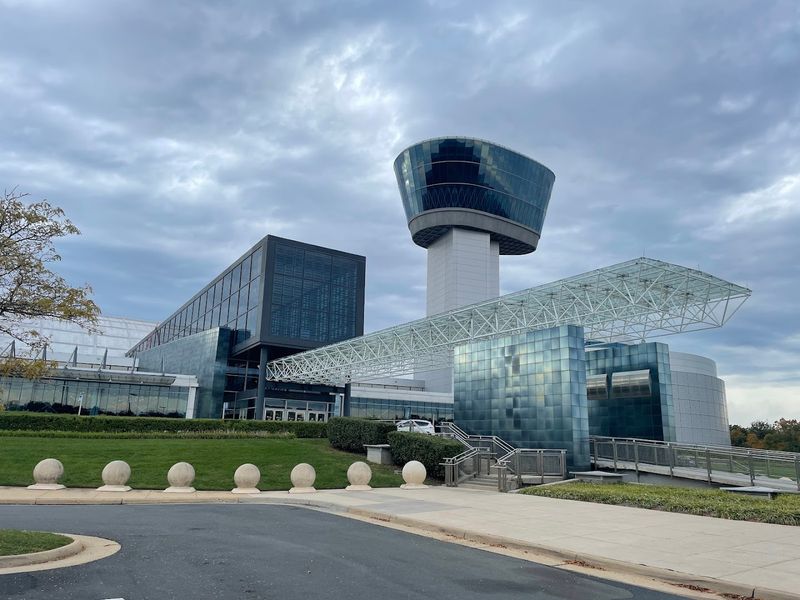
Most museums ask you to look at history. The observation tower at the Steven F.
Udvar-Hazy Center lets you watch it being made in real time. Ride the elevator up to the top and you get a sweeping view directly over the active runways of Washington Dulles International Airport.
Watching wide-body jets roll in on final approach while standing in a museum is a surreal and genuinely thrilling experience. The tower rises seven stories, giving you a panoramic perspective that aviation fans will absolutely love.
Families with young kids tend to spend a surprisingly long time up here, completely transfixed by the parade of aircraft coming and going.
The combination of historic aircraft inside and live aircraft outside creates a sensory loop that is hard to find anywhere else on earth. You look at a vintage warbird on the hangar floor, then glance out the window and watch a modern wide-body jet touch down.
The contrast is dizzying in the best possible way. Bring binoculars if you have them, because the detail you can pick up on the landing aircraft is genuinely impressive from that height.
The Restoration Hangar: Where Aviation History Gets a Second Life
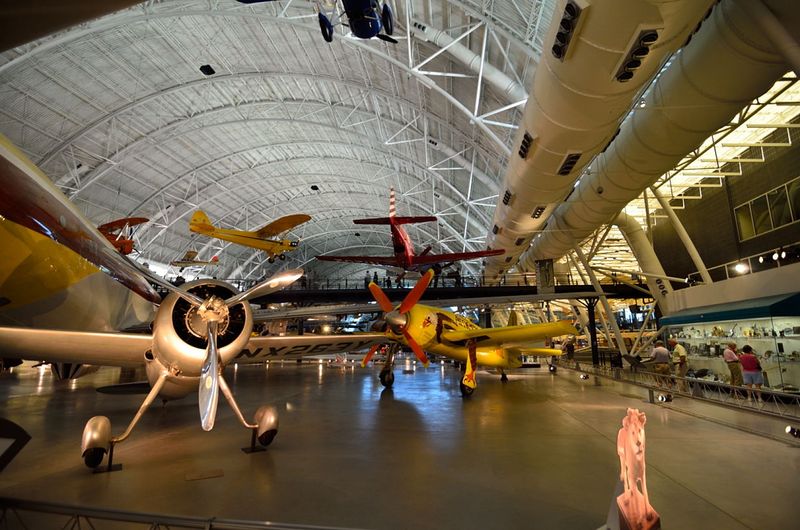
Most museums show you the finished product. The Steven F.
Udvar-Hazy Center pulls back the curtain and lets you watch the process of preservation happening live. The restoration hangar is one of the most underrated stops in the entire building, and most first-time visitors walk right past it without realizing what they are missing.
Skilled technicians work on historic aircraft, carefully restoring them either for permanent display or, in some remarkable cases, for actual flight. Watching a craftsperson meticulously work on a piece of aviation history is quietly mesmerizing.
The level of care and expertise on display is humbling, and the significance of the work is hard to overstate.
Not every museum in Virginia or anywhere else in the country has an active restoration program of this caliber. The fact that you can observe it directly, often with staff nearby who are happy to explain what is being worked on, makes the whole experience feel alive rather than static.
History is not just preserved here. It is actively tended to, polished, and brought back to its former glory one careful brushstroke at a time.
The Boeing 367-80 Dash-80: The Prototype That Changed Commercial Aviation
Not every aircraft in the collection is famous for what it did in service. Some are legendary for what they inspired.
The Boeing 367-80, affectionately known as the Dash-80, is the prototype that led directly to the Boeing 707, which in turn transformed commercial air travel for the entire world.
Before this aircraft flew, long-distance travel meant propeller planes and very long trips. The Dash-80 proved that jet-powered commercial aviation was not just possible but practical, efficient, and safe.
Every modern airliner you have ever boarded owes a quiet debt to this particular machine sitting in Chantilly.
The presentation at the Steven F. Udvar-Hazy Center gives the Dash-80 the context it deserves, explaining its role in aviation history with clear, engaging signage.
Aviation enthusiasts will recognize it immediately, while casual visitors often leave newly fascinated by the story of how one prototype reshaped the entire travel industry. Spotting this aircraft among the collection and understanding its true significance is one of those small, satisfying moments that makes a museum visit genuinely memorable.
Free Guided Tours: The Smartest Way to Experience the Collection
Wandering the hangars on your own is wonderful, but joining one of the free guided tours is a genuinely transformative upgrade. Tour guides at the Steven F.
Udvar-Hazy Center are knowledgeable, enthusiastic, and remarkably good at making complex aviation history feel accessible and exciting to all ages.
Tours typically run on the hour and focus on selected highlights throughout the collection. Guides share context, stories, and details that you simply would not pick up from reading the exhibit panels alone.
My personal recommendation is to start with the tour and then circle back independently to the exhibits that caught your attention most.
The tours are free, which is almost absurdly generous given the quality of information being shared. Families with kids benefit enormously because the guides know exactly how to keep younger audiences engaged and curious.
Groups of adults tend to come away with a much richer appreciation of what they are looking at. Virginia is full of great attractions, but finding one where this level of expert guidance is offered at no cost is genuinely rare.
Do not skip this option.
Planning Your Visit: Everything You Need Before You Go
Getting to the Steven F. Udvar-Hazy Center is straightforward whether you drive or use public transit.
The museum sits at 14390 Air and Space Museum Pkwy, Chantilly, VA 20151, right beside Washington Dulles International Airport. Parking is available on site, and the Silver Line Metro with a connecting bus makes it reachable without a car.
Admission to the museum is completely free, which makes it one of the best value days out in all of Virginia. The museum opens daily at 10 AM and closes at 5:30 PM, giving you a solid window to explore.
Arriving early on weekday mornings tends to mean smaller crowds and more breathing room around the most popular exhibits.
An IMAX theater on site offers paid screenings that are well worth the extra cost, especially for space-themed films. A Shake Shack restaurant and a well-stocked gift shop round out the amenities nicely.
The gift shop carries aviation books, space-themed souvenirs, and genuinely cool options for all ages. Pack comfortable shoes, charge your camera, and clear your afternoon schedule because this place absolutely earns every single minute you give it.
Dear Reader: This page may contain affiliate links which may earn a commission if you click through and make a purchase. Our independent journalism is not influenced by any advertiser or commercial initiative unless it is clearly marked as sponsored content. As travel products change, please be sure to reconfirm all details and stay up to date with current events to ensure a safe and successful trip.
