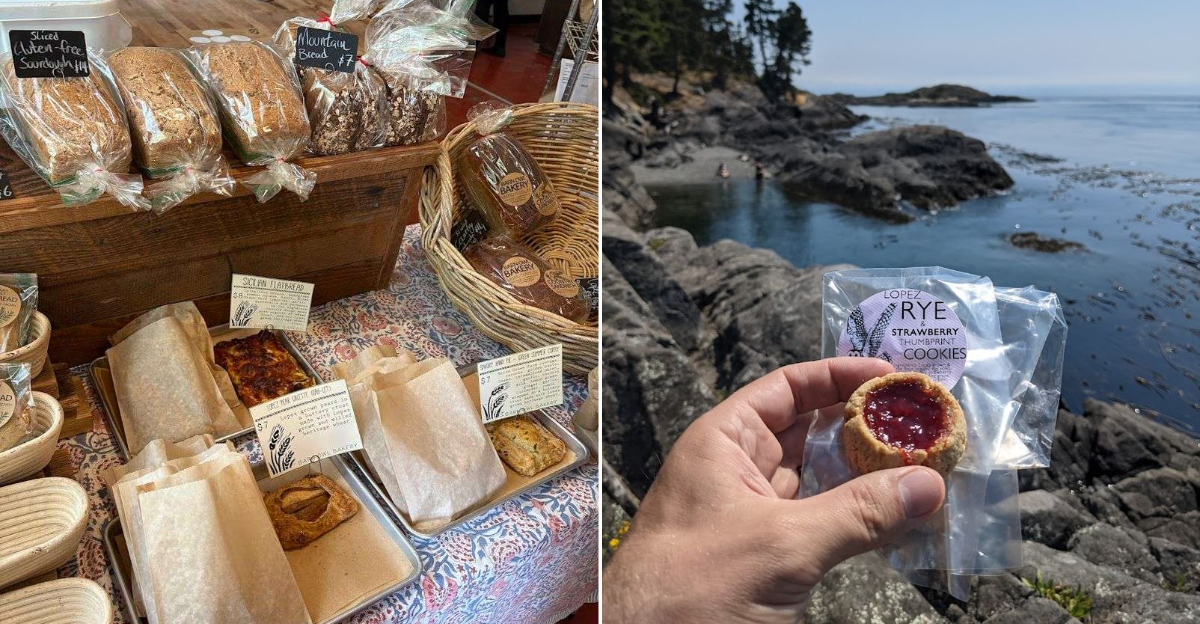
A wood-fired brick oven, a 36-hour preheat, and a wild sourdough culture that has never met commercial yeast. That is the slow, patient magic behind this Washington bakery on a remote island.
It started when a woman began baking bread in her apartment during a short-term mapping project. Five loaves turned into ten, and soon she was selling out every week at the farmers market.
Her partner built the oven and bakehouse from scratch in 2012, firing it with wood and bringing two tons of brick to over 900 degrees before the first loaf goes in.
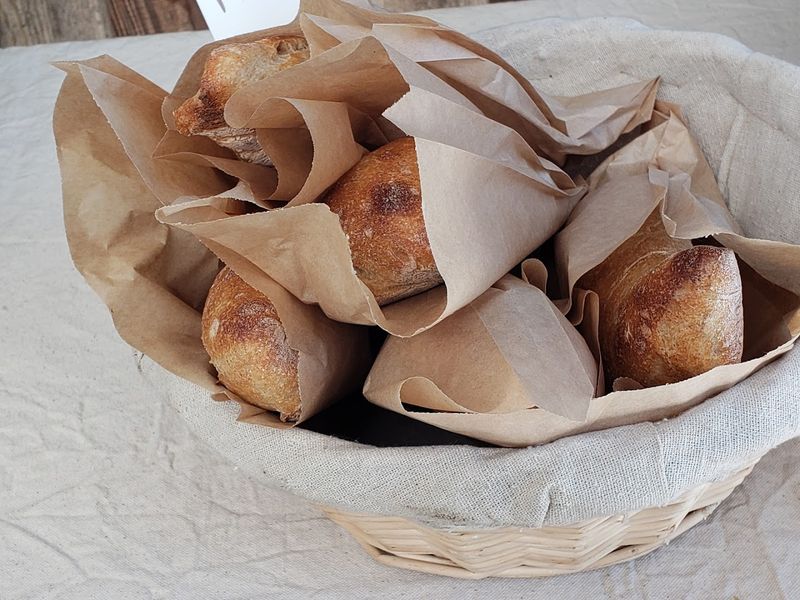
So which Lopez Island gem turns heritage grains and wild leaven into loaves worth the ferry ride? Follow the smell of wood smoke and freshly cracked crust. Your first bite will taste like patience.
A 200?Square?Foot Bakehouse On Midnight’S Farm
You know that feeling when a place is small enough that every corner seems to matter? That is the bakehouse here, tucked into Midnight’s Farm, where the walls carry a gentle warmth and the counters look like they have known a lot of flour and a lot of patience.
Step inside and the air shifts from plain morning chill to something rounder and calmer, as if the room itself is taking a breath for you.
The oven sits like a quiet anchor, and everything else orbits it in a friendly, functional way. Racks lean close, baskets wait their turn, and the paddle stands ready like a trusted tool from a workshop your grandfather might have known.
You hear a soft shuffle, maybe a brush against a peel, and you realize the choreography is slow, sure, and rooted in habit.
I like how the farm seeps into the room without trying, with bits of straw on boots and a window view of beds and trees. A little smoke from the stack curls upward, and even that feels almost neighborly.
You end up lowering your voice, not because you must, but because the place feels like a library where bread is the story.
If you are looking for flash, this will not wave it at you, and that is the charm. The work is right there, honest and regular, like a kitchen that never pretends.
It is Washington in miniature, humble, steady, and generous with warmth.
Two Tons Of Brick Heat To Over 900 Degrees
You can stand a few steps back from the mouth of the oven and still feel that hushed rush of heat, the kind that makes your cheeks glow and your shoulders drop. It is not a shouty heat, more like a steady river moving through rock.
The bricks hold it the way a good memory holds a room together, quietly and completely.
Watching the fire burn down is its own small show, a slow settling that tells the next act is coming. Flames soften, coals even out, and the inside turns a kind of bright that seems alive.
You catch the scent of clean wood and a whisper of sweet grain, and it feels as grounding as a deep inhale before a long walk.
Here is the thing I love, and you will probably feel it too. The power is old and simple, yet you can taste the difference in the bread without any speech about technique.
The heat is the teacher, and the bakers are listening closely.
In Washington, we talk about weather like it is a neighbor, and this oven reminds me of that. Conditions shift, decisions follow, and the result lives in the crust.
The whole setup keeps you present, because bread made this way rewards attention, and that attention tastes like something you do not forget.
The Oven Cools For Six Hours Before Baking
There is a lull that settles in after the burn, and honestly, it is one of my favorite parts. The room relaxes, the bricks breathe, and the temperature glides into that sweet window where dough becomes bread.
It feels like waiting for a tide to turn, and the patience is as much a tool as the peel.
During that calm, you notice tiny things you would otherwise miss. The whisper of a brush on the hearth, the soft knock of a banneton set back on a shelf, the pale ash that looks like powdery frost along the bricks.
Even the light seems to know its timing, sliding over the workbench at just the right angle.
You and I might chat in a low voice while watching a boule rest, because the room asks for gentleness. Every step is measured, not cautious, just precise in a human way that comes from practice.
It is the opposite of hurry, and it feels healthy.
When the oven finally says, now, it does so without words. The doors swing, the peel lifts, and a hush carries through the space like a promise kept.
On this Washington island, the pace of baking echoes the pace outside, where water, fields, and wind keep their own long rhythm.
No Heat Can Be Added Once The Baking Starts
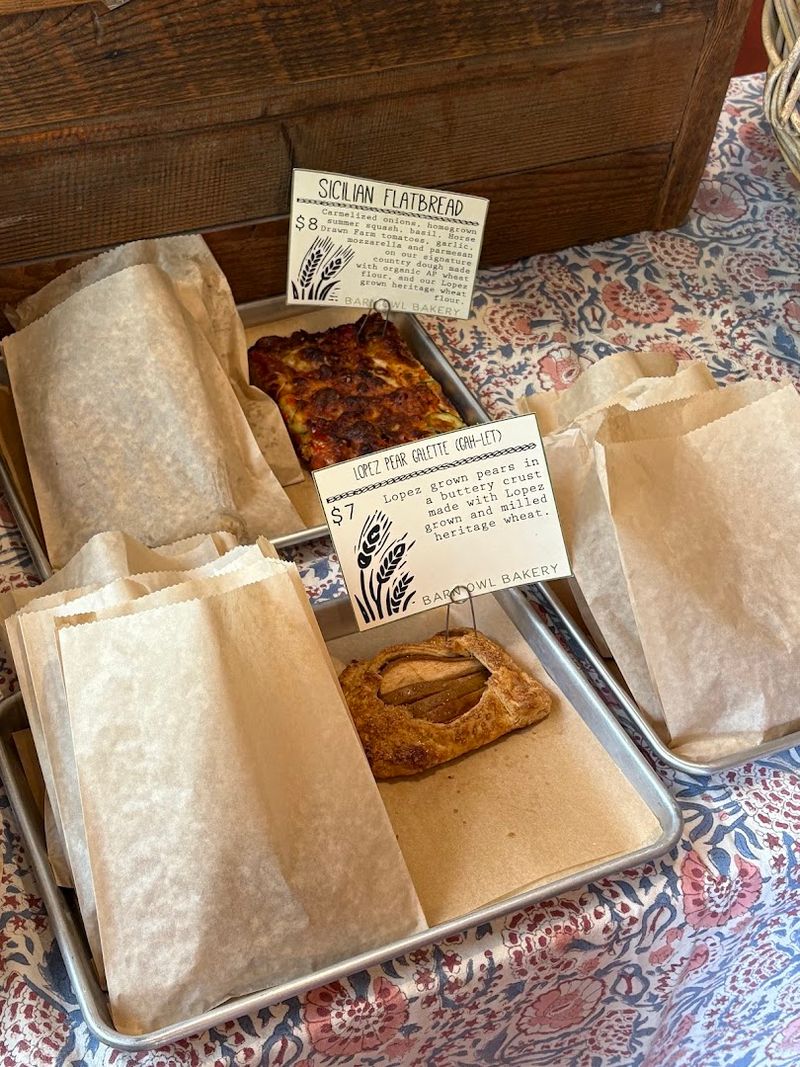
This part always makes me grin, because it is such a clear line in the sand. Once the bake begins, the plan is set, and the oven becomes a partner you trust rather than a gadget you tweak.
There is a confidence in committing that feels like steering by stars instead of a blinking screen.
You can sense the focus sharpen in the room. The peel moves with quiet certainty, the door opens and shuts with a rhythm you could almost hum, and every motion lands exactly where it should.
Nothing frantic happens, because the groundwork was already done in the fire and the wait.
It is funny how that rule invites a calmer kind of creativity. Without fiddling, you lean into judgment, smell, and sound, and those are senses that rarely lie.
The loaves return that trust with lift and color that feel earned rather than summoned.
Standing there, you realize this is why the bread speaks so clearly of place. The island air, the wood, the grain, and the practice are all baked into the choice to commit and carry through.
On Lopez Island in Washington, the process teaches you to let the craft lead, and that lesson follows you home like a warm loaf tucked under your arm.
The Last Loaf Emerges When The Oven Drops To 500 Degrees
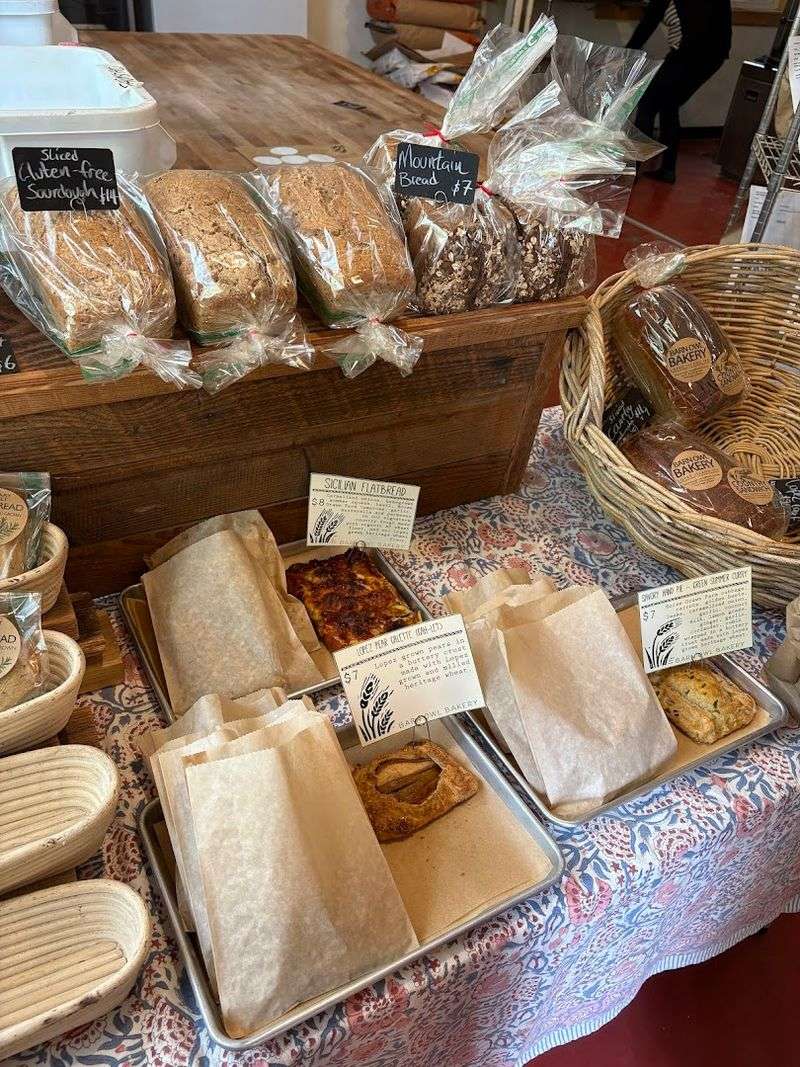
If you have ever watched the end of a bake, you know it has a mood of its own. The room carries a quieter confidence, like a conversation that has reached a kind conclusion.
The crusts lean into deeper shades, and the scent turns from bright cereal to something toasty and round.
There is a tenderness to that last pull, and it reads on the pace of the hands and the way the door is handled. You notice the hush, the tiny scrape, the lift, and the small exhale that follows.
It is a ritual that never gets old, because the stakes feel both ordinary and important.
The final loaf is a timestamp you can taste. It holds the arc of heat, the patience of the cool-down, and the steady hand that chose not to chase control.
You break it later and hear the soft crackle, and suddenly you are back in the bakehouse.
What gets me most is how consistent this feels across seasons on the island. The cadence shifts with light and air, but the care stays the same, and the bread tells you as much.
Washington has plenty of buzz, but in a room like this, the quiet work wins, and you can feel that truth in every slice.
Six Hundred To Seven Hundred Loaves Each Summer Week
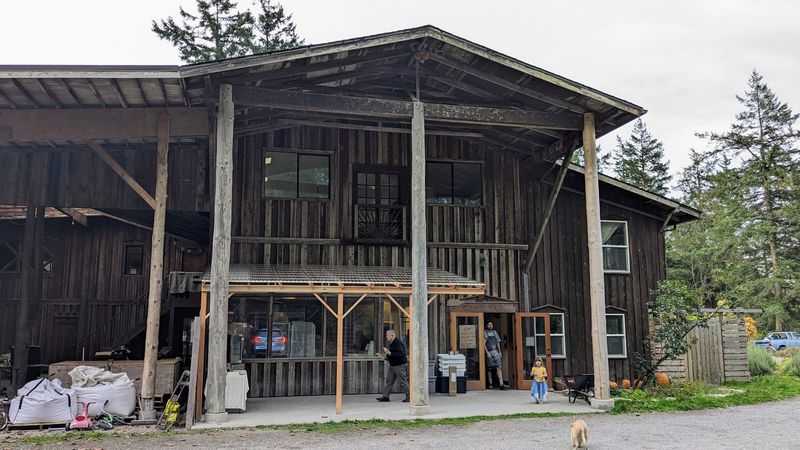
Step into the farmstand on a bright island morning, and the abundance hits you before you count a single thing. Shelves carry rounds and batards shoulder to shoulder, and the air hums with that singing crust sound only fresh bread makes.
You can almost map the day by the smell alone, from grainy and green to caramel and deep.
Volume here does not flatten character, and that is what I love pointing out. Each loaf seems to declare its own mood, shaped by timing, hydration, and a baker’s particular touch.
You grab one and feel the balance of weight and spring, and suddenly breakfast plans become a living idea instead of a checklist.
Even with a full rack, nothing feels industrial. The labels read like notes from a friend, and the scoring carries little signatures that do not need a name.
It is production, sure, but the soul stays close to the oven and the field.
By the time you leave, you understand how the community sets its week around this rhythm. People swing by with baskets, exchange news, and let the bread nudge meals into shape with easy confidence.
The island keeps time with the bake, and that gentle pulse feels like the best kind of schedule you never had to write down.
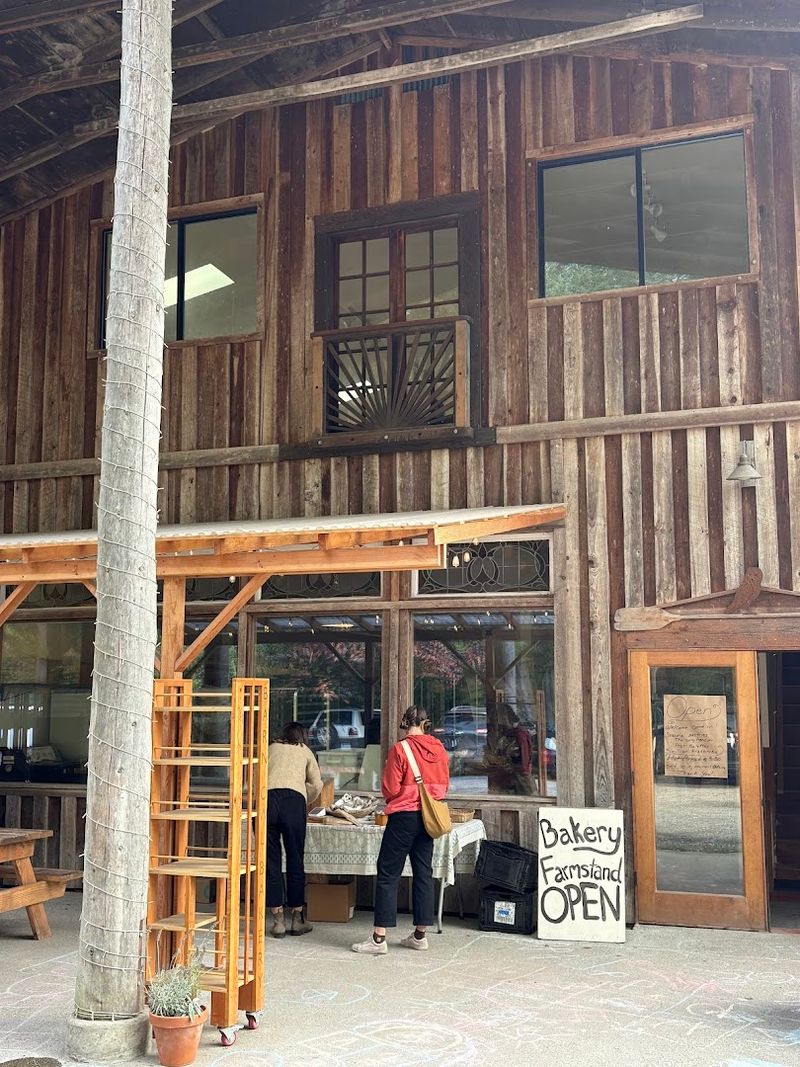
A Former Lumber Barn Now Houses The Bakery
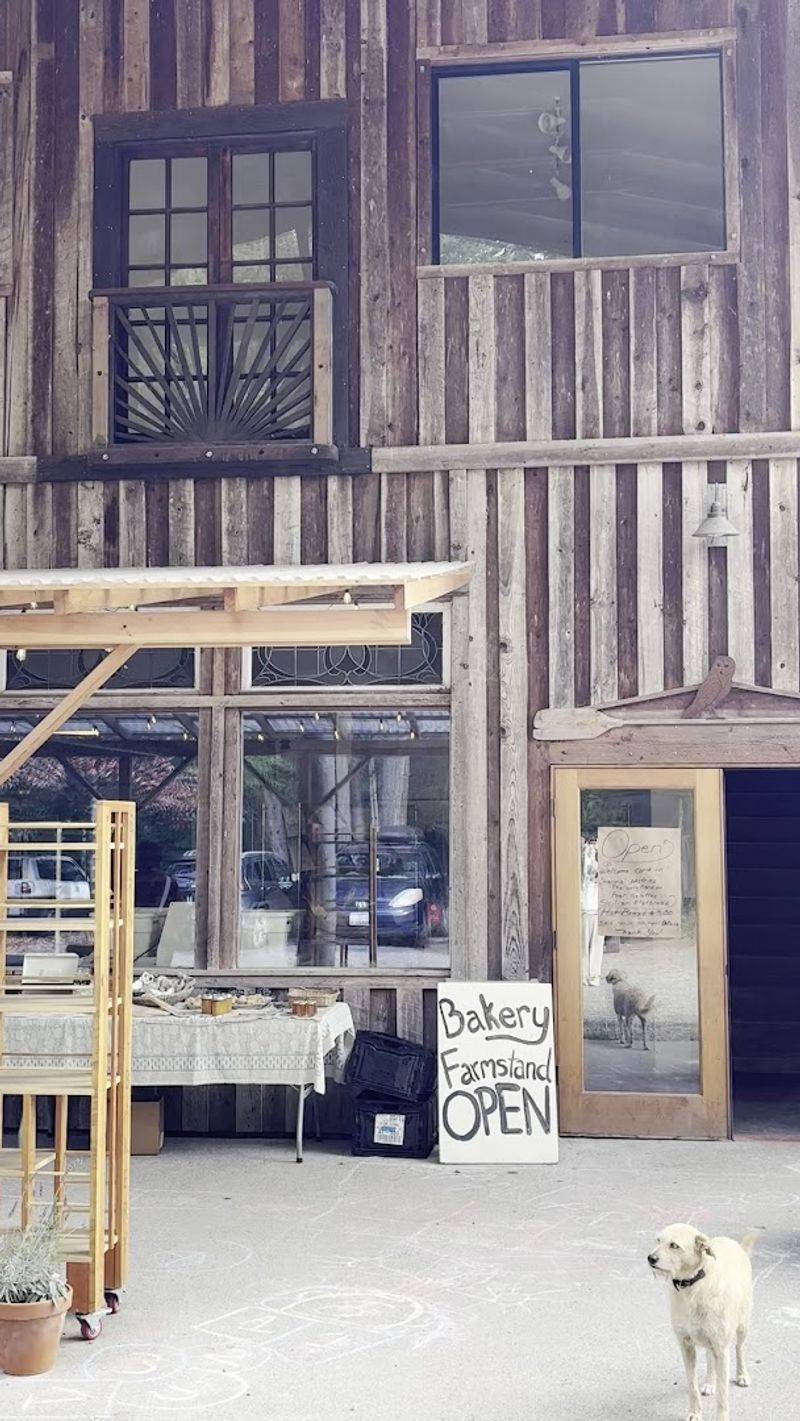
From the outside, the building looks like it remembers hard work, and that memory fits the place perfectly. Old beams hold new purpose, and the siding keeps its weathered honesty without trying to look quaint.
You walk up on gravel and feel your pace match the mood of the structure, steady and unhurried.
Inside, the bones of the barn give the bakery a grounded posture. Light sifts through practical windows, tools hang where they earn their space, and the oven sits like a new heart in a seasoned chest.
The mix of past and present comes across as comfortable rather than decorated.
I like that nothing tries to hide. You can read the building like a biography, from sawdust days to flour days, and the through-line is simple usefulness.
It turns out bread and timber both teach respect for time, and this room listens.
On Lopez Island, stories gather in buildings like this. Folks remember a repair made on a windy afternoon, or the sound of rain on the roof during an early bake, and the details stick because they are shared.
Washington has big skylines and busy scenes, but this quieter corner shows how a humble barn can carry a community forward without losing what it came from.
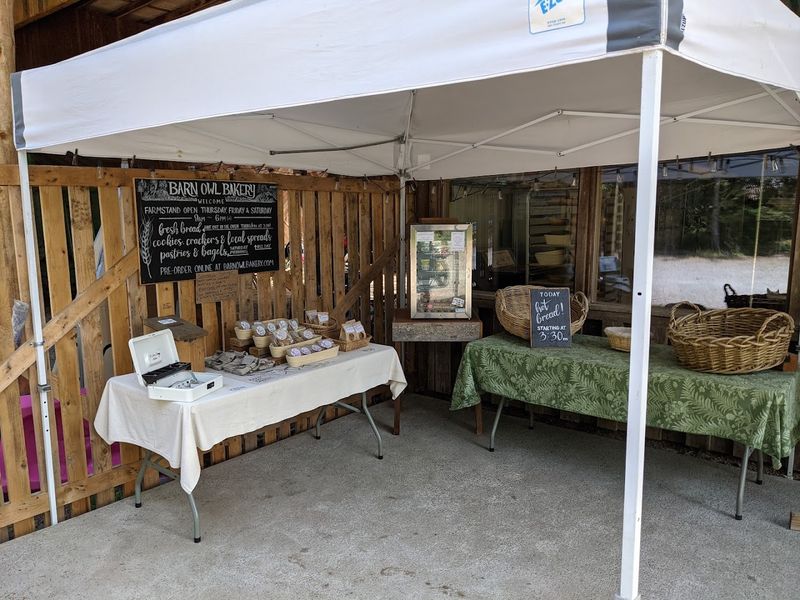
An Old Art Gallery Transformed Into A Farmstand Space
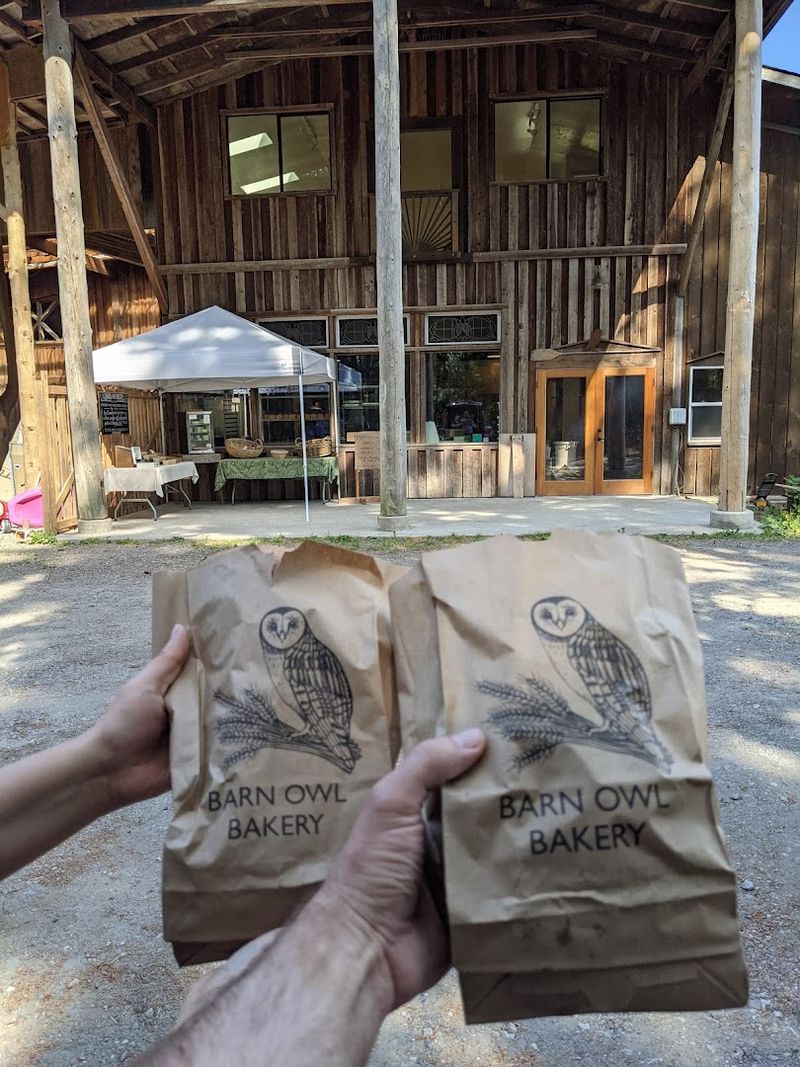
The farmstand used to hold paintings, and you can still feel that gallery calm in the way light lands on the loaves. White walls make the crusts glow, and the simple tables read like pedestals for everyday sculpture.
It is a nice surprise, how bread and art share the same kind of attention.
Walking through, you end up moving a little slower, the way you might in a museum when something catches you. Labels are tidy, baskets are friendly, and the room lets the shapes and scores say what they need to say.
It never feels fussy, just intentional in a way that keeps your senses clear.
There is something about seeing food presented in a space built for looking. You notice color differences you might miss elsewhere, and you tune in to the way crust sings when you pick a loaf up.
Those small observations become part of the meal later, almost like a note tucked into your bag.
Out here, the gallery-turned-stand also becomes a tiny meeting room. Neighbors swap ideas about dinner, share a favorite toast topping, or trade a tip about a trail.
The blend of art and appetite makes the space memorable, and it fits the Lopez Island habit of making practical beauty feel easy.
A 17?Acre Property With Fruit Trees And Heritage Grains
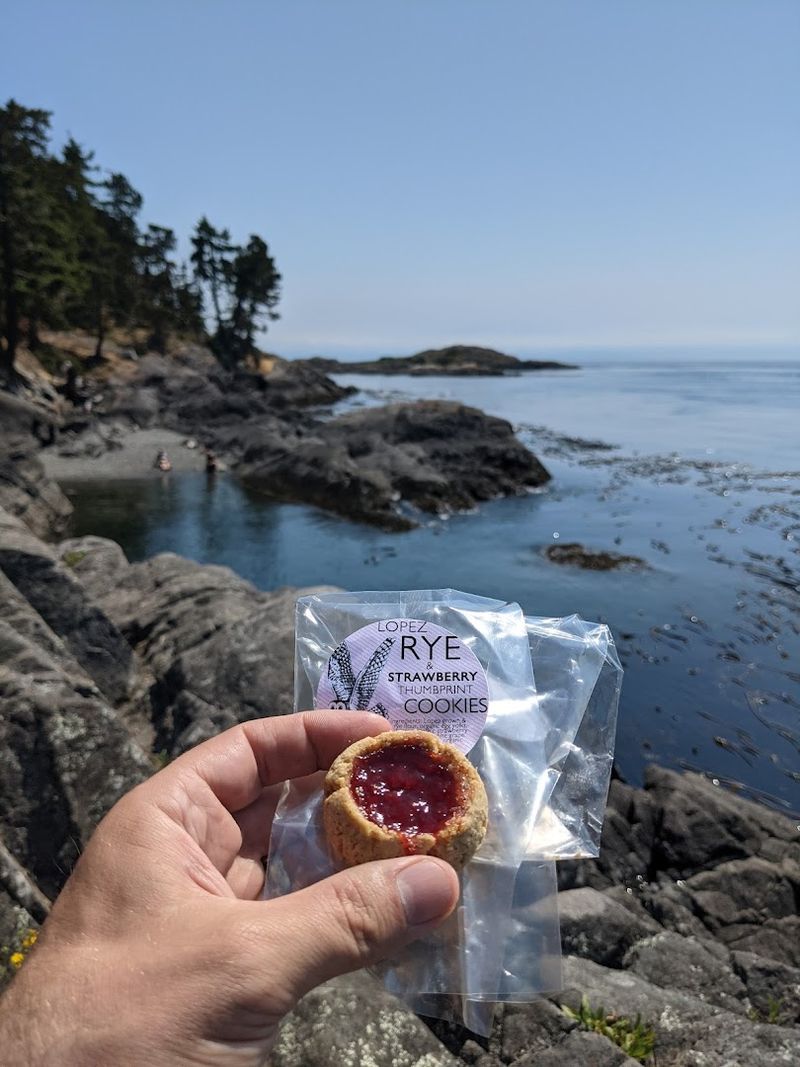
Walk the property and you start to understand why the bread tastes like a place rather than an idea. Grain grows within sight of the oven, fruit trees lean into the breeze, and soil underfoot tells you in quiet ways that it has been cared for.
The landscape does not perform, it participates.
What gets me every time is how the grain becomes a conversation instead of a commodity. You can ask where a flour came from, and the answer might be a row you just passed or a neighbor’s field down the lane.
Those details add up to flavor you can point at with your eyes, not just your mouth.
Fruit hangs in season, lending perfume to the air and occasional sweetness to a bake. The farm chores live alongside the bakery tasks, and the overlap gives the loaves a sense of belonging.
It is like the field and the hearth are on a first-name basis.
Washington has a lot of agricultural stories, and this one feels grounded and personal. On Lopez Island, that scale means you can meet the people, see the plots, and taste the choices.
By the time you head back to the ferry, you will carry more than bread, because the landscape sneaks into your memory and settles there like a friendly echo.
The Quiet Island Rhythm Of A Wood-Fired Village Bakery
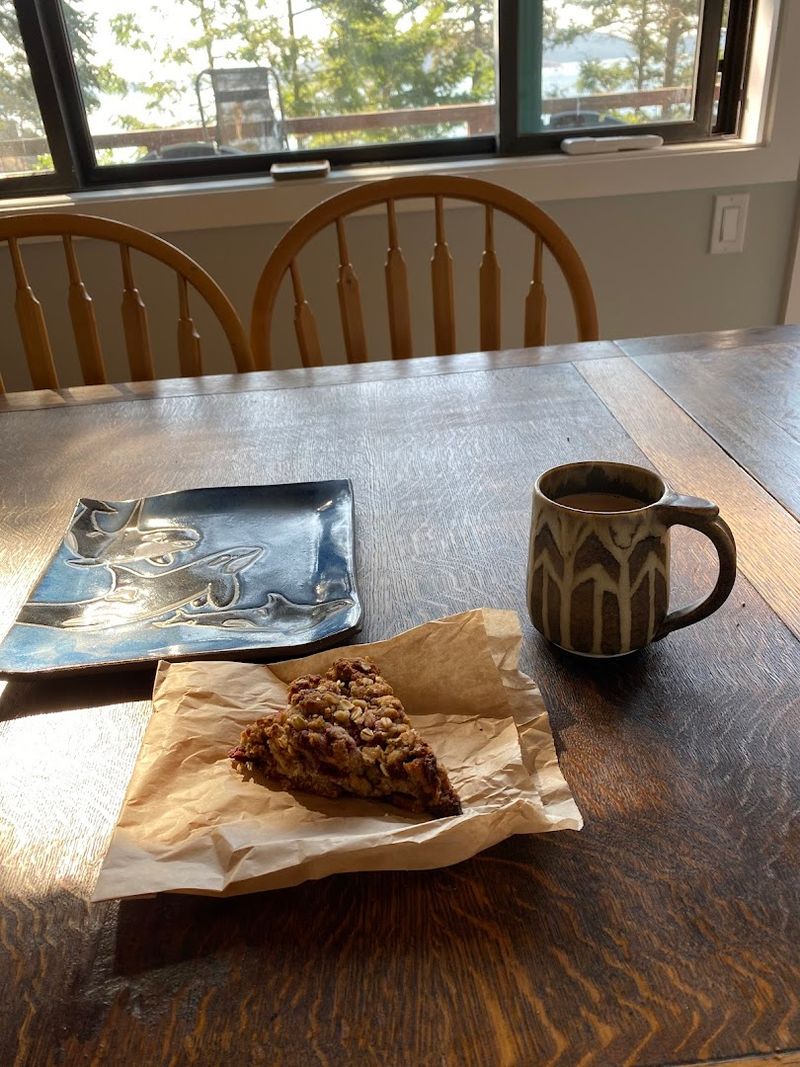
Some places ask you to slow down, and this bakery does it without a single sign. You roll up, hear the soft clink of a rack, catch a curl of smoke, and feel your shoulders settle like they finally got the memo.
The island sets the metronome, and everything else falls into that tempo.
Mornings feel like a neighborly kitchen where no one needs an introduction. A couple of bikes lean against the fence, someone points out a trail, and a kid presses a nose to the glass to admire a perfect ear on a boule.
It is ordinary in the very best way, the kind you miss before you even leave.
What keeps me coming back is how the rhythm holds steady through the seasons. Light shifts, wind turns, and the bake keeps pace without pretending to control anything it cannot.
The result is food that tastes calm and lived-in, not staged.
If you find yourself planning a trip through Washington, note this spot on Lopez Island and give it an easy morning. Let the ferry ride set your mood, then let the bakery finish the job with warmth and steadiness.
You will leave carrying bread, sure, but also carrying a pace you might want to keep long after the crust is gone.
Two Tons Of Brick Heat To Over 900 Degrees
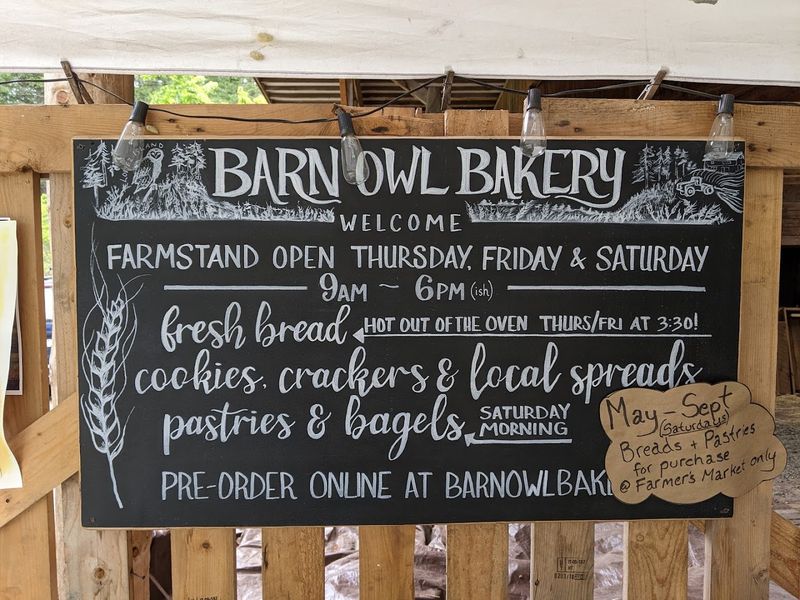
Start here when you come by: Barn Owl Bakery, 108 Grayling Ln, Lopez Island, WA 98261. The lane bends through trees, the air smells faintly of salt and wood, and the building sits with a kind of quiet welcome that makes you slow your steps.
You can hear soft sounds from inside, the gentle thud of a peel, the rustle of a paper bag, and that is your cue to step closer.
I like arriving with enough time to let the place introduce itself. A small sign, a tidy stack of firewood, a window that glows a little, and you have the whole story in quick sketches.
Nothing here shouts, and because of that, everything lands clearly.
Take a minute before you open the door. Breathe the air, listen for birds across the field, and let the ferry ride fall out of your shoulders.
It is a tiny reset, and it pairs perfectly with warm crust and friendly conversation.
Inside, the crew keeps the vibe grounded and kind, and you feel looped in right away. You might ask about today’s grain, or how the bake went, and someone will answer like you have been neighbors for years.
It is the simplest kind of welcome, and it turns a visit into a memory that follows you back down the lane.
