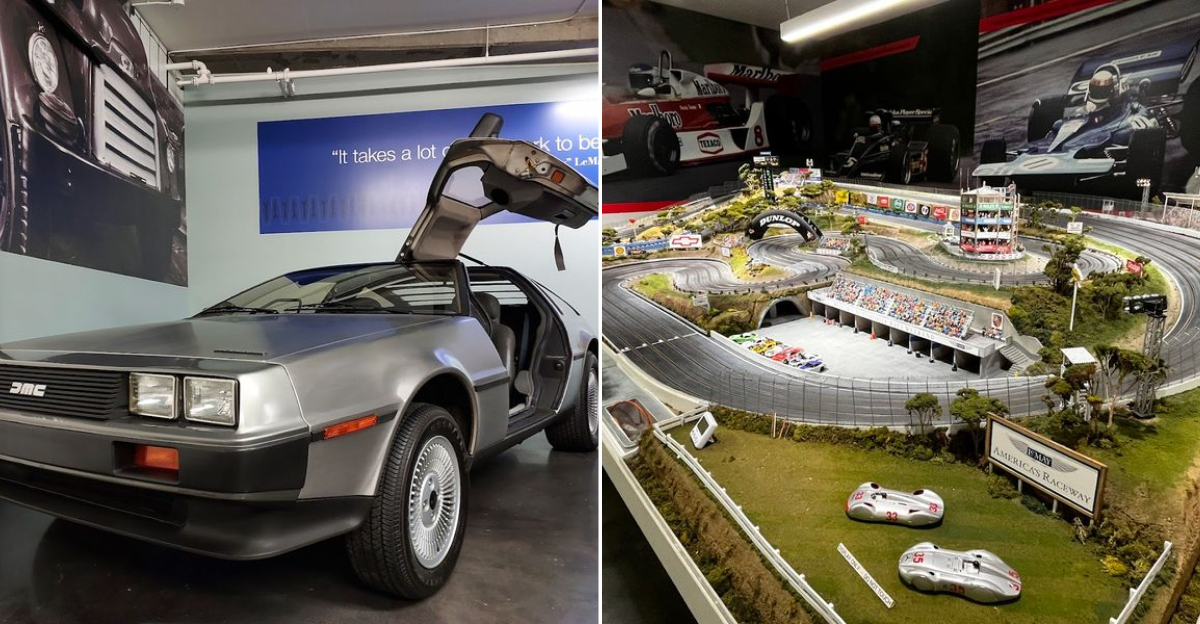
You can get behind the wheel of a vintage hot rod, stare up at a sleek supercar from the nineteen sixties, and walk through a gallery dedicated to the open road, all without ever leaving this Washington museum.
Four floors of gleaming chrome and polished steel stretch out like a dream garage, packed with more than two hundred and fifty vehicles that span more than a century of automotive history.
Classic muscle cars sit next to early electric prototypes, and the building itself feels like a temple built for anyone who has ever loved the rumble of an engine.
You can explore exhibits on racing legends, learn how gasoline and electricity are shaping the future, or simply admire the curves of a car that looks like it belongs in a movie.
The views from the mezzanine stretch toward the water and the mountains, reminding you that the journey is just as important as the destination. This is not a quiet museum where you tiptoe past velvet ropes.
It is a giant indoor playground for anyone who loves cars, road trips, and the kind of design that makes you stop and stare.
The Building Gets You Before The Cars Do
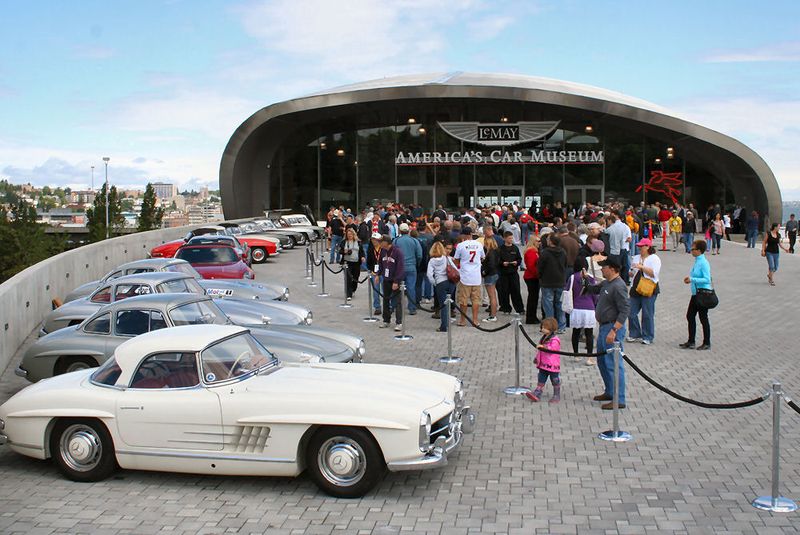
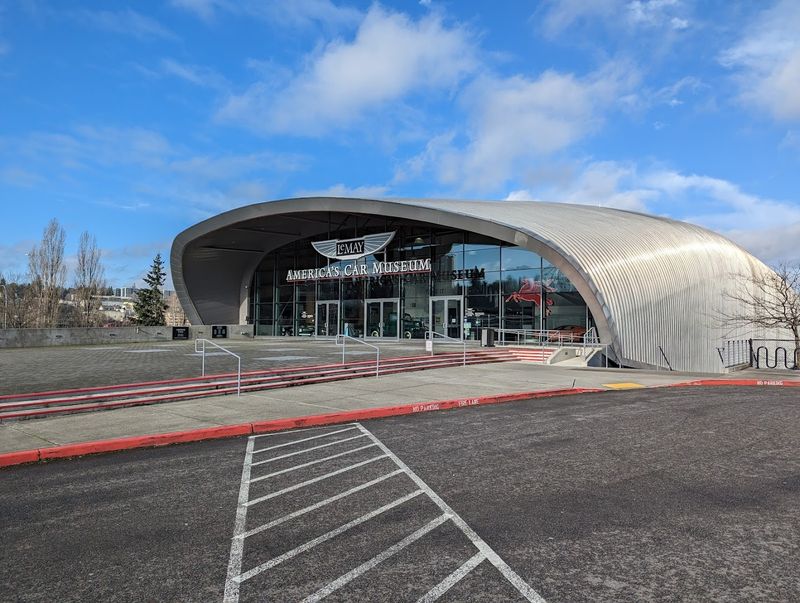
I am telling you, the building itself sets the mood before you even start looking closely at the cars. From the outside, it has that bold, sculptural look that feels part museum and part futuristic road trip stop, and once you step inside, the whole place opens up in this big airy sweep that immediately makes you want to wander.
What I liked most is that it never feels cramped or fussy, even though there is a lot to take in. The ramps, the sightlines, the way one gallery leads your eye toward another, all of it gives you that nice sense of motion, which is exactly what a car museum should do if you ask me.
There is also something very Tacoma about it, in the best way, because it feels substantial without feeling stiff. You get the polished design, the scale, and the visual drama, but you also get a space that welcomes casual curiosity, which matters if you are visiting with someone who just wants to look around and follow whatever catches their attention first.
Before I read a single placard, I already felt pulled in by the atmosphere, and that is usually a good sign that a museum knows exactly what kind of experience it wants to give you.
It Starts Feeling Personal Almost Right Away
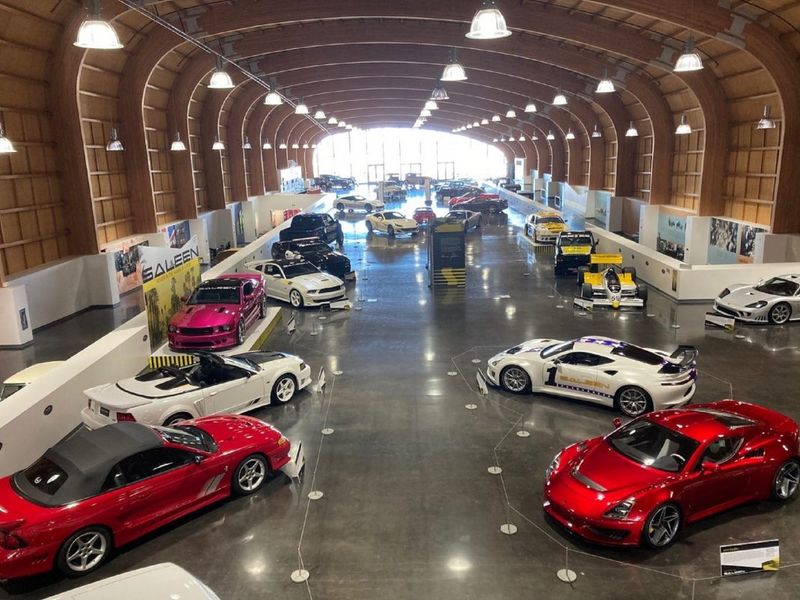
The thing that surprised me early on was how fast this place stopped feeling like a formal museum and started feeling like a story you could walk through. At LeMay – America’s Car Museum, 2702 East D Street, Tacoma, WA 98421, the collection is impressive, sure, but the real pull is how human the whole experience feels once you settle into it.
You are not just staring at shiny machines behind ropes and moving on to the next one. You are seeing clues about travel, style, ambition, family habits, and all those little everyday dreams that cars carried around with them for generations, which gives the galleries a warmer feeling than I expected.
I kept noticing how easy it was to connect the displays to real life instead of treating them like distant artifacts. One car makes you think of a grandparent, another makes you picture an old roadside motel, and another reminds you how design used to be a little flashier and more optimistic in a way that still looks good now.
That personal thread is what makes the museum click, especially if you like places that give you room to remember things, imagine things, and get a little sentimental without making a big production out of it.
The Road Trip Energy Is Real
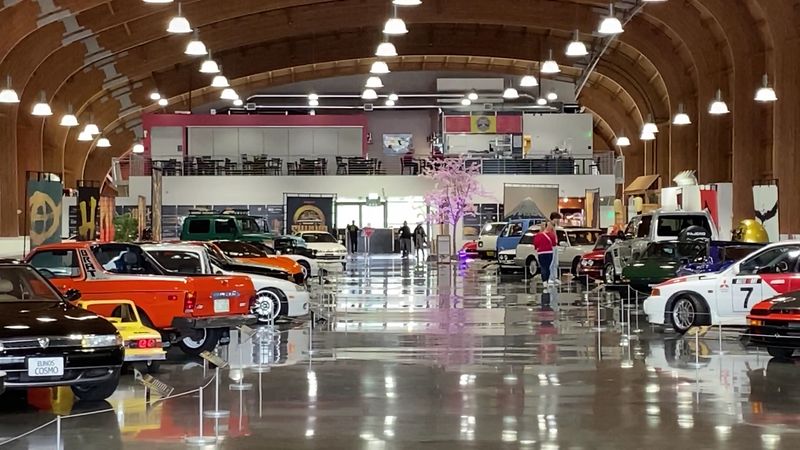
If you have any affection at all for road trips, this museum knows exactly how to get under your skin. There is a whole current of movement running through the exhibits, and even when you are standing still, you still feel that familiar pull of highways, maps, snack stops, postcards, and long drives with something playing softly in the background.
One of my favorite parts was how the museum taps into the romance of the open road without turning it into a cliché. Instead of pushing nostalgia too hard, it lets the vehicles and surrounding details do the work, so you start filling in the rest with your own memories and whatever version of American travel lives in your head.
That makes the experience feel strangely personal, even in a big public space. You can be looking at one display and suddenly think about family station wagons, old motel signs, scenic detours, or the way travel used to feel slower and a little more ceremonial than it does now.
In Washington, where driving often means dramatic views and weather that changes by the hour, that road-trip spirit lands especially well. It feels less like a lecture about transportation and more like a conversation about why hitting the road still carries so much emotional weight.
Lucky’s Garage Has Real Heart
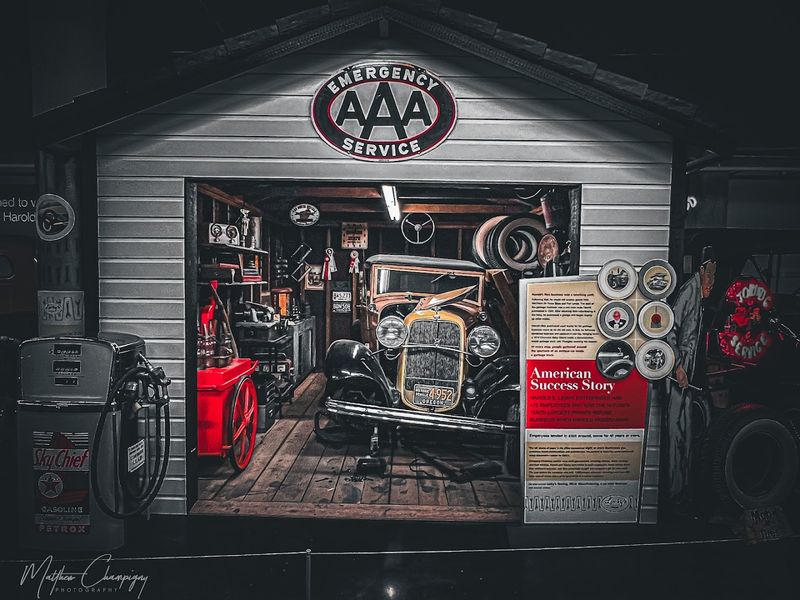
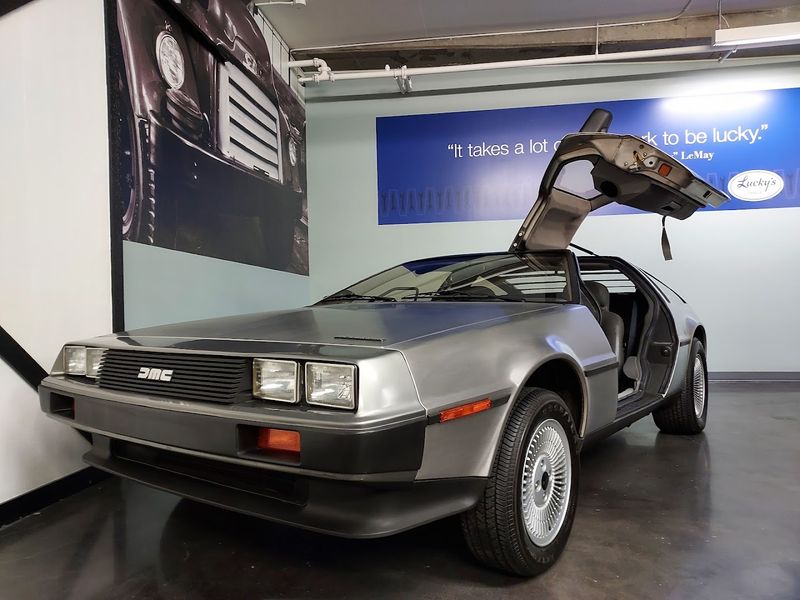
This is where the museum started feeling especially warm to me, because Lucky’s Garage has that collected-over-time energy that people love. It is not just about pristine vehicles lined up for admiration, but about the passion behind gathering them, living with them, and seeing beauty in the culture that grows around them.
You can feel the personality in this section, and that makes a big difference. The memorabilia, the garage atmosphere, and the details tucked around the cars create the kind of environment where you slow down naturally, because there is always one more sign, object, or visual wink pulling your attention sideways.
I liked that it never came across as overly precious or too carefully polished, even though everything is thoughtfully presented. It keeps enough of that garage spirit to remind you that collecting cars is not only about status or engineering, but also about attachment, memory, and the thrill of finding something that speaks to you for reasons that are hard to explain.
If you have ever loved a basement workshop, an old family shed, or a cluttered space where hobbies take over in the best possible way, this part will probably land with you. It gives the museum a pulse that feels affectionate, curious, and very alive.
The Design Details Are Half The Fun
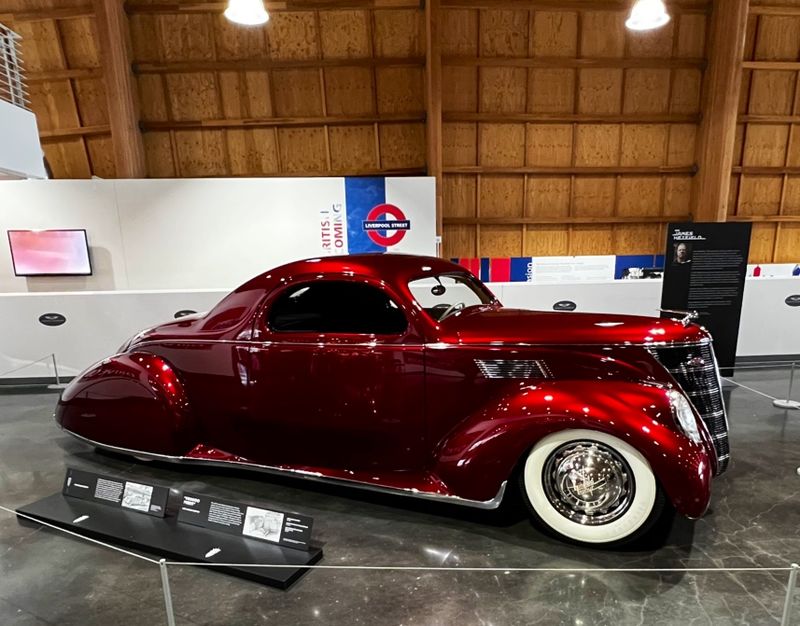
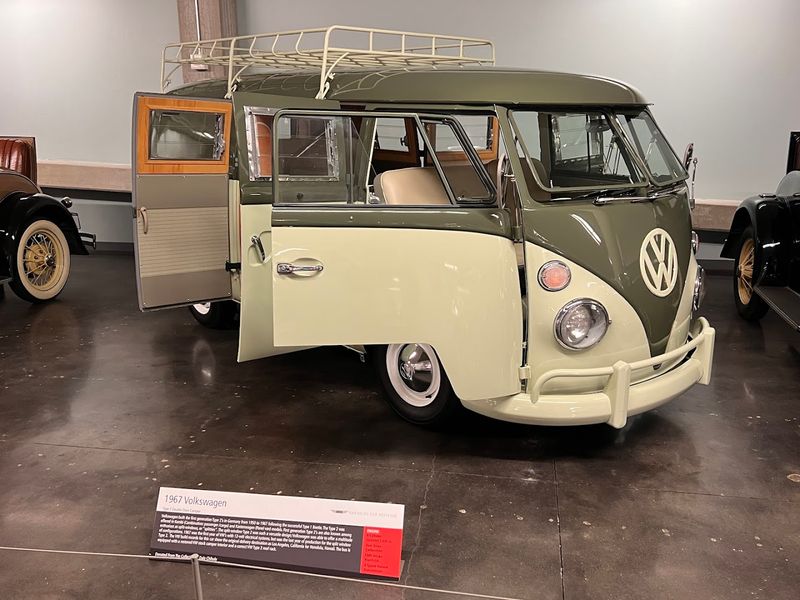
Honestly, even if engines are not your thing, the design alone can carry an entire visit here. The curves, colors, dashboards, trim, logos, and interiors are so full of personality that you start looking at the cars the way you would look at furniture, architecture, or old movie costumes.
That is what makes this museum such a good stop for people who love retro design but do not necessarily think of themselves as car people. You start noticing how much style these vehicles were meant to project, and suddenly every tailfin, steering wheel, and seat fabric choice feels like part of a larger conversation about taste, aspiration, and the moods each era wanted to sell.
I found myself lingering over things that had nothing to do with speed or mechanics. A particular dashboard shape, a glossy paint color, a little chrome flourish around a light, those details are what keep the whole place from becoming repetitive, because each car has its own visual voice.
There is also a nice contrast between the sleek museum setting and the expressive design of the vehicles themselves. In Tacoma, that mix works beautifully, because the clean presentation lets all the eccentricity and elegance of the cars come forward without competing for your attention.
You Can Actually Play Here
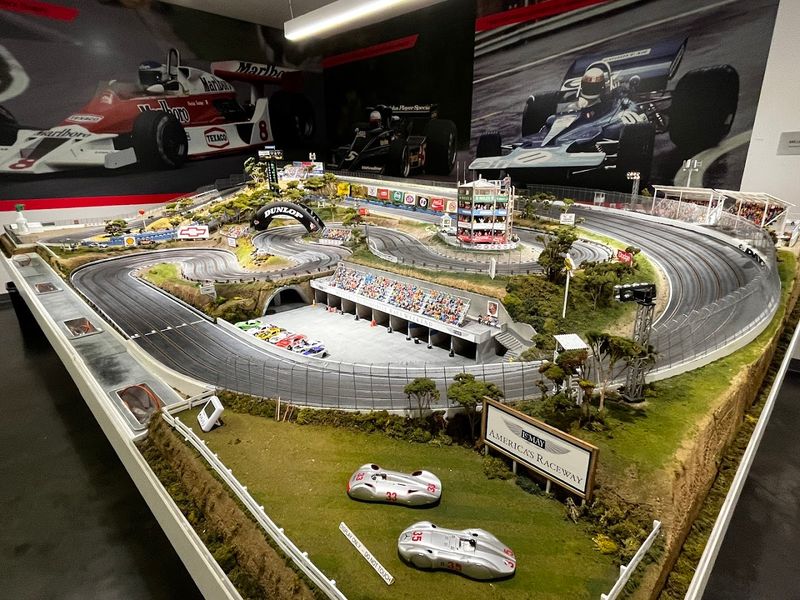
What keeps this place from feeling too reverent is that it really does have a playful side, and I mean that in the best way. There are interactive areas that break up the looking and reading, so the visit never settles into that heavy museum rhythm where everyone starts shuffling quietly and checking the time.
If you are with kids, this matters a lot, but honestly it also matters if you are an adult who likes doing things instead of only observing them. The hands-on family zone, the slot car fun, and the racing simulator energy give the museum a nice jolt, like it knows admiration gets stronger when curiosity is allowed to move around a bit.
I appreciated that these pieces do not feel tacked on or gimmicky. They fit the subject naturally, because cars have always been about movement, imagination, and the fantasy of getting behind the wheel, so the museum is smart to make room for that sense of participation.
It also changes the social feel of the building in a good way. You hear people reacting, comparing, laughing, and trying things, which keeps the whole experience lively and reminds you that car culture has always been communal, not just something you absorb silently from a distance.
The Educational Stuff Never Feels Dry
Usually when a museum starts leaning into educational language, I brace myself a little, because it can get stiff fast. Here, though, the sections about automotive technology, energy, and how transportation shapes everyday life are handled in a way that still feels connected to people, choices, and real lived experience.
Instead of dumping facts on you and hoping you stay interested, the museum keeps tying ideas back to the bigger story of how cars changed the country. You are thinking about design and culture one moment, then infrastructure, mobility, and changing habits the next, and somehow it all flows together without sounding like a textbook chapter.
I liked that balance because it respects your curiosity without overexplaining everything. There is enough context to deepen what you are seeing, but not so much that the exhibits lose their energy or start reading like homework, which can happen in places that are too eager to prove how informative they are.
That thoughtful approach also makes the museum feel bigger than a collection of beautiful objects. In Washington especially, where cities, industry, and transportation history overlap in interesting ways, it is satisfying to walk through a space that connects cars to the larger story of how people move through the world.
Even The Quiet Corners Feel Good
Not every museum knows how to give you breathing room, but this one really does. Between the big galleries and the more detailed displays, there are moments where you can sit, reset, and just let everything you have seen settle in without feeling pushed along.
I always notice that stuff, because comfort changes the whole rhythm of a visit. When a place has decent seating, generous pathways, and spaces that let conversations happen naturally, you stay longer, you notice more, and you leave feeling like you actually experienced the museum instead of rushing through it in one long blur.
The cafe helps with that too, not because it steals the show, but because it supports the day in a very practical way. You can pause, talk about what stood out, figure out where you want to backtrack, and then head back into the galleries with fresh eyes, which is often when the best details start jumping out at you.
That ease matters more than people admit, especially in a large museum where visual overload can sneak up on you. LeMay in Washington handles that balance nicely by giving the collection plenty of drama while still making room for ordinary human needs like rest, conversation, and a comfortable reset.
It Is A Great Tacoma Day For More Than Car People
Maybe the best thing I can say about this museum is that you do not need to arrive as a devoted car person to have a genuinely good time. If you like museums with strong visual identity, if you love Americana, or if you just enjoy places that are a little theatrical without being overdone, there is plenty here to pull you in.
That makes it a really satisfying Tacoma outing because it works across different personalities and attention spans. One person can focus on craftsmanship, someone else can chase nostalgia, someone else can get absorbed by the social history, and somehow the museum holds all of that together without splitting into separate experiences.
I think that is why it stays with you after you leave. You remember individual vehicles, sure, but you also remember the feeling of the ramps, the openness of the galleries, the retro touches, the road-trip mood, and the way the whole place keeps inviting you to make your own connections rather than dictating exactly what you are supposed to care about.
So if you are wandering around Washington and want a museum that feels generous, specific, and easy to enjoy out loud with a friend, this one really earns the trip. It has scale, charm, and enough personality to keep the conversation going well after you head home.
