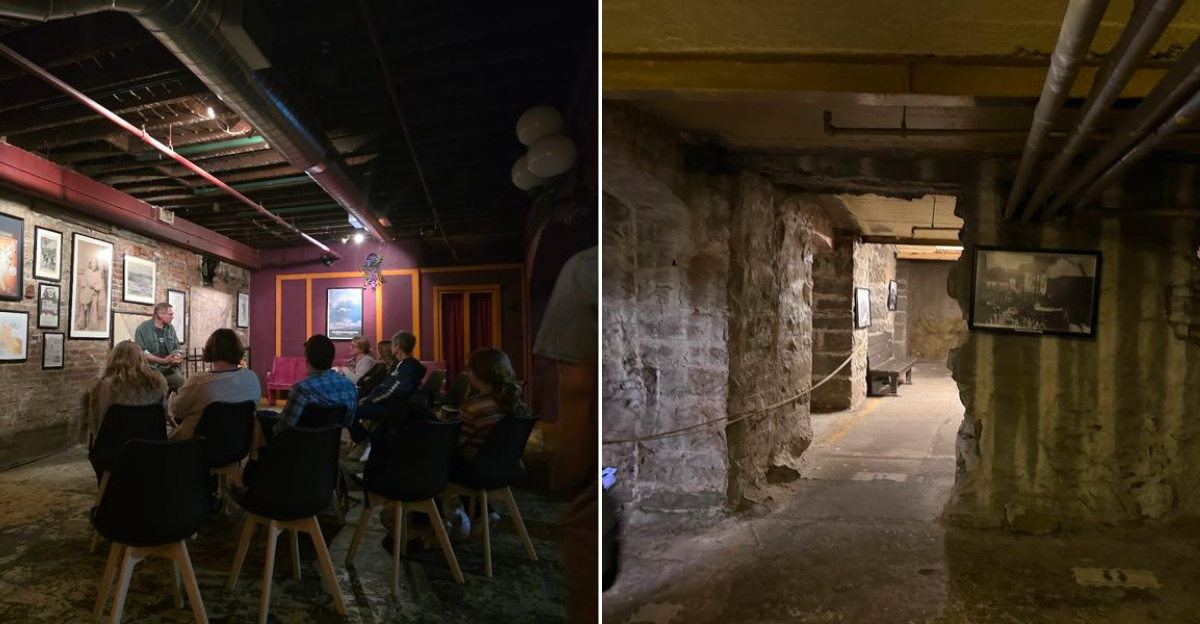
What if one of Seattle’s most fascinating old stories was sitting right under your feet the whole time? This Washington underground tour taps into that exact feeling by pulling visitors beneath the surface of the city’s oldest neighborhood and into a side of Seattle that most people never get to see.
It is not just a history stop with a few facts and dusty stories. The setting itself does a lot of the work, because heading below street level instantly makes the experience feel stranger, more immersive, and a lot more memorable.
That is what gives this tour its edge. You are walking through spaces tied to an earlier version of Seattle, seeing pieces of the city that were literally left behind as the neighborhood changed around them.
It feels hidden, a little eerie, and genuinely different from the usual sightseeing routine. For anyone who likes history with atmosphere and a tour that feels more like discovering a secret, this underground experience has a way of sticking with you.
A Seattle Tour With A Hidden Side
Let me start with the spot you plug into your map, because it helps to know you are in the right place. Beneath the Streets sits at 102 Cherry St, Seattle, WA 98104, and from the sidewalk you would never guess there is an entire level of city sleeping beneath your feet.
You walk in expecting a quirky history talk, and then a staircase drops you into a hush that feels older than the traffic rumbling above.
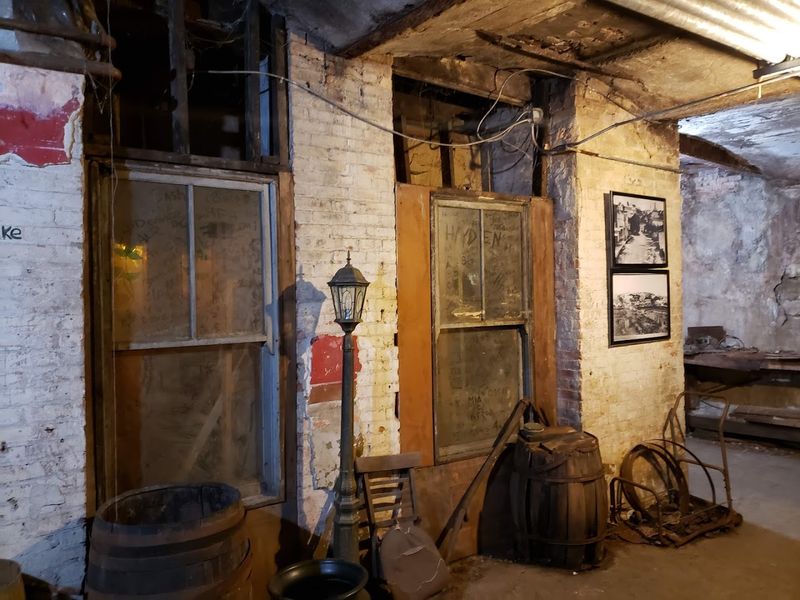
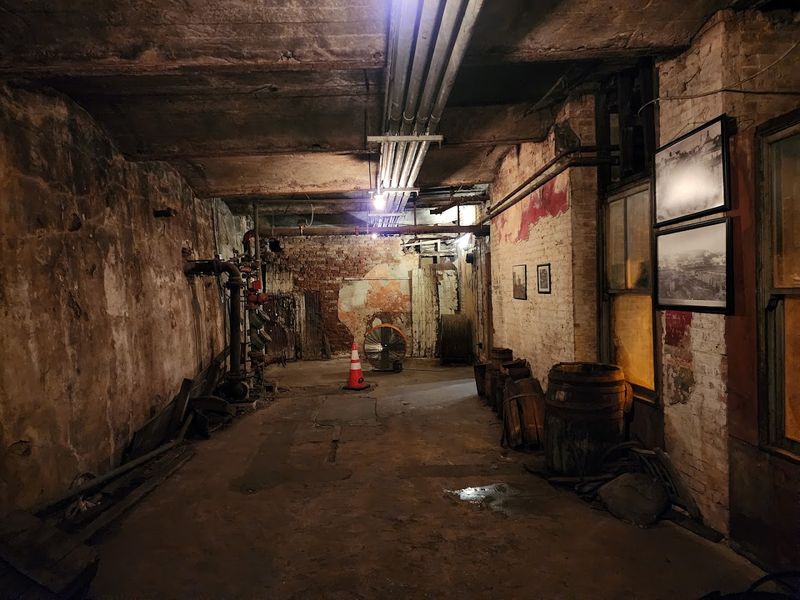
Down there, the light softens, and brickwork suddenly tells the story more clearly than any plaque. Window frames open into earth, and stairs lead to ceilings, which is a fun little brain flip that makes you grin.
The guide points out scuffed thresholds where boots once clattered, and your eyes keep adjusting as details sharpen, like glass prisms glowing faintly in the street grid overhead.
What sneaks up on you is how human it all feels. These passages are not a set or a staged museum, and that is what makes the tour land.
You are standing in rooms that were once busy and loud, listening as Washington history becomes extremely local, almost house-to-house. It feels personal because the streets above are the same streets you will use later, and the past is still right there, a floor below.
The Buried Passageways Beneath Pioneer Square
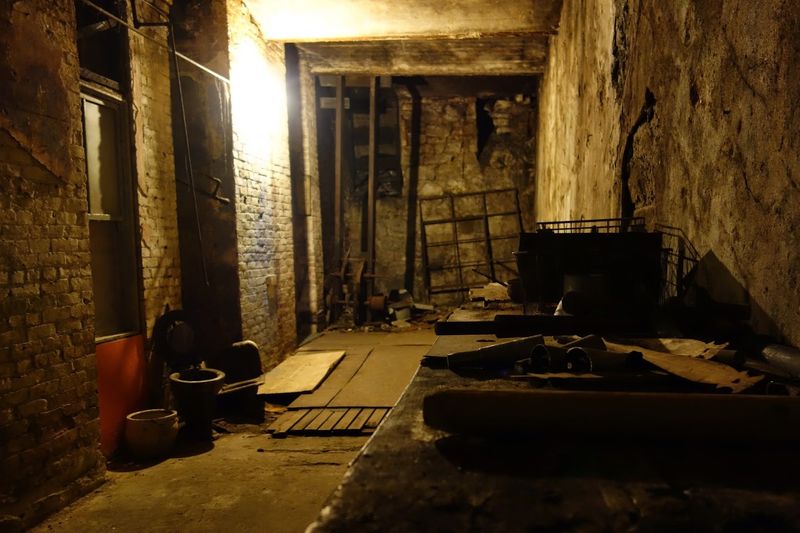
You take a turn past a brick corner and it hits you that these were once sidewalks, not basements. The corridors stretch with a comfortable narrowness, like an alley that forgot daylight, and the air smells faintly mineral and wooden.
I like how the lighting is gentle rather than theatrical, so your eyes are doing the discovering instead of being told where to look.
In one spot, a window frame opens onto packed earth, which feels delightfully upside down. Another corner shows a staircase that rises to a blank wall, a reminder that the original street did not vanish so much as shift.
When the guide explains how storefronts survived while the city lifted the streets, you can practically feel the old foot traffic brushing past your shoulder, all hurry and purpose.
What would it have been like to shop down here when it was the real level of town? That question lands differently when your hand finds a nick in the brick, and you imagine someone else touching this same spot while arguing about a shipment or a repair.
Pioneer Square above is lively and photogenic, but below it carries a steadier heartbeat, and you can hear it in the creak of boards and the quiet echo. Washington history does not shout in these passages.
It just keeps breathing, slow and sure.
Old Street Levels Still Locked Under The City
There is a moment when you realize the ceiling above you is actually the bottom of a sidewalk, and it makes the whole city click into place. Those purple glass squares you have seen set into the pavement?
Down here they glow like sleepy stars, and you finally understand that they were once sunlight, borrowed for the businesses below.
I like when the guide slows the group and lets the room do the talking. You can trace the line of an old doorway, see where a counter might have stood, and picture someone sweeping out onto a street that now hangs above their head.
It is less about nostalgia and more about geography, honestly. Seattle stacked a new layer on top, and the seam is visible if you know where to look.
Standing in that in-between feels strangely modern. Cities everywhere are constantly editing themselves, but Washington wrote its revision right into the architecture, and it stayed readable.
You leave with this layered map in your mind, and it makes the sidewalks topside feel like pages, not pavement. Back on the surface, you will probably look for those glass prisms again, which is fun because they are now clues.
And once you have seen the old street level, every corner of Pioneer Square feels like a sentence with a hidden line break.
Why This Tour Feels Different From Typical Sightseeing
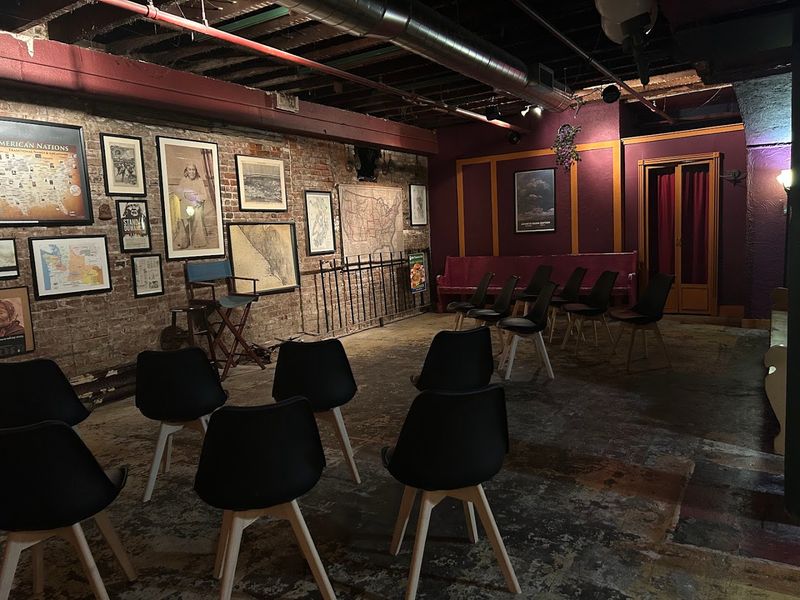
Most tours line you up, feed you facts, and move you along, which can be fine when you are racing daylight. This one slows the timeline so you can smell the wood, squint at the mortar, and notice the way sound drifts down the corridor.
You are not just hearing a story about the city. You are inside the room where the plot twist happens, and that changes how you listen.
Another reason it feels different is the scale. The spaces are intimate, and the group stays tight, so anyone can ask a question without needing to project.
The guide is right there pointing to a hinge or a scar in the floor, and because you can see it clearly, the history feels less like trivia and more like context for the blocks you will walk later. It is a personal tempo rather than a parade.
Also, the surprises are physical. You feel grade changes under your shoes, and the air cools as you step deeper.
That subtle shift keeps you present. Sightseeing can blur into snapshots, but this is more like a conversation with the building itself.
Seattle comes across as both scrappy and patient, and Washington pride sneaks in without speeches. It sticks with you the rest of the day.
Small Groups Make The Stories Feel More Personal
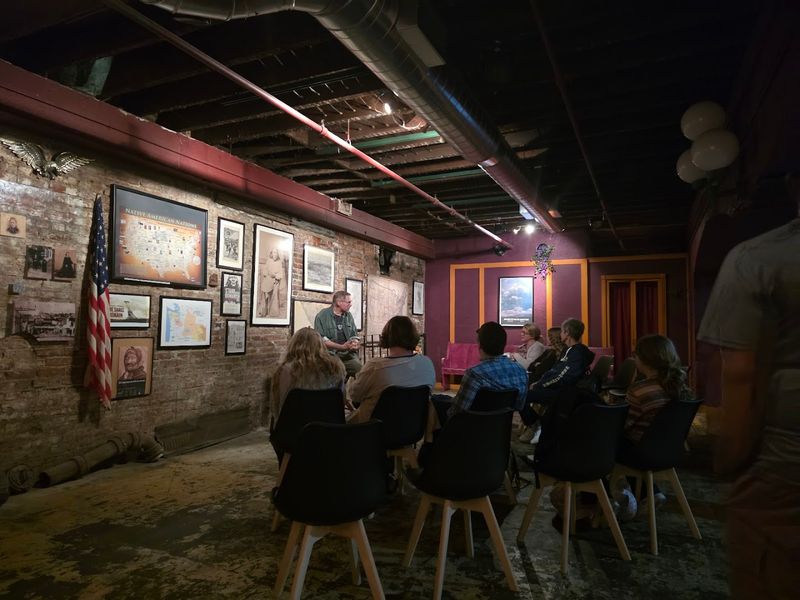
You can hear people breathe when the guide pauses, which tells you the group size is just right. Nobody is stranded at the back, and you are never craning for a glimpse of whatever detail everyone is whispering about.
That intimacy lets the guide talk like a person rather than a loudspeaker, and it frees you to follow your curiosity instead of a script.
There is room for side conversations, and oddly enough that is where some of the best moments happen. Someone asks about a weird nail pattern, and suddenly the whole passage turns into a short lesson on building stubbornness and improvisation.
Another person wonders what happened to daylight back then, and the guide points up, matching your gaze to the faint glow. It feels like being let in on the mechanics of a city you thought you already understood.
Because the group is small, the walk has a gentle pace. Questions breathe, and jokes land without getting swallowed by echo.
You can take your time with a doorway, wait for your eyes to adjust, and then catch the detail you almost missed. It is friendly rather than formal, and that tone makes the old stories sound current.
Seattle is the headline, sure, but Washington pride hums underneath every brick, steady and real.
Seattle History Comes Alive Below Ground
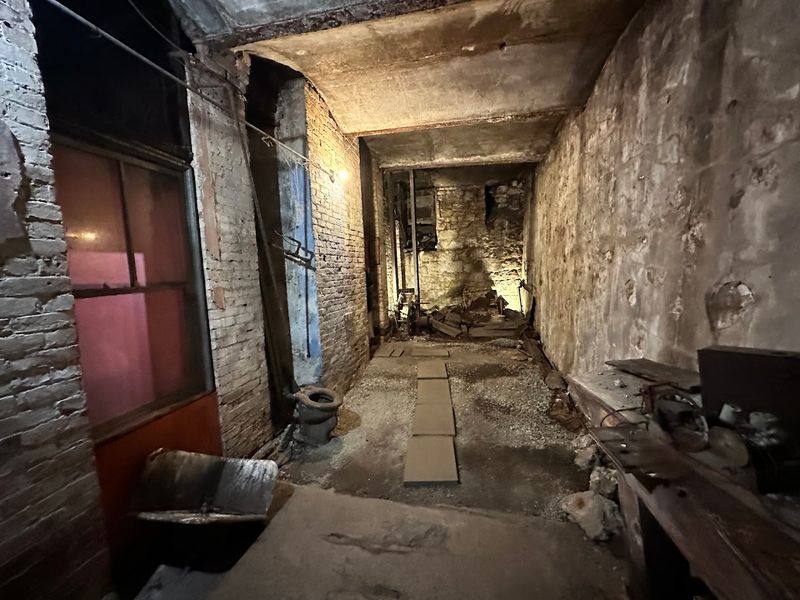
The words click when you can point at the place they describe, and that is what happens underground. You are hearing about a fire and a rebuild, and then suddenly your hand brushes a scorched timber, and the past stops being a chapter and becomes a room.
The guide threads personal stories into the bigger arc, which makes the timeline feel lived in rather than distant.
I like how the space turns you into a slower version of yourself. You notice the lilt in the guide’s voice when a favorite anecdote approaches, and you watch your own shoes on the uneven floor, which adds a quiet thoughtfulness to the whole thing.
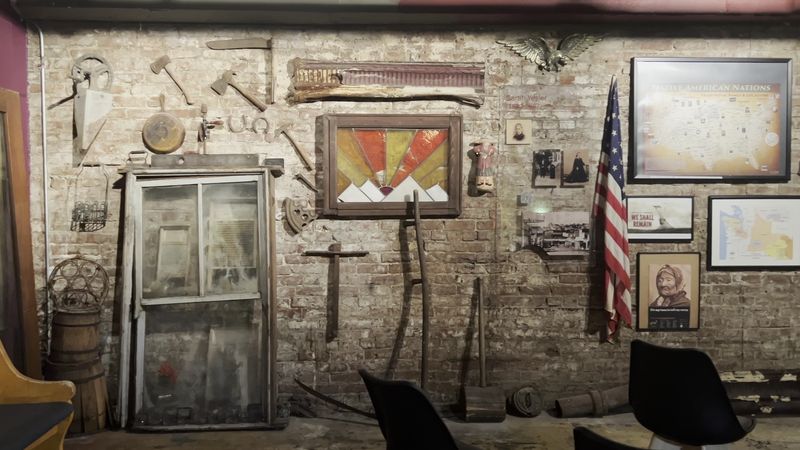
Artifacts pop up without fanfare. A tile here, a window latch there, and suddenly a neighborhood awakens in your imagination with a steadiness that surprises you.
By the time you climb back to daylight, it is not just trivia stuck to a timeline. It is an outline of Seattle’s character, and it carries weight because you stood where the decisions settled.
That is the part I keep remembering later, while looking at street corners that now have backstories hiding in plain sight. It makes you want to keep exploring, not for spectacle, but for texture.
Washington keeps rewarding that kind of attention, especially in places like this where the ground remembers.
Pioneer Square Adds Even More Character
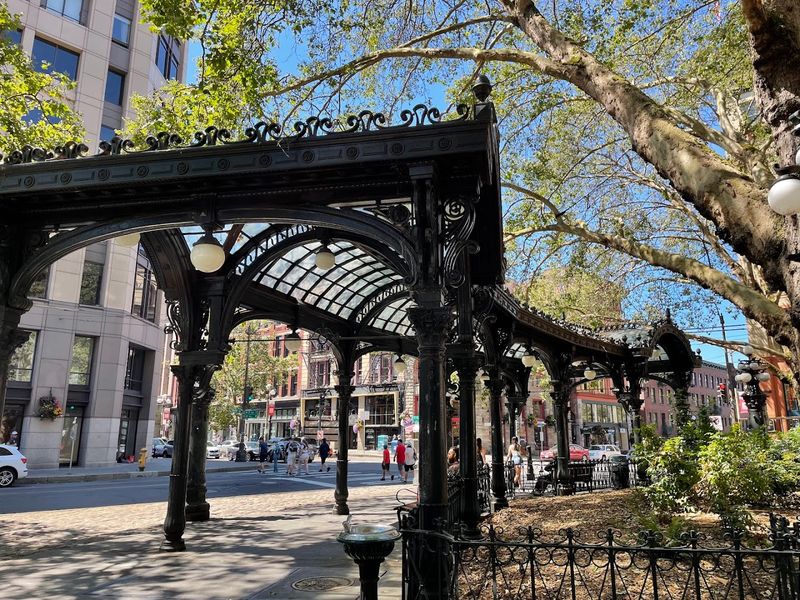
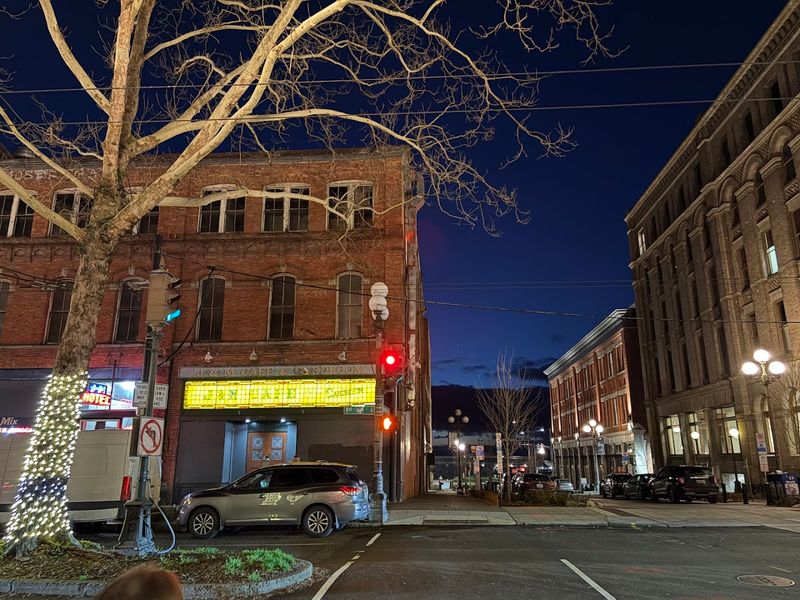
Stepping out of the tunnels into Pioneer Square feels like surfacing into a familiar face that suddenly has more stories. The brick buildings up here carry the same grit as the rooms below, and your eyes keep jumping between cornices and cobbles as if you are reading subtitles.
I love how the trees soften the edges while the architecture keeps its straight-backed confidence, like the neighborhood knows exactly who it is.
Walk a block and you can trace the line where the grade shifted, then drift back toward the entrance with a new sense of how the streets nest together. The area is compact, which makes wandering feel easy, and every storefront seems to echo something you just saw underground.
Even the light feels thicker, as if it took on a bit of that amber underground glow before spilling back across the square.
It is a neat loop for visitors and locals. You dip down for the history, then rise into a district that wears that history on its sleeve without fuss.
If someone asked for a single place that explains Seattle without speeches, I would probably bring them here and let them figure it out on their own. The neighborhood does the talking just fine.
And after you have walked both levels, the map of this Washington corner gets clearer, friendlier, and very hard to forget.
The Guides Bring Real Depth To The Experience
Every guide has a slightly different rhythm, which keeps the walk alive even before the history kicks in. One might lean into architectural quirks, another into neighborhood lore, but all of them carry that easy confidence that comes from knowing the rooms as well as the routes.
It is the kind of presence that makes you want to keep asking questions until you run out of words.
What I appreciate most is the way they balance facts with feeling. You get the who and what, sure, but you also get the little choices that people made when the city was rethinking itself.
A glance at a beam becomes a story about stubbornness. A faint mark on a wall turns into a moment you can almost hear, like a hammer falling in the distance.
The humor helps too. It is not stand-up, just warm and lightly skeptical in that Seattle way, so you never feel talked at.
The result is a tour that moves the body and wakes up the mind without straining either one. When you climb back up, you carry the voice of the guide in your ear a little longer, and that is a good sign that the stories landed.
Washington has a lot of voices. Down here, they harmonize.
A Walk Through Seattle’s Earliest Days
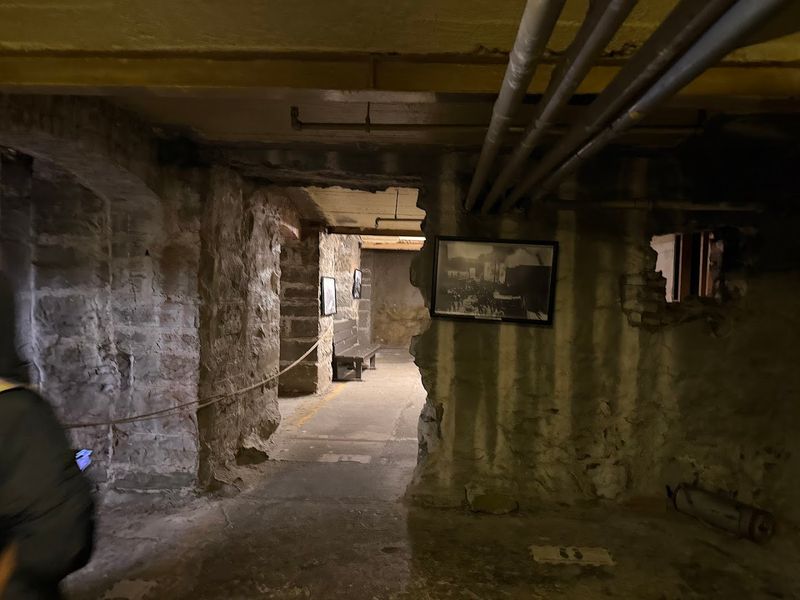
If you have ever wished you could time travel without the headache, this is the closest I have found. The rooms feel provisional in a way that tells you the city was still choosing its shape, testing ideas, and living with the results.
You stand where merchants once swept dust toward a curb that no longer exists, and you picture the light changing as if a cloud just moved.
There is a patience in the materials that I really like. Brick holds a grudge in the best way, and wood remembers every shoe, every scrape, every quick decision.
When the guide sketches the early days, you can sense the gamble and the grit without anyone needing to dress it up. It is not nostalgia.
It is proximity, which is stronger.
By the end, you start spotting early Seattle everywhere, even in places that were built much later. A window becomes a marker for a vanished sightline.
A stairwell reads like a footnote explaining a choice the city made under pressure. That kind of noticing stays with you as you move through Washington, because the story here is woven into the ground, not staged on top of it.
The walk is gentle, but the perspective shift is big enough to follow you home.
This Underground Tour Shows A Side Most Visitors Miss
People snap the skyline and call it a day, which is fine, but the city’s best story is hiding a level down. This tour tilts your perspective so the familiar becomes strange, and then strange becomes obvious, and you wonder how you ever missed it.
Once that switch flips, even the crosswalks feel like clues.
What I like most is how quiet it gets down there. Without the constant surface noise, you can hear your own footsteps and the soft voice of the guide, and the building does half the talking.
A doorway that goes nowhere makes you smile. A flight of stairs pretending to be a wall makes you stop.
Those little puzzles add up until you are reading the streets like a layered page.
Back outside, the city looks different, and it is not just because you are paying more attention. You have a practical map in your head now, stitched from brick and beam and a handful of well-told stories.
That map makes Seattle feel deeper without getting heavier, which is kind of rare. If you are heading through Washington anytime soon, save a little space for this detour.
It is the kind of memory that keeps opening new doors every time you think about it.
Dear Reader: This page may contain affiliate links which may earn a commission if you click through and make a purchase. Our independent journalism is not influenced by any advertiser or commercial initiative unless it is clearly marked as sponsored content. As travel products change, please be sure to reconfirm all details and stay up to date with current events to ensure a safe and successful trip.
