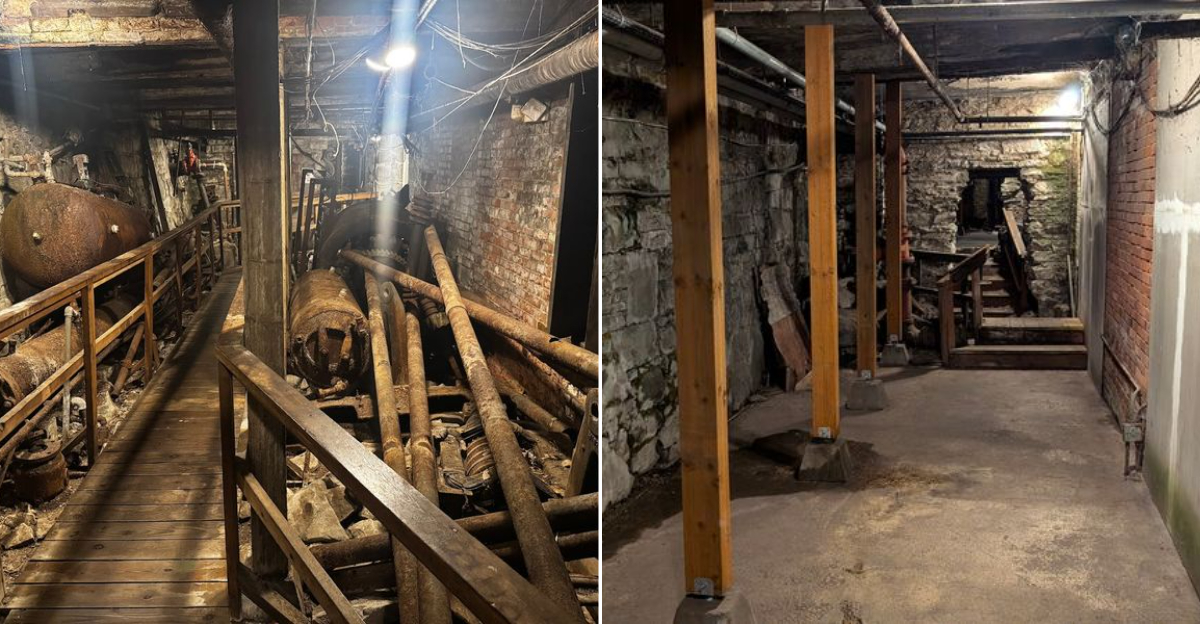
The next time you complain about a pothole, remember that some streets are buried twenty two feet below the ones you are driving on. That is exactly what happened in this Washington city after a massive fire tore through thirty three blocks in 1889.
Instead of clearing the rubble, the city simply raised the streets, leaving entire storefronts, sidewalks, and even the original ground level entombed beneath the new pavement. For decades, those forgotten passages sat in darkness, until a journalist named Bill Speidel started poking around.
He published his findings, and when curious readers asked for a tour, three to five hundred people showed up with a dollar each for the very first walk. That impromptu exploration turned into a protest against urban renewal, and the tours helped save the historic district from the wrecking ball.
Today, guides lead visitors through this buried world with a mix of history and stand?up comedy, pointing out where loggers once skidded timber down a muddy road that gave us the term “Skid Row.” You will walk where Seattle used to be, laugh at a few bad puns, and never look at a sidewalk the same way again.
The Unassuming Entrance At 614 First Avenue
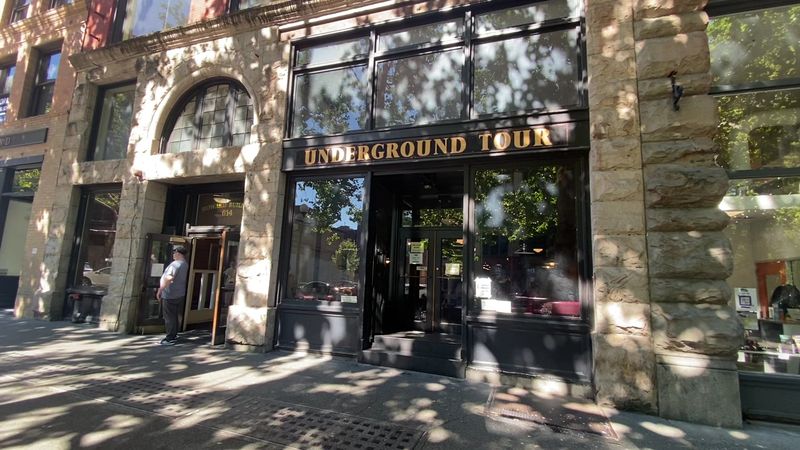
You know that kind of doorway you might pass a dozen times without a second glance? That is the vibe here, a simple storefront tucked into the brickwork of Pioneer Square, wearing the same rainy patina as the neighborhood around it.
You look up at the sign, then back down to the sidewalk, and it hits you that an entire other Seattle is waiting below your shoes, quiet as a held breath, patient as old timber.
Stand here for a moment and listen to the city noise blend with something older, like echoes from a basement you forgot you had. The tour starts unhurried, and that pace sets the tone, like a friend waving you inside with a grin that says the good stuff is just beyond the threshold.
Washington has plenty of showy entrances, but this one wins because it keeps the surprise tucked behind everyday brick.
Take a last look around at the trees, the carved stone, the passing umbrellas, and let your eyes adjust to the thought of down. What waits below is not a stunt or a gimmick, just honest history wearing dust and purple glass freckles.
Ready to duck the light and step where the sidewalks stacked in layers?
The Stairwell Leading Beneath Pioneer Square
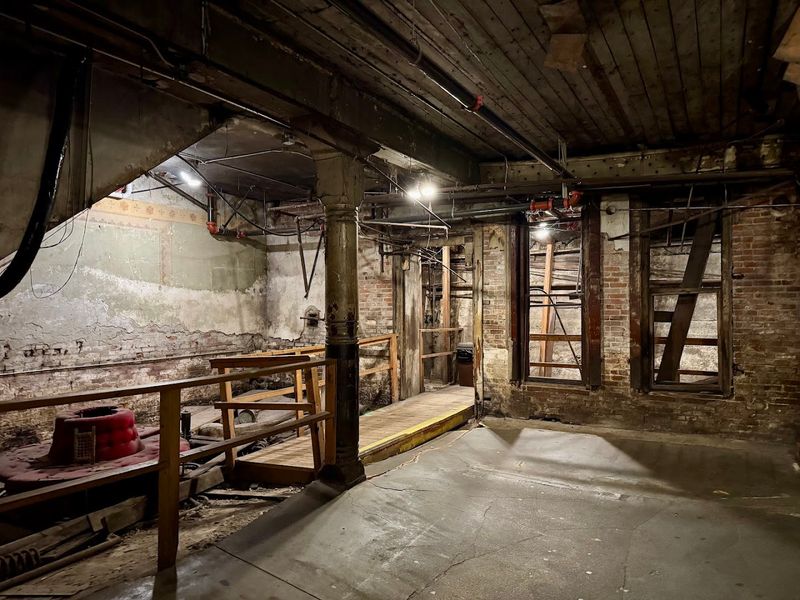
The stairs angle down, and with each step the street chatter thins until it is just breath, wood, and brick. This is where your balance shifts from present to past, with light turning warmer and the air getting that earthy scent that says you are crossing a threshold.
You can hear a guide up ahead, voice bouncing gently, and it steadies you like a hand on your shoulder.
If you need a bearing check, the location is Bill Speidel’s Underground Tour, 614 1st Ave, Seattle, WA 98104, right in Pioneer Square. It sits among trees, carved facades, and old stone that remembers every coastal squall.
You feel the neighborhood even down here, like the pulse of Washington weather is threading through the beams.
The rails are solid, the treads worn just enough to read as authentic, and the walls show seams where the city learned to rebuild. Look for small details that would never shout at street level, like a patched arch or a ghostly window line that now frames air.
It is oddly calming, moving from bright drizzle to lamplight, knowing the stairs are taking you not just underfoot, but under the idea of Seattle itself.
A 75 Minute Walk Through Seattle’s Buried Past
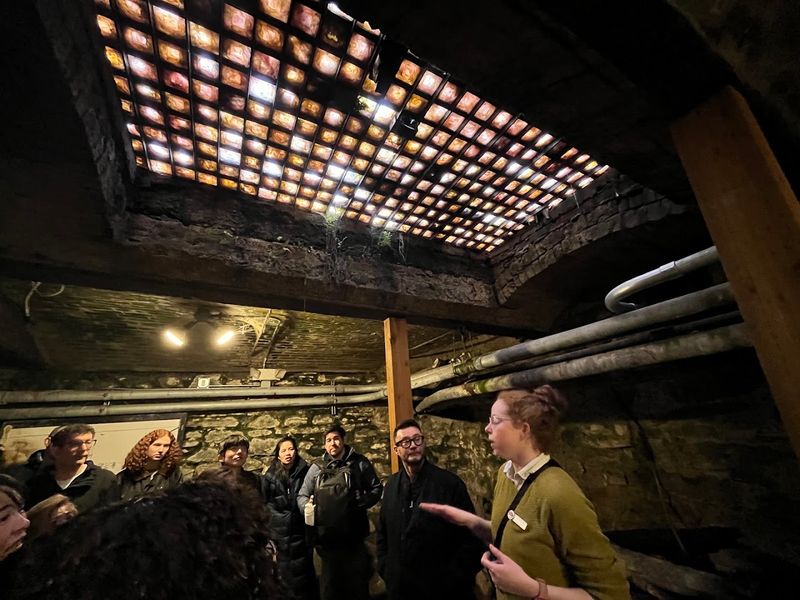
Call it a long exhale disguised as a walk, because the pace lets your eyes land on everything without hurrying your curiosity. The guide sets an easy rhythm, mixing quick laughs with just enough context to stick the story to the walls.
It feels less like a tour and more like tagging along with someone who knows all the secret back doors of Seattle.
The route traces old paths that once carried commuters, shopkeepers, and gossip, and you can almost hear the shuffle of shoes that are not there anymore. You follow along through rooms stitched from brick, beam, and stubborn optimism, and it sinks in that the city chose to grow upward while keeping its earlier self close.
Washington history is not tucked in a museum cabinet here, it is breathing through panels, joists, and scuffed thresholds.
There is time to linger, to aim your eyes toward a glass block or an odd hinge, and to ask those casual questions that pop up when the past starts feeling neighborly. The guide answers without rushing, dropping stories that glide between serious and silly in a single beat.
By the time you loop back toward the surface, your sense of the map has stretched, like the streets now sit on two channels and you have learned how to tune both.
Subterranean Sidewalks Entombed Since 1889
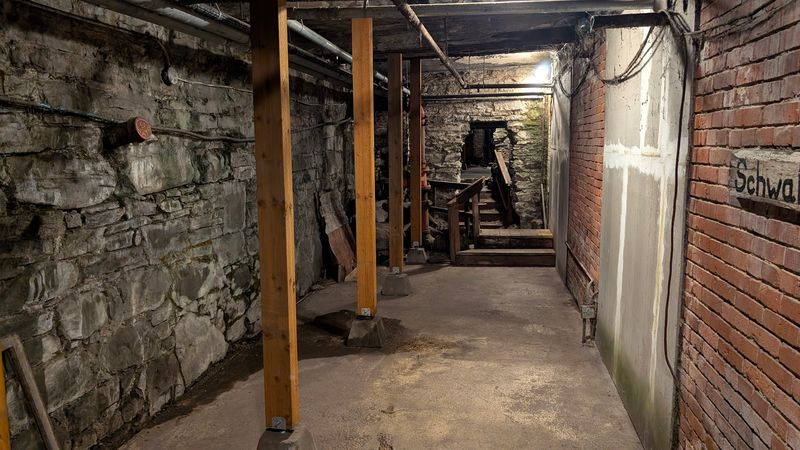
Down here, the idea of a sidewalk gets flipped, because the path in front of you used to be under open sky, busy with chatter and shoe leather. You walk along planks and brick edges that once defined the edge of everything, and now they feel like stage wings behind the modern scene.
It is strange in a good way, like stepping behind a curtain and spotting the ropes that make the city work.
Look up and you will notice the purple glow pricking through the vault lights, those little glass tiles that turned daylight into something gentle. They dot the ceiling like a low constellation, and when a bus thumps overhead, the glow seems to breathe.
Seattle keeps both layers running at once, and the balance between grit and glow is what makes Washington character feel so real.
These sidewalks carry scuffs from deliveries, meetings, and errands that never thought they would be archived. Now they are preserved in soft light and storytelling, which turns the scuffs into sentences you can read with your feet.
It is comforting, honestly, to know that the everyday pieces got to keep a home, even if that home slipped under the surface for a while.
The Great Fire That Leveled 25 City Blocks
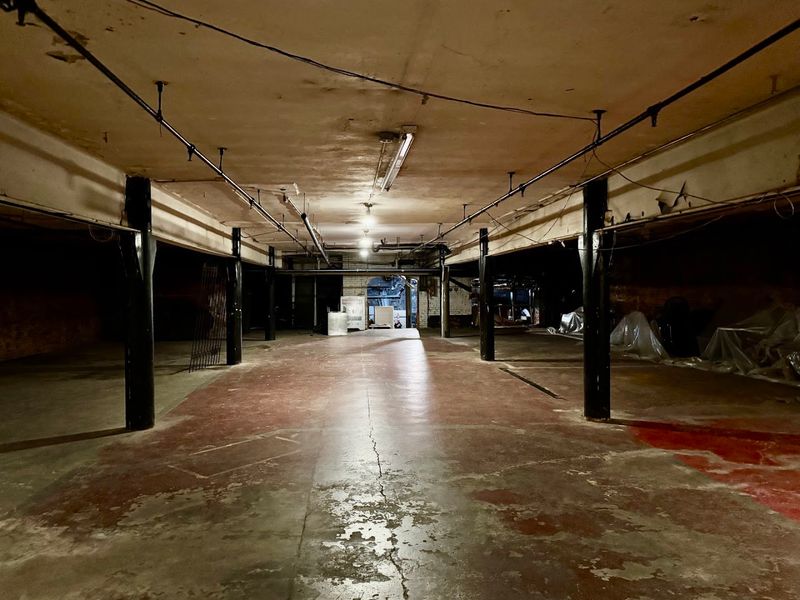
When the guides talk about the fire, the room changes, and even the jokes pause for a respectful beat. You can picture heat running wild through wooden streets, and the aftermath that left a city staring at the hard work ahead.
The story lands because you are standing inside its long echo, where choices were made that still shape your footsteps.
Charred beams, photographs, and artifacts do the heavy lifting without drama, which somehow makes the whole thing ring truer. You are not gawking at disaster so much as meeting the stubborn resolve that followed, the kind that makes a community grab shovels before the smoke even thins.
Seattle made a big, brave pivot, and Washington weathered the change like a seasoned neighbor who has seen a few storms.
It is easy to forget that streets and storefronts are decisions as much as destinations. Down here, that realization walks right up to you, points to the bricks, and says, this is what starting over can look like.
You leave that room feeling oddly energized, not because the fire was anything but devastating, but because the rebuild proved the city’s heartbeat could quicken without losing its rhythm.
A City Rebuilt One To Two Stories Higher
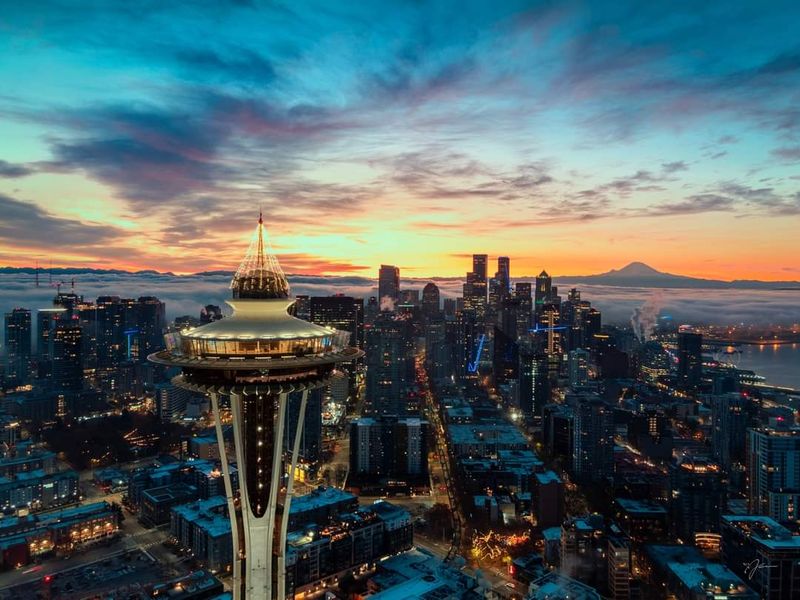
Here is where the rebuild becomes more than a headline, because you can see the old doorways sunk below the current curb like time-lapse architecture. The city lifted its chin, set new grades, and left these earlier thresholds blinking in the half light.
It sounds abstract until you are standing in front of a doorway that now greets ankles instead of faces.
The guides talk about engineering with a kind of neighborly clarity, so you can picture crews shaping a new surface while life kept moving. It is not a sterile diagram so much as a lived choice, the kind that leaves behind layered clues in brick lines and stair angles.
Seattle became a city with an attic and a cellar at once, and Washington found a practical way to hold both memory and momentum.
What gets me is the scale your eyes learn here, because up and down start feeling like chapters rather than directions. You glance from a buried storefront lintel to the purplish glow of the tiles above, and the distance becomes a story you can almost measure with a breath.
The rebuild stopped being a tale and turned into a place, which is the kind of lesson you only learn by walking it.
Storefronts And Hotel Ruins Frozen In Time
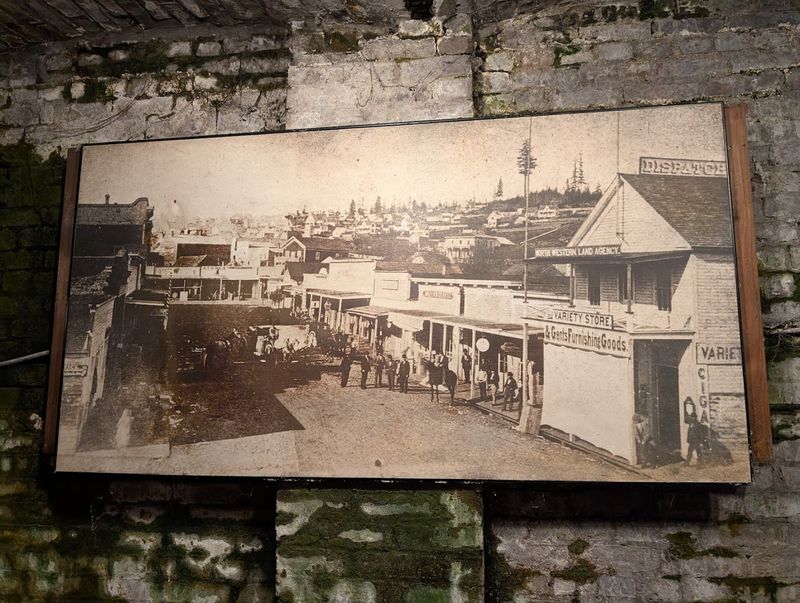
Peering into these storefronts feels like pressing your face to a memory, because the glass frames rooms that are paused mid-breath. A counter sits patient, a doorway leans into shadow, and a sign shrugs at the dust as if to say, we still remember the rush.
You are not spooked, just hushed, the way a good story makes you lower your voice.
Some corners hint at hotels and narrow corridors, with stairways that now lead to nobody, but carry the posture of welcome anyway. The texture here does a lot of talking, from beadboard to brick, each piece wearing the years in a way that feels earned.
Seattle’s early hustle echoes in these shapes, and Washington pride hums like a low radio, steady and familiar.
What I love is how your imagination gets a workout without running away from the facts. You can picture a clerk setting down a ledger, a traveler shaking out a soggy coat, and a laugh drifting from somewhere offstage.
The guides anchor those images with real details, so the daydreams have a place to sit. By the time you move along, the ruins feel less like leftovers and more like a family album that finally got pulled from the box under the bed.
The Only Way To Tour The Famous Underground
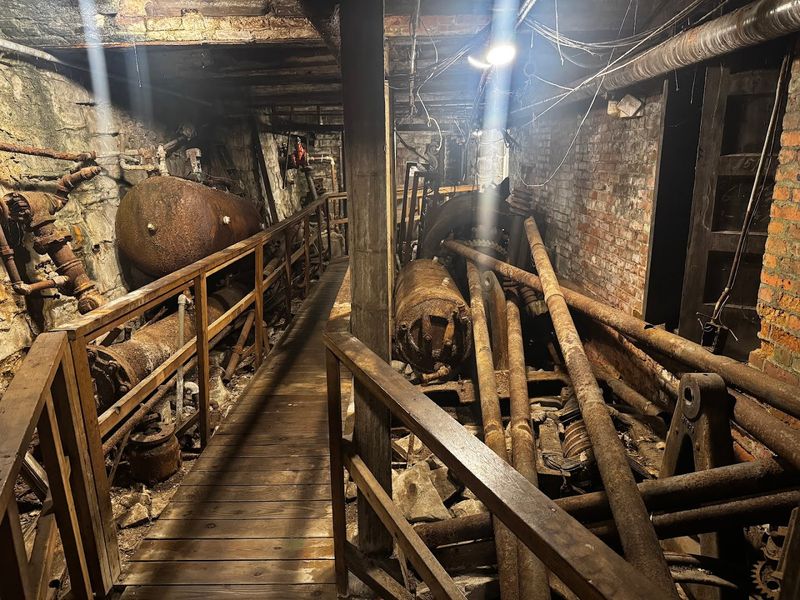
People always ask if you can just wander down here on your own, and the short answer is no, which honestly makes the whole thing better. The official tour keeps the route safe, the stories accurate, and the surprises timed just right.
It is like having a backstage pass that also happens to come with a great storyteller who knows when to pause.
There is something comforting about being walked through a place that could easily turn into a maze if you tried to improvise. The lighting, the railings, and the pacing are all tuned so your attention can land where it matters, not on guessing the next turn.
In a city that prizes independent spirit, Seattle is also smart enough to keep the Underground cared for, and Washington stewardship shows up in the details.
So if you are the kind who loves exploring but appreciates a little structure, this scratches the itch without sanding off the mystery. You get access, context, and a few well-delivered zingers, all while your shoes collect a touch of historic dust.
By the end, the rule about guided access feels less like a barrier and more like a ticket that opens exactly the right doors.
A Humorous History Lesson With Punch Lines
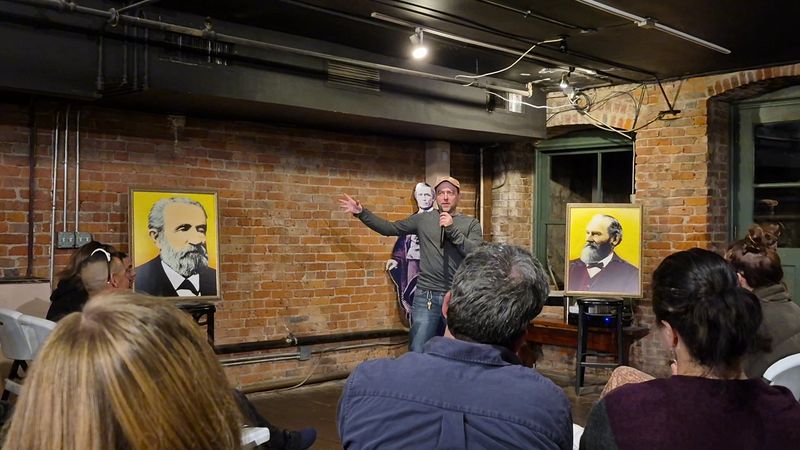
History lands easier when you are laughing, and these guides know how to slip a punch line between the bricks. One minute you are learning about plumbing schemes and civic debates, and the next you are grinning because the past sounds delightfully human.
The humor never cheapens anything, it just opens a window so the serious parts can breathe.
It helps that the setting plays along, with creaks in the floor and that soft, steady glow from the tiles above. The jokes skim across the surface, then circle back and tie to a detail you can point at, which makes the lesson stick.
Seattle has always balanced hustle with self-awareness, and Washington wit shows up here like a local aunt with perfect timing.
You will leave with at least one line you want to repeat to a friend, and probably a tiny obsession with a particular artifact or corner. That blend of levity and learning is what makes the walk feel personal, like the city agreed to tell you the parts it usually keeps tucked away.
When a place can make you laugh and listen at the same time, you carry the story longer, and that is the kind of souvenir that does not need a shelf.
One Last Glance At The Vault Lights Above
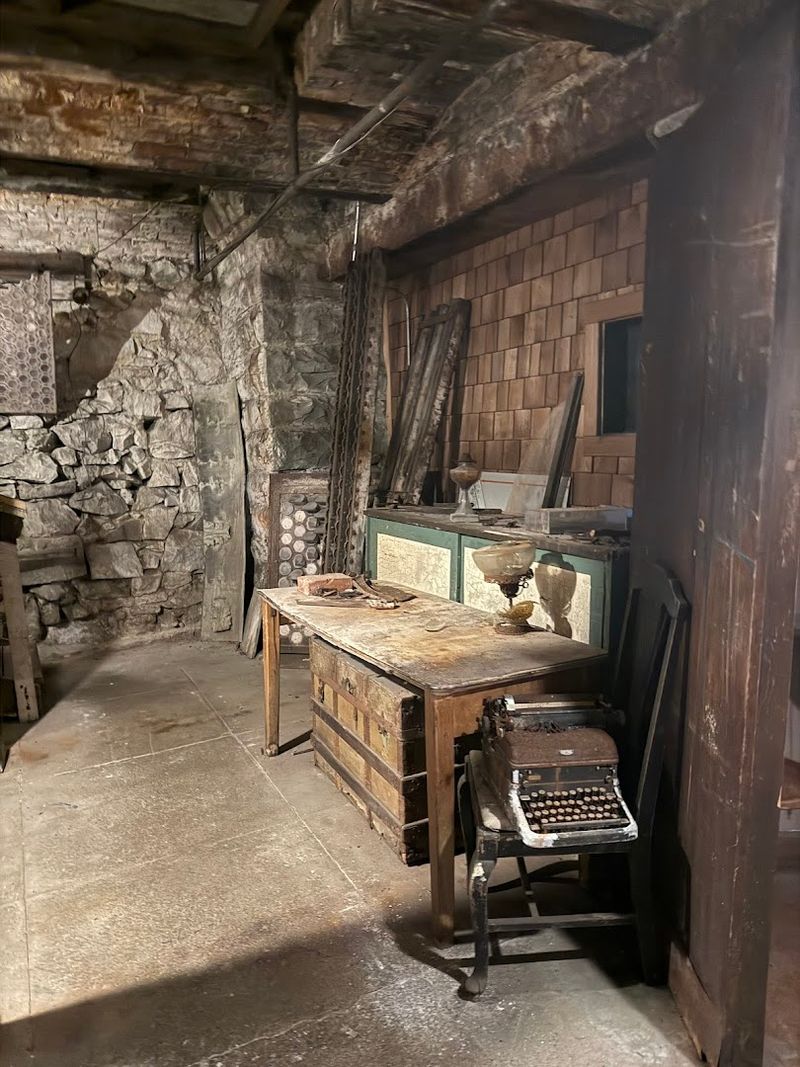
Right before you climb back to the present, look up and let those purple tiles have the final word. They have been filtering daylight into this half-hidden world for ages, and the glow makes the brick feel soft at the edges.
It is like the city is winking at you through the sidewalk, reminding you there is always more than one layer to the map.
Stand there for a breath and watch the light flutter as feet cross above, each step sending a ripple through the color. You are part of the circuit now, connected to people on the surface and people in the story, with the glass acting like a friendly translator.
Seattle loves a good mood, and this is one of its best, a quiet, luminous goodbye that feels personal.
When you finally head up, the outside air smells different, like the rain decided to shake your hand. Streets look familiar but deeper, storefronts seem to hint at basements, and corners feel like they might remember your name.
Washington keeps its history handy, and for a little while, you got to keep it in your pocket too. Ready to step back into the light and carry the underground with you?
