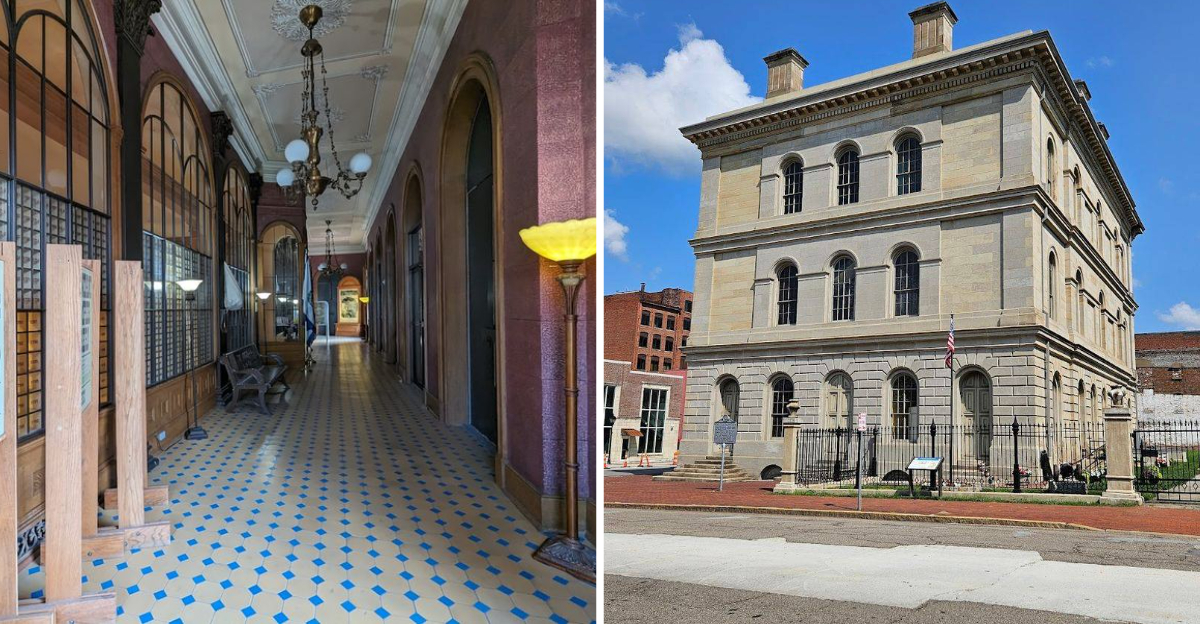
The Mountain State was born right here. Inside these walls, history took a sharp turn and a brand new state emerged from the chaos of a divided nation.
Delegates gathered, arguments erupted, and eventually, a constitution was drafted that would change everything.
That bold decision led to West Virginia officially becoming a state in 1863.
Walking through this building today, you can almost feel the weight of those conversations that shaped an entire state.
The old custom house has been preserved beautifully, and the exhibits tell the story in a way that brings it all to life.
And here is the kicker. Admission is completely free.
No tickets, no fees, just pure history waiting for you to explore.
West Virginia, you have something special here.
The Building That Started It All
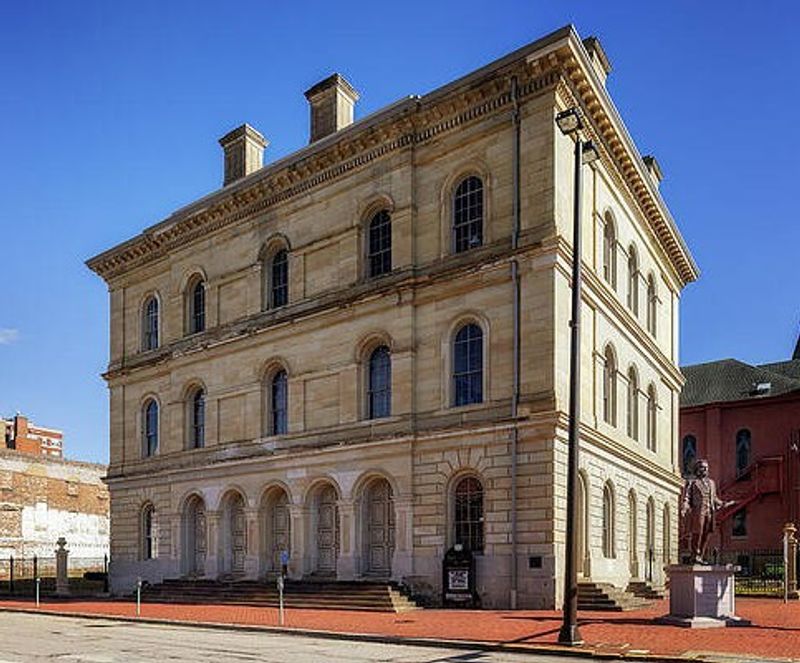
Standing in front of this place for the first time, the sheer weight of what happened inside hits you before you even open the door. Built between 1859 and 1860 as the Wheeling Custom House, this structure was designed by architect Ammi B.
Young in the Italian Renaissance Revival style. It looks serious and grand in the best possible way.
Young used wrought iron as a framing material, which was genuinely innovative for its era. The building does not try to show off, but it does not have to.
Every carved stone and arched window tells you something meaningful was always meant to happen here.
Today it stands as a state-run museum administered by the West Virginia Department of Arts, Culture and History. Admission is completely free.
Open Tuesday through Saturday from 9 AM to 5 PM, it welcomes anyone curious enough to step inside and explore four floors of carefully preserved American history right in the heart of Wheeling.
Where a New State Was Born From Old Conflicts
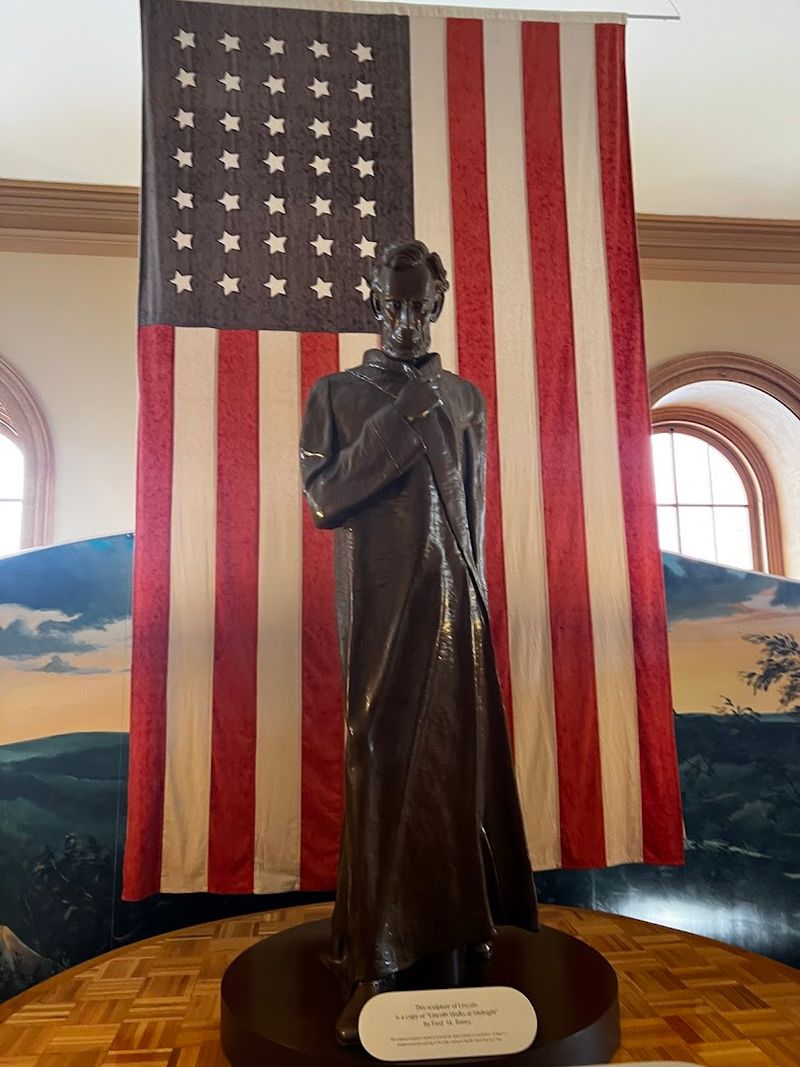
Few moments in American history are as quietly dramatic as what unfolded inside this building during the summer of 1861. When Virginia voted to secede from the Union, western Virginia counties refused to go along.
Delegates gathered here for the First and Second Wheeling Conventions, determined to chart a different course entirely.
The Second Convention declared the Confederate government in Richmond illegal and established the Reorganized Government of Virginia. Francis H.
Pierpont became its governor, and his office was right here in this building. He even composed the telegram to President Lincoln urging him to sign the statehood bill.
President Lincoln signed that bill on December 31, 1862. West Virginia officially became a state on June 20, 1863, making it the only state ever to break away from another state during the Civil War.
That fact alone makes this place extraordinary. Walking through these rooms, you feel the urgency and courage that shaped an entirely new chapter of American identity.
Four Floors of History Worth Every Minute
Most free museums feel like they are holding something back. This one genuinely is not.
Four full floors of exhibits wait inside, covering West Virginia history, the Civil War, statehood politics, and the painstaking restoration of the building itself. You could easily spend a solid hour here without rushing a single room.
The wrought iron staircase alone is worth a photograph. Its craftsmanship is the kind of detail that makes you slow down and actually look instead of just walking past.
The exhibits on fresco replacement and wood graining show how much effort went into bringing this building back to its 1860s appearance.
A short documentary film plays for visitors who want a fuller picture of the building’s significance before exploring on their own. It runs about fifteen to twenty minutes and does a great job of connecting the political drama of statehood to the physical spaces you are about to walk through.
The whole experience feels thoughtfully organized without ever feeling rushed or overwhelming.
The Flag Exhibit You Did Not Expect to Love
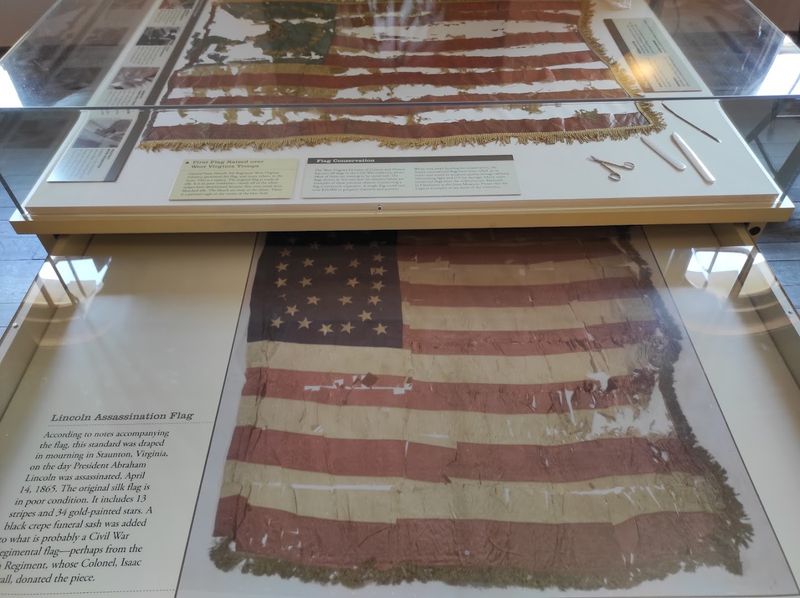
Honestly, a flag exhibit sounds like something you politely walk past on the way to the next room. That assumption falls apart pretty quickly once you are actually standing in front of it.
The flag exhibit at West Virginia Independence Hall covers the conservation and preservation of Civil War battle flags, and the detail and care involved is genuinely fascinating.
Each flag carries its own story of movement, conflict, and survival. Many are fragile, faded, and patched in ways that make their age completely visible.
Seeing them preserved behind glass rather than lost to time feels like a small miracle of archival dedication.
The exhibit explains the conservation process clearly enough that even someone with zero background in textile preservation walks away understanding what it takes to keep history intact. It is one of those unexpected corners of a museum that ends up staying with you longer than the big centerpiece rooms.
Plan to spend more time here than you think you will. It earns every extra minute.
The Courtroom That Heard History
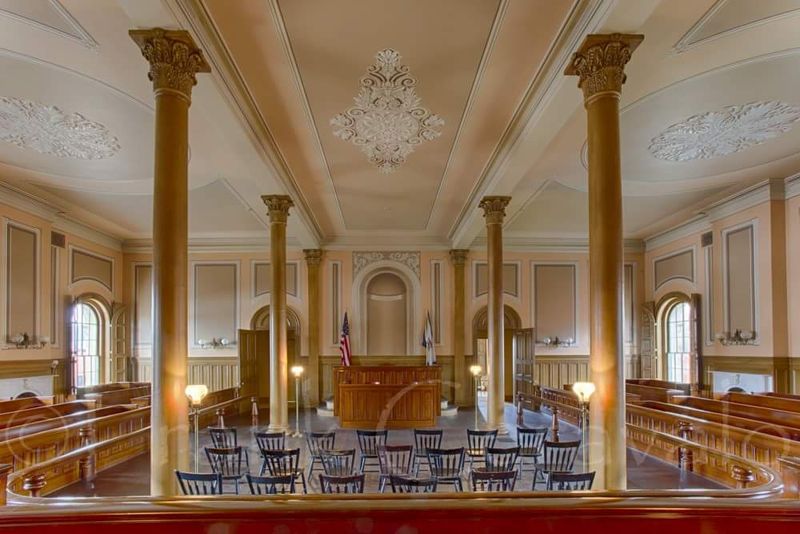
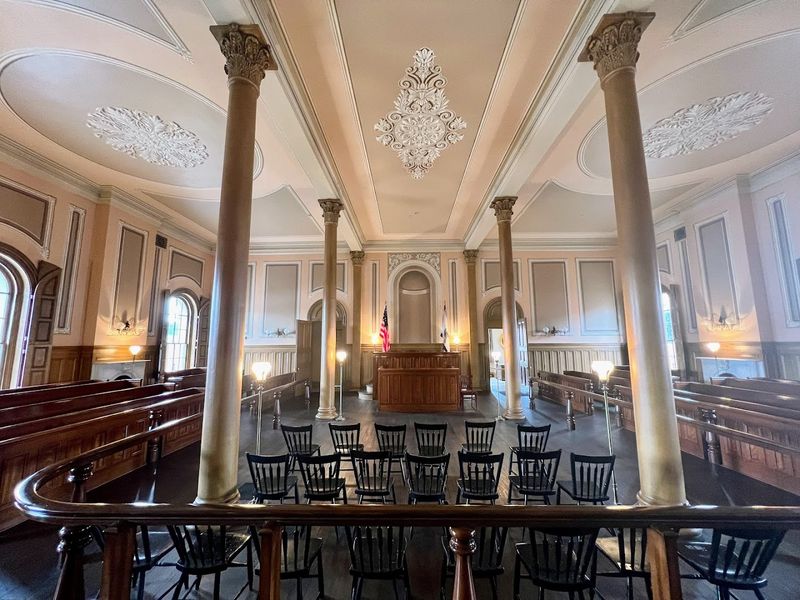
One of the most striking spaces in the entire building is the restored federal courtroom. Step inside and the room immediately commands your attention.
The woodwork is rich and detailed, the proportions are formal and dignified, and the natural light coming through tall windows gives the whole space an almost theatrical quality.
This courtroom originally served as a federal court when the building functioned as the Wheeling Custom House. During the Civil War years, its purpose shifted dramatically as the political future of an entire region was debated within shouting distance of these walls.
The atmosphere feels layered with consequence.
Visitors consistently call it one of the highlights of the tour, and it is easy to understand why. Something about standing in a room built for serious decisions makes history feel less like a textbook and more like something that actually happened to real people with real stakes.
The courtroom restoration is meticulous, and every detail reflects genuine respect for what this space represents in American legal and political history.
Make Your Own Flag Room
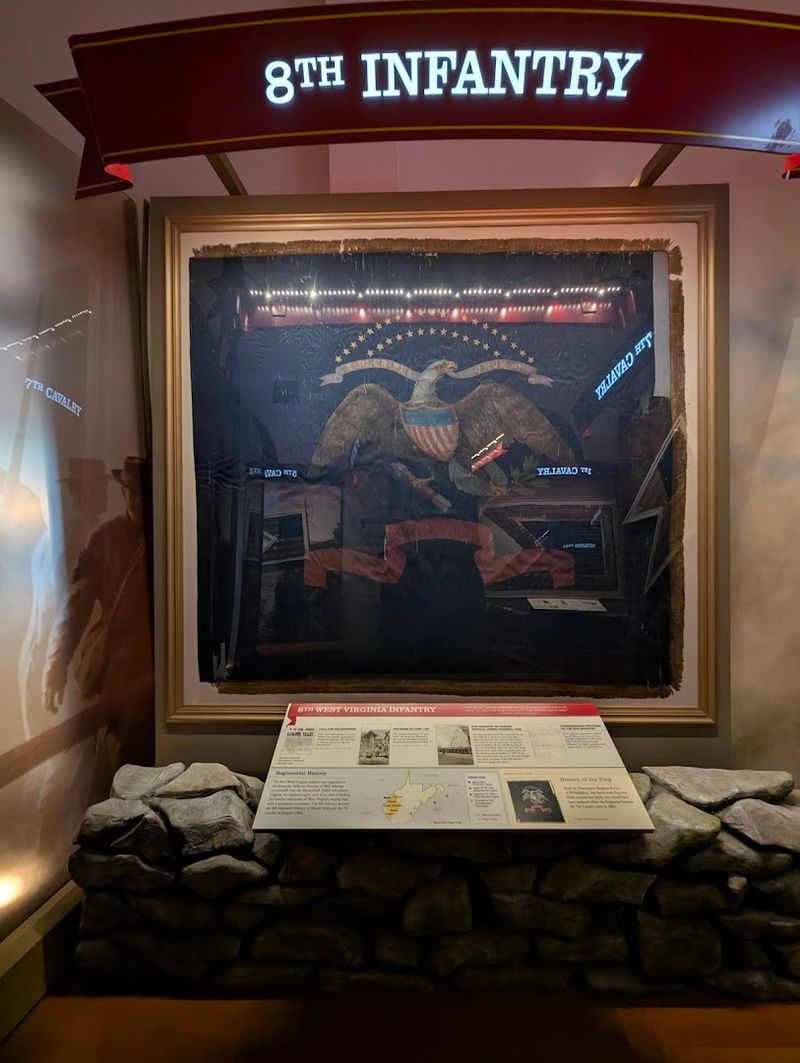
Not every moment in a history museum needs to be solemn, and whoever designed this interactive room understood that perfectly. The make-your-own flag activity gives visitors a hands-on creative break in the middle of a genuinely educational experience.
Kids love it, but so do adults who are willing to stop being self-conscious for five minutes.
The activity connects directly to the history of the building and the state, so it never feels like a random distraction dropped in to keep younger visitors occupied.
Designing your own flag while surrounded by exhibits about how West Virginia created its own identity is actually a pretty clever bit of experiential storytelling.
Families with children especially seem to gravitate toward this room with real enthusiasm. It gives everyone something to do together that ties back to the bigger themes of the visit.
Taking a small creative souvenir home, even just a piece of paper you made yourself, turns the whole experience into something a little more personal and a lot more memorable than a standard museum tour.
Architecture Worth Stopping to Appreciate
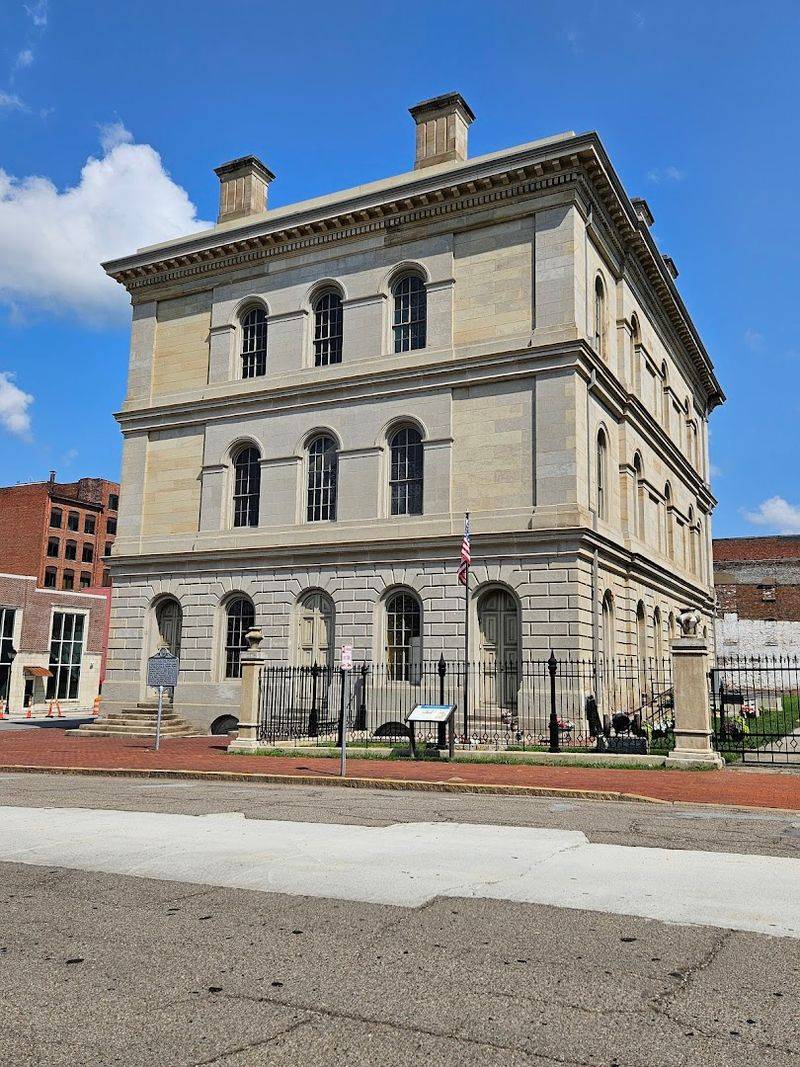
Architecture nerds and casual visitors alike tend to pause in the same spots inside this building, which says a lot about how well the design holds up after more than 160 years. Ammi B.
Young brought an Italian Renaissance Revival sensibility to a building that needed to project federal authority without feeling cold or unwelcoming. He pulled it off beautifully.
The use of wrought iron as a structural framing material was ahead of its time in the late 1850s. Most buildings of this era relied on more traditional methods, so the engineering here was genuinely forward-thinking.
That innovation helped the structure survive and made its eventual restoration more achievable.
The building was listed on the National Register of Historic Places in 1970 and designated a National Historic Landmark in 1988. Those recognitions reflect both its architectural significance and its historical importance.
Walking through it with that context in mind changes how you see every doorframe, every ceiling detail, and every carefully restored surface. The building is not just a container for history.
It is history.
Free Admission Makes It Even Better
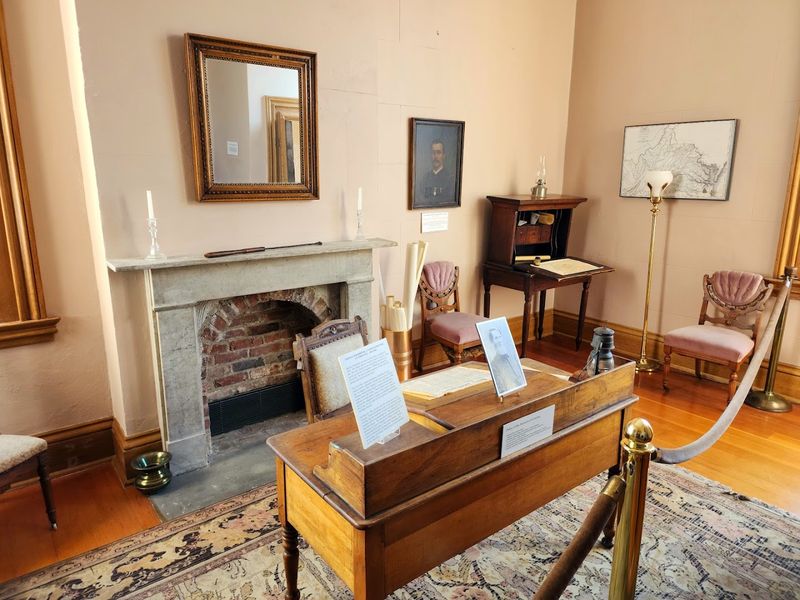
Free admission at a museum this well-maintained and this historically significant feels almost suspicious at first. You half expect someone to hand you a bill on the way out.
But no, the whole experience genuinely costs nothing, which makes it one of the best value stops on any road trip through the Ohio Valley region.
The gift shop is an affordable bonus. Postcards, books, and small souvenirs fill the shelves without the inflated pricing that plagues most tourist spots.
Picking up a postcard here feels like the right kind of souvenir, something small and meaningful rather than mass-produced and forgettable.
There is also free parking in a small lot right next to the building, which removes the last possible excuse for not stopping. When a place this good asks nothing from your wallet, the least you can do is give it an hour of your time.
Few places in West Virginia, or anywhere else, deliver this much history, beauty, and genuine engagement completely free of charge. Show up ready to be pleasantly surprised.
A Living Piece of Civil War History
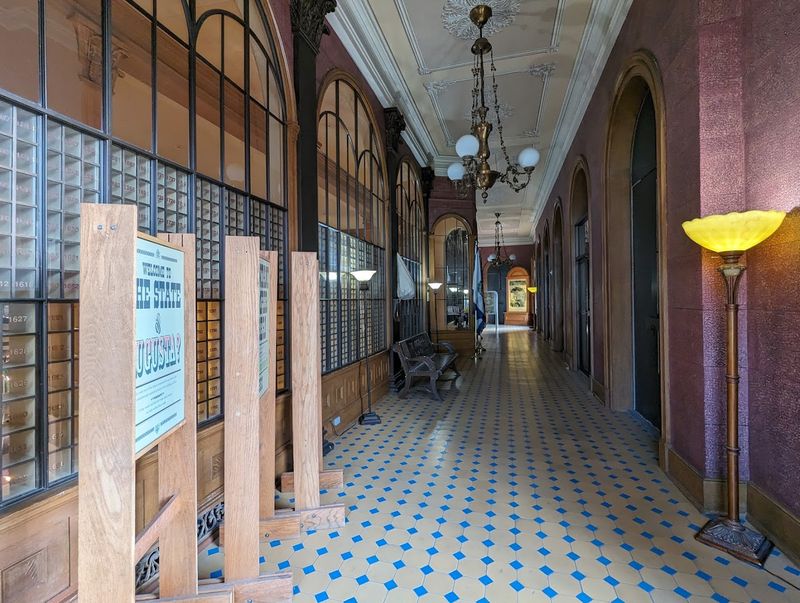
The Civil War is taught in schools across the country, but it rarely feels this immediate or this personal. West Virginia Independence Hall places you directly inside one of the war’s most unusual political stories.
Western Virginians chose loyalty to the Union when their state government did not, and the consequences of that choice echo through every exhibit in this building.
Governor Pierpont’s office has been preserved and interpreted with care. Standing in a room where a man sat down and wrote a message to Abraham Lincoln, a message that helped create an entire state, is the kind of moment that makes history feel genuinely alive rather than archived.
The First West Virginia Constitutional Convention also took place in this building, adding another layer of significance to an already remarkable site.
Each floor adds context to what came before it, building a narrative that feels complete by the time you reach the top.
For anyone with even a passing interest in the Civil War or American political history, this museum delivers far more than expected.
Planning Your Visit
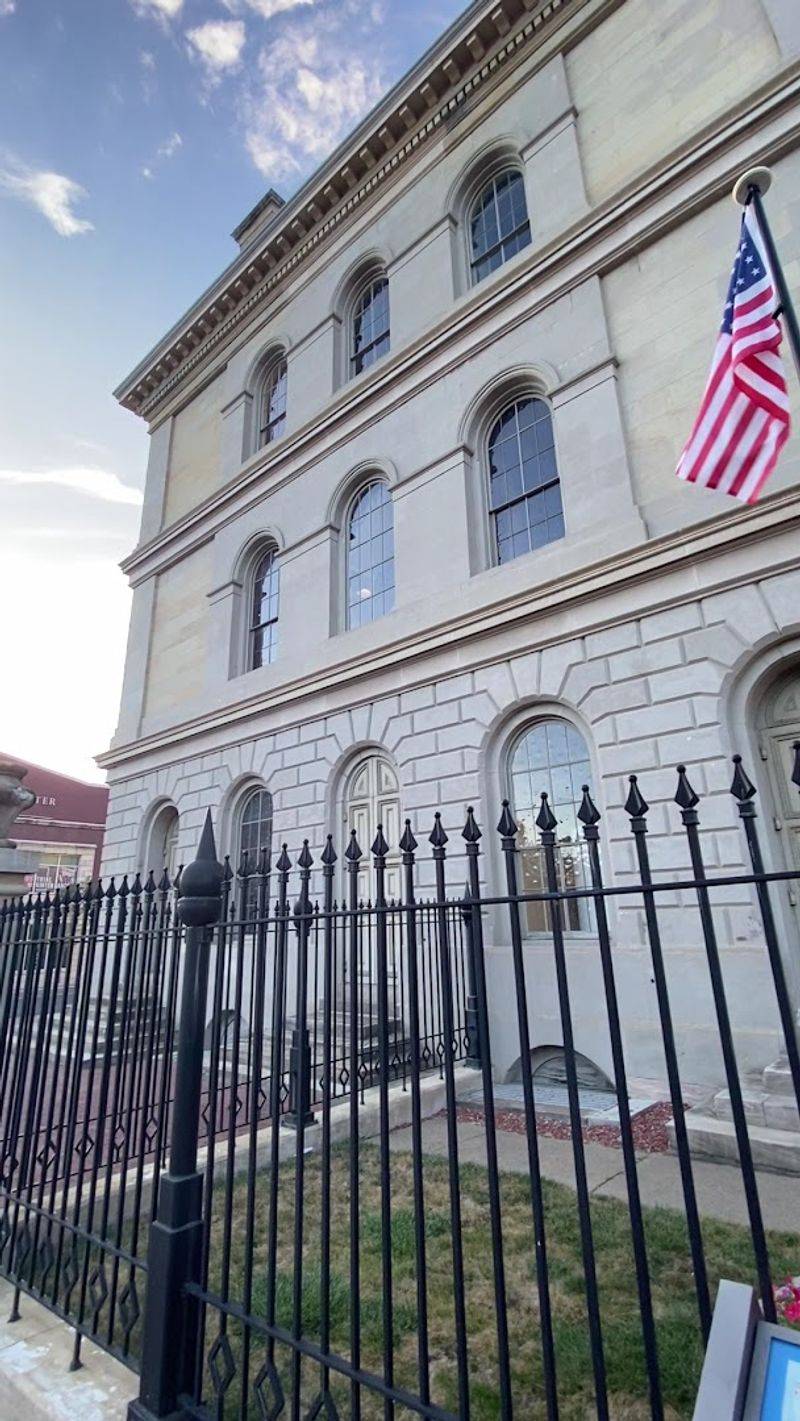
Wheeling itself is worth more than a quick drive-through, and West Virginia Independence Hall gives you a solid reason to build an actual stop into your itinerary.
The museum is open Tuesday through Saturday, 9 AM to 5 PM, so a little planning goes a long way toward making sure you do not show up on a Monday and find locked doors.
The building sits right on Market Street in downtown Wheeling, easy to spot and easy to reach. A full visit, including the documentary film and all four floors, takes roughly an hour.
That is a perfect amount of time before grabbing a meal somewhere nearby and continuing your trip.
Wheeling has a surprising amount of character for a small city, and pairing a visit here with some local food exploration makes for a well-rounded afternoon.
The museum also hosts events and lectures throughout the year, so checking the website before your visit might turn up something extra worth staying for.
Address: 1528 Market St, Wheeling, WV.
