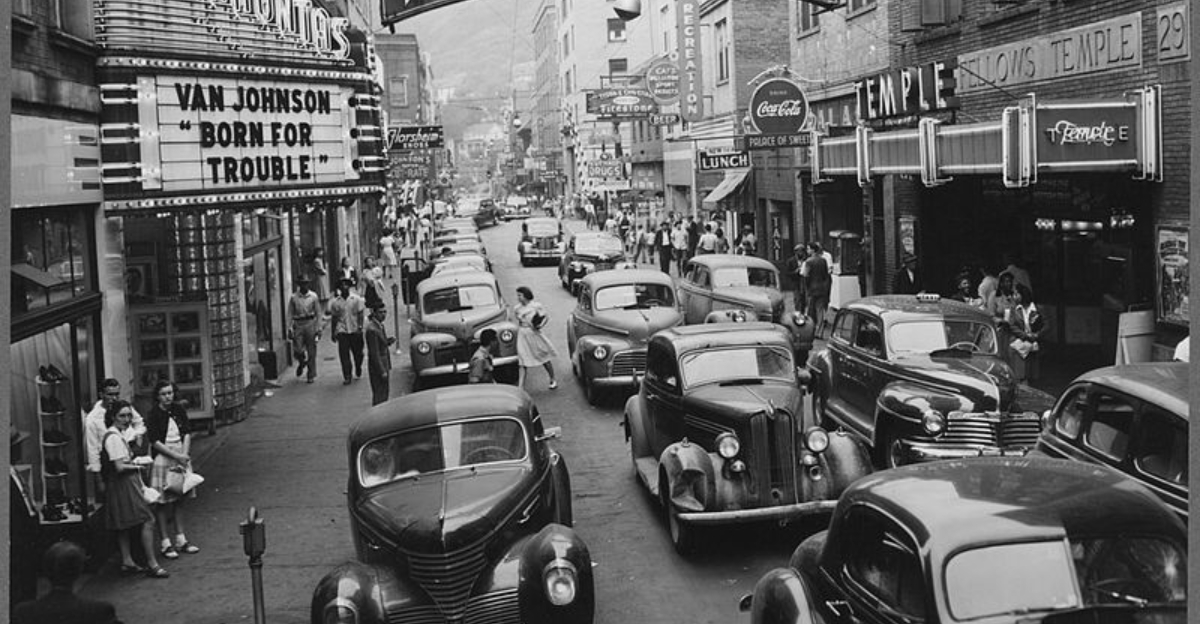
Can you imagine being the absolute king of coal production?
That was this county back in 1960, sitting proudly at the top of the nation’s charts.
The hills here were buzzing with miners heading underground each morning, emerging with blackened faces and stories to tell.
Today, that gritty pride still hangs in the air.
The downtown retains its old-school charm with vintage storefronts and railroad tracks that once hauled millions of tons to distant cities.
It feels like walking through a living history book, but way more interesting.
West Virginia’s mountains hold so many stories, and this corner of the state has one of the most fascinating ones.
Definitely a spot for history buffs and curious travelers alike.
The Heart of the Nation’s Coal Bin
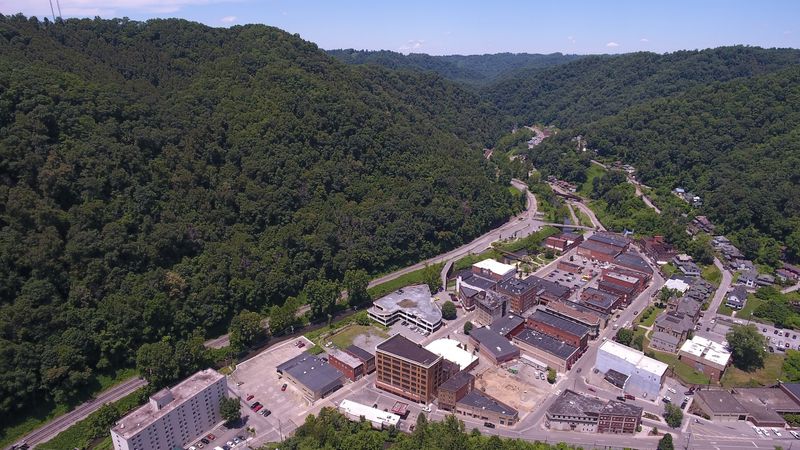
Walking into Welch for the first time feels like stepping into a chapter of American history that most textbooks skip right over.
The city sits deep in McDowell County, cradled by rolling Appalachian ridges that once hummed with mining activity around the clock.
In 1960, McDowell County produced more coal than any other county in the United States. Welch proudly declared itself “The Heart of the Nation’s Coal Bin,” and that was no exaggeration.
John F. Kennedy, during his 1960 presidential campaign, specifically called out McDowell County for mining more coal than any other county in the country.
That kind of national recognition shaped the city’s identity in ways that still echo through every street corner and building facade today.
Food spots here carry that same gritty, hardworking spirit. Locals eat with purpose, and the meals reflect generations of coal families who needed real, satisfying food after long shifts underground.
Welch earned its pride, and you can taste it.
McDowell County’s Record-Breaking Coal Decade
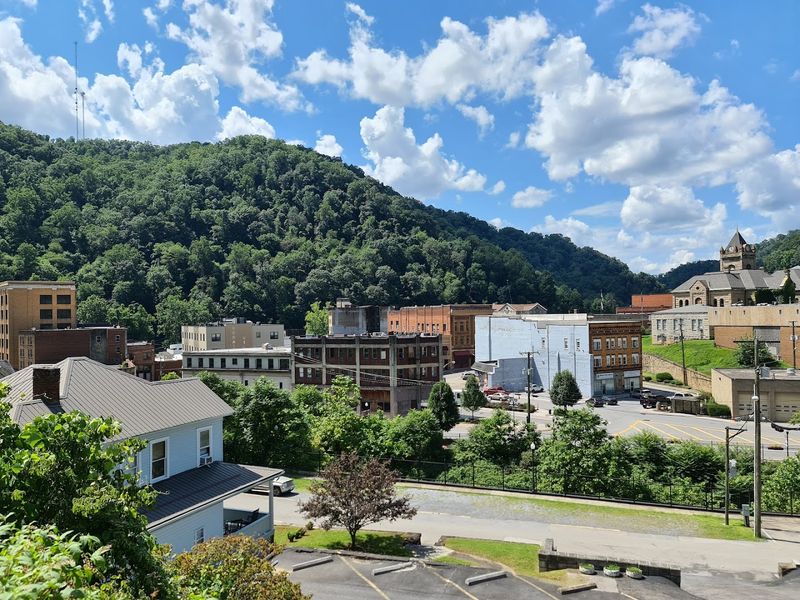
The 1960s were McDowell County’s golden decade, and Welch sat right at the center of it all. Between 1960 and 1969, the county hit its highest production numbers ever, fueling steel mills and industries across the entire nation.
That kind of economic energy shaped everything, including the food culture. Diners, lunch counters, and family-run kitchens thrived because thousands of miners needed feeding every single day.
Metallurgical coal from this region was especially prized. Steel manufacturers depended on McDowell County’s supply throughout the 1960s and well into the 1970s, keeping demand sky-high and the local economy buzzing with activity.
Today, that legacy lives in the flavors you find around town. Hearty portions, comfort-forward recipes, and a no-nonsense approach to good eating are all part of the inheritance.
Visiting Welch means understanding that the food was never just food. It was fuel for an industry that literally built modern America, one coal car at a time.
Appalachian Comfort Food Roots
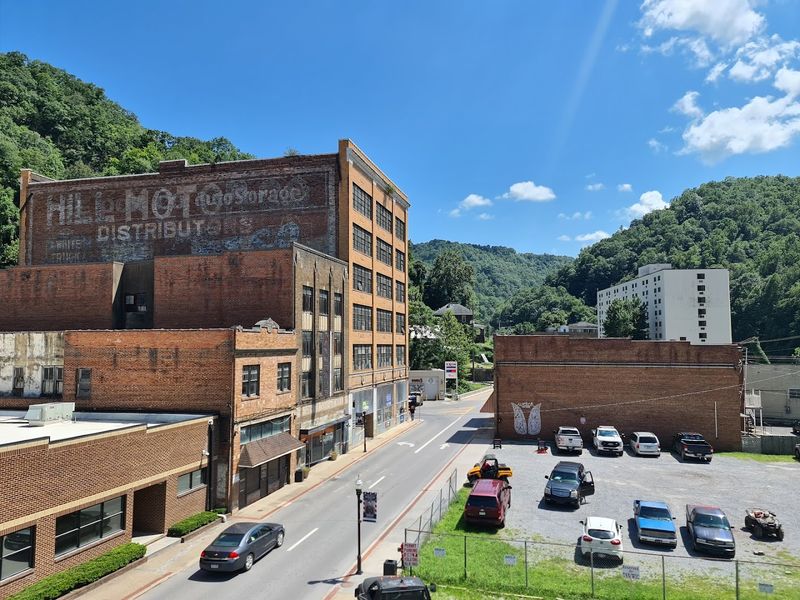
Appalachian cooking has a logic to it that makes perfect sense the moment you sit down at a table in Welch. Everything is built around warmth, sustenance, and the kind of flavor that actually sticks with you through a long, hard day.
Pinto beans slow-cooked with ham hocks, skillet cornbread with a crispy bottom crust, and biscuits that practically melt are staples you will find prepared with genuine care here.
The cooking style in this part of West Virginia draws from generations of mountain families who made extraordinary meals from simple, available ingredients. There is a creativity in that constraint that produces food with real soul.
Miners and their families shaped these recipes over decades, and the community kept them alive long after the big production years faded. Eating in Welch means participating in a living food tradition that outsiders rarely get to experience firsthand.
Every bite carries a little bit of mountain history right along with it.
The City That Fed a Mining Workforce
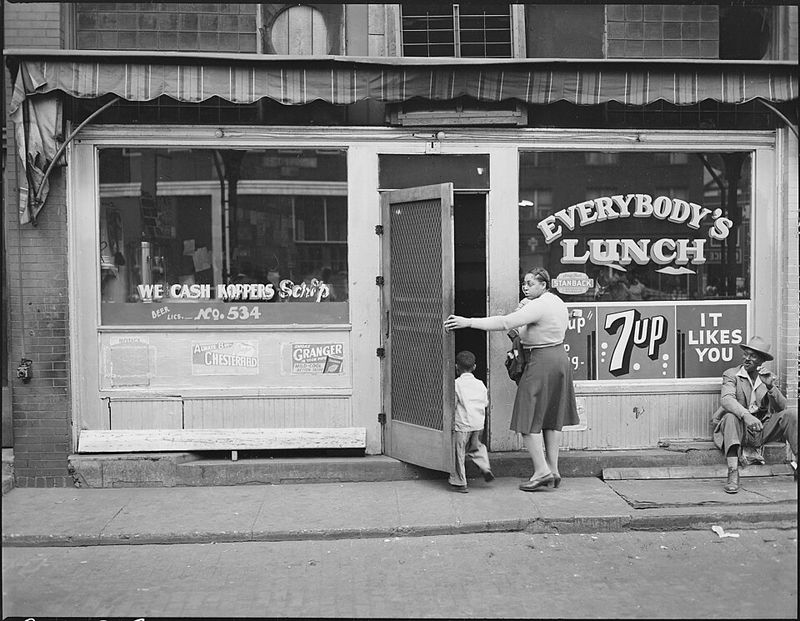
At its peak, Welch was a genuinely bustling city, and feeding that workforce was a serious operation. Restaurants and lunch counters lined the streets, each one competing to offer the most satisfying meal for the least amount of time spent away from work.
Speed and substance were the twin priorities. A miner coming off a shift needed calories, flavor, and something that would hold him over until the next meal without complaint.
That practical urgency gave birth to a food culture built on reliability. You did not come to Welch-area eateries for experimental cuisine.
You came for the real thing, and the real thing was always delivered hot and generous.
Visiting today, you can still sense that ethos in the places that have survived. The servings are honest, the recipes are time-tested, and nobody is trying to impress you with unnecessary complexity.
Welch kitchens cook with conviction, and that confidence comes through in every single dish that lands on the table.
Soup Beans and the Mountain Kitchen Tradition
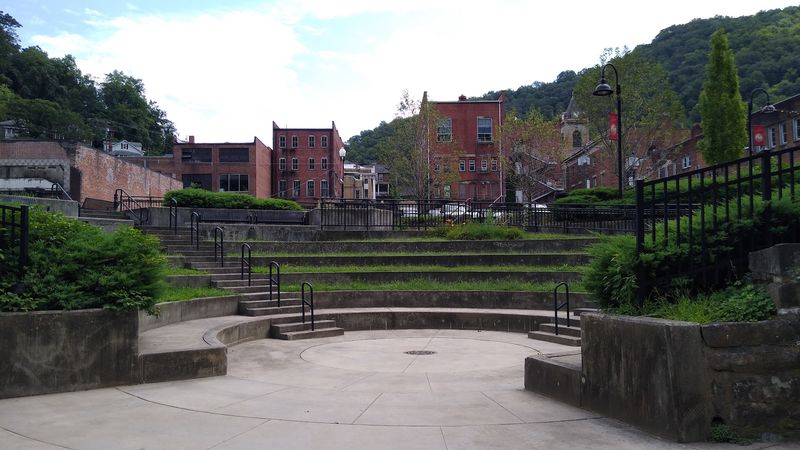
Soup beans might be the single most important dish in the McDowell County food vocabulary. A pot of pinto beans simmered low and slow for hours, seasoned simply with pork and salt, is the kind of meal that defines an entire regional culture.
Every family in this part of West Virginia has a version of the recipe, and every family believes theirs is the best. That friendly competition keeps the tradition sharp and the flavors evolving just slightly with each generation.
Pair those beans with a wedge of cornbread and maybe a slice of raw onion on the side, and you have a complete meal that sustained coal communities through the hardest working years of the twentieth century.
Trying soup beans in Welch is not just eating. It is understanding a whole way of life.
The simplicity is deceptive because the depth of flavor in a properly made pot of soup beans is something that stays with you long after the meal is over.
Downtown Welch and Its Culinary Character
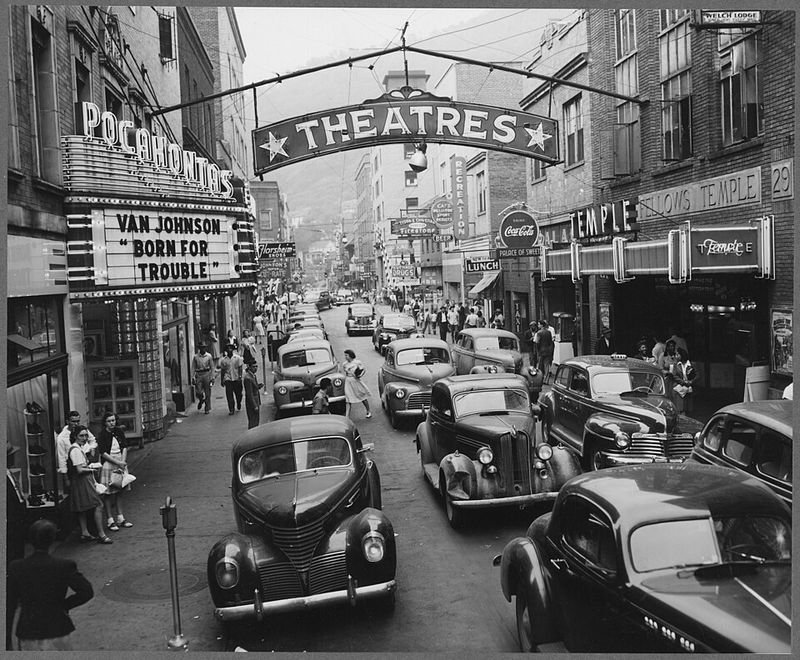
Downtown Welch has a character that big cities spend millions trying to manufacture and never quite pull off. The streets are compact, the buildings carry real age, and the food spots tucked between them feel genuinely earned rather than curated.
Stopping in at a local spot here means you are likely the only out-of-towner in the room. That is a good thing.
The food is not adjusted for tourist expectations.
What comes out of the kitchen is what locals actually eat, and locals in Welch have high standards shaped by generations of excellent home cooking. You will find plates that feel like they came straight from someone’s grandmother’s stove, because in many cases, the recipe literally did.
The atmosphere matters as much as the food in a place like this. Small towns eat differently than cities, with more patience and more conversation woven into the experience.
Sitting down in downtown Welch for a meal is a reminder that some of the best food in America has nothing to do with fame or fanfare.
Homemade Pies and Mountain Sweets
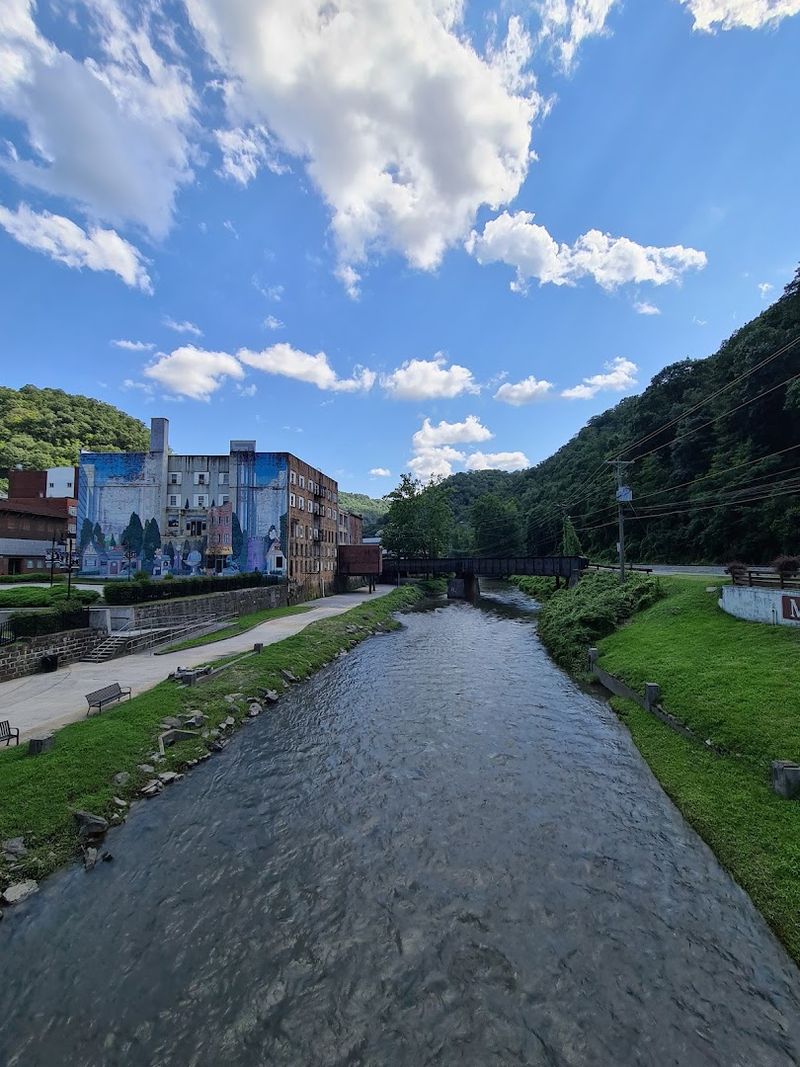
Dessert culture in Appalachian West Virginia is its own magnificent world, and Welch is a fine place to experience it. Stack cake, a multi-layered spiced cake filled with dried apple filling, is the kind of dessert that takes real patience and real skill to get right.
It is the kind of sweet that was historically made for big gatherings, with each family contributing a layer. The final cake represented community in the most literal, edible sense possible.
Beyond stack cake, fruit pies made with locally grown apples, blackberries, and rhubarb show up at tables throughout the area. The crusts are lard-based, which means they shatter beautifully and carry a richness that butter-only crusts simply cannot match.
Eating a slice of homemade pie in a Welch kitchen or local bakery is one of those travel experiences that sounds simple but lands hard. The flavor is uncomplicated and perfect.
Sometimes the most memorable food moments come without any elaborate presentation, just a fork and a seriously good slice of pie.
The Role of Food in Coal Community Life
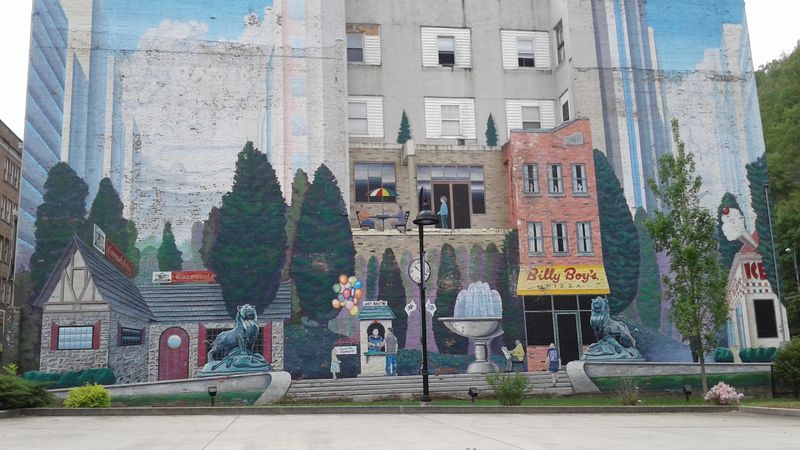
Food in a coal mining community is never just about nutrition. It is about gathering, about marking time, and about maintaining a sense of normalcy when the work is dangerous and the days are long.
Church dinners, family reunions, and community potlucks were the social backbone of life in McDowell County during the peak coal years. The food served at those events was prepared with extraordinary care because it represented the best a family could offer.
Dishes passed around at those tables became legendary within communities. A particular woman’s deviled eggs, a neighbor’s chess pie, a deacon’s smoked ham.
These were the foods people looked forward to and talked about for weeks.
That communal food culture left a permanent mark on Welch. Eating here still feels like participation in something larger than a single meal.
The generosity embedded in local cooking, the tendency toward abundance and sharing, is a direct inheritance from those coal community years that shaped everything about daily life in this mountain city.
Welch’s Geography and Fresh Mountain Ingredients
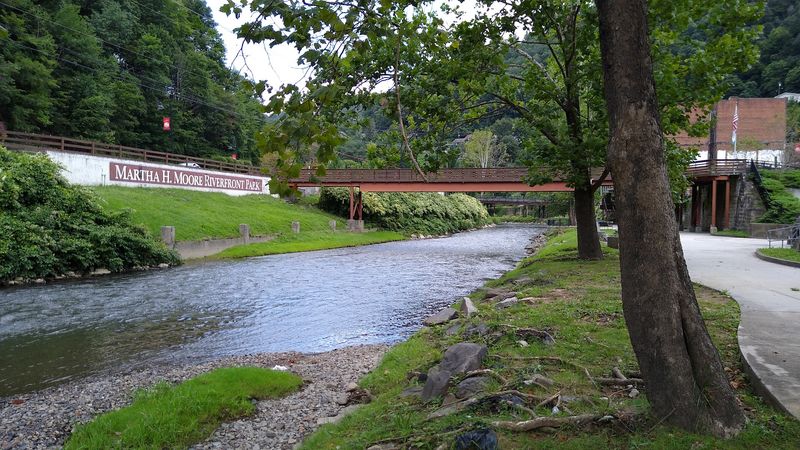
The mountains around Welch are not just beautiful scenery. They are a pantry.
Wild ramps, fiddlehead ferns, pawpaws, and blackberries grow throughout the surrounding hills, and locals have been foraging them for generations without making a big deal about it.
Ramps deserve special mention. These wild onions with a punchy garlic-forward flavor are celebrated every spring throughout Appalachia, and McDowell County is prime ramp territory.
They show up fried, pickled, scrambled into eggs, and tucked into cornbread.
The short spring ramp season creates a genuine sense of anticipation. When the ramps come in, the cooking changes, and the whole community leans into the moment with enthusiasm that outsiders find surprising and infectious.
Getting to experience seasonal Appalachian ingredients in Welch connects you to the landscape in a way that a restaurant menu never quite can. The food here grows from the same mountains that produced the coal that built American industry.
That connection between land and plate is as real and honest as cooking gets anywhere in the country.
Visiting Welch Today and Honoring Its Legacy
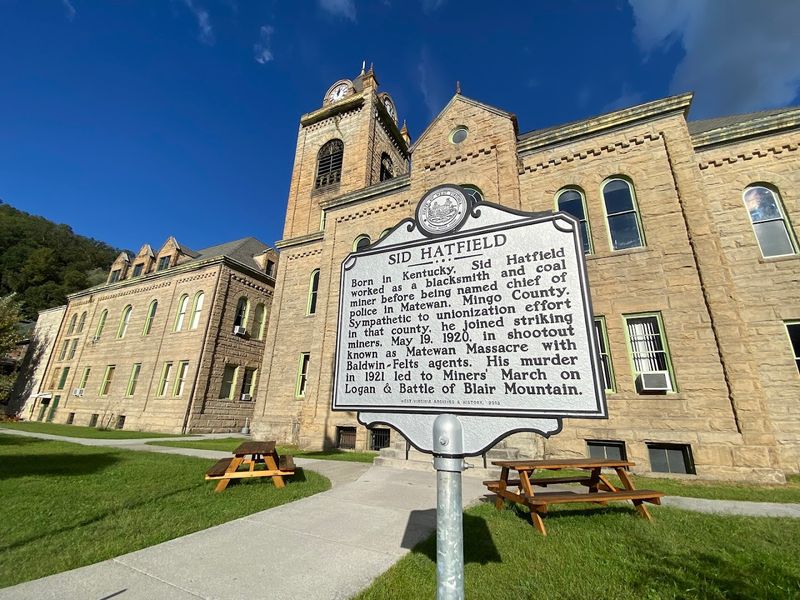
Coming to Welch today means arriving somewhere that carries its history without apology. The city has changed since its coal production peak, but the spirit of the place remains remarkably intact.
The people are warm, the food is honest, and the sense of pride is completely genuine.
Exploring the area means eating where locals eat and taking the time to ask questions. The stories that come back are extraordinary, full of detail and color that no guidebook captures.
The food you find here, whether a plate of slow-cooked beans, a wedge of cornbread, or a slice of homemade pie, carries meaning beyond flavor. Each dish is a small monument to the community that built it and the industry that once made this county the most productive coal-producing place in the entire United States.
Welch is worth the drive, worth the time, and absolutely worth the appetite. Show up hungry, stay curious, and let the city feed you in every sense of the word.
Address: Welch, West Virginia 24801
