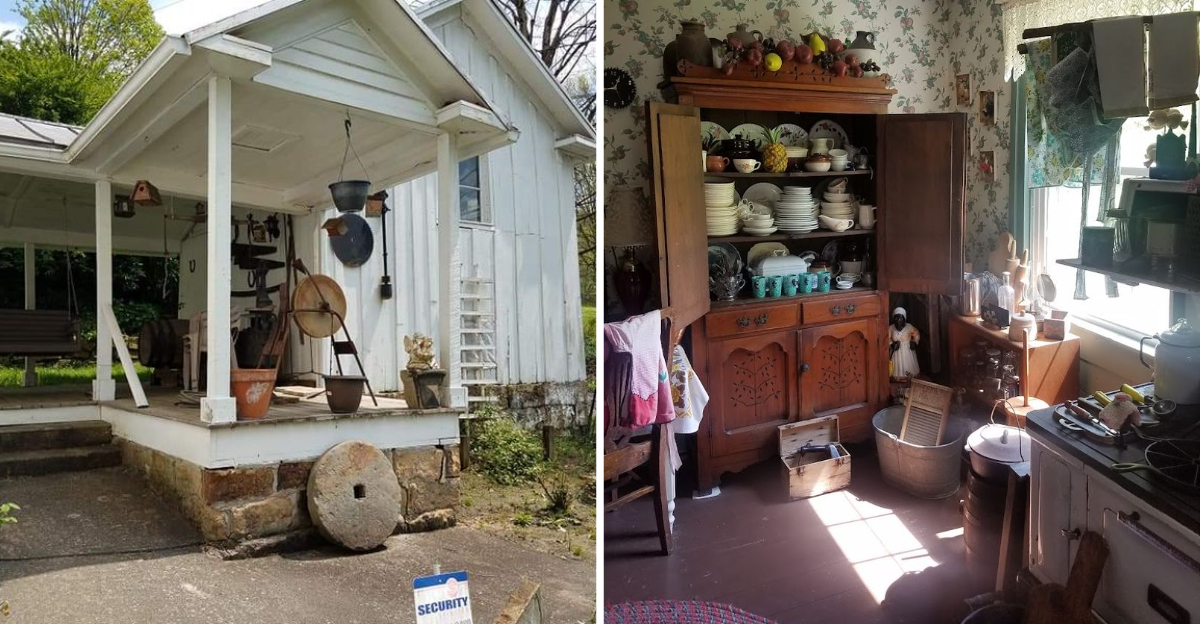
Start with the ultimate irony. The woman who gave us Mother’s Day never had children of her own.
She poured all her love into a single mission, and it all started in this humble house nestled in the hills.
Stepping through the door feels like entering the very heart of a heartfelt story.
Anna Jarvis grew up here, inspired by her own mother’s kindness and vision for a special day honoring all mothers.
When her mother passed, Anna turned grief into purpose, launching a passionate campaign that would capture the nation’s attention.
It is a testament to the power of one person’s determination.
This West Virginia landmark reminds us that the most beautiful traditions often have the most personal beginnings.
The Birthplace That Started It All
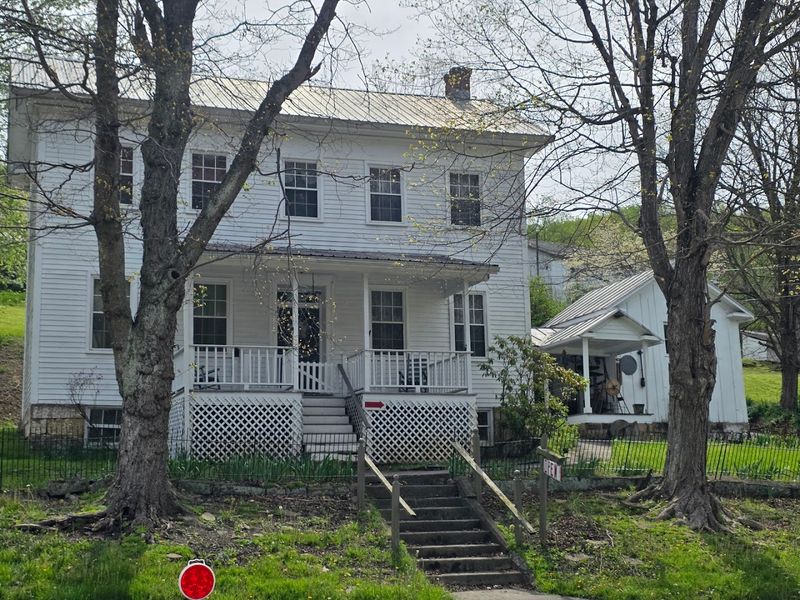
Standing in front of this house for the first time, you get this quiet, almost electric feeling that something important happened here.
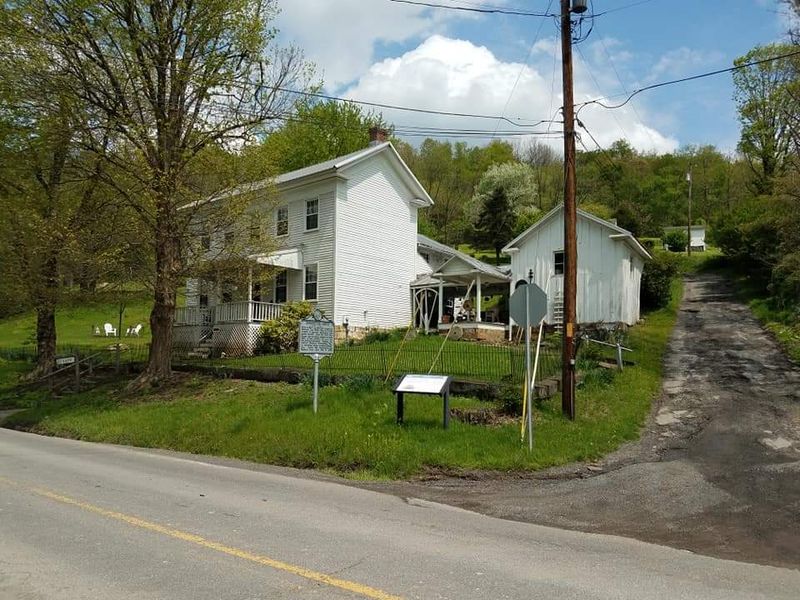
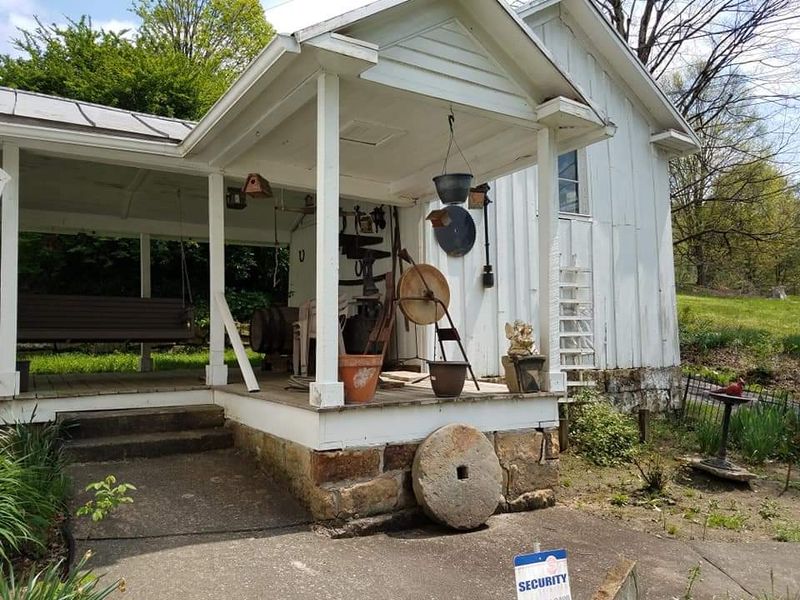
Built in 1854 by Granville E. Jarvis, the wooden two-story home sits along Webster Pike like it has always known its own significance. Anna Maria Jarvis was born inside these walls on May 1, 1864, the ninth of eleven children born to Granville and Ann Reeves Jarvis.
Only four of those children survived to adulthood, which tells you something real about the hardships families faced in that era. The house held an entire family’s life, hopes, and history within its modest frame.
Knowing that the woman who gave the world Mother’s Day took her first breath right here makes every creaking floorboard feel meaningful.
The family lived in this home for eleven years before moving on. That relatively short stretch of time left a mark so deep that people still travel from across the country just to stand where Anna once stood.
Anna Jarvis and Her Mission to Honor Mothers
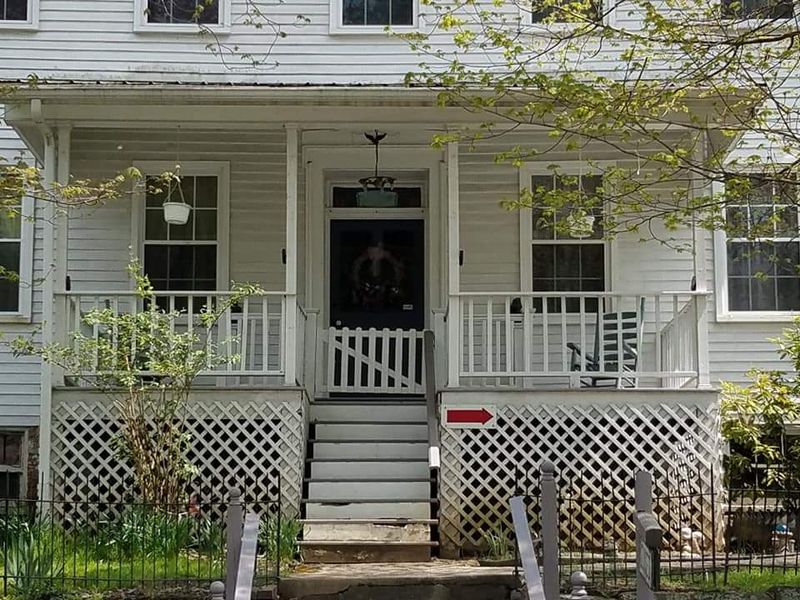
Anna Jarvis grew up watching her own mother pour her heart into the community, and that devotion left a permanent impression. After her mother, Ann Reeves Jarvis, passed away in 1905, Anna made it her personal mission to create a holiday that would honor mothers everywhere.
She was not interested in a vague, commercial celebration. She wanted something sincere and deeply felt.
Her efforts paid off when the first official Mother’s Day observance took place on May 10, 1908, at Andrews Methodist Episcopal Church in Grafton, where her mother had once taught Sunday school.
That small service in a West Virginia church grew into a national holiday recognized by President Woodrow Wilson in 1914.
What makes Anna’s story even more fascinating is that she later grew frustrated with how commercialized the holiday became. She had envisioned handwritten letters and quiet gestures of love, not mass-produced greeting cards.
Her passion for authenticity is something that still resonates when you walk through this museum today.
Ann Reeves Jarvis and the Work Clubs That Inspired a Holiday
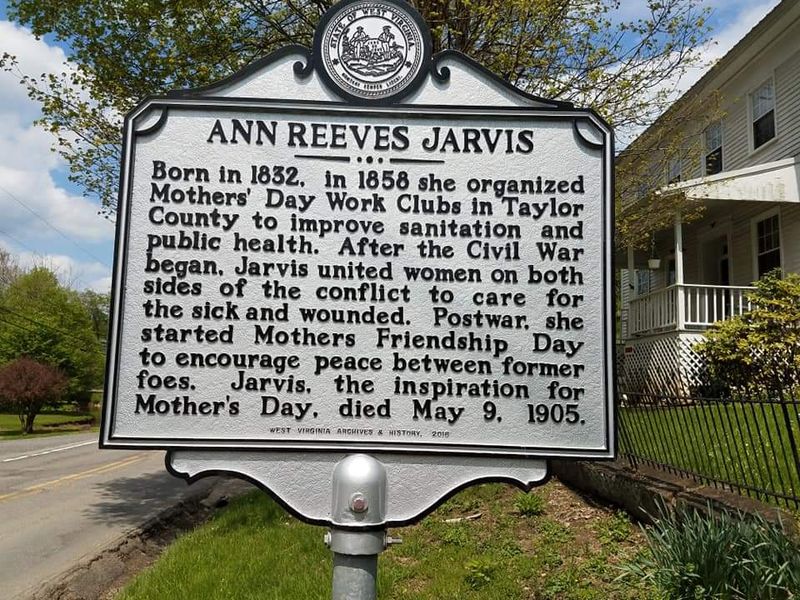
Before Anna Jarvis created Mother’s Day, her mother was already quietly changing the world around her. Ann Reeves Jarvis established what she called Mothers’ Day Work Clubs, community organizations focused on improving public health in the years before and after the Civil War.
These clubs provided medicine to families, cared for sick soldiers from both sides of the conflict, and worked to rebuild community bonds after the war tore so many apart.
Her work was practical, hands-on, and driven by genuine compassion rather than politics. She believed mothers had the power to heal communities, and she proved it through action rather than words.
Ann Reeves Jarvis was the kind of person who showed up and got things done, quietly and without fanfare.
When Anna watched her mother do all of this and then watched her pass away without a single official day of recognition, the idea of creating Mother’s Day was born from real grief and real admiration. The museum brings this story to life in a way that feels personal and honest.
Civil War Headquarters Hidden in Plain Sight
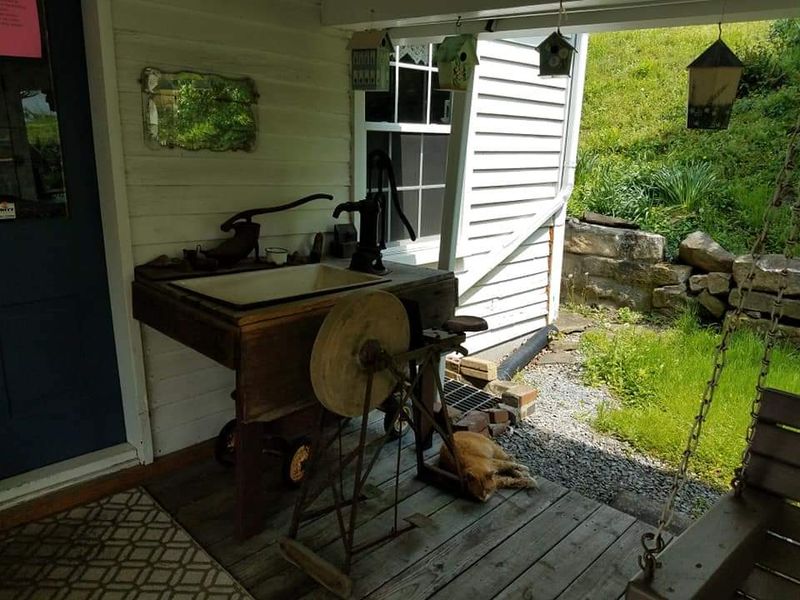
Here is a detail about this house that most people do not expect: it served as the first field headquarters for Union General George B. McClellan during the Civil War.
That fact alone makes this building one of the most historically layered small museums you will find anywhere in the state.
McClellan’s troops were encamped directly across the road in what is now known as Ocean Pearl Felton Historic Park. The village of Webster was a critical depot for troops and supplies, making this modest home a genuinely strategic location during one of America’s most defining conflicts.
The museum dedicates an entire room to McClellan memorabilia, and the collection there is surprisingly detailed.
Walking through that room, you get a sense of just how much history collided in this one small place. A house that witnessed the birth of a future holiday creator also witnessed the movements of a Civil War general.
That kind of layered history is rare, and the museum presents it with clarity and care that makes it easy to absorb.
The Underground Railroad and the Hidden Room Below
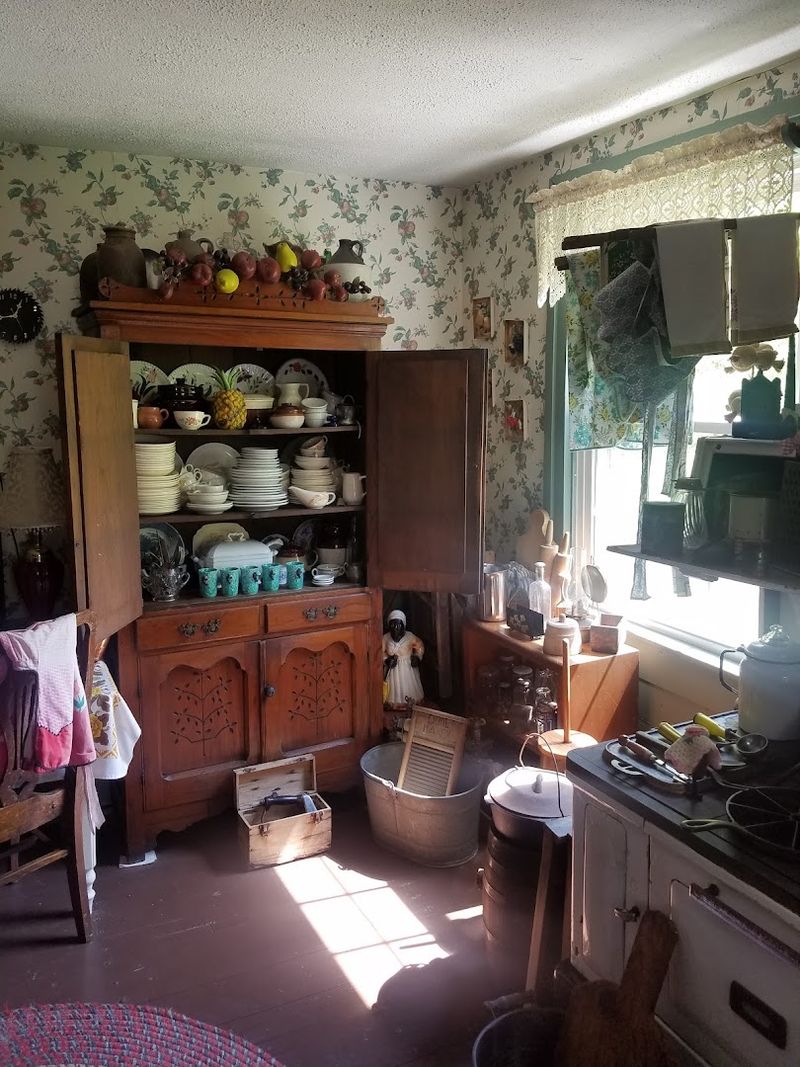
Underneath the kitchen floor, there is a trap door. Behind that trap door is a hidden room in the basement that the Jarvis family used to shelter escaped enslaved people as part of the Underground Railroad network.
Finding out about this detail mid-tour is the kind of moment that makes you stop and stand very still for a second.
The Jarvis family was deeply committed to justice in ways that went far beyond words. Hiding freedom seekers in a concealed basement space was an act of enormous courage, especially in a region where discovery could bring severe consequences.
This hidden room adds yet another dimension to an already remarkable house.
It is one thing to read about the Underground Railroad in a textbook. It is something else entirely to stand above the actual trap door and understand that real people passed through this space in search of freedom.
The museum treats this part of its history with the weight and respect it deserves, and visitors tend to grow very quiet when they reach this part of the tour.
Over 5,000 Items That Tell the Full Story
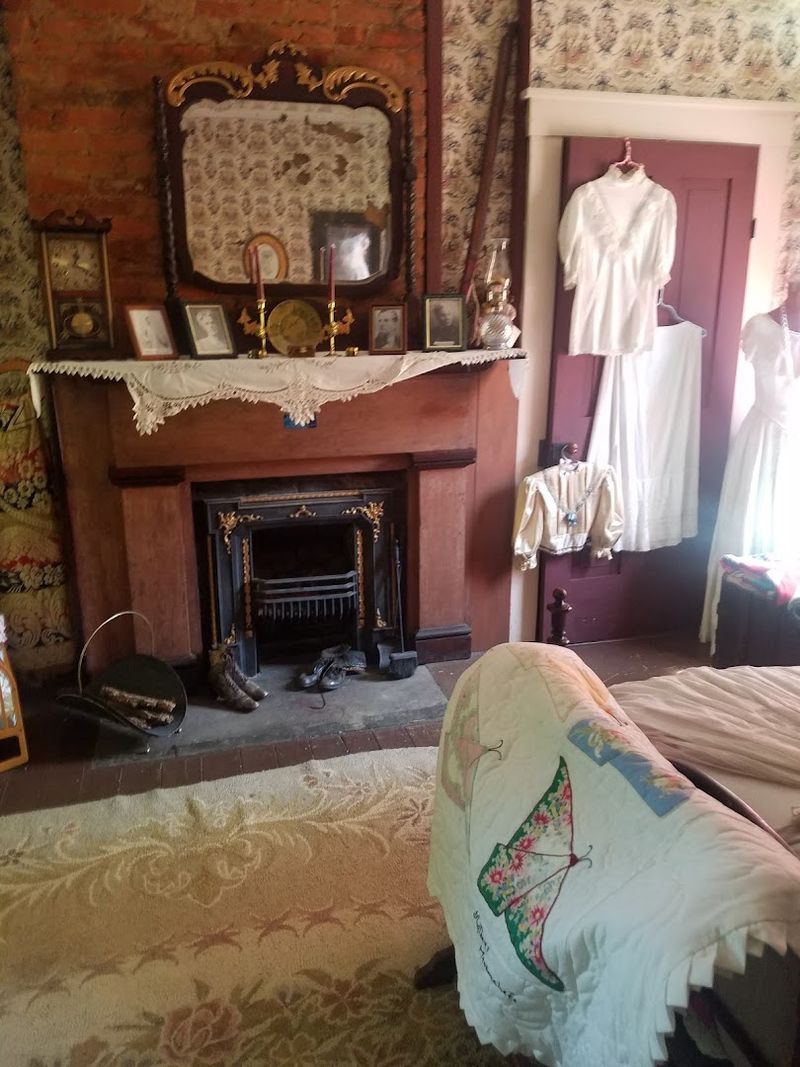
The sheer volume of history packed into this museum is genuinely surprising. With over 5,000 items belonging to the Jarvis family on display, there is no shortage of things to look at, read about, and absorb.
Personal belongings, family photographs, documents, and artifacts fill the space in a way that feels curated rather than cluttered.
Each item has context behind it, and the tours do a wonderful job of connecting individual objects to the larger story of Anna, her family, and their impact on American life. You are not just looking at old stuff behind glass.
You are reading the physical evidence of lives fully lived.
From the McClellan room to items connected to the founding of Mother’s Day, the collection spans decades of American history. Some of the most compelling pieces are the small, personal ones: everyday objects that remind you these were real people with real routines, not just names in a history book.
That human quality is what makes the museum feel so alive even though the house itself is well over a century old.
The First Official Mother’s Day Observance in Grafton
May 10, 1908, is the date that changed everything.
On that Sunday morning, Andrews Methodist Episcopal Church in Grafton, West Virginia hosted the very first official Mother’s Day observance, a service Anna Jarvis organized in memory of her mother who had taught Sunday school there.
It was a small, local event that ignited something much larger.
The connection between the Jarvis house and that church is central to the whole story, and the museum explains it clearly. Grafton was not just the backdrop for this history.
It was the reason the history happened here at all. Anna chose this church deliberately, honoring her mother in the very place where her mother had given so much of herself.
Visiting the museum and then driving to see the church creates a kind of historical loop that really clicks things into place. The town of Grafton is small and easy to explore, and understanding how these two locations connect gives the whole trip a satisfying sense of completeness.
This is one of those places where geography and history become the same thing.
Listed on the National Register of Historic Places
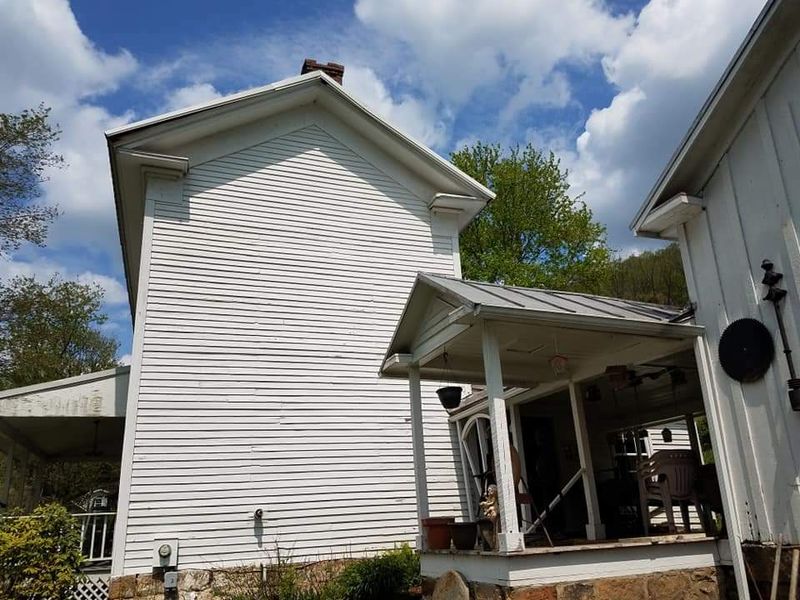
In 1979, the Anna Jarvis House was officially listed on the National Register of Historic Places, a recognition that cemented its standing as one of the country’s genuinely significant historic sites. That designation is not handed out lightly, and for this house, it feels completely earned.
Being on the National Register means the property is acknowledged at the federal level as having historical, architectural, and cultural importance worth preserving. For a small wooden house tucked into the West Virginia hills, that is a remarkable achievement.
It also means the museum benefits from a level of visibility that helps it continue its preservation work.
Visiting a site on the National Register always adds a certain weight to the experience. You are not just walking through someone’s old home.
You are moving through a space that the country has officially agreed matters. That context sharpens your attention and makes even the small details feel worth examining carefully.
The plaque near the entrance is easy to miss if you are moving too fast, so slow down and take a moment to read it.
Why This House Deserves a Spot on Your Travel List
Some museums feel like obligations. This one feels like a discovery.
There is something genuinely moving about visiting a place that connects a personal family story to a holiday celebrated by hundreds of millions of people around the world every single year. The scale of that connection is hard to wrap your head around until you are actually standing inside the house.
The museum does not try to be flashy or oversell itself. It lets the history do the work, and the history is more than enough.
From the Underground Railroad basement to the Civil War general’s headquarters to the founding of Mother’s Day, this one small house holds more layers than most people would guess from the outside.
West Virginia has a way of surprising travelers who write it off as just a drive-through state. The Anna Jarvis Museum is exactly the kind of place that changes that assumption for good.
It is personal, powerful, and completely worth the detour.
Address: 3576 Webster Pike, Grafton, WV.
