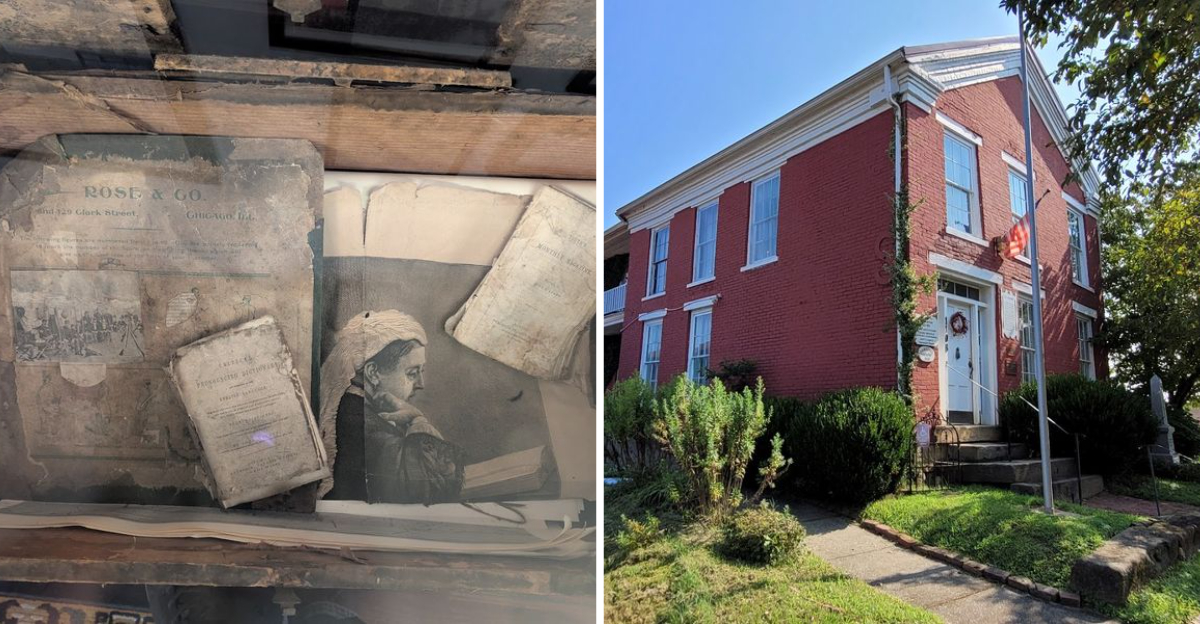
They say a house is just bricks and mortar until the bricks start talking.
This one was built directly on an ancient burial mound, because apparently someone thought that was a fantastic idea.
Civil War fugitives once hid in its basement, adding layers of restless energy to an already questionable foundation.
Today, visitors report seeing shadows that move without bodies, hearing footsteps from empty rooms, and feeling cold spots that appear out of nowhere.
A woman in white is said to wander the property, though she never seems to check the guest book.
The current residents have simply learned to share space with their extra, invisible housemates.
Have you ever waved hello to empty air just in case?
You might want to practice before visiting this West Virginia legend.
The Ancient Ground Beneath the Bricks
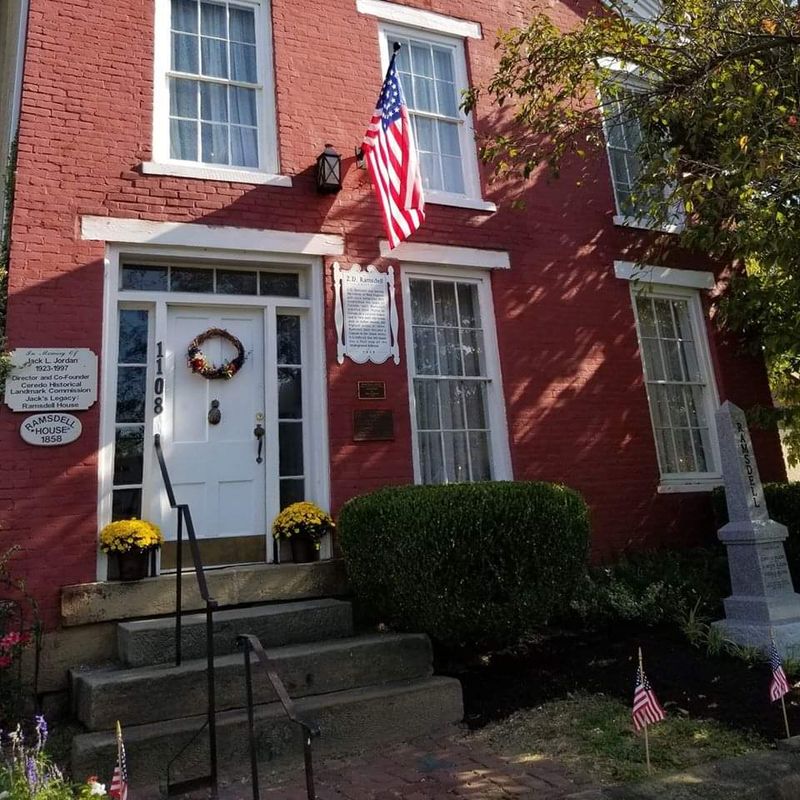
Long before Zophar D. Ramsdell laid a single brick, the ground beneath this property already carried centuries of significance.
The Ramsdell House sits on an elevated position widely believed to be an Adena Native American burial mound, making it one of the most unusual foundations for any residential structure in West Virginia.
The Adena culture thrived in the Ohio Valley region from roughly 1000 BCE to 200 CE. They were known for building ceremonial mounds across the landscape, and many of those mounds still exist today, quietly tucked beneath roads, yards, and yes, even historic homes.
That elevated ground turned out to be more than spiritually significant. When the catastrophic 1937 flood swept through the region and devastated surrounding areas, the Ramsdell House survived because of that very rise in elevation.
The mound that once honored ancient people ended up protecting a house that had itself become a sanctuary for others. Standing there today, you feel the weight of that layered history beneath your feet in the most literal way possible.
Built by a Shoemaker with a Conscience
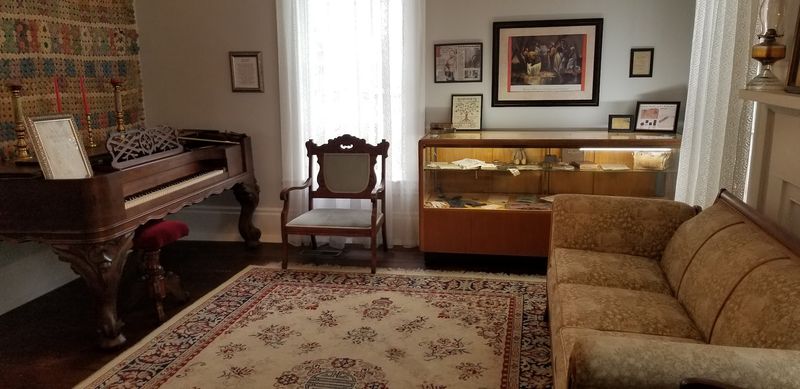
Zophar D. Ramsdell was not your typical 19th-century homebuilder.
He was a shoemaker and a passionate abolitionist who came to Ceredo, West Virginia, at the personal invitation of town founder Eli Thayer. Ramsdell completed construction of the house in 1857 to 1858, and it immediately became the first brick house in Ceredo.
Choosing brick over wood was a bold statement for its time. It signaled permanence, stability, and a certain kind of conviction.
Ramsdell was a man who believed in building things to last, whether that meant a house or a legacy of social justice.
His commitment to abolitionism was not just philosophical. He put his home, his safety, and his family at real risk by sheltering freedom seekers on the Underground Railroad.
That kind of courage is hard to wrap your head around when you’re just standing in a cozy historic parlor. But knowing the story behind those walls makes every corner of the house feel charged with purpose and meaning that goes far beyond architecture.
A Crucial Stop on the Underground Railroad
Few places in the region carry the emotional gravity of a confirmed Underground Railroad stop, and the Ramsdell House is one of them.
Enslaved people seeking freedom made their way through this very home, using it as a refuge before crossing the Ohio River into Ohio and the promise of a freer life.
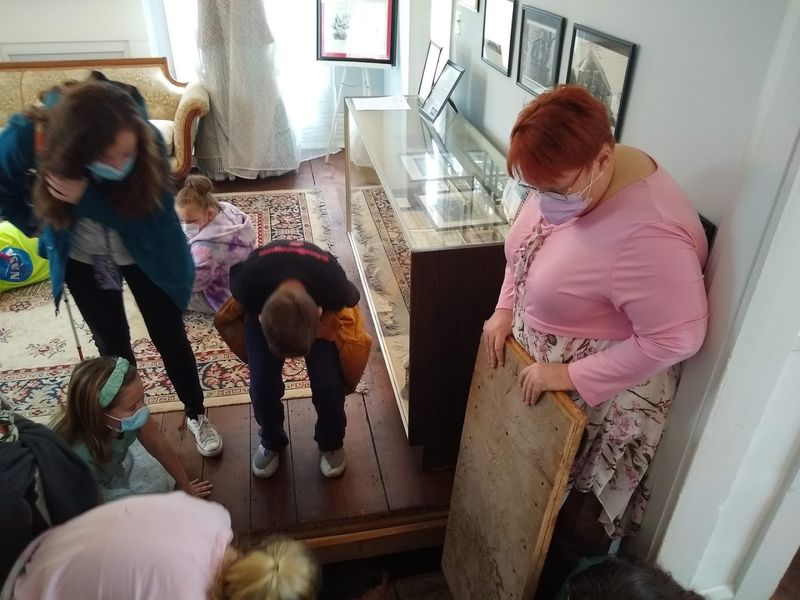
The hidden door and tunnel that once concealed freedom seekers are still intact inside the house. Seeing them in person is a genuinely moving experience.
You suddenly understand that this was not just history preserved behind glass. This was a place where real decisions with life-or-death consequences were made every single day.
The Ramsdell House was one of the final stops before the Ohio River crossing, which made it an incredibly high-stakes location. Families, individuals, and children all passed through these walls hoping for safety.
The fact that the house still stands, still opens its doors, and still tells these stories is a tribute to everyone who risked everything within it. Walking through, you feel a deep and lasting respect settle over you.
When the House Became a Civil War Hospital
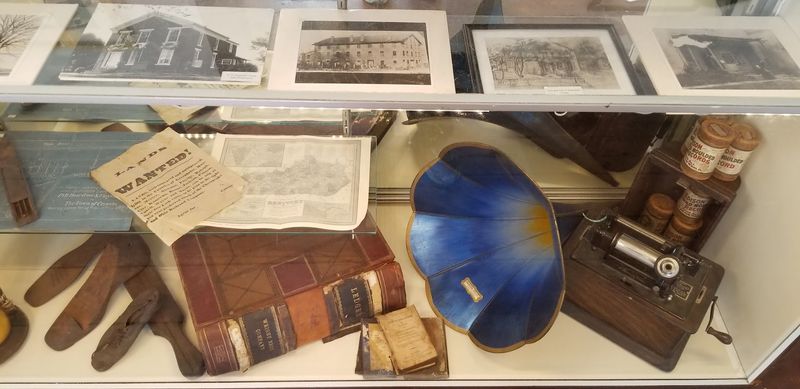
History has a way of piling onto certain places, and the Ramsdell House is a prime example. During the Civil War, the home is believed to have served as a makeshift hospital for both Union and Confederate soldiers.
That detail alone makes the house feel like it absorbed more human suffering and resilience than most buildings ever could.
Zophar Ramsdell himself served as a Captain and Quartermaster in the Union Army during the conflict. His home, meanwhile, became a place where the wounded on both sides were cared for.
That speaks to something quietly remarkable about the spirit of the house and the people who inhabited it.
Imagining soldiers from opposing armies recovering under the same roof is the kind of thing that stops you mid-step on a tour. The house was already doing extraordinary things before the war started, and it kept doing them right through one of the most divisive periods in American history.
Few structures in West Virginia carry that kind of layered wartime significance wrapped inside such an ordinary-looking exterior.
The Unmarked Graves on the Property
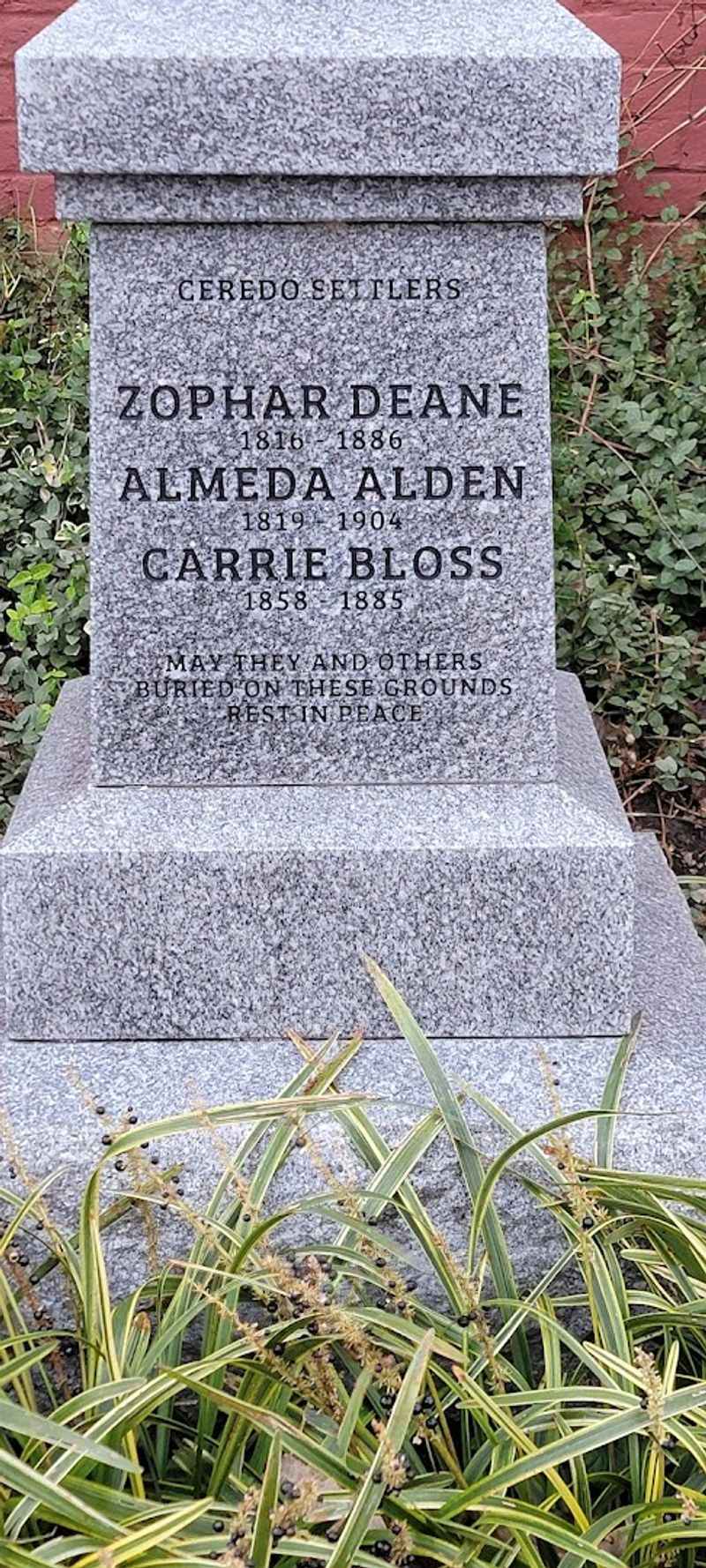
Some details about the Ramsdell House are easy to admire from a safe historical distance. Others, like the fact that unmarked graves sit on the property, have a way of making the visit feel a little more personal and a lot more eerie.
Zophar Ramsdell, his wife Almeda, and their daughter Carrie Bloss are all buried on the grounds in graves that lack formal markers. They passed away in the late 19th and early 20th centuries, and their final resting place is quite literally the land surrounding the home they built and loved.
There is something deeply human about that. They did not leave.
Even in death, the Ramsdells stayed connected to the place they had devoted their lives to. For visitors who know this detail, it adds a whole new dimension to wandering the grounds.
Every patch of grass feels a little more intentional, a little more watched. Whether you believe in the paranormal or not, knowing the family is still there in some form makes the atmosphere genuinely unforgettable.
Paranormal Activity That Keeps People Talking
Doors that open on their own. Lights that switch themselves off.
The sound of chains echoing through empty rooms. Voices coming from nowhere.
Moving shadows that disappear before you can focus on them. The Ramsdell House has earned its reputation as one of the most haunted locations in West Virginia through decades of reported experiences.
Paranormal investigators have visited the property on multiple occasions, and some claim to have made contact with the spirits of Mr. and Mrs. Ramsdell themselves, along with a few other unidentified and apparently colorful personalities.
Whether you are a true believer or a healthy skeptic, those reports are hard to brush off entirely when you are standing inside the house at dusk.
What makes the haunting stories especially interesting is their variety. The activity is not limited to one room or one type of experience.
It seems to move, shift, and surprise. Some attribute it to the burial mound beneath the house, others to the intense human history that unfolded within its walls.
Either way, the stories have a way of following you home long after the tour ends.
Apparitions in the Window
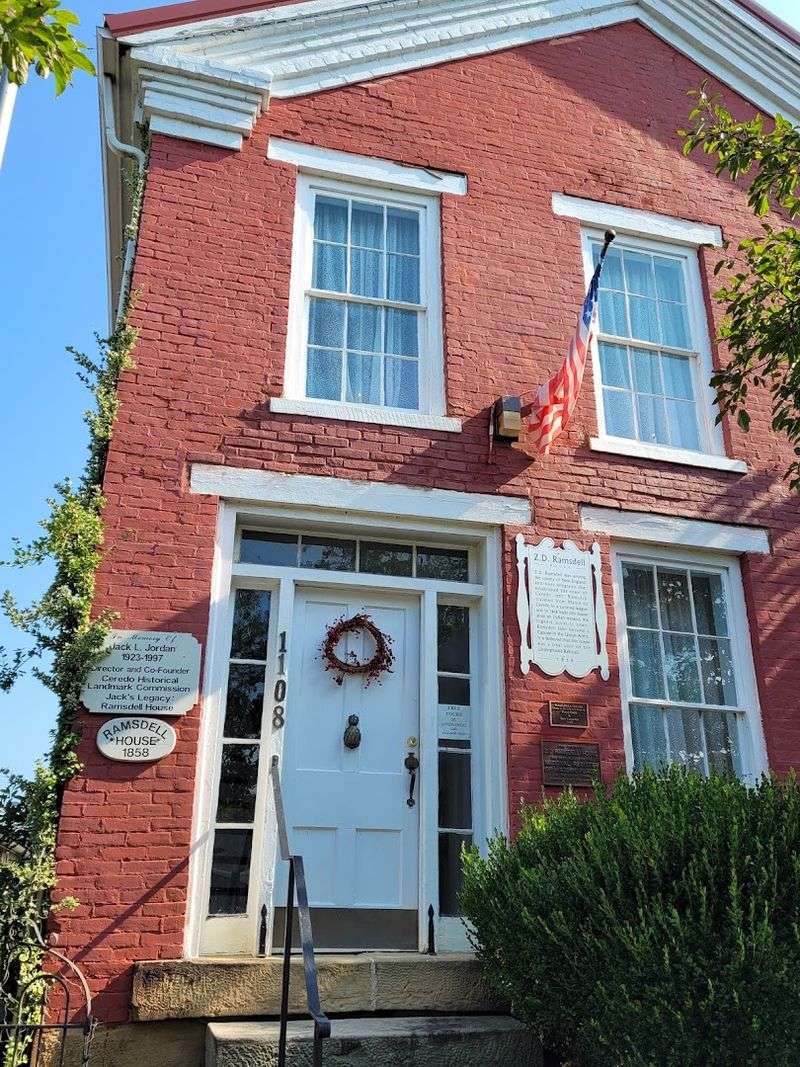
Of all the paranormal reports connected to the Ramsdell House, the window apparition is probably the most talked about. Visitors standing outside the house have reported seeing the figure of a woman looking out from a window, only to find no one there when they look again.
It is the kind of thing that makes you do a very slow double take.
What gives the story staying power is how consistently it gets reported. Multiple people over many years have described the same basic experience: a figure in the window that vanishes the moment you blink or look away.
It is unsettling in the best possible way, especially when you are standing outside on a quiet afternoon with no particular expectations.
The house does not lean into cheap ghost-story theatrics. There are no fog machines or jump scares.
The atmosphere is calm, the history is real, and the apparition reports are delivered matter-of-factly by people who genuinely experienced something they could not explain.
That restraint makes the whole thing far more compelling than any staged haunted house attraction could ever hope to be.
Positive Presences and the Curator’s Perspective
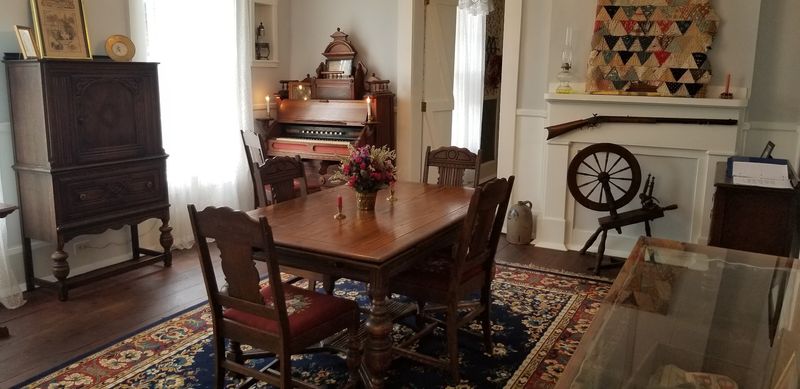
Not everyone who spends time in the Ramsdell House comes away spooked.
The museum curator has spoken openly about feeling only kind and positive presences within the home, which is a refreshing counterpoint to the more dramatic paranormal reports that tend to dominate the conversation.
That perspective matters. The Ramsdell House is, at its core, a place that sheltered people, healed the wounded, and preserved stories that might otherwise have been lost.
It makes a certain kind of sense that the energy lingering in its walls would reflect that generous spirit rather than something threatening.
Visitors often come expecting to be frightened and leave feeling something more like awe. The house has a warmth to it that is hard to articulate but easy to feel.
The history is heavy, yes, but it is also inspiring. Knowing that people of extraordinary courage lived and worked within these rooms gives the whole space a quality that feels less like haunting and more like honoring.
The presences, if they exist, seem to be keeping watch rather than causing trouble.
Free Tours and How to Experience It Yourself
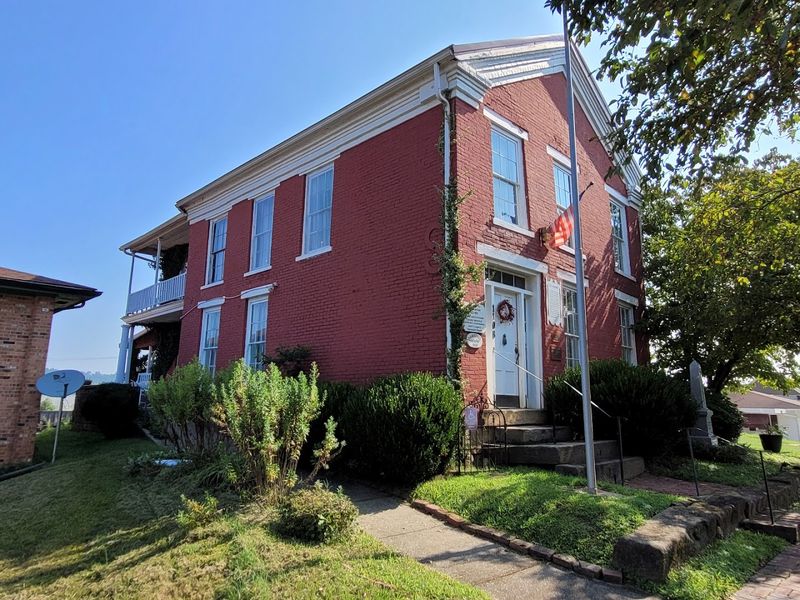
One of the most surprising things about the Ramsdell House is that experiencing all of this history costs absolutely nothing.
The Town of Ceredo owns and maintains the property, and tours are offered free of charge, which makes it one of the most accessible historic sites in the entire region.
The house operates as a museum and is open for visits throughout the week. Guided tours walk you through the rooms, the hidden spaces, and the stories that tie everything together.
Getting to see the actual tunnel and hidden door that once concealed freedom seekers is the kind of experience that stays with you long after you have driven home.
Planning a visit is straightforward. The house is located right in Ceredo, easy to find and worth building your day around.
Whether you are a history enthusiast, a paranormal curious traveler, or simply someone who appreciates a genuinely remarkable story told in a genuinely remarkable place, the Ramsdell House delivers something real and lasting.
Address: 1108 B St, Ceredo, West Virginia
