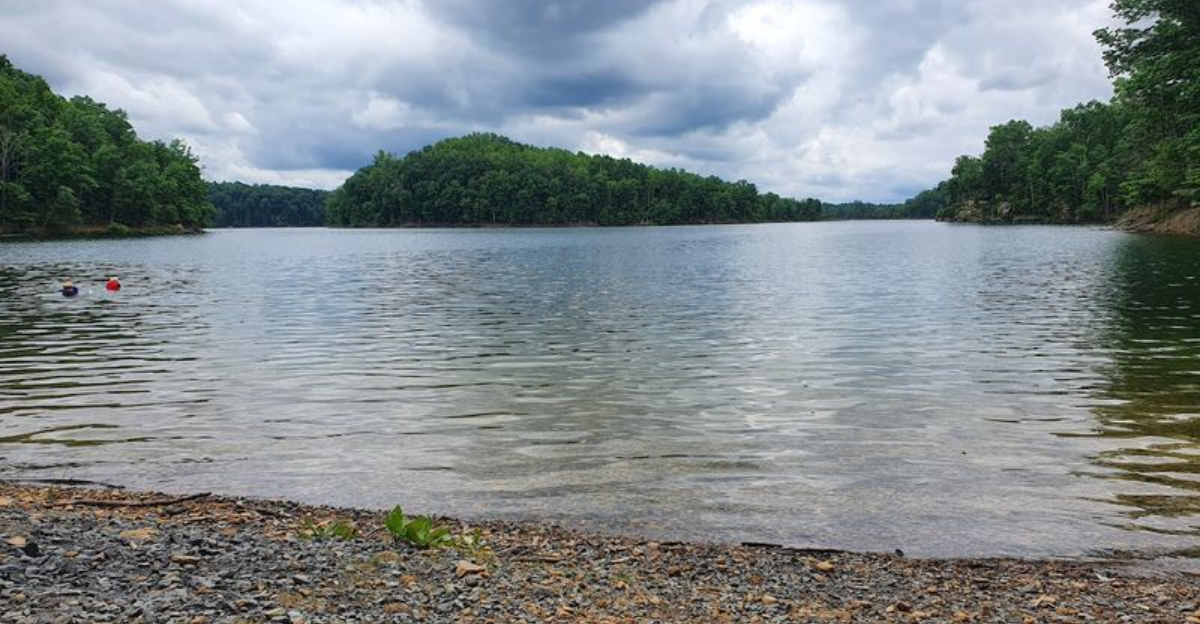
Imagine paddling across crystal clear water, gazing down at the submerged remnants of a forgotten community.
It sounds like something out of a mystery novel, right?
But this is real life, right here in West Virginia. Beneath the surface of this breathtaking lake lies an entire town that was intentionally flooded decades ago to create this recreational paradise.
You can still spot old foundations, roadbeds, and even stone walls peeking through the depths on a calm day.
It is equal parts eerie and fascinating, a surreal experience that makes you ponder the stories of the families who once called that valley home.
Divers absolutely love exploring this aquatic time capsule. West Virginia truly offers adventures you simply cannot find anywhere else.
The Underwater Ghost Town of Gad
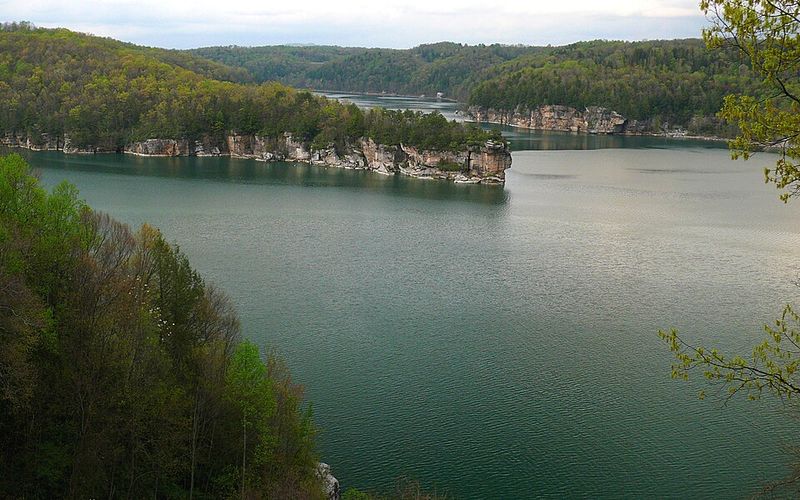
Before the water came, there was a village. The town of Gad existed from the early 1800s all the way to 1960, tucked into the Appalachian hills like so many small communities of its era.
Families farmed the land, kids walked to school, and neighbors gathered at the general store and the small church that anchored daily life.
When the U.S. Army Corps of Engineers purchased the land in the early 1960s to build Summersville Dam, Gad had to disappear.
Six family graveyards were carefully relocated before the waters rose. Most structures were demolished or removed before flooding began.
What remained became something unexpectedly fascinating. Foundations, roadways, and rock carvings now rest beneath the surface near the marina.
Divers call it the “Appalachian Atlantis,” and that nickname fits perfectly. Standing at the water’s edge knowing a whole community once stood there gives the lake a weight that no travel brochure could fully capture.
The Dam That Created It All
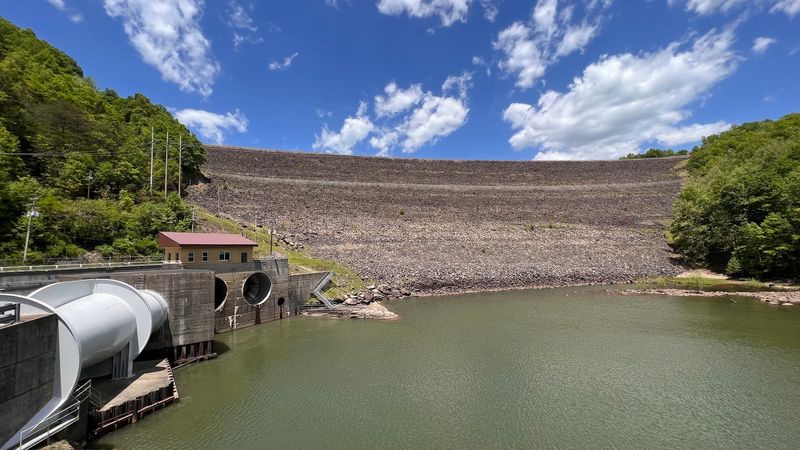
Summersville Dam is not subtle. Standing 390 feet tall and stretching 2,280 feet long, it holds the title of second-largest rock-fill dam in the entire Eastern United States.
That is a staggering amount of engineering ambition packed into the West Virginia hills.
Built between 1960 and 1966, the dam was designed to control flooding along the Gauley and Kanawha Rivers. It officially opened on September 3, 1966, and the lake it created quickly became something far more than a flood-control project.
There is a funny footnote to its name. Engineers briefly considered calling it “Gad Dam,” after the town it submerged.
Common sense eventually won out, and it was named after the nearest surviving town instead.
Driving down to the tailwaters gives you a completely different perspective on the structure, with the high rock walls and the massive spillway outlet making the whole thing feel even more monumental up close.
Crystal Clear Water That Earns Its Nickname
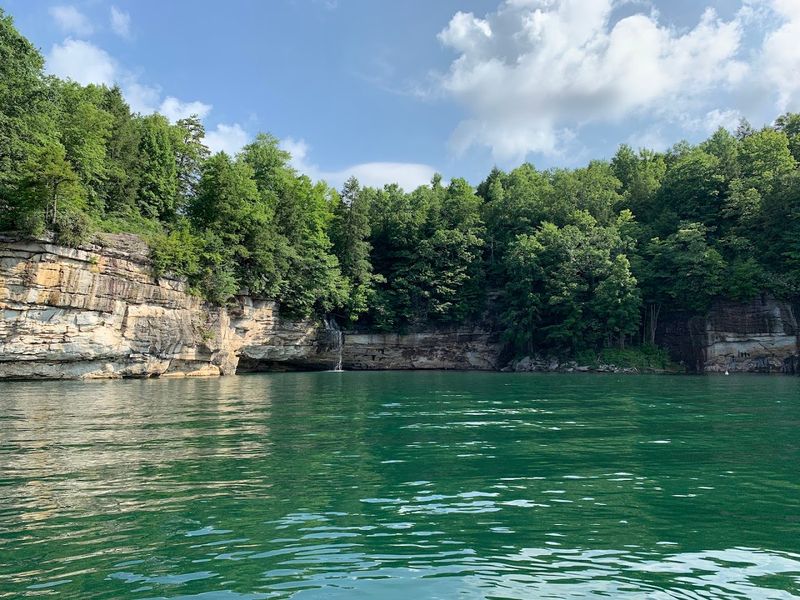
Summersville Lake earned the nickname “The Little Bahamas of the East” without any marketing department’s help. The water genuinely earns it.
On a calm summer day, visibility can stretch down 40 feet or more, turning the lake surface into something that looks borrowed from a Caribbean postcard.
The blue-green tint shifts depending on the light and the season. Morning hours bring a quieter, almost glassy clarity.
Weekend afternoons, when boat traffic picks up, create gentle swells that catch the sunlight differently against the sandstone cliffs lining the shore.
That clarity is part of what makes the ghost town story so compelling. You are not staring into murky darkness when you look over the side of a kayak near the marina.
You are looking through water clean enough to see history. The lake stays this clear partly because it refills naturally from snowmelt and rainfall each season, keeping the water fresh and the visibility almost unreasonably good year after year.
Scuba Diving the Appalachian Atlantis
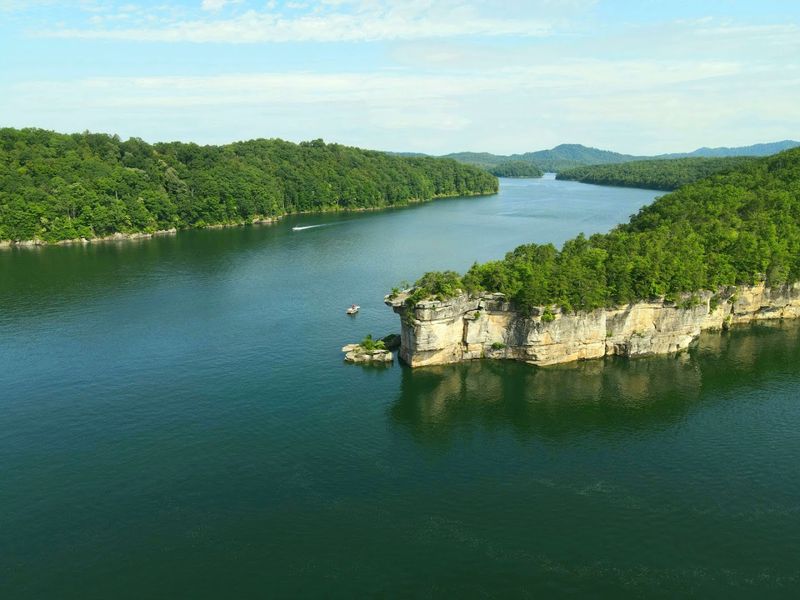
Reaching depths of up to 327 feet, Summersville Lake offers scuba divers something genuinely rare in the eastern half of the country.
The combination of extreme clarity, dramatic rock formations, and the ghostly remnants of a submerged community creates a dive experience that feels unlike anything else in the region.
Rock walls, boulders, and overhangs define the underwater landscape. Near the area where the town of Gad once stood, divers report encountering foundations and roadways still visible beneath the sediment.
Some have found rock carvings left behind by the community’s former residents.
The lake has developed a devoted scuba community because of exactly these features. Warm summer months bring divers from across the mid-Atlantic and Southeast, all eager to experience water clarity that simply does not exist at most freshwater sites.
Whether you are a certified diver or just curious about trying it for the first time, the lake’s reputation as a top-tier freshwater dive destination is thoroughly deserved and consistently backed up by the water itself.
Kayaking and Paddleboarding the Shoreline
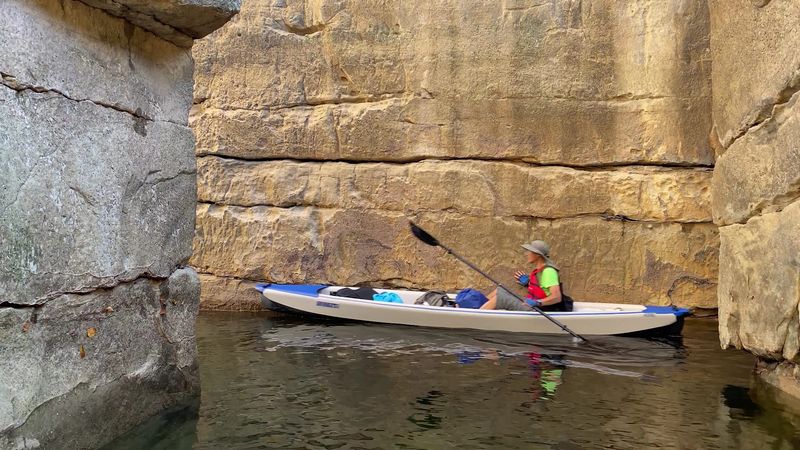
Paddling Summersville Lake for the first time, you quickly realize the shoreline keeps surprising you around every bend.
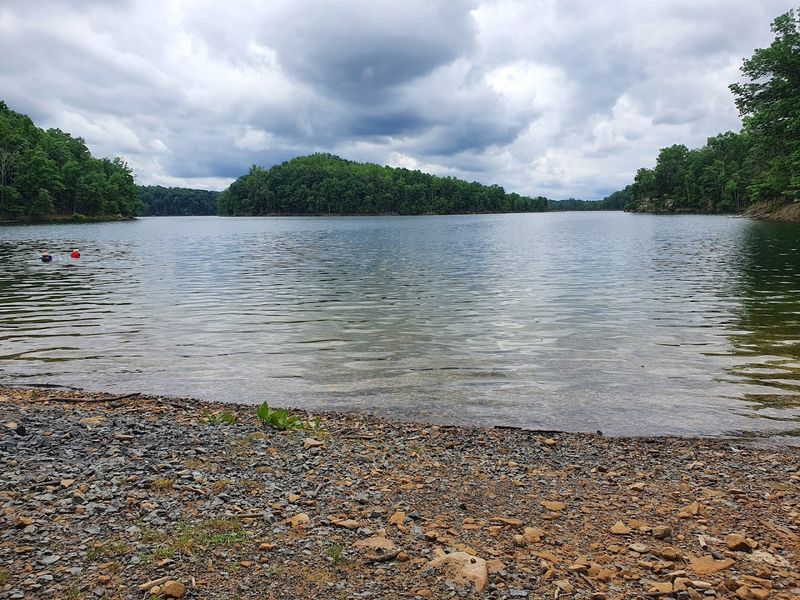
The recommended launch spot at Battle Run offers a small beach area and a little island nearby, making it a natural gathering point for first-timers getting their bearings on the water.
The more dramatic scenery waits further out toward Long Point, where the sandstone cliffs rise dramatically and waterfalls appear seasonally. Getting there takes some paddling, but the effort pays off in views that feel genuinely cinematic rather than casually pretty.
Rentals are available nearby for those who did not haul their own gear up through the mountains. Paddle boards work beautifully on the calmer sections of the lake, especially during weekday mornings before boat traffic increases.
The no-wake zones scattered throughout the lake create pockets of peaceful water perfect for longer paddling sessions without worrying about swells from passing motorboats.
It is the kind of place that turns a casual morning paddle into a full-day adventure without much effort.
The Long Point Trail Overlook
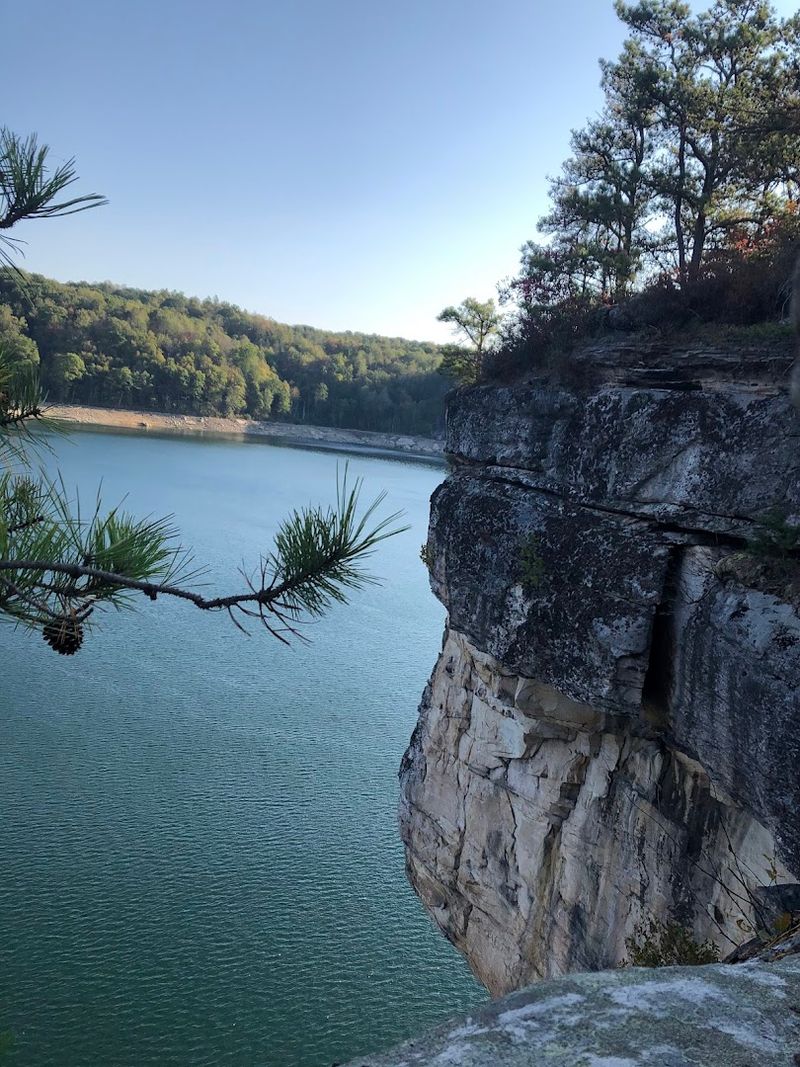
Some views need to be earned, and Long Point Trail makes sure you earn this one. The hike runs roughly four miles total, winding through Appalachian forest before arriving at a cliff-edge overlook that reveals a sweeping panorama of the lake below.
The payoff is spectacular in a way that photographs genuinely struggle to communicate.
The trail itself follows the lake’s edge for stretches, giving hikers glimpses of the water through the trees before the full reveal at the end. Seasonal wildflowers line the path in spring and early summer.
The forest canopy keeps most of the route shaded, which matters considerably on warm days.
Orange Run Trail offers another solid option for those who want something in the one-to-two-mile range. Both trails stay accessible for reasonably fit hikers without requiring technical gear.
Arriving early on weekends helps secure parking and gives you the overlook mostly to yourself before the crowds arrive. The cliff views at Long Point specifically are worth planning your entire day around.
Camping Along 60 Miles of Shoreline
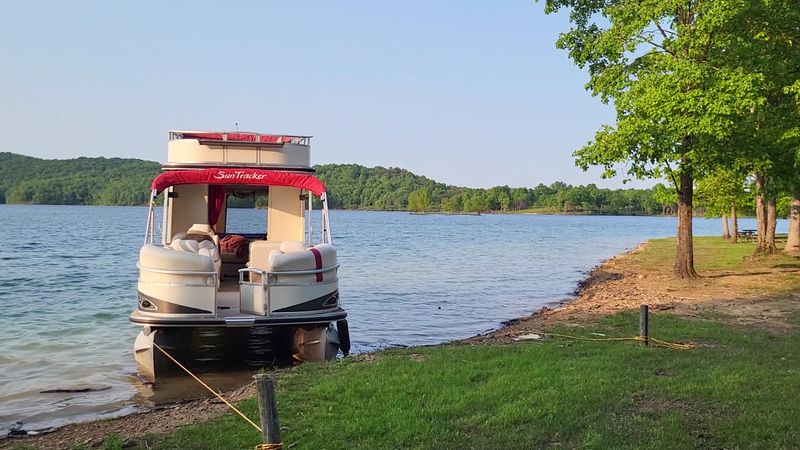
Sixty miles of shoreline means the camping options here go well beyond a single crowded loop.
Battle Run Campground sits right on the water with boat access and a kayak launch, making it the kind of setup where you can fall asleep to the sound of the lake and wake up already where you want to be.
Sites accommodate everything from tent campers to RVs with electric hookups and water connections. New cabin rentals have been added in recent years, giving visitors a comfortable option without requiring any gear of their own.
The campground layout is family-friendly and spacious enough that finding a quiet corner is genuinely possible even during peak summer weekends.
The beach area near the swimming zone adds another dimension to the camping experience.
Spending a morning at the water, an afternoon on the trails, and an evening back at the campsite with the lake glowing in the last light of the day creates the kind of relaxed rhythm that makes people come back to this place year after year without needing much convincing.
Fishing on a Lake Built for It
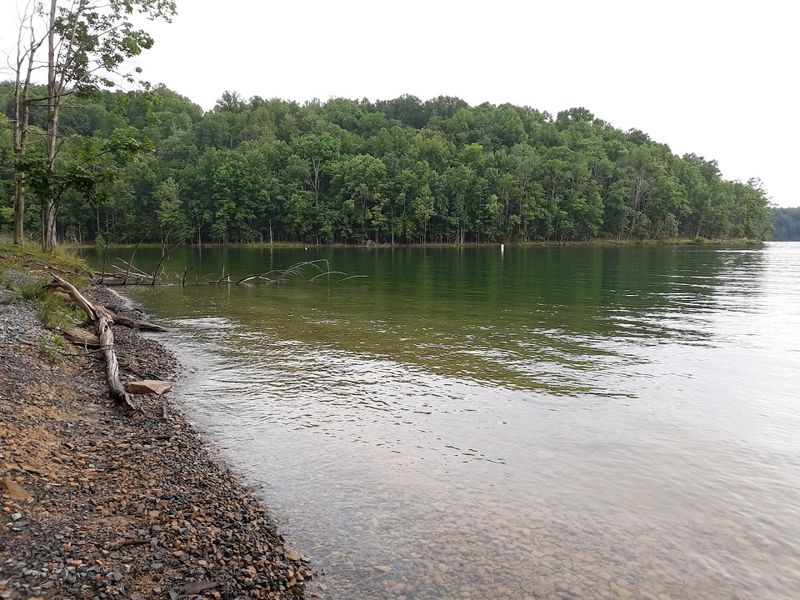
Fishing at Summersville Lake has a particular quality to it that regular anglers notice immediately.
The water clarity that impresses kayakers and divers also means you can sometimes see exactly what you are fishing over, including submerged treetops and rock structures that hold fish in predictable, fascinating ways.
The lake supports healthy populations of bass, walleye, and trout, among others. Boat launching is straightforward on weekdays with plenty of trailer parking available.
Weekends bring more competition for ramp space, so arriving early pays off in a meaningful way for anyone towing a boat.
Night fishing from the docks is a legitimate option here, and the cooler evening temperatures make summer nights on the water genuinely pleasant.
The secluded coves scattered throughout the 60-mile shoreline let anglers find quiet water even when the main body of the lake gets busy with recreational traffic.
There is something deeply satisfying about drifting slowly through a hidden cove while the rest of the lake hums with activity somewhere in the distance.
When the Lake Drains and History Resurfaces
Every ten years, the lake gets drained for dam maintenance and inspection. When the water drops far enough, something extraordinary happens.
The roadways and foundations of the former town of Gad reappear from beneath the surface, suddenly visible and walkable in a way that no amount of diving can fully replicate.
Some visitors have walked down into the exposed gorge during these drainage periods, standing on streets that have spent most of the last six decades underwater.
The rock walls of the dam’s lower section become accessible from the tailwaters area, offering a completely different perspective on the structure’s scale.
These drainage events draw visitors who might never otherwise think about dam maintenance schedules. The combination of exposed history and raw geological drama creates a scene that feels genuinely surreal.
Checking schedules ahead of time and planning a visit around one of these periodic drainages is worth the extra effort for anyone fascinated by the intersection of human history and natural transformation.
Fall and spring seasons often offer the most dramatic water-level views even outside full drainage cycles.
Rock Climbing and Cliff Jumping at the Sandstone Walls
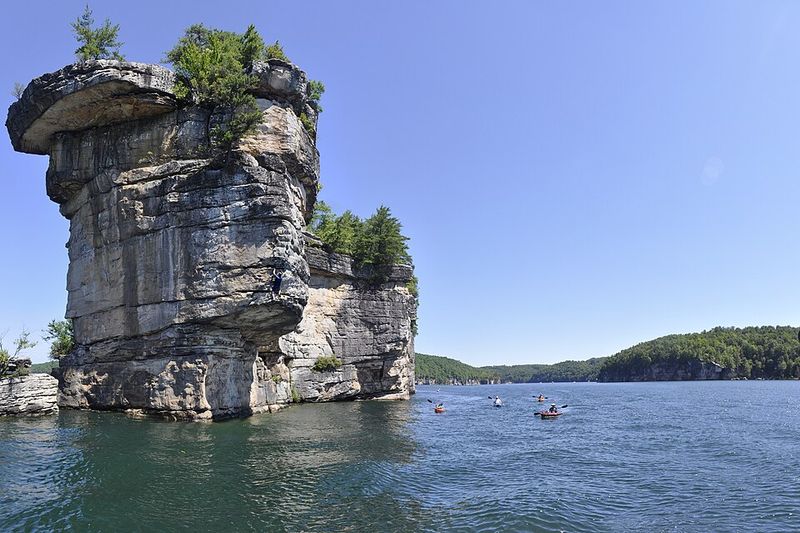
The sandstone cliffs that frame Summersville Lake are not just scenery. They are a destination in their own right for climbers and adventure seekers who come specifically for the vertical terrain rising above the water.
The rock quality and the variety of routes available have made this one of the more respected climbing areas in the mid-Atlantic region.
Cliff jumping draws a different crowd entirely. Swimmers and boaters anchor in the coves beneath the rock faces, working up the nerve for leaps that range from modest to genuinely impressive in height.
The water clarity below means you can see exactly what you are jumping into, which is either reassuring or somehow more nerve-wracking depending on your perspective.
Pirate’s Cove, accessible via a short but worthwhile hike off the main road, offers some of the best access to both climbing and swimming spots away from the main boat traffic areas. The effort to reach it keeps the crowds manageable.
Arriving in fall or spring means the rock faces are less crowded and the colors of the surrounding forest add an entirely different kind of drama to the whole scene.
Address: Summersville Lake, West Virginia
