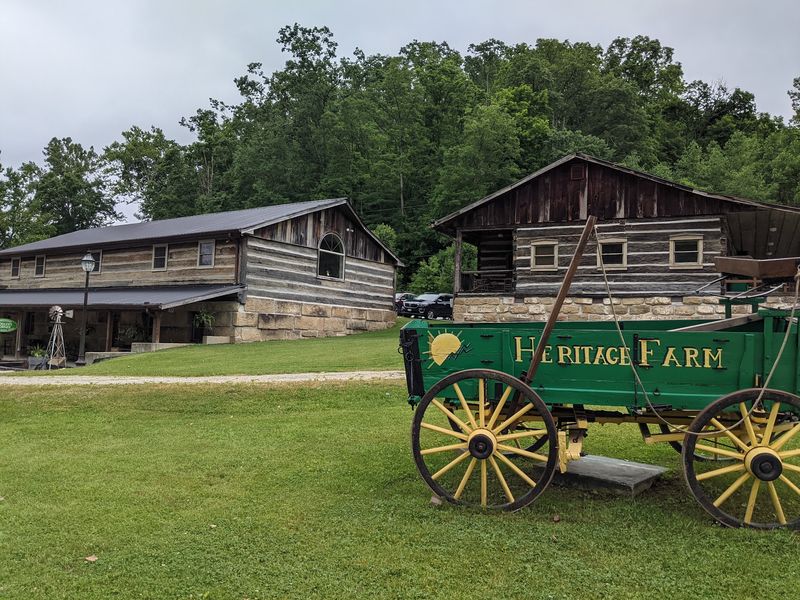
Some places in West Virginia sneak up on you. You expect a quiet little collection of old buildings, and instead you find a whole frontier town waiting quietly in the hills.
The smell of a blacksmith’s forge, the creak of wooden floors, and rows of genuine log cabins pull you back nearly two centuries. It’s the kind of unexpected treasure that stays with you long after you drive home.
A Frontier Town Tucked Into the Huntington Hills
Down a two-lane road just outside Huntington, the modern world quietly fades away. Heritage Farm Museum and Village sits at 3300 Harvey Rd, spread across roughly 500 acres of rolling Appalachian countryside.
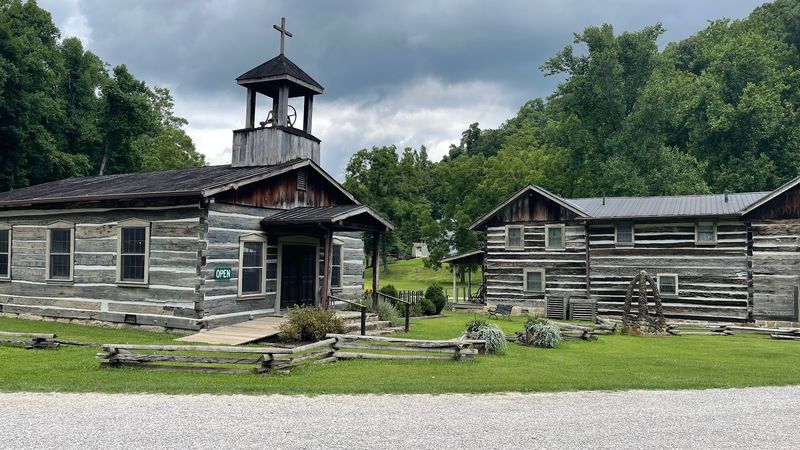
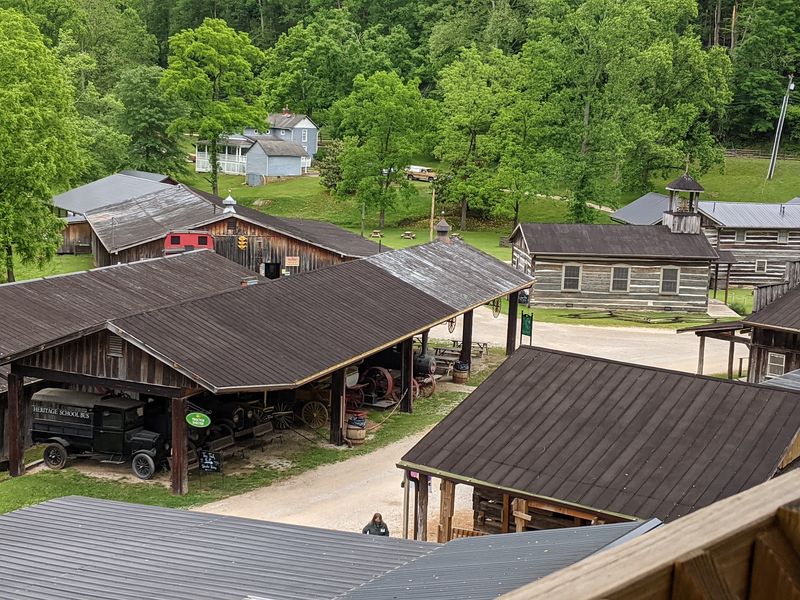
What greets you is a replica frontier town, built to recreate rural life the way it looked in the early 1800s. Genuine log cabins, gathered from across West Virginia, line the paths and give the whole place a lived-in, honest feeling.
Visitors often describe it as a hidden gem, a spot they never expected to find so much history packed into. There’s a welcome center and gift shop on one side, and separate buildings scattered around for different exhibits and events.
Rather than a stuffy museum, this feels like a working community frozen in time. You wander at your own pace, poking your head into cabins, a church, and workshops.
The green hills wrap around everything, blending West Virginia’s natural beauty with its pioneer past. It’s the perfect place to slow down and imagine what daily life felt like generations ago.
How a Barn Full of Antiques Grew Into a Village
Every great place has a beginning, and this one started small, in a barn back in 1973. Founders Mike and Henriella Perry began with a private collection of artifacts and a genuine love for antiquing and old-time craftsmanship.
Their fascination with log cabin construction methods sparked something bigger. One structure led to another, and slowly the collection blossomed into an entire Appalachian Frontier Village.
What makes the story especially touching is how personal it remains. One visitor recalled stepping into the church and chatting with a kind woman she assumed was staff.
Only later did she learn it was Henriella herself, sharing the story behind the church her husband dreamed of building.
That kind of heartfelt connection is rare. It shows this wasn’t built as a tourist trap but as a labor of love, meant to preserve everyday Appalachian life for future generations.
Decades of collecting and careful restoration turned a simple hobby into a nationally recognized treasure. Knowing that history makes wandering the grounds feel even more meaningful, like you’re walking through one family’s devotion to remembering where they came from.
The Ring of the Blacksmith’s Forge
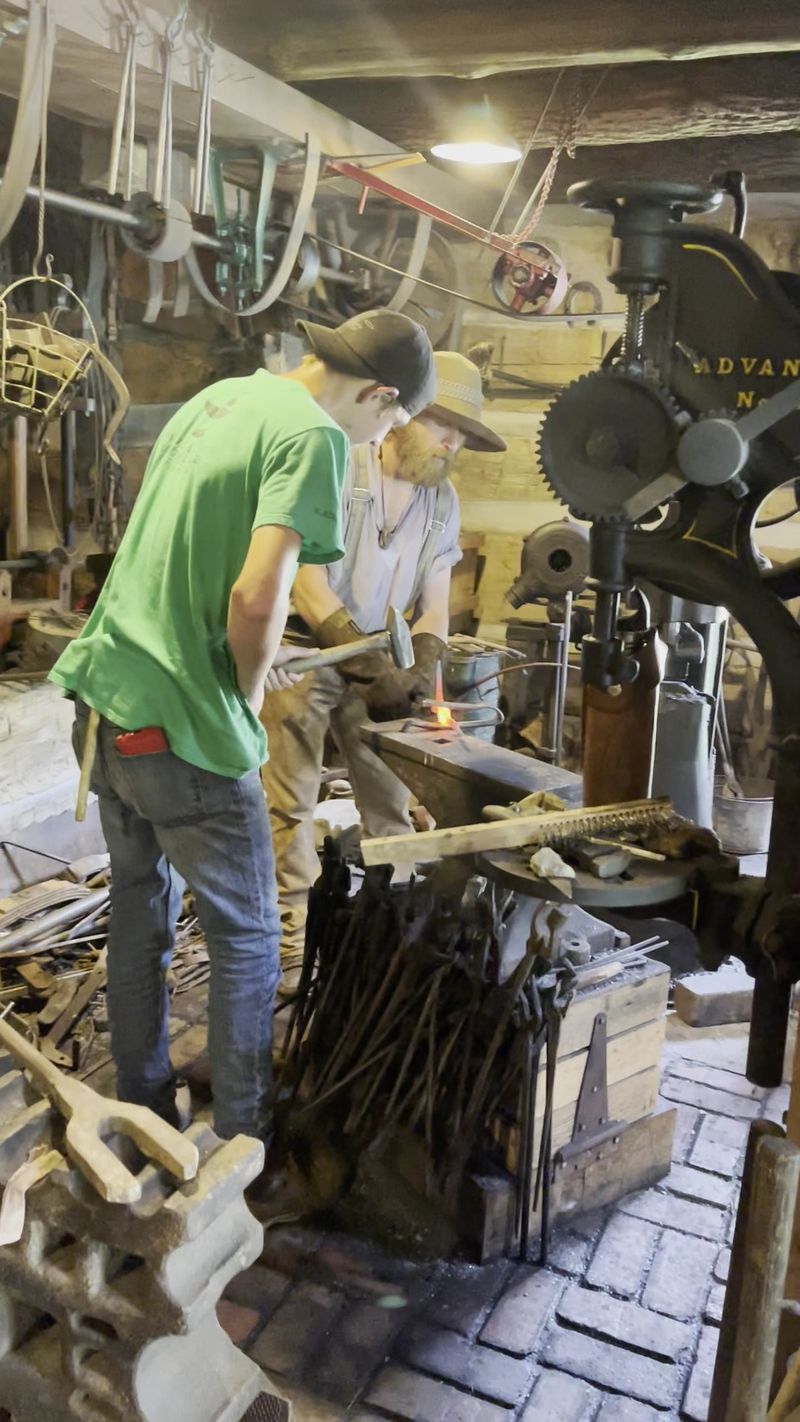
Follow the rhythmic clang of metal on metal, and you’ll find one of the village’s most beloved corners. The working blacksmith shop is a favorite for many guests, and it’s easy to understand why.
Inside, a smithy demonstrates historical forges, heating iron until it glows and shaping it the old-fashioned way. Watching sparks fly while a craftsman explains each step turns history into something you can see, hear, and almost feel.
One visitor admitted the blacksmith building was his personal favorite of everything on the property. There’s a certain magic in seeing skills that once kept whole communities running, now kept alive by patient hands.
The demonstrations aren’t rushed or theatrical. Instead, they feel authentic, letting you understand just how much labor went into simple tools our ancestors depended on daily.
Kids stare wide-eyed while adults ask question after question, and the artisans happily answer with a smile. It’s the kind of hands-on lesson that sticks with you far longer than any textbook.
If you visit only one workshop here, let it be this glowing, hammer-filled one.
Five Small Museums Packed With Treasures
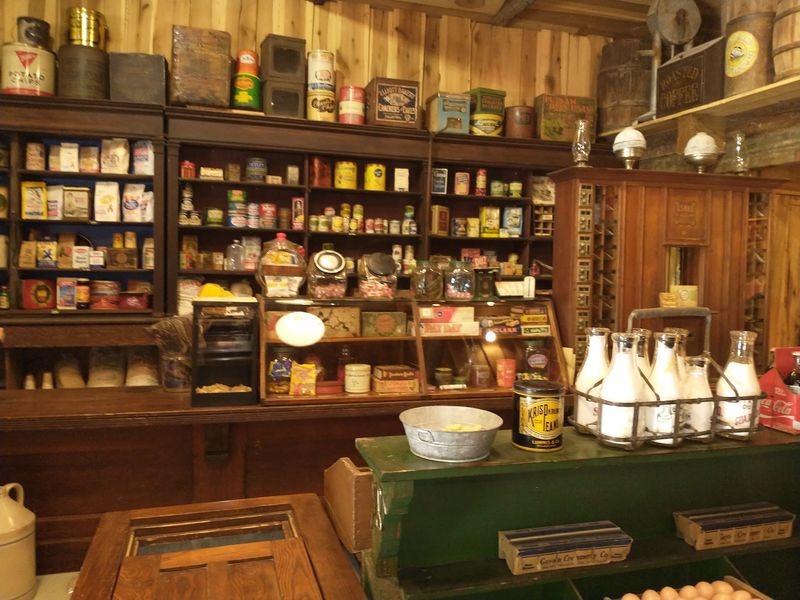
Buildings full of surprises wait around nearly every corner here. Scattered across the property are five small museums, each dedicated to a different slice of Appalachian and West Virginia life.
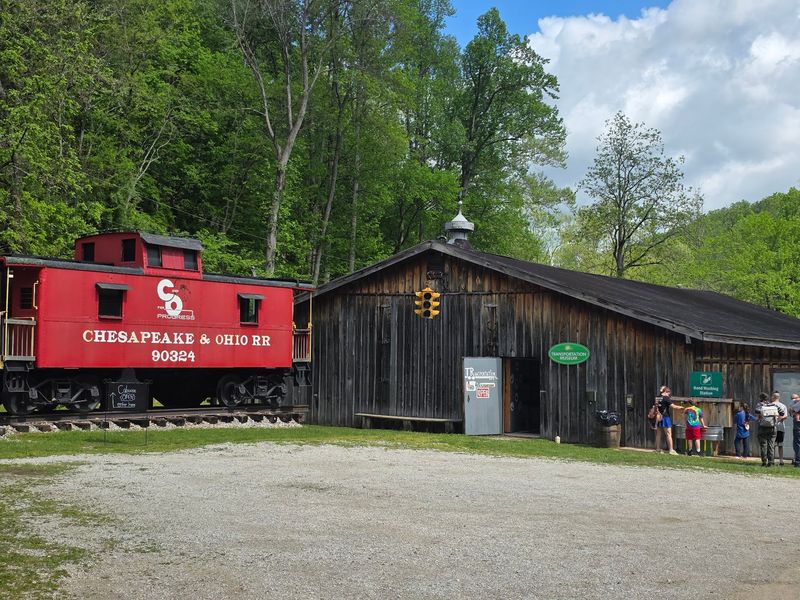
The Progress Museum walks you through daily living from 1850 to 1950, filled with artifacts and historical images. The Transportation Museum lines up everything from stagecoaches and steamboats to early planes and trains.
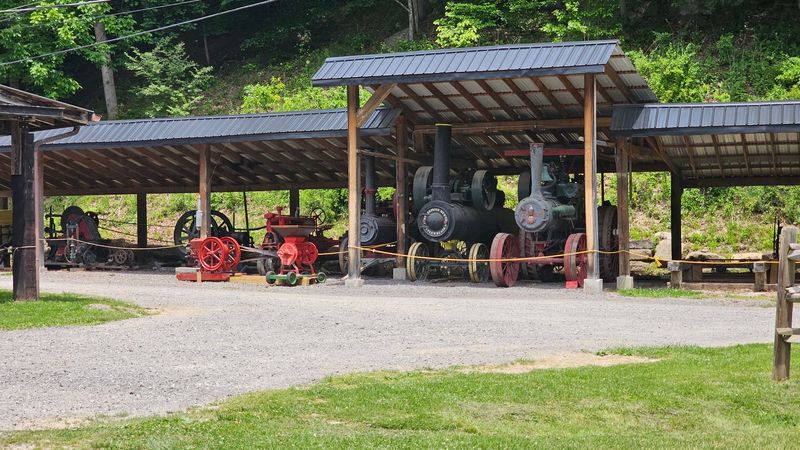
Over in the Industry Museum, you’ll learn about the businesses that shaped the state, including salt mining, coal mining, and glass production. Together they paint a full picture of how folks worked, traveled, and lived.
Guests are often stunned by the sheer number of items on display and how well everything has been preserved. One longtime admirer said he was amazed by the condition of the collections after finally visiting.
There’s even a porcelain doll museum that regulars call a must-see, praising the incredible detail in each figure. Whether you love old cars, vintage tools, or delicate crafts, something here will catch your eye.
Plan extra time, because rushing through these packed rooms simply won’t do them justice.
The Little Church Moved From Lincoln County
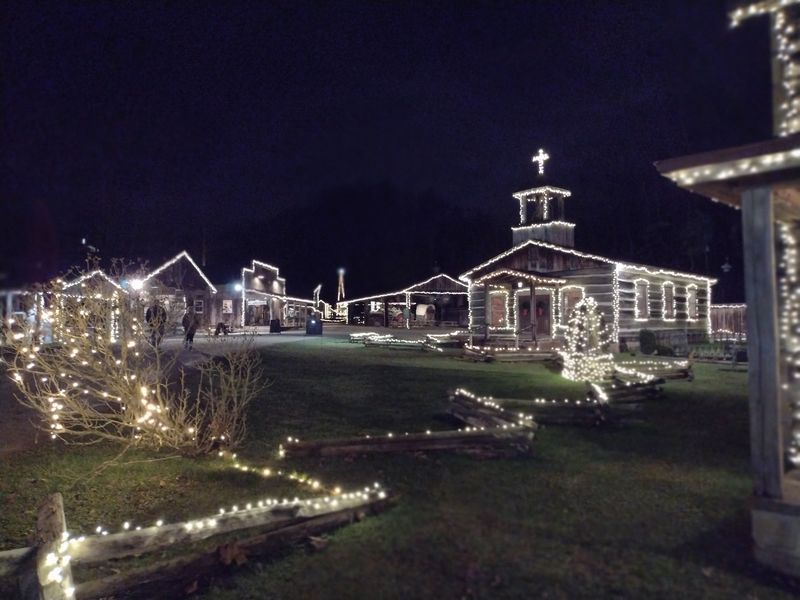
Not every building here was born on this land. The log church, for instance, was carefully relocated from Lincoln County and rebuilt to stand among the cabins.
Simple and beautiful, it carries a peaceful quiet that visitors notice the moment they step inside. Many describe it as one of the loveliest spots on the whole property.
The church isn’t just for looking, either. It reportedly hosts weddings and special events, giving couples a chance to say their vows surrounded by genuine history.
What gives this building its soul is the story behind it. A man dreamed of seeing it built, and that dream became reality thanks to the founders’ dedication to preserving Appalachian heritage.
One guest left the church with goosebumps after hearing that very story told firsthand, even in the middle of a scorching summer day. Moments like that turn a simple structure into something unforgettable.
Sitting in the wooden pews, you can almost hear old hymns drifting through the rafters. It’s a gentle, moving reminder of how faith and community anchored small West Virginia towns for generations.
Farm Animals and a Petting Zoo for the Little Ones
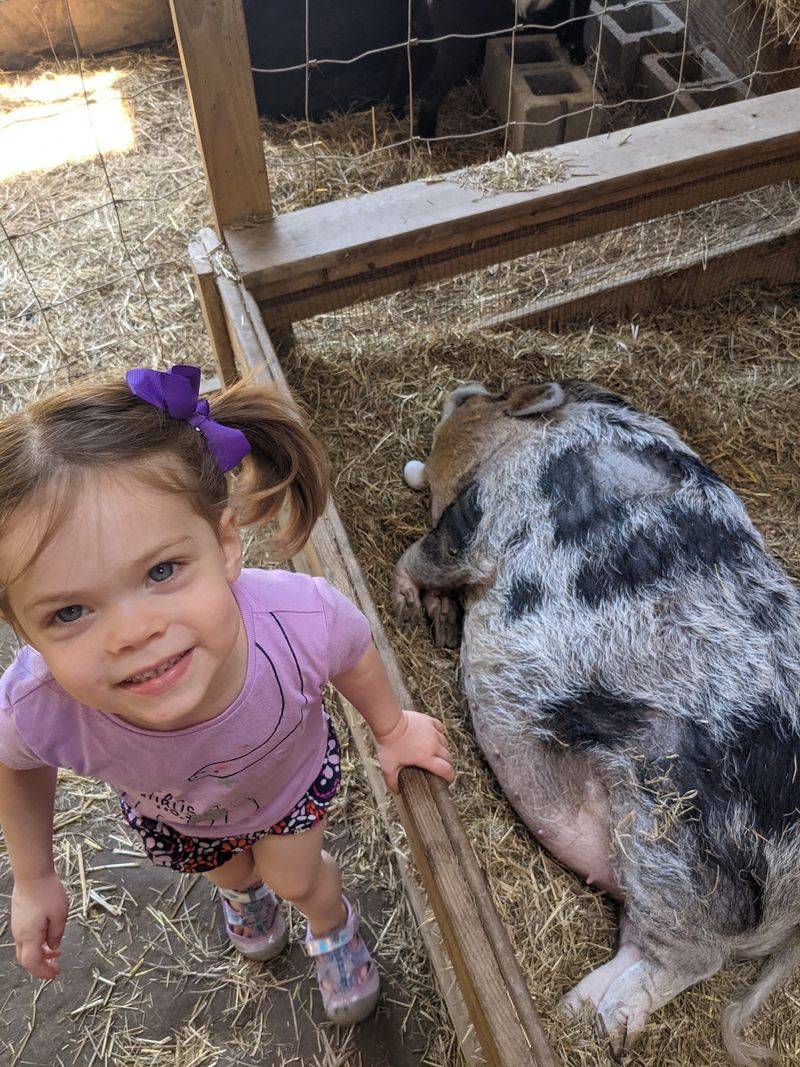
Giggles and happy squeals tend to lead the way toward one of the most popular corners of the farm. The petting zoo and mini farm animal area are a huge hit, especially with younger visitors.
Set against the property’s rolling hills, it lets families get up close with Appalachian animals. Kids love feeding, watching, and meeting the friendly creatures that call the farm home.
Parents mention returning year after year partly because the animals never lose their charm. Wagon rides often loop past the pastures, adding to the fun of seeing the farm from a bouncing seat.
Beyond the animals, there’s a playground and plenty of open space for children to burn off energy. One family fondly recalled their young ones having a blast exploring every inch of it.
The setup blends education with pure play, so kids learn about farm life without ever feeling like they’re in class. It’s a gentle, hands-on introduction to how rural families once raised and cared for their livestock.
For grandparents bringing grandchildren along, watching those faces light up makes the whole trip worthwhile.
Bike Trails and a Ropes Course Among the Trees
History buffs aren’t the only ones who leave here grinning. Tucked into the farm’s 500 acres are well-kept bike trails winding through the West Virginia woods.
One family spent the better part of a rainy day mountain biking, and both their beginner and more experienced sons loved it. The trails offer a friendly starting point for newcomers while still keeping seasoned riders happy.
For those craving a little more adventure, there’s a ropes course and a smaller zip line area. Visitors who tried the zip line described it as a genuinely great time.
Add in a tree house that younger guests adore, and you’ve got plenty of outdoor fun beyond the historic buildings. It’s a clever mix that keeps energetic kids engaged all day long.
Being surrounded by trees and rolling hills makes every activity feel like a proper escape into nature. You get fresh air, exercise, and scenery all at once.
This blend of active adventure and quiet history is part of what makes the farm feel so different. Come for the cabins, and stay for the trails winding through the green.
Sleeping Overnight in a Genuine Log Cabin
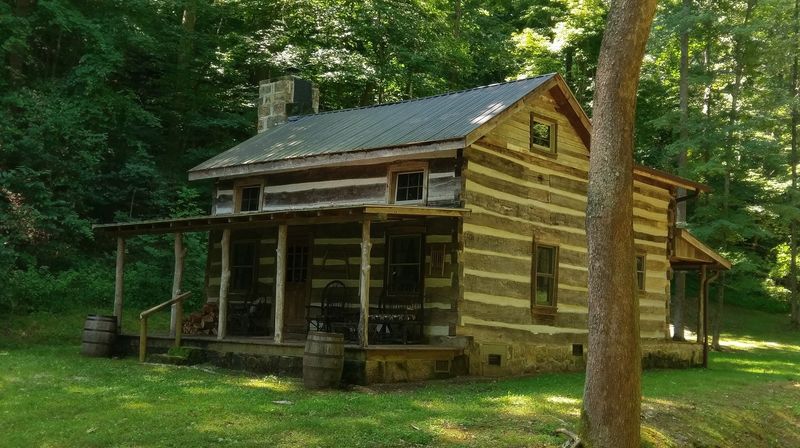
Imagine falling asleep inside a piece of history. For guests who want more than a day trip, the farm offers overnight lodging in several of its historic log cabins.
Spending a night surrounded by hand-hewn logs and antique charm takes the whole experience to another level. It’s a rare chance to live, even briefly, the way early Appalachian settlers once did.
Visitors have called the cabin rentals a wonderful idea, and it’s easy to see the appeal. You get peace, quiet, and the gentle sounds of the countryside instead of traffic and city noise.
Waking up on the property means you can explore the village early, before the crowds arrive. Morning light over those log walls and rolling hills sounds like something out of a storybook.
The cabins keep their rustic character while still offering a comfortable place to rest. It’s the kind of stay that feels both nostalgic and genuinely relaxing.
For couples, families, or anyone craving a break from the modern rush, an overnight here turns a simple visit into a memory worth keeping. History rarely feels this cozy.
The Magic of the Christmas Village
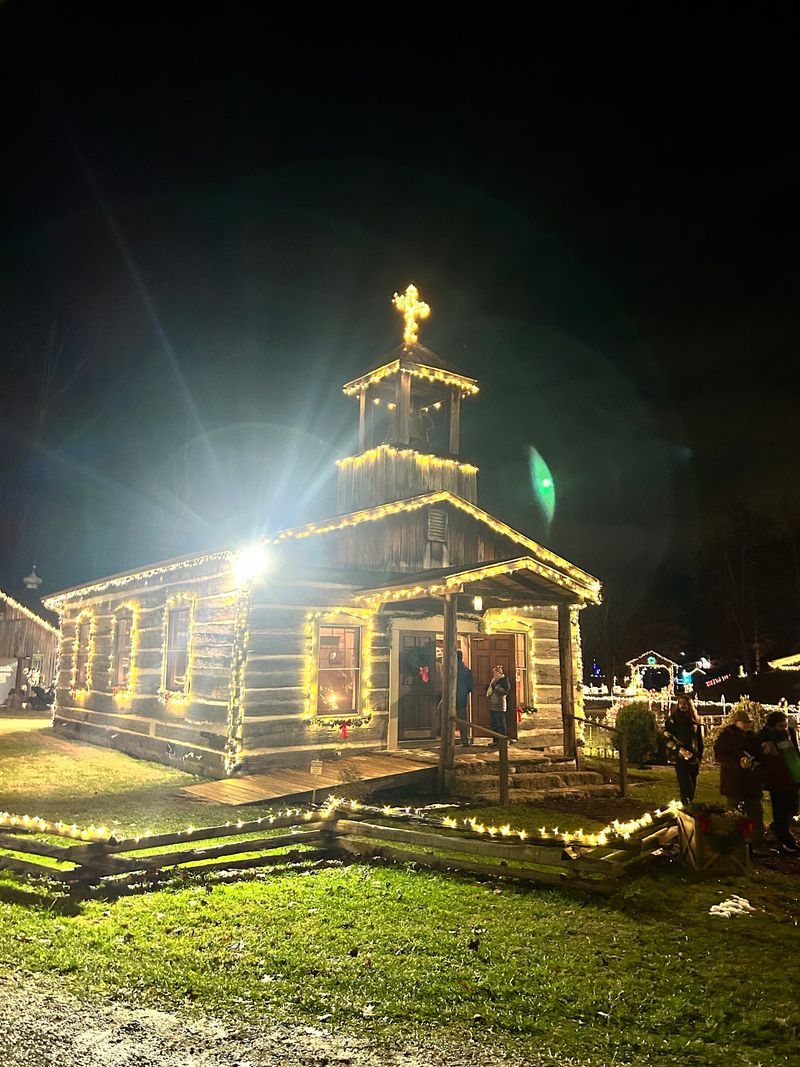
When the holidays roll around, the whole farm transforms into something straight out of a dream. The Christmas Village is one of the most beloved events on the calendar, and families return for it year after year.
Twinkling lights drape the historic buildings while wagon rides carry guests past glowing displays and animals. Little ones can visit Santa and Mrs. Claus, decorate sugar cookies, and craft their own ornaments.
Parents rave about how magical and well-organized the whole thing feels. There’s activity for every age, from crafts for the kids to warm, cozy museums the adults appreciate.
A live Nativity performance adds a moving, heartfelt touch that many guests remember most. Even in the winter chill, the buildings stay open for touring, so the history never takes a backseat.
Between the decorations, the friendly staff, and the good-natured crowds, it’s a celebration that feels genuinely special rather than commercial. Families describe leaving already excited to come back the following season.
If you can only visit once, the holidays make a strong case. It’s West Virginia nostalgia and Christmas cheer rolled into one glowing evening.
Planning Your Visit and Why It’s Worth the Trip
Ready to see it for yourself? A little planning goes a long way, since the farm keeps a seasonal schedule.
Regular hours run Thursday through Saturday from 10 AM to 3 PM, with the farm closed Sunday through Wednesday. Special events and festivals, including Spring, Summer, and Fall gatherings, often extend those offerings, so checking ahead is smart.
You can reach them at 304-522-1244 or visit heritagefarmwv.com.
Getting there means a drive down a quiet two-lane road, but plenty of parking waits at the end. The grounds are family friendly and largely wheelchair accessible, though a powered chair is recommended for the walking paths.
As West Virginia’s first and only Smithsonian affiliate, plus a National Geographic Traveler Prime Destination, this place carries real credentials. Yet what visitors remember most is the warmth of the staff and the sense of stepping into the good old days.
Folks call it a treasure, a bucket-list stop, and a spot they’ll return to again and again. Between the cabins, museums, animals, and heartfelt history, it delivers far more than you’d expect.
Set aside a full day, bring the family, and let 1800s Appalachia welcome you home.
