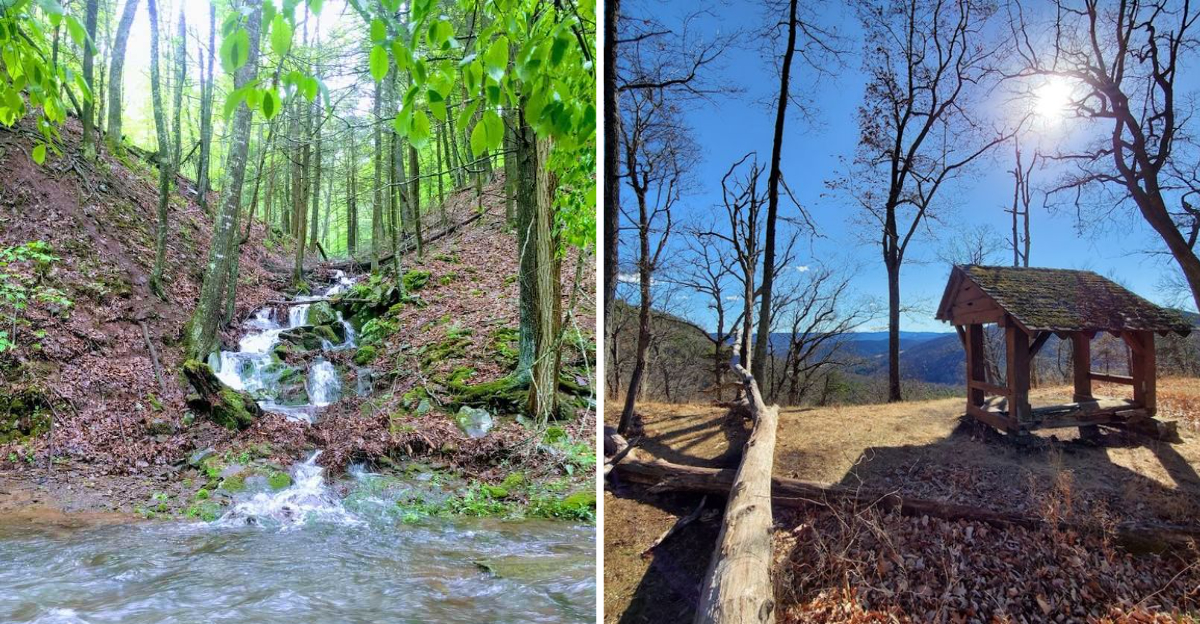
One minute it is there, glinting in the sunlight like a perfectly good river. The next minute it ghosts you completely.
That is the kind of disappearing act this park pulls off, and honestly, it is the best magic trick West Virginia never advertises. The water does not evaporate or dry up.
It simply ducks underground like it has better places to be. Hikers come for the trails, but they stay to gawk at a river that refuses to commit to its own path.
The landscape rolls with mountains, the air smells like pine and mischief, and somewhere beneath your feet, an entire waterway is doing its own thing.
No one knows exactly when it will pop back up, but that is half the fun.
Come for the views, stay for the vanishing act.
The River’s 31 Miles Flows Above And Below Ground
There is something almost magical about a river that refuses to play by the normal rules of nature.
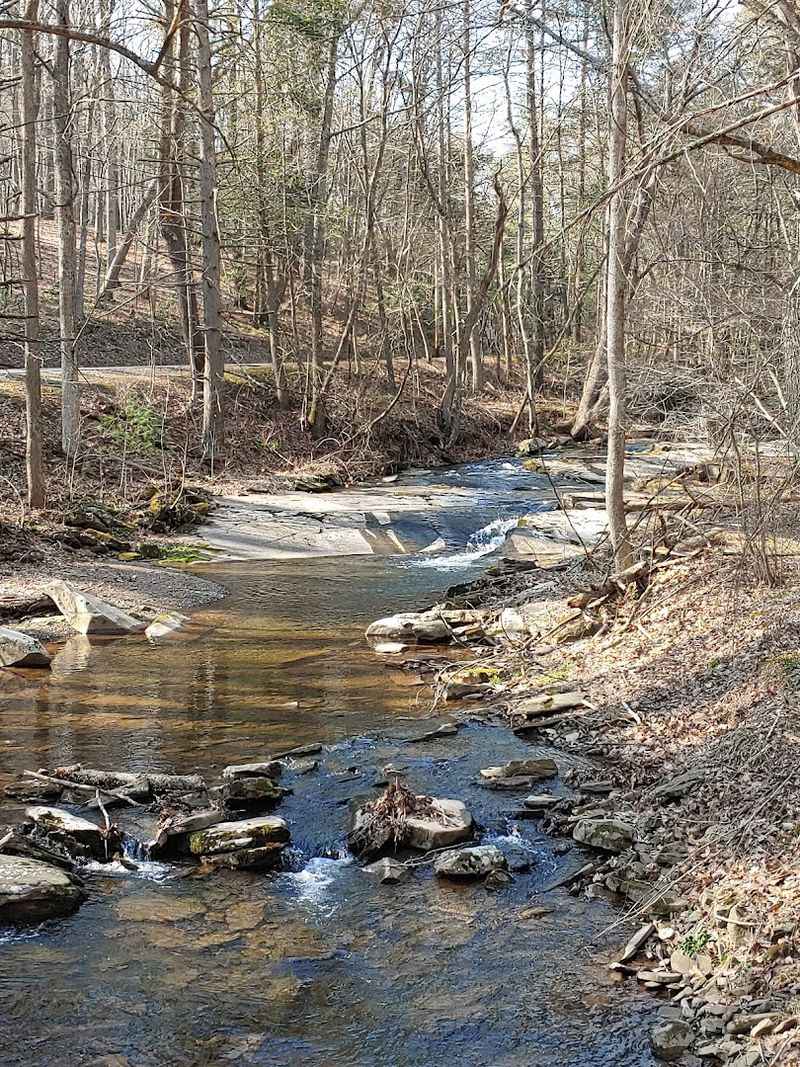
The Lost River stretches across roughly 31 miles, and for much of that journey, it behaves like any other mountain stream, winding through valleys and forests with a satisfying rush of water over smooth rocks.
But then it does something no other river in the area does. At a certain point, the water simply sinks beneath the surface and continues its journey completely underground.
You can stand right at the spot where it disappears and feel the ground beneath your feet, knowing that water is still moving somewhere below you.
The underground portion of the river travels through limestone and karst geology, which is the kind of rock that loves to create tunnels and caves over thousands of years. When the river finally resurfaces, it looks and feels like a brand new waterway.
Visiting this stretch of the park gives you a front-row seat to one of nature’s most surprising and quietly dramatic performances.
A 3,934-Acre Park With A 3,200-Foot Overlook
Size matters when it comes to state parks, and Lost River State Park brings plenty of it. Covering 3,934 acres of forested mountain terrain, this park gives you enough space to genuinely feel like you have left the modern world behind.
The trees are thick, the air is clean, and the mountains roll in every direction you look.
At the heart of all that elevation is Big Ridge Mountain, which tops out at around 3,200 feet above sea level. That might not sound like Everest, but when you are standing on that ridge with the wind in your face and ridgelines stretching to the horizon, it feels enormous.
The climb to reach that height is real, but so is the reward.
Most of the park sits in a quiet wooded hollow, which keeps temperatures cooler in summer and turns the whole landscape into a snow globe in winter.
Whether you are hiking up toward that 3,200-foot peak or just sitting outside your cabin listening to birds, the sheer scale of this park makes every moment feel unhurried and genuinely restorative.
The Water Vanishes Near McCauley And Reappears As The Cacapon River
Water has a way of finding its own path, and nowhere is that truer than here.
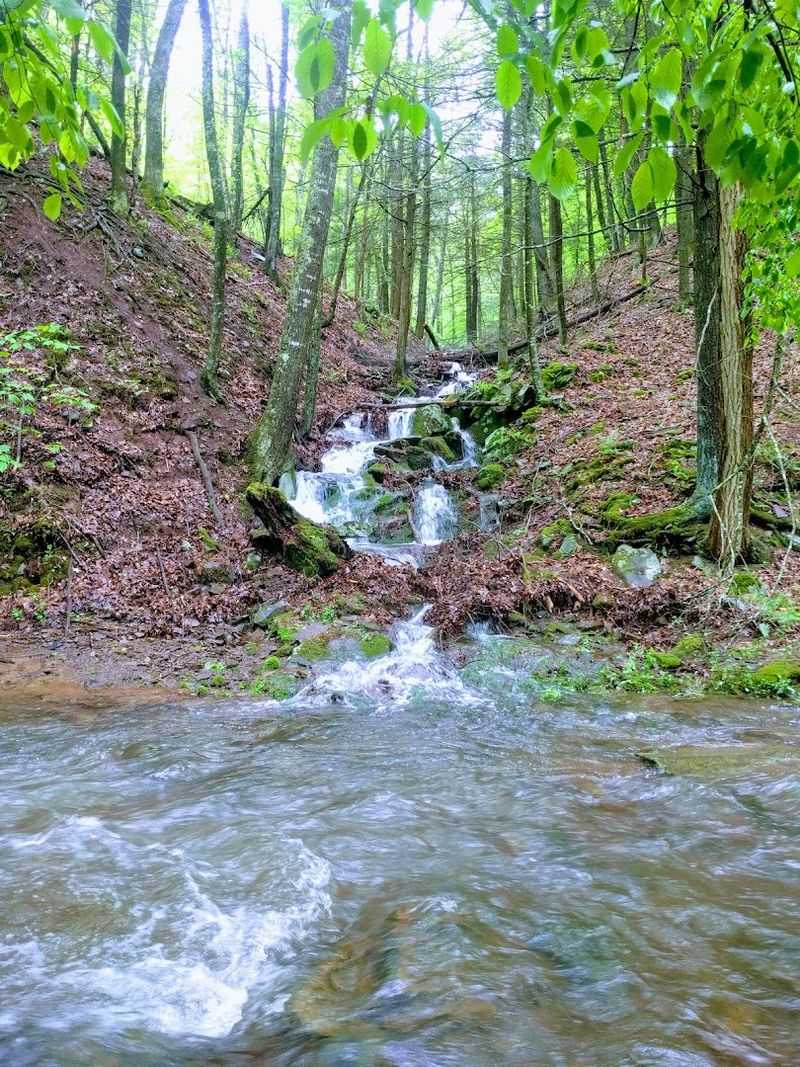
Near the small community of McCauley in Hardy County, the Lost River reaches a limestone mountain and does something geologists call sinking, which basically means the water finds a crack in the rock and follows it straight underground.
What makes this even more fascinating is what happens on the other side of that mountain. The same water that vanished as the Lost River reappears miles away, but now it carries a completely different name: the Cacapon River.
It is the same water, same source, just reborn with a new identity after its underground adventure.
This kind of hydrological connection is called a karst system, and it is relatively rare and genuinely cool to think about. Standing near McCauley and looking at the spot where the river sinks feels a little surreal.
The Cacapon River eventually flows northward and joins the Potomac River, meaning this one underground journey connects a quiet West Virginia hollow to a much larger American waterway.
The Park Was Built By The Civilian Conservation Corps In 1937
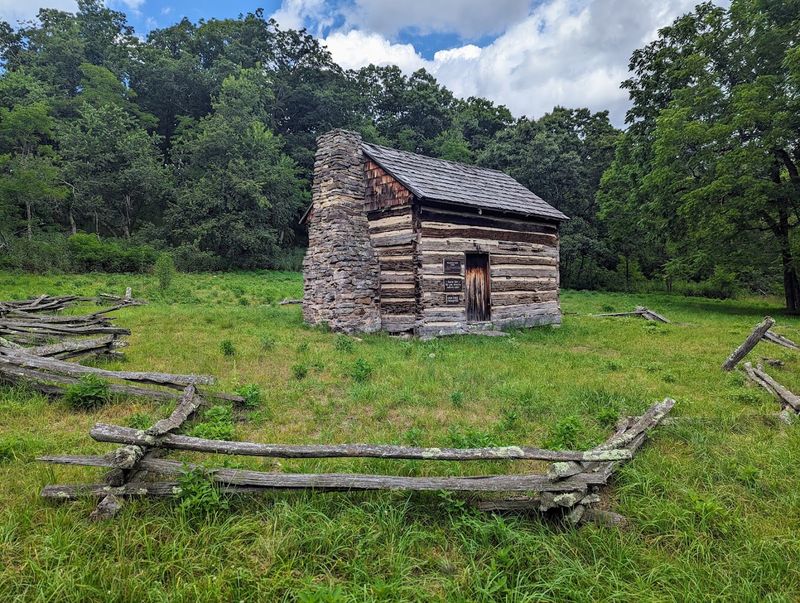
History has a way of showing up in the most beautiful places, and Lost River State Park is living proof of that. The park officially opened to the public on July 1, 1937, making it a product of President Franklin D.
Roosevelt’s New Deal era programs. Specifically, CCC Company 1524 set up Camp Hardy in May of 1934 and got to work building what would become a beloved mountain retreat.
Those young workers constructed 15 standard cabins, an administration building, a swimming pool, a bathhouse, and the superintendent’s residence, all using the rustic design style that defines CCC-era parks.
The stonework they left behind is precise and durable, the kind of craftsmanship that looks better with age rather than worse.
Many of those original structures are still standing and still in use today.
Walking through the park and recognizing the CCC’s handiwork in every stone wall and log-framed doorway adds a quiet historical dimension to the visit. These were young men from difficult economic times who built something lasting and genuinely beautiful.
Their contribution to this park is woven into every corner of it.
The Cranny Crow Overlook Offers Views Of Five Counties
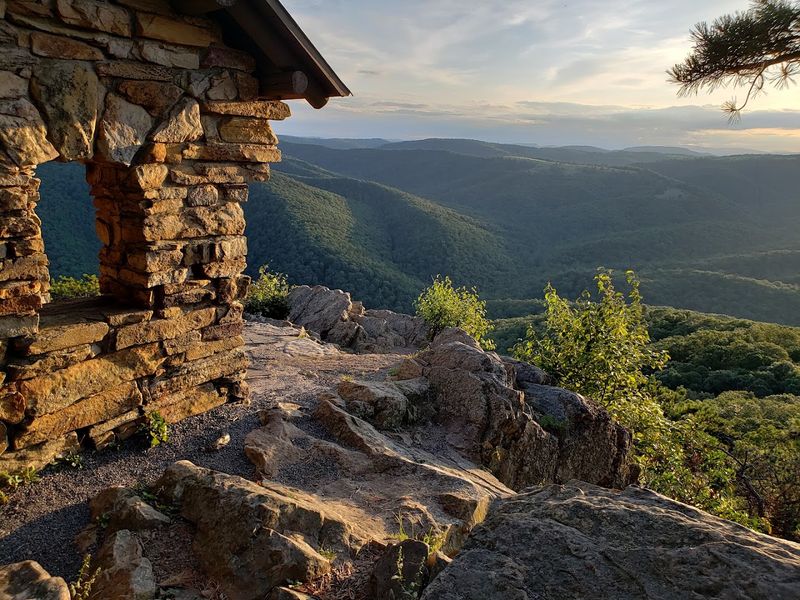
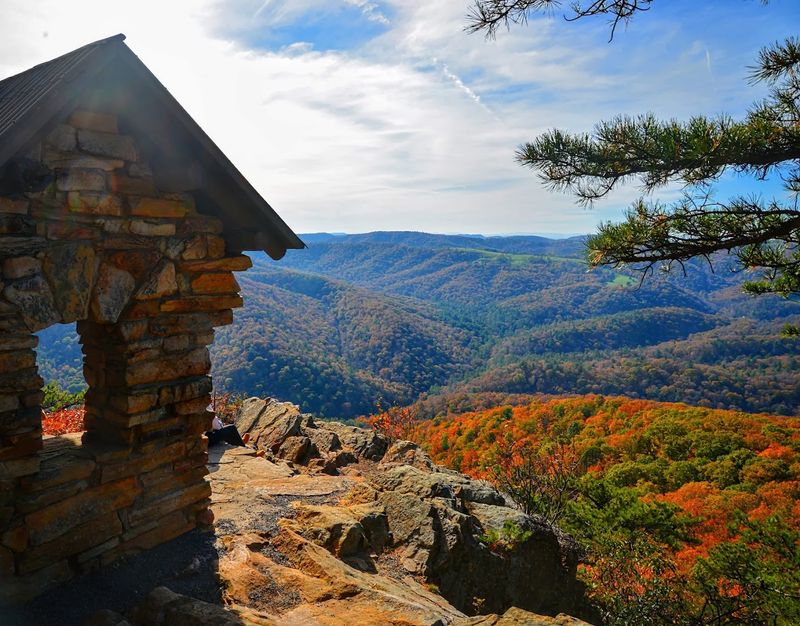
Some views earn their reputation, and Cranny Crow Overlook is absolutely one of them. Sitting at the top of Big Ridge Mountain at 3,200 feet, this overlook delivers one of the most sweeping panoramas in the entire Eastern Panhandle of West Virginia.
On a clear day, you can see across five counties without even squinting.
Those counties span two states. From this single vantage point, Hardy, Grant, and Pendleton counties in West Virginia are all visible, along with Rockingham and Shenandoah counties across the border in Virginia.
That is a remarkable amount of geography to take in from one spot. A historic stone shelter sits at the overlook, adding a rustic charm that feels perfectly in tune with the landscape.
The White Oak Trail is the most common route up to this spot, and yes, it is a climb. The trail gains elevation steadily, winding through switchbacks and past forested slopes that reward your effort with teasing glimpses of the view ahead.
Once you arrive at the top, the full panorama opens up and makes every step of the hike feel completely worth the effort.
The Lee Cabin Was The Summer Home Of “Lighthorse Harry” Lee
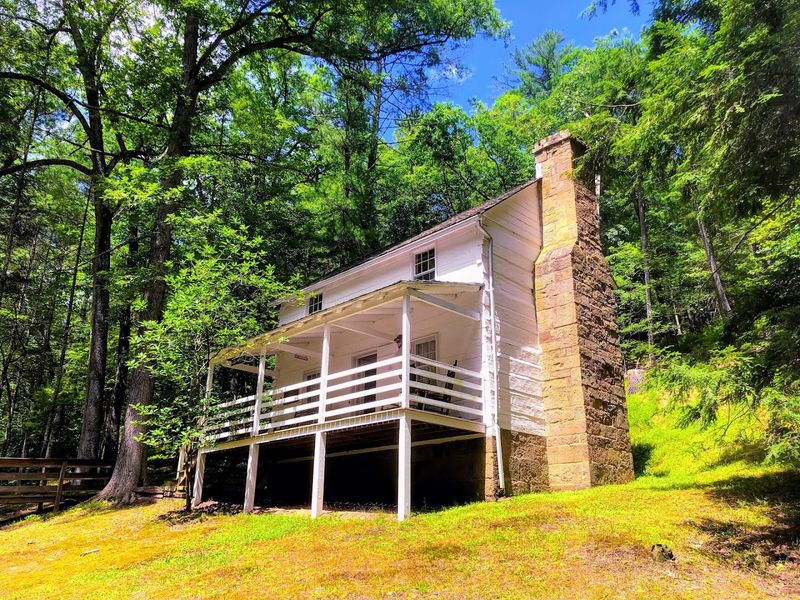
Not every state park comes with a Revolutionary War connection, but this one does. The Lee Cabin, a two-story log structure built in 1804, was originally the summer retreat of Henry “Lighthorse Harry” Lee, a decorated general from the American Revolution.
He used this mountain cabin to escape the heat of his eastern Virginia home, and honestly, the choice of location makes complete sense.
What adds another layer to this story is the family connection. Lighthorse Harry Lee was the father of Robert E.
Lee, one of the most well-known figures in American military history. The cabin sits listed on the National Register of Historic Places and functions today as a small museum inside the park.
The stonework in the original foundation is remarkably precise, cut in a way that still impresses visitors who look closely. Inside, the rooms are furnished with period-appropriate antique tools and furniture that give a tangible sense of early 19th century life.
Just across a small creek from the cabin, the Lee Sulphur Spring was once believed to have healing properties, adding yet another layer of historical intrigue to this already fascinating spot.
23 Miles Of Hiking And Horseback Trails Wind Through The Park
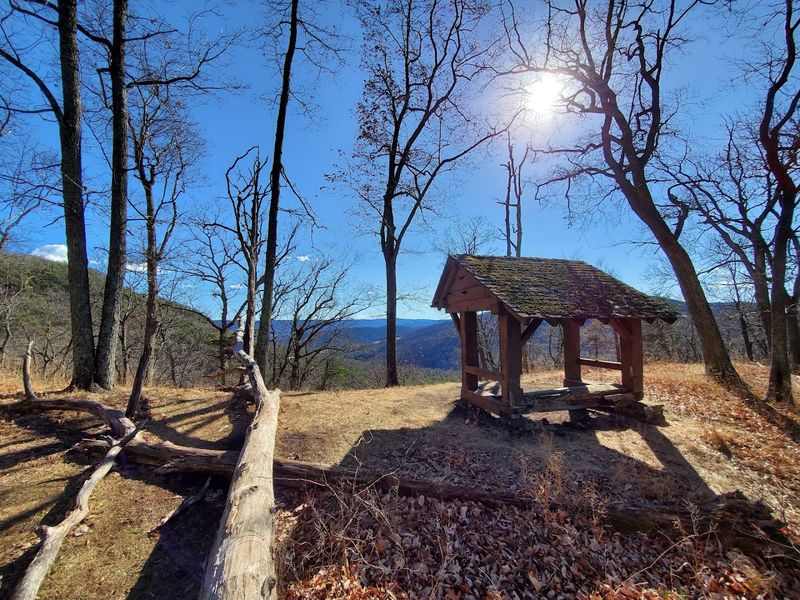
Twenty-three miles of trails sounds like a lot until you start exploring and realize you want even more. Lost River State Park lays out an impressive network of paths that cut through 3,934 wooded acres, ranging from gentle walks to climbs that will definitely test your legs.
Trail names like Miller’s Rock, Loblolly, Howard Lick, and Covey Cove each offer their own personality and scenery.
Many of these trails are open to both hikers and horseback riders, which gives the park a wonderfully old-fashioned outdoor energy. The combination of footpaths and equestrian trails means you might round a bend and find hoofprints in the mud, a reminder that people have been exploring these same ridges for generations.
Packing a lunch and hitting the trails is one of the best ways to experience the park fully. Picnic shelters are scattered throughout, so finding a spot to rest and eat surrounded by trees is never a problem.
The trails are well-marked and maintained, making navigation straightforward even for first-time visitors. Whatever pace you prefer, there is a trail here that will match your energy and reward your curiosity.
Camping Options Range From Backcountry Sites To Cozy Cabins
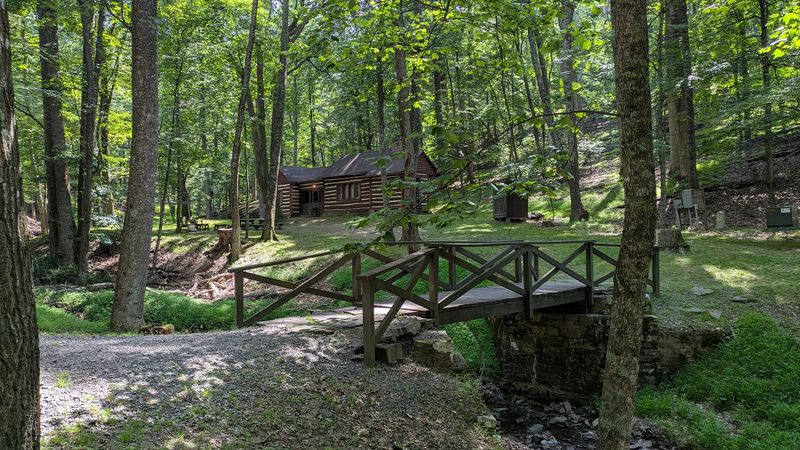
Deciding where to sleep at Lost River State Park is genuinely one of the more enjoyable planning challenges you will face.
The options span a wide range, from two primitive backcountry campsites accessible by a 1.5-mile hike up the White Oak Trail to fully equipped vacation cabins that feel more like a cozy mountain home than a campground rental.
The primitive sites sit atop Big Ridge Mountain and include a shelter, campfire ring, and picnic table, though you carry in your own food and water. One of them is even horse-friendly.
For those who want a middle-ground adventure, a renovated Primitive Outpost Cabin at the top of the mountain features a wood-burning cookstove and a refrigerator, making it a true pioneer-style experience without giving up every comfort.
The 26 vacation cabins are the most popular choice, and it is easy to see why. They come equipped with gas fireplaces, fully stocked kitchens including a range, refrigerator, dinnerware, and cookware, plus an outdoor charcoal grill on the deck.
Cooking your own meals in a cabin kitchen with mountain forest right outside the window turns every meal into something that feels genuinely special.
The Park Is A Secluded Getaway In West Virginia’s Eastern Panhandle
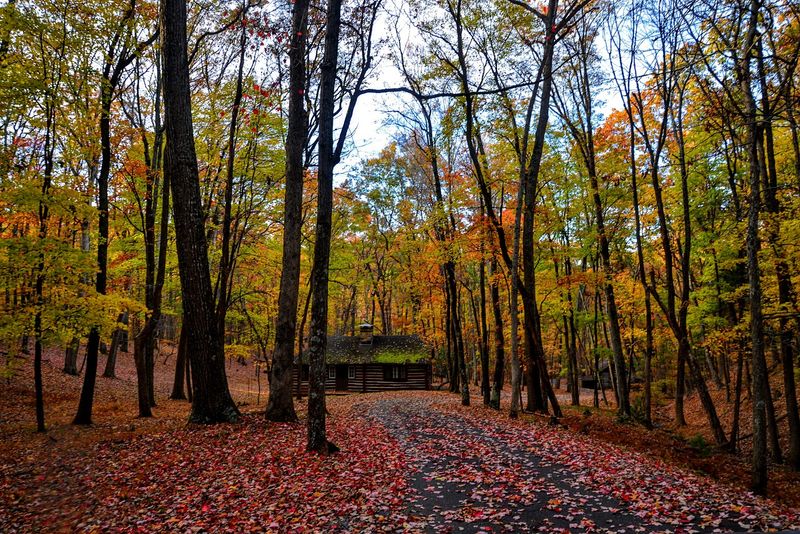
Some places feel like they exist just slightly outside of regular time, and Lost River State Park has that quality in abundance.
Set into the wooded mountains of Hardy County in West Virginia’s Eastern Panhandle, the park sits far enough from major highways and cities that the silence here is the first thing you notice when you step out of your car.
Cell service is basically nonexistent throughout most of the park, which sounds inconvenient until you realize how freeing it actually feels. The cabins have WiFi for those who need a connection, but the natural rhythm of the place encourages putting screens away and paying attention to the forest instead.
Bird calls replace notification sounds. Wind through the trees replaces background noise.
Meals cooked in a cabin kitchen or eaten at a scenic picnic shelter become part of the experience rather than just fuel for the day. The park’s atmosphere transforms even simple things like morning coffee on the deck or a sandwich eaten on a trail overlook into genuinely memorable moments.
This is the kind of seclusion that resets something in you, quietly and without asking for anything in return.
Address: 321 Park Dr, Mathias, WV 26812
