The salt in these little jars comes from an ocean that vanished roughly 400 million years ago. It sits trapped deep under the Appalachian Mountains, and one family still pumps it up today.
That family is in its seventh generation of salt making. Their ancestor drilled his first well in 1817, using a hollow tree trunk for pipe.
I love that the same land is still doing the same job.
The work leans on sunshine, mountain breezes, and patient human hands. No giant factory line, no shortcut, just brine slowly turning into crunchy flakes inside greenhouse-style rooms in West Virginia.
I can’t imagine a better excuse to rethink the plain shaker on my kitchen table. So how does an ancient sea end up on a dinner plate in the Kanawha Valley?
A Family Salt Works Just Outside Charleston
Salt has been part of this stretch of riverbank for more than two centuries. J.Q.
Dickinson Salt-Works keeps that story going in the Malden area, just east of Charleston in West Virginia.
The business is run by siblings Nancy Bruns and Lewis Payne. They’re seventh-generation descendants of the family that first made salt on this very land.
So what exactly happens here? The team pumps up natural brine from deep underground, lets the sun evaporate it, and harvests the crystals by hand.
The result is a small-batch finishing salt, the kind you sprinkle on food right before eating. Chefs and home cooks reach for it because a little pinch brings big crunch and flavor.
It’s a working producer, not a museum with velvet ropes. That makes a visit feel refreshingly real, with the actual salt crop growing right next to the shop.
Parents who love a good backstory will find plenty to chew on here. The kids can tag along too, but honestly, this one is a grown-up curiosity first.
Think of it as a short, tasty detour with a big history lesson attached. Few roadside stops can say their main product started forming before the dinosaurs.
How A Hollow Tree Trunk Started Everything In 1817
William Dickinson bought land in Kanawha County back in 1813. At the time, this corner of the map still belonged to Virginia.
Four years later, he and partner Joel Shrewsbury finished their first salt well. Their piping?
A hollowed-out tree trunk, which is about as resourceful as frontier engineering gets.
That clever start helped launch a booming local industry. By the 1830s, the town then called Kanawha Salines had grown up around the salt business.
The area earned a reputation as the salt-making capital of the East. Today that same community is known as Malden.
Here’s a bragging right worth repeating at dinner. Kanawha salt was reportedly named Best Salt in the World at the 1851 World’s Fair in London.
That’s a lot of glory for a valley most travelers zip past on the interstate. The good news is that the family never let the story fade completely.
Generations later, the descendants brought salt making back to the original property. Standing on that ground feels like turning the pages of a family album, only with more brine.
An Ancient Ocean Sleeps Under These Hills
Four hundred million years is a long time to keep a secret. That’s roughly how long the Iapetus Ocean has been tucked away beneath the Appalachian Mountains.
J.Q. Dickinson Salt-Works draws its brine from this ancient sea.
The salty water rises from far below the family property, a leftover from a world before mountains stood here.
That old ocean gives the salt its own personality. Naturally occurring minerals like magnesium, calcium, and potassium tag along for the ride.
Those minerals help explain why this salt tastes different from the stuff in a cardboard canister. The flavor is often described as clean and lively rather than harsh.
It’s a fun thought for anyone who loves geology. Every flake is technically sea salt, even though the nearest beach is hours away from West Virginia.
Kids may enjoy the idea of an ocean hiding under their feet. Adults may enjoy it even more once they realize it’s seasoning their supper.
Not many kitchens can claim an ingredient older than the hills around them. This one can, and it’s sitting quietly in a jar no bigger than your palm.
Sun-Houses Do The Heavy Lifting Here
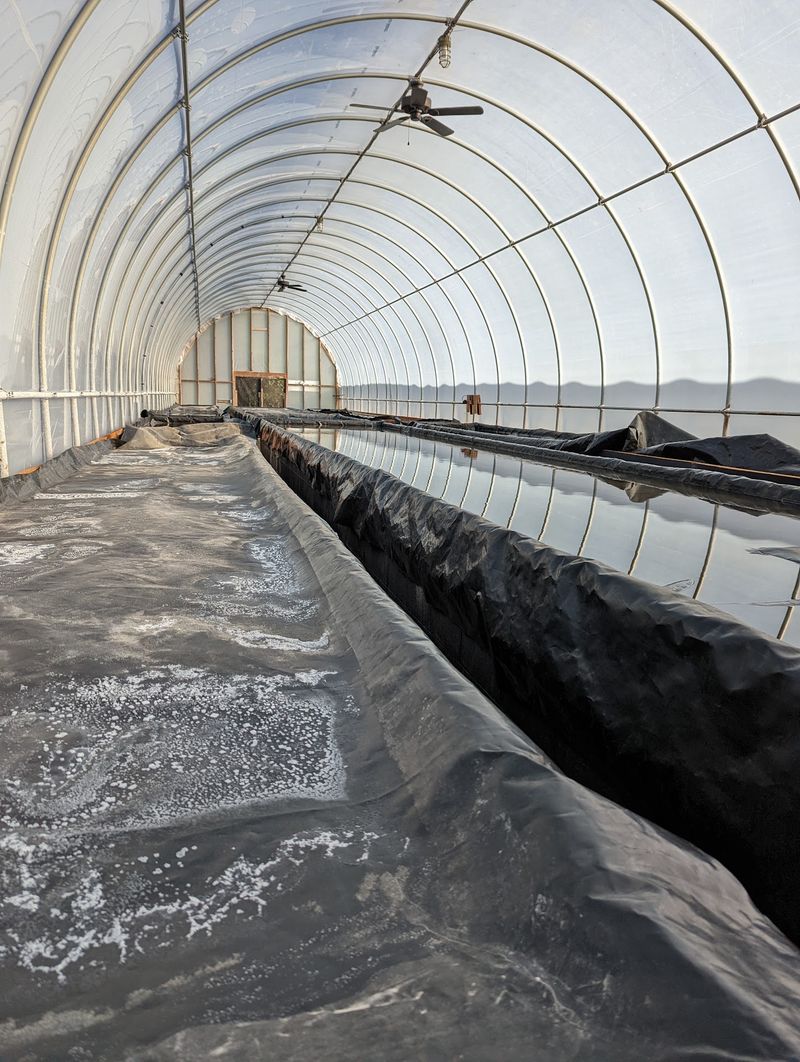
Forget roaring furnaces and clanging machines. The real workers at this salt works are the sun and the mountain breeze.
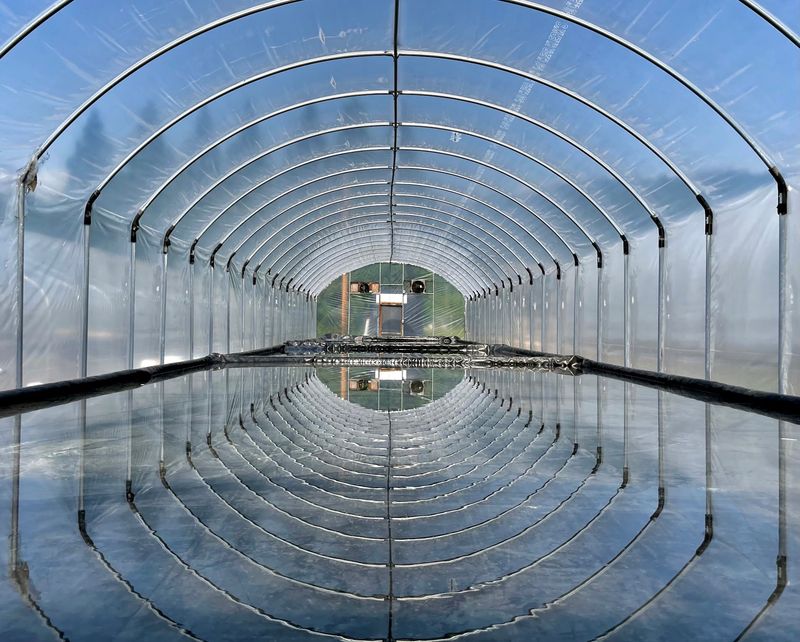
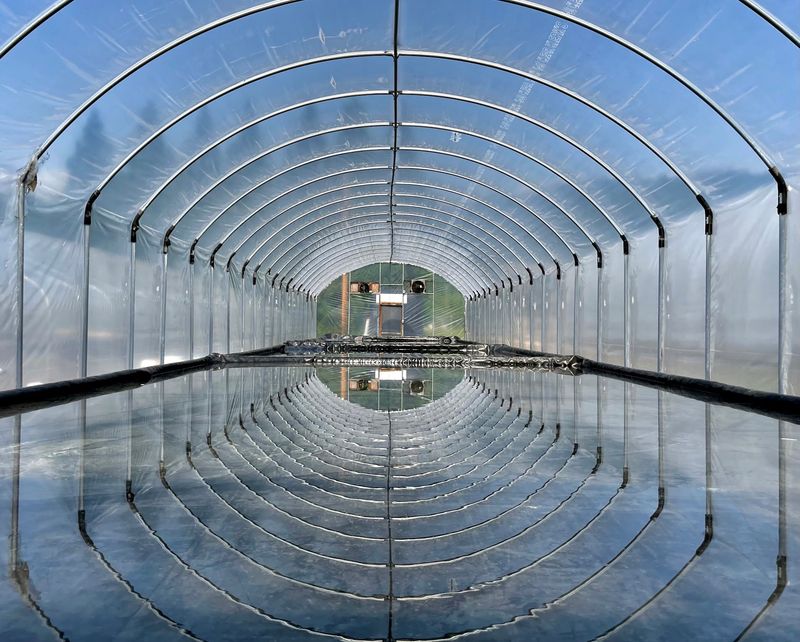
Brine travels from the well into special sun-houses. They look a lot like greenhouses, and they keep the salty water protected while it slowly evaporates.
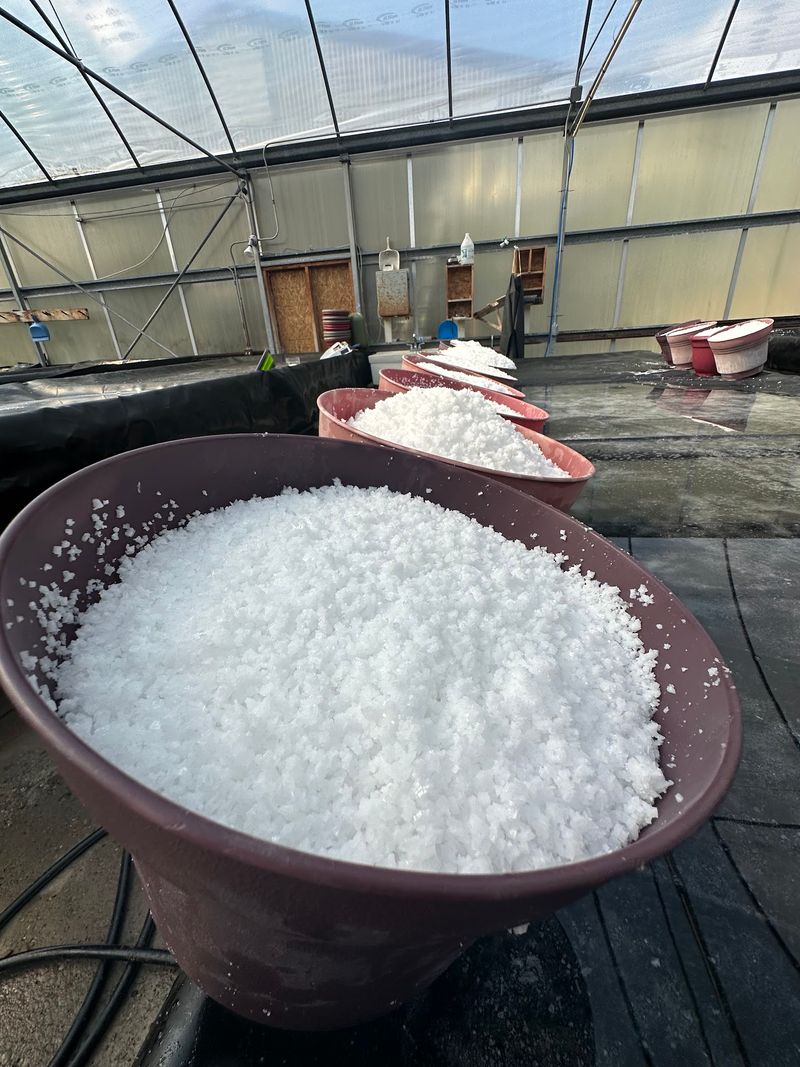
Warmth does its job, and the water drifts away bit by bit. What’s left behind are delicate salt crystals forming right on the surface.
Because the method depends on weather, harvests happen in the spring, summer, and fall. Winter is simply too cool for nature to keep up its end of the deal.
I like how patient this whole system feels. Nobody’s rushing the sun, and the salt seems better for it.
It’s also a quietly sustainable approach. Solar evaporation skips a lot of the energy that bigger operations burn through.
Seeing the beds up close helps the science click. Tiny square-shaped crystals are a fun surprise for anyone who assumed salt just shows up in a shaker.
Bring curiosity, because the sun-houses make a strong case for slowing down.
Hands, Rakes, And A Lot Of Patience
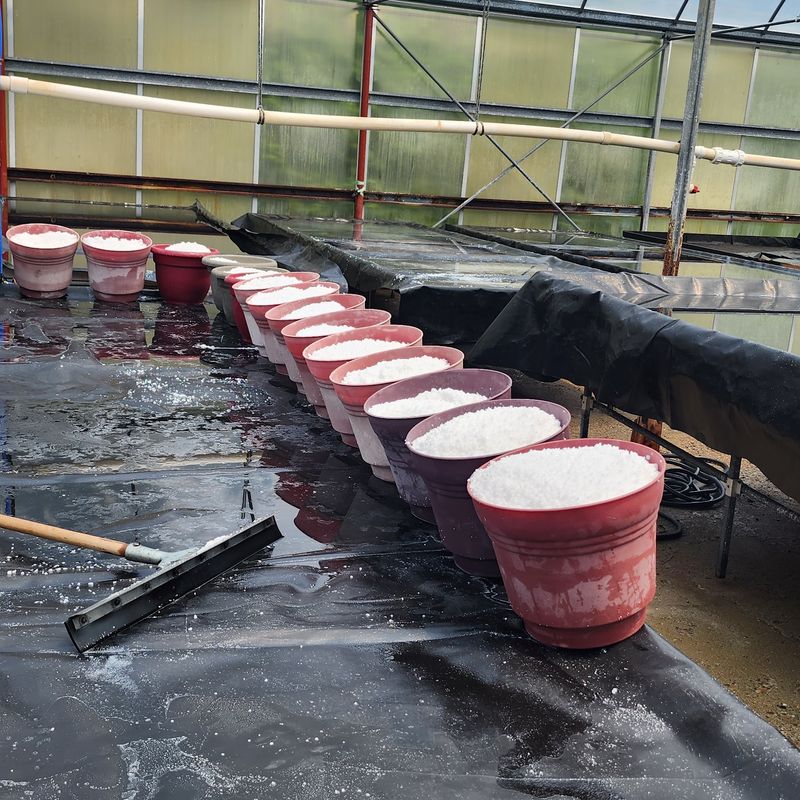
Every crystal here gets personal attention. After evaporation, the salt is harvested by hand instead of scooped by heavy equipment.
From there, it moves to the processing building. Workers clean it, sift it, and package it, keeping that old-fashioned approach from start to finish.
That careful handling helps create the coarse, crunchy texture the brand is known for. It’s a finishing salt, so it shines when sprinkled on food at the very end.
Think of a ripe tomato slice, a seared steak, or a pan of warm brownies. A pinch of flaky salt can make each one taste a little brighter.
Small batches mean the team can keep a close eye on quality. It’s slower than the factory route, but that’s sort of the whole point.
For parents who cook on a budget, this salt is a smart splurge. A little goes a long way, so one jar can stretch across plenty of meals.
Honestly, it’s hard to look at regular table salt the same way afterward. That’s either a blessing or a dangerous new hobby, depending on your grocery budget.
The Guided Tour Packs Two Centuries Into A Short Stroll
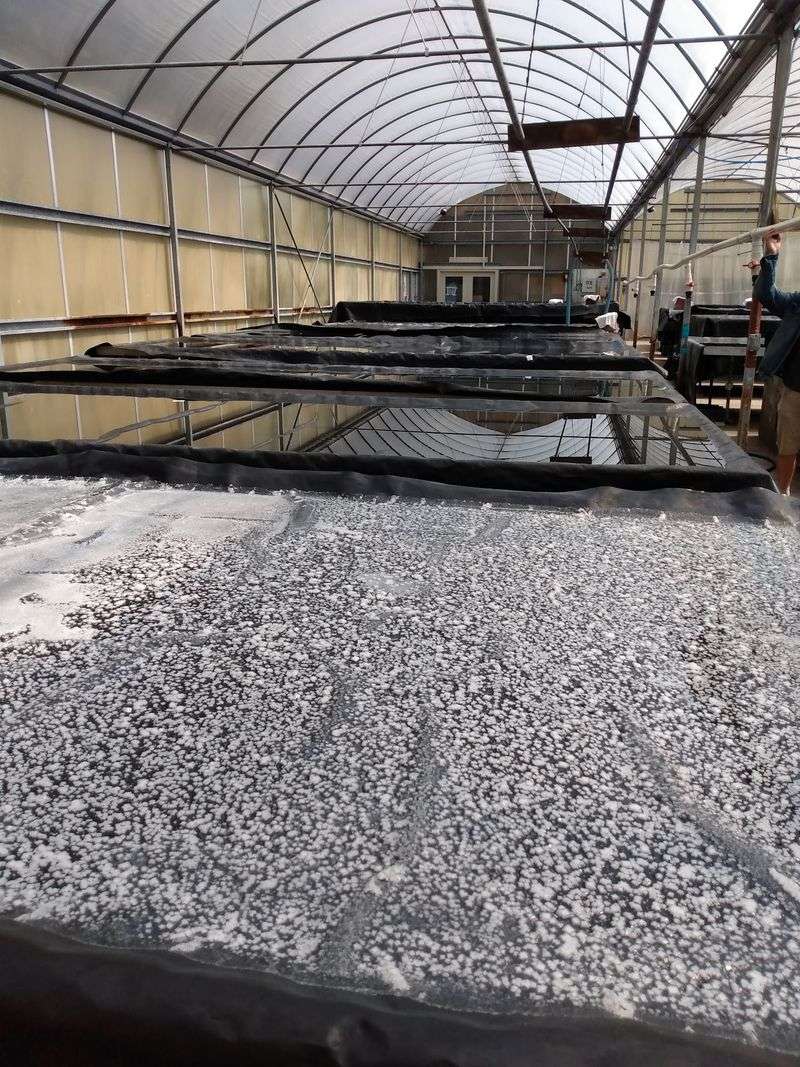
Short on time? The standard tour here is a quick one, often running around 15 minutes, which makes it easy to slip into a day trip.
Tours generally run from April through November, matching the salt-making season. Guides walk groups from the brine source to the sun-houses and then the processing building.
Along the way, you’ll hear the Dickinson family story and the bigger tale of Kanawha Valley salt. It’s history, science, and a little kitchen chemistry rolled together.
The standard tour has reportedly been offered free of charge. That’s a welcome perk for families watching every dollar on a road trip.
Groups stay small, so you can get close to the action. There’s usually time for questions, which is great if someone in the car loves asking why.
It’s a good fit for history fans and behind-the-scenes types. Food lovers will enjoy it too, especially since the tour often wraps up near the tasting area.
Since schedules shift with the season, check ahead before heading over. Nobody wants to drive all that way only to find the sun-houses resting for winter.
Roll Up Your Sleeves On The Experiential Tour
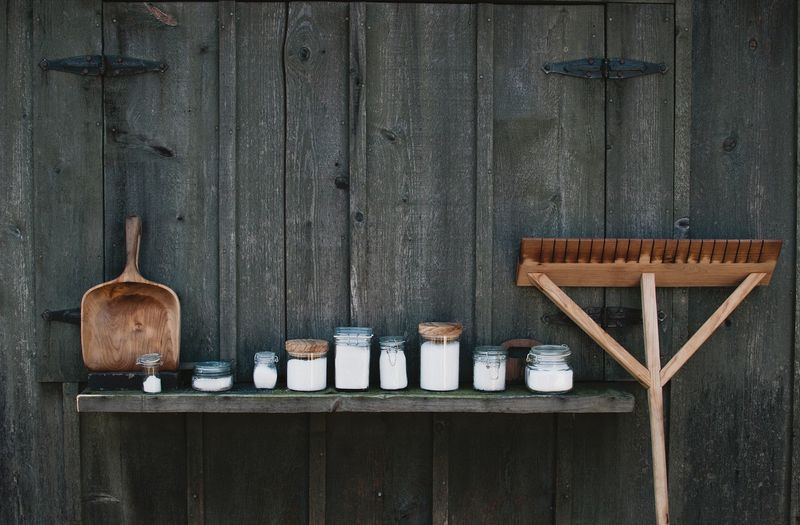
Watching is nice, but doing is better. The experiential tour at J.Q.
Dickinson Salt-Works lets guests help harvest and process the salt themselves.
You’ll get hands-on with the same steps the crew handles every season. Harvesting and cleaning salt turns out to be surprisingly satisfying work.
Here’s the best part. Participants take home a small jar of salt personalized with their name.
That’s a souvenir with real bragging power. Few people can say they harvested the salt on their own dinner table.
This option suits curious adults who want more than a quick look around. It also works for older kids who learn best by touching everything in sight.
The experience offers a fresh appreciation for how much labor goes into each jar. Once you’ve raked a little salt yourself, the price of artisan goods makes more sense.
Because it’s a more involved tour, plan ahead and reserve when possible. Details can change by season, so a quick check before you go saves headaches.
It’s a memorable way to spend part of a day in West Virginia. And your name on a jar beats another fridge magnet any day.
Sample Shelf Of Salts, Caramels, And Hot Sauces
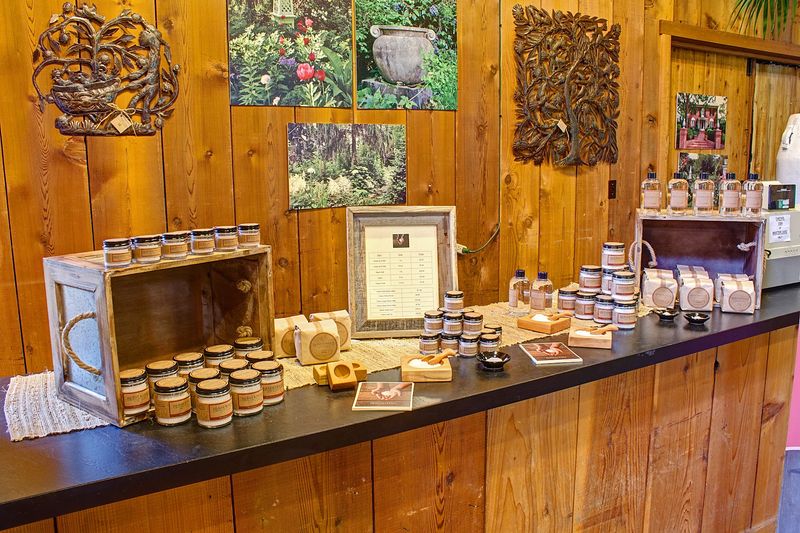
Ramp salt, smoked salt, ghost pepper salt. The flavored options alone could keep a home cook busy for months.
Tasting is a big part of the visit here. You can sample different salts and notice how each one changes from crunch to finish.
The family makes more than salt, too. House-made caramel sauces, syrups, hot sauces, and drinking vinegars are often available to try.
The caramel sauce paired with finishing salt is a dessert upgrade waiting to happen. Drizzle it on ice cream or brownies, and suddenly you’re the fancy one at the potluck.
Hot sauce fans have plenty to explore as well. A dash of heat with a local backstory makes Tuesday tacos feel a bit more special.
Tasting first is a budget-friendly move. You’ll know exactly what you love before spending a dime, which beats guessing in a grocery aisle.
These goods also make thoughtful gifts. A jar of West Virginia salt tucked into a basket says more than another generic candle.
Fair warning, though. One sample often leads to two jars, and that’s how a quick stop becomes a pantry makeover.
Appalachian Goods, A Lively Festival, And Pretty Grounds
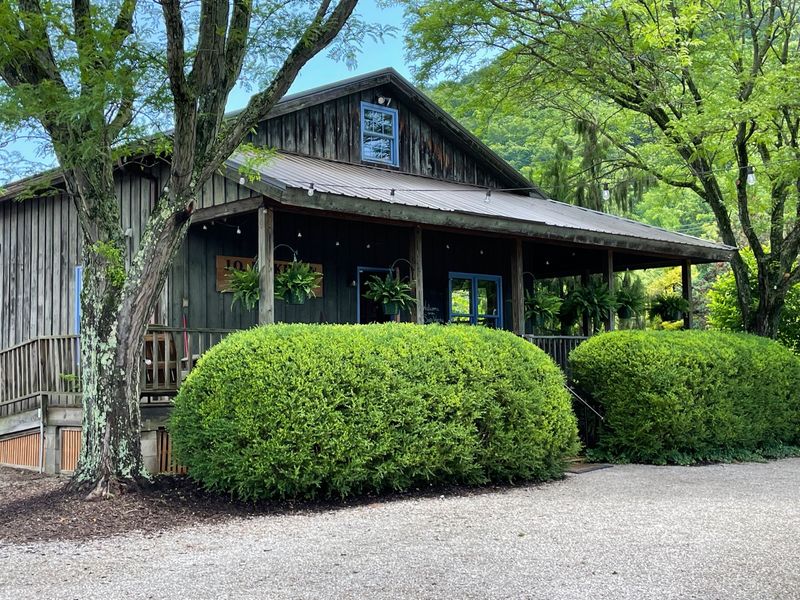
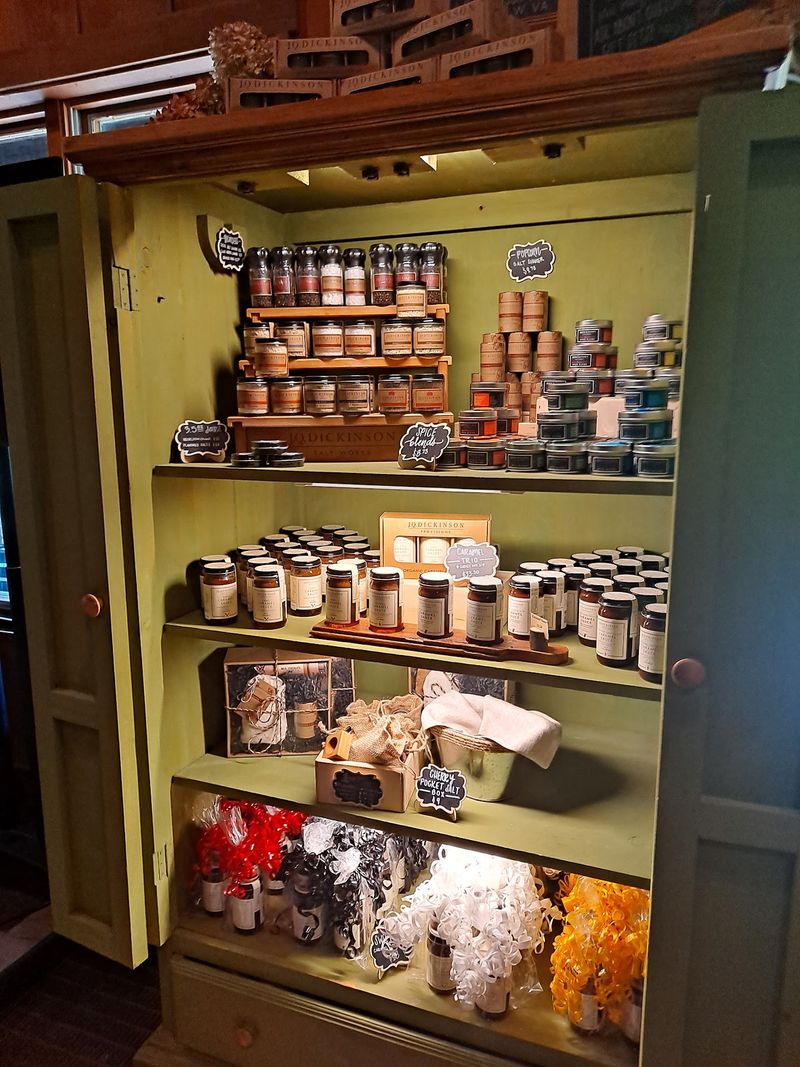
The shop at this salt works doubles as a showcase for regional makers. J.Q.
Dickinson Appalachian Mercantile brings together foods, home goods, and crafts from around the area.
Shelves may hold honey, jerky, soaps, wood crafts, and apparel alongside the signature salts. It’s an easy place to support local artisans while checking gifts off your list.
Then there’s the annual salt festival. The event brings food and craft vendors, live music, and special tours of the historic property.
One festival tour has covered the old salt-making grounds and the former company store. It’s a neat look at how the valley’s salt industry once shaped daily life.
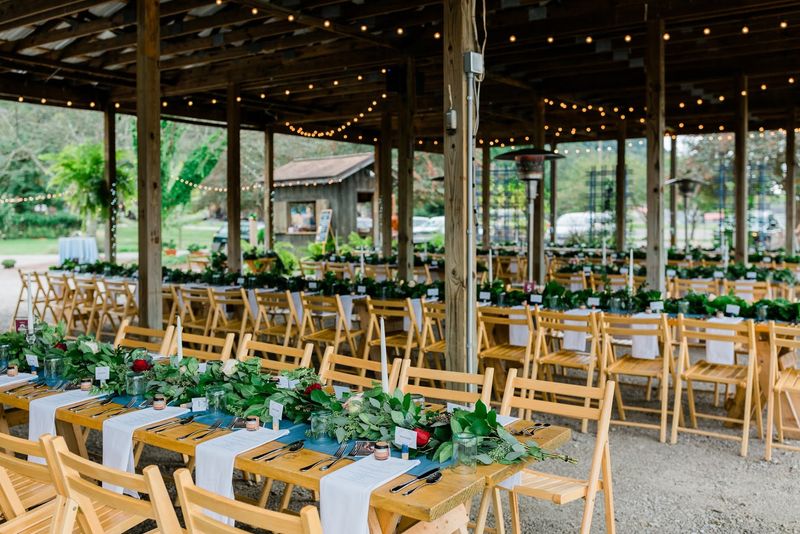
The grounds themselves are worth a slow walk. A lawn and a pavilion with string lights have made the property a spot for weddings and private events.
That variety gives the place a little something for everyone. History lovers, shoppers, and festival fans can all find a reason to linger.
Families can turn a short stop into an easy afternoon here. And the parents might end up enjoying it more than the kids.
Plan A Tuesday-Through-Saturday Detour For Your Pantry
Timing matters with this stop. The shop at J.Q.
Dickinson Salt-Works is typically open Tuesday through Saturday from 10 am to 4 pm, and it’s closed Sunday and Monday.
You’ll find it at 4797 Midland Dr, Charleston, WV 25306. That puts it a short drive from downtown Charleston, so it fits neatly into a capital-city outing.
Tours follow the salt season, generally running April through November. A winter visit can still be worthwhile for shopping, even if the production area isn’t open.
Plan for a relaxed hour if you want the tour, tasting, and some browsing. Add more time if a festival or event is happening on the grounds.
So, is it worth the trip? I believe it is, especially for anyone who loves cooking, history, or a story with real roots in West Virginia.
The free-feeling tour, the tasting, and the local shop make it a smart, low-cost outing. You leave with knowledge, flavor, and maybe a jar with your own name on it.
Not bad for a pinch of salt. Your kitchen will thank you later.
