Somewhere between a history book and a tall tale, there exists a small town with an ordinance so specific, so wonderfully odd, that it stops you mid-sentence when you first hear it. A law about lions.
Not metaphorical lions, not a sports mascot situation, but an actual, living, roaring lion that once strolled the streets and sent at least one grown adult leaping into a river.
When I first stumbled across this story, I laughed out loud and then immediately started packing a bag.
The kind of place that passes a lion leash law is the kind of place worth visiting.
And trust me, the story only gets better the closer you get to it.
The Lion Ordinance Began With A Real Animal Roaming Town
Most towns pass ordinances about noise or parking. Alderson passed one about lions, and that is not a joke.
The story behind this remarkable law is as real as the Greenbrier River that runs through town.
Back in the fall of 1890, a lion cub was adopted by a local family and raised right there in the community. He grew fast, topping 150 pounds within a year, and his habit of wandering freely through the streets became a genuine situation nobody had prepared for.
The town council had to act. They passed an ordinance stating that lions were not permitted to roam public streets without a leash.
It was practical, it was specific, and it was completely unprecedented for a small West Virginia community.
What makes this even more remarkable is that the ordinance never got repealed. It still sits on the books today, a quiet reminder that Alderson once had to figure out lion management before most towns ever thought about it.
History here comes with claws.
A Traveling Circus Sparked Alderson’s Strangest Local Legend
Picture a crisp October morning in 1890, and a traveling circus rolling into a small river town by rail. That circus, French’s Great Railroad Show, brought the usual spectacle, but it also left behind something nobody expected.
A lioness in the troupe gave birth to cubs during the stop. The circus could not keep them all, and word spread quickly through Alderson that the newborns needed a home.
A local woman named Susan Bebout stepped forward and took one of the cubs, naming him French after the show itself.
That single act of kindness launched what would become Alderson’s most famous legend. French grew from a tiny cub into a full-sized lion living among families, neighbors, and unsuspecting traveling salesmen.
The circus moved on, but the story it left behind never did.
Every town has a founding myth, but not every town’s myth involves a circus lion and a very brave local resident. Alderson’s version happens to be completely true.
The Famous Leash Rule Turned One Lion Into Town History
French the lion was not aggressive, but he was absolutely enormous, and that combination created problems. He wandered out of his yard regularly, roaming the streets of Alderson like he owned the place, which, honestly, he kind of did for a while.
The most famous incident involved a traveling salesman who crossed paths with French unexpectedly. The man panicked so completely that he reportedly jumped straight into the Greenbrier River to escape.
Nobody was hurt, but the town council had seen enough.
The ordinance they passed was clear: no lions allowed to run loose on public streets, and any lion present in town must be kept on a leash. It was a law written for exactly one animal, at exactly one moment in time.
French eventually moved on to the National Zoological Park in Washington, D.C. in 1891, but the law he inspired stayed right where it was. Alderson kept it, and honestly, why would they ever get rid of something that good?
Alderson’s Greenbrier River Setting Adds To Its Storybook Appeal
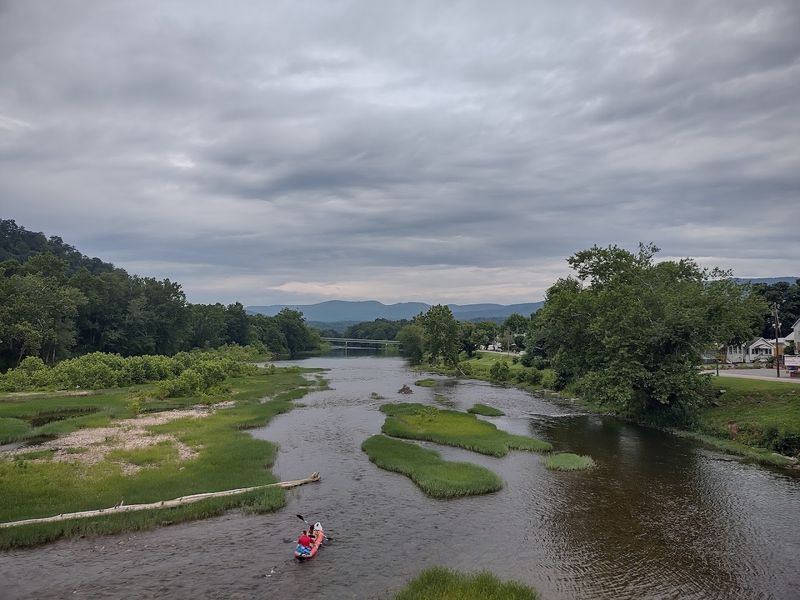
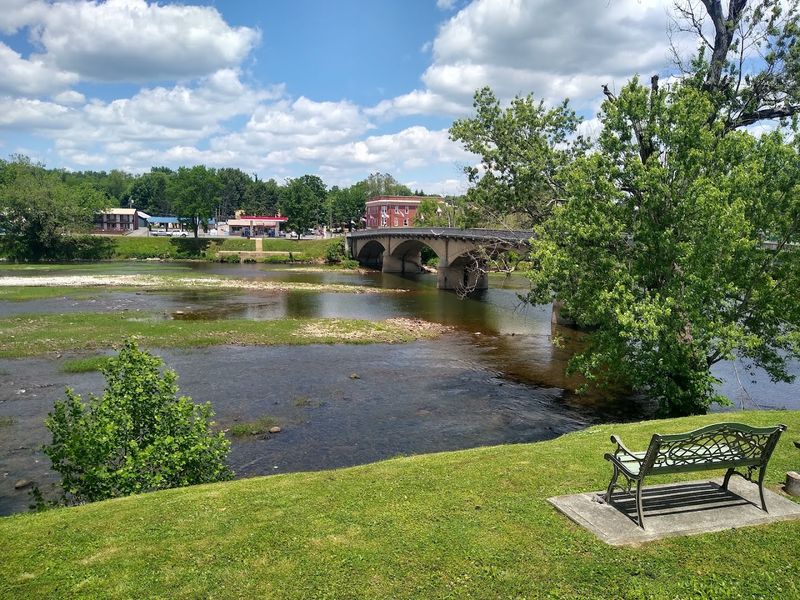
The Greenbrier River does not just run near Alderson. It runs through it, splitting the town between two counties and giving the whole place an almost cinematic quality that hits you the moment you arrive.
Standing near the riverbank, you get this immediate sense that Alderson exists slightly outside of regular time. The water moves slowly, the hills roll gently around the valley, and the limestone-rich soil along the banks looks like it has been feeding farms here for centuries, because it has.
The river played a central role in the town’s early development, shaping its geography and drawing settlers who recognized fertile ground when they saw it. That connection between land and water never really went away.
Today, the Greenbrier River is still one of the most compelling reasons to visit. It frames the town beautifully, adds a natural calm to the historic streets nearby, and quietly explains why people chose to build something lasting here in the first place.
The setting earns every bit of its storybook reputation.
The Historic Memorial Bridge Connects Two Counties
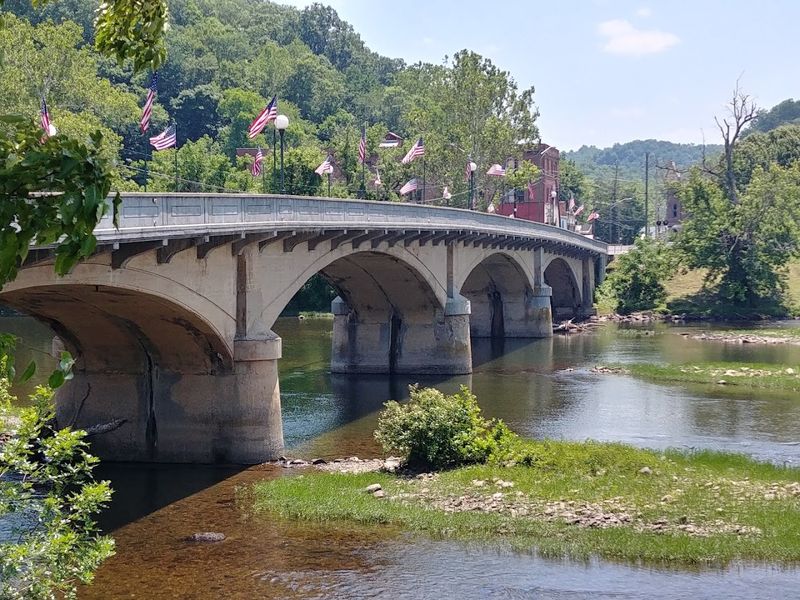
Some bridges just carry traffic. The Memorial Bridge in Alderson carries history, and there is a real difference between the two.
Built in 1914, this concrete arch structure replaced an earlier iron bridge and became something genuinely one of a kind.
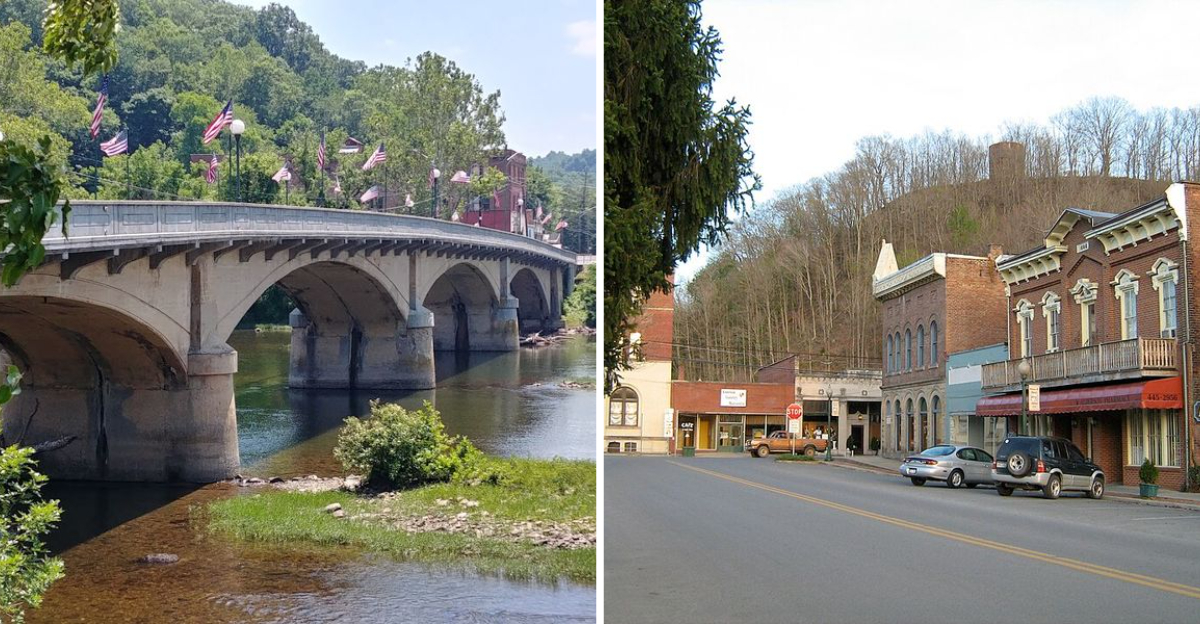
It holds the distinction of being the only concrete arch bridge of its type in all of West Virginia. That alone earned it a spot on the National Register of Historic Places, a recognition that feels completely appropriate once you see it in person.
The bridge physically links the Greenbrier County side of Alderson with the Monroe County side, making it both a practical crossing and a symbol of the town’s unusual split identity. Today it is open only to pedestrians, which actually makes it more enjoyable to use.
Walking across it gives you a slow, unhurried view of the Greenbrier River below and the rolling hills beyond. It is the kind of crossing that makes you pause halfway, look around, and feel genuinely glad you came here.
More Than 160 Historic Structures Fill Alderson’s Preserved District
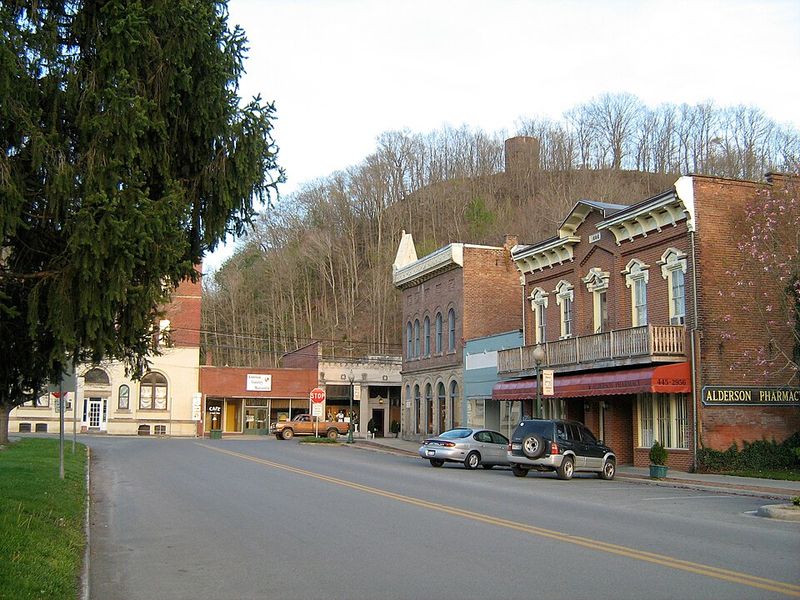
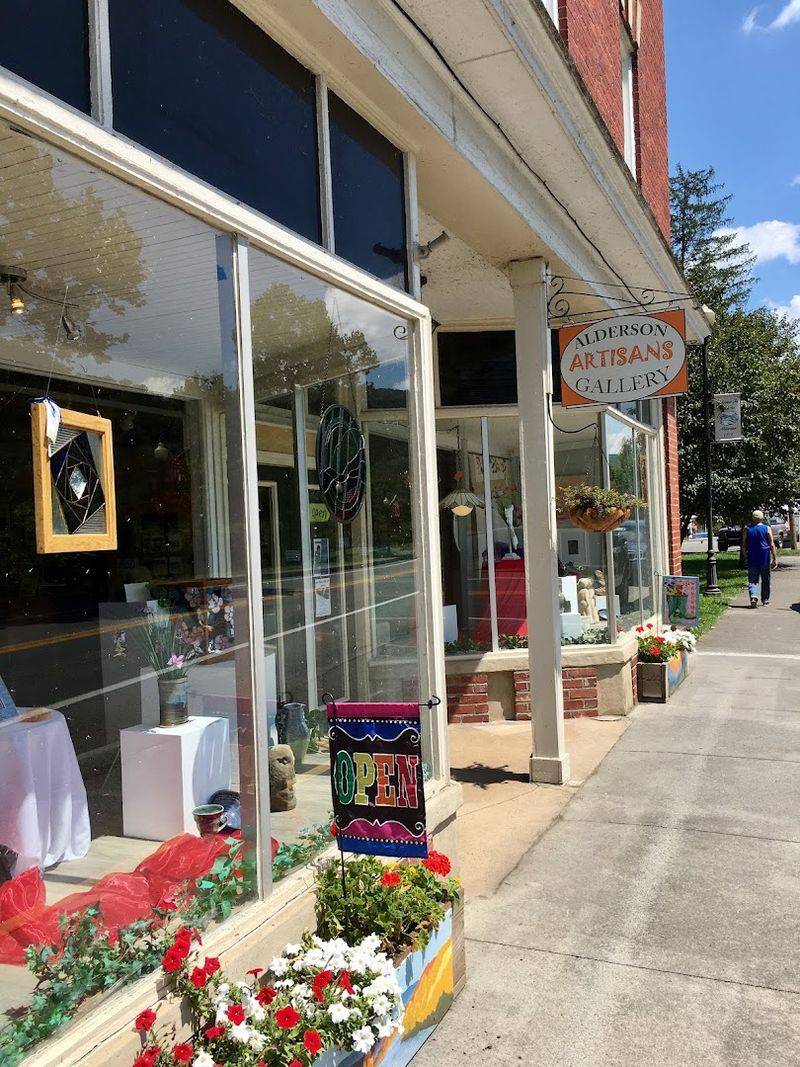
Walking through Alderson feels less like sightseeing and more like flipping through a very well-preserved photo album. The town’s historic district contains between 165 and 200 contributing structures, each one telling part of a longer story.
The architectural styles range widely, from Greek Revival and Federal designs to Queen Anne and Victorian flourishes. Buildings from before the Civil War stand alongside structures from the early twentieth century, and somehow the whole collection feels cohesive rather than chaotic.
That variety reflects the town’s long arc of development, from its earliest settlement days through periods of real economic energy. Each building style marks a different chapter, and walking from one block to the next gives you a genuine sense of that progression.
Preservation efforts have kept these structures in remarkable condition, which is not something every small town can claim. Alderson took its architectural heritage seriously, and the result is a district that rewards slow, attentive exploration.
Every facade has a detail worth stopping for if you give yourself the time to look.
An 1896 Railroad Depot Recalls The Town’s Transportation Boom
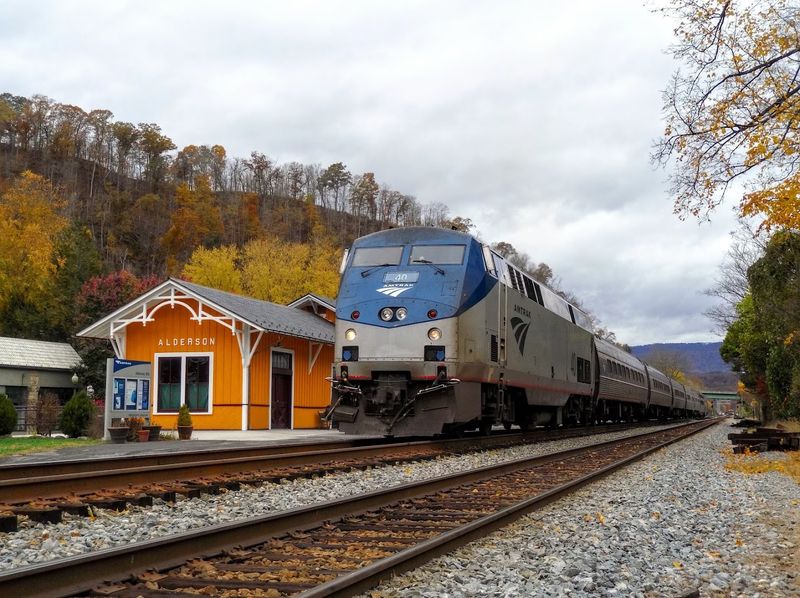
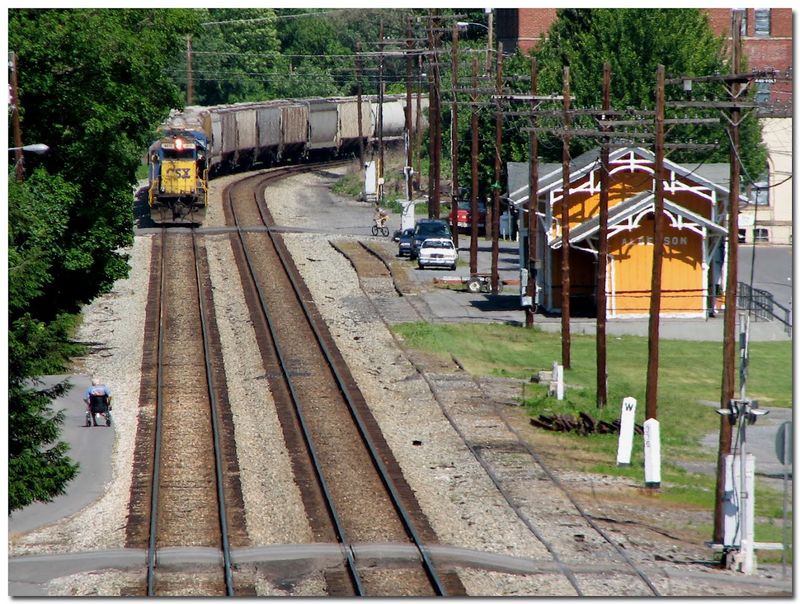
There is something quietly powerful about a restored train depot. It holds the memory of a time when a town’s entire economic rhythm was tied to the arrival and departure of locomotives, and Alderson’s 1896 Chesapeake and Ohio Railway depot carries that weight beautifully.
When the railroad arrived in the late 1800s, it transformed Alderson into a significant shipping point for livestock and agricultural goods moving through the Greenbrier Valley. The depot was the beating heart of that activity, a place of constant motion and commercial energy.
The building itself showcases classic C&O station architecture, with board and batten walls and decorative brackets that give it a tidy, purposeful character. A portion of the depot now houses a small museum dedicated to local and railroad history, making it a genuinely informative stop.
Amtrak’s Cardinal line still uses Alderson as a whistle-stop, which means the depot has never fully retired from service. That continuity between past and present is exactly the kind of detail that makes Alderson feel alive rather than just preserved.
You Can Follow The Lion Story Through Markers And Local Artwork
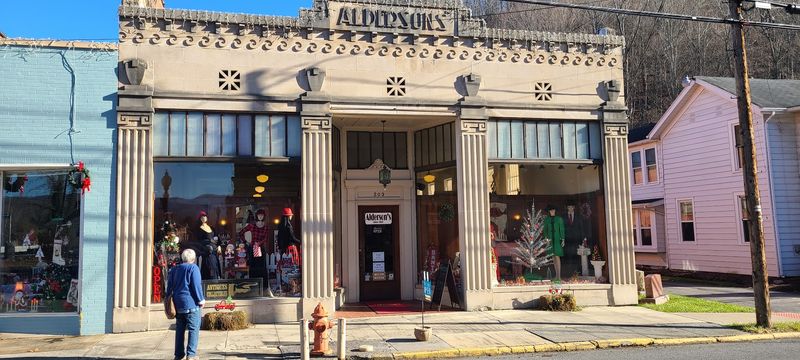
Alderson does not keep its lion story tucked away in a dusty archive. The town wears it proudly, scattering tributes to French across the community in ways that are both creative and completely charming.
Lion statues have been placed at key locations around town, including near the banks of the Greenbrier River and at street intersections.
The Alderson Main Street committee helped bring those pieces in, recognizing that French deserved a visible presence in the community he once roamed freely.
One standout piece is a metal sculpture crafted from scrap metal by artist Michael Loop, positioned near the river as a tribute to the town’s most famous former resident. It has a rough, handmade quality that feels exactly right for a story this earthy and real.
The town also hosts Lion Days, an annual celebration featuring lion-themed activities and food items, including something called the Lion Club sandwich that local businesses embrace enthusiastically.
Following the lion trail through Alderson turns a history lesson into a genuinely fun afternoon of discovery.
The “Gem Of The Hills” Nickname Fits This Small Riverside Community
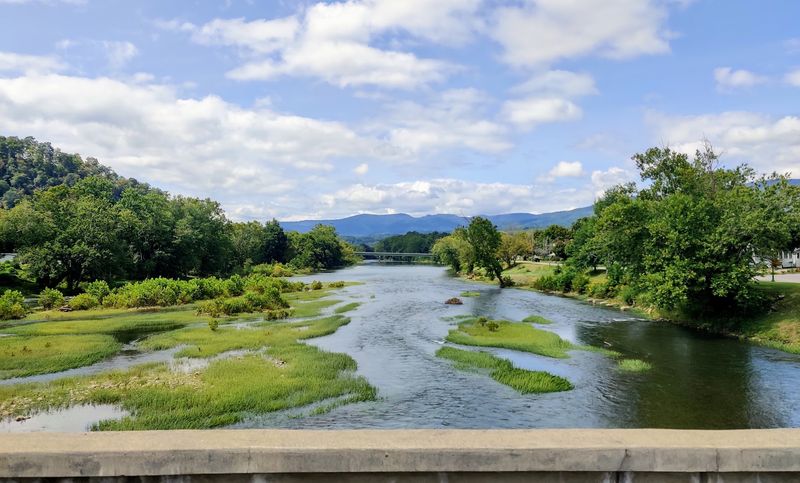
A nickname only sticks when it actually fits, and for Alderson, the Gem of the Hills earns its place every single time you look up from the riverbank and see those rolling hills wrapping around the valley.
Tucked into the Greenbrier Valley with the river running through its center, the town has a natural setting that feels almost too perfect. The hills are lush, the streets are lined with well-kept historic buildings, and the whole scene carries a quietness that most places spend years trying to manufacture.
What makes the nickname genuinely meaningful is that it goes beyond scenery. Alderson’s community spirit, its preserved architecture, and its embrace of unusual local history all add layers to the gem metaphor.
This is not just a pretty place. It is a place with real substance behind the beauty.
The town’s strong connection to its past, paired with an active present-day community, makes the Gem of the Hills feel earned rather than just decorative. Some nicknames age poorly.
This one only gets better.
Alderson Proves Its Wildest Story Is Only The Beginning
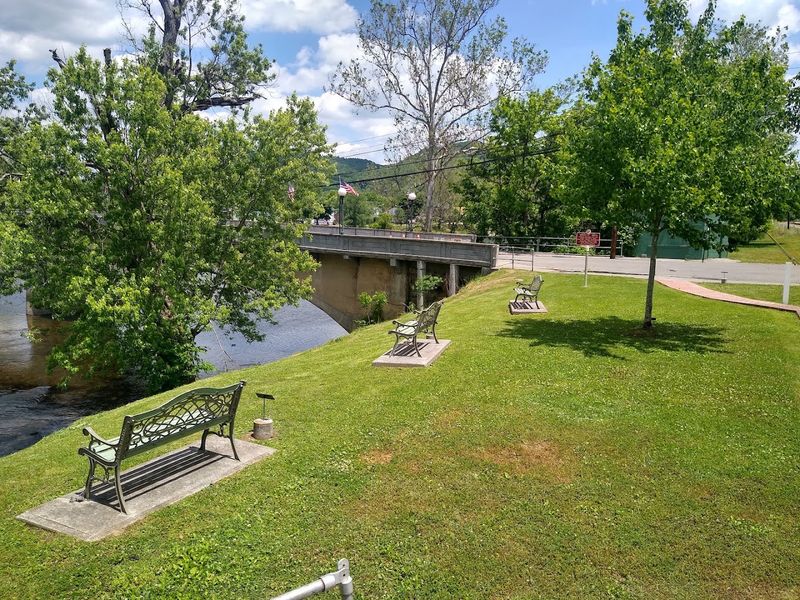
The lion ordinance gets all the headlines, and fairly so, but Alderson has been quietly building a remarkable story since long before French ever arrived on a circus train.
Settled in 1777 and incorporated in 1881, this town has been putting in the work for a very long time.
Agriculture drove the early economy, with the fertile Greenbrier Valley producing fine farms that supplied the broader region. The railroad era brought new energy, new commerce, and new connections that helped shape the town’s character well into the twentieth century.
Today, small businesses, agriculture, and tourism keep Alderson’s community moving forward. The historic district, the river, the bridge, and yes, the lion legacy all work together to make this a destination that rewards visitors who take their time here.
Alderson is the kind of place that surprises you by having more to offer than you expected. The wildest story in the brochure turns out to be the opening line of something much richer.
Address: 311 Monroe Street South, Alderson, WV 24910
